Last updated November 17, 2026






Free written scope consultation - allowances, timeline, and change-order rules on paper before a single trade is scheduled
Windows & Doors Troubleshooting: Common Problems and How to Fix Them
If your impact window is leaking, there’s a 70% chance the glass is fine and a 100% chance the water is finding a path someone created when it was installed. That’s the part most folks miss. A window or door that drips during a Homestead summer downpour usually isn’t worn out. It’s telling you a sealant joint gave up, a sill wasn’t flashed with a positive slope, or a screw worked loose in the frame. We’ve torn out “failed” units that were five years old and perfectly sound, and we’ve saved plenty of fifteen-year-old units with an afternoon of adjustment and fresh sealant. This guide walks you through diagnosing what you’re actually dealing with before you spend money on a replacement you may not need.
Quick Answer
Most window and door leaks in South Florida come from the frame-to-wall joint, the sill, or the flashing, not from the glass itself. Sliding doors that bind usually respond to track cleaning and roller adjustment before parts replacement. Air leaks and water leaks are different problems with different fixes, and mistaking one for the other is how homeowners end up buying windows they didn’t need. Diagnose the path first, then price the repair.
Styles & brands we work with
- Kitchen remodeling
- Bathroom remodeling
- Home additions & ADU
- Roofing
- Windows & doors
- Driveway & pavers
- Fence
Table of Contents
- The Water Intrusion Diagnosis Flowchart
- Why Sliding Glass Doors Bind and Drag in Florida
- Air Infiltration vs. Water Infiltration: Telling Them Apart
- Hurricane Hardware Failures You Can Reset and Ones You Can’t
- Fogged Insulated Glass: Warranty Claim or Replacement?
- When a Repair Is the Wrong Answer
- The Seasonal Maintenance That Prevents Most of This
The Water Intrusion Diagnosis Flowchart
Here’s the thing about a leak: water almost never comes through the glass. Tempered and laminated impact glass is a solid sheet bonded into a frame. It doesn’t weep. What weeps is the perimeter. In Homestead, where a single afternoon storm can drop two inches in an hour and wind drives rain sideways, that perimeter gets tested hard. So before anyone quotes you a window replacement, walk through these checks in order.
- Glass and glazing bead. Look for a crack, a chip at the edge, or a missing glazing bead (the trim strip that holds the glass in the frame). If the glass is intact and the bead is seated, the water isn’t coming from the glass.
- Frame-to-wall joint. This is the sealant line where the window frame meets the stucco or block. Run a dry finger along it and look for cracks, gaps, or sealant that has pulled away. In South Florida’s sun, a bead of exterior sealant lasts roughly three to five years before it needs refreshing. This is the single most common leak source we find.
- The sill. Check the bottom exterior edge of the window. Water should shed away from the wall. If the sill is flat, back-pitched, or the weep holes are clogged with dirt and leaf litter, water pools and finds its way in.
- The flashing above and beside. If you have a leak that only shows during wind-driven rain from a specific direction, suspect missing or improperly lapped flashing at the head of the opening. This one often requires opening up a section of wall to confirm.
The cost difference is real. A sealant refresh is a same-day repair. A flashing correction means removing the window, re-flashing the rough opening, and reinstalling. Knowing which one you’re facing changes the conversation from “replace everything” to “fix the actual path.” We’ve seen Homestead homeowners spend five figures on new windows when a $180 sealant joint would have stopped the drip. For a broader look at how windows and doors fit a full home exterior plan, see our Barrett & Sons Construction Homestead home page.
Why Sliding Glass Doors Bind and Drag in Florida
A sliding glass door that suddenly feels heavy isn’t a mystery. It’s usually a straight sequence: humidity causes the frame to expand and contract slightly through the seasons, grit and fine sand collect in the bottom track, and the rollers underneath the door panel wear down or flatten. By the time it feels like the door is dragging, all three have probably happened. The good news is a lot of binding doors can be corrected before you call anyone.
Try these steps in order:
- Clear the track. Vacuum out the bottom track, then scrub it with a stiff brush and a mild detergent. Rinse and dry completely. Sand and grit act like a brake.
- Check the rollers. Look at the bottom of the door panel; most sliding doors have adjustment screws recessed in the frame, usually accessible through a small hole near the bottom corner. Give each a quarter turn and test the door. If it rolls smoother, you found your fix.
- Lubricate the rollers and track. A dry silicone spray on the rollers and a light coat in the track does more than any oil-based product, which just collects grit in Florida’s dusty air.
- Inspect the bottom track for damage. A crushed or bent track section traps the roller and no amount of adjustment will fix it. That’s a track replacement, which is a manageable repair but not a homeowner job.
One more Homestead note: doors facing west or southwest take the worst of the afternoon sun and the driving rain that comes with it. Those doors wear rollers faster than a shaded north-facing door. If yours is on the exposed side of the house, expect the adjustment to come sooner and more often.
Air Infiltration vs. Water Infiltration: Telling Them Apart
These get confused constantly, and the confusion costs people money. Air infiltration is a comfort and energy problem: you feel a draft, the room won’t hold temperature, your electric bill creeps up. Water infiltration is a moisture and structural problem: you see staining, bubbling paint, or a damp sill. They come from different paths and they need different fixes.
You can tell them apart with two ordinary things.
The incense test (for air). On a windy day, light a stick of incense and slowly move it around the perimeter of a closed window or door. Watch the smoke. If it flutters or gets pulled toward a gap, you’ve found an air path. Weatherstripping, a sweep, or a fresh bead of sealant usually closes it.
The hose test (for water). Have someone run a garden hose, on a low steady stream, against the frame from the outside for about ten minutes while you watch from inside with a flashlight. Move from the sill up the sides to the head. When you see water appear inside, you’ve located the entry point. Don’t blast it at high pressure; a gentle stream mimics rain better and won’t force water past gaskets that would otherwise hold.
Confusing these two is how people end up replacing a window that only needed weatherstripping, or slapping sealant on a frame that’s actually leaking through a bad sill. Diagnose the type first. The repair follows from there.
Hurricane Hardware Failures You Can Reset and Ones You Can’t
Impact-rated windows and doors carry heavier hardware than standard units: multipoint locking systems, reinforced hinges, and door closers sized for a thick, heavy panel. Over years of use, some of this drifts out of alignment. Some of it you can reset yourself. Some of it needs a licensed glazier, and it matters that you know which is which.
What a homeowner can usually reset:
- Multipoint locks that don’t engage smoothly. If the handle turns but the door doesn’t latch tight, the strike plates or the door panel may just be slightly out of position. A small adjustment to the hinge-side screws can realign the panel so the locks catch. Don’t force a handle that won’t turn; that bends internal hardware.
- Hinges that squeak or bind. A drop of silicone lubricant on the hinge pins and a check that hinge screws are snug solves most of this.
- Door closer speed. Many closers have an adjustment screw on the body to set how fast the door closes. Small turns, tested between each, get it right.
What needs a licensed glazier:
- A lock mechanism that has failed internally (the handle spins freely, or the latch won’t retract at all). These multipoint systems are specific to the manufacturer, and forcing them causes more damage. The lock may be under warranty. Brands like Mr-Glass and ViewLux have dealer networks that handle these claims.
- Hinge or anchor fastener failure at the frame. If the door panel is sagging because the anchor pulled out of the wall, that’s a structural attachment problem, not a hardware tweak. It needs to be pulled and properly re-anchored.
- Any door that no longer closes and latches fully. In a hurricane zone, an impact door that won’t lock is a safety issue, not a convenience one. Get it looked at before storm season.
Fogged Insulated Glass: Warranty Claim or Replacement?
That cloudy, milky haze between the panes of an insulated glass unit (IGU) means the factory seal that holds the inert gas and keeps moisture out has failed. The glass isn’t broken; the seal is. The question homeowners in Homestead ask us is always the same: is this covered, or am I buying new glass?
It depends on the age and the manufacturer. Here’s how to find out without guessing.
- Find the manufacturer’s label. Most IGUs carry a small etched or printed label in the corner of the glass or on the spacer bar. It has the manufacturer, the date of manufacture, and sometimes a unit ID.
- Check your original paperwork. If you bought the home with the windows already in, look for a window schedule or warranty document in your closing packet. Impact windows from major brands commonly carry a multi-year seal warranty, often longer for the IGU seal specifically than for the frame finish.
- Call the manufacturer’s warranty line, not a sales line. Give them the label info and the install date. Many honor the IGU seal warranty for the original owner, and some transfer to a second owner if the paperwork exists.
- If it’s out of warranty, a fogged IGU can often be replaced as a glass-only swap without replacing the whole window frame, which saves real money. That’s a glazier job.
We’ve seen Homestead homes where a fogged pane from a premium brand like ViewLux was replaced under warranty at no cost, and we’ve seen units where the warranty had long lapsed and a glass swap was the smart play. Either way, check the label before you assume you’re buying new windows.
When a Repair Is the Wrong Answer
We spend a lot of this guide telling you a repair is probably the fix. That’s honest, because in our experience it usually is. But there are times when patching a window or door is throwing money at a problem that will keep coming back, and you should know those signs too.
Replacement starts to make sense when:
- The frame itself is rotted or cracked. In South Florida, wood frames and certain composite frames can deteriorate after years of sun and moisture. A compromised frame can’t be sealed reliably.
- The unit is a non-impact window in a home where you want the storm protection and insurance credit. Older single-pane or non-rated units in a Homestead home are worth upgrading on safety grounds, not just efficiency.
- You’ve had the same leak fixed twice and it returns. Repeated returns usually mean the flashing or rough opening was never right, and correcting it properly may mean pulling and reinstalling the unit. At that point, a new unit installed correctly is the smarter spend.
- The hardware is obsolete. If a door’s multipoint lock or roller system is discontinued and no parts exist, adjustment becomes a dead end.
When replacement is the answer, the brand and the installation matter more than the price tag. We install Andersen and Marvin impact products because the warranties are real and the parts support exists years later. If your project grows beyond windows and doors, our team handles Home Additions & ADU in Homestead and can match new openings to existing exterior details.
The Seasonal Maintenance That Prevents Most of This
Almost every problem in this guide traces back to something that could have been caught with fifteen minutes twice a year. Homestead’s climate is hard on exterior seals: intense UV, salt air if you’re near the coast, and a wet season that hammers everything from June through November. A simple routine keeps windows and doors working and saves you the emergency call.
Twice a year, ideally before and after storm season:
- Walk the exterior sealant line on every window and door. Touch up any cracked or pulled bead with an exterior-grade sealant rated for your substrate.
- Clear weep holes and tracks. Clogged weep holes are the number-one cause of sill leaks we see. A stiff brush and a rinse handle it.
- Test every lock and latch. Open and close each window and door fully. A lock that hesitates in April is a lock that fails in August.
- Lubricate moving hardware with silicone, not oil.
- Check the rollers on sliding doors and adjust if they’re dragging.
- Look up. Trim tree limbs that scrape the roof and gutters, and make sure gutters drain away from the exterior walls. Water pooling at the foundation finds its way to window sills.
Outside the envelope, the same maintenance mindset applies to the rest of the property. If you’re also thinking about hardscape or fencing, our Driveway & Pavers in Homestead and Fence Installation in Homestead pages cover what holds up in this climate.
Common Mistakes to Avoid
- Assuming a leak means new windows. Nine times out of ten the glass is fine. Diagnose the perimeter first.
- Sealing over a wet joint. Sealant won’t bond to damp stucco, and trapping moisture makes rot worse. Dry it, then seal it.
- Forcing a hurricane lock that won’t turn. Multipoint hardware bends easily. If it resists, stop and get it looked at.
- Blasting a hose at high pressure to find a leak. You’ll force water past gaskets that were holding fine and chase a leak that isn’t there.
- Skipping the warranty check on fogged glass. A lot of IGUs are still under seal warranty. Look at the label before you buy.
- Letting a Homestead contractor install without a permit where one’s required. Window and door replacements generally need permits and inspections. Unpermitted work can surface at resale and cost you more than the job.
- Hiring on a phone quote. Get the scope and price in writing before anyone starts. A quote that changes at the door is a warning sign.
That last point is why we put every scope, every allowance, and every price change in writing before work happens. The permit inspector works for you, not for us, and we pull permits and get inspections signed on every eligible job. Ask anyone on your street, or look up the license number yourself.
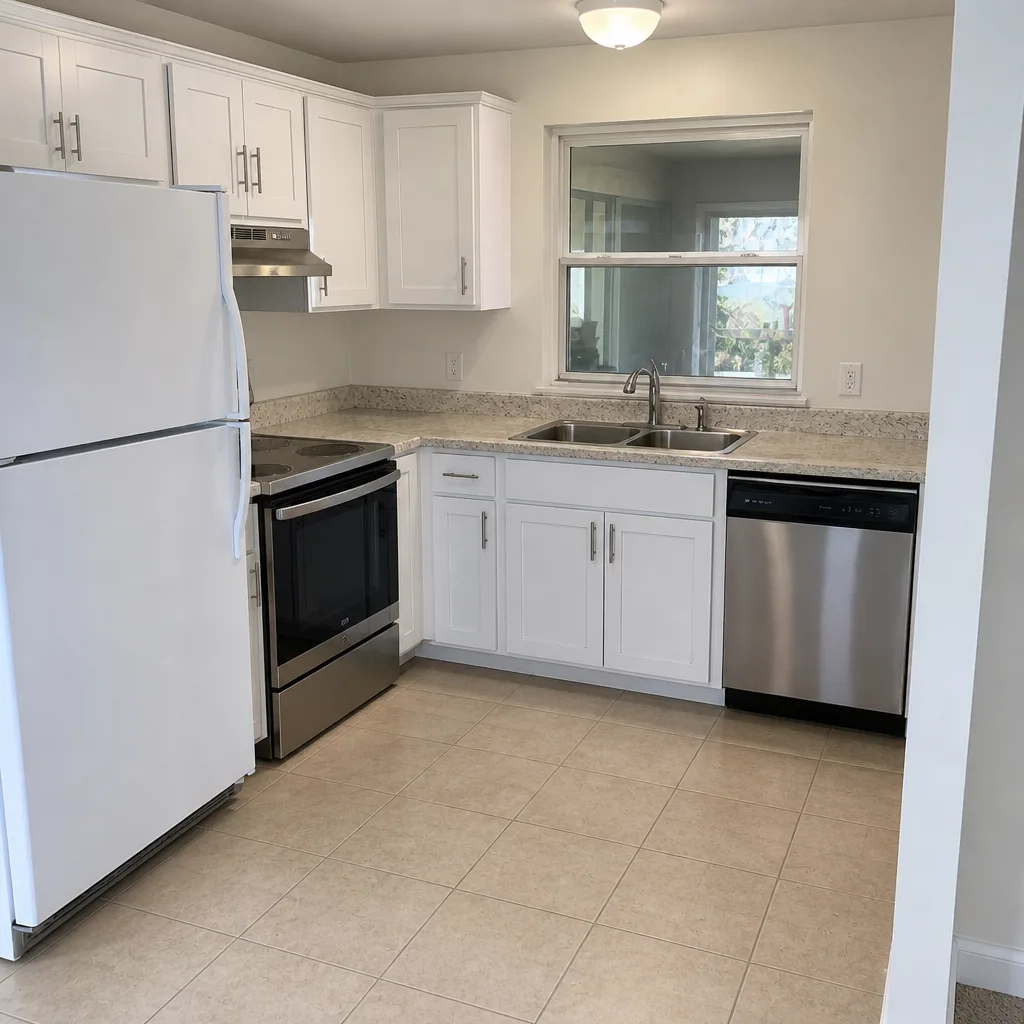
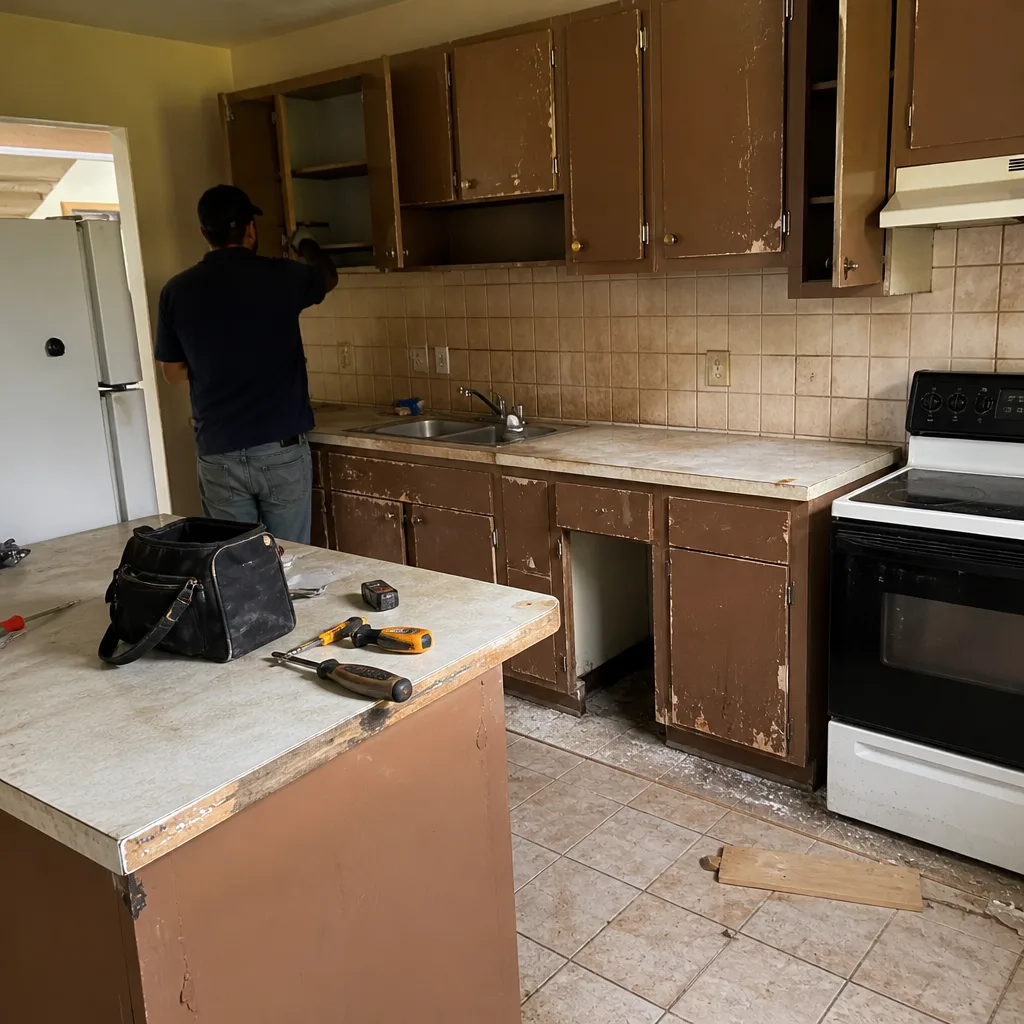
See the difference
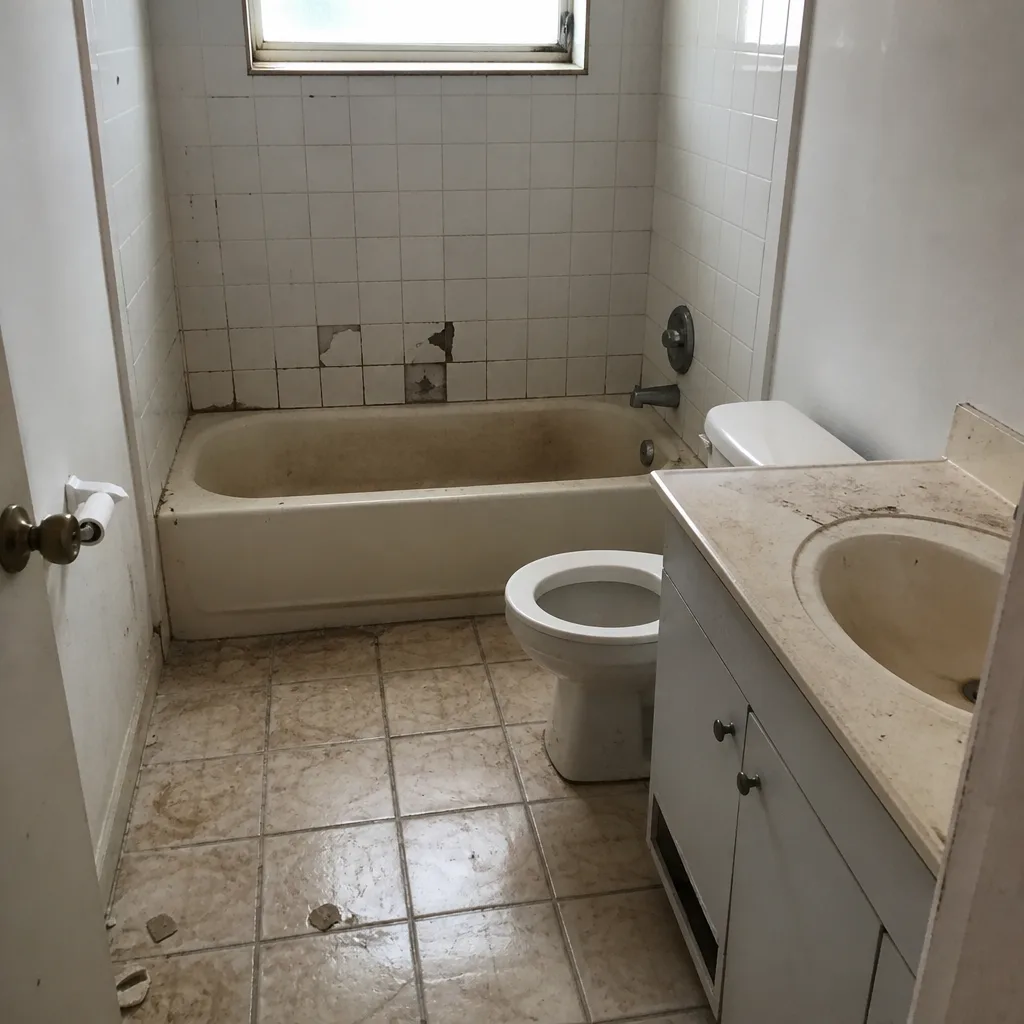 Before
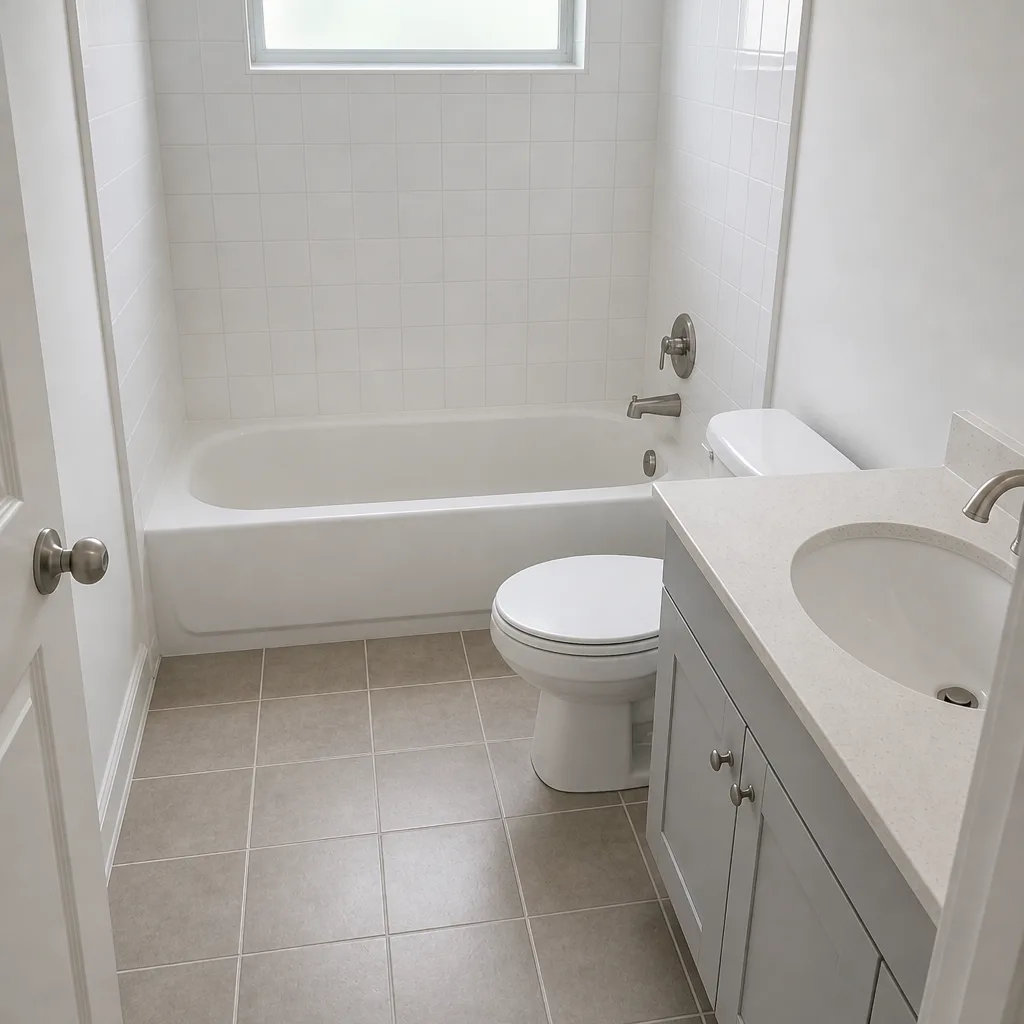 After
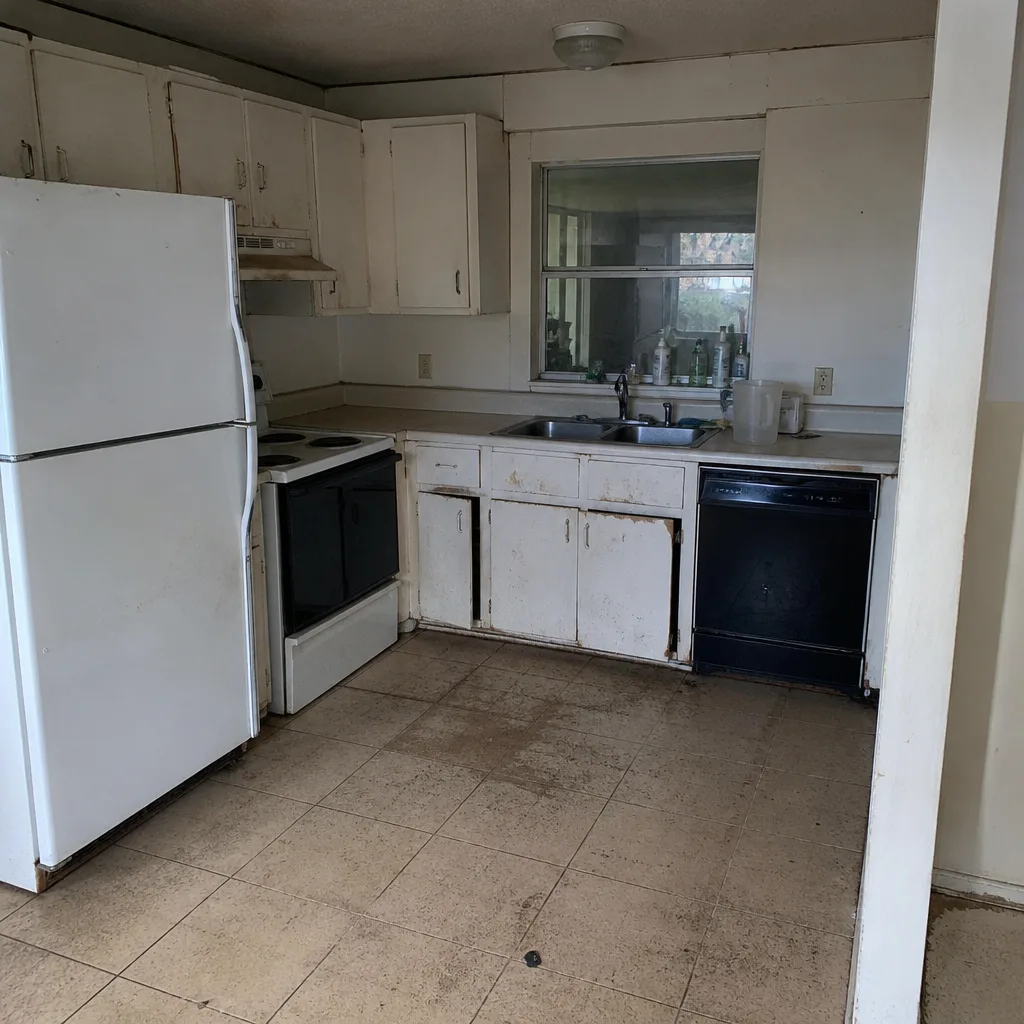 Before
 After
 Before
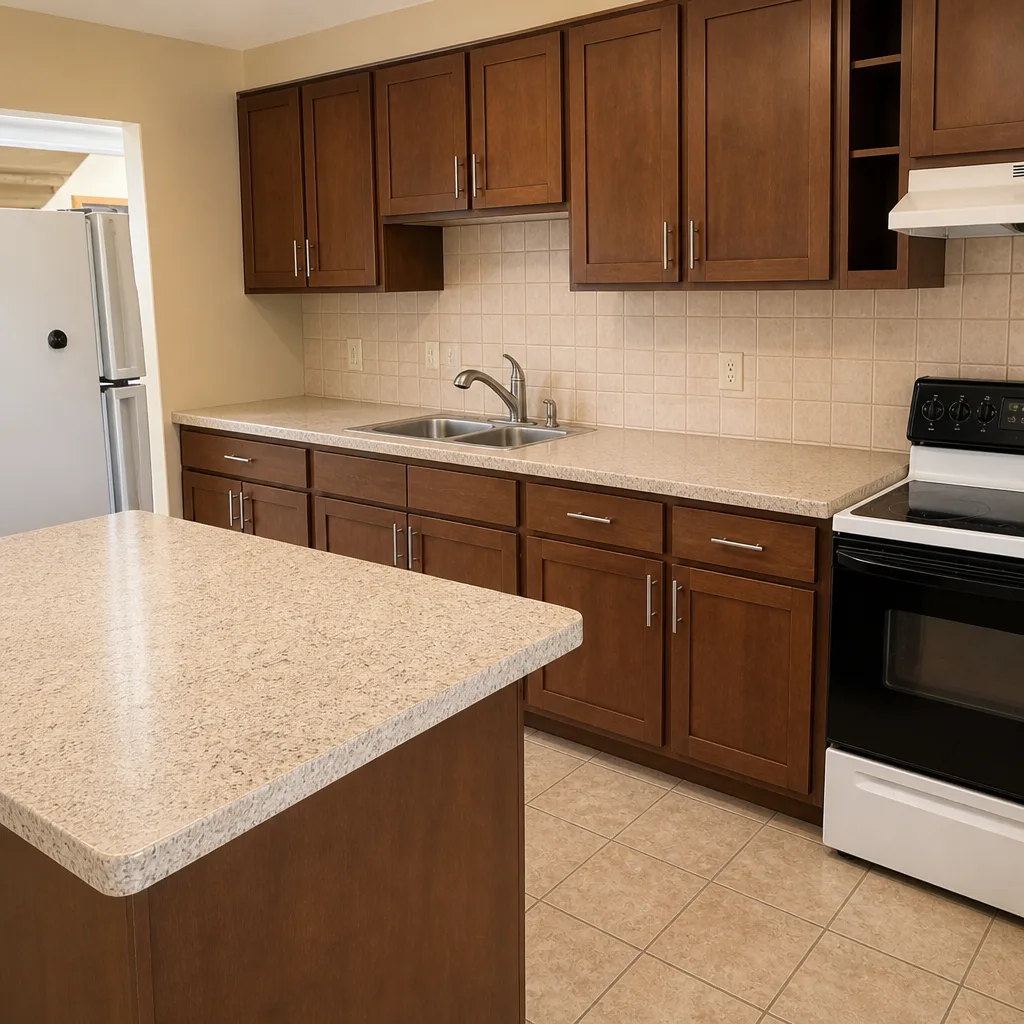 After
When to Call a Professional
Call a professional when water is coming in during a storm and you can’t find the path with the hose test, when a hurricane-rated door won’t latch fully, when a fogged IGU needs a warranty claim or glass swap, or when a frame itself is soft, cracked, or rotted. Also call if you’ve fixed the same leak twice and it keeps returning; that’s a signal the flashing or installation was never right. On the safety side, be careful with any work above the first floor or on a ladder near glass, and leave structural re-anchoring and glass swaps to a licensed glazier. Barrett & Sons Construction Homestead offers free estimates in Homestead. Call (866) 344-6796 to schedule yours.
Frequently Asked Questions

The glass itself almost never leaks; the frame-to-wall joint and the sill are the usual culprits. Run the hose test on a low stream along the perimeter, starting at the sill and moving up, and watch from inside with a flashlight to pinpoint the entry. If water appears at the sill first, it’s the sill or weep holes; if it appears along the side or top, it’s the frame-to-wall joint or flashing. Call (866) 344-6796 for a free estimate if you can’t isolate it.
Summer humidity expands the frame slightly, grit collects in the track, and the rollers wear down, and together they make the door feel heavy. Clean the track, lubricate the rollers with silicone spray, and try the roller adjustment screws before assuming you need a new door. If the track is bent or crushed, that’s a repair job, not an adjustment. Call us for a free estimate if the door still binds after these steps.
Often it is, depending on the manufacturer and the age of the unit. Find the label on the glass or spacer bar for the manufacturer and manufacture date, then call the maker’s warranty line with that info. Many premium brands warranty the IGU seal for years, and some transfer to a second owner with paperwork. If it’s out of warranty, a glass-only swap is usually cheaper than a full window replacement. Call (866) 344-6796 for a free estimate on the swap.
Yes, in most cases window and door replacements require a permit and inspection, especially for impact-rated products. Skipping the permit can cause problems at resale and leaves you without the inspection that confirms the installation meets code. We pull permits and get inspections signed on every eligible job. Call (866) 344-6796 to talk through your project.
An air leak is a comfort and energy problem you can find with an incense stick; a water leak is a moisture problem you find with a garden hose. Confusing them leads to the wrong repair, like replacing a window that only needed weatherstripping. Diagnose which one you have before you spend anything. Call (866) 344-6796 for a free second opinion on any written estimate.
Sometimes. If the handle turns and the panel is just slightly out of alignment, a small hinge-side adjustment can realign it. But if the handle spins freely or the latch won’t retract at all, the multipoint mechanism has failed and needs a licensed glazier; forcing it causes more damage. Don’t wait on a door that won’t lock during storm season. Call (866) 344-6796 for a free estimate.
The Bottom Line
Most window and door trouble in Homestead isn’t a product failure; it’s an installation detail that shows up years later. The glass is usually fine. The water is finding a path through a sealant joint, a sill, or flashing. Sliding doors bind from grit and worn rollers before they need replacing, air and water leaks are different problems you can tell apart with incense and a hose, and a fogged IGU may still be under warranty. Diagnose first, repair what’s repairable, and replace only when the frame or hardware truly can’t be saved. Our technicians have up to 28 years of experience with exactly these calls, and every price change arrives in writing before work starts. When you’re ready, call Barrett & Sons Construction Homestead at (866) 344-6796 for a free estimate.
Written by the team at Barrett & Sons Construction Homestead.