Free written scope consultation - allowances, timeline, and change-order rules on paper before a single trade is scheduled
Styles & brands we work with
- Kitchen remodeling
- Bathroom remodeling
- Home additions & ADU
- Roofing
- Windows & doors
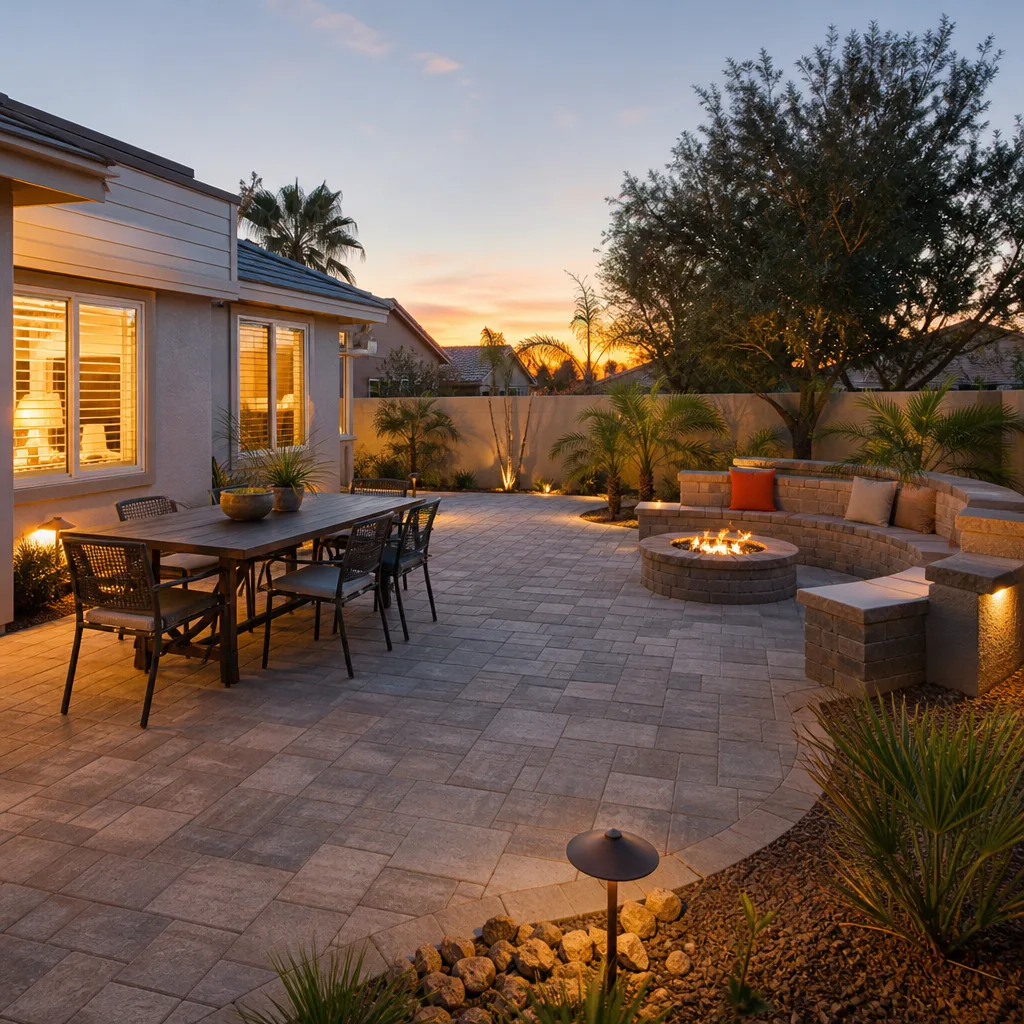
- Driveway & pavers
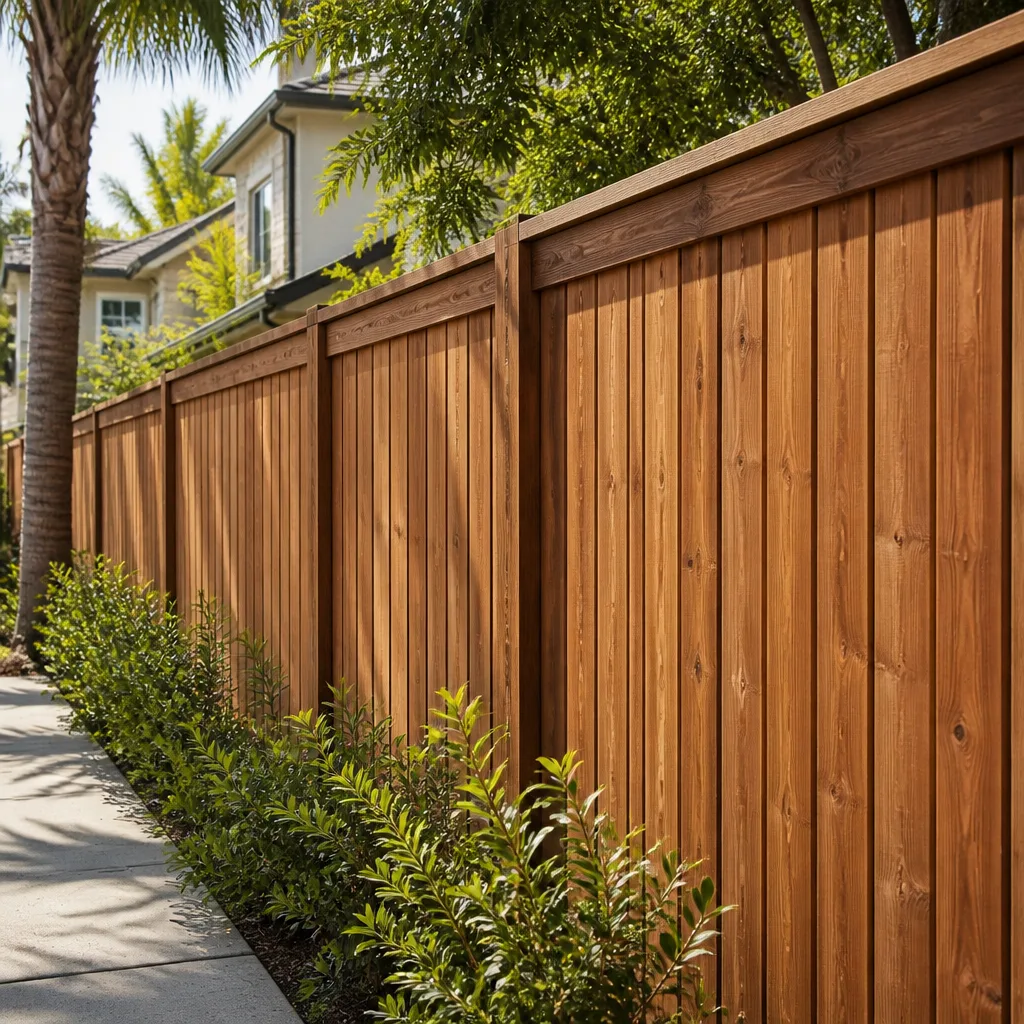
- Fence
See the difference
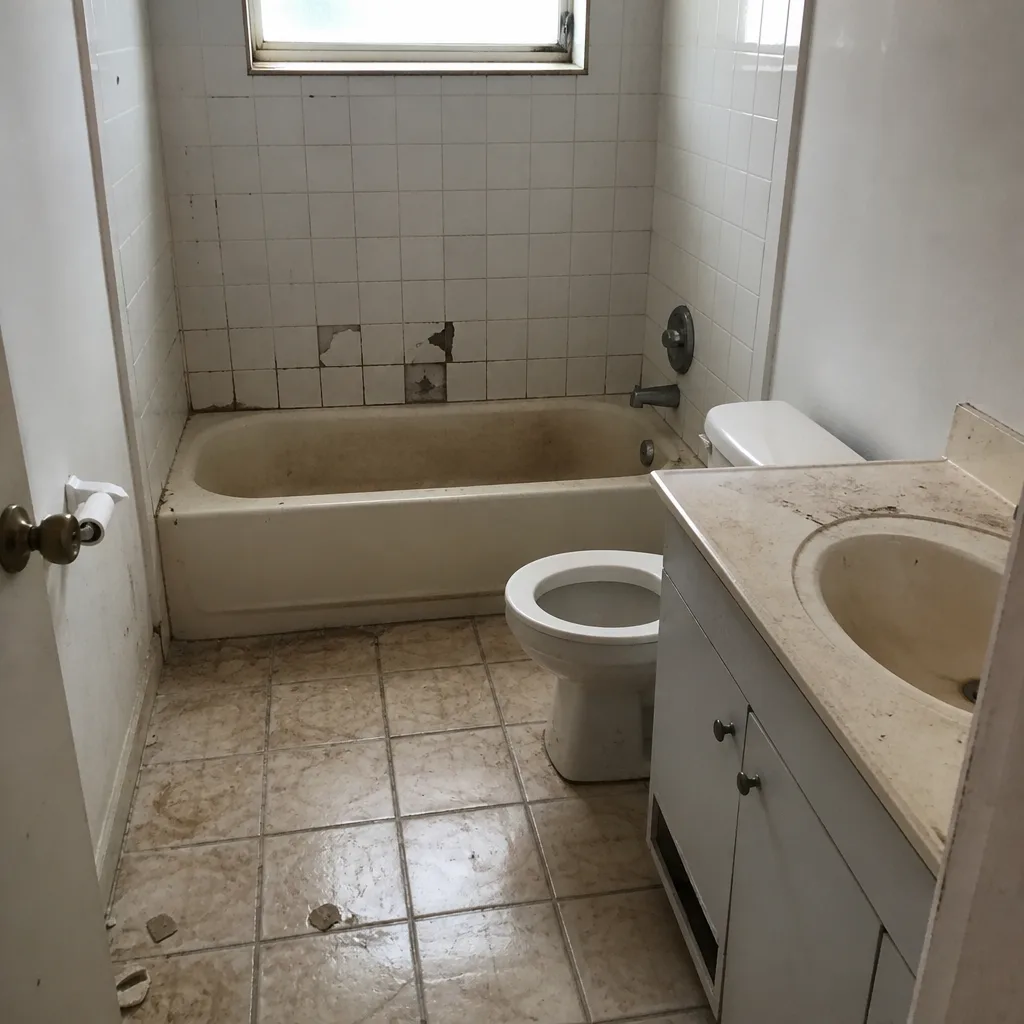 Before
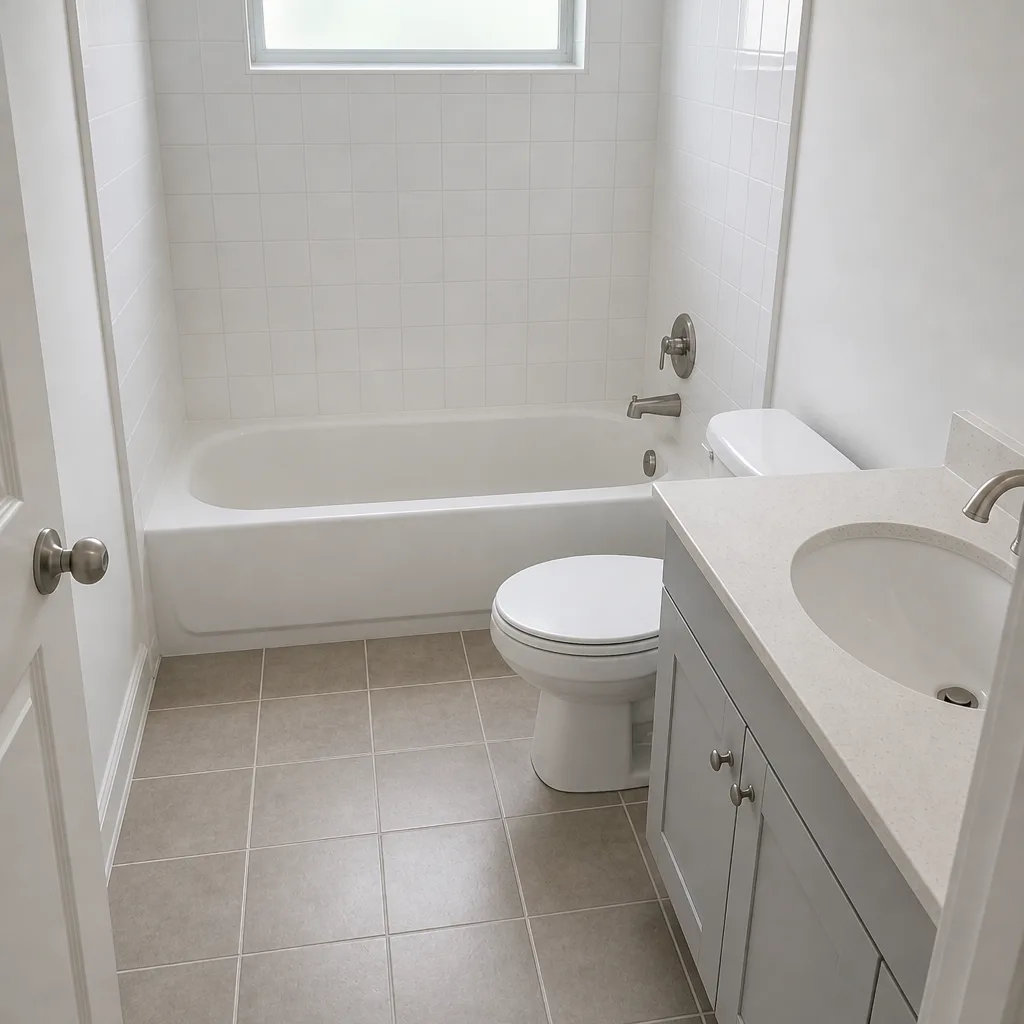 After
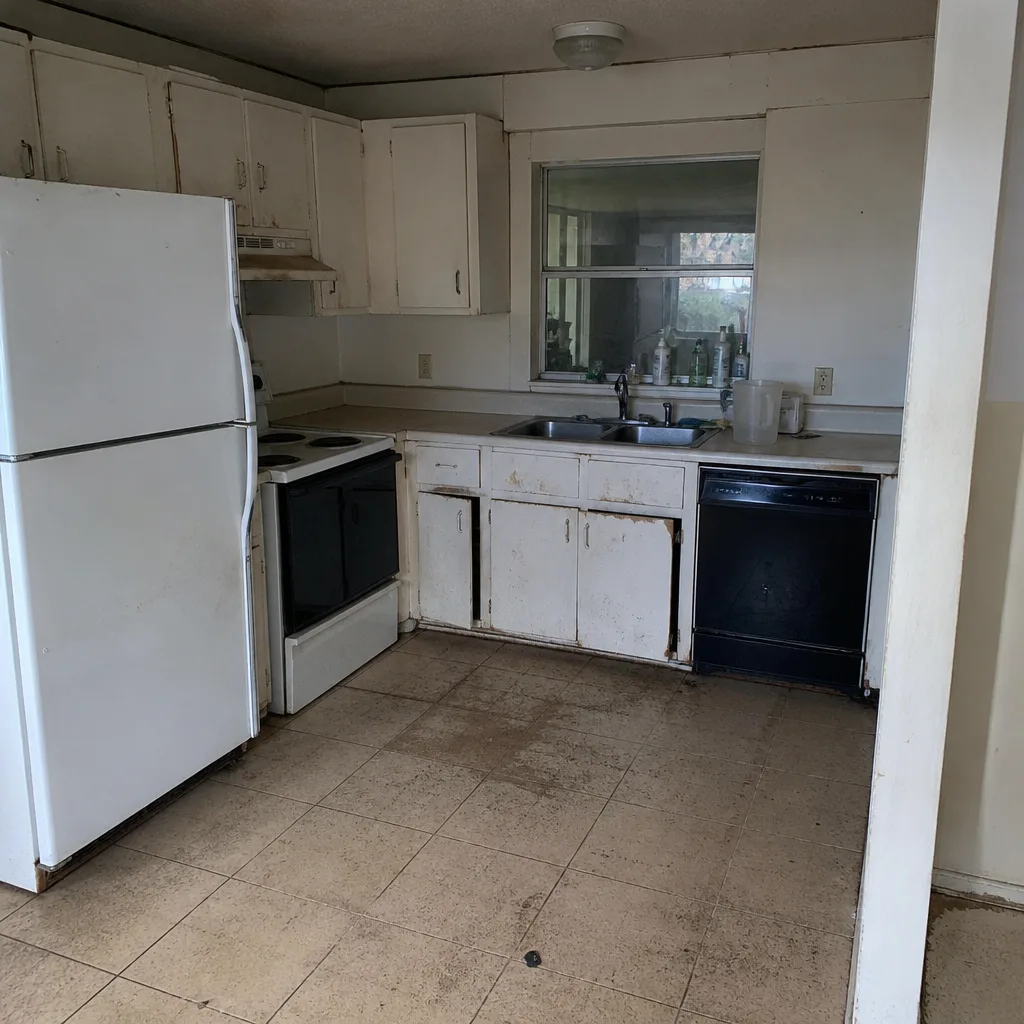 Before
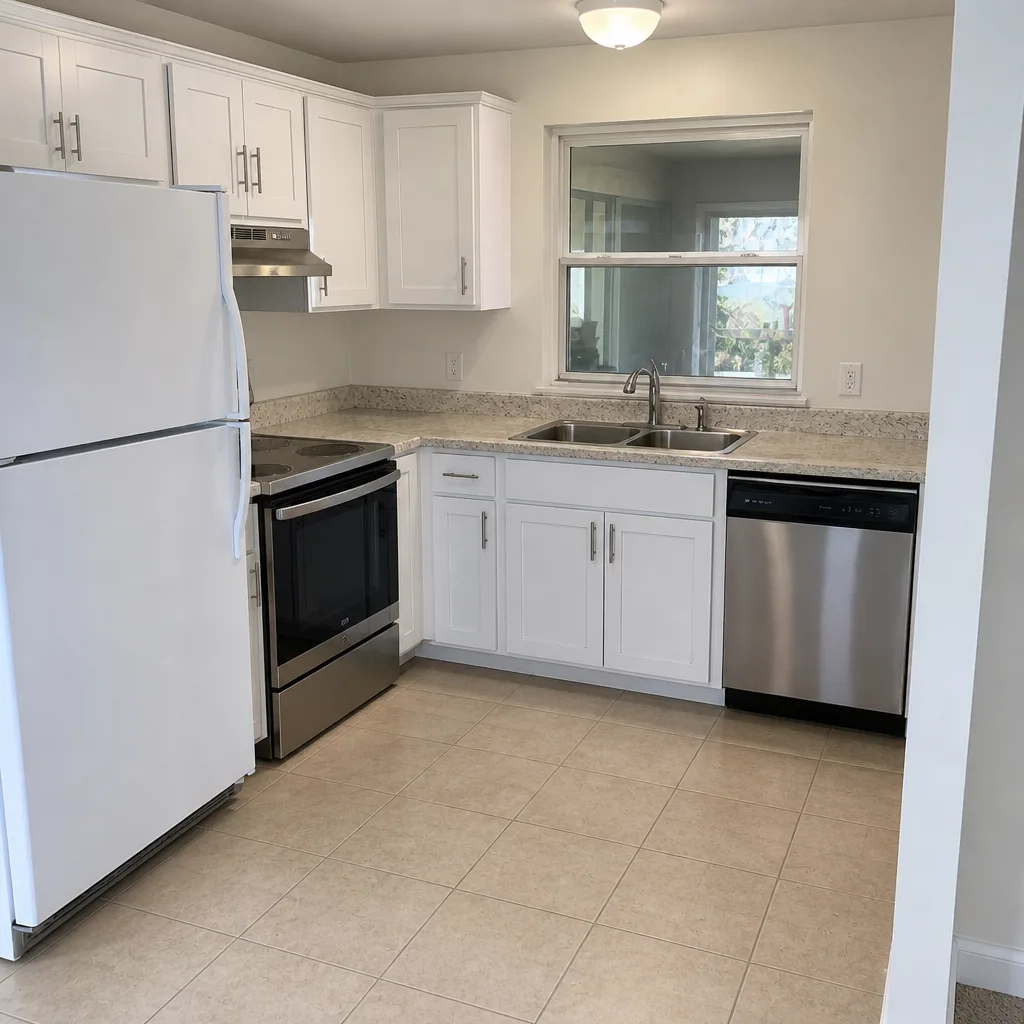 After
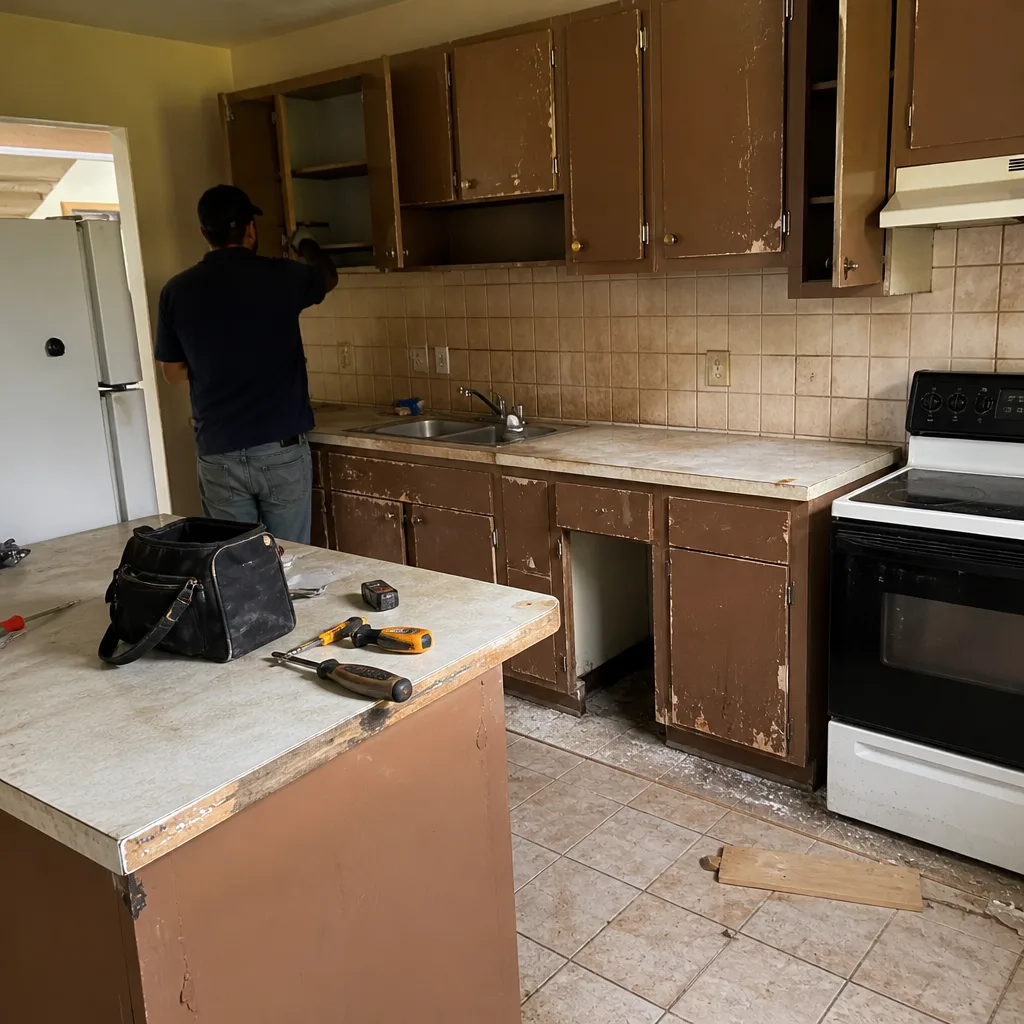 Before
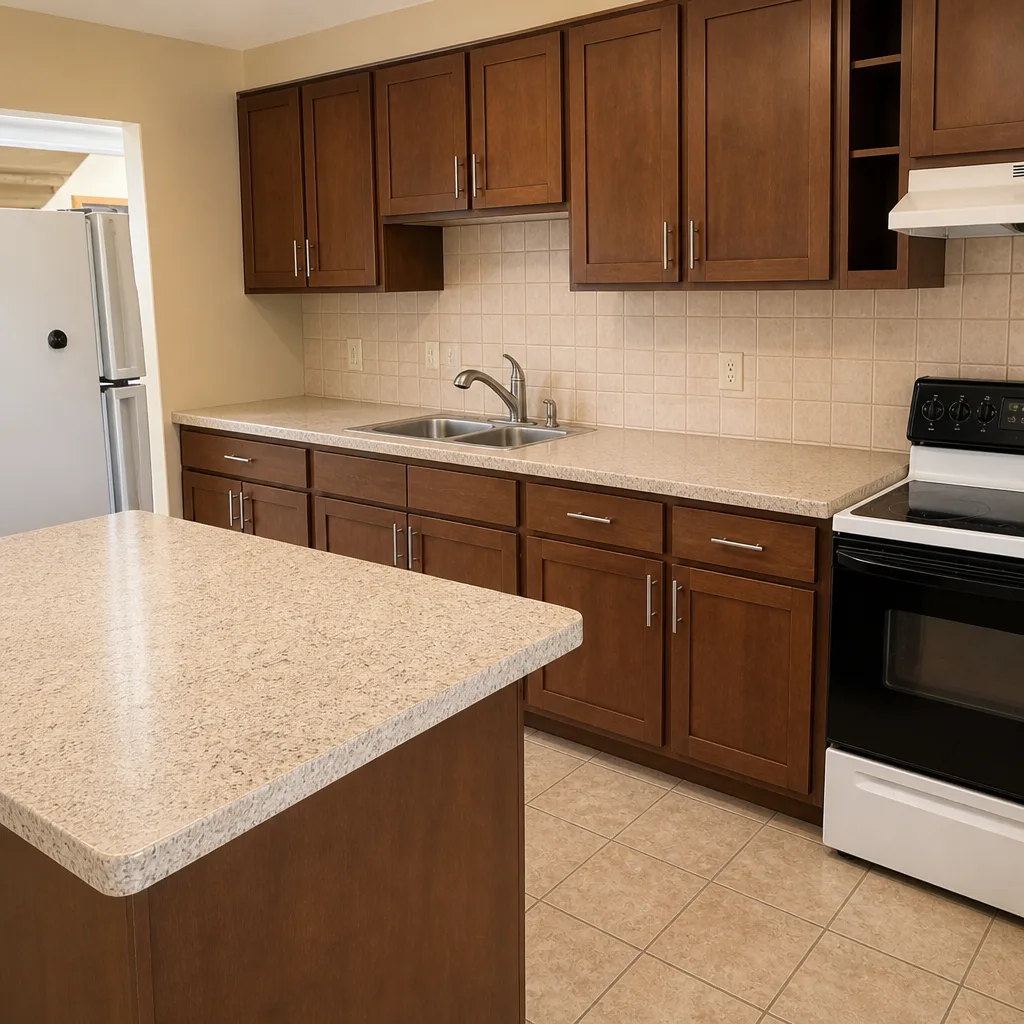 After
Kitchen Island Installation Cost in Homestead, FL: What the Slab Decides
Kitchen island installation in Homestead runs $3,000 to $10,000 for most projects, and the number that decides where you land inside that range is what’s under your floor. A freestanding island with no wiring sits at the bottom; an island with a sink, a dishwasher, and outlets cut into a slab foundation can push toward the top. Call (866) 344-6796 and we’ll scope it in writing before anyone touches a saw.
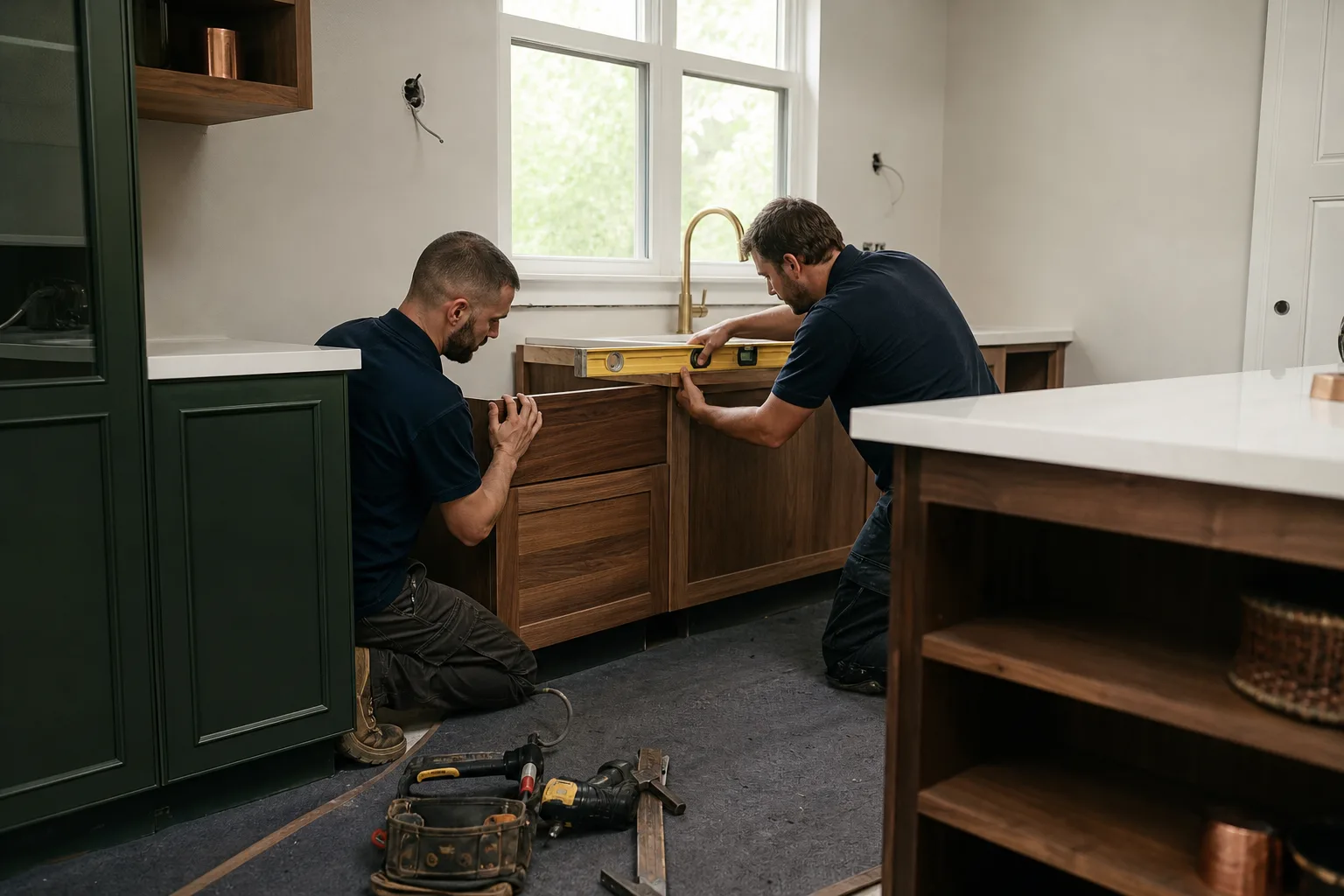
Here’s the part most online cost guides skip. If your kitchen is on a slab, and most Homestead ranch homes are, the real question isn’t just “how much does an island cost?” It’s “what’s between the existing plumbing stack and where you want the island to sit?” The answer to that question is where budgets get made or broken.
Why Homestead Kitchens Are a Routing Puzzle
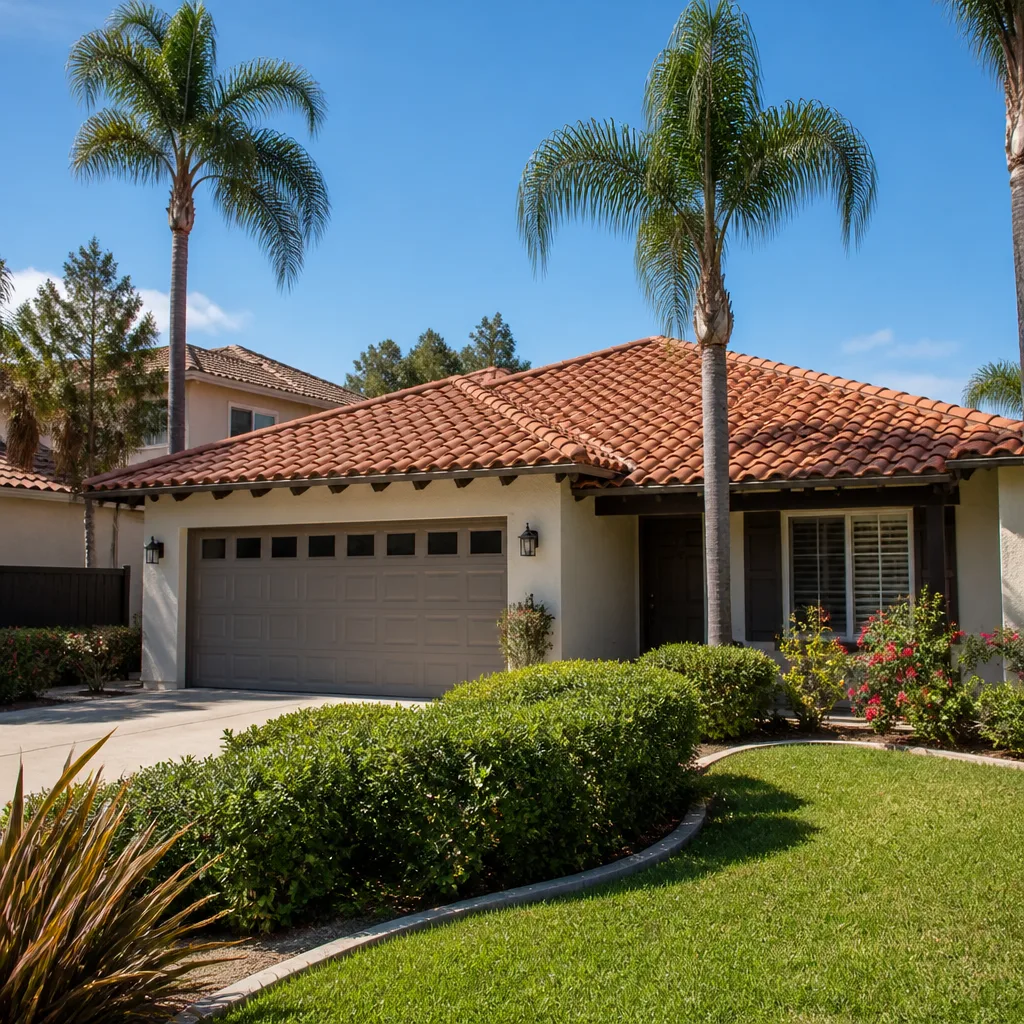
Homestead’s housing stock tells the story. You’ve got concrete-block and CBS homes from the early-to-mid 20th century farm town era, 1980s through 2000s subdivisions rebuilt or developed after Hurricane Andrew, and a wave of new construction on the western and southern edges. A large share of those are single-story ranches on slab. There’s no crawl space, no basement, no easy access from below. Everything that needs to travel from the wall to the island runs through or over concrete.
And Homestead’s terrain adds a wrinkle. The flat, low-lying limestone ground and high water table mean any slab cut needs moisture management and the right sleeve materials, not just a rented saw and a Saturday. Cut a penetration without handling that correctly and you’ve got a slow problem under your feet that won’t show up for a year. That’s why an island with a utility line is a permit-required scope in Miami-Dade County, and why a crew that skips the permit is leaving you with an unpermitted line buried under concrete.
The Four Cost Tiers, and What Moves You Between Them
Island pricing isn’t one number. It’s four distinct scopes, and the jump between each one is real. Here’s how those tiers break down in the Homestead market:
| Island scope | Typical cost |
|---|---|
| Freestanding island, no utility runs | $3,000-$5,000 |
| Hardwired electrical only (outlets, no plumbing) | $4,500-$7,000 |
| Electrical plus a plumbing stub-out | $6,500-$8,500 |
| Full sink and dishwasher rough-in with slab penetration | $8,000-$10,000 |
Think about those tiers as a ladder. The first rung is cabinetry, countertop, and a little carpentry. Every rung above it adds a trade, a permit line, and a slab cut. The full sink and dishwasher rough-in is the one that surprises people, because it’s not just the plumbing; it’s the concrete cutting, the sleeve, the moisture detail, the inspection, and the patching. That single line item can double a project budget if it isn’t scoped before you fall in love with a floor plan.
What the permit actually buys you
An island with an outlet or a plumbing line requires a permit in Miami-Dade. We pull permits and sign inspections on every eligible job, and that’s not paperwork for its own sake. When you sell the house, the buyer’s inspector finds an unpermitted line under concrete and the deal gets complicated. When you file an insurance claim and there’s unpermitted electrical involved, the conversation gets worse. The permit inspector works for you, not for us.
What to Look For Before You Hire Anyone
Because island work almost always hits a surprise in the slab, the contractor you choose matters more here than on most jobs. Here’s a comparison worth running before you sign anything:
- Written scope before work starts. Every allowance and every price change should arrive as a written change order first. An allowance that isn’t on paper is a surprise waiting for a date.
- Permit pulled on the utility scope. Ask directly. If the answer is “you don’t really need one for that,” keep looking.
- Slab-cut experience you can verify. Ask how they handle the high water table and sleeve the penetration. A vague answer is your answer.
- Named, look-up-able materials. KraftMaid cabinetry and Cambria counters are products you can research. Mystery brands off a truck aren’t.
Barrett & Sons Construction Homestead was founded in 1998 and is owner-operated. Every price change is a written change order issued before work proceeds, and every completed job is backed by the 90-Day Done Right Promise. If it’s not done right, one call brings Tom back.
KraftMaid Cabinetry vs. a Freestanding Furniture Piece
This is a real fork in the road, and our humid climate should influence which way you go. A freestanding furniture piece is cheaper and movable, but furniture-grade wood moves seasonally in South Florida humidity. It swells, it shrinks, doors go out of true. Over a few summers, that charming piece starts to feel loose.
Built-in KraftMaid island cabinetry is anchored to the floor and built for a kitchen, not a dining room. It tolerates the humidity swings better, holds its alignment, and lets you integrate a sink, a built-in dishwasher, and a proper outlet run without cutting into a finished furniture back. Pair it with a Cambria surface and a Moen or Delta faucet and you’ve got a working island. A freestanding piece is decor. A built-in is a tool.
If the island is part of a larger kitchen overhaul, it usually makes sense to plan it alongside the rest of the Kitchen Remodeling scope so the plumbing and electrical routing get done once. We also cover the full range of work on our Kitchen Remodeling in Homestead page. If cabinetry is the bulk of your island budget, our guide to Cabinet Installation in Homestead breaks down those costs separately.
What Happens When We Find Something in the Slab
It happens. You’re cutting for a plumbing stub-out and you find a chase you didn’t expect, or old galvanized pipe that’s due for replacement, or a run of conduit right where the island wants to sit. This is the moment that separates one contractor’s invoice from another’s.
Our rule is simple: the discovery stops the work, gets written up, and gets priced before the next nail moves. You get a written change order, you approve it or you don’t, and then we continue. No surprise invoice at the end. Your island might shift six inches or your scope might grow. Either way, you’ll know before it costs you.
Neighboring contractors often underestimate how strict Homestead’s building culture is, and after Andrew the local standard for product approval and inspection scrutiny got tight for good reason. That habit of building to the inspection carried over into everything we do here. It’s part of why we publish a name and address and license number you can look up yourself, before you sign anything. If you’re weighing other projects while you plan, our guides to Bathroom Remodeling in Homestead and Home Additions in Homestead follow the same written-scope approach. Homeowners in Cutler Bay, Palmetto Bay, and Princeton get the same process. And if your island project grows into a bigger footprint, ADU Construction in Homestead and Garage Conversion in Homestead are natural next steps. You can start back at our home page to see everything we handle.
Key Takeaways
- Island installation in Homestead: $3,000 to $10,000 depending on utility scope.
- The slab, not the cabinetry, is usually the budget driver.
- An island with electrical or plumbing requires a Miami-Dade permit.
- Written change orders protect you when the slab hides a surprise.
FAQs
Most Homestead kitchen island installations run $3,000 to $10,000, with the price driven by whether the island needs electrical or plumbing run through a slab foundation. A freestanding island with no utilities sits near the bottom; a full sink and dishwasher rough-in sits near the top. Call (866) 344-6796 for an exact quote – estimates are free.
Yes, but it’s a permit-required scope that means cutting concrete and handling moisture correctly, given Homestead’s high water table and limestone substrate. It’s the most expensive tier, typically $8,000 to $10,000, because of the concrete work, sleeve, and inspection. Call (866) 344-6796 and we’ll scope it in writing first.
It depends on what’s wrong. If the cabinet boxes are sound and only the counter or cabinet faces are tired, a refresh often runs less than a new build. If the island needs a utility run it never had, replacement usually makes more sense. Call (866) 344-6796 for a free second opinion on any written estimate.
An island with an electrical outlet or plumbing requires a permit in Miami-Dade County. A purely freestanding island with no utility connections generally does not. We pull permits and sign inspections on every eligible job, which protects you at resale and at claim time. Call (866) 344-6796 with your plan and we’ll tell you exactly what’s required.
Ready to Price Your Island?
Whether you’re picturing a freestanding piece or a full KraftMaid island with a sink and outlets, the smart first step is a written scope before you commit to a floor plan. We answer the phone live around the clock, and we’ll give you upfront pricing with no trip charge inside the county. Call (866) 344-6796 for your free estimate today.
Written by the team at Barrett & Sons Construction Homestead, serving Homestead, FL.
What Our Customers Say
"He pulled every permit and had every inspection signed off. The last contractor we used told us permits were optional and I have been paying for that ever since."
- Redmond Cavanaugh"Came back a year later to sort a door that had dropped as the frame settled. No charge and no argument about whether it was covered."
- Thaddeus Oyelowo"His sons run the crews and they were in our house for four months. Not once did I feel I had to be home to keep an eye on things."
- Camila Fuentes