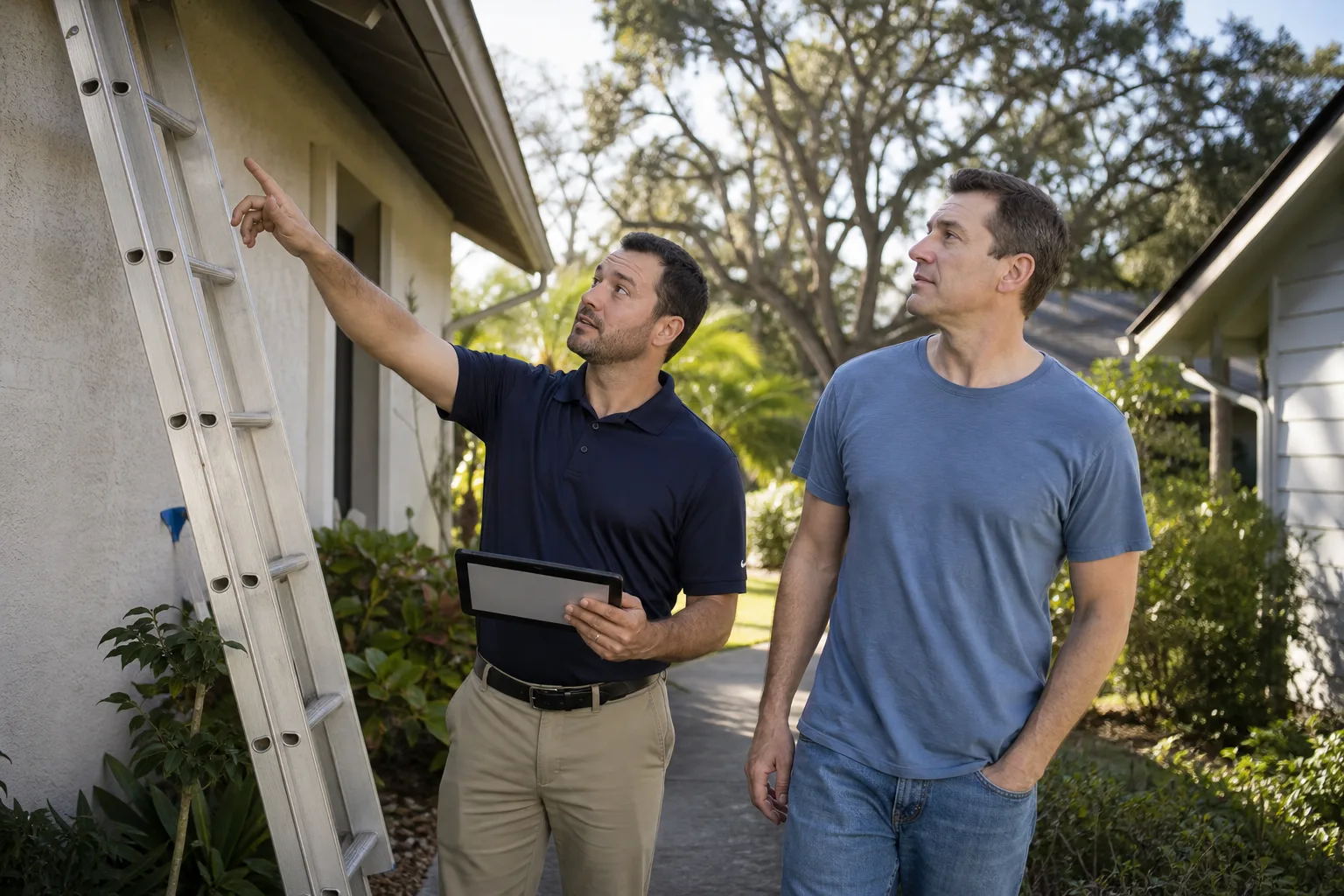
Free written scope consultation - allowances, timeline, and change-order rules on paper before a single trade is scheduled
Styles & brands we work with
- Kitchen remodeling
- Bathroom remodeling
- Home additions & ADU
- Roofing
- Windows & doors
- Driveway & pavers
- Fence
See the difference
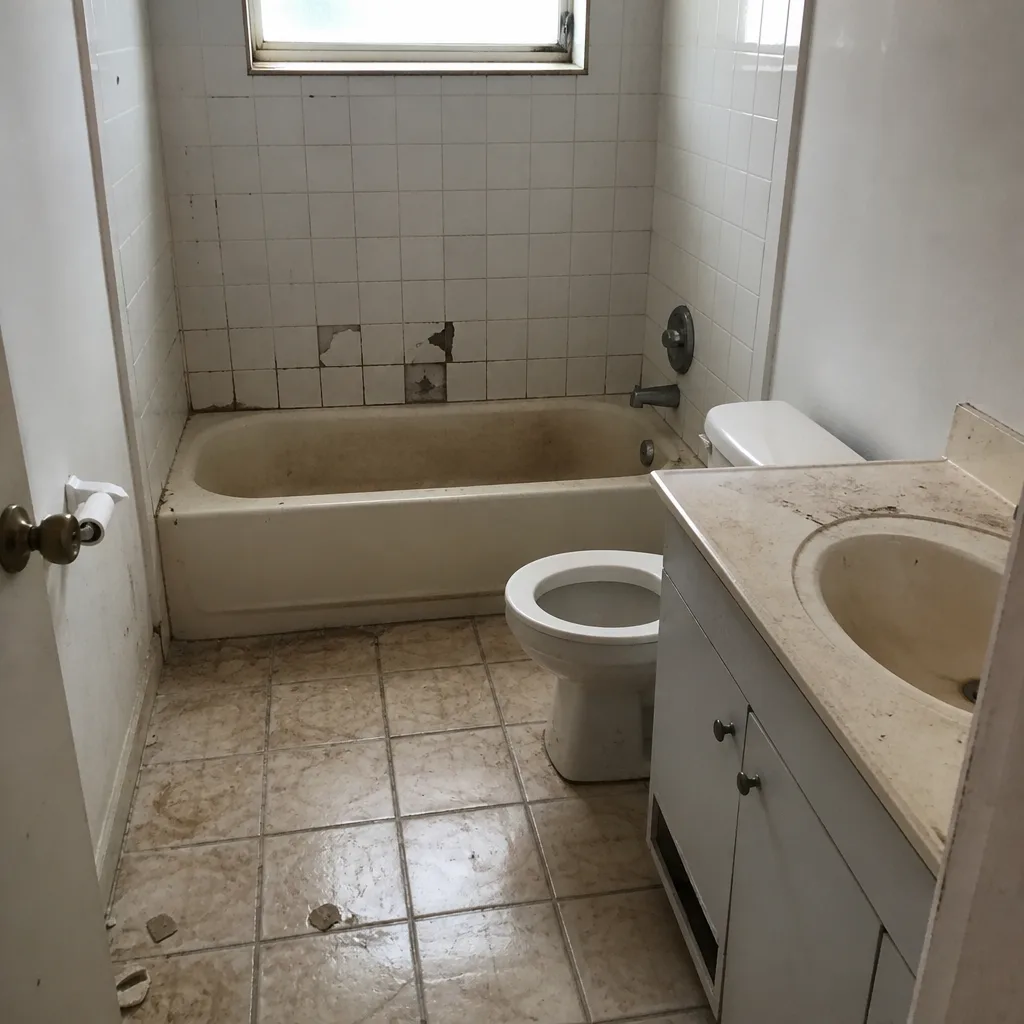 Before
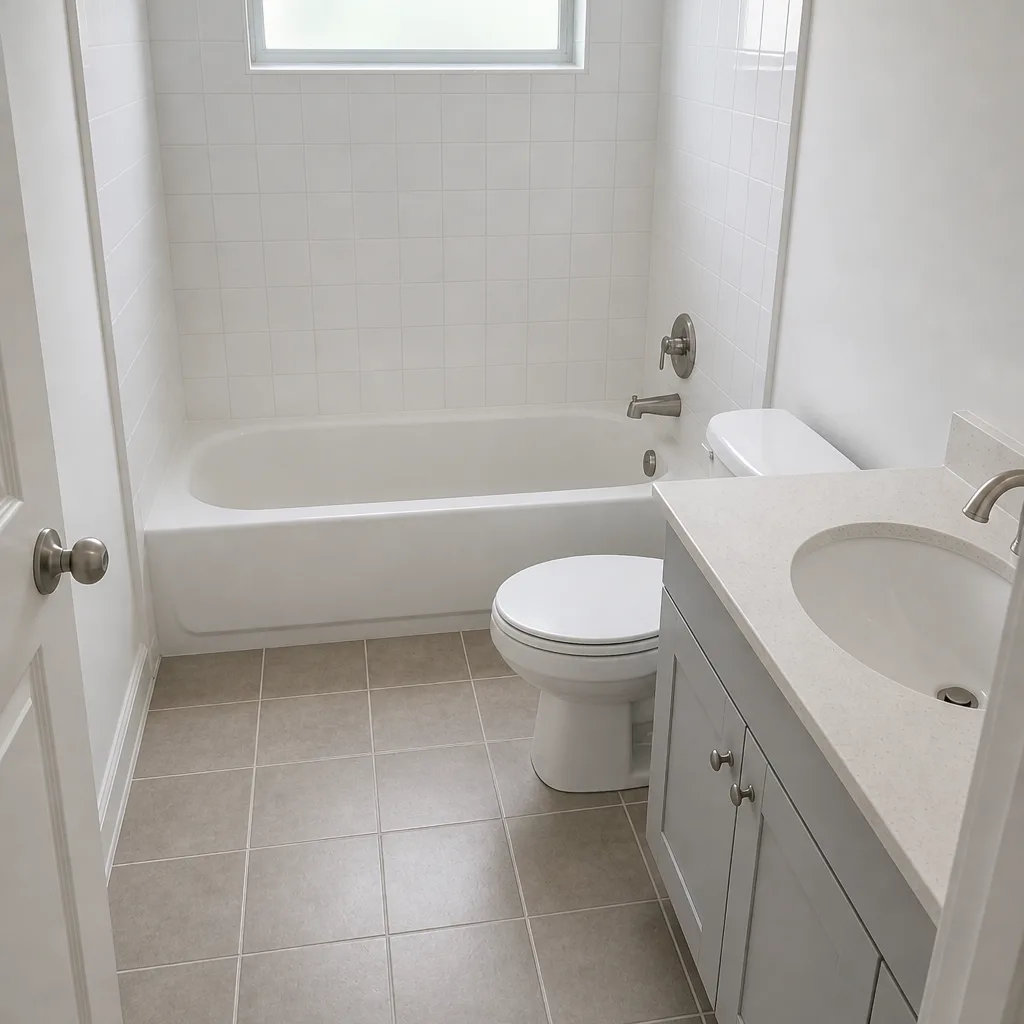 After
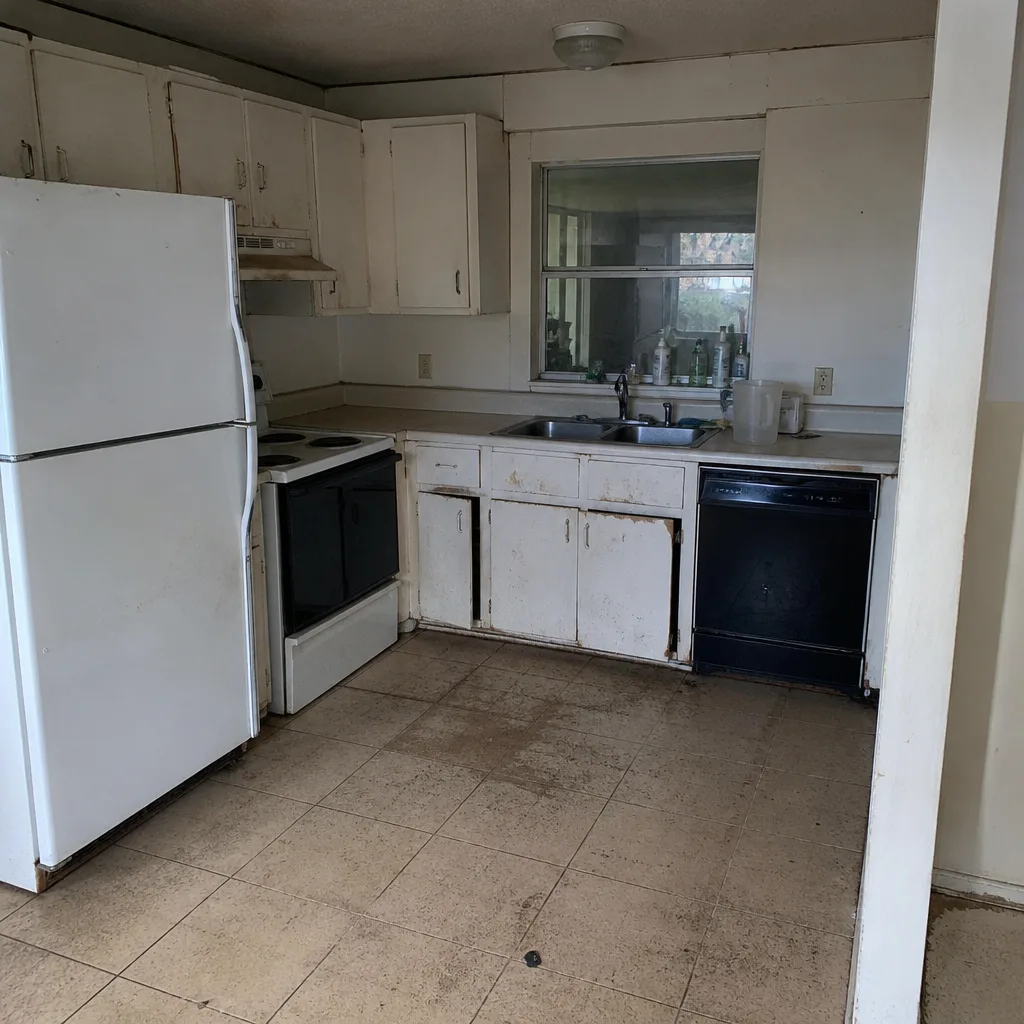 Before
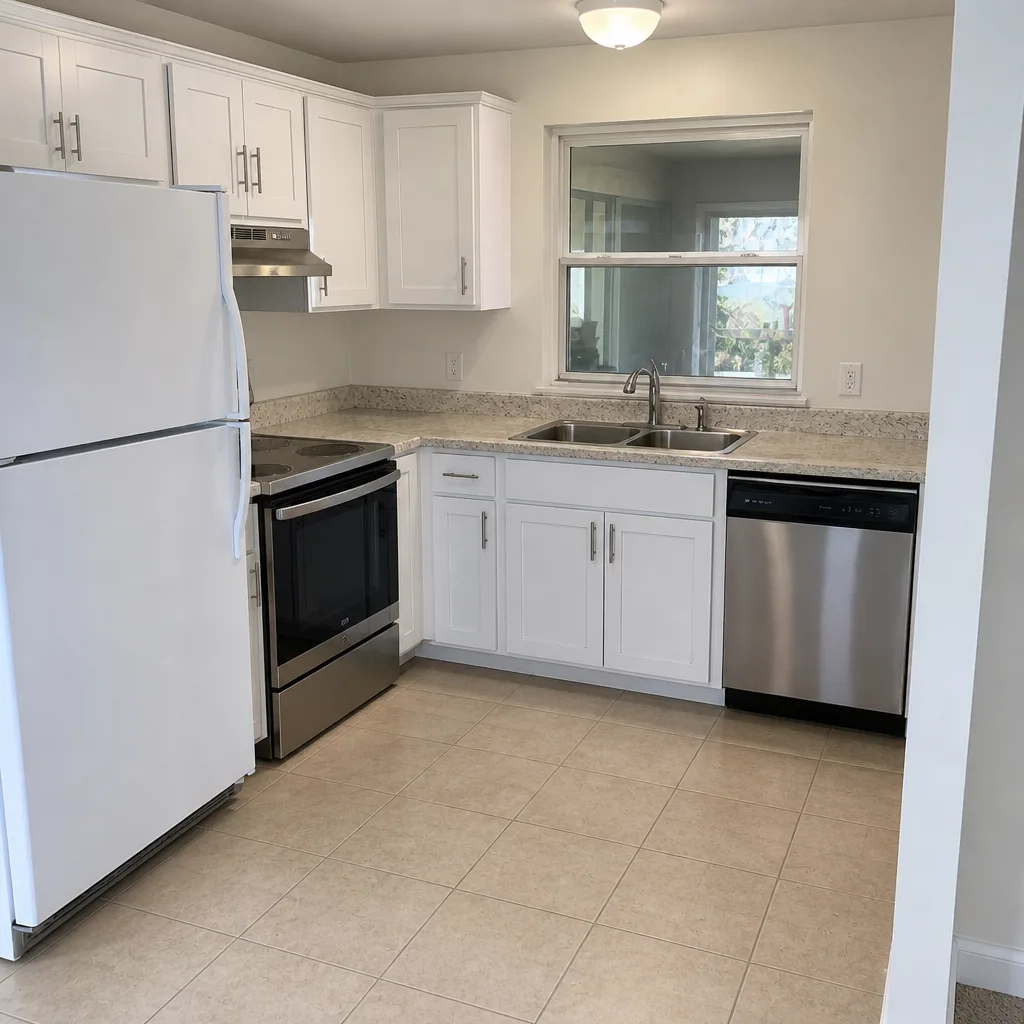 After
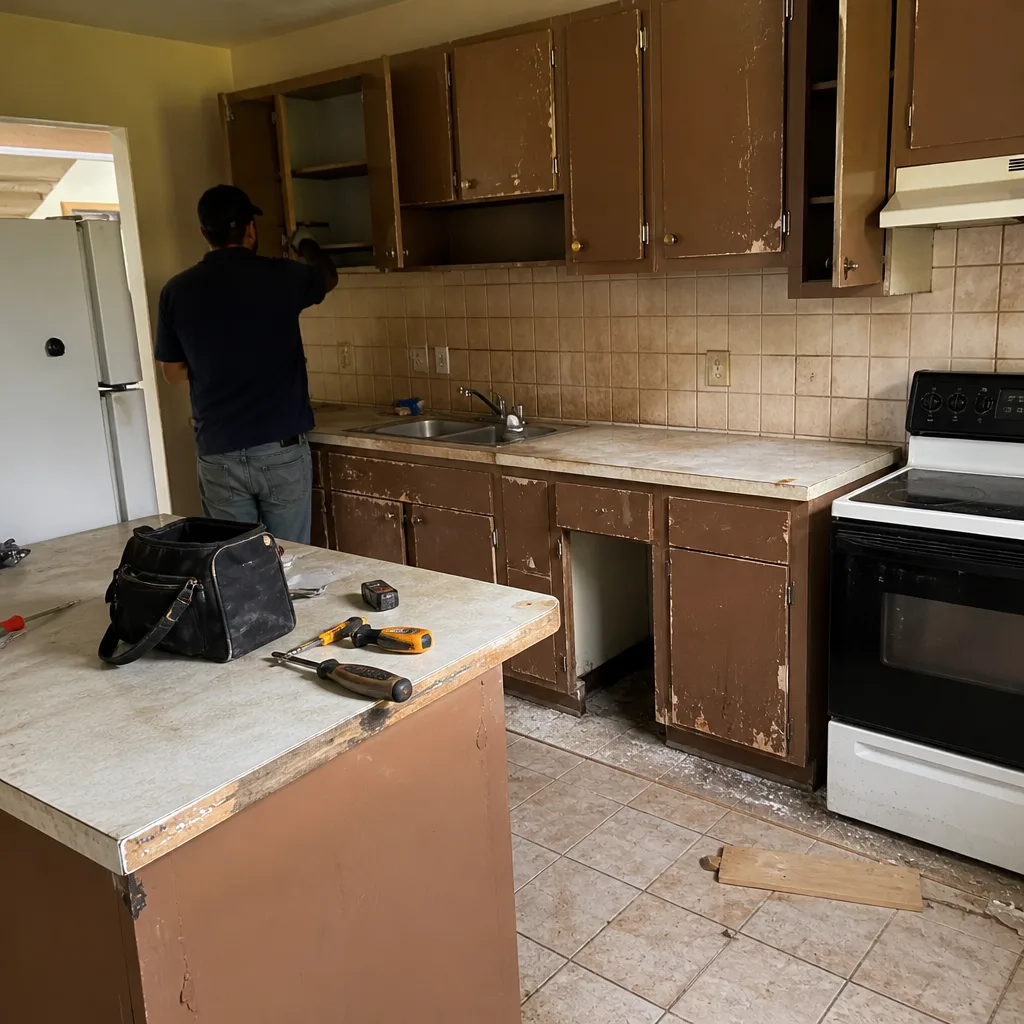 Before
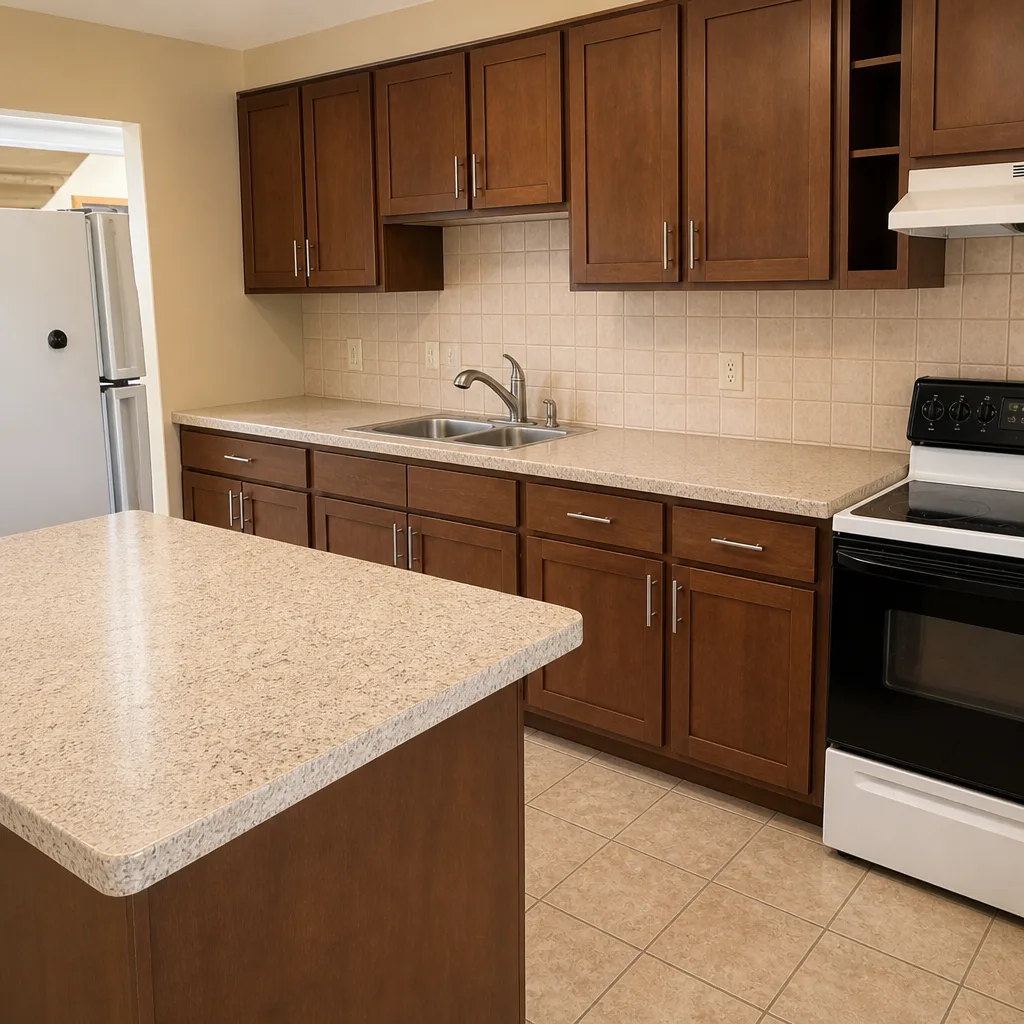 After
Home Addition vs ADU in Homestead, FL: Which One Actually Fits Your Lot?
Choose an attached home addition if you need space for your own family and want the simpler permit path. Choose a detached ADU only if rental income or a separate household justifies four to six extra weeks of permitting, a second foundation review, and a drainage plan. In Homestead, those are the two variables that decide it. A 400-square-foot bedroom addition and a 400-square-foot garage apartment look similar on a napkin. Here they’re not. Call (866) 344-6796 and we’ll walk you through both numbers before you commit to either.
Why Homestead Makes This Decision Harder Than the Guides Admit
Most home addition vs ADU comparisons were written for markets where a detached structure is a glorified shed with a bathroom. Homestead isn’t that market. Miami-Dade’s High-Velocity Hurricane Zone rules run every new structure here through wind-load engineering that crews from Broward and Palm Beach routinely underestimate. After Andrew flattened whole blocks of this city in 1992, the local building culture settled into impact-rated assemblies, continuous load paths, and permit scrutiny that doesn’t forgive shortcuts.
What that means in practice: an attached addition to a CBS ranch home inherits the existing structure’s tie-downs and load path. The engineer reviews the connection, not the whole building. A detached ADU has to prove its own continuous load path from slab to roof, which is a different and larger engineering scope. Same square footage. Different review.
The permit stack, side by side
| Step | Attached Addition | Detached ADU |
|---|---|---|
| Structural review | Ties into existing bond beam | Independent load path, new engineering |
| Foundation permit | Covered under primary permit | Separate slab permit |
| Utility connection | Extends existing service | New connection review; separate meter possible |
| Site drainage plan | Usually not required | Often required for added impervious area |
| Typical added permit time | Baseline | 4 to 6 weeks longer |
That last row is the one homeowners feel. You can’t frame, pour, or schedule a crew while the review sits. The calendar cost is real money.
The Drainage Question Nobody Warns You About
Homestead sits flat and low, on limestone with a high water table. When you add impervious square footage, stormwater has nowhere to sheet away from. An addition that extends the existing footprint usually slides under the existing drainage assumptions for the lot. A detached structure changes the site plan, and Miami-Dade may ask for a drainage plan showing where that water goes during a summer thunderstorm. Those storms arrive nearly every afternoon from May through November, so the reviewer isn’t being fussy.
We’ve watched this add both cost and weeks to projects that were quoted as simple builds. It’s the kind of thing that only shows up once the permit scope is actually defined, which is why we price both paths in writing before anyone signs.
Rental Income vs. Owner-Occupancy: The Rules You Inherit With an ADU
A detached ADU in Homestead can offer a separate entrance and, in some configurations, its own meter. That flexibility is exactly why people want one. But it comes with obligations an addition used personally doesn’t carry: owner-occupancy compliance and a business-tax receipt if you rent it. Those aren’t impossible hoops. They’re ongoing requirements that follow you as long as the unit is rented.
If your goal is a mother-in-law suite for family, the calculus tilts hard toward the addition. If your goal is a rental unit that pays for itself, the ADU can pencil out, provided you’ve accounted for the extra permitting, the drainage plan, and the business-tax step.
What each path typically costs in Homestead
- Home Addition: $45,000 to $130,000, depending on scope and square footage
- ADU Construction: $90,000 to $220,000
- Garage Conversion: $30,000 to $80,000 (a middle path many Homestead homeowners overlook)
These are market ranges, not quotes. The garage conversion number is worth pausing on. If you already have an attached garage, converting it gets you separate living space without the detached-structure permit stack or the drainage plan. For a lot that won’t comfortably fit a new structure, it’s often the smartest option on the table.
Older Lots Come With a Hidden Step
Homestead’s housing stock is a mix: early farm-town concrete-block homes, 1980s and 2000s subdivisions rebuilt after Andrew, and new construction on the western and southern edges. On a 1970s-era lot, a detached ADU may need a soils test before the slab permit is issued. Homeowners expecting a simple foundation pour get surprised by that. On a post-Andrew CBS ranch, the addition typically ties into existing bond-beam construction with no soils test at all.
We look up the lot history before we quote. It’s the difference between a number that holds and a number that balloons.
How We Price Both Paths So You Can Actually Compare
Barrett & Sons Construction Homestead quotes additions and ADUs with every allowance, scope, and price change in writing before work starts. No surprise invoices. No “the allowance that isn’t on paper” showing up six weeks in. Our crew members carry up to 28 years of experience, and we pull permits and sign inspections on every eligible job, because too many homeowners here were told permits were optional by the last contractor they used. That certificate of occupancy depends on approved assemblies, and running the permit correctly is the only way to get one.
For a deeper look at the options, see our Home Additions & ADU page. If you’re weighing the broader decision, the comparison above should get you most of the way there.
Common Local Scenarios We See
- The growing family on a 1990s subdivision lot: an attached addition wins. Ties into the bond beam, skips the drainage plan.
- The rental-minded homeowner with a 1970s CBS house: an ADU can work, but budget for the soils test and the extra four to six weeks.
- The homeowner who wants separate space without a new foundation: a garage conversion, priced $30,000 to $80,000, is often the cleanest answer.
- The owner-occupancy question: if you’ll rent the ADU, plan for the business-tax receipt from day one.
FAQs
An addition is almost always cheaper. Home additions run $45,000 to $130,000, while ADUs run $90,000 to $220,000, mostly because of the independent structural engineering, foundation permit, utility review, and possible drainage plan a detached structure requires. Call (866) 344-6796 for an exact comparison on your lot.
Expect four to six extra weeks for an ADU. The added time comes from the separate foundation permit, the new utility connection review, and often a site drainage plan for the added impervious area. An attached addition to an existing CBS home skips most of that. Call us and we’ll walk through your specific timeline.
Yes, if you meet owner-occupancy compliance and obtain a business-tax receipt for the rental. Those obligations don’t attach to an addition you use for family. We can point you toward the right starting steps before you commit to the build.
Sometimes. On 1970s-era lots, a soils test is often required before the slab permit is issued, which adds a step and a few weeks. Post-Andrew CBS homes with existing bond-beam construction typically skip it for an attached addition. Call (866) 344-6796 to find out where your lot stands.
Let’s Get You a Real Number
If you’d rather have it looked at, Barrett & Sons Construction Homestead offers a no-pressure assessment in Homestead. We’ll price an addition and an ADU side by side, in writing, so you can compare what you’re actually getting. Call (866) 344-6796 for a free estimate.
Written by the team at Barrett & Sons Construction Homestead, serving Homestead, FL.
Related reading: home