Last updated November 17, 2026
Free written scope consultation - allowances, timeline, and change-order rules on paper before a single trade is scheduled
DIY vs Professional Windows & Doors: What’s Safe to Do Yourself
You can buy impact windows at a supply house without a contractor’s license. Installing them yourself in Miami-Dade County, however, is a code violation that can unwind your windstorm insurance coverage. That’s the part most homeowners don’t hear until an inspector is standing in their living room with a clipboard. Florida Statute 489 and the county’s product approval rules treat window and door replacement as permitted, licensed work for a reason: the installation method, not just the glass, is what makes a window survive a storm. In this guide we’ll walk through exactly what you can legally and safely do yourself, what triggers a permit, how an owner-builder permit actually works in Homestead, and what a DIY impact opening can cost you on the back end.
Quick Answer
In Miami-Dade County, replacing an exterior window or door is a permit-mandatory, licensed-contractor job. The homeowner exemption known as an owner-builder permit exists, but it requires a sworn affidavit, carries real liability, and typically voids or complicates your windstorm coverage because insurers want to see a licensed installer behind a permitted impact opening. Legitimate DIY work stays on the interior side: trim, casing, hardware, weatherstripping. Anything that cuts the building envelope belongs to a licensed professional.
Styles & brands we work with
- Kitchen remodeling
- Bathroom remodeling
- Home additions & ADU
- Roofing
- Windows & doors
- Driveway & pavers
- Fence
Table of Contents
- Why Miami-Dade Treats Windows and Doors Differently
- What “Licensed Contractor” Actually Means in Florida
- The Owner-Builder Permit: What It Really Requires
- How a DIY Impact Window Affects Your Windstorm Coverage
- What’s Safe to Do Yourself
- The Real Cost Comparison: Permitted vs DIY
- What a Wind Mitigation Inspector Actually Looks For
Why Miami-Dade Treats Windows and Doors Differently
Miami-Dade County has the strictest wind-load requirements in the country. The county’s product control system means every impact window and door sold here carries a Notice of Acceptance (NOA) or a Miami-Dade Product Approval number, and that approval covers the product and its specified installation method. The fastener type, embedment depth, shim placement, and flashing detail are all part of the approval. Change any one of them and you’ve installed a product that isn’t approved.
That’s why a Homestead window replacement isn’t a carpentry question, it’s a code question. A framed opening in a 1990s Homestead ranch and a newer build out toward the Redland may look similar on the inside, but the wind-load engineering behind them can differ dramatically. Homestead’s exposure to open farmland and the corridor of storms that push in from the south and east is exactly why the county wrote these rules. We’ve seen firsthand what an unpermitted opening looks like after a bad afternoon in late summer – and it’s never the glass that failed first. It’s the seal, the flashing, or a fastener that never got driven deep enough.
Practically speaking, here’s what triggers a permit in Homestead:
- Replacing any exterior window or door (including sliders and French doors)
- Changing the size of an existing opening
- Converting a window to a door or a door to a window
- Removing and reinstalling an impact product after interior work
- Adding any new exterior opening to a wall
What “Licensed Contractor” Actually Means in Florida
Florida Statute Chapter 489 governs contractor licensing. For window and door replacement, the two license types that matter are a Certified or Registered General Contractor (CGC or CGC-voided registration) and a Certified or Registered Building Contractor. A handyman license doesn’t cover structural openings. Neither does a painting or a flooring license. And no, a supply house selling you the product doesn’t transfer the installer’s license to you.
Why this matters: when the county inspector signs off on an impact window, they’re certifying that a licensed party installed an approved product to an approved method. That signature is what your insurer reads. It’s also what the county reads if you sell the home and the buyer’s inspector finds a replaced window with no permit on file. In Homestead, we’ve seen sale closings held up over a single unpermitted slider. The buyer’s agent requested the permit record, and it didn’t exist.
Barrett & Sons Construction is owner-operated and every eligible job gets permits pulled and inspections signed because the permit inspector works for you, not for us. That paper trail isn’t a formality. It’s the only document your insurance company will accept years later.
The Owner-Builder Permit: What It Really Requires
The owner-builder exemption exists in Miami-Dade, but most online guides gloss over what it actually means. To pull an owner-builder permit for a window or door replacement, you sign an affidavit swearing that:
- You own the property and will occupy it as your primary residence for at least one year after the work is complete.
- You are not hiring a contractor and are personally performing the work (or supervising it as an unpaid owner).
- You understand that the permit and the work carry the full liability for any injury, defect, or code violation.
- You will not sell, lease, or transfer the property within the stated window (varies by jurisdiction, commonly one year) without disclosure.
Here’s the part most homeowners don’t hear: some mortgage lenders prohibit owner-builder permits on properties they finance, and some insurance carriers will not extend windstorm coverage to a home where the impact opening was installed under an owner-builder permit. Both of those are contractual, not legal, and they can be discovered at the worst possible time – a claim, a refinance, or a sale. If your Homestead property is financed or covered by Citizens, call your lender and your agent before you sign that affidavit.
How a DIY Impact Window Affects Your Windstorm Coverage
Windstorm coverage in Florida is expensive enough that most homeowners carry a mitigation discount. Citizens Insurance and private carriers both offer premium reductions for verified impact protection, proper roof-to-wall connections, and other storm-hardening features. The discount is tied to a wind mitigation inspection report – and that report is where DIY work gets discovered.
An inspector verifying your impact windows will look for:
- The Miami-Dade NOA number on the product label (it’s often etched on the glass or a corner of the frame)
- A visible permit record or inspection sticker
- Proper fastening pattern consistent with the approved method
- Flashing and sealing details around the opening
- Door hardware rated to the same standard as the opening
If the inspector finds an unpermitted opening or a product without a valid NOA, the carrier can decline the impact-credit portion of the discount. In the worst case, the carrier can decline a claim tied to the failed opening. We’ve seen homeowners in Homestead discover this after a leak, not before. The cost of remediation and re-inspection, on top of the coverage gap, ran well past what the original installation would have cost.
What’s Safe to Do Yourself
Plenty of window and door work is legitimately DIY, and you don’t need a permit or a license for any of it. The line is the building envelope: as long as you don’t cut, remove, or alter an exterior opening, you’re in safe territory.
Tasks that stay on the safe side of the line:
- Interior trim and casing installation. New casing, sill work, and trim on an existing window is finish carpentry, not envelope work. A miter saw, a nail gun, and a Saturday afternoon will get you most of the way.
- Hardware replacement on existing doors. Deadbolts, handlesets, hinges, door closers, and kick plates are all fair game. A brand like Ameristar or Barrette makes hardware that installs in under an hour.
- Weatherstripping on existing doors and operable windows. Replacing worn weatherstripping is the cheapest energy improvement in the house. Same for door sweeps.
- Screen repair and replacement. Repainting or replacing a screen frame or spline on an existing impact window is a homeowner task.
- Interior shutters, blinds, and curtain hardware. No permit, no license, no risk to coverage.
- Paint and stain. Repainting an existing frame or door is fine. Just don’t sand into a pressure-treated or lead-painted surface without the right prep.
If you’re planning a larger interior refresh around the openings, our team can walk you through Barrett & Sons Construction Homestead home improvements that stay on the safe side of the permit line, and we’ll tell you honestly what needs a licensed hand.
The Real Cost Comparison: Permitted vs DIY
Here’s the honest math, and it isn’t the same math most homeowners are using when they price out a Homestead window replacement. A permitted, licensed installation covers the product, the permit fee, the inspection, the labor, and the disposal. A DIY installation covers the product and the permit fee – but leaves you holding the liability, the inspection risk, and the coverage gap.
Line-item comparison for a single impact window or door in Homestead:
| Item | Permitted, Licensed | Owner-Builder DIY |
|---|---|---|
| Manufacturer-approved product | Included | Included |
| Permit fee and inspection | Included | Your time and fee |
| Installation labor | Included | You |
| Licensed-installer paper trail | Yes | No |
| Windstorm credit intact | Yes | At risk |
| Re-inspection fee if failed | N/A | $150-$400 typical |
| Remediation if failed | N/A | Full re-install cost |
| Insurance denial risk | None from install | Real |
The number under “remediation” is the one that gets homeowners. A failed inspection on a single impact opening typically means pulling the unit, re-flashing, re-fastening, and re-inspecting. That’s the full install cost paid twice, plus the inspection fee, plus whatever interior finish got damaged on the way out. On a multi-opening Homestead job – a slider plus three windows in a ranch home, for example – the double-cost scenario lands in the thousands of dollars. And that’s before the insurance conversation.
For a broader comparison of what full-scope exterior work runs in this county, our guide to Driveway & Pavers in Homestead breaks down line-item pricing the same way, and it’s a good calibration for how local costs stack up.
What a Wind Mitigation Inspector Actually Looks For
A wind mitigation inspection is the report that determines your storm-insurance discount. Inspectors are trained to spot DIY work, and they are not shy about flagging it. Here’s what we’ve seen them focus on when they walk into a Homestead home.
- Product labels. The NOA number has to be visible and match the product. If it’s been painted over or the frame was replaced with an unlabeled unit, the credit doesn’t apply.
- Fastener pattern. Impact units are anchored to the framing with specific fasteners at specific spacing. A window hung with drywall screws will be flagged, and so will one with fasteners every 12 inches when the approval calls for 6.
- Flashing and pan flashing. Inspectors look at the sill and the head. Water intrusion at the sill is the most common installation defect we see on Homestead homes after a storm.
- Door hardware. Impact doors need the multipoint or three-point locking hardware that matches the approval. Replacing that hardware with a standard deadbolt voids the approval.
- Permit record. Inspectors will pull the property record. An opening with no permit history is a red flag.
If you’re also planning fence or gate work on the property, our guide to Fence Installation in Homestead covers the same permit logic – and it’s why we install Barrette and Master Halco materials that carry their own documentation.
Common Mistakes to Avoid
- Buying the product before pulling the permit. In Miami-Dade, the permit approval needs the NOA number, and not every product sold at a supply house carries a current one. Confirm the approval before you hand over your card.
- Assuming the “homeowner exemption” waves the permit. It doesn’t. The owner-builder permit is still a permit, still required, and still inspected. The exemption is from the licensed contractor requirement, not the code.
- Skipping the shutoff on interior trim. A nail driven through a wire or a plumbing line in a Homestead ranch home can turn a $200 trim job into a $4,000 repair. Know what’s behind the wall before you fire the nail gun.
- Replacing hardware on impact doors. A deadbolt from a big-box store may not meet the door’s approval. If the hardware is part of the NOA, swapping it voids the rating.
- Leaving the impact label painted over. Future buyers and inspectors both need to see the product label. Trim around it, don’t cover it.
- Doing an impact install as a weekend project without a wind-load plan. The installation method isn’t in the box. If you don’t have the approved method for your specific wall assembly, you’re guessing on a piece of the envelope that determines your insurance premium.
- Forgetting to check the owner-builder affidavit against your lender’s rules. Some mortgages prohibit owner-builder permits. Read the note before you sign the affidavit.
See the difference
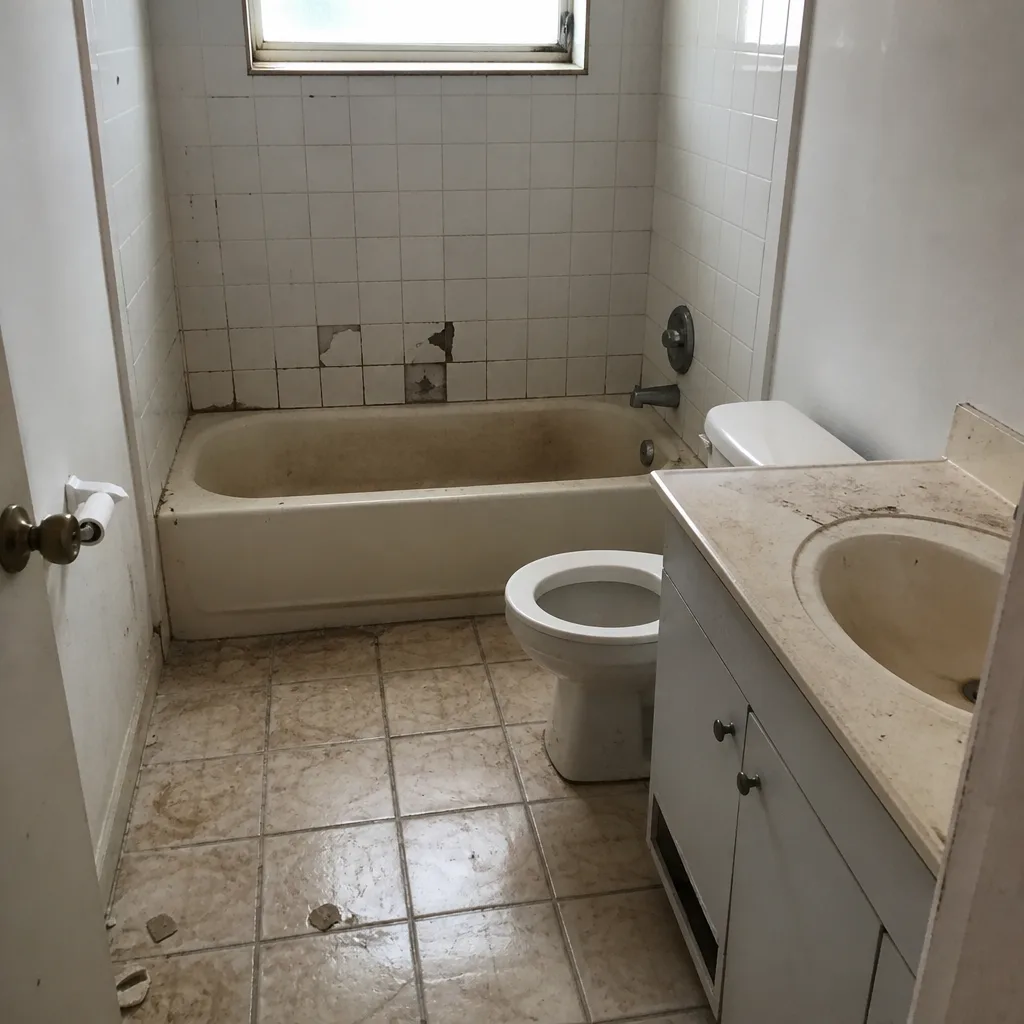 Before
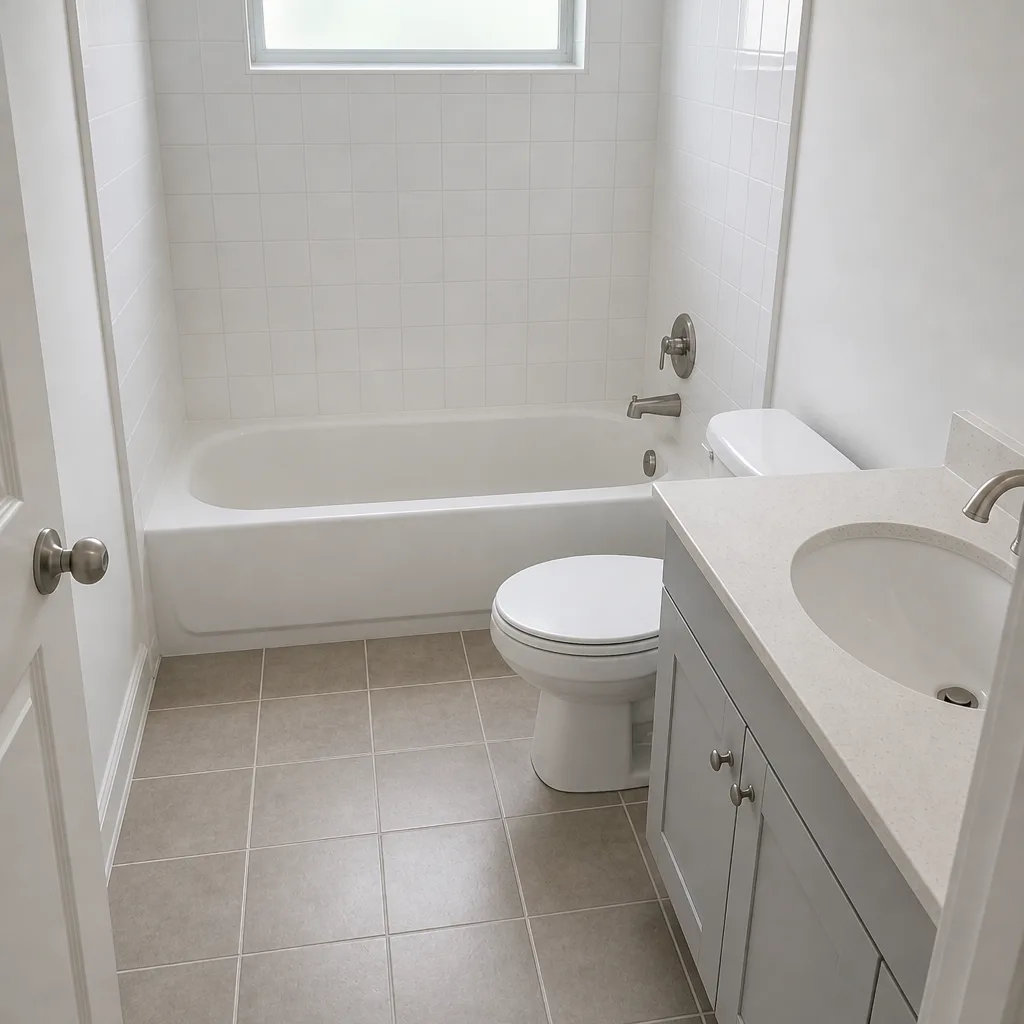 After
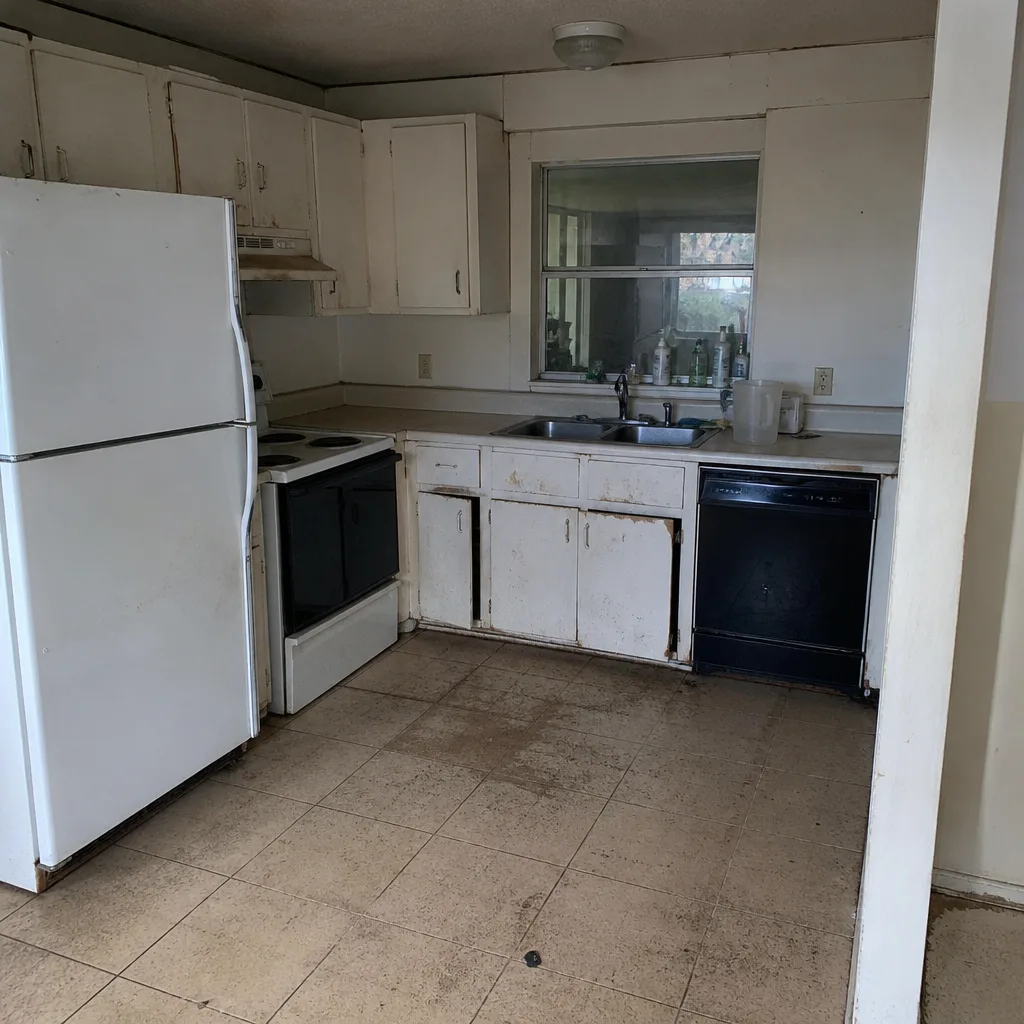 Before
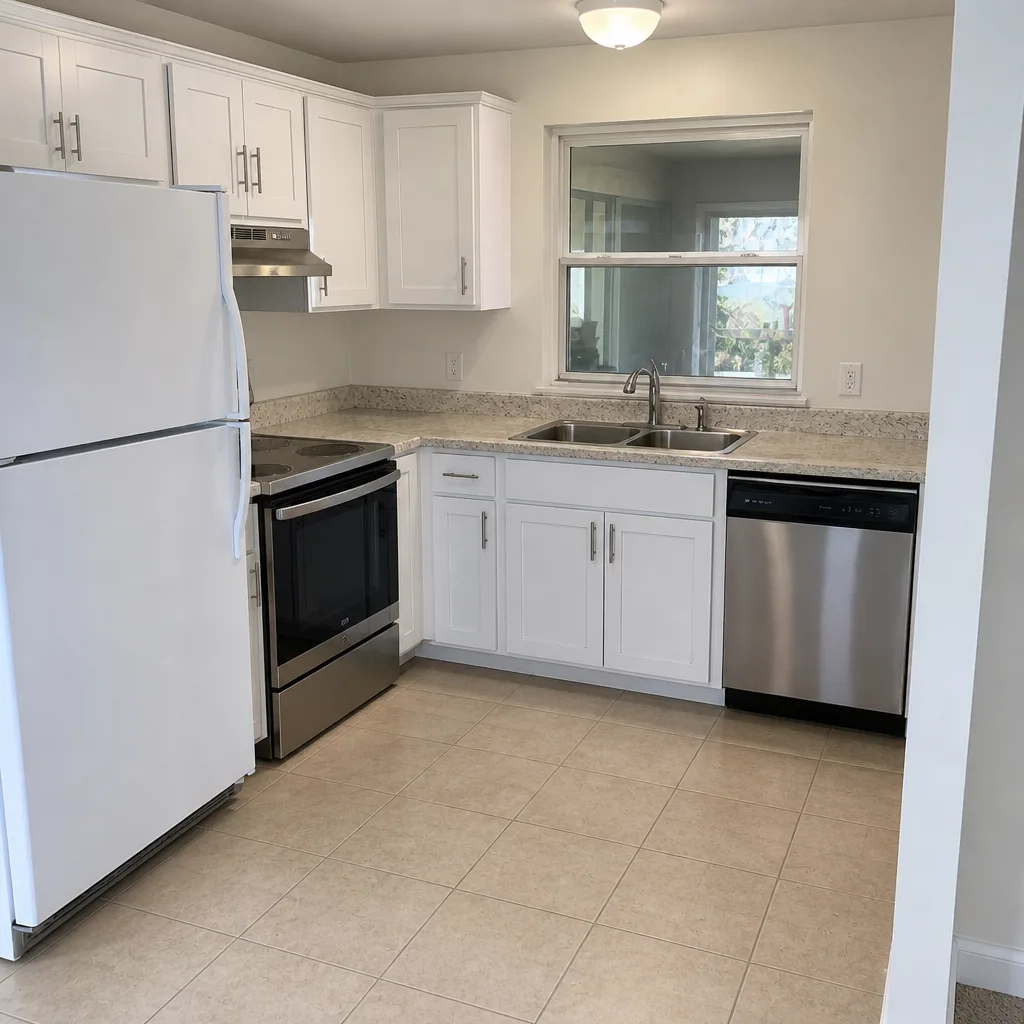 After
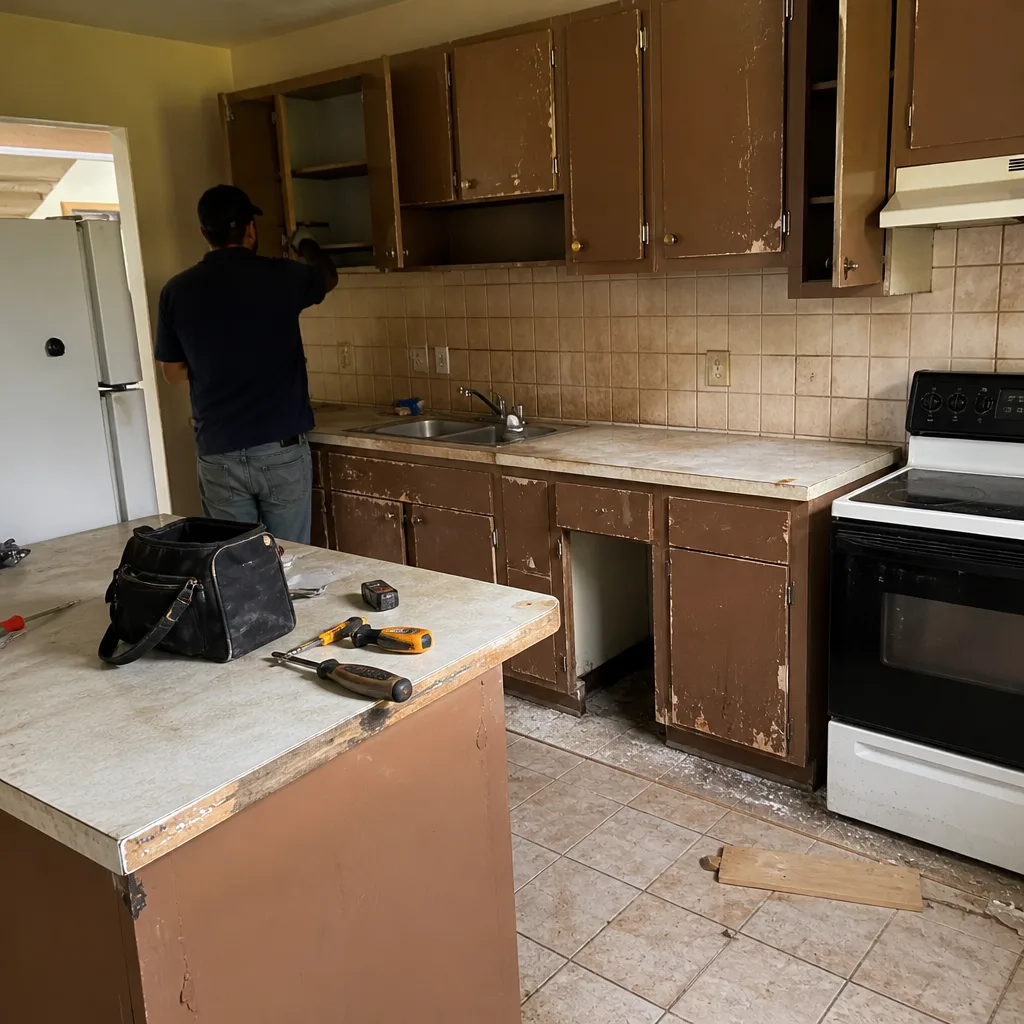 Before
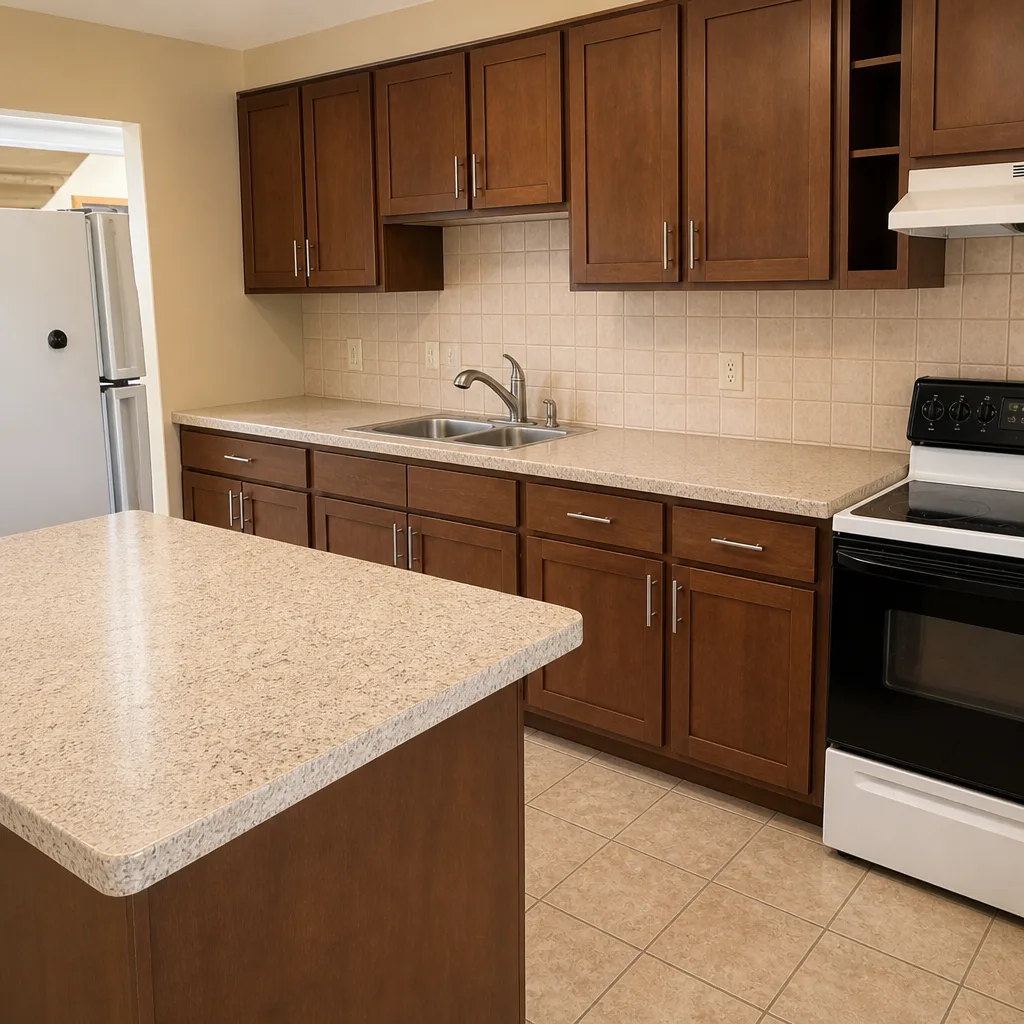 After
When to Call a Professional
Call a licensed contractor the moment the work touches an exterior opening, changes the size of a window or door, requires a permit, or triggers a wind mitigation inspection. That covers every impact window and door replacement in Homestead. Also call when you’re not sure whether what you’re planning counts as interior trim or envelope work – it’s an easy call to make and a hard mistake to unwind. Our team handles the permit, the inspection, and the paper trail, and we carry premium brands like Andersen and Marvin on windows with the documentation to match. Barrett & Sons Construction Homestead offers free estimates in Homestead – call (866) 344-6796. If you’re planning a larger project that involves new openings, our Home Additions & ADU in Homestead team handles the structural side and pulls every permit the county requires.
Frequently Asked Questions

Legally, in Miami-Dade County, you can install impact windows yourself only under an owner-builder permit, which requires a sworn affidavit, owner-occupancy, and full personal liability for the work. It is still a permitted job, still inspected, and still subject to the county’s product approval rules. Most lenders and insurers will not accept owner-builder installation on an impact opening, which is why the practical answer for most homeowners is no. Call (866) 344-6796 for a free estimate on a permitted, licensed installation.
Yes. Any replacement of an exterior window or door in Miami-Dade County requires a permit, regardless of whether the product is impact-rated. The permit covers the product approval (NOA), the installation method, and the inspection. Skipping the permit leaves you with an unpermitted opening that can affect your coverage and complicate a future sale. Call (866) 344-6796 and we’ll walk you through what the permit entails.
It can. The wind mitigation discount is tied to an inspection report that verifies the product, the permit record, and the installation method. An unpermitted opening or a product without a valid NOA can cause the carrier to decline the impact-credit portion of your discount, and in some cases to decline a related claim. Call (866) 344-6796 to get an installation that keeps the credit intact.
A handyman license in Florida doesn’t cover structural openings or exterior envelope work. Window and door replacement requires a Certified or Registered General Contractor or Building Contractor license under Florida Statute 489. That’s why the permit and the inspection matter – they’re the county’s way of confirming a licensed party performed the work. Call (866) 344-6796 for a quote from a licensed team.
Not always. If the door hardware is part of the product’s Notice of Acceptance, swapping it with a standard deadbolt or handle voids the approval and can affect the rating. Check the NOA documentation first. If you’re not sure, call (866) 344-6796 and we’ll tell you what’s safe to swap and what isn’t.
Look for the Miami-Dade NOA number etched on the glass or printed on the frame label. Every impact product sold in the county carries one, and the number must be current. A product without a valid NOA isn’t approved for a Homestead installation regardless of what the box says. Call (866) 344-6796 if you want us to check a product before you buy it.
The Bottom Line
Window and door replacement in Homestead is a licensed, permitted job because the installation method is what holds up in a storm, not just the glass. The owner-builder exemption exists, but it comes with a sworn affidavit, lender and insurer exposure, and a wind mitigation report that has to survive inspection. DIY is genuinely valuable on the interior side: trim, hardware, weatherstripping, screens. Keep it there. Anything that cuts the building envelope belongs to a licensed contractor with a permit and an inspection on the record. If you want a written, permitted scope with premium brands and a paper trail your insurer will accept, we’re here for it.
Call (866) 344-6796 for a free estimate on your Homestead window and door project. We’ll walk the openings with you, confirm what needs a permit, and put the scope, allowances, and any price change in writing before work starts. Free second opinion on any written estimate you already have.
Written by the team at Barrett & Sons Construction Homestead.