Last updated November 17, 2026







Free written scope consultation - allowances, timeline, and change-order rules on paper before a single trade is scheduled
Seasonal Construction Care for Homestead: Year-Round Homeowner’s Guide
Most home maintenance guides tell you to check your roof before storm season. In Homestead, that check needs to happen by May 1st at the latest, because South Florida roofers book out 6 to 8 weeks during pre-season, and anything found in June sits exposed through the peak of a season that officially ends November 30th. Homestead doesn’t really have four seasons. It has two that matter to your house: hurricane season and the dry buildup that follows. What you seal, tighten, and repair in one directly decides how much you rebuild in the other. This guide lays out a twelve-month calendar built around that cycle, not a generic national template.
Quick Answer
The best seasonal care for a Homestead home runs on a South Florida clock: inspect and repair the roof, windows, drainage, and fence line between February and early May, before storm-season bookings make labor hard to find; watch concrete, stucco, and pool shells for cracking during the dry months of December through April; and clean gutters and downspouts ahead of the June rains, not after. Skipping the spring window means paying for deferred repairs during the peak of hurricane season, when everything costs more and waits longer.
Styles & brands we work with
- Kitchen remodeling
- Bathroom remodeling
- Home additions & ADU
- Roofing
- Windows & doors
- Driveway & pavers
- Fence
Table of Contents
- Why Homestead’s Calendar Isn’t a National One
- The April – May Window: Your Last Real Repair Window
- Dry-Season Soil Contraction and Your Concrete
- Post-Storm Inspection for CBS Construction
- Why Gutters Matter More Than You Think
- The Pest and Moisture Cycle
- Windows, Doors, and Storm Protection
- The Dry Season Is Project Season
Why Homestead’s Calendar Isn’t a National One
National maintenance checklists are written for a place with a frost line and a snowy winter. Homestead gets around 60 inches of rain a year, most of it packed into a wet season that runs roughly May through October, with a hurricane window that officially opens June 1st and closes November 30th. That means the threats to your house stack up in a specific order: wind and water first, then the slow drying-out that cracks things, then the pests and moisture that move into whatever wasn’t sealed.
The other reason the calendar matters is labor. When a storm is named and heading our way, every crew in Miami-Dade is booked, plywood is gone from the shelves, and the phone stops ringing because the answering ends. The work you do in February is cheap and unhurried. The same work in August is a scramble. We’ve watched that rhythm for years, and it holds every single season.
So this guide is organized around what actually fails in Homestead homes, and when. It isn’t a checklist to file away. It’s a map of when to look, what you’re looking for, and when it’s time to stop looking and call someone who does this for a living.
Key Takeaways
- Your real repair window is February through early May, before storm-season bookings.
- Dry-season cracking in concrete and stucco is normal; what happens to those cracks in the wet season is not.
- CBS homes are the dominant Homestead type, and they fail at the joints, not the field.
- Gutters and downspouts are the cheapest storm protection you own.
- Moisture and termites work as a team. Seal one and you slow both.
The April – May Window: Your Last Real Repair Window
By May 1st, the pre-season booking rush is in full swing. Roofers and general contractors across South Florida fill their schedules 6 to 8 weeks out, so a call placed in late May often turns into a job that starts in July. Anything you find in June is exposed through the worst of the season. Get your inspection and repair list done in April, and you’re working with time to spare. Here’s the order we’d work in:
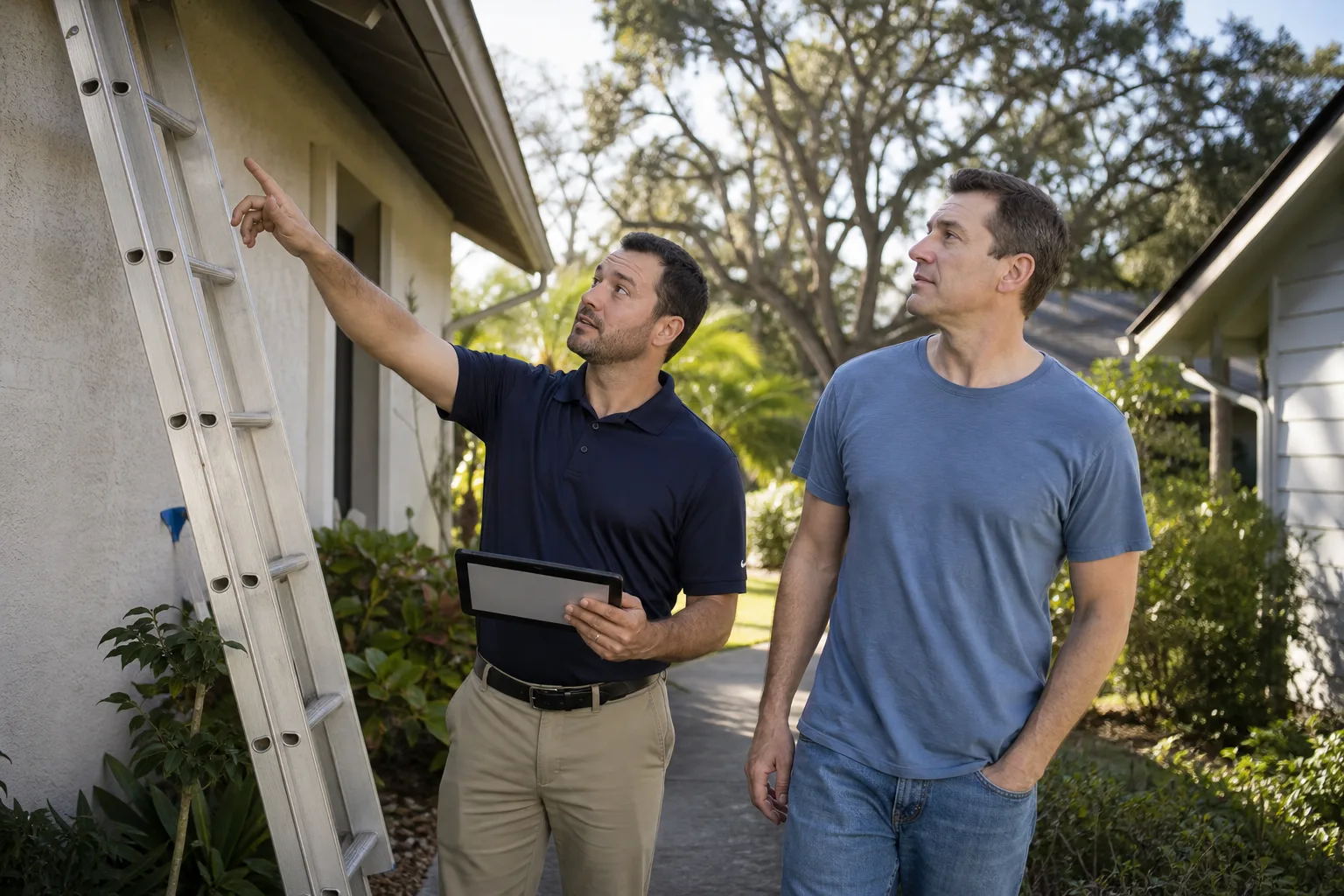
- Walk the roof and attic. Look for lifted or missing shingles, cracked flashing around vents and the chimney, and daylight or water stains on the attic decking. If your roof is approaching the end of its service life, this is the year to plan a replacement rather than patch it again. You can look at our Barrett & Sons Construction Homestead home page for what a full replacement scope looks like on paper.
- Check every window and door seal. Run a hand along the frames. Any gap that lets in air will let in water. Storm-rated products from PGT and CGI are built for this climate, but even good units fail at the caulk line over time.
- Clear the gutters and test the downspouts. Pour a bucket of water down each downspout and watch where it lands. If it pools against the wall, fix it now.
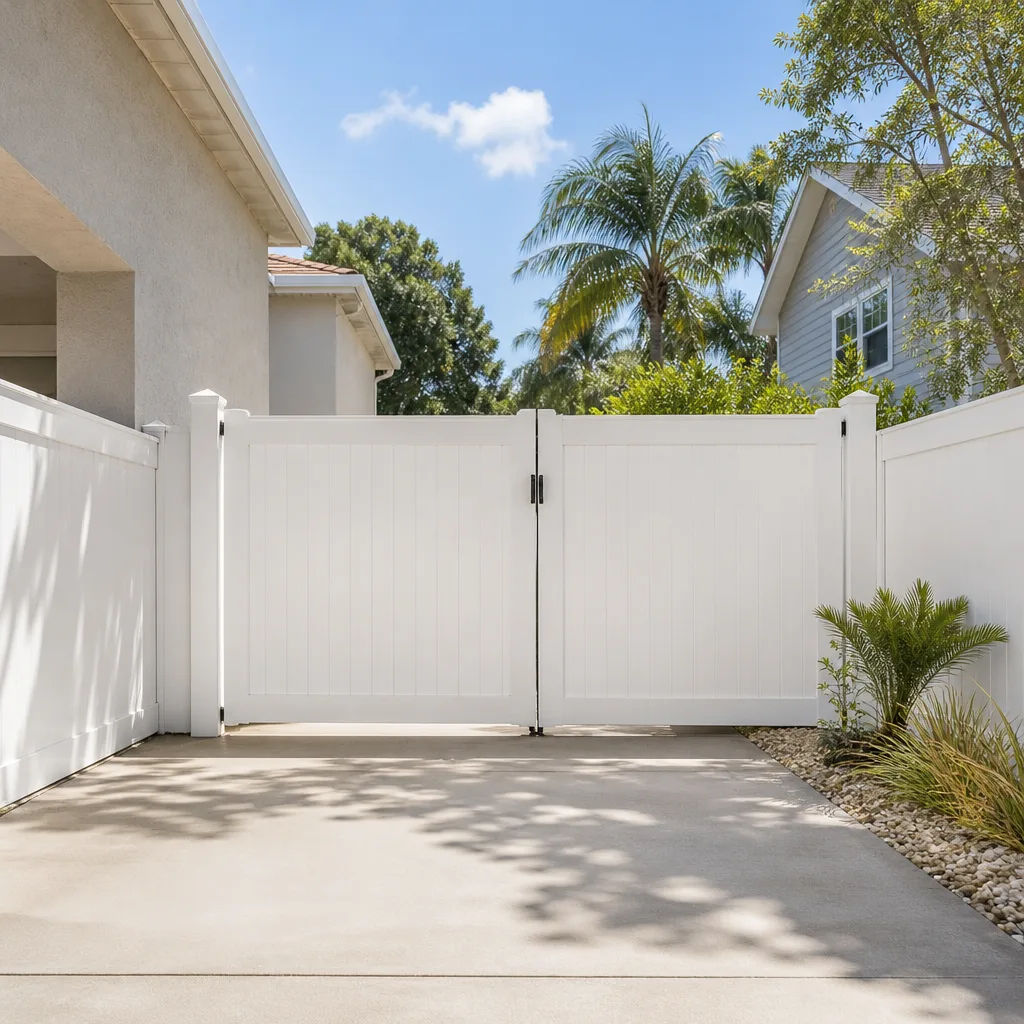
- Inspect the fence line. Push on posts, look for rot at the base, and check that panels are fastened. A fence that goes down in a storm becomes debris that damages something else. Our Fence Installation in Homestead page covers materials that hold up to wind better than standard pine.
- Look at the driveway and walkways. Dry-season cracking is normal, but a crack that’s widened or a slab that’s lifted signals a drainage problem underneath. Our Driveway & Pavers in Homestead page walks through what paver and concrete systems handle our rainfall best.
Write down what you find. A written scope beats a vague memory when you call for a free second opinion on any written estimate you’ve collected.
Dry-Season Soil Contraction and Your Concrete
From December through April, Homestead’s soils dry out and shrink, and that movement shows up in your concrete. Flatwork, foundations, and pool shells all feel it. What you’re watching for is the difference between cosmetic and structural: hairline cracks that stay put are one thing, but cracks that widen and close with the seasons, or slabs that tilt toward the house, are a drainage or soil problem asking for attention.
- Driveways and walkways: Watch for new cracks, sinking corners, and pooled water that beads instead of running off. A slab that tips toward the house can push water into the wall.
- Foundations: Check for stair-step cracks in the block wall, sticking doors or windows, and gaps at the base where the stucco meets the ground.
- Pool shells and decks: Look for cracks at the coping line and loose tiles. Dry-season movement is when these show up first.
Here’s what most guides miss: the crack itself is minor. What happens when the June rains arrive and water flows into that crack, then the soil swells, then it dries again and swells again, is the real problem. The repair is cheap in April. It isn’t in September. If a crack has grown since last season, have it looked at before the wet season starts.
Post-Storm Inspection for CBS Construction
Most Homestead homes are CBS, meaning concrete block and stucco. That’s a tough build, and it fails in specific places after a storm: at the joints, the openings, and the roof-to-wall connection. CBS doesn’t fail in the middle of a wall. It fails where two systems meet. Here’s what to check after the wind and rain pass:
- Walk the outside perimeter. Look for new cracks at corners, around window and door openings, and along the wall-to-foundation line. Hairline is normal after a storm; wider cracks or offset blocks need a closer look.
- Check stucco for hollow spots. Tap lightly with a screwdriver handle. A dull thud can mean the stucco has separated from the block, which lets water in behind the wall.
- Inspect the roof edges and soffits. Storm wind pulls at the weakest edge first. Lifted fascia, missing soffit panels, and pulled flashing are all water entry points.
- Look at the attic for water stains. Stains on the decking or rafters tell you water got past the roof, but the leak is often inches away from the stain. Follow the path.
- Check the fence and any outbuildings. A leaning post or loose panel is a hazard and a repair. Fix it before the next system moves through.
If any of it looks beyond cosmetic, call before you patch. Water that got in behind the stucco during a storm doesn’t dry out well in our humidity, and what you don’t see becomes mold and rot. In our experience, the CBS homes that weather storms best are the ones inspected every year before the season, not just after.
Why Gutters Matter More Than You Think
With around 60 inches of annual rain, Homestead gutters do more work than gutters almost anywhere else. A single downspout carries an enormous amount of water, and when it’s clogged, that water has nowhere to go but over the edge and down your stucco wall. A clogged downspout doesn’t just overflow during the storm. It leaves a wet stripe on the wall that stays damp for days after, and that’s what damages stucco and rots the wood behind it.
What happens to the wall over time, if the clog stays:
- The stucco stays saturated and begins to chalk, blister, or crack.
- Water gets behind the stucco and reaches the framing and sheathing, which is where rot starts.
- Paint on the wall peels, and repeated wet-dry cycles open the cracks wider.
- Water at the base wicks into the wall and into the foundation line, softening the joint.
The fix is one of the cheapest in home ownership: clean the gutters before the wet season and again mid-season, and test each downspout so you know it actually drains. Make sure downspouts discharge at least a few feet away from the wall, not straight down against it. A splash block is a five-dollar fix that prevents a two-thousand-dollar stucco repair.
The Pest and Moisture Cycle
Humidity and termites do their damage together. Moisture softens wood and hides the gallery tunnels termites build, and termite activity keeps moisture trapped in wood that would otherwise dry. One feeds the other, and that’s why sealing against one is the same as sealing against both.
The intersection shows up in a handful of places in a Homestead home:
- Wood-to-ground contact: Any wood touching soil stays damp and invites termites. Check fence posts, deck framing, and the sill plate of any structure.
- Chimney and wall junctions: Small leaks collect moisture in the wall cavity, and termites find it. Fix the leak before you treat for pests.
- Crawl spaces and vents: Poor ventilation keeps the underside of the house humid, and that’s where termites and moisture damage both start.
- Mulch beds against the wall: A few inches of clearance and less mulch against the foundation make a difference.
Get a termite inspection every year, and get a moisture check at the same time. Treating for termites in a wall that’s still leaking is like mopping the floor while the faucet’s running. The two fixes belong together.
Windows, Doors, and Storm Protection
Windows and doors are where wind and water get in first, and where older Homestead homes often have the weakest link. Seasonal care here is part inspection, part planning. Check the caulk line around every frame each spring. Run a hand along the edges and look for gaps, cracks, or caulk that’s pulled away. A gap that lets in air will let in water, and water behind the frame is where rot starts.
If your windows or doors are single-pane and older, the pre-season window is the right time to plan a replacement rather than another patch. Storm-rated products from PGT, CGI, or ES Windows are built for South Florida’s wind and rain, and the ones that carry the right ratings hold up better when a real system comes through. Not every window needs replacing at once. But deciding in April beats doing it in August.
If you’re planning to add a room or build out a garage, plan it as a dry-season project and get the drawings done early. Our Home Additions & ADU in Homestead page covers how that sequencing works so the structure is weather-tight before the rains hit.
The Dry Season Is Project Season
Once the storm danger passes in late November, the dry months of December through April are the best time of year to build in Homestead. Roofs get replaced, paver driveways get laid, fences get installed, and additions get framed in weather that behaves. Crews are available, materials are on hand, and the rains won’t stall the schedule.
That window is exactly why our spring inspection list matters: what you find in April, you can schedule for December or January, well before the next storm season. It’s the same calendar working for you in the other direction. Plan the year around it, and you stop making emergency repairs in the worst possible month.
The dry months also let foundation and concrete work cure and settle without the wet-season movement that can undo a job done too fast. If you’ve been putting off a driveway or a paver patio, the dry season is when it goes in clean.
Common Mistakes to Avoid
- Waiting for June to look at the roof. By then, pre-season bookings have filled, and the repair sits exposed through the peak season. Check by May 1st.
- Ignoring dry-season cracks. Hairline cracking in Homestead concrete is normal. A crack that widens or tilts toward the house isn’t, and it’s cheap to fix in April and expensive in September.
- Cleaning gutters after the storm, not before. The downspout that fails during the rain event is the one that was already clogged. Test them before the wet season.
- Treating termites without fixing the moisture. Pests and moisture work together. Sealing the leak makes the pest treatment actually hold.
- Patching stucco without checking behind it. A hollow spot in the stucco can hide rot. Tap it, and if it sounds wrong, look deeper.
- Skipping the second opinion. Most homeowners get one estimate and take it. Our free second opinion on any written estimate exists because one number isn’t a comparison.
- Doing it yourself where it’s dangerous. Roof work, electrical, gas lines, and high-wire storm prep aren’t homeowner jobs. Wind and height are not something to figure out on a weekend.
See the difference
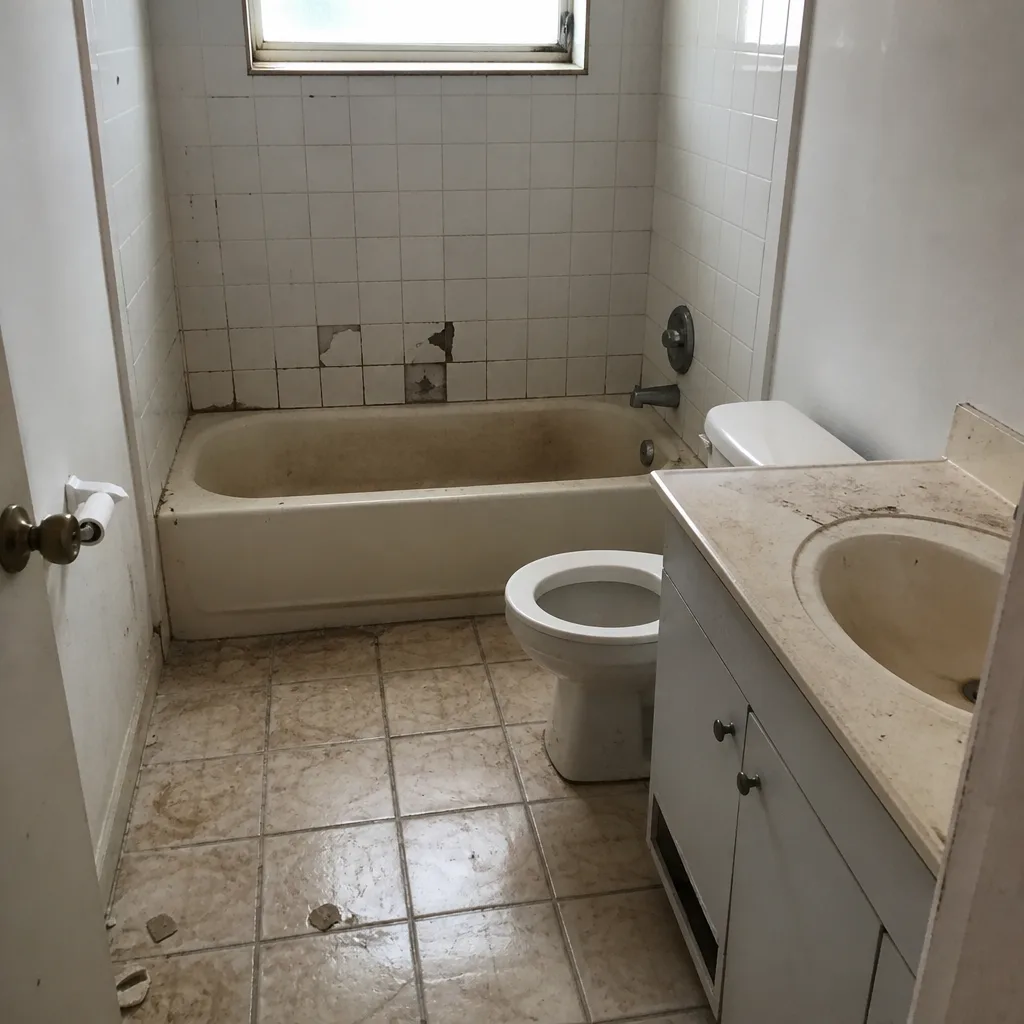 Before
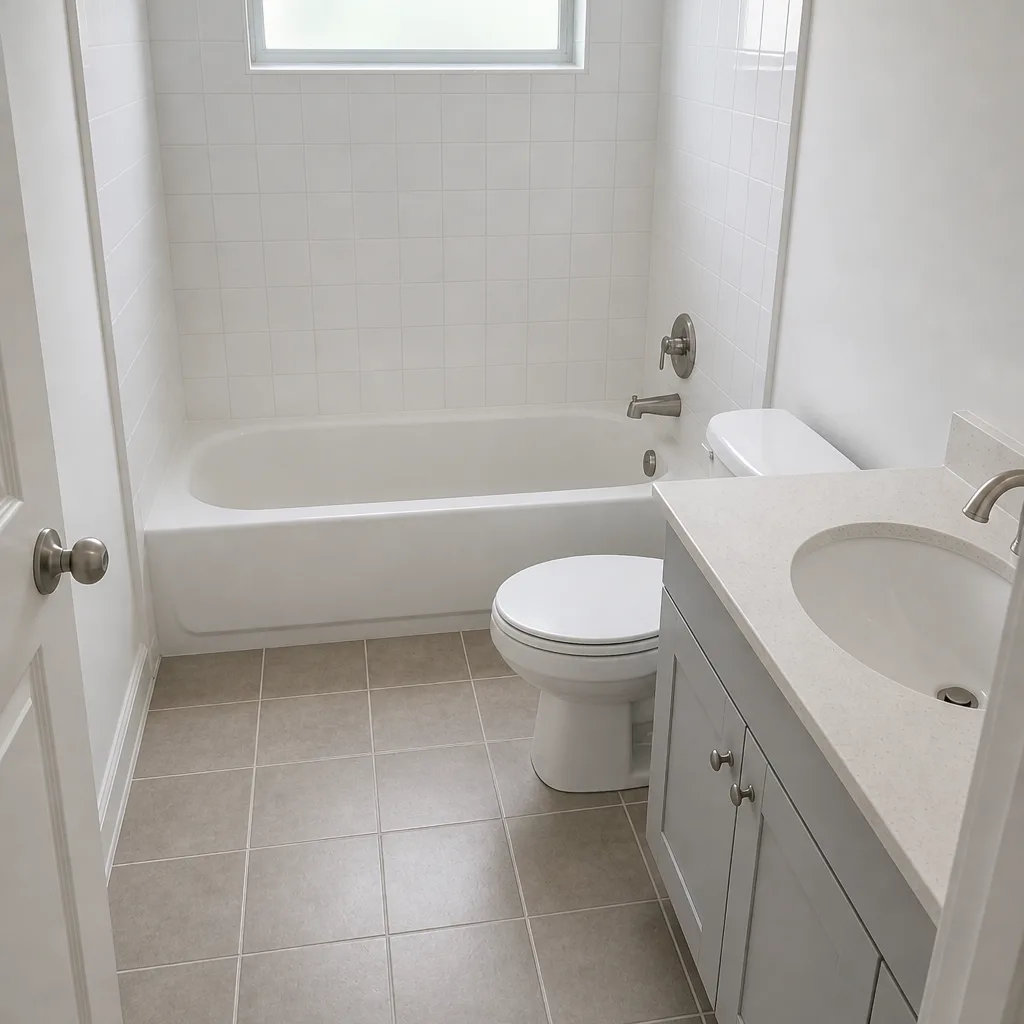 After
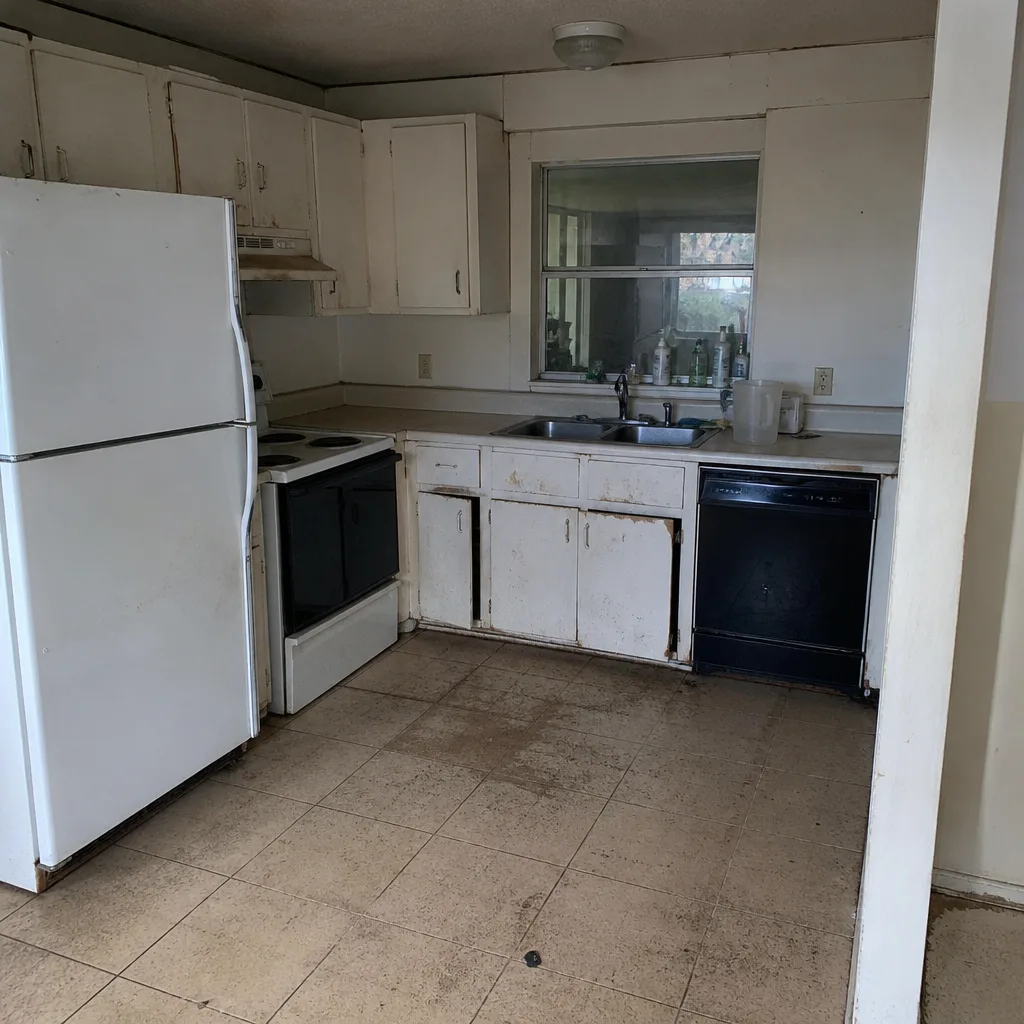 Before
 After
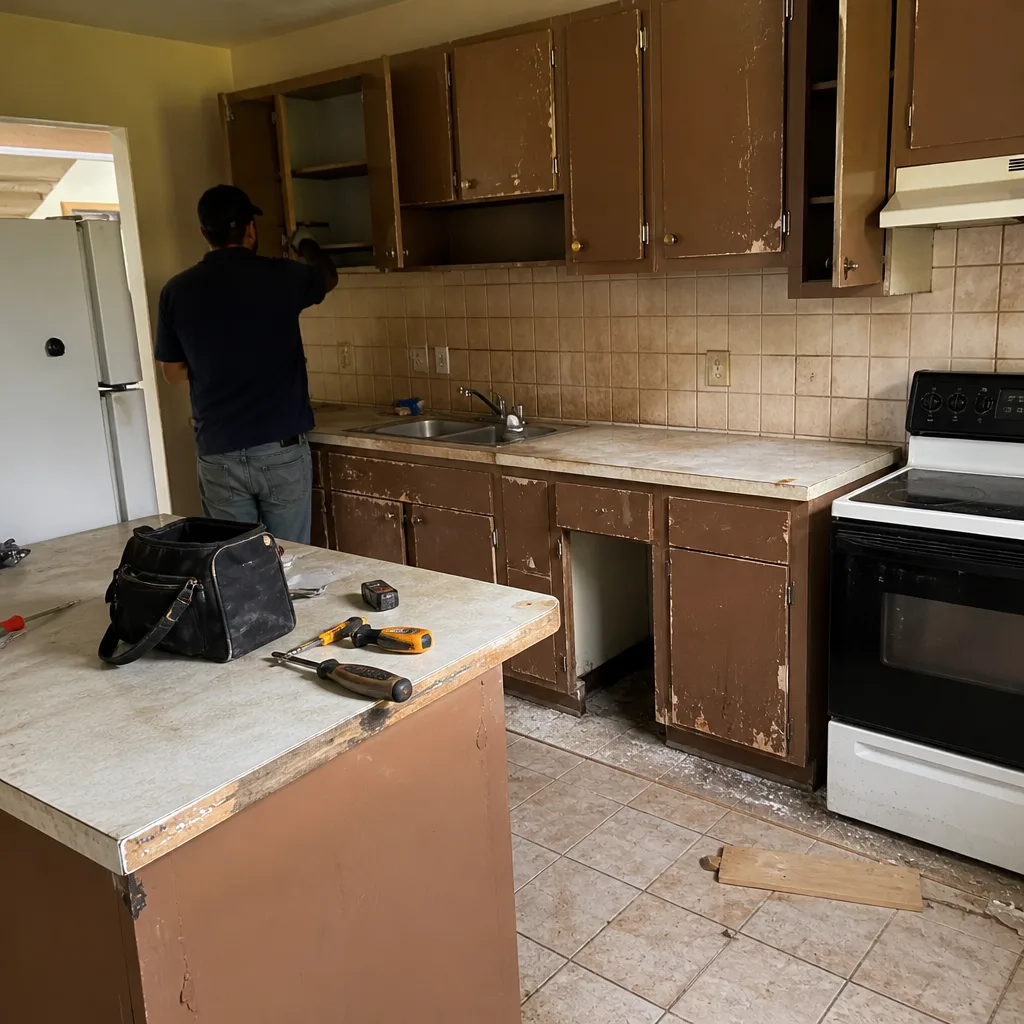 Before
 After
When to Call a Professional
Call a professional when the job involves the roof, the stucco-to-block connection, structural cracking, electrical or gas, or anything at height. Those are the places where a weekend mistake becomes a real repair, and where the permit and inspection actually protect you. Call us if a seasonal inspection finds more than cosmetics. Barrett & Sons Construction Homestead offers free estimates in Homestead. Every scope and allowance arrives in writing, permits are pulled and inspections signed on every eligible job, and every price change is a written change order before work starts. Our technicians have up to 28 years of experience, and the crews have spent that time on South Florida homes. Call (866) 344-6796 to schedule your free estimate, and a live person will answer, any time.
Frequently Asked Questions

The two highest-value seasonal tasks in Homestead are a pre-season roof and seal inspection by early May, and cleaning and testing gutters and downspouts before the wet season. Roof and window seal work is what keeps wind and rain out, and gutters are what keep that water away from your stucco. Get both done before the season, not after.
Because South Florida roofers and contractors book out 6 to 8 weeks during the pre-season rush. Work you schedule in April gets done in time; work you discover in June waits until mid-season, exposed. The pre-season window is the last easy one.
Some settling and hairline cracking in Homestead concrete is normal and stays cosmetic. But a crack that widens each year, or a slab that tilts toward the house, is a drainage and soil problem that grows with each wet-dry cycle. Have it checked before the wet season, when repairs are cheaper and easier to schedule.
Walk the outside perimeter and look at the joints: corners, window and door openings, and the wall-to-foundation line. Then tap the stucco for hollow spots, check the roof edges and soffits, and look in the attic for water stains. Cosmetic marks are one thing; widened cracks, hollow stucco, or lifted flashing mean call before you patch.
Roof replacement and most structural repairs require a permit and an inspection in most Homestead and Miami-Dade cases, and a permit protects you as the homeowner. Never take a contractor’s word that the permit is optional. We pull the permit and get the inspection signed on every eligible job, and we’ll show you the paperwork.
At minimum twice a year: once before the wet season in early spring, and once mid-season around August. After a big storm, check them again. A clogged downspout is the most common cause of the stucco wall damage we see, and it’s the easiest thing on this whole list to prevent.
The Bottom Line
Homestead’s climate sets the schedule. Get the roof, seals, fence, and gutters inspected and repaired by early May, before storm-season bookings make the work hard to schedule. Watch concrete and stucco for the cracking that shows up in the dry months, and fix it before the wet season finds it. Treat moisture and pests as one problem. The dry months are when you build and replace, so plan the year around the calendar instead of reacting to it. It’s a year-round job, and the homeowner who plans it spends less and repairs less. We’ve seen both sides of that in Homestead, and the planned calendar wins every time.
Have a list from this guide you’d like priced? Barrett & Sons Construction Homestead offers free estimates, no trip charge inside the county, and $40 off any repair over $200. Call (866) 344-6796 to schedule your free estimate, and a live person will pick up.
Written by the team at Barrett & Sons Construction Homestead.