Free written scope consultation - allowances, timeline, and change-order rules on paper before a single trade is scheduled
Styles & brands we work with
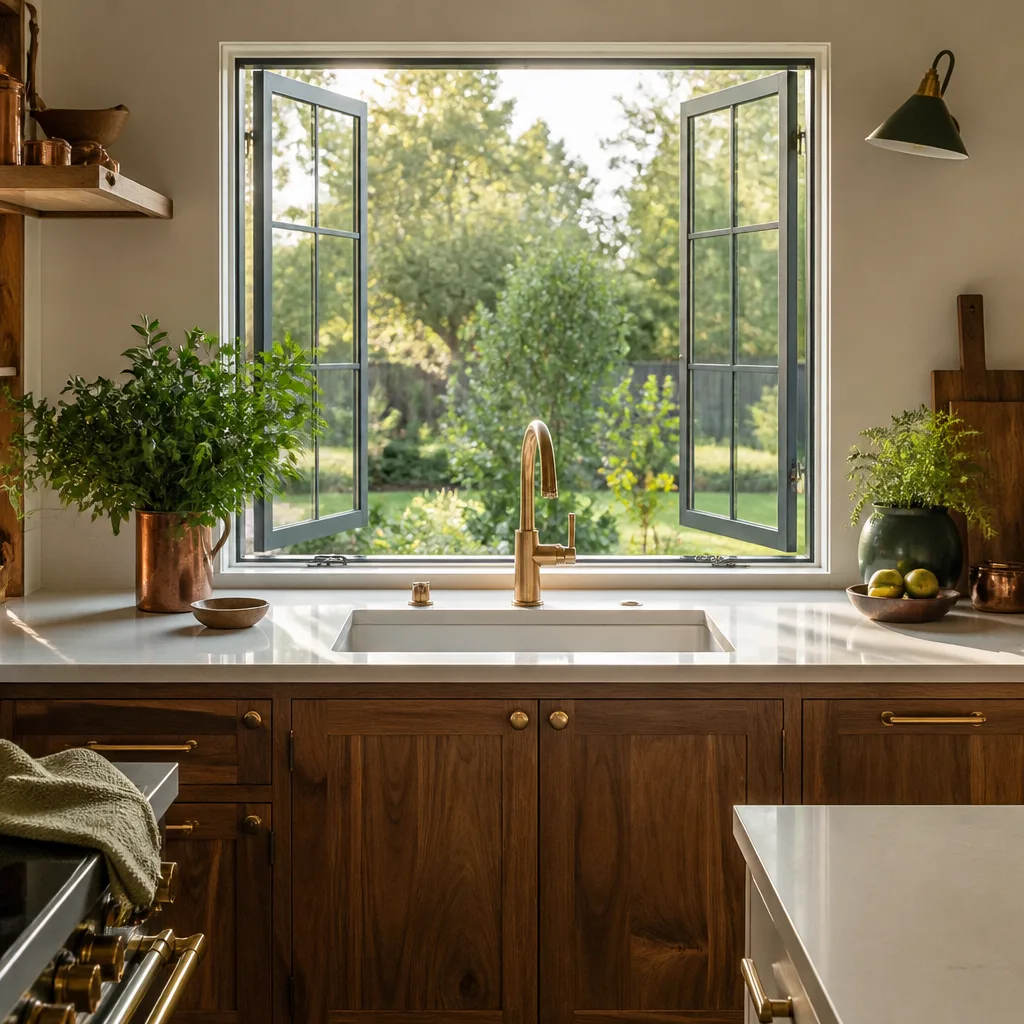
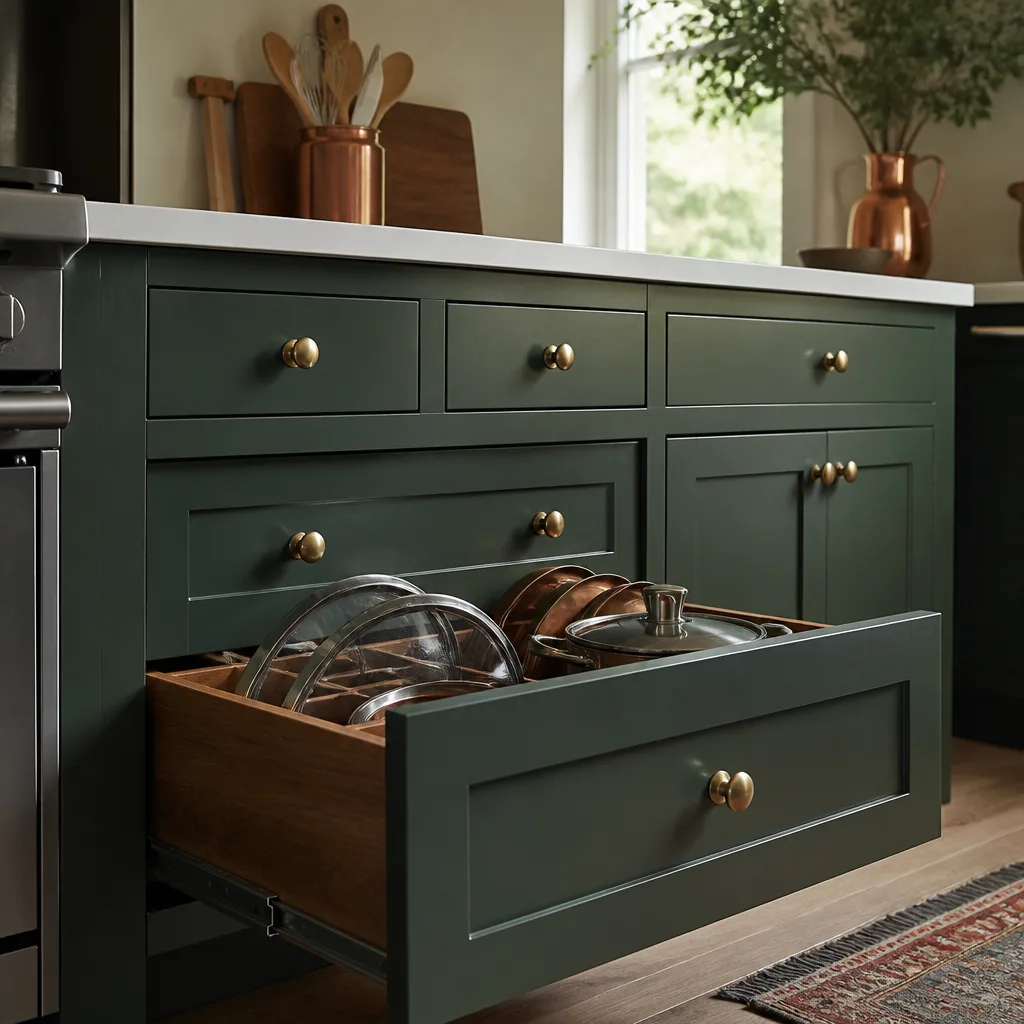
- Kitchen remodeling
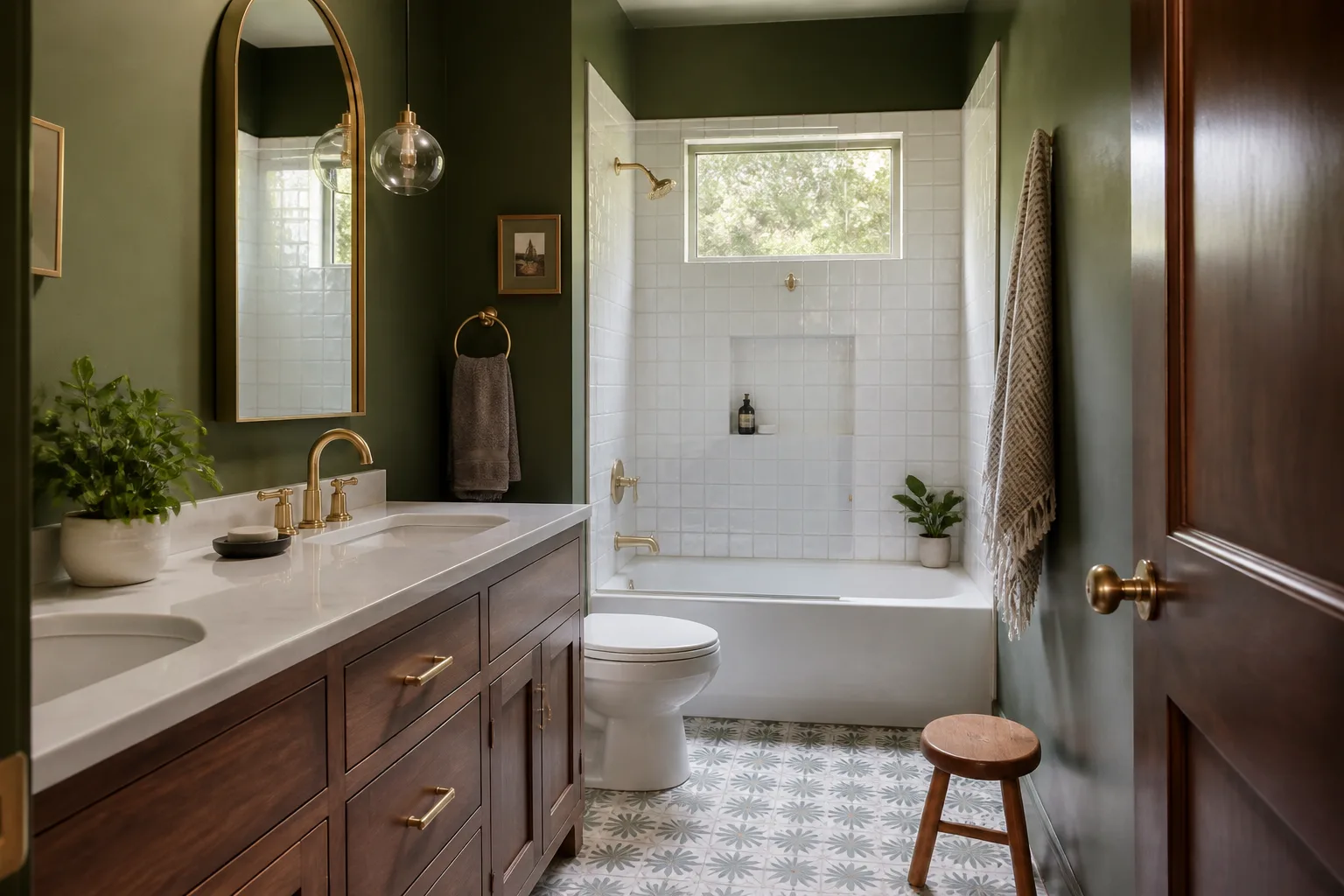
- Bathroom remodeling
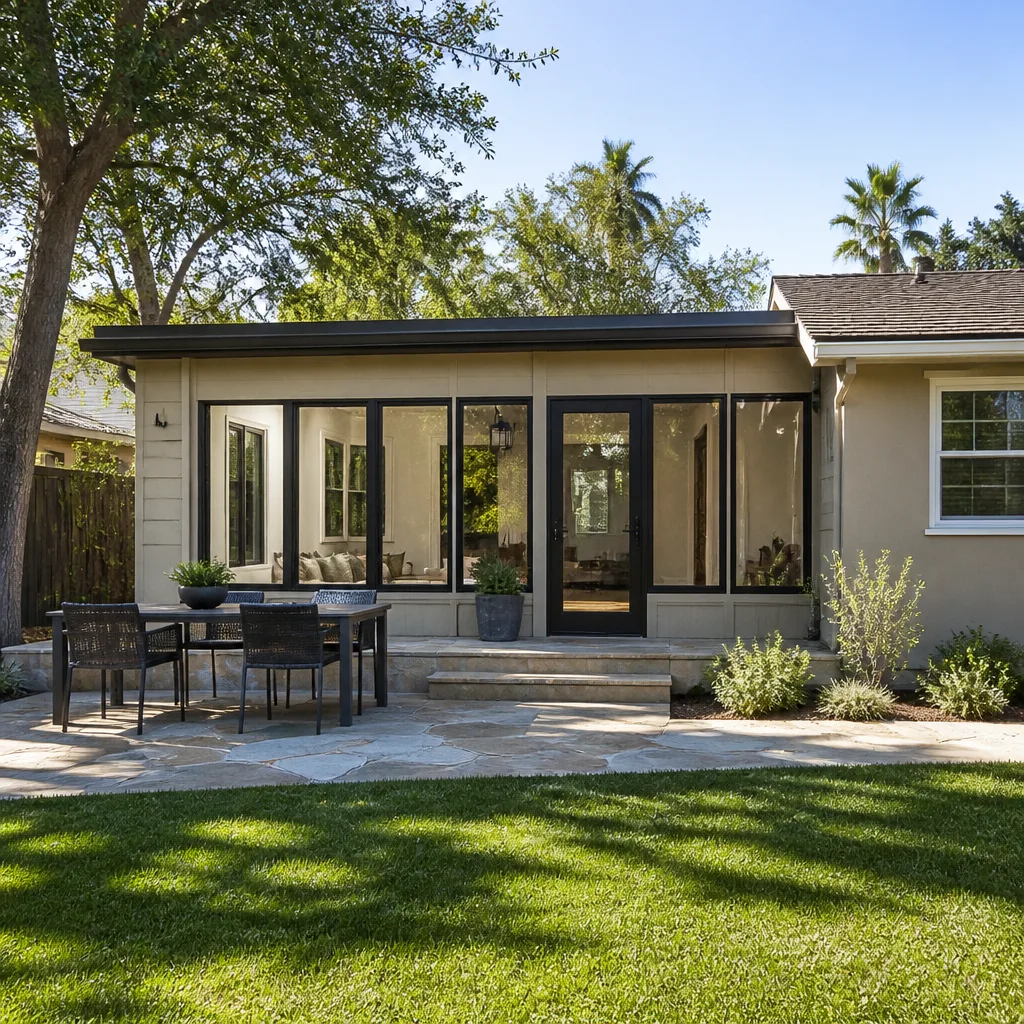
- Home additions & ADU
- Roofing
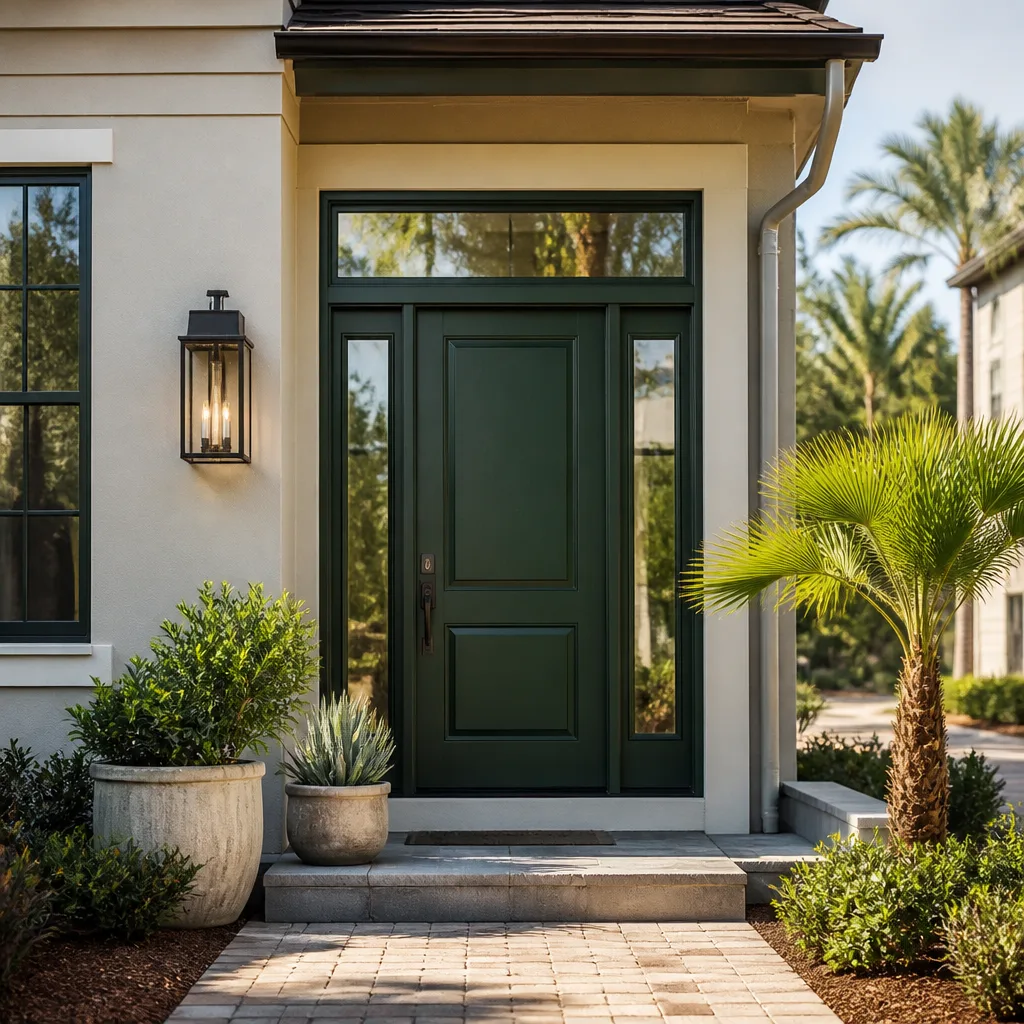
- Windows & doors
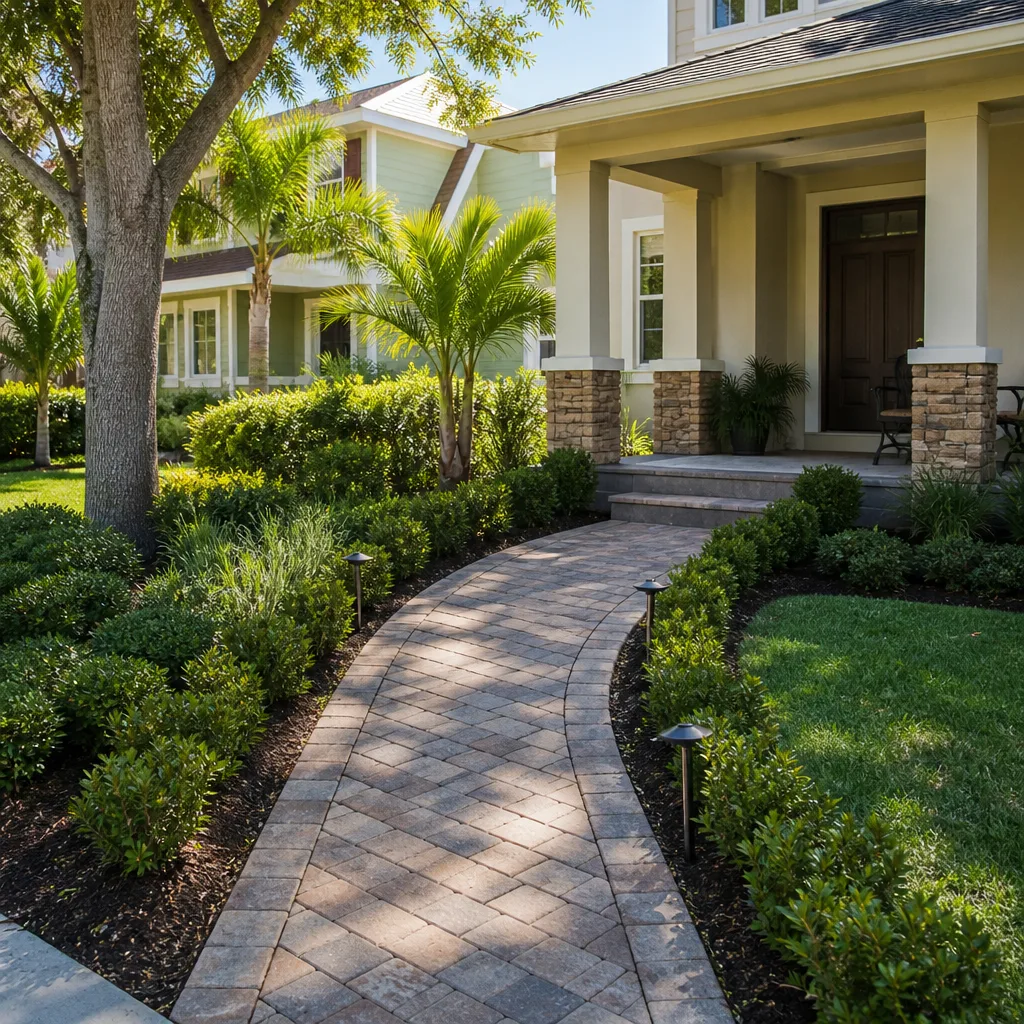
- Driveway & pavers
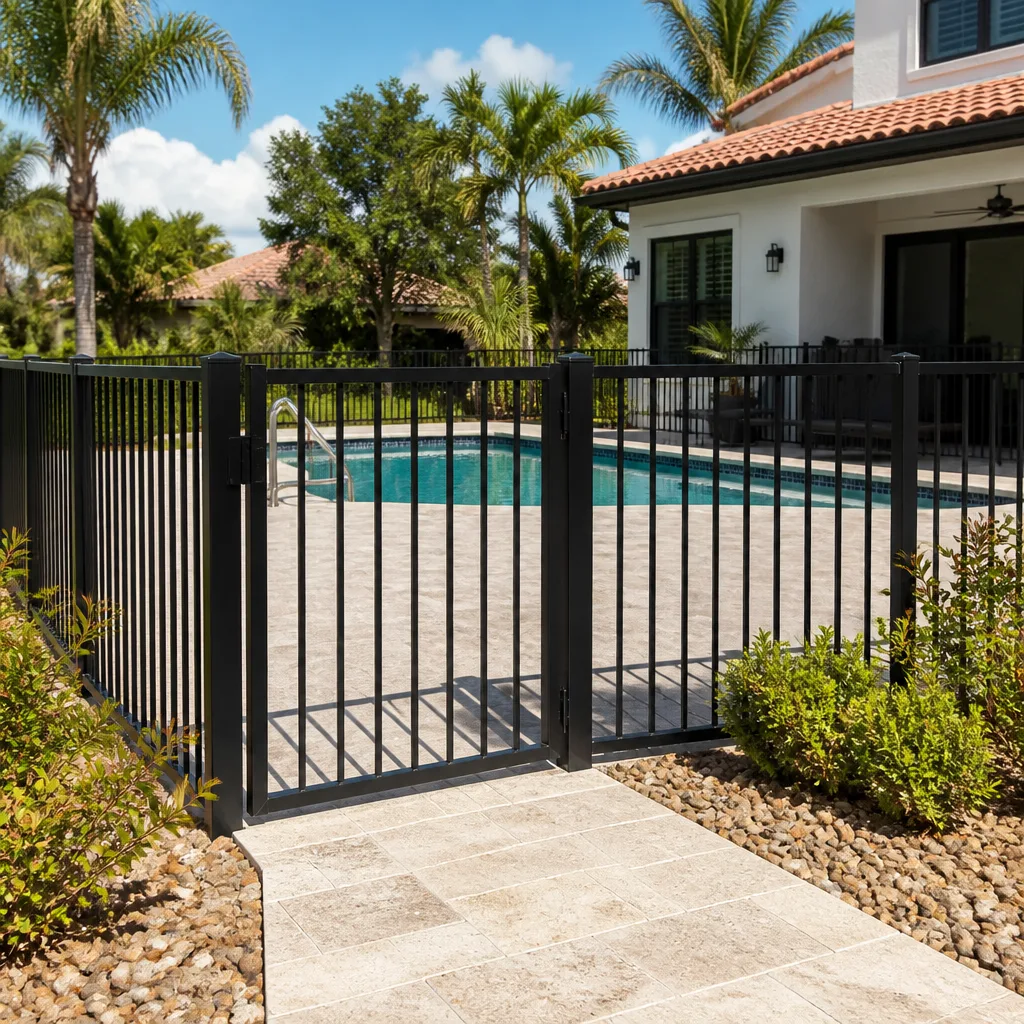
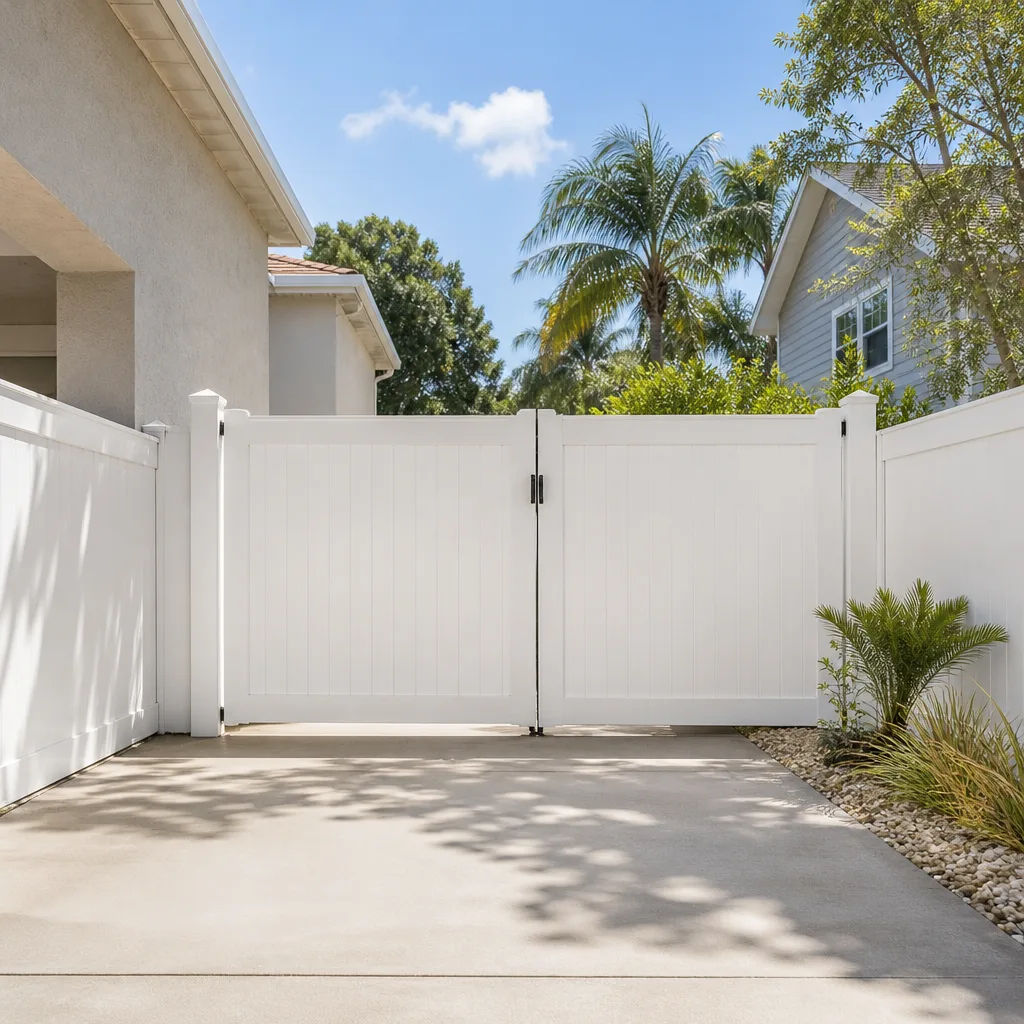
- Fence
See the difference
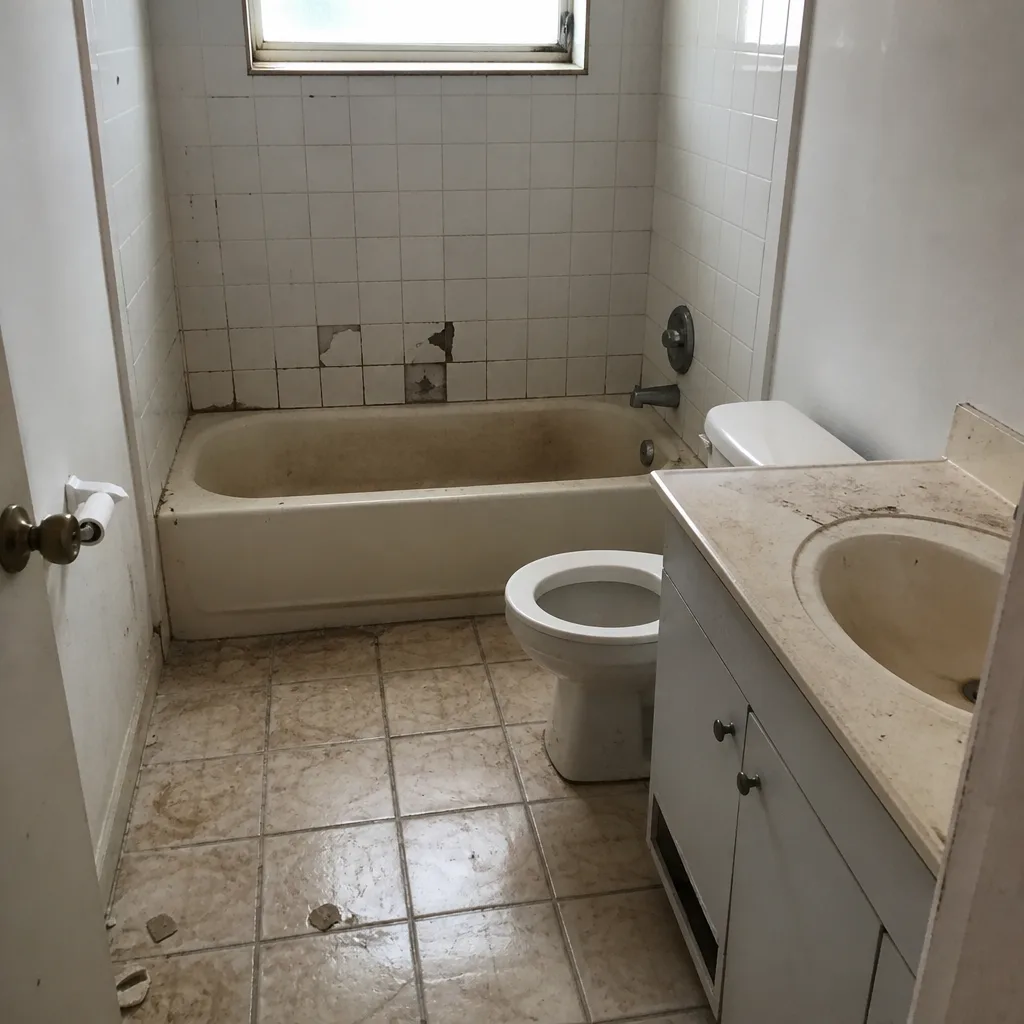 Before
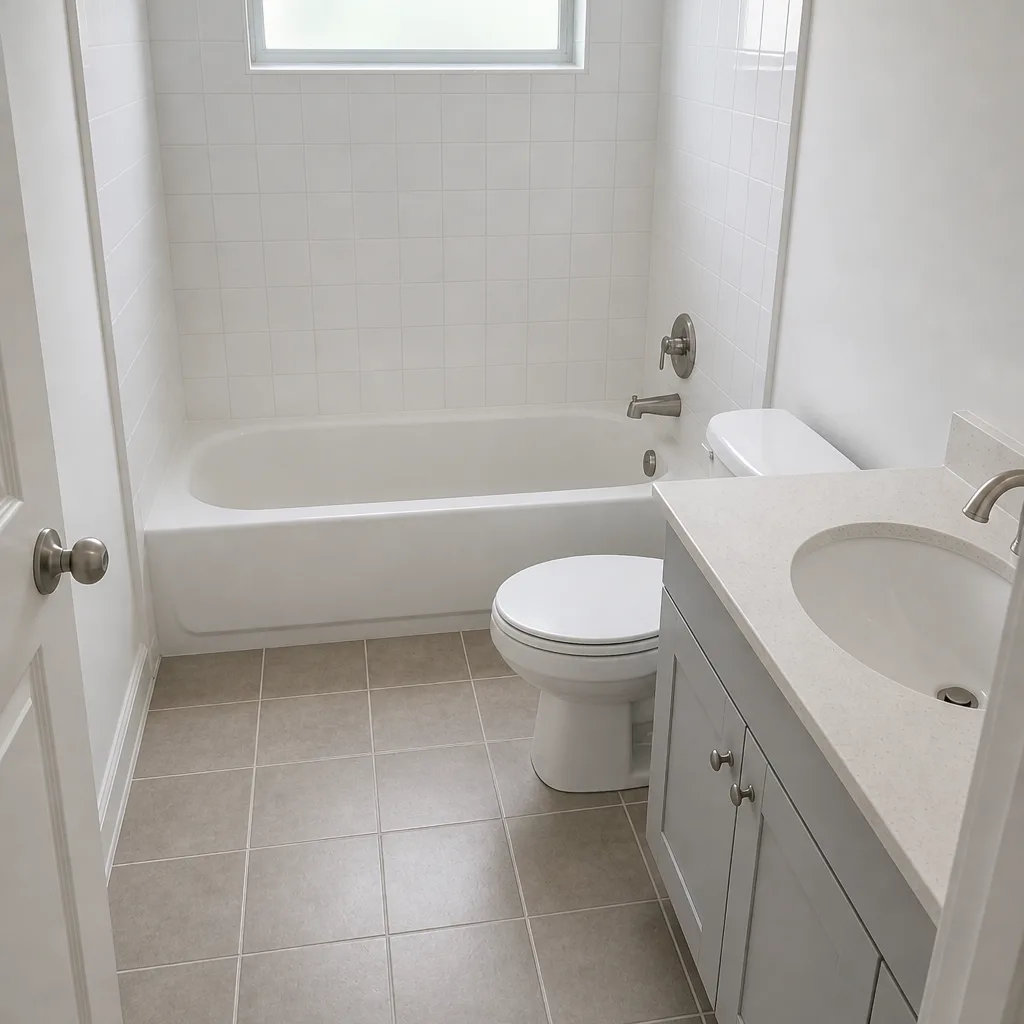 After
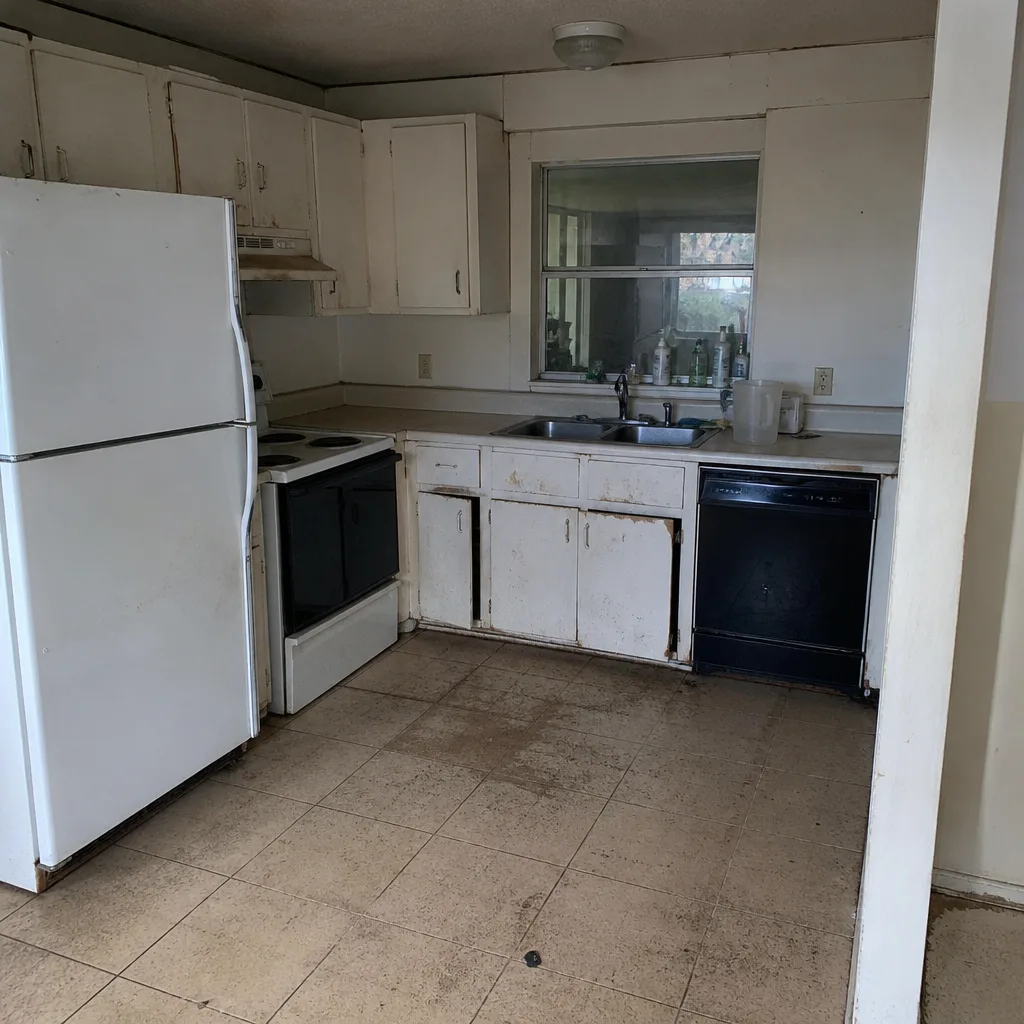 Before
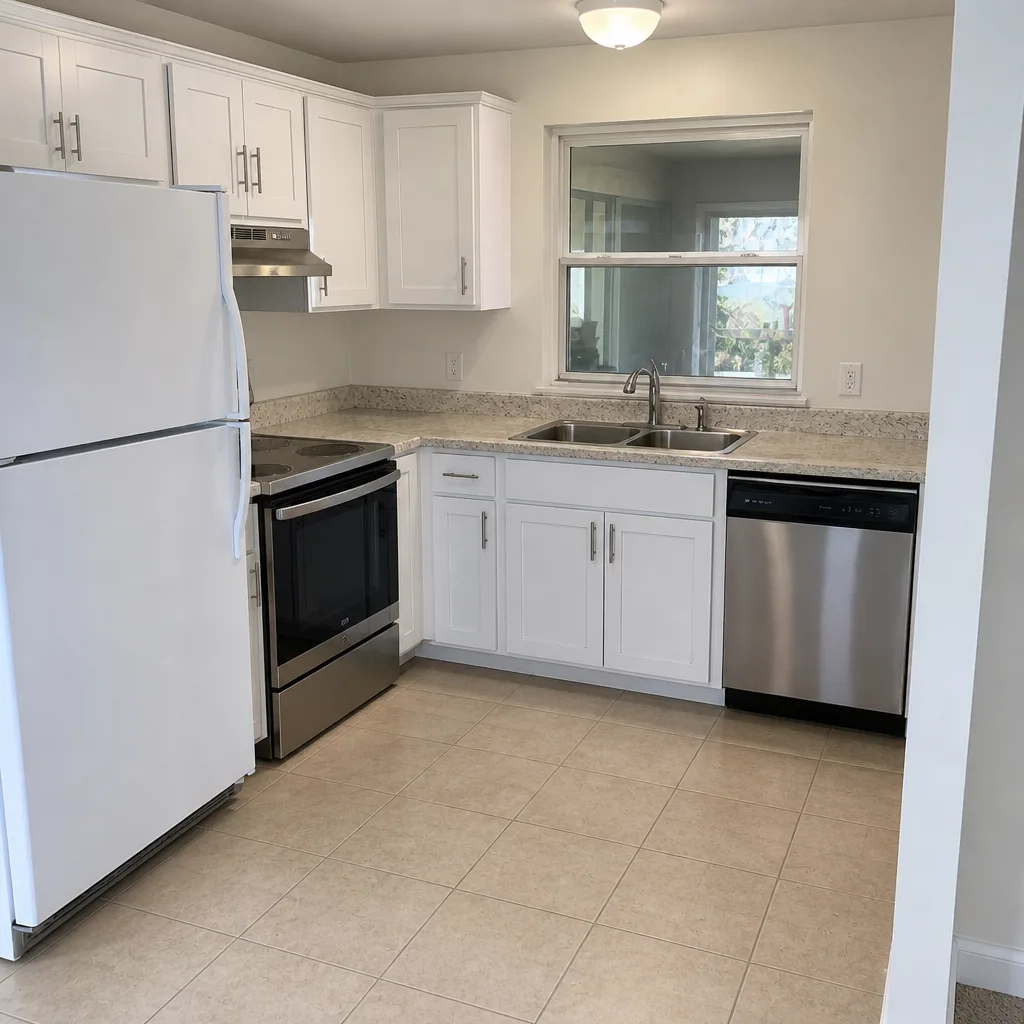 After
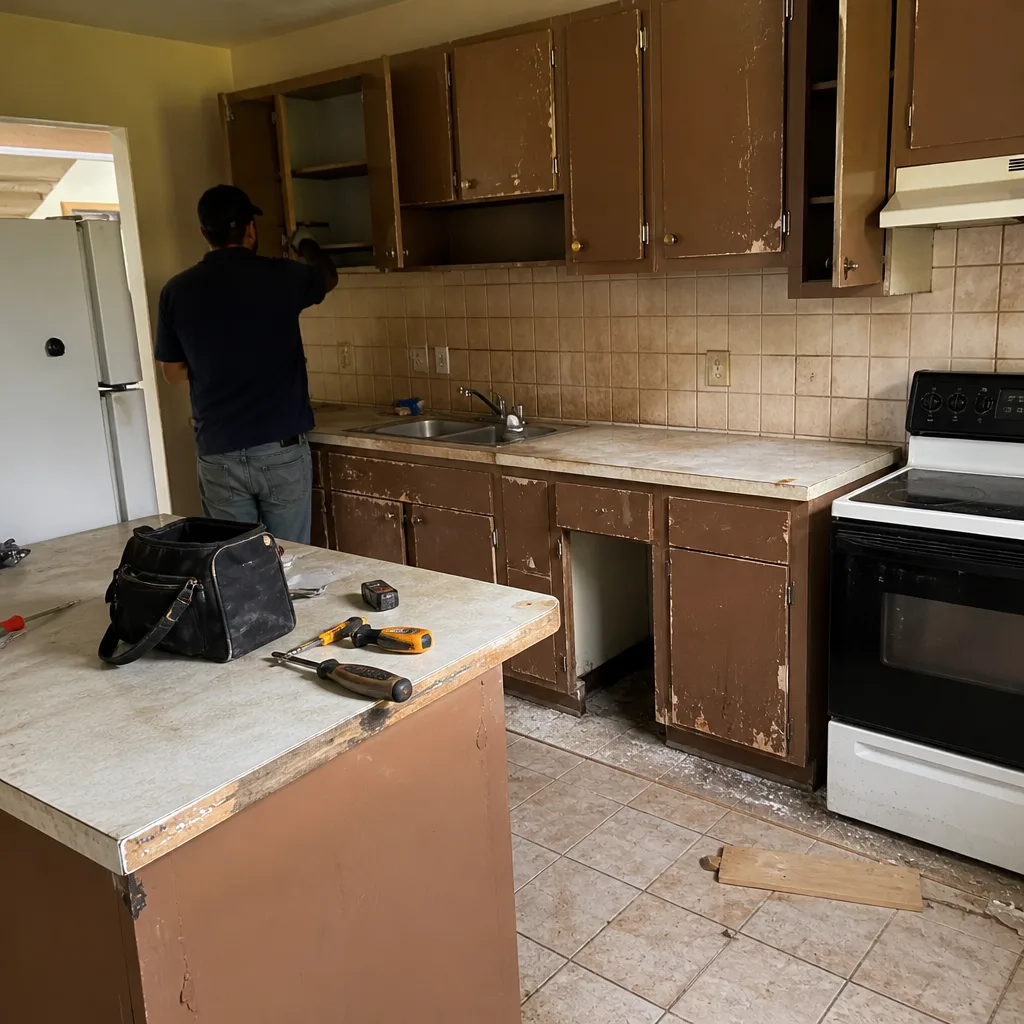 Before
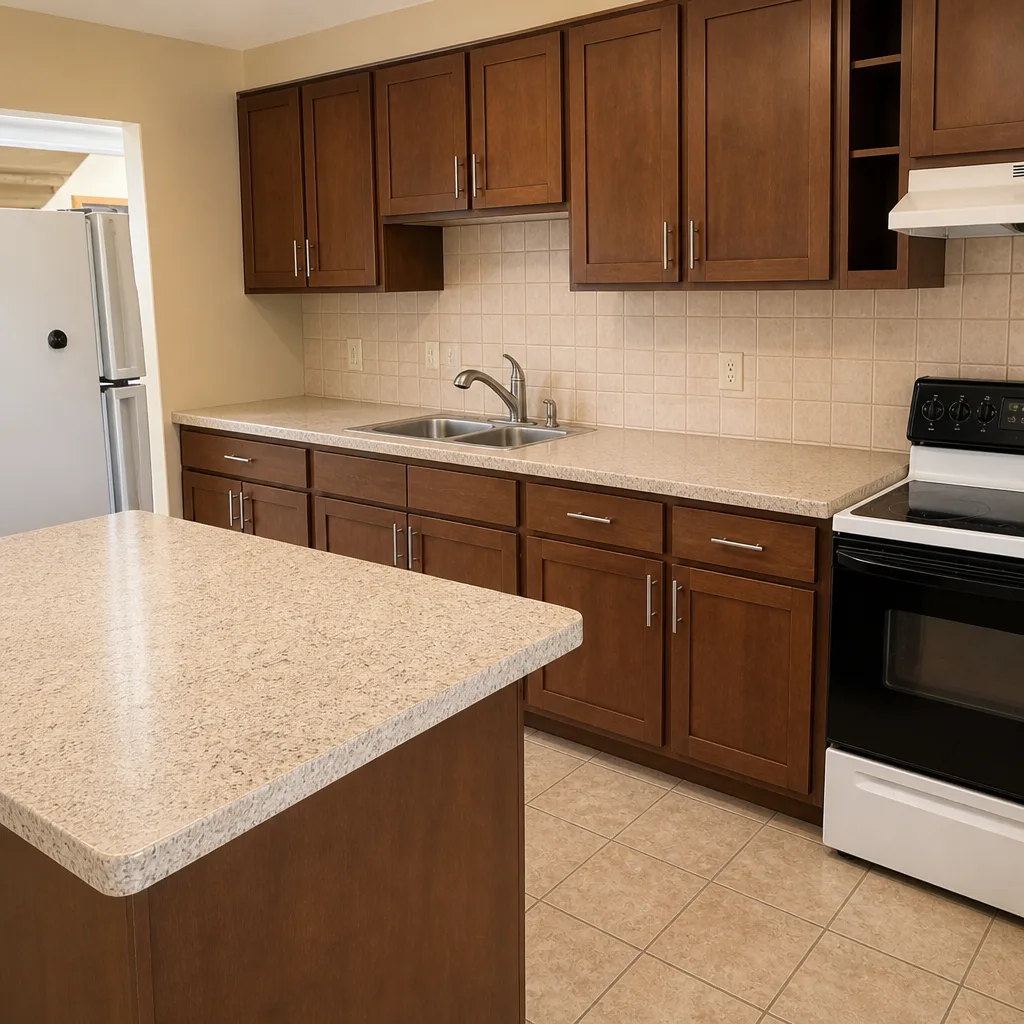 After
What Home Renovation Cost Per Square Foot Really Means in Homestead, FL
Most Homestead renovations run $60-$100 per square foot for cosmetic interior work, $100-$160 per square foot for a partial renovation that touches one room, and $175-$275 per square foot once the job touches the building envelope and triggers High-Velocity Hurricane Zone compliance. Those numbers are honest, and they’re still not enough to budget from on their own, because Homestead carries fixed compliance costs that don’t scale with square footage. If someone quotes you a per-square-foot price, ask what it includes for Miami-Dade NOA-compliant openings and load-path inspection. Call (866) 344-6796 and we’ll walk your scope in writing before you compare a single bid.
Barrett & Sons Construction Homestead is owner-operated, founded in 1998, and the crew that shows up carries the company name. Our technicians have up to 28 years of experience, permits get pulled on every eligible job, and every price change arrives as a written change order before work moves.
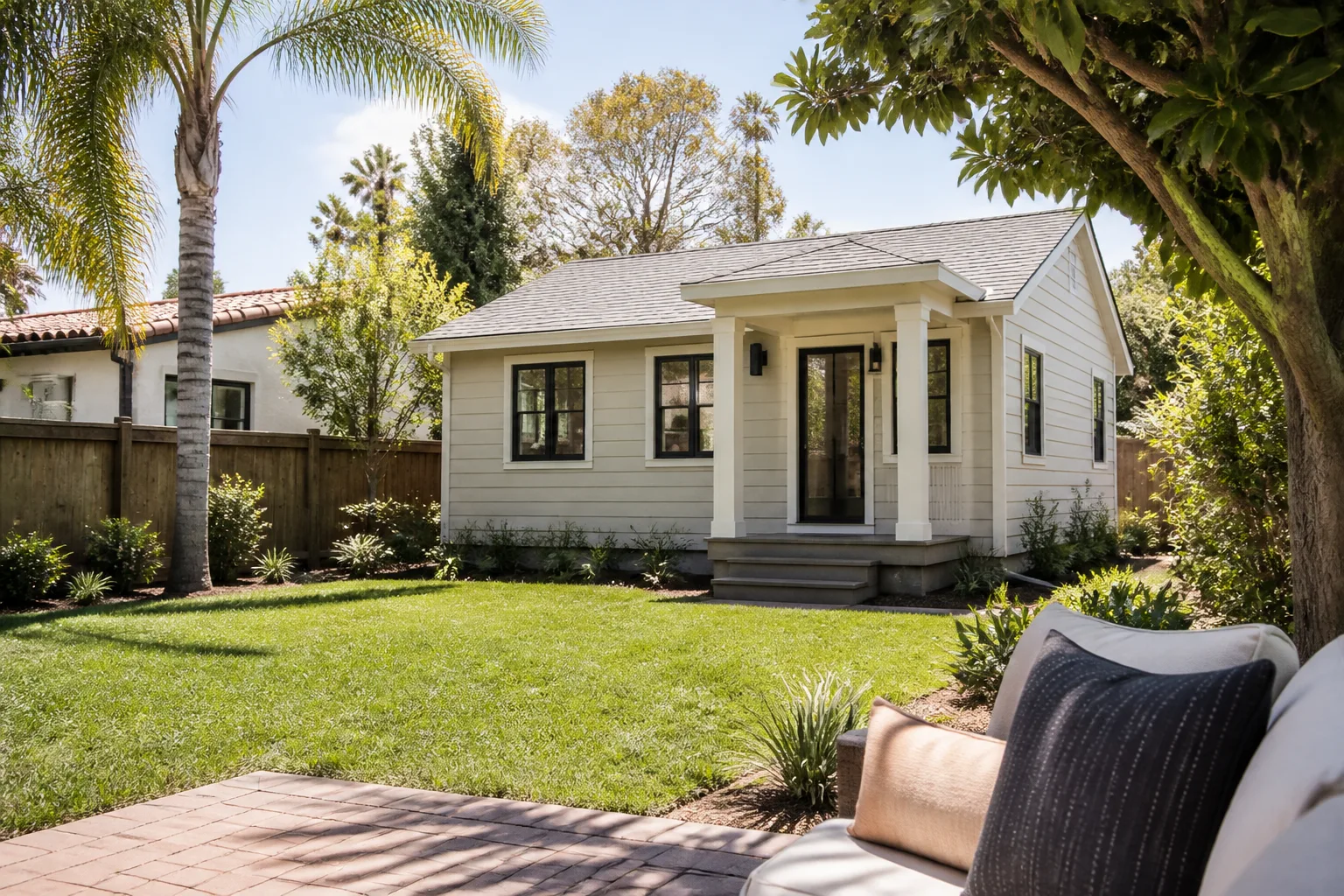
The Compliance Surcharge That Doesn’t Care How Big Your Room Is
Here’s the part that trips up nearly every per-square-foot comparison in this city. Some costs in a Homestead renovation are set by the scope of the work, not the size of the space. They land on a 400 square foot kitchen addition almost as hard as they land on a 1,200 square foot addition.
- Engineer’s drawings and sealed plans – required once you alter structural walls or the load path, priced per project, not per square foot.
- Roof-to-wall strap inspection – a fixed trip and remediation cost whenever the envelope is opened, even for a small bump-out.
- Impact-rated openings on any altered opening – a new or resized window or door must meet wind-borne debris requirements and carry Miami-Dade product approval (NOA). The per-unit cost is real, but the approval paperwork and inspection scheduling are project-level.
- Permit fees and inspection sequencing – flat to the job. A small project absorbs them across fewer square feet, so the per-foot number climbs.
That’s why a small Homestead addition often prices higher per square foot than a large one. The compliance cost is a fixed surcharge hiding inside a variable-looking number. Any contractor who hands you a clean “$X per square foot” without naming these items is either guessing or planning to surprise you later. Miami-Dade’s post-Andrew building culture made this the local standard: install non-approved shutters or straps here and you fail inspection and can’t get a certificate of occupancy. Out-of-area crews trip on it constantly. The permit inspector works for you, not for us, and that’s exactly why we like him.
Homestead Renovation Cost Tiers by Scope
These ranges come from work in this market, not a national calculator. They’re the honest brackets we use when a homeowner asks where their project sits.
| Renovation tier | What’s included | Cost per sq ft |
|---|---|---|
| Cosmetic interior | Flooring, paint, fixtures – no envelope work | $60-$100 |
| Partial, single room | One room refit, no envelope touched | $100-$160 |
| Full with envelope + HVHZ compliance | Roof, windows, walls, impact openings, load path | $175-$275 |
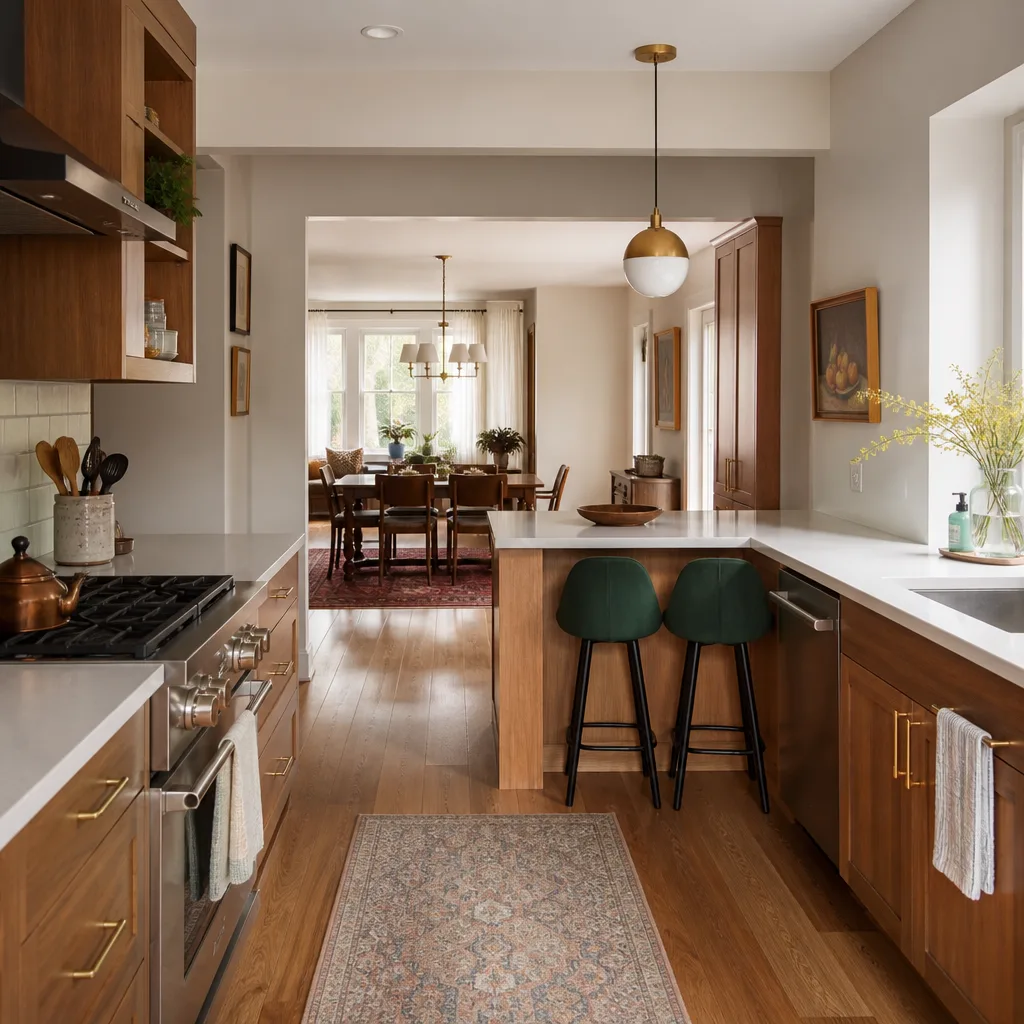
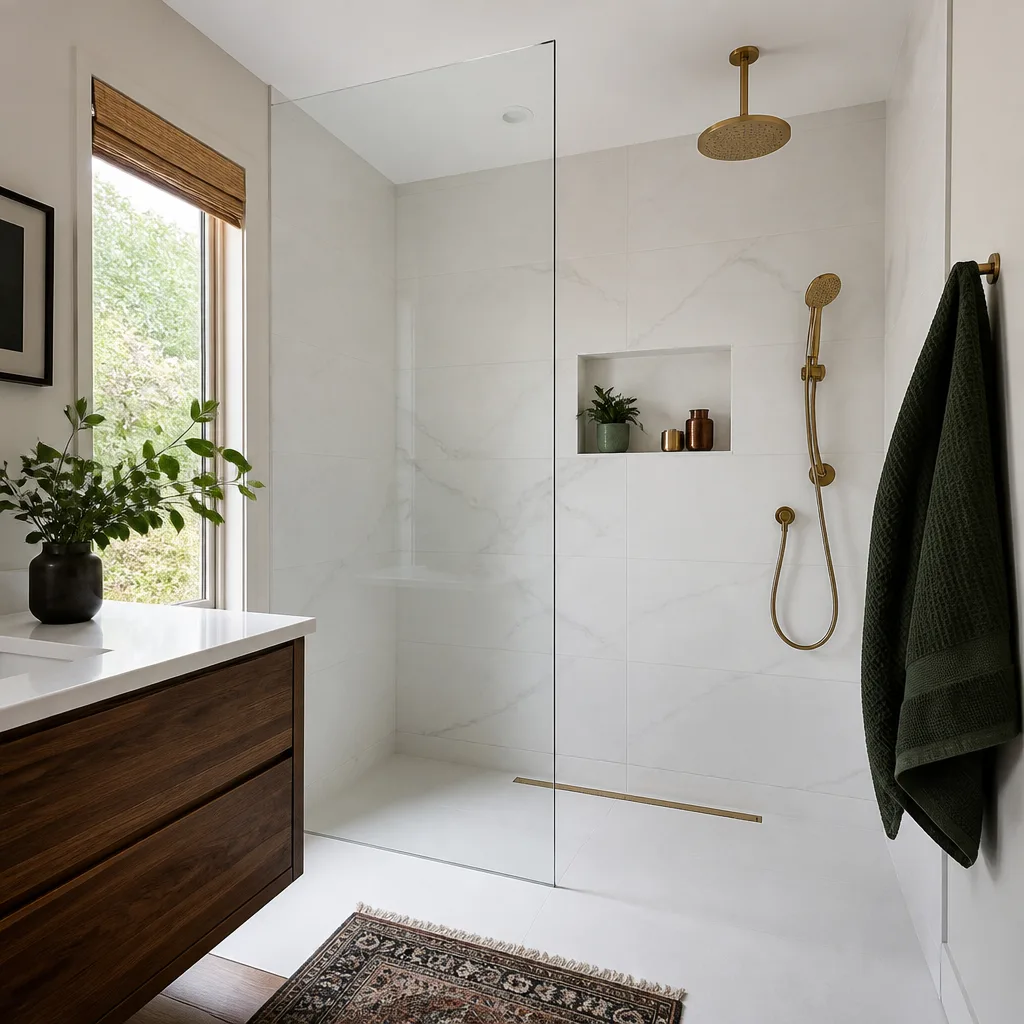
To see where individual scopes land in real dollars, our home remodeling services page breaks down kitchens, baths, additions, and roofs line by line. A kitchen remodel here typically runs $14,000-$45,000, and a bathroom remodel lands between $9,000 and $28,000. Those figures already carry the allowance detail you’d otherwise discover mid-job.
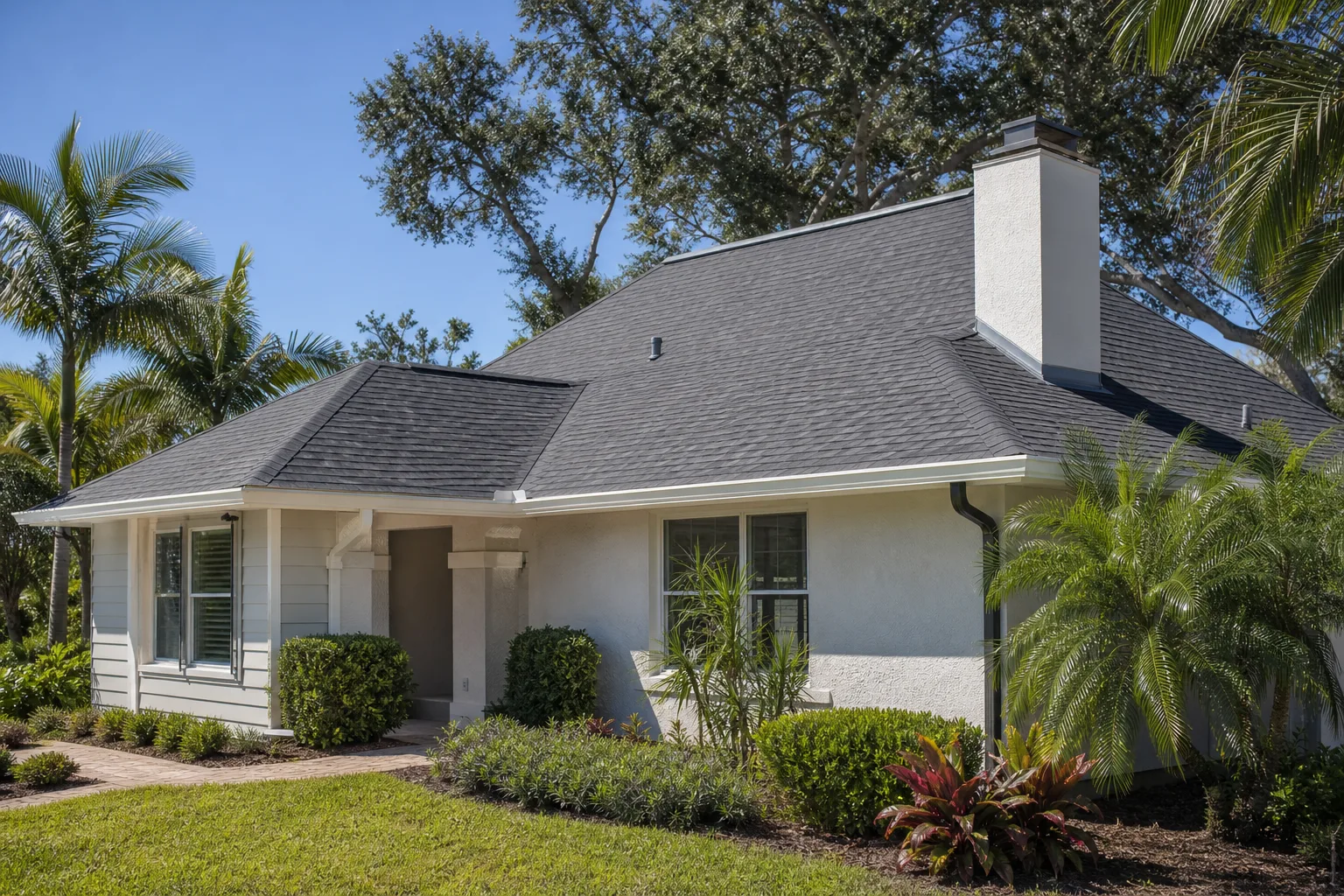
Why This City’s Sun and Humidity Change the Math
Per-square-foot comparisons usually count what it costs to install something. In Homestead you have to count how long it lasts. Subtropical sun and near-daily summer humidity punish finishes faster than almost anywhere in the state. Exterior paint and coatings that hold up 10 years in a drier climate often need redoing in 5 to 7 years here. Roofing and exterior trim see the same shortened clock.
So when you compare two bids per square foot, ask what each one buys in years. A $70 per square foot finish package that dies in five years costs more per year than a $95 package that gets you eight. That lifecycle view is the one generic calculators leave out, and it’s the one that protects your budget in Homestead.
And on the older CBS and concrete-block homes from the farm-town era, the issue isn’t just sun. It’s moisture. Wood framing punishes you with rot when water gets behind a wall; block and stucco resist mold better but demand water-managed assemblies. Either way, the exterior envelope is where a cheap bid quietly defers its cost to you.
CBS vs. Wood-Frame: A Cost Difference the Calculators Miss
Most of Homestead’s single-story ranch homes sit on slab in concrete block and stucco. CBS is tougher against mold and rot, which is good news. It’s harder to change, which is the part that shows up on your invoice.
Cutting a new opening in a block wall, running electrical or plumbing through masonry, and rebuilding the envelope around it costs more per square foot than the same work in a wood-frame house. Generic cost calculators assume stick framing, so their per-foot number quietly undersells masonry labor. That gap widens with every opening you add, which is another reason a per-square-foot figure alone can mislead on a Homestead project.
Where the home is a newer build on the western or southern edges of the city, you’ll often get more flexibility on layout. Where it’s an older block home near the historic core, budget for the labor that masonry demands. A home addition or an ADU construction project should be scoped with that in mind from the first walk-through.
How Written Allowances Keep Your Per-Foot Number True
The per-square-foot estimate is only as good as what’s inside it. When allowances for tile, cabinet grade, and countertops are written as line items before work starts, the finished cost per square foot matches the contract. When those allowances were verbal, the last month of the job becomes a reconciliation.
Every scope, every allowance, every price change arrives in writing before a nail moves. We install materials you can look up – KraftMaid and Wellborn cabinetry, Cambria and Silestone counters – not mystery brands off a van. Our window and door replacement work uses rated assemblies that satisfy the same code scrutiny the rest of your envelope gets, and our roof replacement and metal roof installation pages carry the impact-rated spec detail. If you want a second set of eyes, there’s a free second opinion on any written estimate, plus $40 off any repair over $200, no trip charge inside the county, and a permanent 10% senior and veteran discount. Everything we finish is backed by the written 90-Day Done Right Promise: if it isn’t right, one call brings us back.
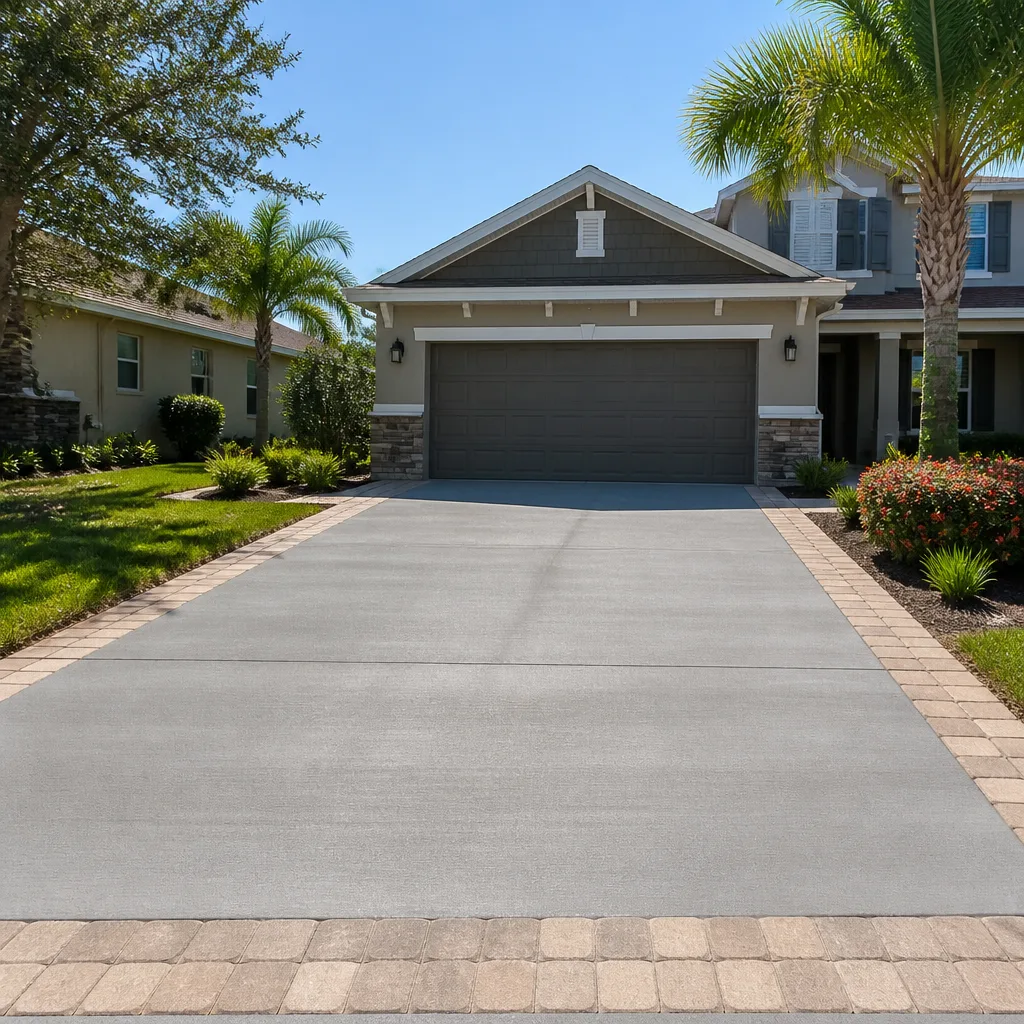
When you’re ready to compare trades, the same allowance-first budgeting applies to paver driveway installation, driveway replacement, vinyl fence installation, and aluminum fence installation. And if you’re weighing a garage conversion against an addition, that decision usually comes down to whether the envelope is already up.
Frequently Asked Questions
It runs about $60-$100 per square foot for cosmetic interior work, $100-$160 for a partial single-room renovation, and $175-$275 once the envelope and HVHZ compliance enter the scope. The upper tier carries fixed costs like engineer’s drawings and impact-opening approvals that don’t shrink with your square footage. Call (866) 344-6796 for an exact number on your project – the estimate is free.
Because compliance costs are fixed, not proportional. A 400 square foot addition and a 1,200 square foot addition both need sealed plans, a load-path inspection, and NOA-approved openings on any altered opening, and those costs land the same either way. Spread across fewer square feet, the fixed surcharge raises your per-foot price.
No. Impact ratings are triggered when the scope alters the building envelope or resizes an opening. A purely interior renovation that leaves walls, roof, and openings untouched doesn’t pull the impact requirement in. If the plan changes an opening, Miami-Dade product approval is required. We write that answer into your scope before work starts – call (866) 344-6796 to confirm what your job triggers.
Yes – a live person answers the phone 24 hours a day, seven days a week, and we’ll put the scope in writing. Homestead has a hurricane-hardening permitting process with its own checkpoints, so the first visit is where we confirm what your project actually triggers. Reach us at (866) 344-6796 and we’ll set it up.
Get a Per-Square-Foot Number You Can Actually Budget From
Call (866) 344-6796 for a free estimate. We’ll walk your Homestead scope line by line, name every HBHZ item your project triggers, and hand you a contract where the final per-foot cost matches the page. No surprise reconciliation, no mystery allowances. Call today.
Written by the team at Barrett & Sons Construction Homestead, serving Homestead, FL.
What Our Customers Say
"He pulled every permit and had every inspection signed off. The last contractor we used told us permits were optional and I have been paying for that ever since."
- Redmond Cavanaugh"Came back a year later to sort a door that had dropped as the frame settled. No charge and no argument about whether it was covered."
- Thaddeus Oyelowo"His sons run the crews and they were in our house for four months. Not once did I feel I had to be home to keep an eye on things."
- Camila Fuentes