Free written scope consultation - allowances, timeline, and change-order rules on paper before a single trade is scheduled
Styles & brands we work with
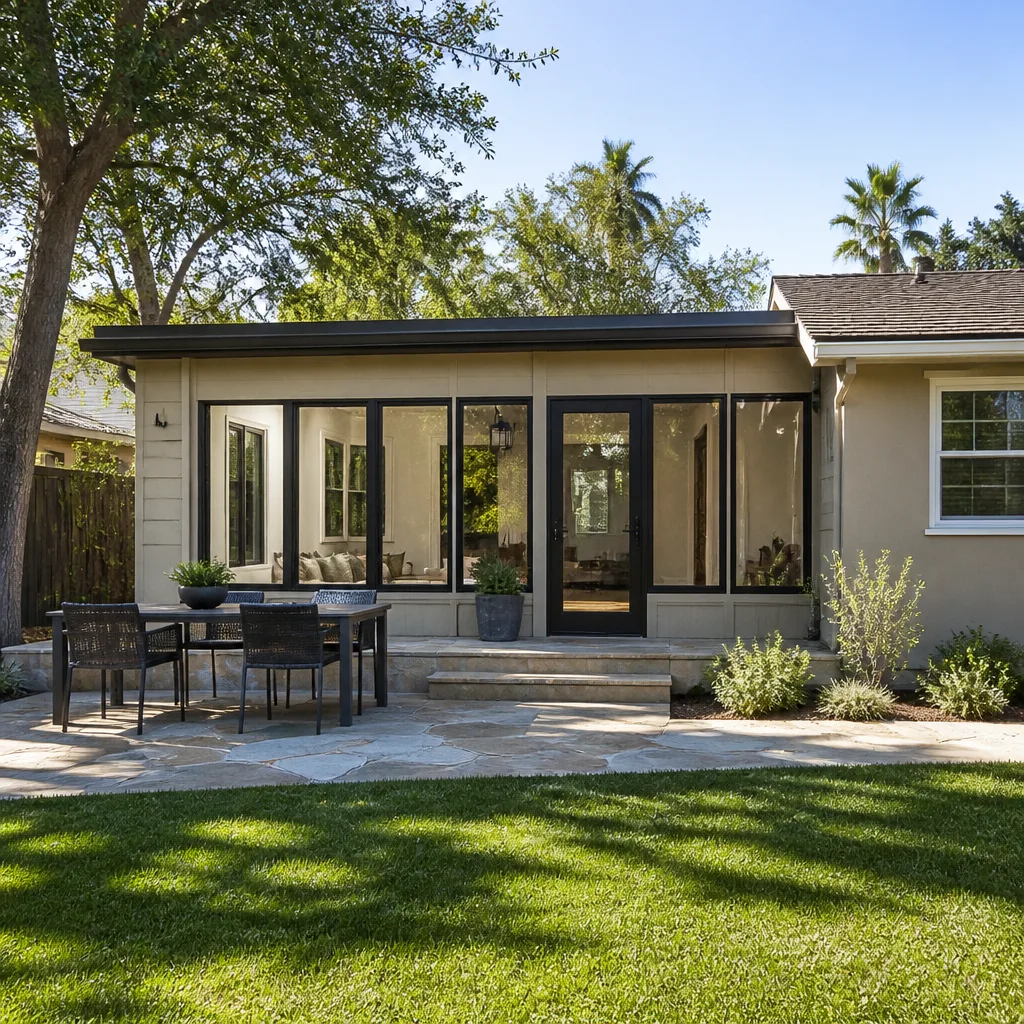
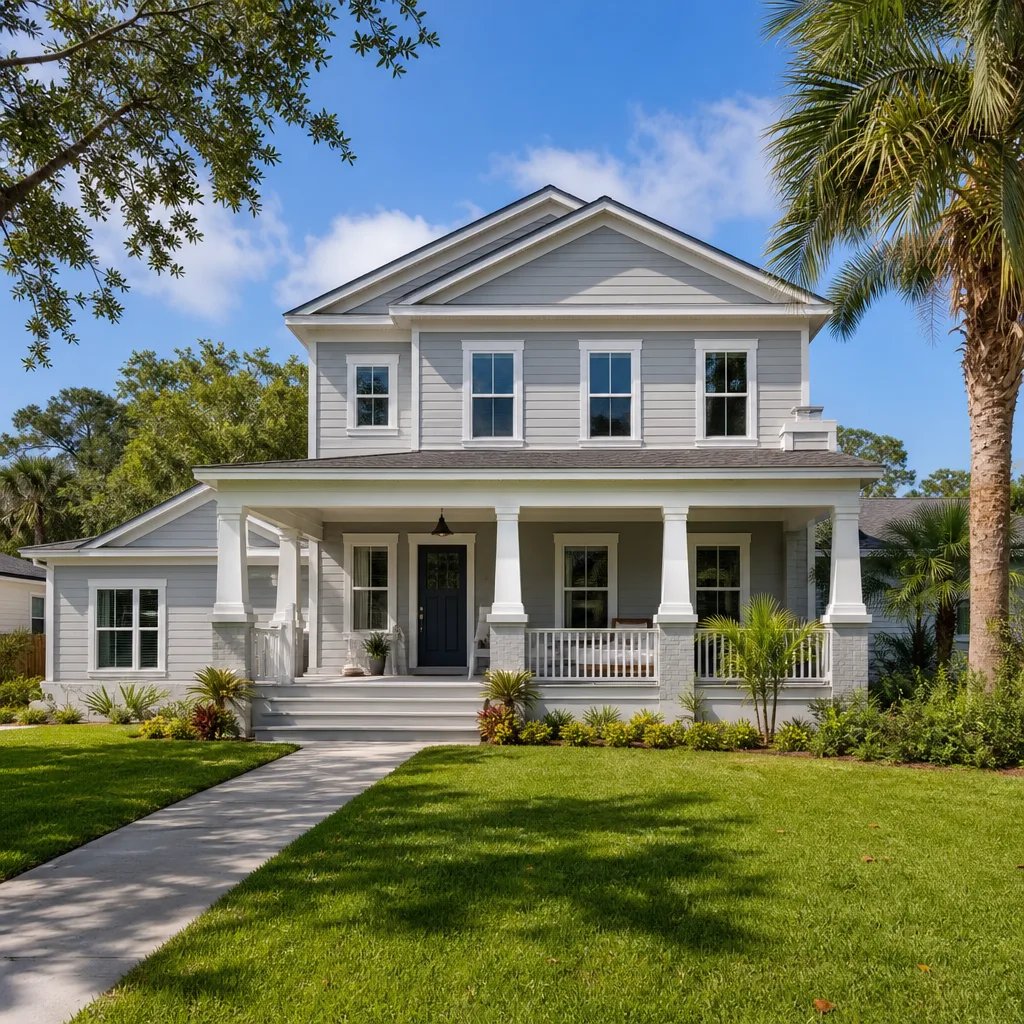
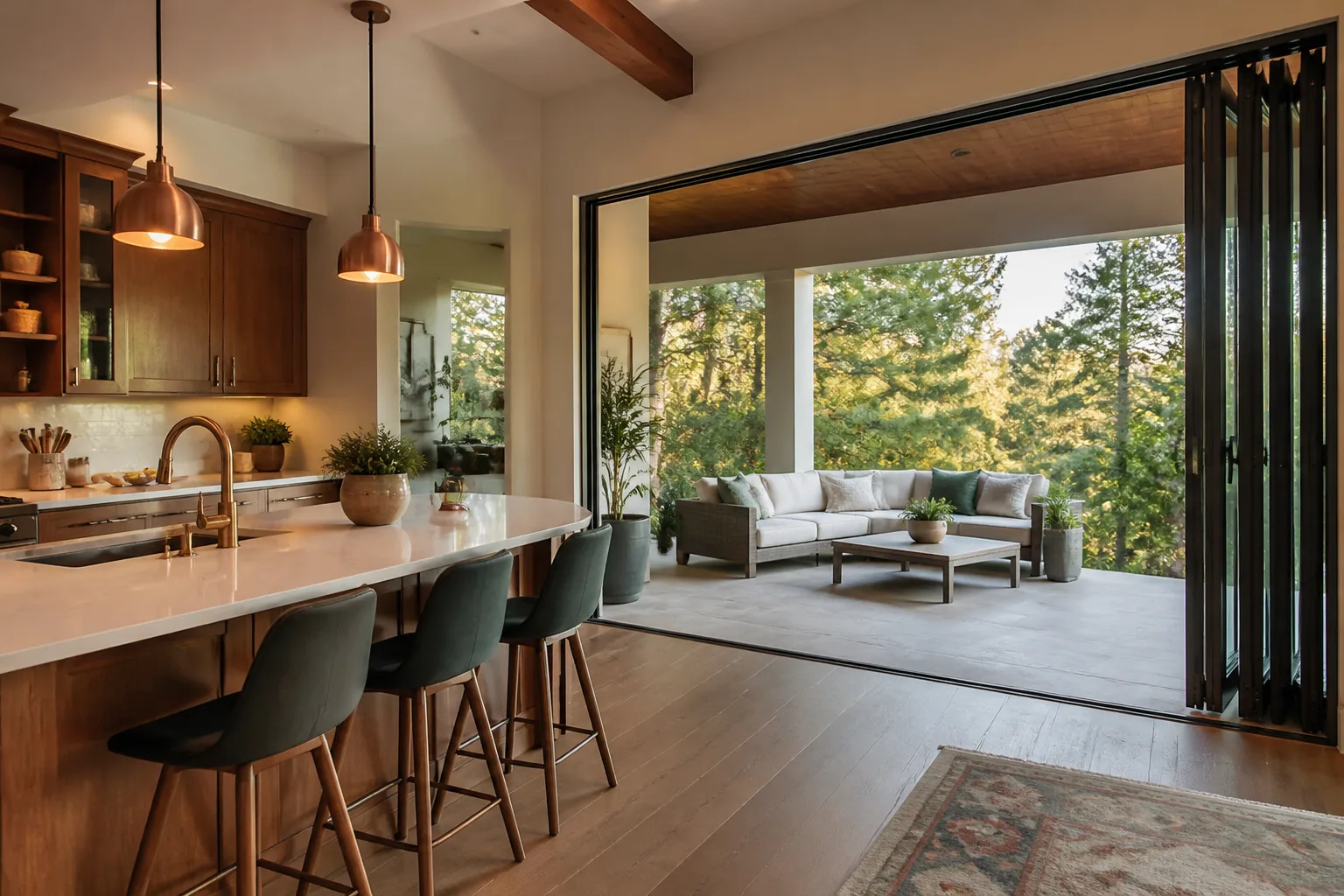
- Kitchen remodeling
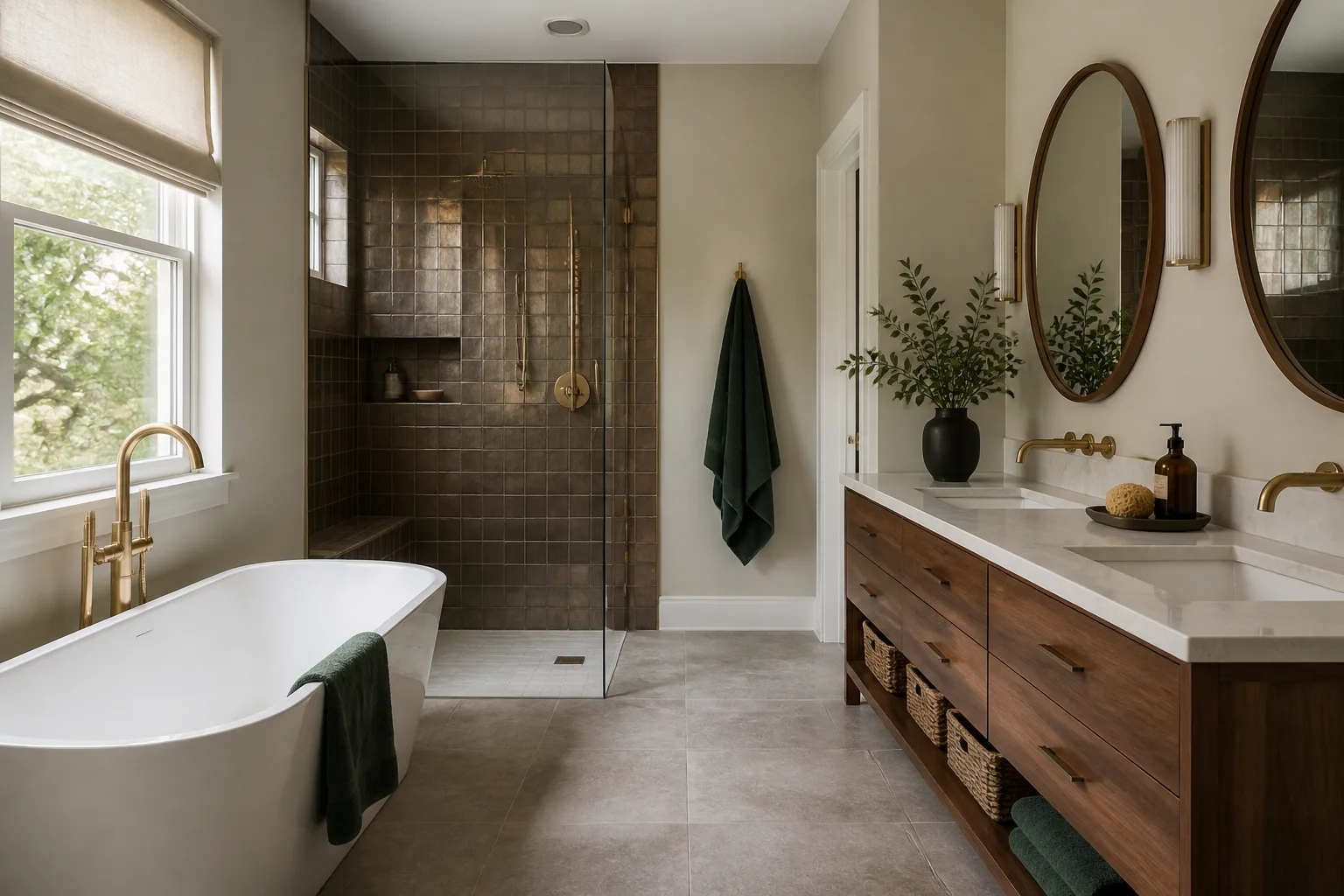
- Bathroom remodeling
- Home additions & ADU
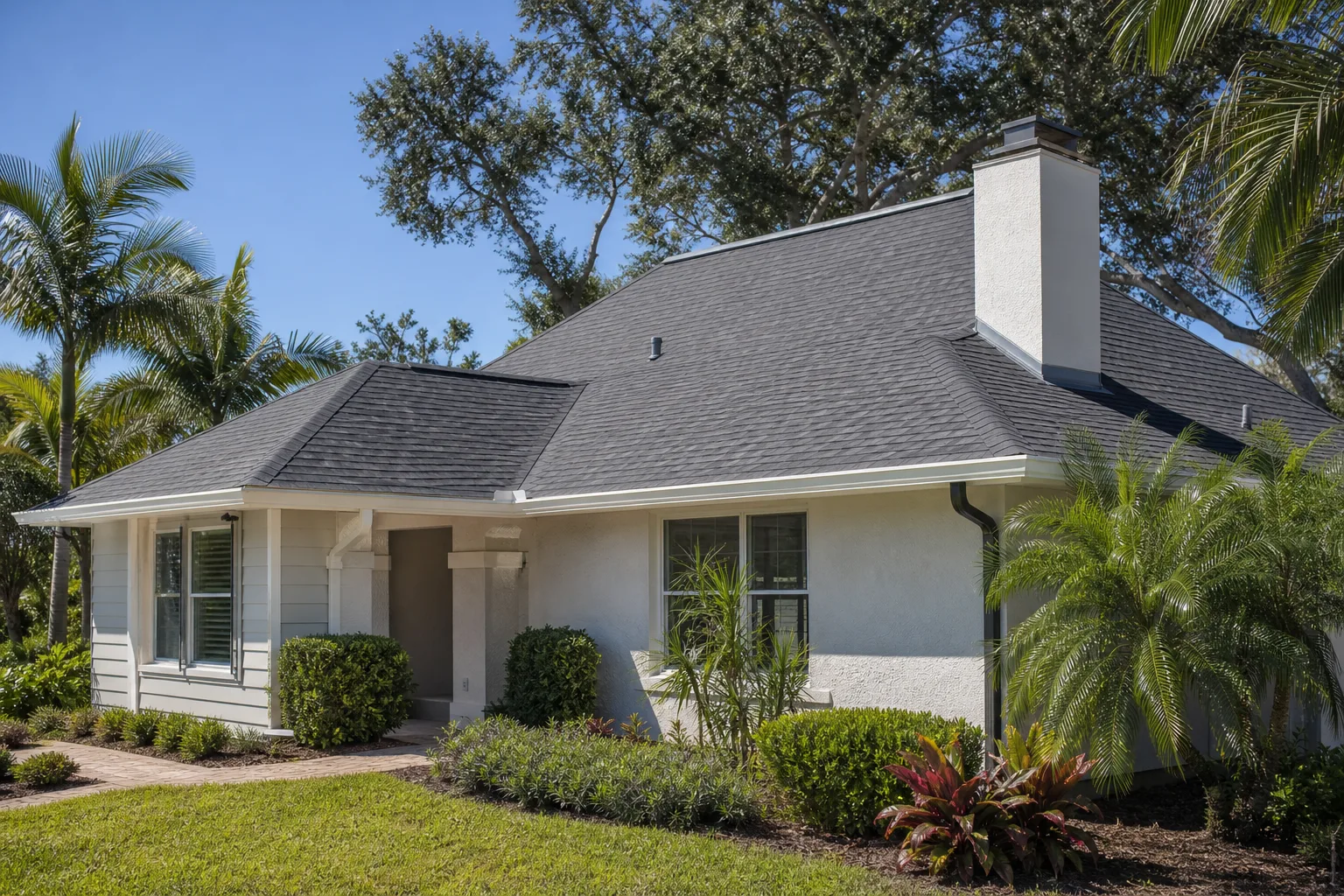
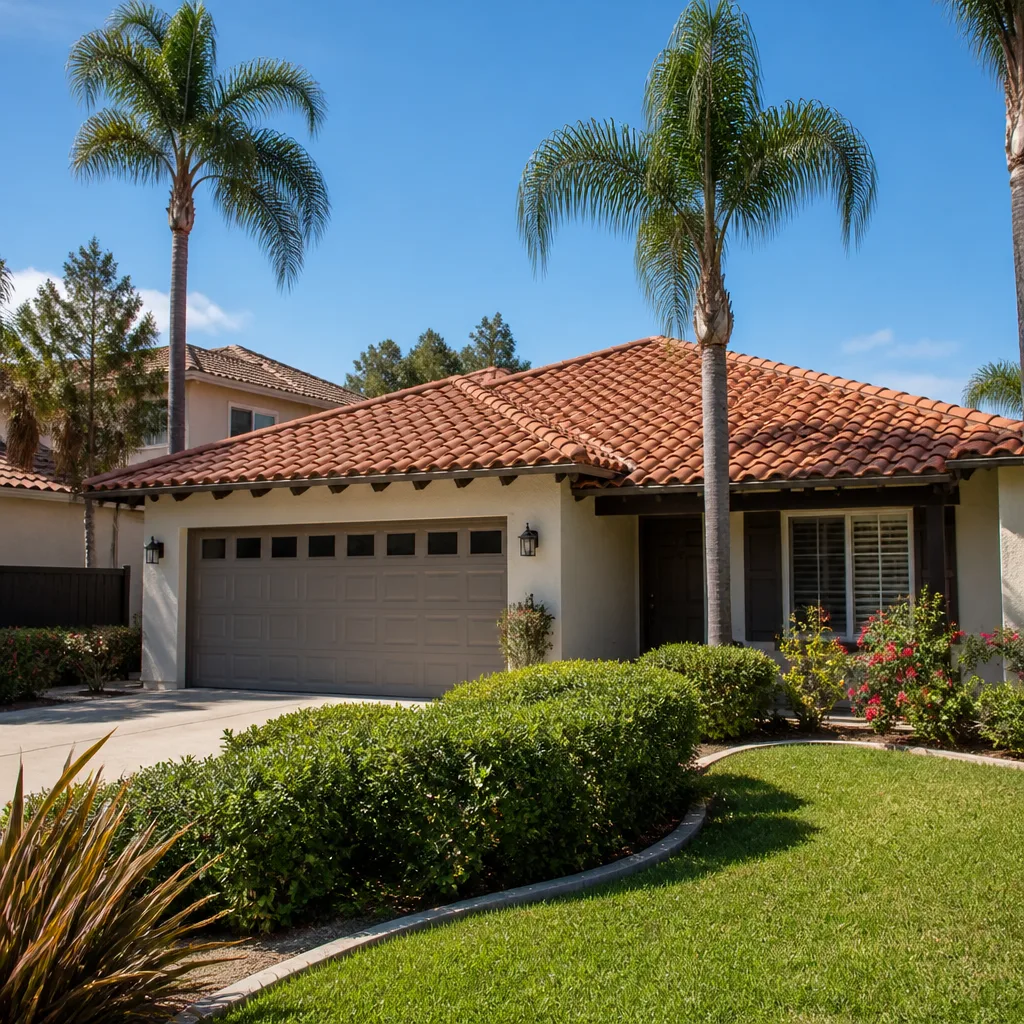
- Roofing
- Windows & doors
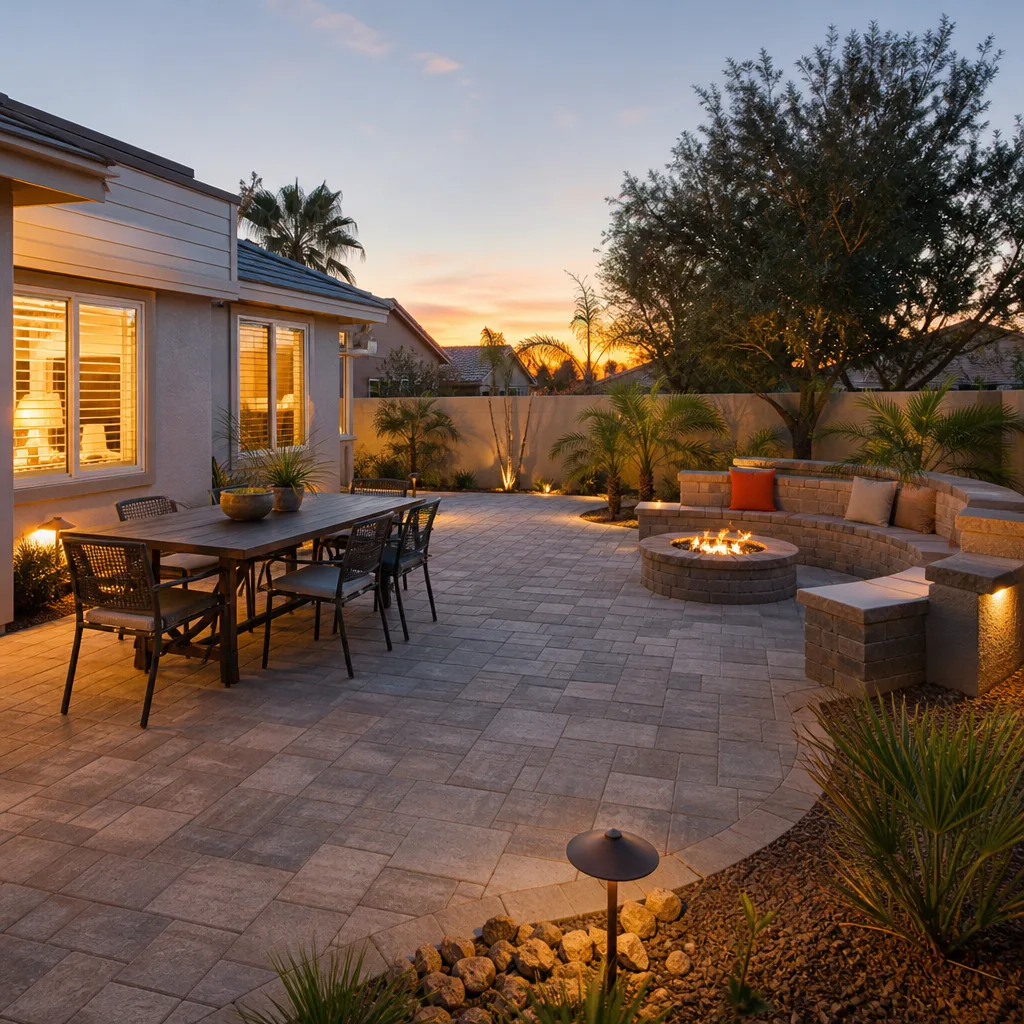
- Driveway & pavers
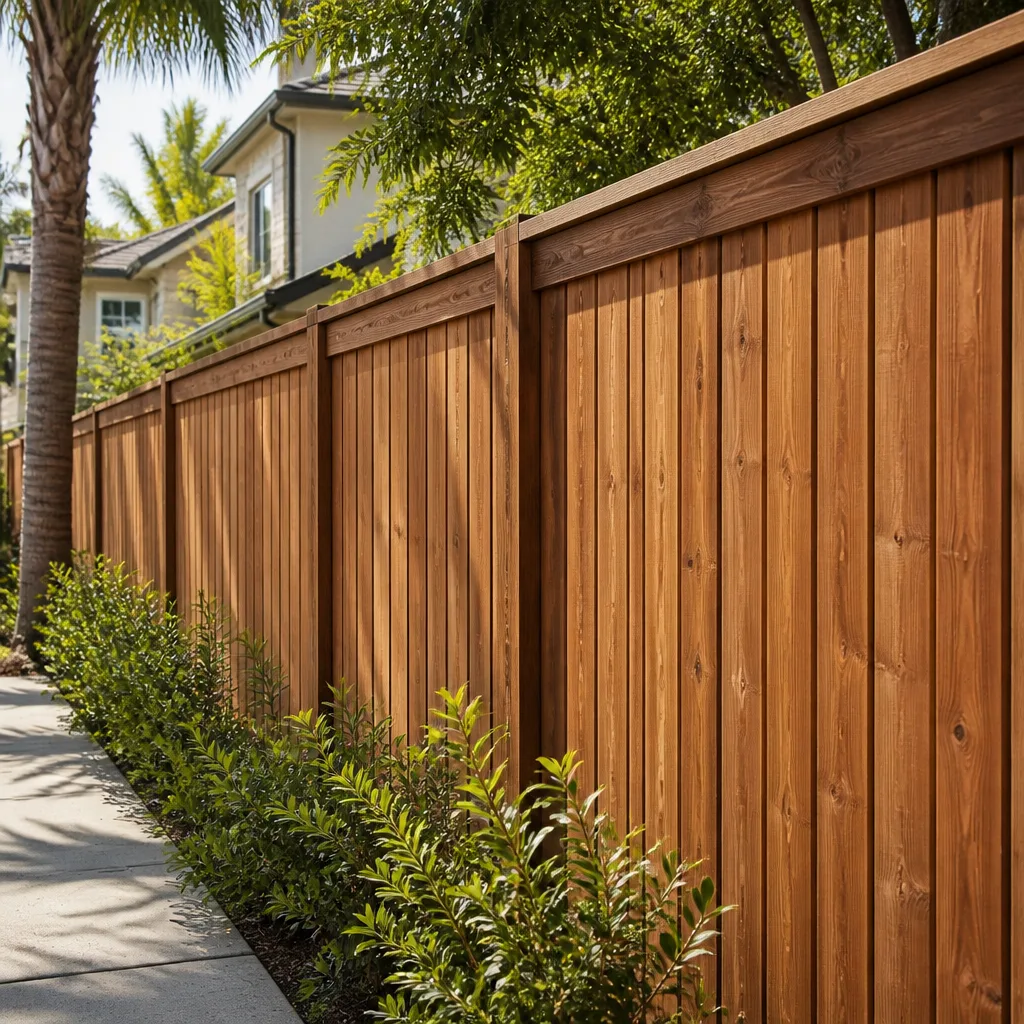
- Fence
See the difference
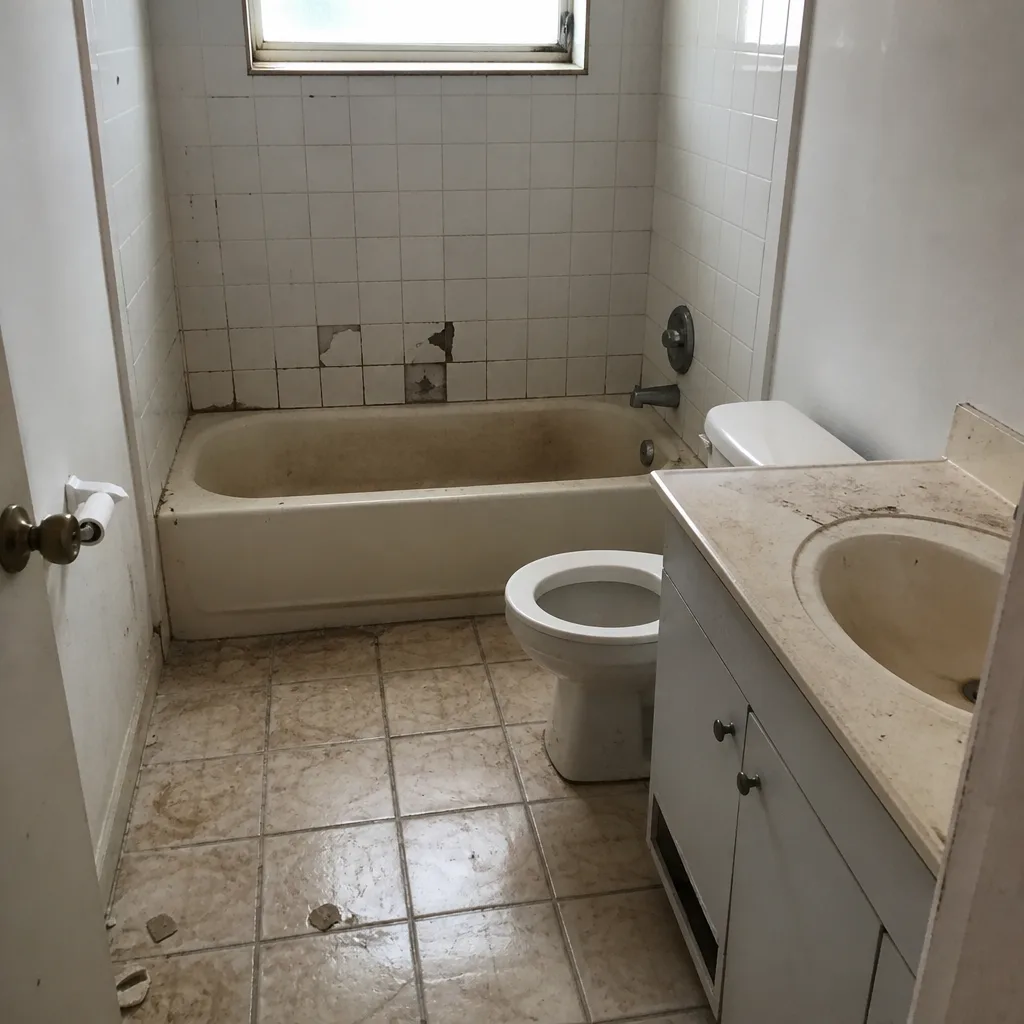 Before
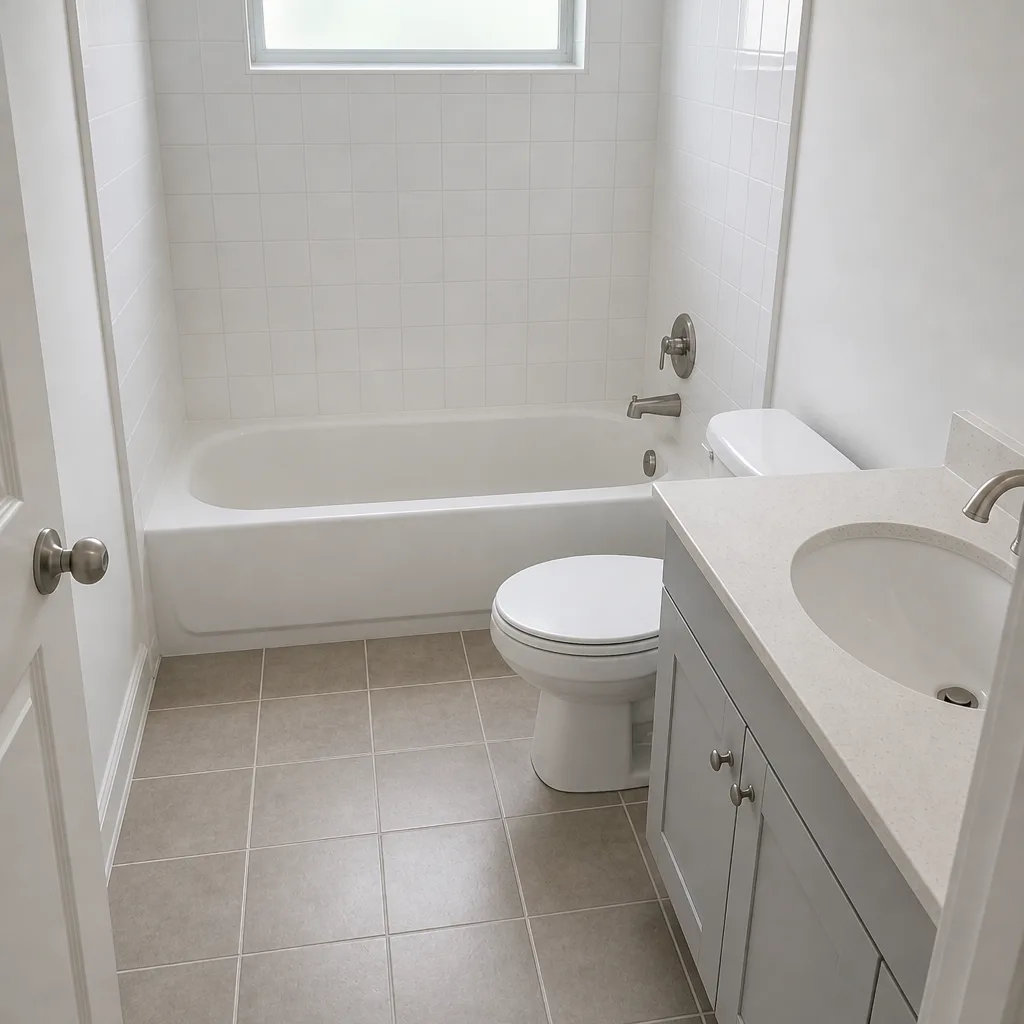 After
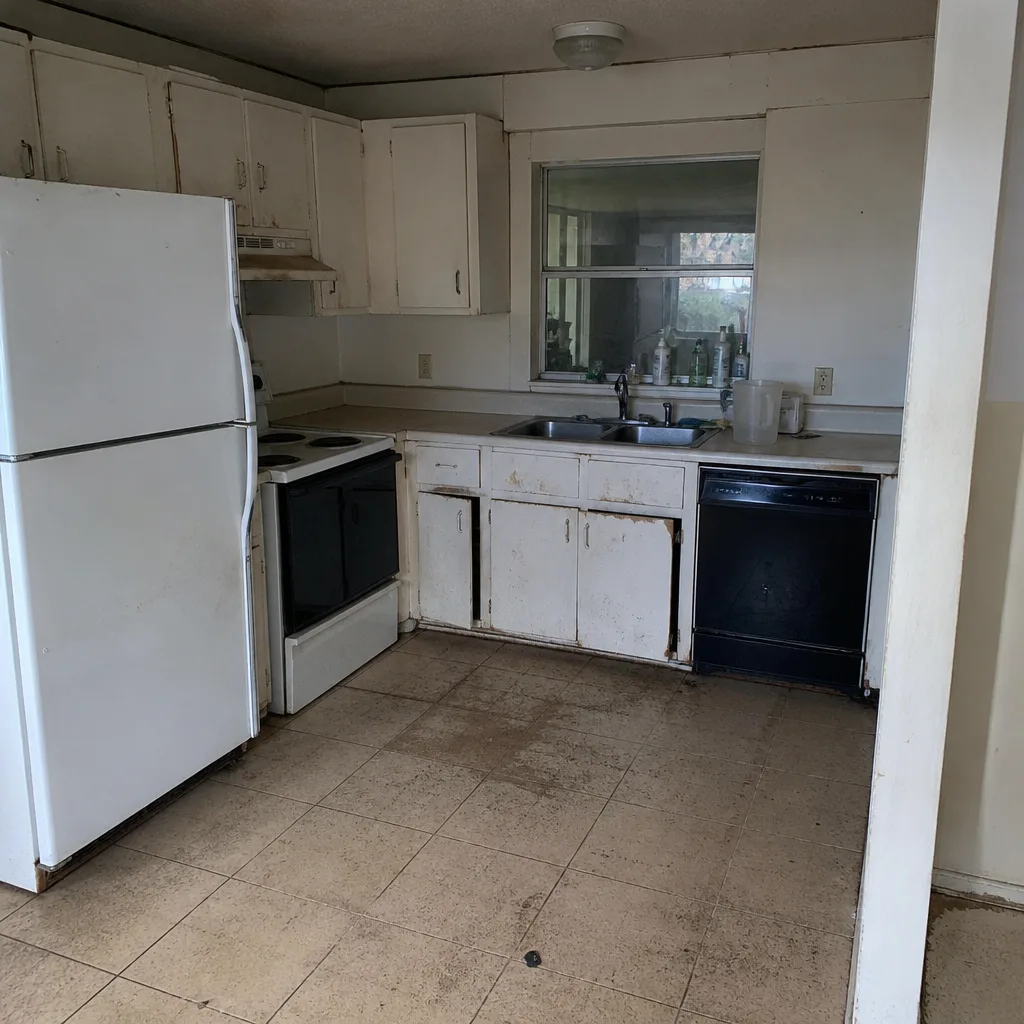 Before
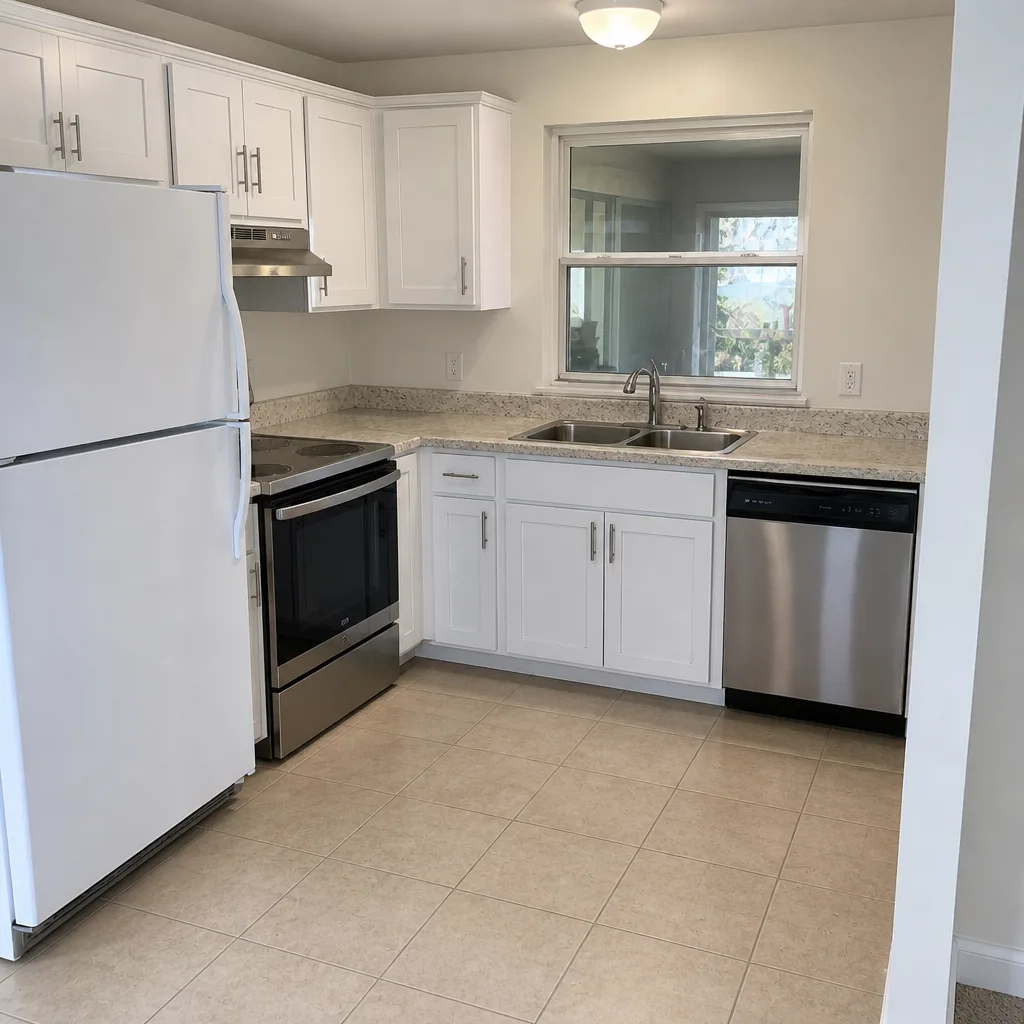 After
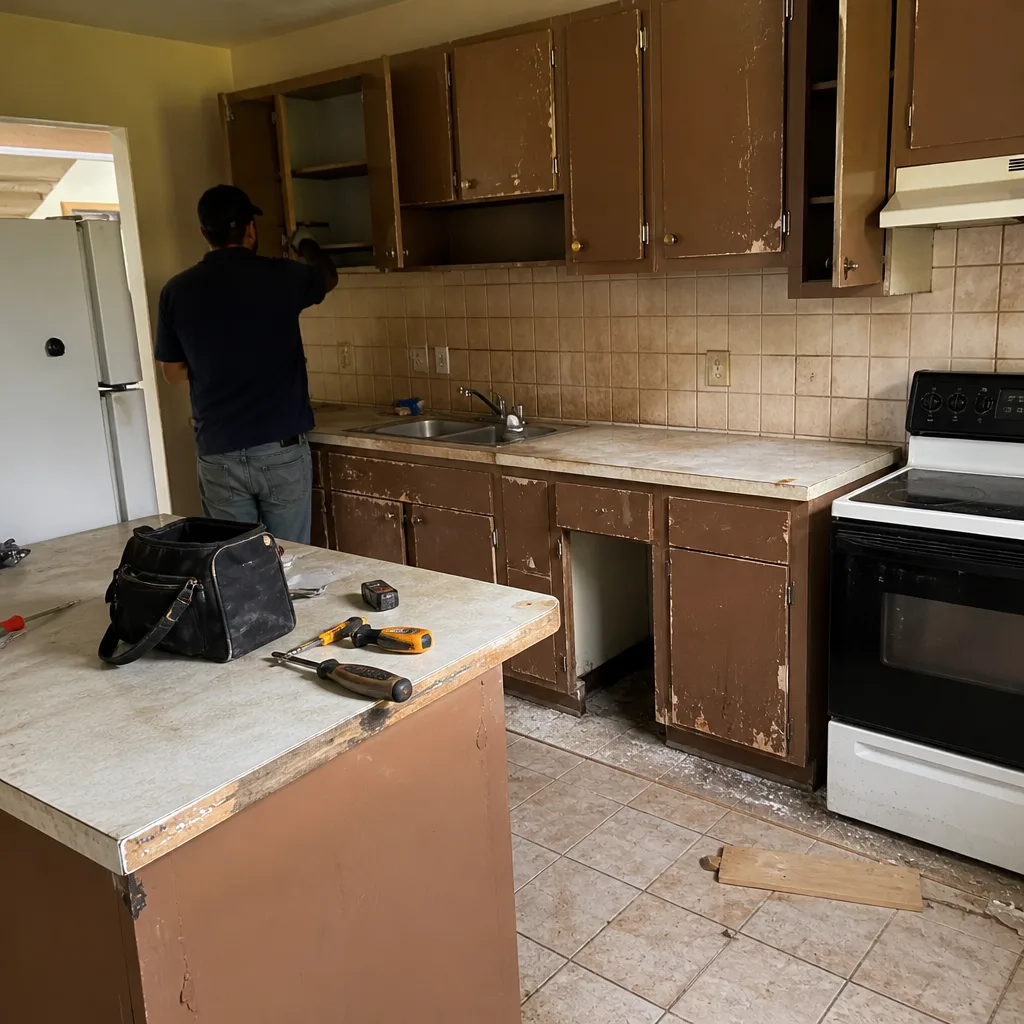 Before
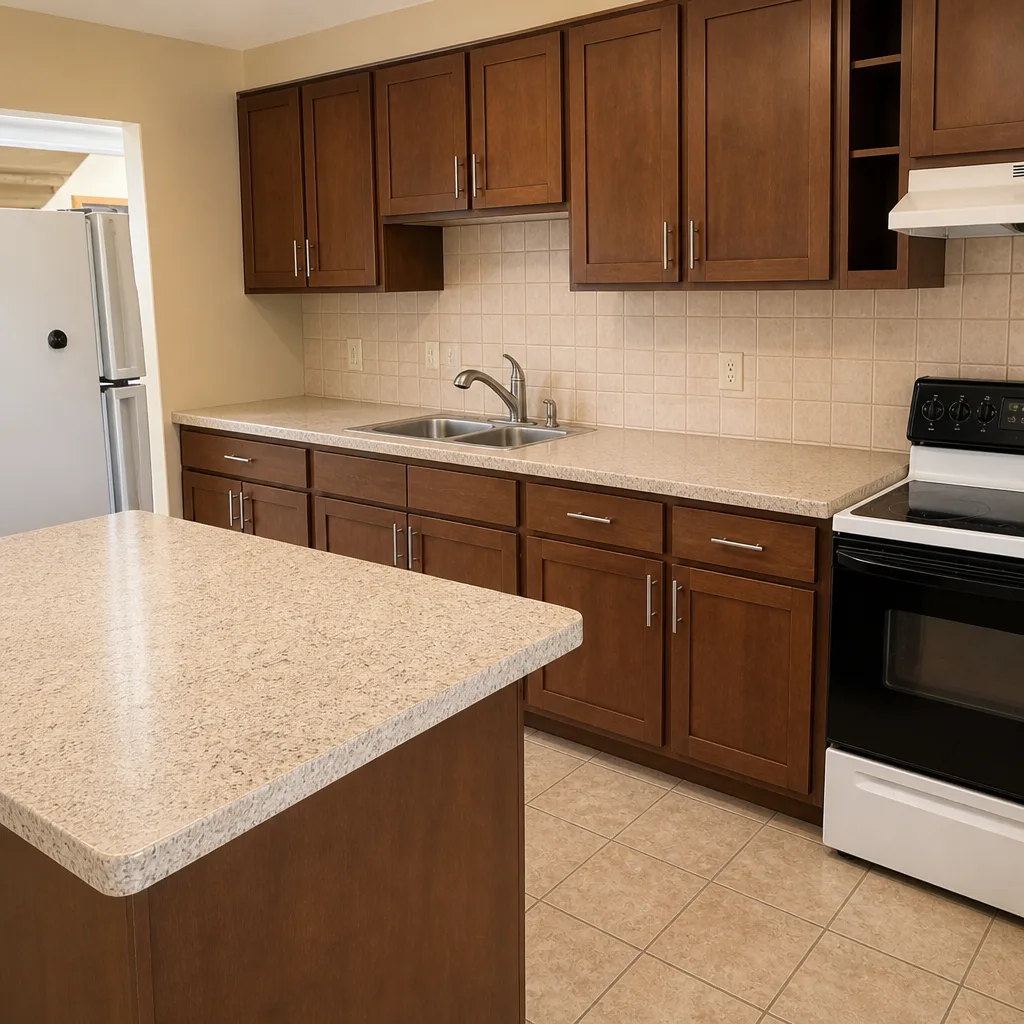 After
How to Choose a General Contractor in Homestead, FL: Three Questions That Matter More Than the Standard Checklist
Choosing a general contractor in Homestead, FL means going past the standard vetting list (license, insurance, references) and asking three Miami-Dade-specific questions: whether they’ve pulled permits through the county’s building department in the last year, whether they can name the NOA (Notice of Acceptance) number on the products they propose, and who on their crew handles continuous load-path inspections. A contractor who stumbles on any of those three is a contractor whose low bid will cost you more than it saves. If you’ve been burned before, call (866) 344-6796 and we’ll walk through the checklist with you, no pressure.
Here in Homestead, the stakes are higher than most of South Florida. Miami-Dade County sits inside the High-Velocity Hurricane Zone, which means every new roof, window, and addition on a home here has to be built and permitted to wind-load standards that contractors from Broward or Monroe County routinely underestimate. A license number alone doesn’t tell you whether someone has actually navigated a Miami-Dade plan review or stood in an inspection line at the county building department. That’s a separate skill set, and it’s the one worth checking before you sign.
Why Miami-Dade Vetting Is Different From the Standard Checklist
Florida’s contractor license is statewide. Miami-Dade’s High-Velocity Hurricane Zone code is a local overlay on top of that license, and executing it correctly takes extra experience. That’s the gap nobody talks about. A licensed contractor with a clean record can still be brand new to how Miami-Dade’s building department reviews plans, how its inspectors look at continuous load paths, and how its product approval system (the NOA database) works.
Homestead’s housing stock makes this matter more, not less. The city has a large share of single-story ranch homes on slab, from early-mid-century concrete block and CBS buildings to 1980s-2000s subdivisions rebuilt after Andrew, plus newer construction on the western and southern edges. Additions, roof replacements, and window upgrades are the bread and butter here, which means most of the permits homeowners pull in Homestead go through the Miami-Dade building department, not a neighboring county’s. A GC who hasn’t done that recently is starting from zero on your project.
The Three Questions We’d Ask Any Contractors Before Signing
These are the questions that separate a Miami-Dade-experienced general contractor from someone who learned the trade somewhere else. Ask them out loud, in the interview, and listen for a straight answer.
1. Have you pulled permits through Miami-Dade’s building department in the last 12 months?
Not Broward. Not Monroe. Miami-Dade, specifically. The building department’s review process, inspection scheduling, and NOA requirements have all changed over the past several years, and a contractor whose last Miami-Dade permit was five years ago is working from outdated assumptions. Ask for a recent permit number, or a recent inspection receipt, and confirm it.
2. Can you show me the NOA number for the product you’re proposing?
Every impact-rated roof, window, and shutter assembly installed in Miami-Dade has to hold a Notice of Acceptance, and that number is public. A contractor who can’t produce the NOA number on the spot – or who says “we’ll figure that out at permit time” – is telling you they haven’t done this in a while. As part of delivering a complete construction and remodeling scope, we name the products in advance and walk clients through the NOA listing so they can verify it themselves, whether the product is a Mr-Glass or Therma-Tru window assembly or a shingle line from a name-brand manufacturer with an active county approval.
3. Who on your crew handles the continuous load-path inspection, and have they had one rejected here before?
The load path is the chain of connections from the roof down through the walls to the foundation. If any link breaks – a missed strap, an under-installed anchor, a framing detail from an older section of the house that wasn’t updated – the inspection fails, and the job stalls until it’s corrected. A contractor who’s honest will name the crew member who handles it and tell you about a rejection they had. A contractor who claims nothing ever rejects is either new or not paying attention. Both are expensive answers.
The Written Change-Order Test: A Preview of Your Final Invoice
Before you sign, ask each contractor how they handle scope changes mid-project. Their answer reveals their operating culture. If it’s “we’ll adjust the invoice at the end,” or “we’ll figure it out as we go,” you’ve just seen your final billing surprise. If every scope change, every allowance, every price adjustment arrives as a written change order before a nail moves, you’re working with someone who treats your budget as a contract, not a starting point.
We put this plainly to clients: an allowance that isn’t on paper is a surprise waiting for a date. That’s why every scope in a Barrett & Sons construction job – whether it’s a kitchen remodel at $14,000 to $45,000, a bathroom remodel at $9,000 to $28,000, a room addition running $45,000 to $130,000, or an ADU at $90,000 to $220,000 – is written down, with allowances listed, before work begins. The same applies to smaller jobs: a paver driveway at $7,000 to $18,000, a roof replacement at $8,000 to $20,000, or an impact window install running $8,000 to $25,000. The number on the contract is the number on the invoice unless you asked for something different in writing.
| Project | Typical Homestead Range |
|---|---|
| Kitchen remodel | $14,000 - $45,000 |
| Bathroom remodel | $9,000 - $28,000 |
| Roof replacement | $8,000 - $20,000 |
| Impact window installation | $8,000 - $25,000 |
| Paver driveway | $7,000 - $18,000 |
| Home addition | $45,000 - $130,000 |
| ADU construction | $90,000 - $220,000 |
Why Owner-Operated Matters in a Small Market Like Homestead
Here’s something generic advice skips: in a small-town or exurb market, who runs the job matters as much as who’s licensed to do it. Large national outfits rotate project managers between jobs and territories, which means the person who pitched you the estimate may never step foot on the site again. An owner-operated company is different. When the owner’s sons run the crews, and the owner himself is on-site most days, there’s a named person accountable for the decisions.
Barrett & Sons Construction Homestead is that kind of company – owner-operated since 1998, with our technicians bringing up to 28 years of experience on the tools. Over that stretch, the crews have gotten to know the Miami-Dade building department, learned where Homestead inspections commonly fail (usually the load-path transitions on older post-Andrew subdivisions where an addition meets an original block wall), and built relationships with the local suppliers who actually stock NOA-approved impact products. A contractor from three counties over has none of that. We can also state the practical advantage directly: “I live twenty minutes away, and if something’s wrong, I want to know about it.” That’s not a marketing line, it’s how a small shop runs.
The 90-Day Done Right Promise as a Vetting Criterion
Ask every general contractor you interview what their written post-completion warranty covers and, more importantly, how you invoke it. Most will describe a vague “we stand behind our work” policy and leave it there. A written warranty with a defined window and a named chain of escalation is a different thing entirely. It tells you how the company expects to be held accountable.
Barrett & Sons writes the 90-Day Done Right Promise into every construction and remodeling contract, not in fine print, not in a footer. If something isn’t done right within 90 days of completion, one call brings the owner back to make it right. That’s not a warranty designed to protect the contractor; it’s a warranty designed to protect you from the moment you sign. It pairs with a free second opinion on any written estimate, no trip charge inside the county, and a permanent 10% senior and veteran discount we’re happy to apply to any job we’re invited to bid on.
Quick Vetting Checklist for Homestead Homeowners
- Confirm the license number. A named owner and a license number that can be verified in the state database are the floor, not the ceiling.
- Ask for a Miami-Dade permit pulled in the last 12 months. Not Broward, not Monroe.
- Ask for the NOA number of every impact product proposed. Roof, windows, shutters, doors.
- Ask how scope changes are handled. The answer should be “in writing, before work moves.”
- Ask for a copy of the written warranty. Vague promises aren’t warranties.
- Ask who runs the job day to day. A rotating project manager is a red flag in a local market.
FAQs
Look up the license number in Florida’s state contractor database before you sign anything. A serious contractor publishes the number on their website, their truck, and their written estimate, because they expect you to check. If a contractor hesitates or offers a “we’re fully licensed” without a number, that’s a stop-and-ask question. Call (866) 344-6796 if you want help verifying what you’ve been shown.
An NOA is a Miami-Dade County Notice of Acceptance – the product approval document that confirms a roofing assembly, window, shutter, or door has been tested to the county’s High-Velocity Hurricane Zone standards. Every impact product installed in Homestead needs one. A contractor who can’t name the NOA number on the product they’re proposing may be planning to install something that will fail inspection. Ask for the number and look it up.
Only if they can clearly demonstrate recent Miami-Dade permitting experience. A statewide license doesn’t teach a contractor how Miami-Dade’s building department reviews plans, how load-path inspections run, or how the NOA database is used. Contractors based in Broward or Monroe County can be excellent, but they need to show a Miami-Dade permit history, not just a clean state license. If they can’t, the low bid won’t stay low.
Ask specifically how scope changes, allowances, and price adjustments are handled. The right answer is a written change order issued before work proceeds. If the answer is “we’ll reconcile at the end” or “we’ll work it out,” treat that as a preview of your final invoice. Call (866) 344-6796 for a second opinion on any written estimate you’re considering – we’ll review it with you and tell you what the language actually means.
Contact Us
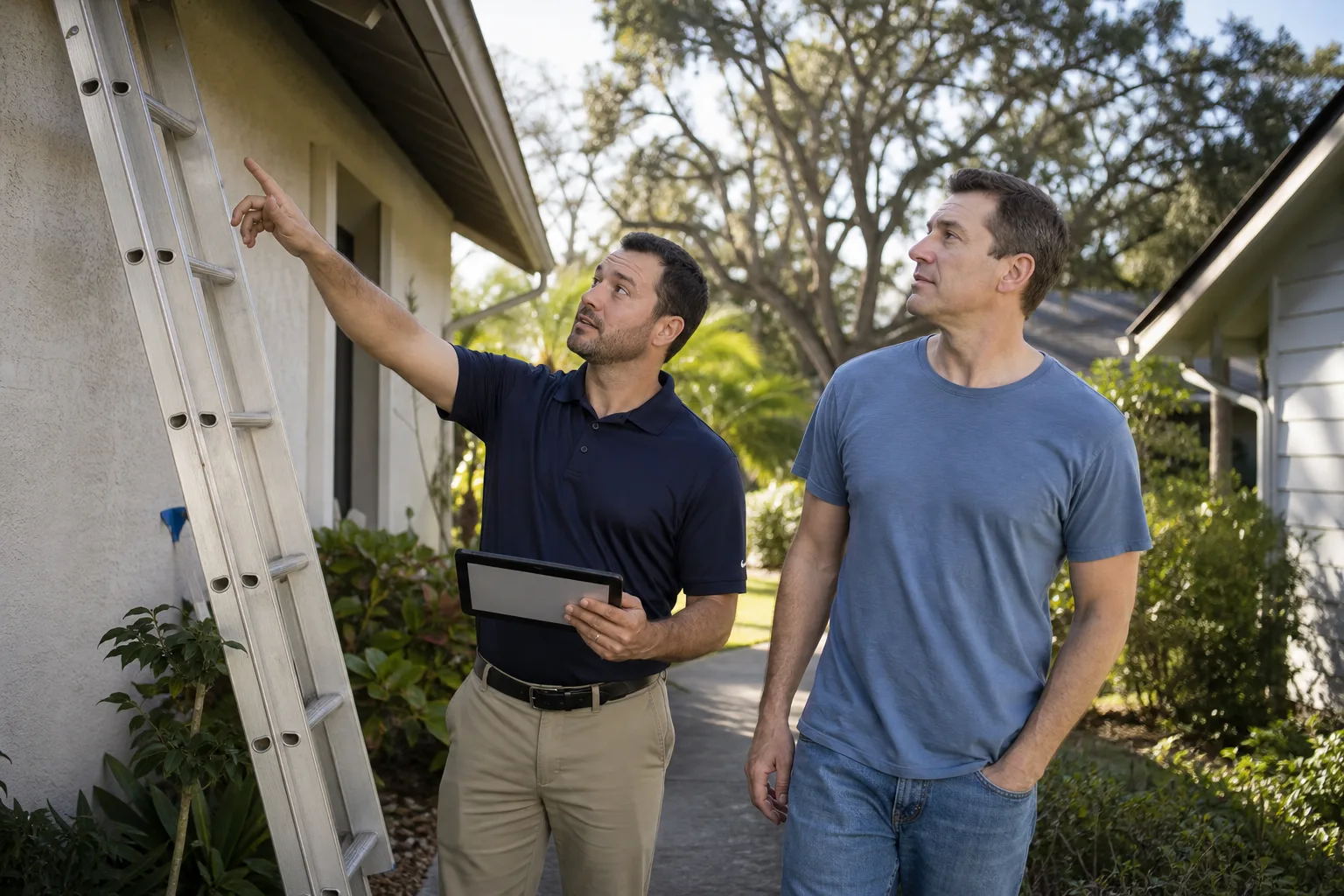
If you’d rather have a contractor walk you through the checklist on your own project, Barrett & Sons Construction Homestead offers a no-pressure assessment anywhere in Homestead. We’ll pull the license records, walk through the NOA documentation, and put every scope and allowance in writing before you commit to anything. Call (866) 344-6796 for a free estimate and see what the difference looks like on paper.
Written by the team at Barrett & Sons Construction Homestead, serving Homestead, FL.