Free written scope consultation - allowances, timeline, and change-order rules on paper before a single trade is scheduled
Styles & brands we work with
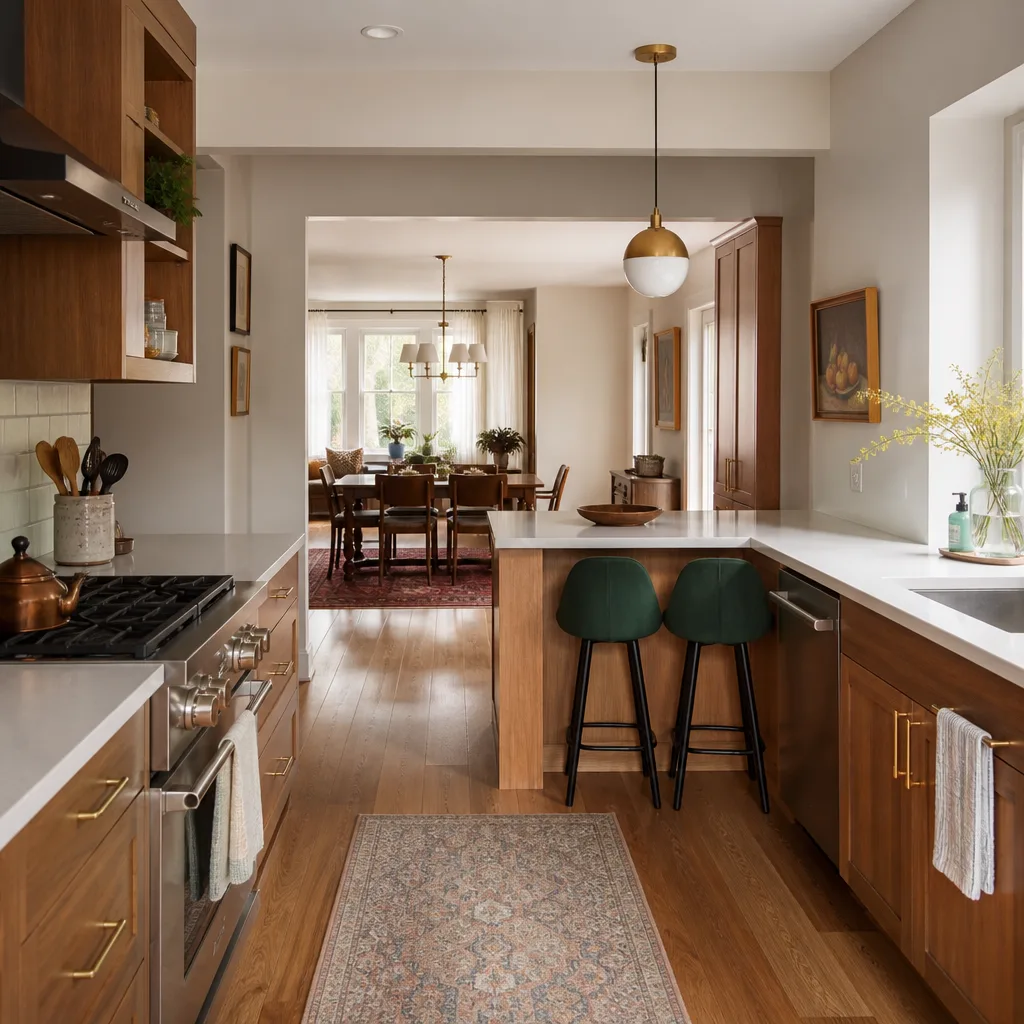
- Kitchen remodeling
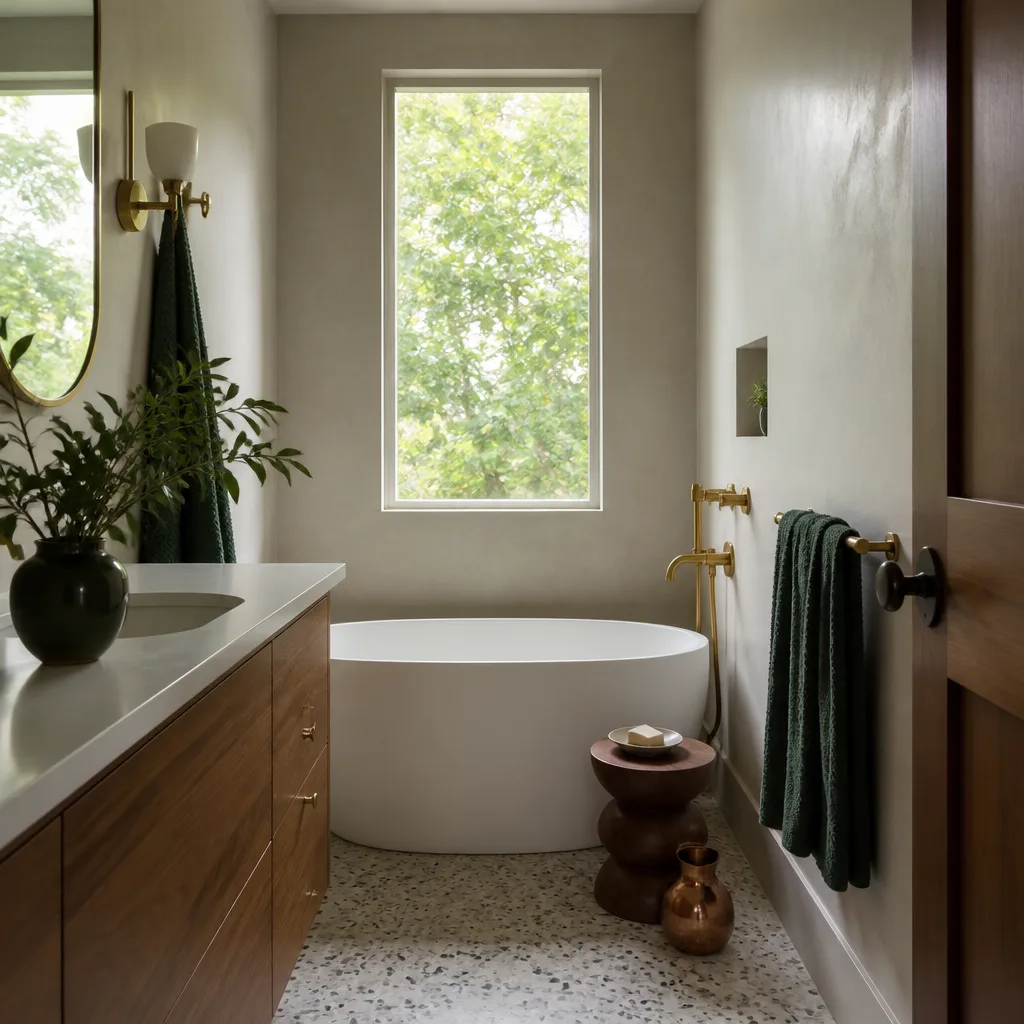
- Bathroom remodeling
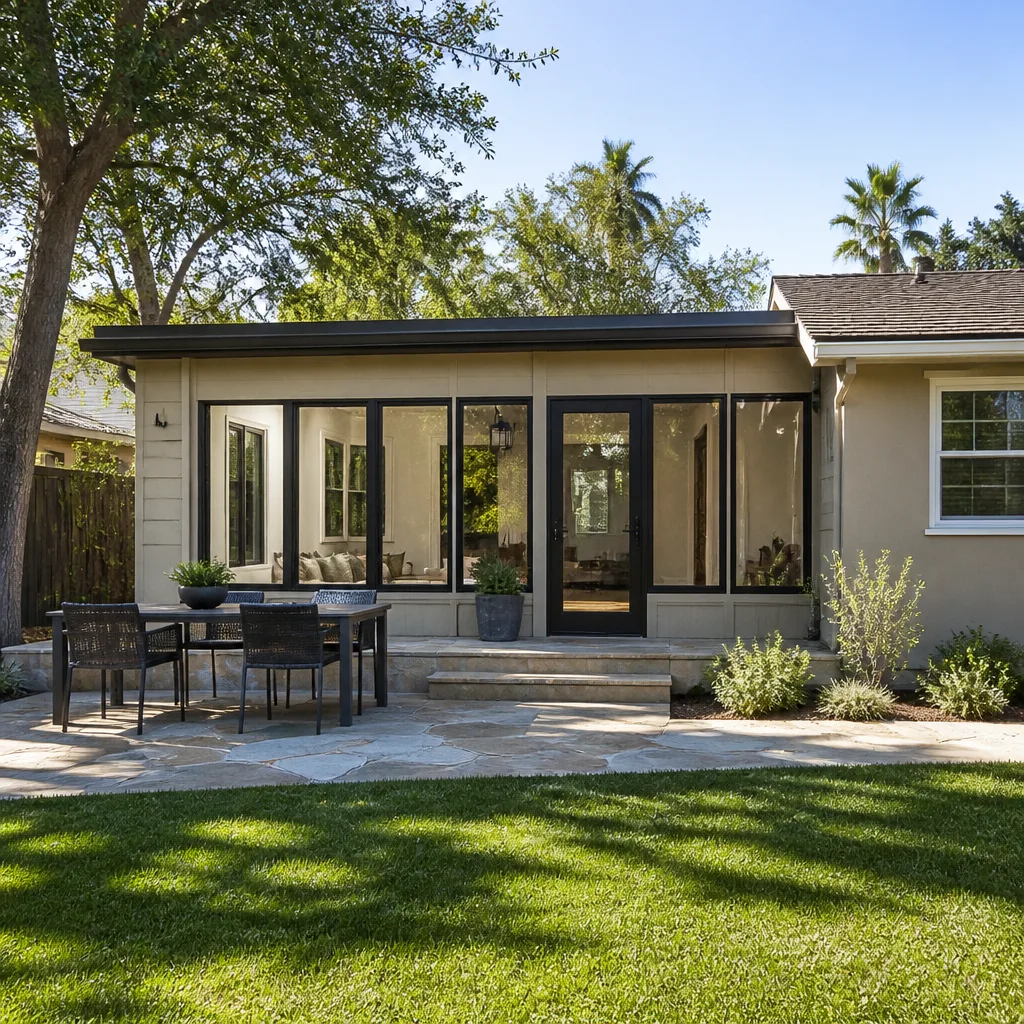
- Home additions & ADU
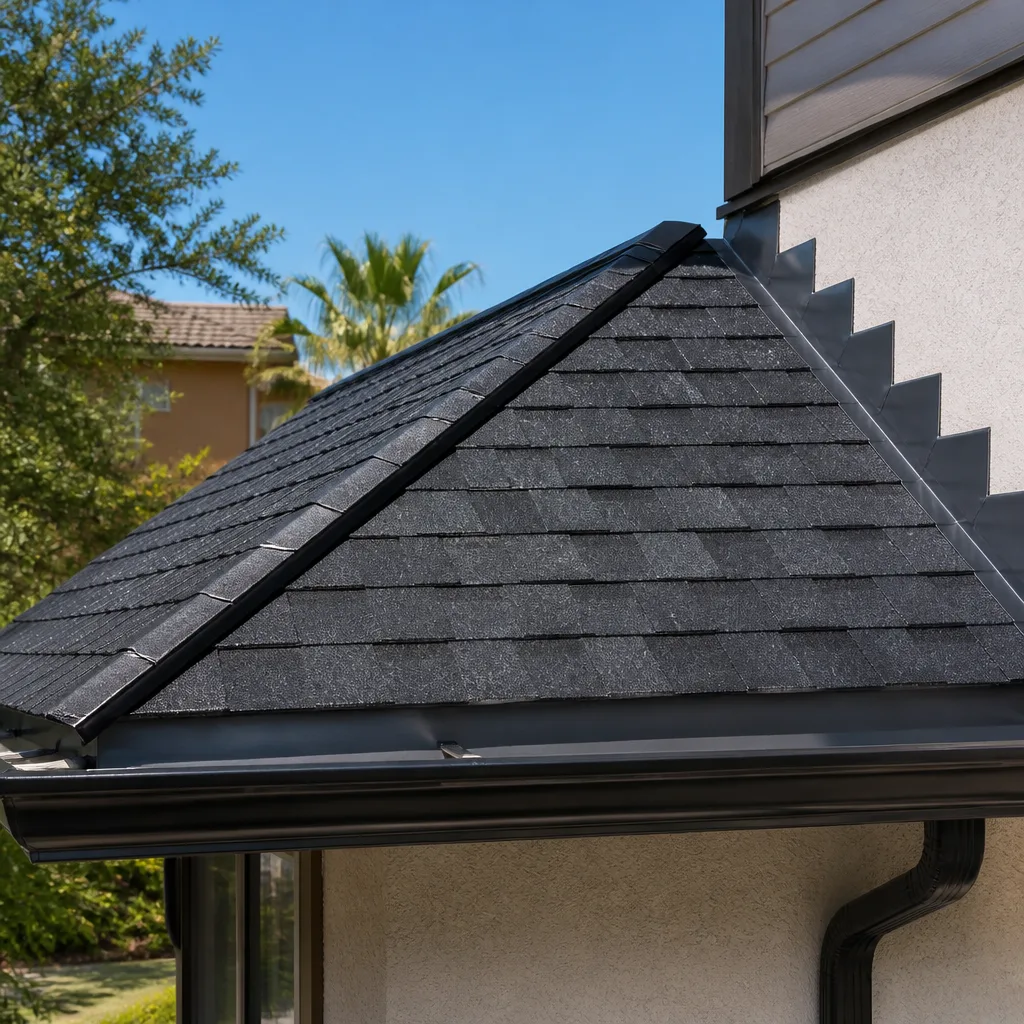
- Roofing
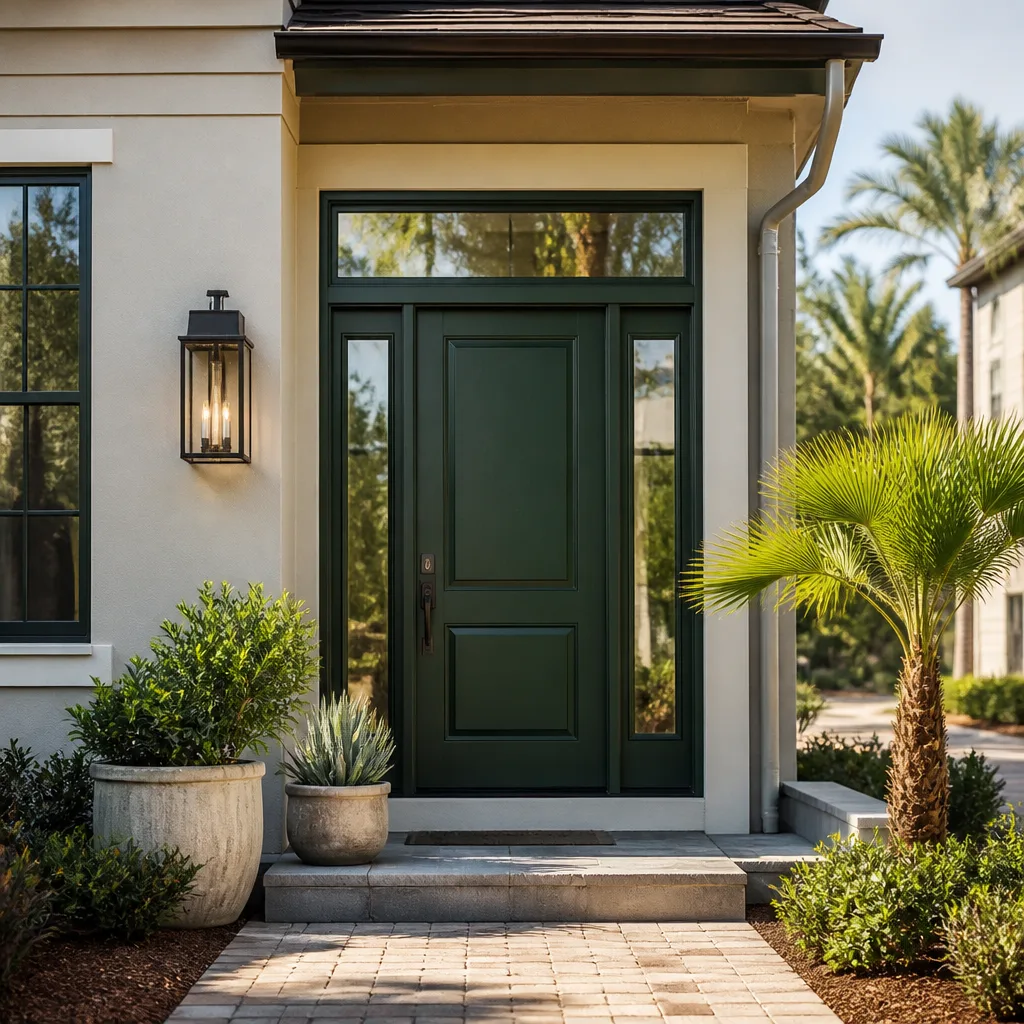
- Windows & doors
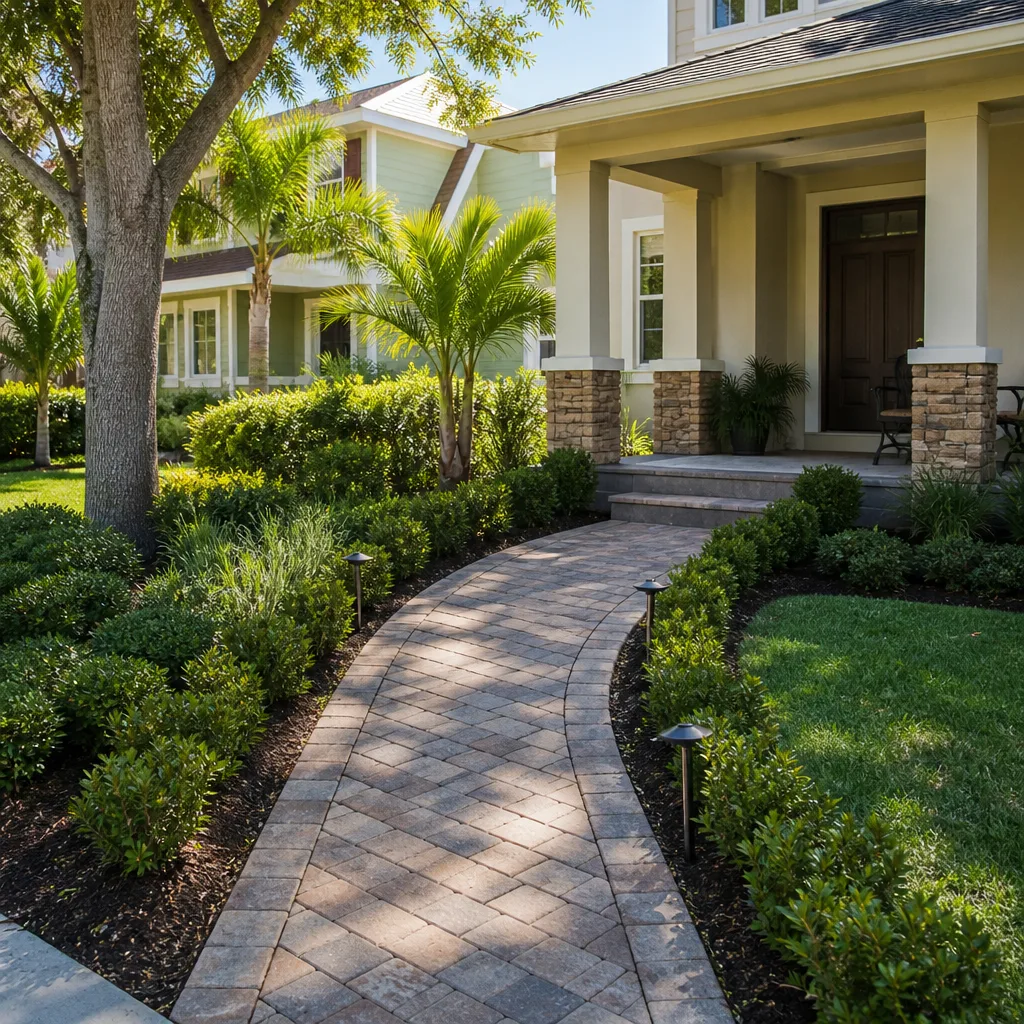
- Driveway & pavers
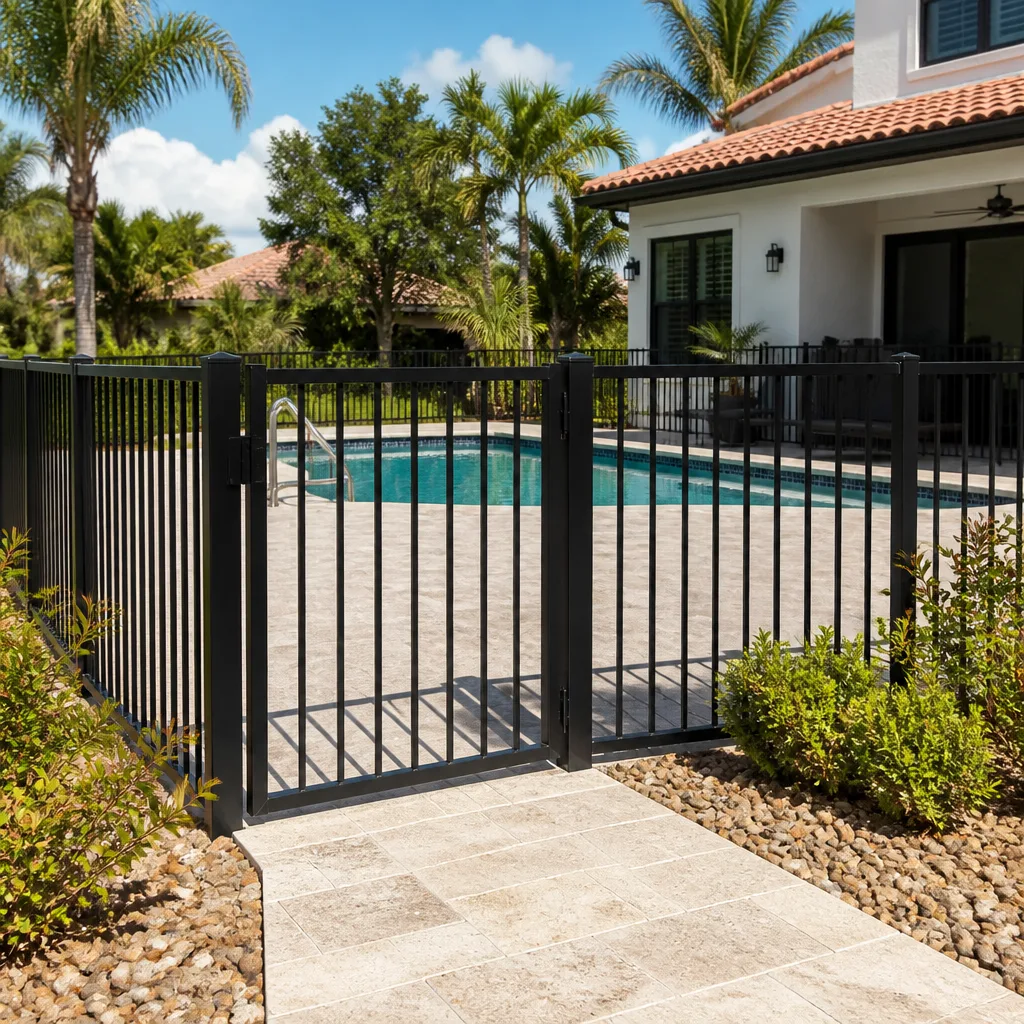
- Fence
See the difference
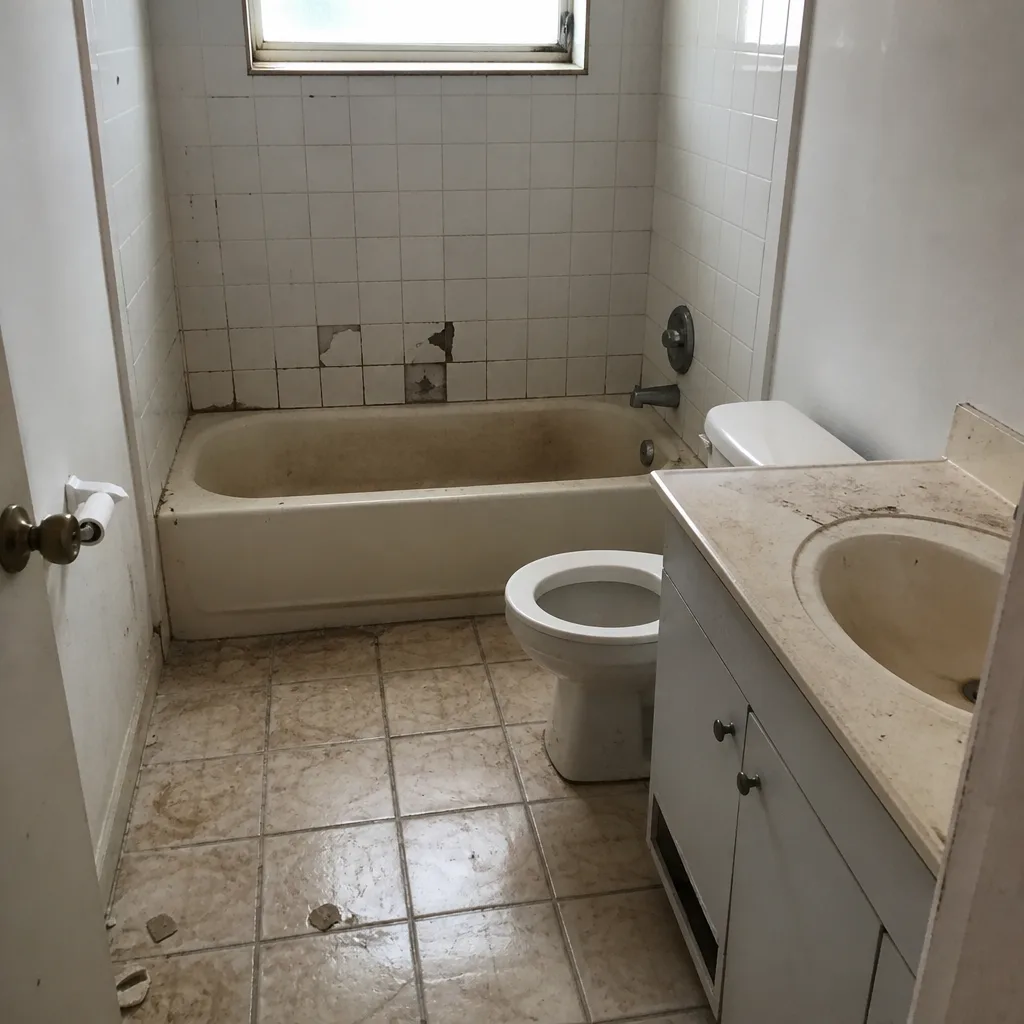 Before
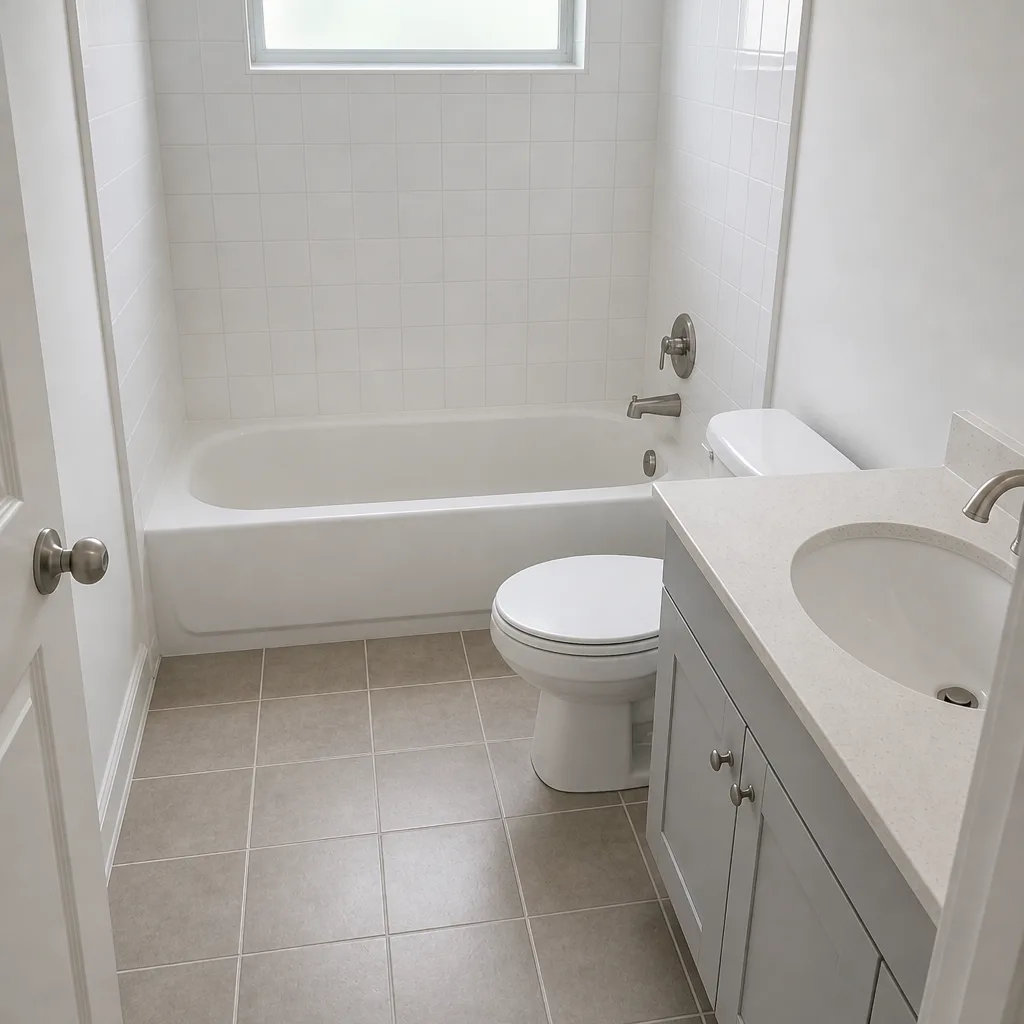 After
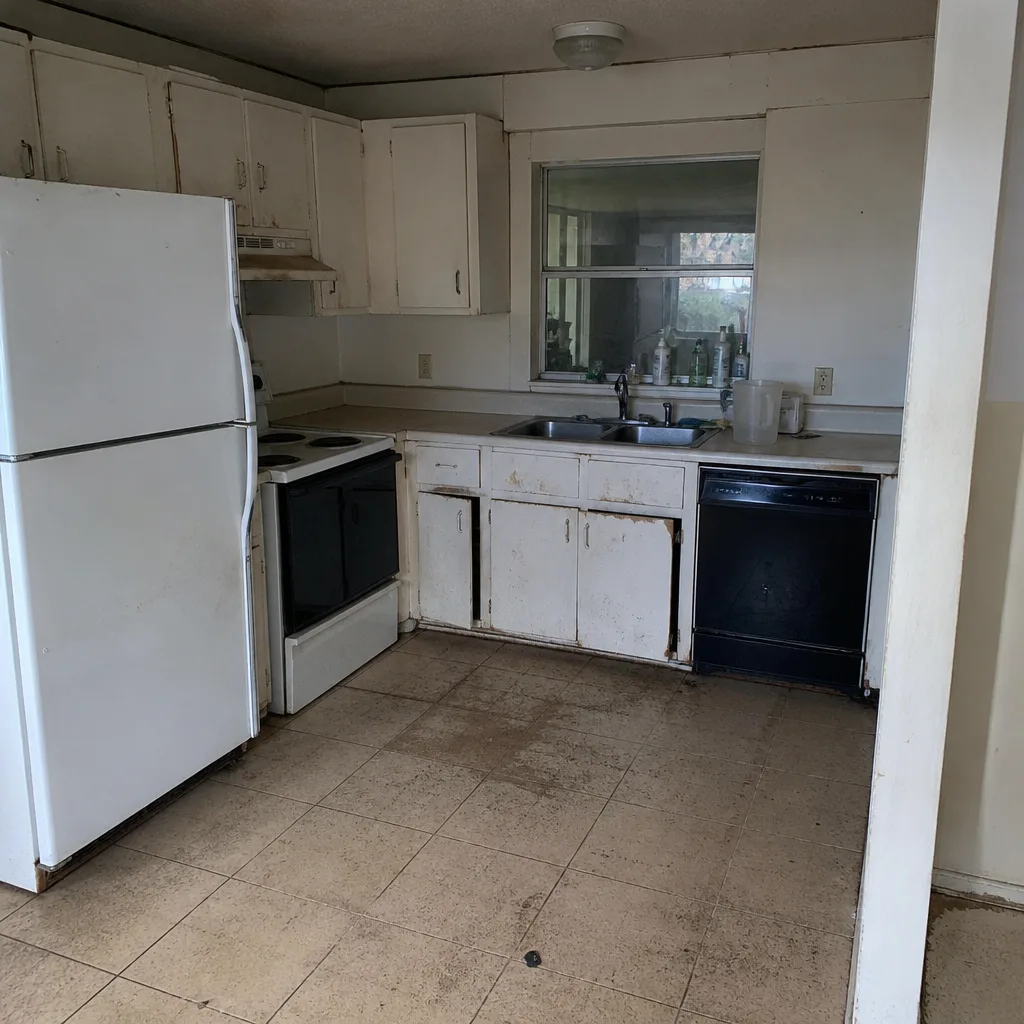 Before
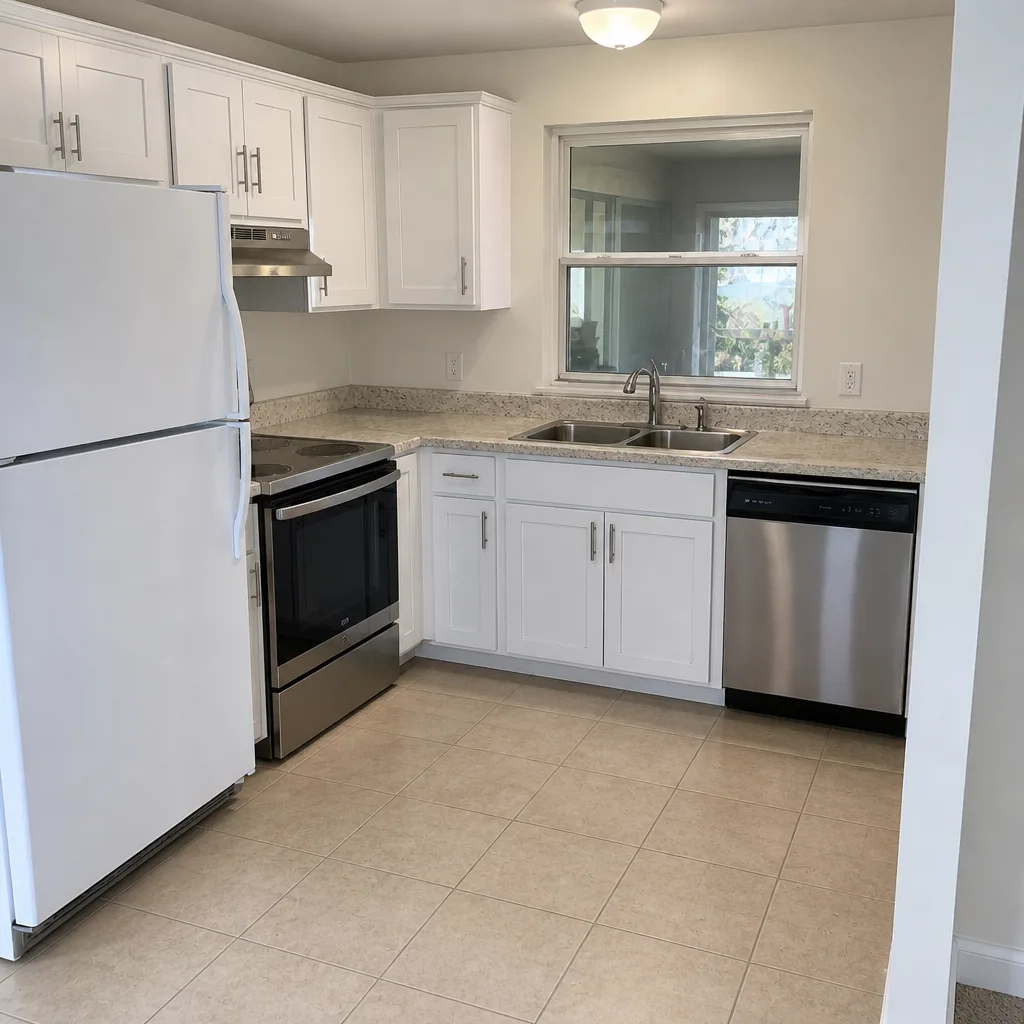 After
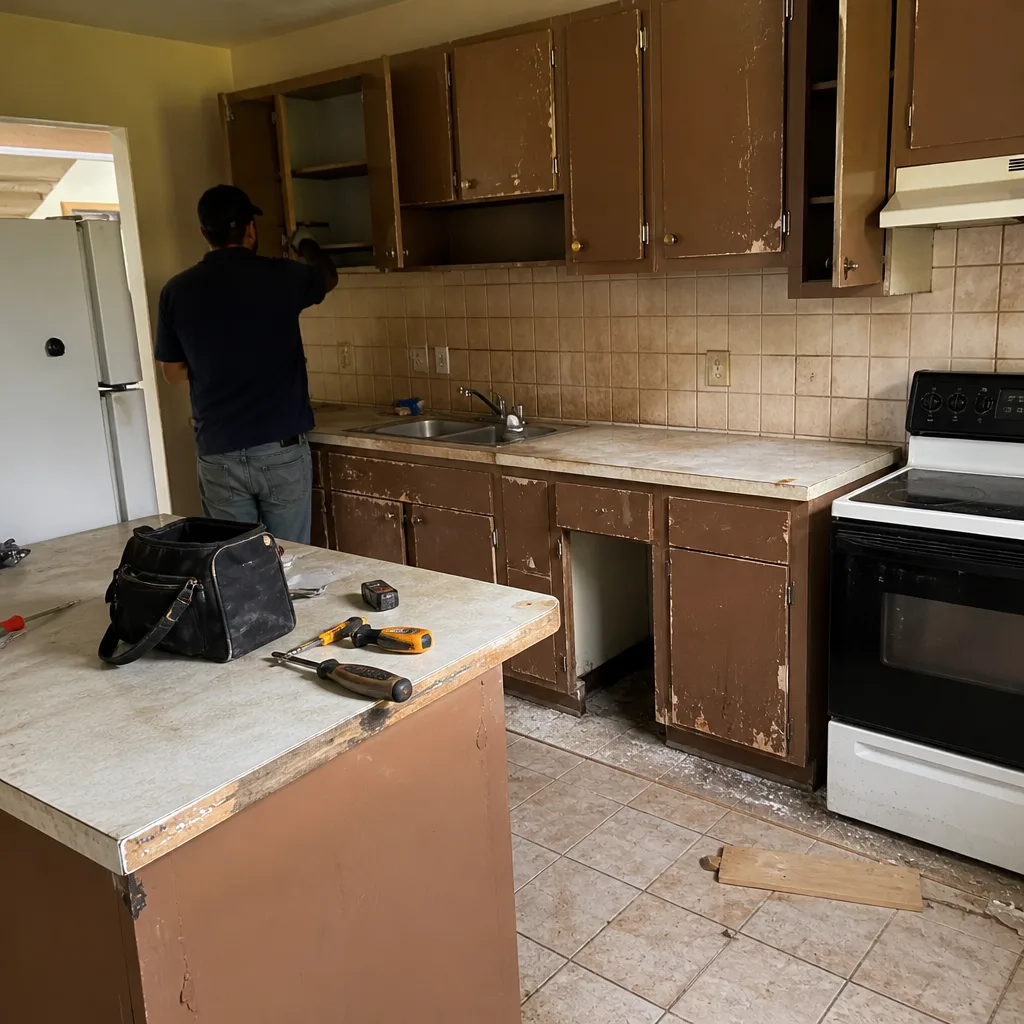 Before
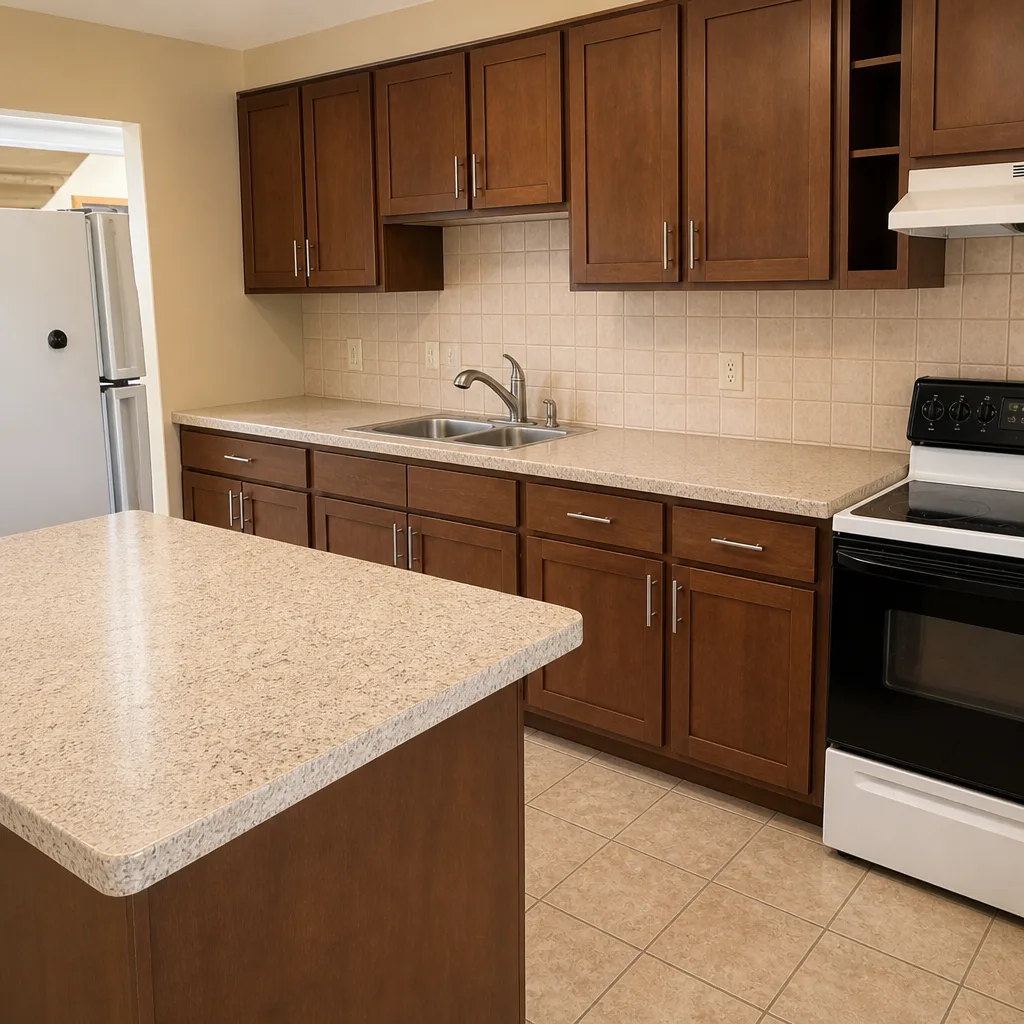 After
What Does a General Contractor Do in Homestead, FL?
A general contractor manages subcontractors, pulls permits, and coordinates inspections; that’s the textbook answer. In Homestead, FL, the more useful answer is this: a GC is the person responsible when the Miami-Dade building inspector arrives, and in this county’s High-Velocity Hurricane Zone, those inspections are not rubber stamps. Who answers for the work when the inspector flags something? The GC does, and that single point of accountability is what you’re really hiring. Call (866) 344-6796 and we’ll walk you through how it applies to your project.
Most descriptions of the job stop at “hires and supervises trades.” That leaves out the part Homestead homeowners actually care about: the inspection sequence, the paperwork that keeps it moving, and a name attached to the outcome. Barrett & Sons Construction Homestead works owner-operated, and we see the difference play out on job sites across the county every week. Here’s what the role actually looks like on the ground.
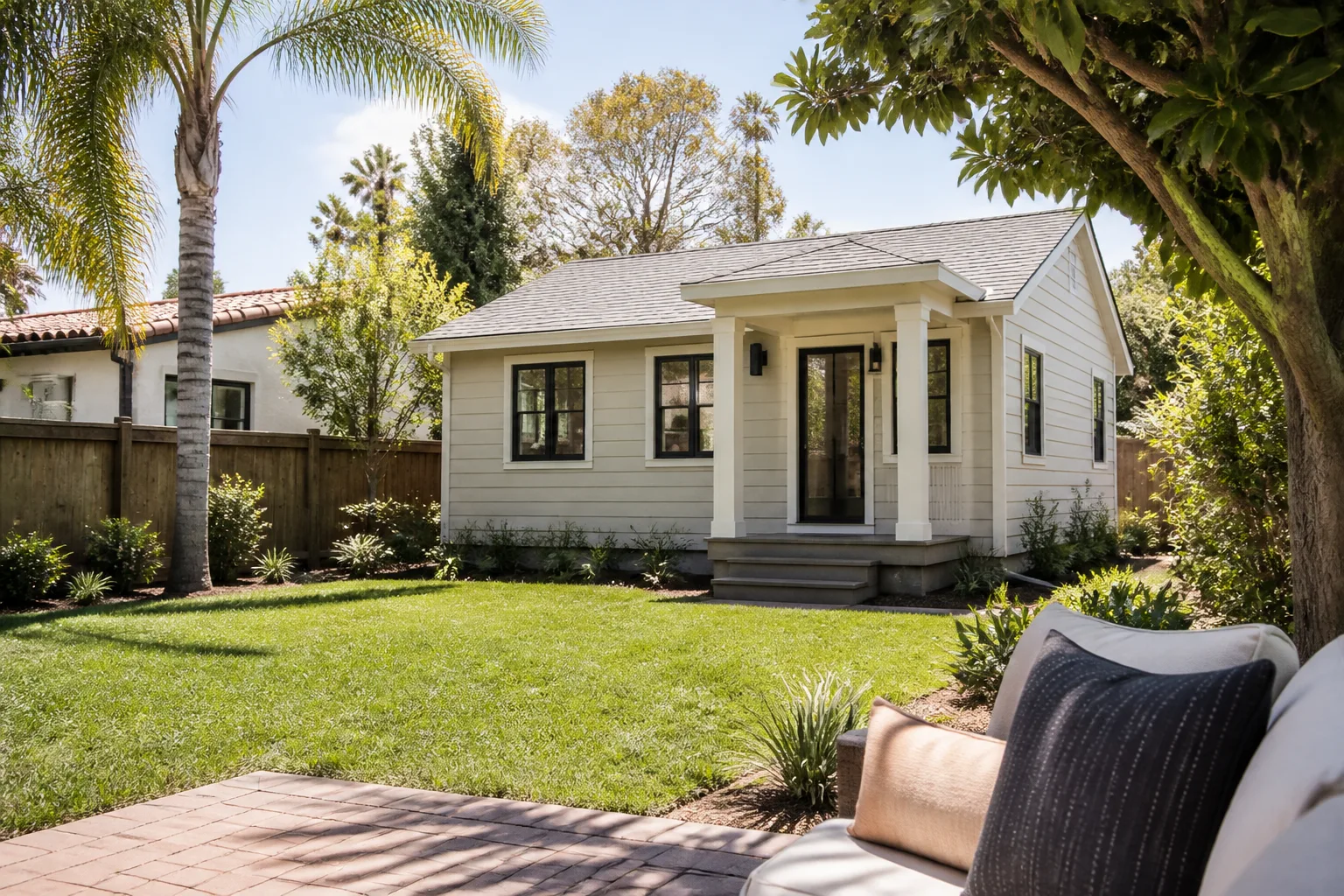
The GC’s Real Job in Miami-Dade: Owning the Inspection Sequence
Miami-Dade does not treat permits as paperwork. Plan submission and review take longer here than in most Florida counties, and a contractor who hasn’t built extra weeks into that turnaround is guessing at your schedule. From there, the sequence runs through rough-in inspections (electrical, plumbing, HVAC, framing), then the structural and load-path checks the High-Velocity Hurricane Zone demands, then final sign-off and the certificate of occupancy. Each of those steps belongs to the GC.
That sequence has more weight in Homestead than it does elsewhere. After Hurricane Andrew flattened parts of this city in 1992, Miami-Dade’s product approval and wind-borne debris rules became the local standard. A crew that straps a roof or sets an impact-rated assembly without the approved numbers fails inspection and cannot get a certificate of occupancy. We see out-of-county subs trip on this constantly. It’s the checkpoint that keeps a stalled job from closing.
And here’s why the homeowner should care about the final sign-off beyond the build itself: without a certificate of occupancy, you can’t insure the finished work properly and you’ll hit a wall when you try to sell. Some of our neighbors inherited open permits from the last contractor. The inspection record is the property’s record. We treat it that way. As Tom puts it, the permit inspector works for you, not for me; that’s why I like him.
Which Subs, Which Code: The Coordination Function
Subcontractor coordination is a GC’s daily work, and in Homestead it calls for county-specific judgment. Plenty of licensed HVAC, plumbing, and electrical subs are perfectly capable, but what matters here is a current Miami-Dade certification and real familiarity with HVHZ requirements. Bringing in an outside crew that isn’t fluent in these rules is one of the most common reasons a project blows through its inspection schedule and starts costing money.
The GC is the one who checks that, and the one who schedules the inspections once the work clears. None of that is glamorous. But when a job stalls, it’s almost never because someone lacked a skill; it’s because a sub that didn’t know the local code showed up.
Timelines in Homestead shift with a few concrete realities, and a local GC plans around them:
- Humidity and storms. May through November means near-daily thunderstorms and the hurricane season window; framing has to be protected and assemblies water-managed, which affects schedule and sequencing.
- Housing stock. Homestead runs from older concrete-block and CBS homes in the original farm-town blocks to 1980s-2000s subdivisions rebuilt after Andrew, to new builds on the western and southern edges. A lot of single-story ranch homes on slab mean additions and roof replacements are the core work here, and each era of home brings its own permitting wrinkles.
- No permit-free shortcuts. Miami-Dade won’t issue a certificate of occupancy on non-approved impact products or missing roof-to-wall straps, so there’s no skipping the strict part.
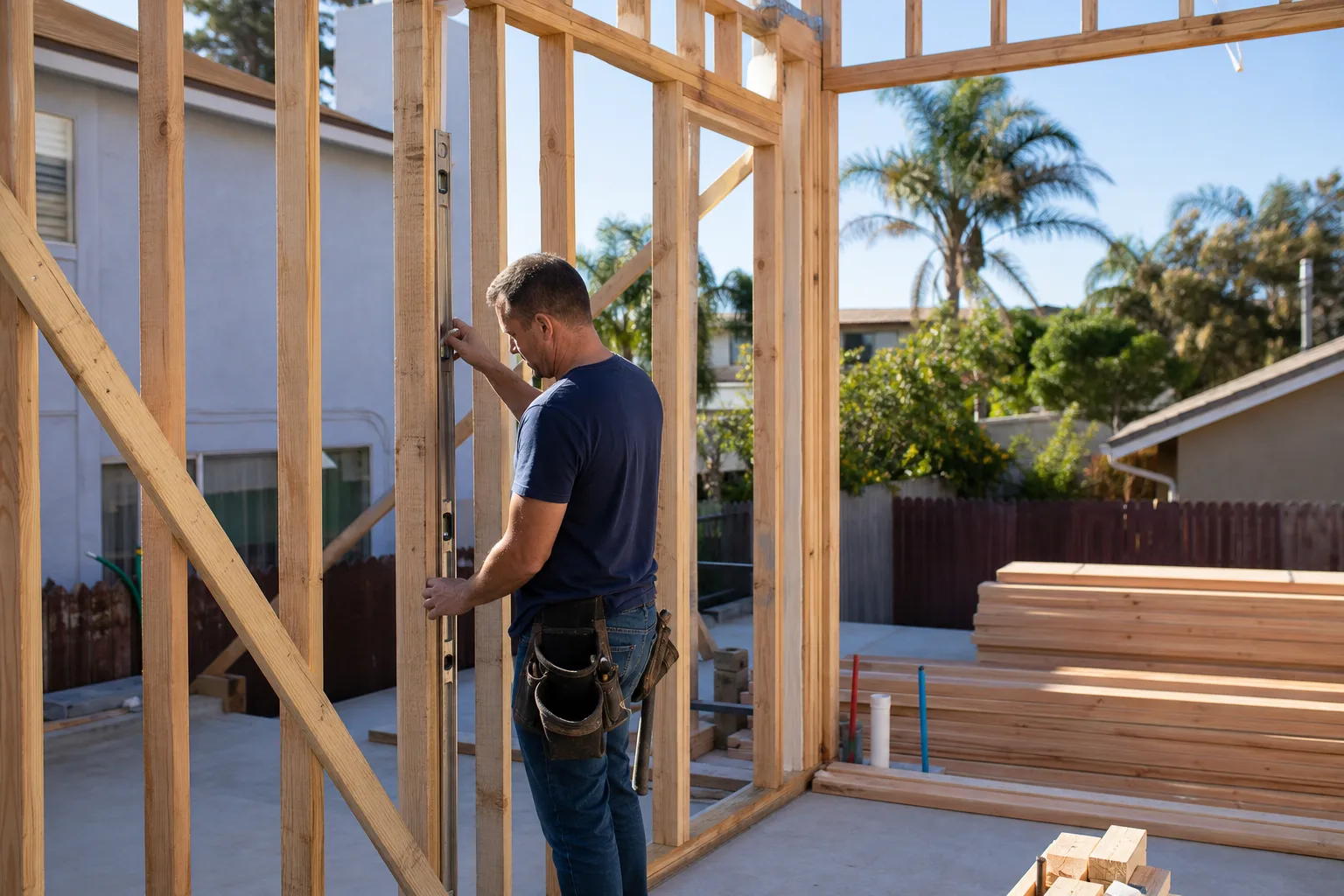
Written Change Orders: The GC Decision You Never See Coming
During any project, a GC makes dozens of small calls that touch your budget: a material substitution, a scope item found once the wall is open, a schedule shift that changes what a sub charges. Those decisions can quietly inflate a bill if nobody documents them. Our policy is that every one of them that affects cost or scope arrives as a written change order before work continues. Scope in writing, allowances in writing, change orders in writing. As we put it, the allowance that isn’t on paper is a surprise waiting for a date.
That’s an operating discipline, not a clause buried on page four. It also means you can look up the names we install. On a recent kitchen, the plan called for KraftMaid cabinetry and Cambria counters, with Moen fixtures, and every one of those was specified on the change order before it got ordered. If a material shifts, you’ll see the number before the nail goes in, and you can call us at (866) 344-6796 with questions first.
Typical Homestead project ranges, so you have a benchmark before you talk to anyone:
| Project | Typical Range |
|---|---|
| Kitchen remodel | $14,000-$45,000 |
| Bathroom remodel | $9,000-$28,000 |
| Roof replacement | $8,000-$20,000 |
| Impact window installation | $8,000-$25,000 |
| Home addition | $45,000-$130,000 |
| ADU construction | $90,000-$220,000 |
Owner-Operated vs. a Staffing Model: Who’s Actually on Site
Ask what a staffing-model contractor really does and the honest answer is that a project manager you’ve never met escalates your question up a chain, often to an owner in another state. When the owner-operated GC is local, the person with authority is standing in your living room. Tom Barrett and his sons are on-site most days, decisions get made in real time, and there’s no 24-hour wait for a call back to a headquarters you can’t visit.
That’s also where the local roots show. We live twenty minutes away, which means when something’s wrong, we want to hear about it. Our crews are background-checked and carry the Barrett & Sons name. If you want to verify before you sign, you should: the name, address, and license number are published, so look them up yourself. And the paperwork side stays firm, too. When the property needs it, we pull permits and get inspections signed, because the last contractor most folks used told them permits were optional. They aren’t. There’s a home page that covers the full scope of what we take on.
Our team members have up to 28 years of experience, and it shows most in how we read a job before we bid it.
The Job Doesn’t End at Final Invoice
A GC’s responsibility runs past the walkthrough. Every completed job here carries the written 90-Day Done Right Promise, which means any issue with workmanship or materials within that window is one call away from a fix. No runaround, no “that’s not our scope.” Standing behind the work is easy to say and harder to define; a written promise with a return visit attached is what we mean by it.
FAQs
You can hire subs directly if you’ll act as your own GC, which means pulling the permits, scheduling the rough-in and framing inspections, and holding the certificate of occupancy yourself. In Miami-Dade’s High-Velocity Hurricane Zone, that’s a lot of compliance to own. Most Homestead homeowners hand it to a GC because the inspection sequence and the wind-load approvals are where owner-managed projects stall.
Most Homestead projects are priced per project, not per hour, and the line items are the best benchmark: roof replacements run $8,000-$20,000, bathrooms $9,000-$28,000, and additions $45,000-$130,000. Ask for an itemized bid with allowances spelled out. Call (866) 344-6796 for a free estimate, and we’ll put the numbers in writing.
Yes, and it should be standard on any eligible job. A GC submits plans, waits out Miami-Dade’s longer review, schedules rough-in and framing inspections, and gets the final sign-off and certificate of occupancy. If a contractor tells you permits are optional, that’s a reason to walk, no matter how good the price looks.
The GC is the party responsible for correcting it and getting it re-inspected, on the GC’s schedule and at the GC’s cost if the failure is on the build. That’s the whole point of a single point of accountability. It also means you aren’t the one chasing an out-of-county sub to come back and fix a strap detail.
If you’d rather have it looked at, Barrett & Sons Construction Homestead offers a no-pressure assessment in Homestead. Call (866) 344-6796 for a free estimate. We’ll lay out the scope, the inspection steps, and the numbers in writing before anything starts.
Written by the team at Barrett & Sons Construction Homestead, serving Homestead, FL.