Last updated November 17, 2026


Free written scope consultation - allowances, timeline, and change-order rules on paper before a single trade is scheduled
How Long Does Driveway & Pavers Take? Timelines and What to Expect
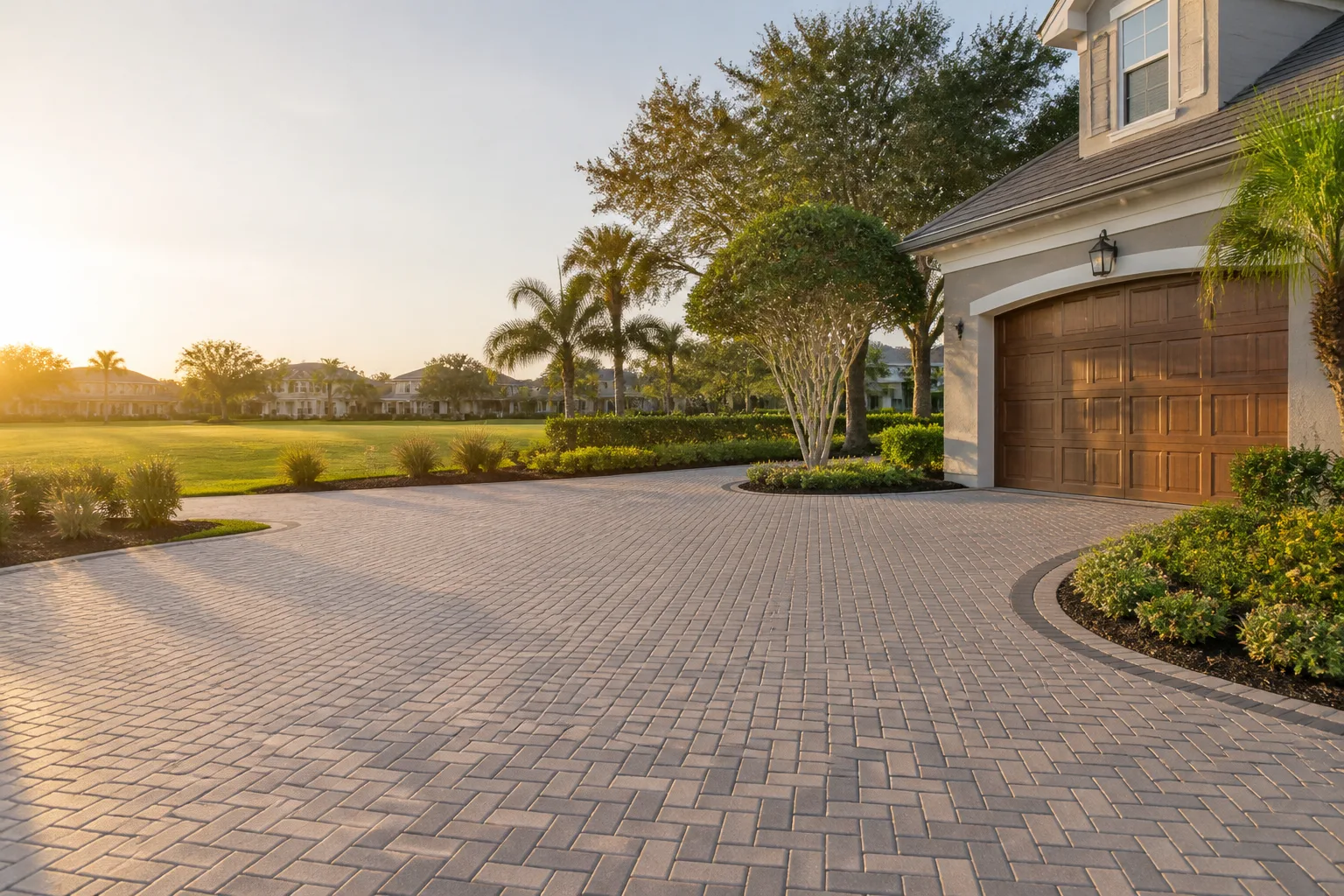
The crew that promises a finished paver driveway in two days is either skipping the base compaction rest period or working without a permit. Both shortcuts feel fast. Both come back as a bill you pay later, usually as sunken pavers over a soft spot or a failed inspection that stalls the sale of your house. A realistic paver driveway in Homestead runs about two to four weeks from permit to drive-on, and most of that time isn’t spent laying pavers. This guide walks the real schedule phase by phase, explains where Miami-Dade County permit timing fits in, and shows you the weather windows and red flags that separate an honest timeline from a salesman’s promise.
Quick Answer
A driveway paver installation in Homestead typically takes 2 to 4 weeks from permit application to the day you can park on it. Actual laying and compaction of an average two-car driveway usually runs 4 to 7 working days, while the rest of the schedule goes to permit review, excavation, base compaction, and the curing window before joint sand sets. Summer afternoon storms can add 1 to 3 days of weather delay.
Styles & brands we work with
- Kitchen remodeling
- Bathroom remodeling
- Home additions & ADU
- Roofing
- Windows & doors
- Driveway & pavers
- Fence
Table of Contents
- The phase-by-phase paver driveway timeline
- How Miami-Dade County permit timing affects your schedule
- Why Homestead summer storms can push a job back
- When can you actually drive on new pavers?
- Red flags in a contractor’s timeline estimate
- What drives cost and time in Homestead paver driveways
- Frequently asked questions
The phase-by-phase paver driveway timeline
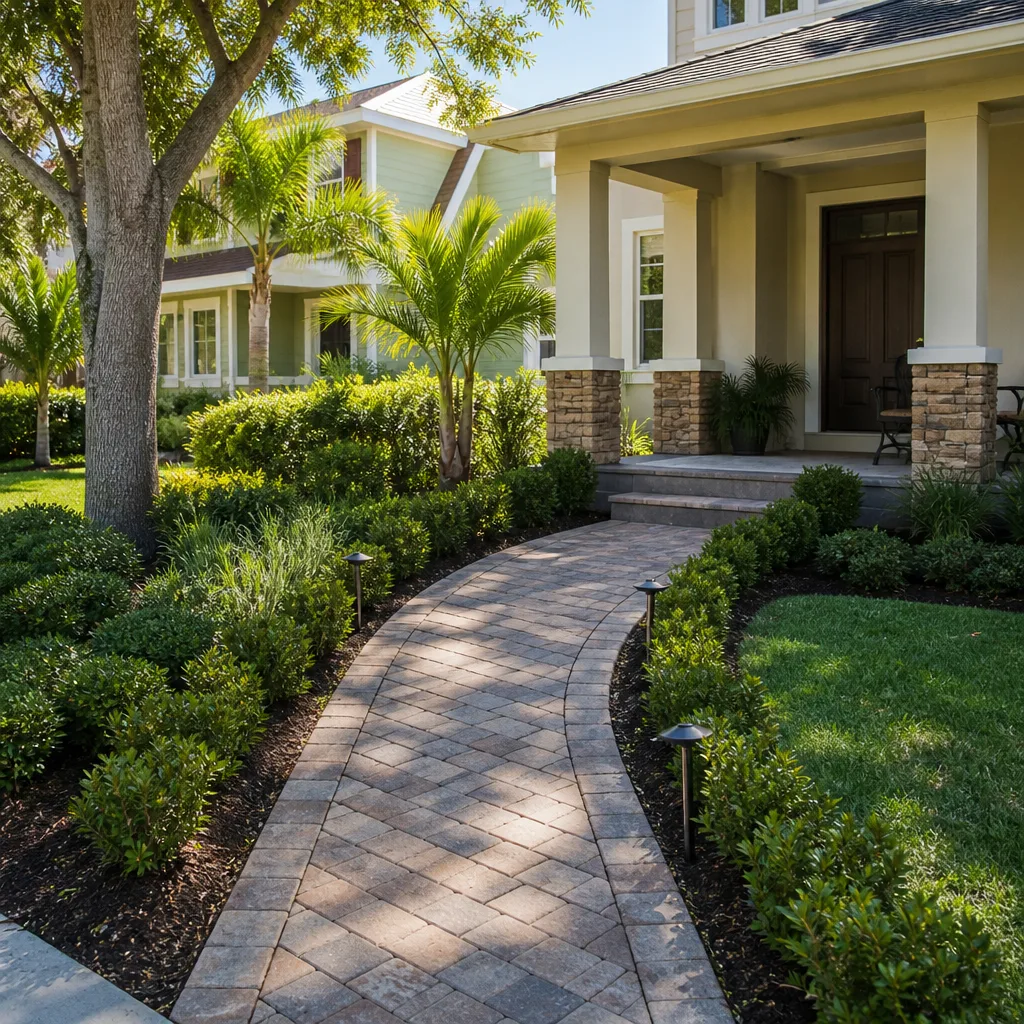
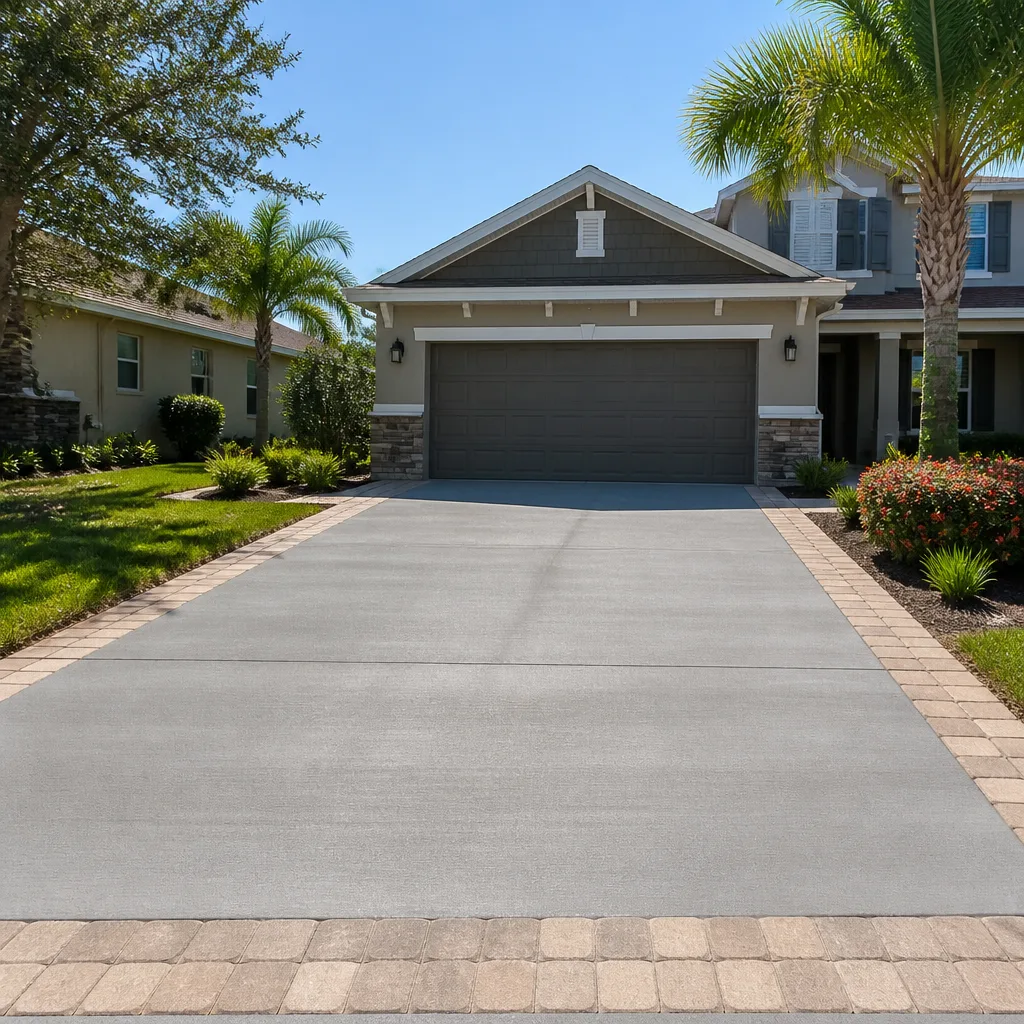
The laying of pavers is the part everyone pictures. It’s also the smallest slice of the calendar. A proper paver driveway is built on layers, and each layer has to be right before the next one starts. Here’s how the weeks actually break down on a typical Homestead job.
- Permit application and review (5 to 15 working days). Miami-Dade County reviews driveway and right-of-way improvements, and any work touching the swale or approach apron needs review before the first shovel hits dirt.
- Excavation and grading (1 to 2 days). Old surface comes out, subgrade is shaped to slope water away from the house.
- Base installation and compaction (2 to 3 days). Limerock base goes down in lifts, each compacted, with moisture content controlled. This is where shortcuts hide.
- Bedding sand screed (half a day). A thin, even layer of sand levels the surface for the pavers.
- Paver layout and cutting (2 to 4 days). Field pavers, border courses, and cuts at the edges. An average two-car driveway moves at a steady pace, but patterned layout and tight curves add a day.
- Edge restraint (half a day). The plastic or concrete edge holds the shape and stops spread.
- Joint sand and cure (2 to 3 days before normal use). Sand is swept into the joints, then the surface needs a clean dry window before it’s driven on.
Add it up and you land between two and four weeks for a straightforward Homestead driveway. Our crew members have up to 28 years of experience on hardscape installs, and the one thing that experience teaches is that the base rest-and-compaction steps are the ones that make the difference between a driveway that stays put and one that ripples after a wet season.
How Miami-Dade County permit timing affects your schedule
Permit timing is the single biggest swing factor in your calendar, and it’s the one number a contractor can’t honestly control. Miami-Dade County processes driveway and right-of-way permits on its own review schedule. Small residential driveway permits can clear in a week or two. Anything that touches the right-of-way, changes drainage, or requires a site plan review can run longer. Ask a contractor “when can you start” and the honest answer is tied to where your permit sits in the county queue.
Here’s what to ask to tell whether a timeline is real:
- “Have you already submitted the permit, and do you have a review date?” If the answer is “we’ll pull it when we start,” the clock hasn’t started.
- “Will you pull the permit at all?” A driveways and right-of-way job that gets done without a permit may not pass inspection when you sell.
- “What’s your plan if the county asks for a revision?” A hold for additional information adds days, not weeks, if the contractor knows the local submission.
- “Do you schedule crews around permit approval or promise dates regardless?” The honest answer is crews follow permits.
At Barrett & Sons Construction, we pull permits and get inspections signed on every eligible job, because the last contractor many homeowners hired told them permits were optional and then vanished when a plan reviewer asked questions. The permit inspector works for you, not for us. That’s exactly why we like him.
If your project grows into a larger site plan, like a new approach paired with an addition or an ADU, it’s worth looking at our Home Additions & ADU in Homestead page, because those projects carry a longer permit cycle.
Why Homestead summer storms can push a job back
Homestead sits in one of the wettest slices of South Florida, and the wet season runs roughly May through October. Afternoon storms drop a lot of water fast. That matters less for laying pavers than you’d think, and more for the two steps that need a dry, controlled surface: base compaction and joint sanding.
- Base compaction: limerock base has to go down at the right moisture. Standing water or a saturated subgrade means the base can’t be compacted properly. The crew has to pump, wait, and rework. That’s often a full day lost, not an hour.
- Joint sand: sand swept into the joints before a rain is fine. Sand that hasn’t set when a downpour hits can wash out before it cures. A crew may pause a full afternoon to protect a fresh surface.
A weather-savvy crew reads the radar. When a Homestead afternoon storm builds over the Everglades to the west and pushes east, an experienced foreman front-loads the dry-sensitive work into the morning. That’s how a good crew finishes a paver job on time even in a rainy stretch. A crew that ignores the radar and lays base in a downpour is the one that leaves you with a soft spot six months later.
None of this means a week of summer rain isn’t a real delay. It is. But a delay of a few days on a wet-window job is not a sign that something went wrong, and any contractor who claims they don’t build weather into the schedule in South Florida is either new or not telling you the truth.
When can you actually drive on new pavers?
“We finished laying the pavers” and “your driveway is ready to drive on” are two different days, and they’re usually about 48 to 72 hours apart. That gap is where a lot of homeowners get impatient and where a lot of driveway problems start.
After the last paver is set, the joint sand goes in. That sand does real work. It fills the gaps that lock the pavers together, and it has to set before vehicle weight pushes it around. In the meantime:
- Walk on it right away. Foot traffic across the surface is fine within hours.
- Keep vehicles off for 48 to 72 hours. A short curbside parking stretch is normal. Ask your crew for the exact window on your job.
- Wash down lightly later. Once set, you can hose off, but don’t run a pressure washer at high pressure over fresh joints.
- Refrain from heavy equipment or moving trucks for the first few days, because a loaded truck concentrates pressure on a surface that’s still settling.
If you ignore that window, the pavers can shift, joint sand can work its way out, and the pattern can walk over time. It’s not a catastrophe, but it’s a repair call that a day of patience prevents.
Red flags in a contractor’s timeline estimate
A timeline estimate is one of the most honest things a contractor hands you. A schedule that can’t be done without cutting corners is a guarantee that corners will be cut. Watch for these.
- “We’ll have it done in two days.” Laying pavers that fast is only possible if the base compaction and joint-sand cure windows are being skipped. Those steps can’t be rushed.
- “Permits aren’t needed for a driveway.” For a simple flat driveway maybe, on work touching the right-of-way no. This is the tell of a crew that’s cutting process.
- “We’ll start Monday” without a date for permit submittal. Ask the permit submission date. If there isn’t one, the schedule is fiction.
- “The price might move but we’ll sort it out at the end.” An allowance that isn’t on paper is a surprise waiting for a date. Written change orders before work isn’t a nicety, it’s how you keep the number honest.
- “We’ll skip the weather delay.” A South Florida paver job with no weather buffer is a job that won’t hit the date.
- No clear answer on the drive-on window. A crew that can’t tell you exactly when vehicles are allowed doesn’t understand the joint sand curing step.
Our approach is to give you a schedule in writing, along with scope and allowances in writing, and every price change in a written change order before it touches the job. We call it the fixed-price, no-surprises way of building. If you want to see how that plays out on the kind of paver driveways common in Homestead, our Driveway & Pavers in Homestead page has the details.
What drives cost and time in Homestead paver driveways
Cost and time move together, and a few local factors can swing both. Material choice matters: Belgard and Techo-Bloc pavers are premium products we install often, and they come in a range of price points. Pattern matters too. A running bond install is faster than a herringbone layout, which needs more cut pavers and heavier work along the border.
Site conditions are the one thing nobody can estimate from a photo. A flat driveway with easy access into a Homestead property goes fast. A driveway with a slope, drainage swale, or a tight turn for a truck is a different job. If you want to know what a right-of-way driveway review looks like on your property, ask the crew to walk the site and put their estimate and their timeline in writing. That’s the pattern we use: walk it, quote it, sign it, pull the permit.
Base thickness is another factor. A standard residential driveway uses roughly 4 to 6 inches of compacted limerock base over the subgrade. If the subgrade is soft or saturated, the base may need more material or a geotextile, both of which add a day or two and cost more. Asking “how thick is the base going to be, and how is it compacted” is the single best question to ask a contractor about both timeline and long-term performance.
What doesn’t change? The number on the signed estimate. With a written scope and written change orders, a slow permit week adds time but not a surprise invoice. If you’re considering a driveway alongside other exterior work, our Fence Installation in Homestead page runs through the same permitting and scheduling approach, and you can see how we handle the whole exterior of a property on our Barrett & Sons Construction Homestead home page.
See the difference
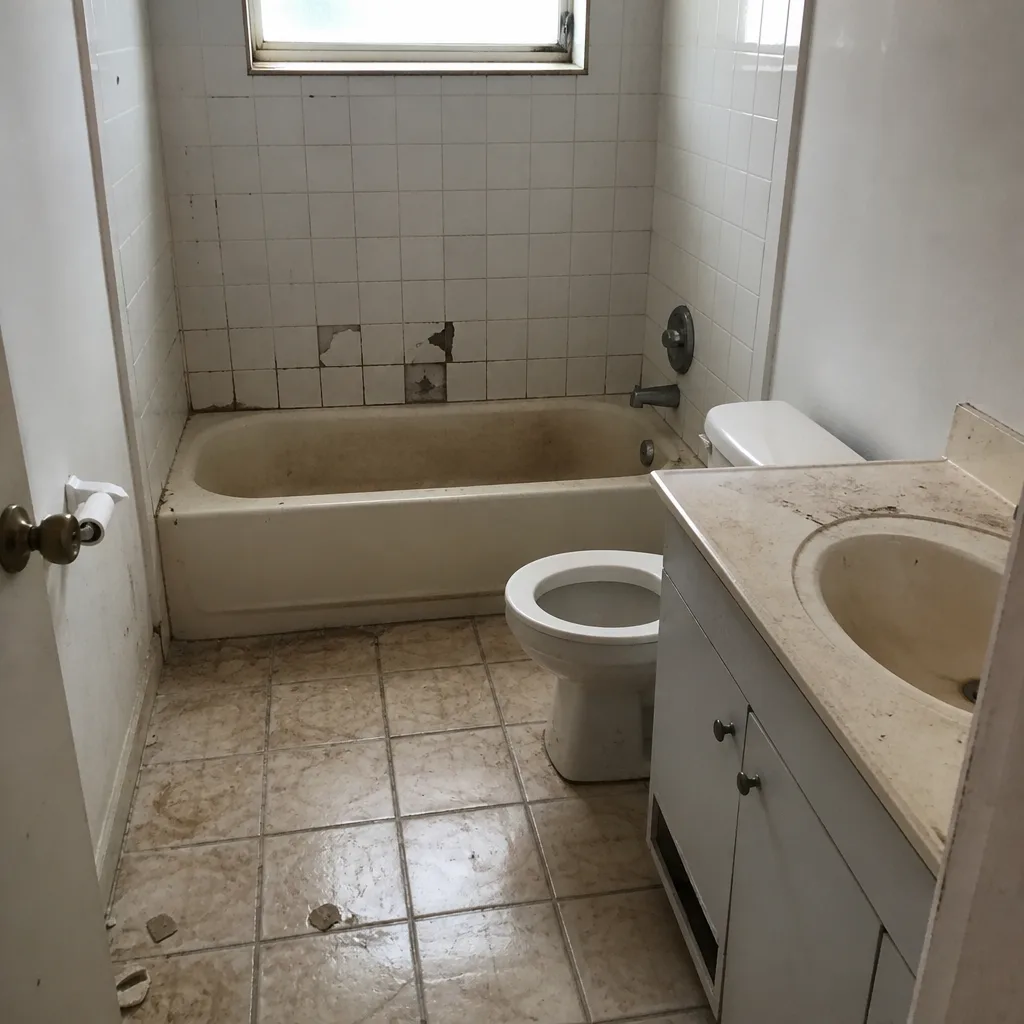 Before
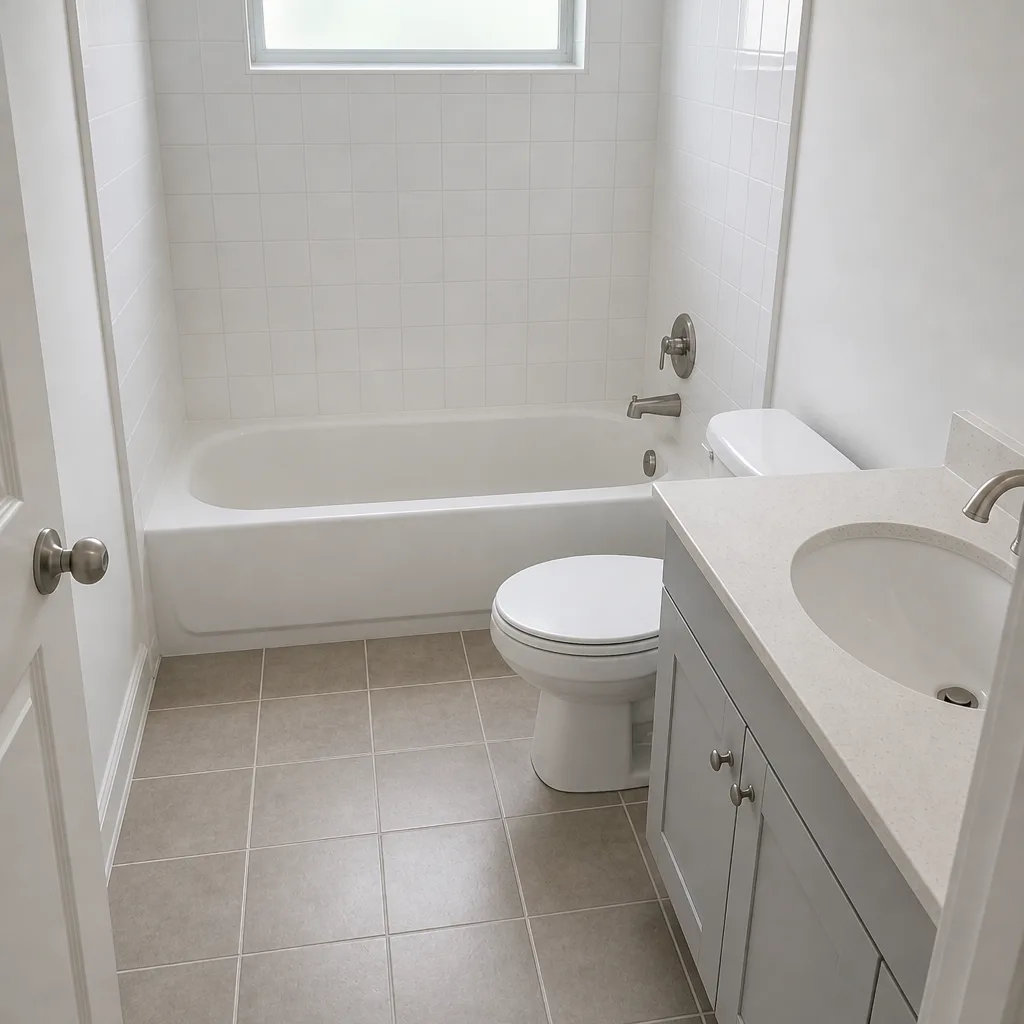 After
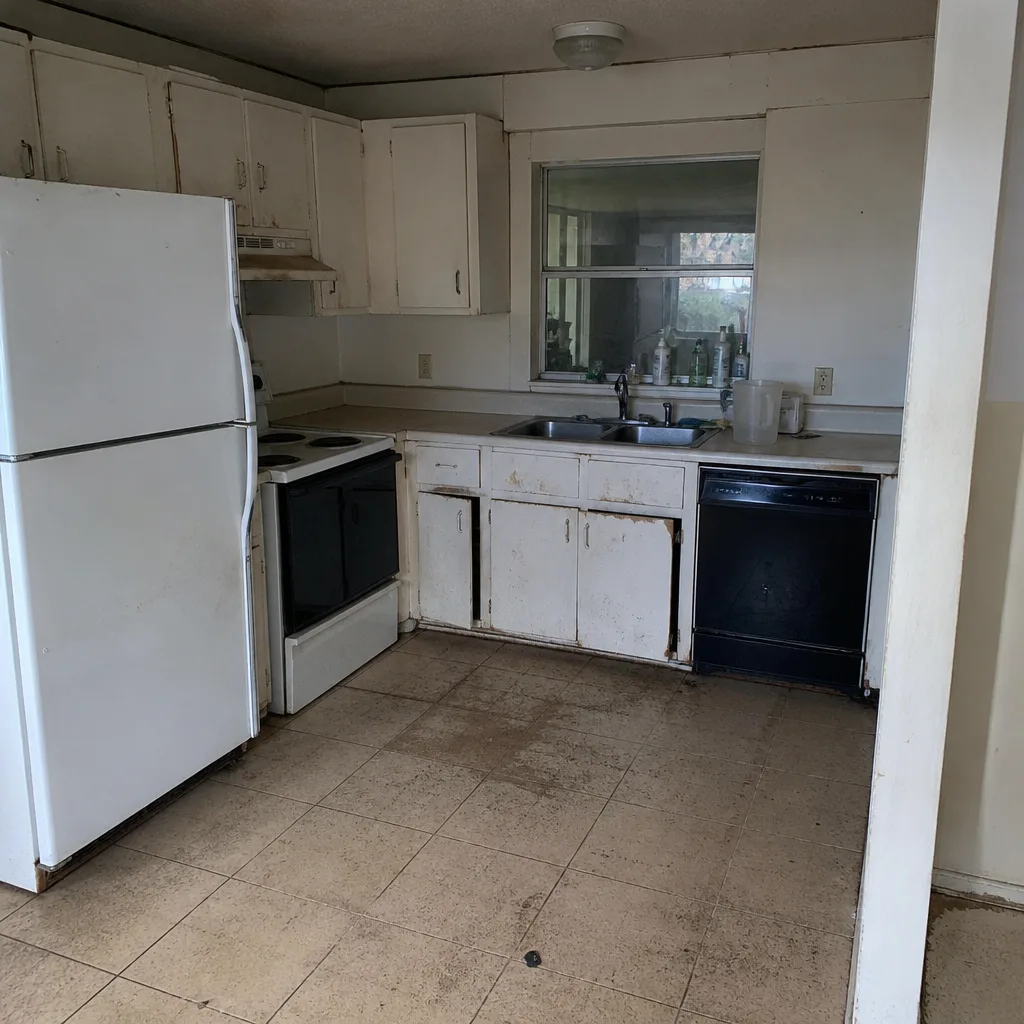 Before
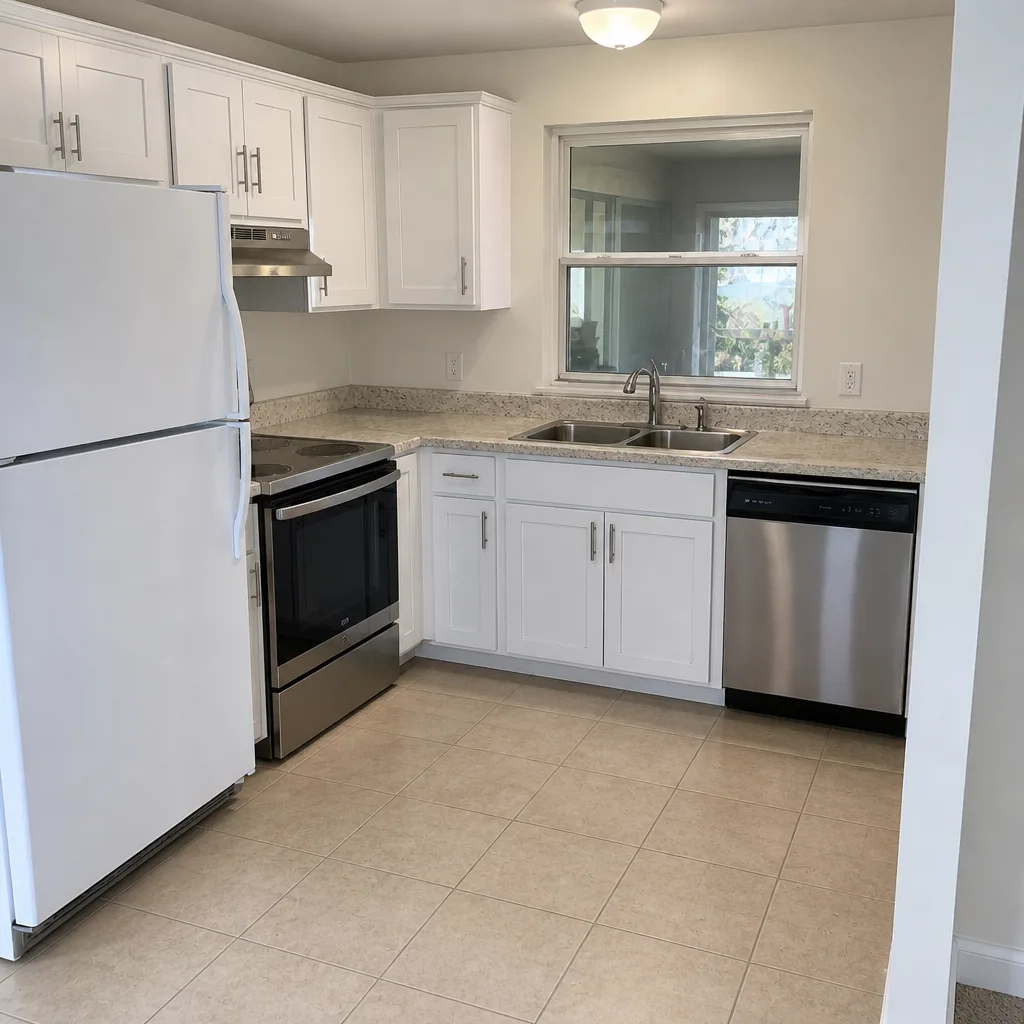 After
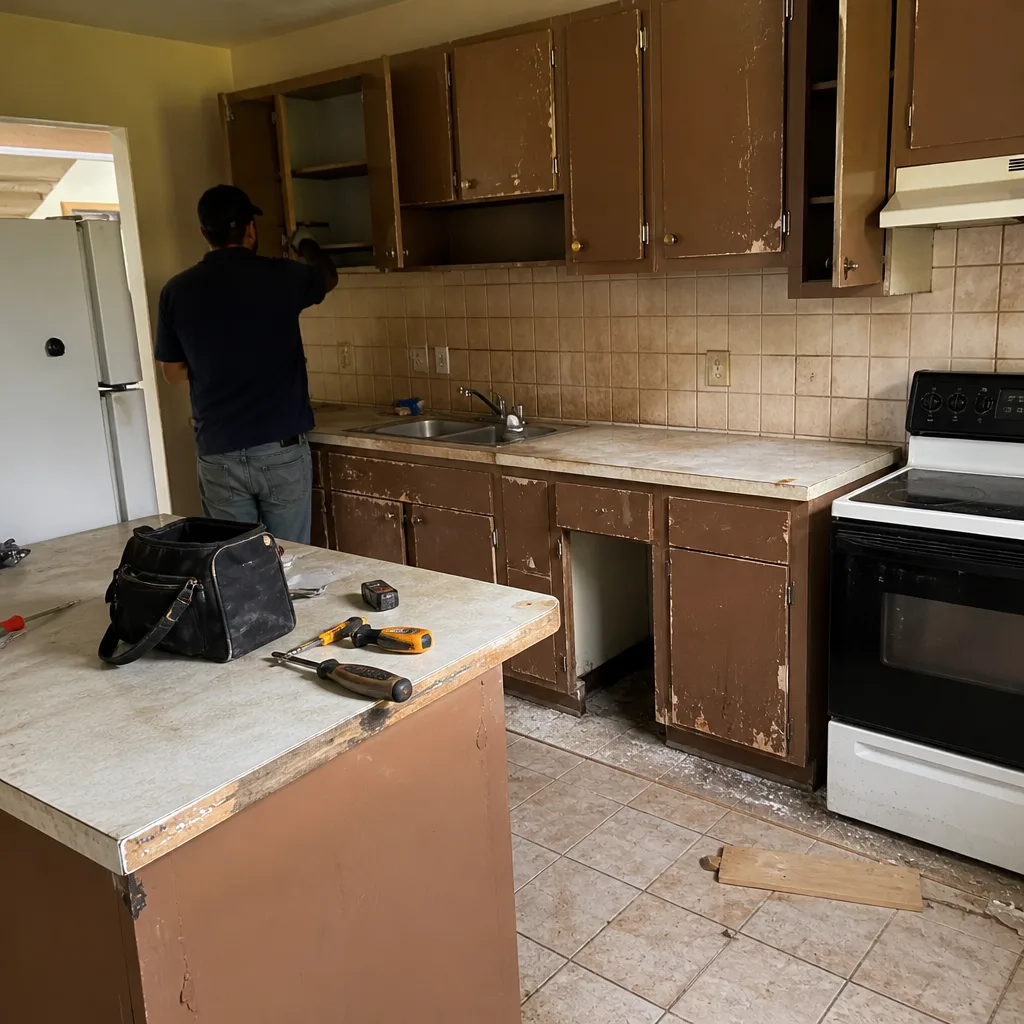 Before
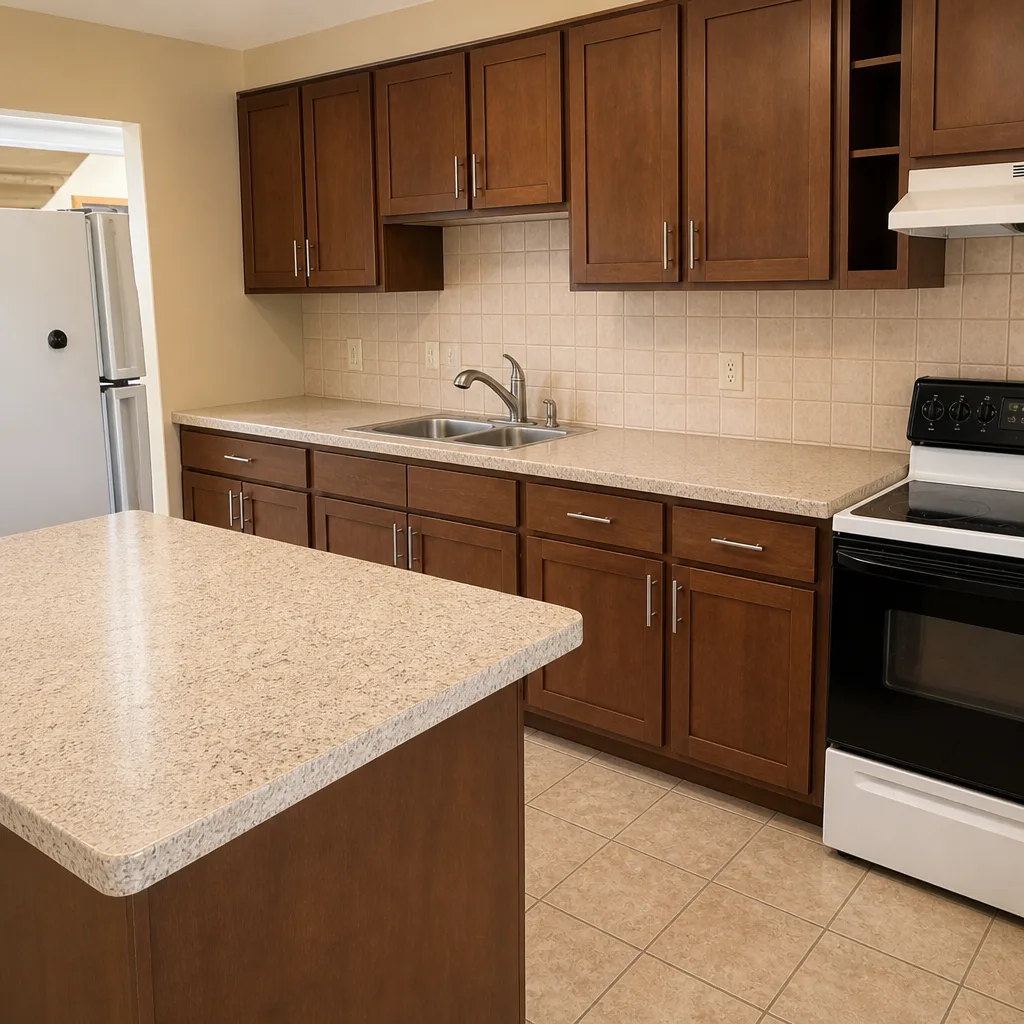 After
Common Mistakes to Avoid
- Booking a start date before the permit is submitted. A permit applied for is a permit in progress. Ask for the submission date, not the start date.
- Driving on pavers before the joint sand sets. Two to three days of patience protects a decade of surface. Give it the full window.
- Ignoring slope and drainage. In Homestead’s flat, low properties, water has to be graded away from the house. A fast crew that skips grading gives you a driveway that ponds at the garage door.
- Accepting a verbal schedule with no weather buffer. South Florida summer storms are a known, not an excuse.
- Hiring off a price that isn’t in writing. A quote you can’t compare to a signed estimate is a quote you can’t hold anyone to.
- Skipping the base question. The thickness and compaction of the base is the real reason a cheap paver driveway fails in a few years. Ask for it in the writing.
- Overlooking the driveway approach apron. If the job touches the swale or right-of-way, plan for county review, not just a paver crew.
When to Call a Professional
Some paver work is well within reach of a handy homeowner. Base building under a driveway is not one of them. Call a professional when the job involves replacing the subgrade, building up and compacting limerock base, cutting pavers at borders and curves, or managing right-of-way permits with Miami-Dade County. A paver driveway near a garage door, a slope, or a swale also needs a site visit, because a mistake in grading shows up months later as water in your garage. And if a contractor has already pumped the base and walked away, call in a crew that can assess what’s under the existing pavers before anything gets laid on top. Barrett & Sons Construction Homestead offers free estimates in Homestead. Call (866) 344-6796.
Frequently Asked Questions
Most paver driveways in Homestead take 2 to 4 weeks from permit application to drive-on, with the actual laying and compaction phase running 4 to 7 working days. The rest of the calendar goes to county permit review, excavation, base installation, and the joint sand cure window. Call (866) 344-6796 for a free estimate on your specific site.
Yes, most driveway and right-of-way improvements in Miami-Dade County require a permit, especially where the work touches the swale, approach apron, or drainage. We pull permits and get inspections signed on every eligible job, so you’re not left holding a question at inspection. Call (866) 344-6796 to talk through your property.
No. A paver driveway that starts and finishes in two days is skipping base compaction or the joint sand cure, and both shortcuts show up as failures later. A proper build takes at least 4 to 7 working days for the paving phase alone, before curing. Call (866) 344-6796 for an honest schedule.
It can, by a few days in a normal wet season. Base compaction can’t be done on a saturated subgrade, and joint sand needs a dry window to set. An experienced crew works around the afternoon radar and front-loads the dry-sensitive steps. A few storm days on a South Florida summer job isn’t a red flag.
Plan on 48 to 72 hours after the last paver is set and joint sand is swept in. Walking on the surface is fine within hours, but vehicles should wait for the sand to set. That window protects the pattern and keeps joint sand from working its way out. Call (866) 344-6796 with any scheduling questions.
Then the job waits, and any honest contractor schedules around permit approval rather than a promised forecast. Ask for the permit submission date and review status, not just a start date. A permit that adds days isn’t a sign the contractor is failing; a contractor who starts before approval is. Call (866) 344-6796 to schedule your free estimate.
The Bottom Line
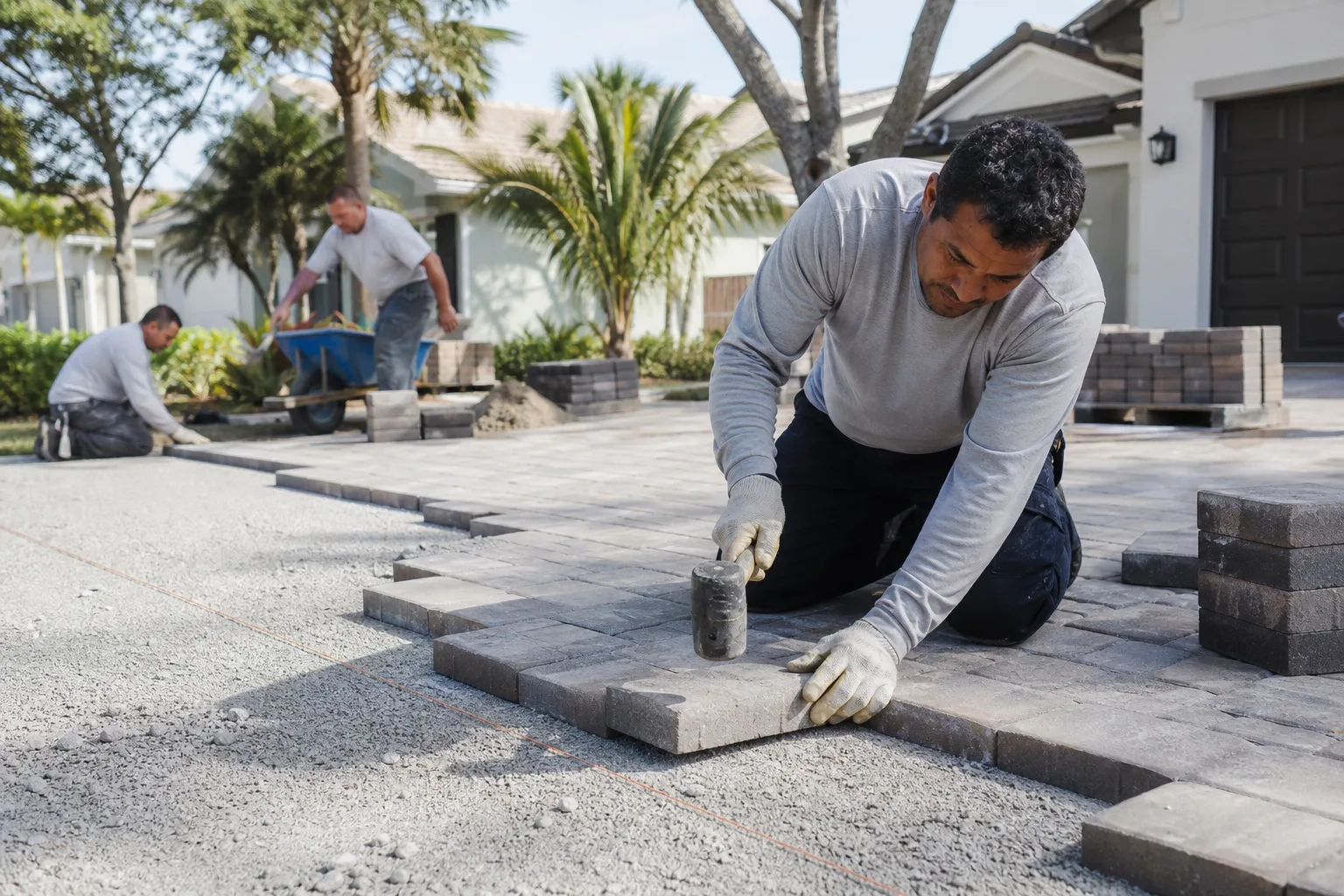
Driveway and paver installation timelines come down to the parts you can’t see: permits, base preparation, compaction, and curing. A paver driveway in Homestead runs 2 to 4 weeks once permitted, and the reasons a schedule slips are almost always honest ones. Summer storms and county review cycles are real variables no crew controls. What a crew does control is whether the base gets its rest, the joint sand gets its cure, and every price change gets a written change order before work starts. Ask for the submission date, ask for base thickness, and ask for the schedule in writing.
Barrett & Sons Construction Homestead is owner-operated, family-run, and backed by the written 90-Day Done Right Promise on every construction job. Call (866) 344-6796 to schedule your free estimate, and we’ll walk the site and put a real timeline and a fixed price in front of you before anything else moves. A live person answers, any time, any day.
Written by the team at Barrett & Sons Construction Homestead.