Last updated November 17, 2026


Free written scope consultation - allowances, timeline, and change-order rules on paper before a single trade is scheduled
How Long Does Fence Installation Take? Timelines and What to Expect
Most fence timelines you find online were written for states with no hurricane code. In Miami-Dade County, a fence permit can add 10 to 21 business days before a single hole gets dug. That’s the part nobody mentions. The fence itself goes up fast. Everything before the first post is what eats your calendar. This guide breaks the process into real phases, with realistic day counts for Homestead homeowners, so you know what you’re actually waiting on and when to ask questions.
Quick Answer
A typical fence installation in Homestead takes 3 to 7 weeks from signed contract to final inspection. The install itself usually runs 1 to 3 days; the rest is permit review, utility locates, material lead time, and concrete cure. Hurricane-zone engineering reviews and South Florida soil conditions can push that toward the longer end.
Styles & brands we work with
- Kitchen remodeling
- Bathroom remodeling
- Home additions & ADU
- Roofing
- Windows & doors
- Driveway & pavers
- Fence
Table of Contents
- The Four Phases That Make Up a Fence Timeline
- Phase 1: Permit Application and Hurricane-Zone Review
- Phase 2: Utility Locates and Sunshine 811
- Phase 3: Material Lead Time by Grade
- Phase 4: Post-Setting, Cure Time, and Final Inspection
- Best-Case vs. Real-World Timelines by Material
- Why South Florida Soil Slows Post-Setting
- Legitimate Delays vs. a Contractor Stalling
The Four Phases That Make Up a Fence Timeline
The install crew is on your property for a day or two. The calendar time is spread across four phases that run partly in parallel and partly in sequence. Understanding them keeps you from measuring progress by how many trucks you see in the driveway.
- Permit application and review – the longest variable, especially inside Miami-Dade’s High-Velocity Hurricane Zone.
- Utility locate – Sunshine 811 requires a 3-business-day minimum, and that clock starts only after a valid ticket is filed.
- Material lead time – varies wildly by grade. A standard chain-link order and a custom aluminum panel order do not move at the same speed.
- Post-setting, concrete cure, and final inspection – typically 24 to 72 hours of cure before panels go on, then the inspector’s sign-off.
In Homestead, we’ve watched a permit alone stretch past three weeks on properties near the Redland agricultural edge, where setbacks and easements get a closer look. That’s not a contractor problem. It’s the county doing its job, and it’s better than finding out at resale that nobody pulled the paperwork.
Phase 1: Permit Application and Hurricane-Zone Review
Miami-Dade sits inside the High-Velocity Hurricane Zone, which means fences above a certain height and any structural fence on a property line generally require a permit with wind-load documentation. That adds a mandatory engineering review most national timeline guides skip entirely. A permit that takes a few days in the Midwest can take 10 to 21 business days here.
What the permit phase usually includes:
- A site survey or plot plan showing property lines and setbacks
- Wind-load calcs for the specified fence height and material
- Product approval numbers for engineered systems (many aluminum and vinyl lines carry Miami-Dade NOA numbers)
- Review by the county building department, and sometimes a resubmittal if any document is incomplete
A complete, correctly filed submittal is the single biggest lever on this phase. Missing paperwork triggers a resubmittal that restarts the clock. Ask your contractor whether permits are pulled on every eligible job. The last company many Homestead homeowners used told them permits were optional. They aren’t.
Phase 2: Utility Locates and Sunshine 811
Before anyone digs, the underground utilities need marking. Florida law routes this through Sunshine 811, which requires a minimum 3 business days’ notice to the member utilities. In dense areas this can run 5 days. Skip it and you risk hitting a water, gas, or irrigation line, which turns a 2-day fence into a 2-week repair job.
Here’s where Homestead-specific details matter. Properties on larger lots in areas like Silver Palm and the Redland often have private irrigation lines, well heads, and old septic fields that the utility locator does not mark – those are the property owner’s responsibility. If you know where those run, tell the contractor before the dig date. It saves a hard conversation later.
A properly scheduled job has the locate ticket filed roughly the same week the permit is submitted, so the two clocks overlap rather than stack. That’s the kind of scheduling courtesy to ask about specifically.
Phase 3: Material Lead Time by Grade
Material is the phase homeowners most underestimate. A standard chain-link order can ship in days. A custom-powder-coated aluminum panel order built to a specific height and color often runs 2 to 4 weeks. Wood is somewhere in between, depending on whether you’re using pressure-treated pine or a specialty grade.
Quick guide to lead times we commonly see:
- Chain-link – shortest lead time, often under a week for standard heights and colors
- Wood (pressure-treated) – 1 to 2 weeks depending on grade and stock
- Aluminum (engineered) – 2 to 4 weeks, longer if the color or height isn’t in standard stock
- Vinyl/composite – 1 to 3 weeks, variable by manufacturer
Note the brand names on your quote. A fence made with concrete from Quikrete or Sakrete for post-setting versus a no-name bag matters less than whether the engineered panel has a Miami-Dade NOA number. Ask to see it. If your contractor can’t produce it, that’s a sign.
Phase 4: Post-Setting, Cure Time, and Final Inspection
The install itself is the shortest phase. Most residential fences go up in 1 to 3 days. But the number that surprises people is cure time: concrete needs 24 to 72 hours to reach enough strength before panels and rails go on. Rushing it causes posts to shift. In South Florida’s heat, mixing and pouring are often scheduled for early morning, and the panels wait.
A realistic install sequence for a Homestead property:
- Day 1: Mark lines, dig post holes, set posts in concrete
- Day 1 to Day 3: Concrete cure
- Day 3 to Day 4: Attach panels, rails, gates, and hardware
- Final walkthrough, then call for the county final inspection
Final inspection for a permitted fence usually schedules within 3 to 10 business days after the call. The permit inspector works for you, not the contractor. That’s the whole point. Signed inspection paperwork is what protects your property at resale.
Best-Case vs. Real-World Timelines by Material
National averages don’t tell the whole story, so here’s a side-by-side look for three common fence materials, framed as best-case versus what we typically see in Homestead.
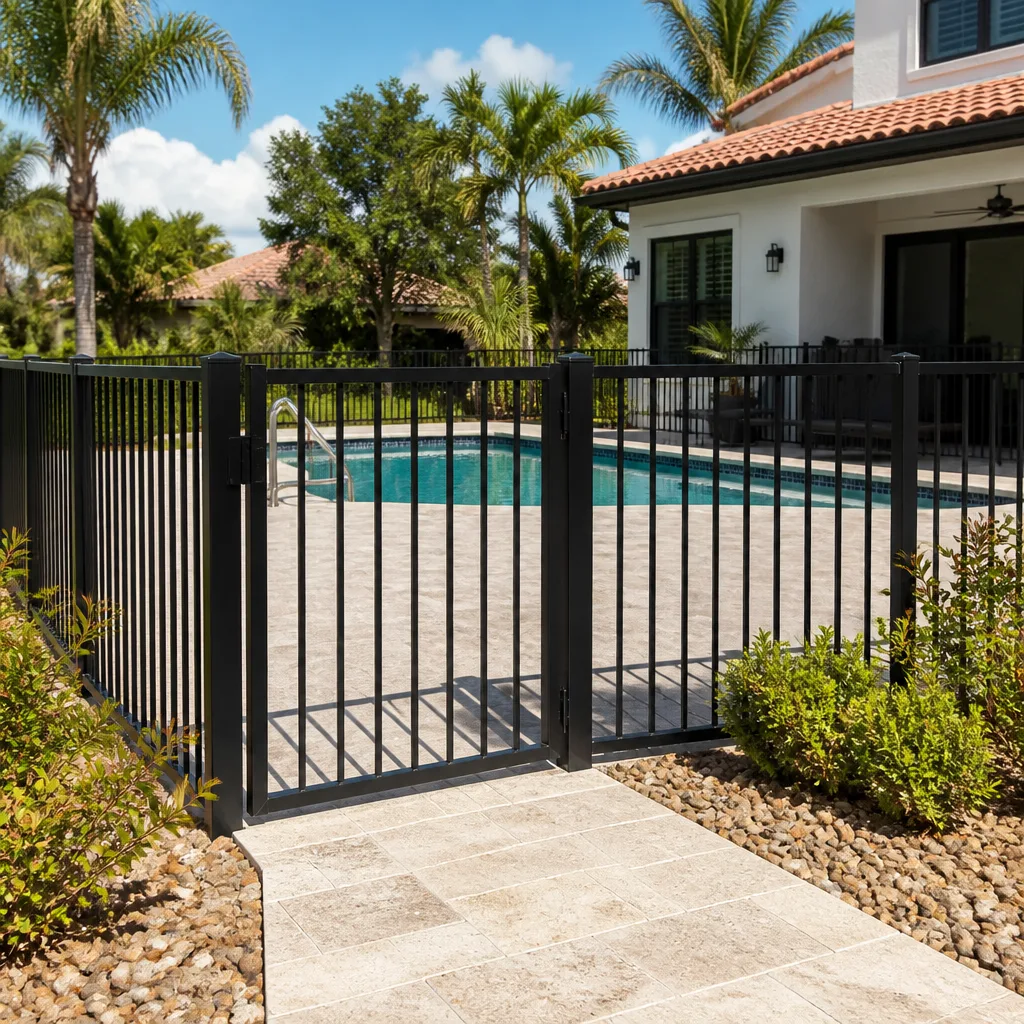
- Aluminum: Best case roughly 3 weeks if the panel is in stock and permit review is light. Real world 5 to 7 weeks when a custom powder coat or an engineering resubmittal comes into play.
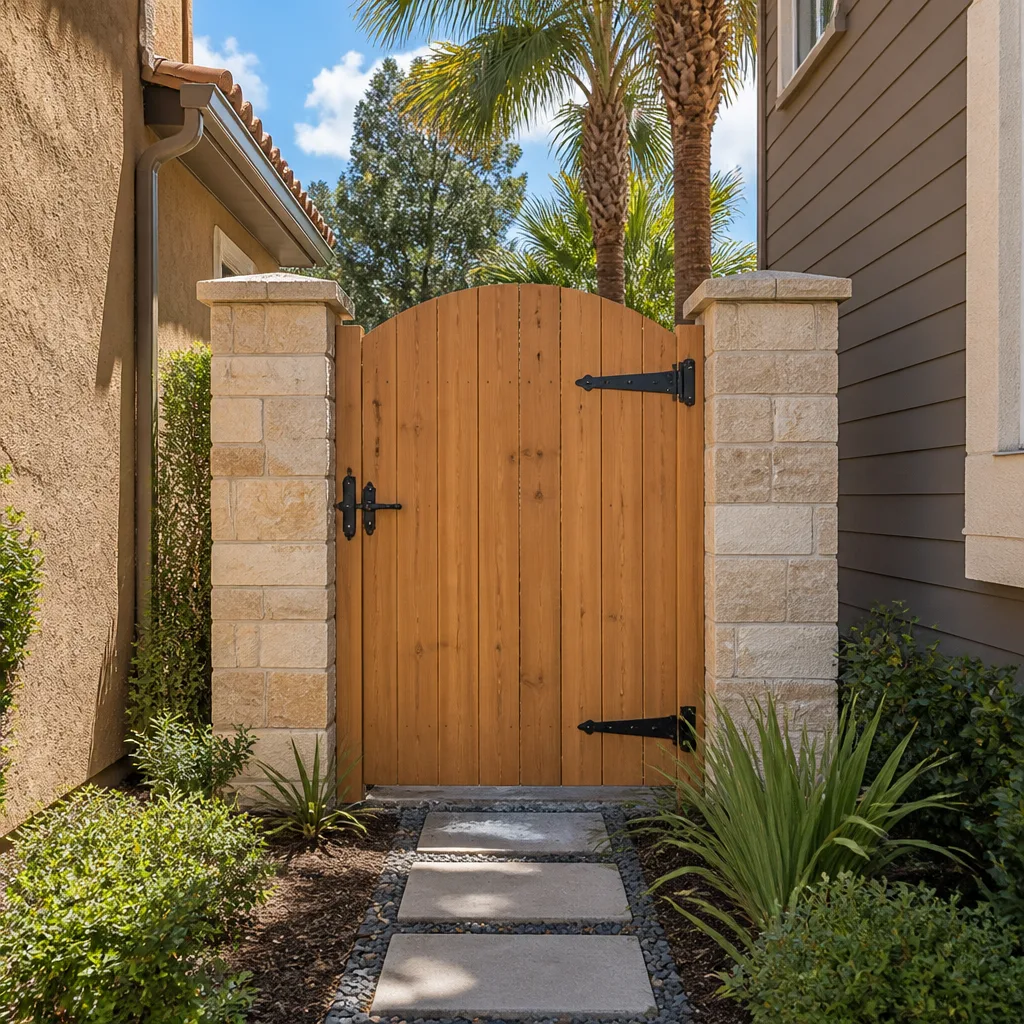
- Wood: Best case about 3 weeks. Real world 4 to 6 weeks when post availability and the concrete cure windows stack up.
- Chain-link: Best case 2 to 3 weeks. Real world 3 to 5 weeks, mostly driven by the permit, not the material.
Every one of these assumes a clean submittal, no utility conflicts, and material in stock at the time of order. For a deeper look at what goes into a fence build here, see our Fence Installation in Homestead page. If your project also involves a driveway or gate approach, that’s a separate permitting track – see Driveway & Pavers in Homestead.
Why South Florida Soil Slows Post-Setting
Homestead sits on a mix of rocky marl, limestone shelf, and pockets of sandy fill. In Redland-edge properties, the limestone can sit closer to the surface than a standard auger expects, and post holes that dig easily in sandy soil hit refusal a foot down. The crew switches to a rock bit or a core drill, and the pace slows.
Don’t let anyone tell you “soil doesn’t matter.” It does, in three specific ways:
- Hole depth – engineered posts often need to go to a specified depth that must be achieved even through limestone
- Concrete volume – rocky or uneven holes need more concrete than a clean cylinder
- Equipment – a standard auger may not cut it. Expect the right tools on the truck when the crew shows up, not a return trip
If the crew is prepared for the soil before the dig date, this phase stays in a single day. If they’re not, you lose a week waiting for a rock bit.
Legitimate Delays vs. a Contractor Stalling
Real delays have paper trails. A permit resubmittal generates a document. A utility line strike generates a report. A material backorder generates an order confirmation. A contractor stalling generates vague texts and “next Tuesday” without a date.
What written communication should look like on a well-run fence job:
- A written schedule when the contract is signed, then an updated written schedule when anything changes
- A written change order before any scope change, signed before work touches the site
- The permit application number and submittal date on file
- The Sunshine 811 ticket number and locate window, provided to you before the dig
An allowance that isn’t on paper is a surprise waiting for a date. If your contractor starts quoting a different number halfway through the job with nothing in writing, that isn’t a fence timeline. That’s a billing problem.
Common Mistakes to Avoid
- Starting without a permit because “it’s just a fence.” Miami-Dade treats fences above a certain height as structural. Skipping the permit creates a problem at resale or after a storm claim. Pull it.
- Calling 811 yourself and thinking you’re done. A valid locate ticket needs the correct dig address and a 3-business-day window. Private irrigation lines and well heads are still your responsibility to point out.
- Choosing an engineered panel with no Miami-Dade NOA number. Non-rated panels can fail a wind-load review and cost you weeks. Ask to see the product approval before ordering.
- Pouring posts and attaching panels the same day. Concrete needs 24 to 72 hours of cure. Fast-moving crews skip this, and the posts lean within a season.
- Not confirming material lead time in writing. A custom color or an out-of-stock height can add 2 weeks to an otherwise 3-week job. Get the ship date on the contract.
- Trusting a verbal schedule. A contractor who tells you “about three weeks” without a written calendar is guessing. Real scheduling is documented.
- Ignoring the soil on your property. If you’ve ever hit limestone digging a garden, tell the contractor before the dig day. It doesn’t change the price on a fixed bid, but it changes the tools and the day count.
See the difference
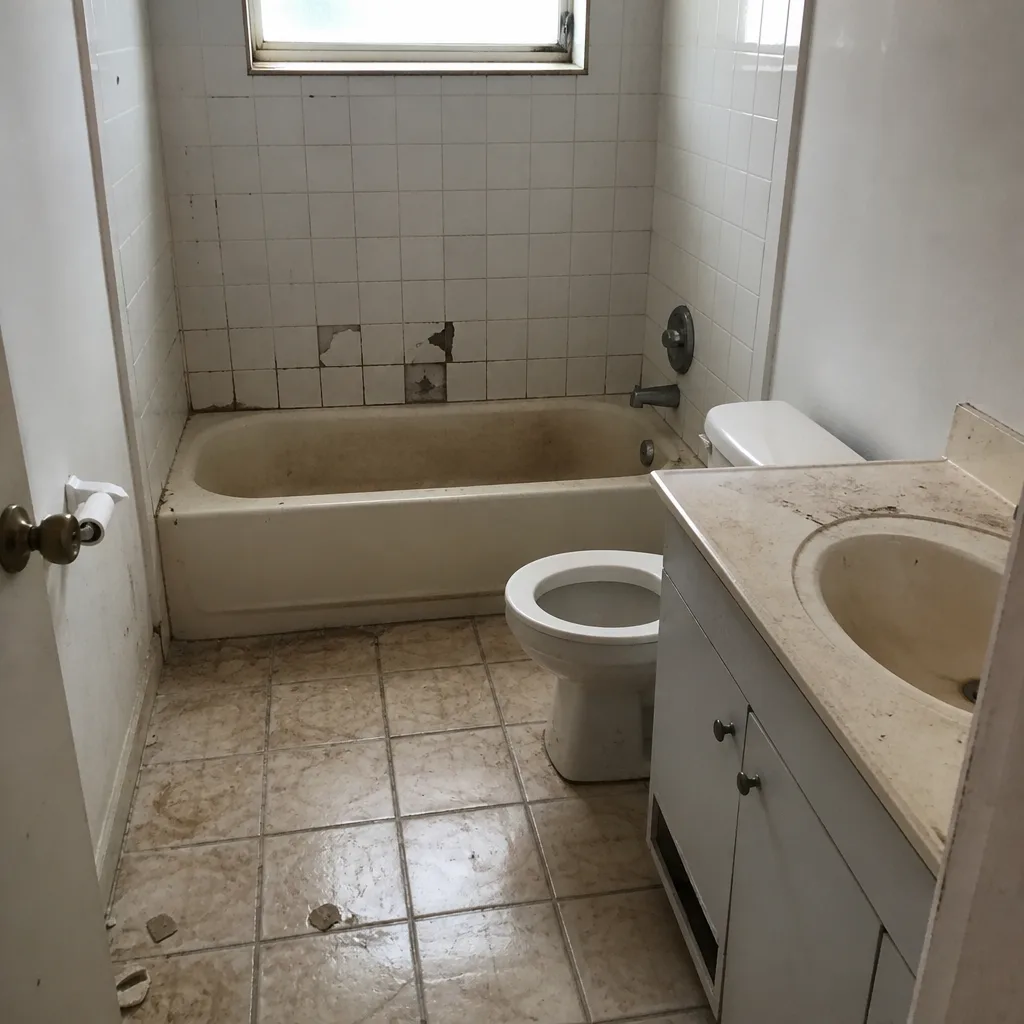 Before
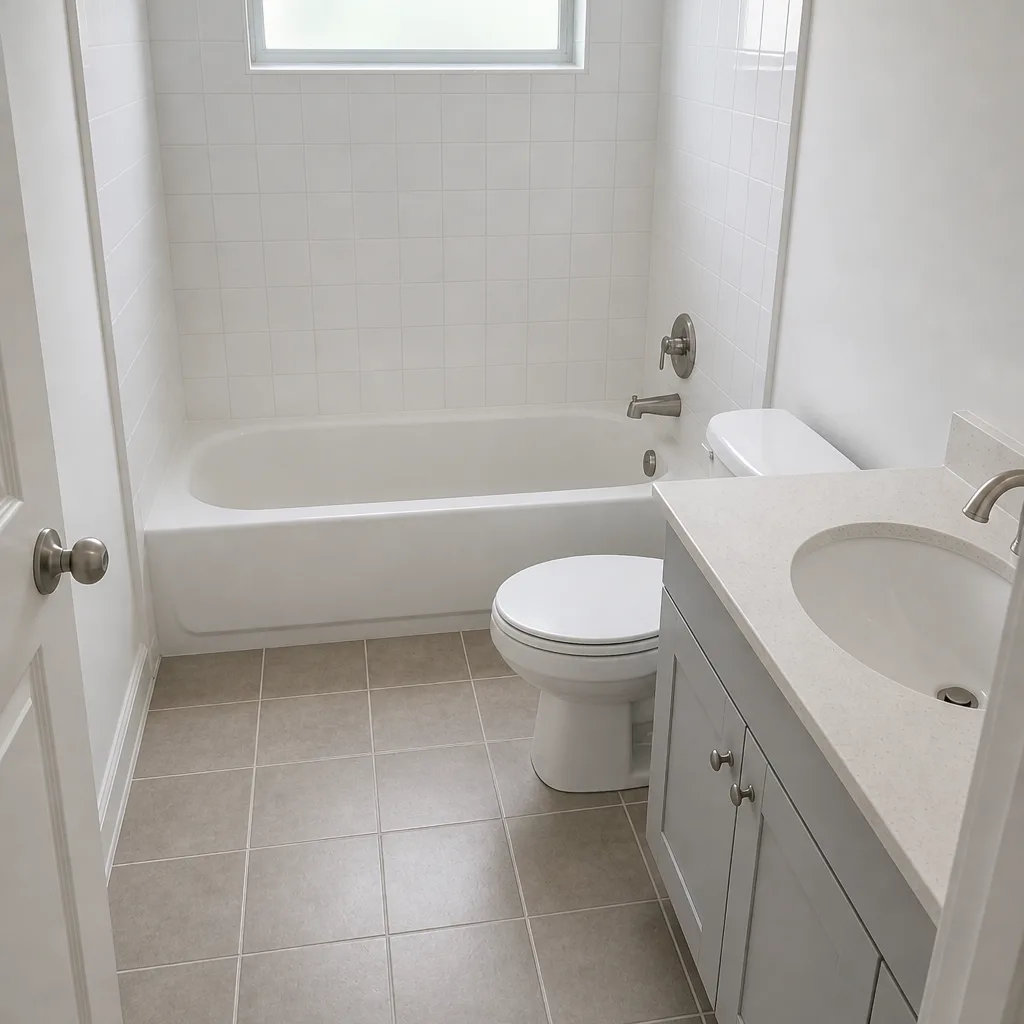 After
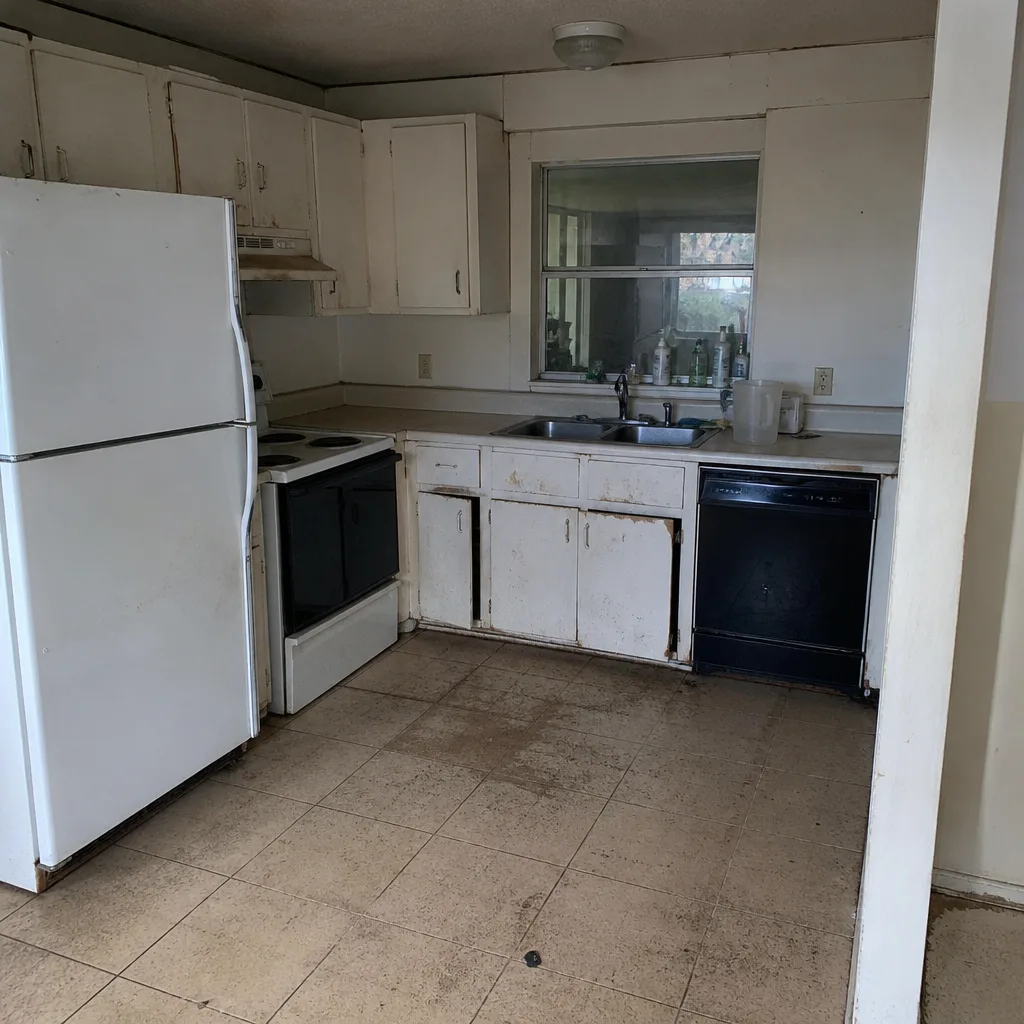 Before
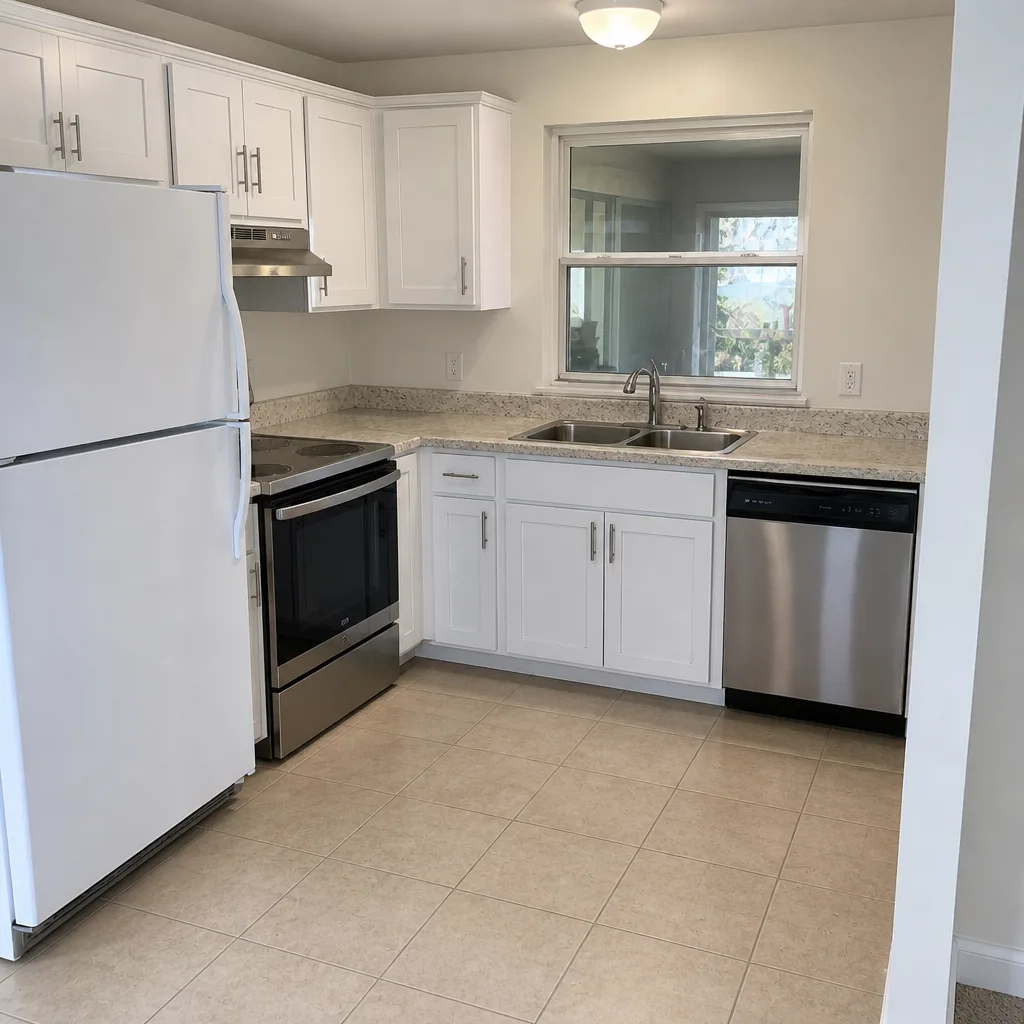 After
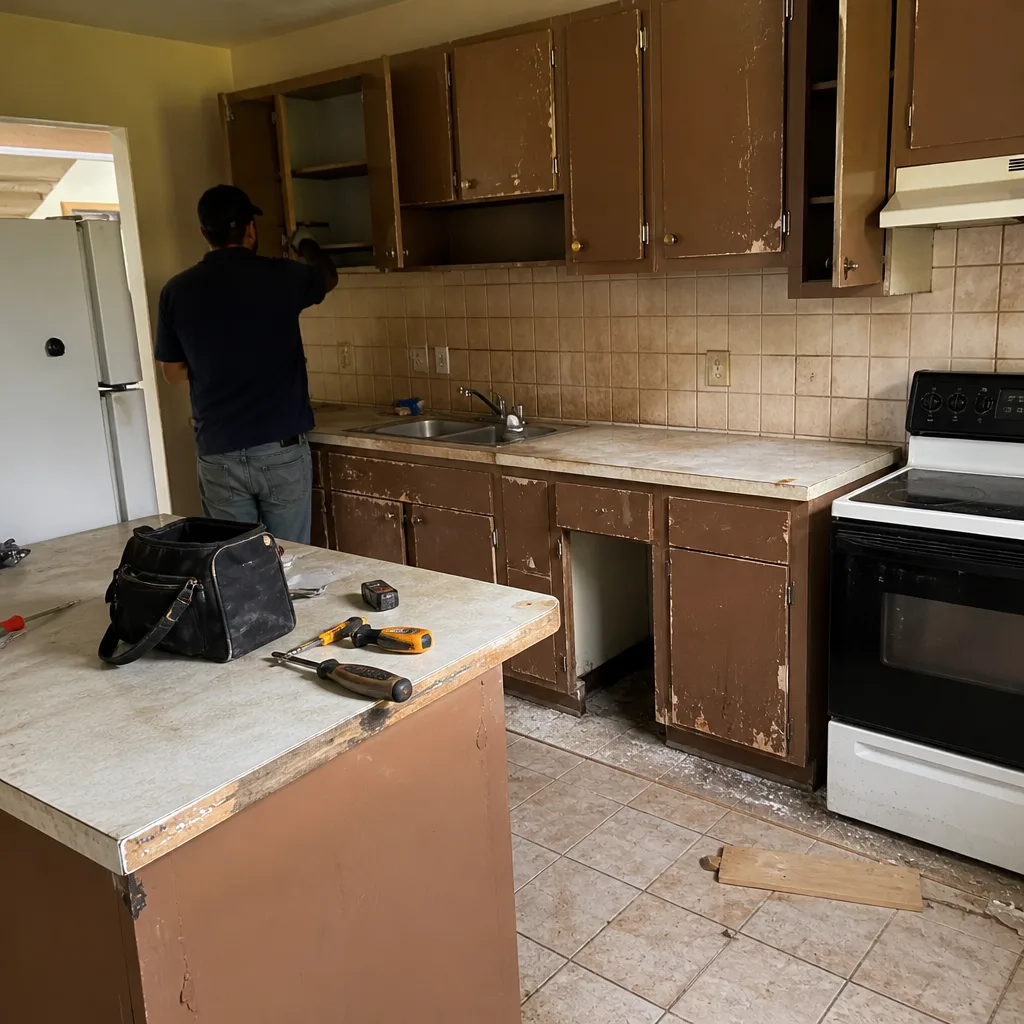 Before
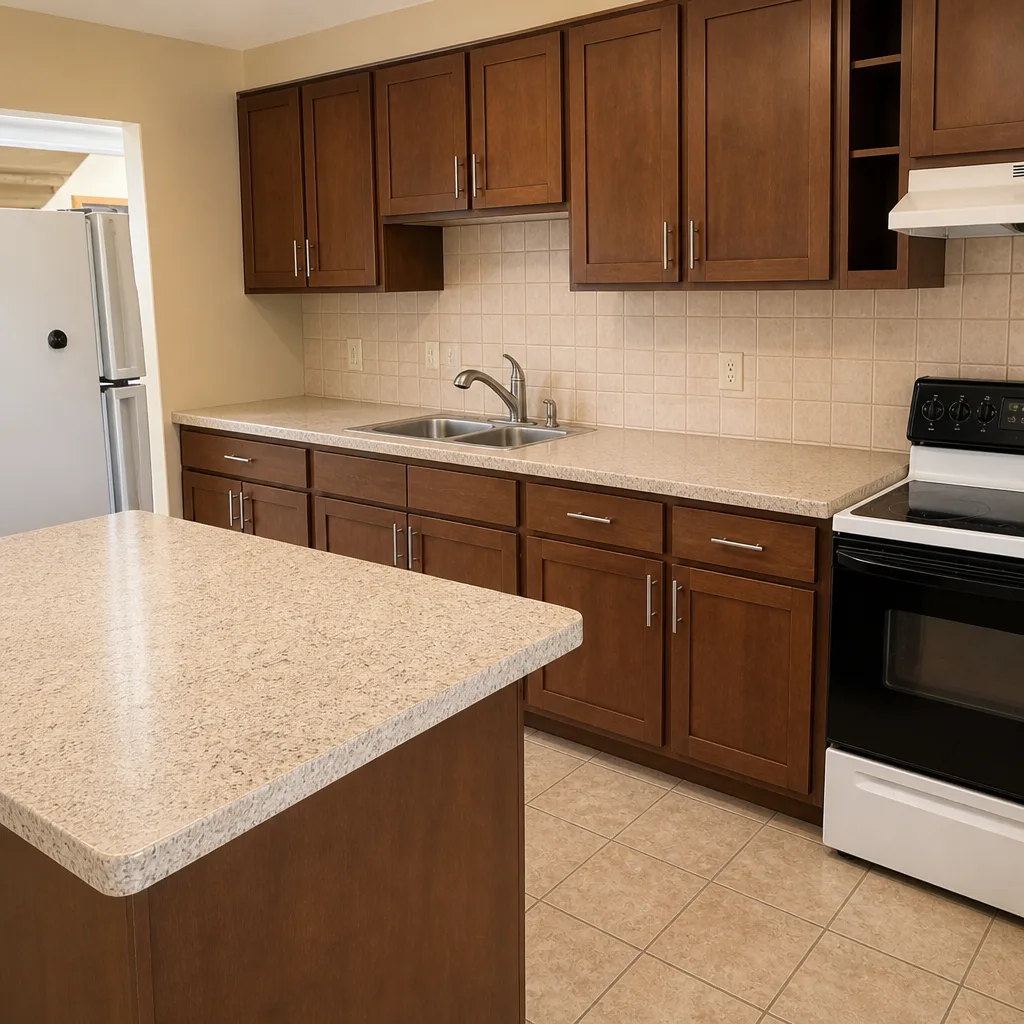 After
When to Call a Professional
Fence work is one of those projects where the visible labor is short and the risk underneath is real. Call a professional if any of the following is true: your fence is on or near a property line, you’re inside the High-Velocity Hurricane Zone and need an engineered product, your property has known irrigation or septic lines, the soil is rocky limestone, or you need the permit and the final inspection signed for resale. A DIY fence that fails inspection or blows over in a tropical storm costs more than the install. Barrett & Sons Construction Homestead offers free estimates in Homestead – call (866) 344-6796.
Frequently Asked Questions
Most Homestead fence projects run 3 to 7 weeks from signed contract to final inspection. The install itself is 1 to 3 days; the calendar time is permit review (10 to 21 business days in Miami-Dade), utility locates (3 business days minimum), material lead time, and 24 to 72 hours of concrete cure. Call (866) 344-6796 for an exact quote on your property – estimates are free.
Miami-Dade’s High-Velocity Hurricane Zone requires wind-load documentation and, on many fence heights, a mandatory engineering review before a permit is issued. That review is the primary reason a Homestead fence permit takes 10 to 21 business days while a permit in a non-hurricane state may take a week. Engineered aluminum and vinyl systems with Miami-Dade NOA numbers move through review faster than uncertified panels.
Chain-link is the fastest to install and to source, typically 2 to 3 weeks best case and 3 to 5 weeks in the real world. Aluminum is close on install time but has longer lead times for custom powder-coat colors, often 5 to 7 weeks real world. Wood sits in the middle at roughly 4 to 6 weeks. Call (866) 344-6796 to get a specific timeline for your fence material and property.
On a well-run job, no, unless you request a change. Every scope, allowance, and price change should arrive as a written change order signed before work touches the site. If your contractor starts quoting a different number with nothing in writing, that’s a red flag. Ask for the change order before the work happens.
Usually yes, for fences above a certain height and for any structural fence on a property line in Miami-Dade County. Engineered products also need Miami-Dade product approval. Confirm the specific requirement for your lot before ordering. A contractor who pulls the permit and passes final inspection protects your property at resale.
Cost depends on material, height, property line length, and engineering requirements. A standard chain-link fence and a custom powder-coated aluminum fence with Miami-Dade NOA panels sit in different ranges, and the permit is a line item too. Call (866) 344-6796 for a written line-item estimate on your specific property – estimates are free and there’s no trip charge inside the county.
The Bottom Line
Fence installation in Homestead runs 3 to 7 weeks end to end, and the fence itself is the shortest part of that calendar. The real time sinks are permit review through Miami-Dade’s hurricane-zone engineering requirements, the mandatory Sunshine 811 locate window, material lead time for engineered panels, and 24 to 72 hours of concrete cure before the panels go on. Soil conditions in rocky Redland-edge properties can add a day or two. If your contractor schedules in writing, pulls the permit, files the locate, and issues a written change order before any scope change, the timeline holds. If they don’t, ask why before you sign anything.
Get a Free Fence Estimate in Homestead

If you’re planning a fence in Homestead and you want a real timeline from someone who has done the work here, call us. We pull every permit, put every price in writing, and back the job with a 90-Day Done Right Promise. A live person answers the phone, day or night. We offer a free second opinion on any written estimate, no trip charge inside the county, and a permanent 10% Senior & Veteran discount. Whatever your fence project looks like, start with a conversation. For broader home projects on the same property, our Barrett & Sons Construction Homestead page and Home Additions & ADU in Homestead page show how we handle larger scopes when the fence is part of a wider plan.
Call (866) 344-6796 to schedule your free fence estimate in Homestead.
Written by the team at Barrett & Sons Construction Homestead.