Last updated November 17, 2026



Free written scope consultation - allowances, timeline, and change-order rules on paper before a single trade is scheduled
Windows & Doors Warning Signs Every Homeowner Should Know
A sticky sliding door in October feels like a nuisance. During a storm, a door that won’t latch properly is a structural liability – and your insurance company may agree after the fact. Here’s the counterintuitive part: the failures that cost Homestead homeowners the most are rarely dramatic. They’re little things – a foggy corner of glass, a door that scrapes from June to September, a thin line of cracked caulk you’ve walked past for two hurricane seasons. By the time a named storm or a wind mitigation inspection exposes them, you’re facing water damage or a failed insurance credit instead of a cheap repair. This guide teaches you to read those early signals before they get expensive.
Quick Answer
The warning signs that impact windows and doors need replacement in Florida come down to four things: water getting past the seal, a failed glass unit (fogging between panes), hardware that no longer engages fully, and frame movement that throws the unit out of square. Surface condensation in humid months is normal. Condensation inside the glass, a door that won’t latch in August, or frame sealant that’s actively cracking open are not. Any of those means call a professional for a free inspection before storm season, not after.
Styles & brands we work with
- Kitchen remodeling
- Bathroom remodeling
- Home additions & ADU
- Roofing
- Windows & doors
- Driveway & pavers
- Fence
Table of Contents
- Cracked vs. Checking Sealant: The Fingernail and Flashlight Test
- Condensation Between Panes vs. On the Glass
- Impact Hardware Warning Signs: Locks, Hinges, and Frame Deflection
- What a Wind Mitigation Inspector Flags – and How to Self-Check
- The Age-and-Storm-History Assessment
- Sliding and French Door Signals You Shouldn’t Ignore
- Why Homestead Homes Age Windows Differently
- What Actually Warrants Replacement vs. Repair
Cracked vs. Checking Sealant: The Fingernail and Flashlight Test
Every exterior window and door on a South Florida home has a bead of sealant where the frame meets the wall. Sealant ages. The question is whether what you’re looking at is cosmetic weathering or an open door for water.
Here’s the distinction that matters. Checking is the fine, alligator-skin pattern that appears as sealant dries and sun-cures – shallow surface lines that don’t penetrate. Normal, especially on a west-facing wall. Cracking is a split that goes through the bead, often pulling away from the frame or the wall. That’s an active water intrusion path.
Two field tests tell them apart:
- The fingernail test. Drag your thumbnail across the line. If it catches and the sealant lifts away from the frame or wall, that’s a crack with a gap behind it. If your nail slides over a shallow surface line, it’s just checking.
- The flashlight technique. On a dark evening, put a bright flashlight flat against the interior of the frame and look at the exterior side. Any light bleeding through around the perimeter means the caulk joint has separated. Do this on the storm-side wall too.
In Homestead, west- and south-facing frames take the hardest ultraviolet load. We’ve seen a sealant bead on a south wall go from “checking” to “cracking” in a single summer because afternoon sun bakes it flat. If you find an active crack, don’t just smear new caulk over the old bead – the joint needs to be dug out, cleaned, and re-sealed with a UV-rated exterior sealant so the new bead bonds to the substrate. If the crack is behind the frame flange or under a sill, that’s a call we want to look at, not a weekend project.
Condensation Between Panes vs. On the Glass
This one fools more homeowners than any other signal. Fog or droplets inside the glass and fog on the room-side of the glass mean two completely different things.
Surface condensation – the glass “sweating” on the inside of your home in a humid month – is a humidity and air-movement issue, not a window failure. South Florida interiors run humid. Turn down the indoor humidity, keep the air moving, and it clears.
Condensation between panes – a hazy, milky band that appears inside the sealed unit, sometimes with visible water droplets that never dry – means the insulated glass unit (IGU) seal has failed. Moisture has entered the argon gap. The glass hasn’t broken, but the unit is done.
What a failed IGU actually costs you:
- The insulating gas has leaked out, so the unit no longer performs to its rating.
- A hazy pane can’t be cleaned off – it’s inside the sandwich.
- On an impact unit, the laminated or heat-strengthened pane may still be intact, but the IGU seal failure is a flag your inspector will notice.
The fix is typically an IGU replacement, not a full window replacement, provided the frame and impact glass are sound. That’s a cheaper job than most people assume – but only if you catch it before water gets behind the frame. In Homestead homes where windows sit close to a pool cage or a low roofline, failed seals often travel with moisture that finds its way into the wall cavity.
Impact Hardware Warning Signs: Locks, Hinges, and Frame Deflection
Impact-rated windows and doors carry heavier glass and hardware built to hold a unit closed under wind load. When that hardware stops working, the unit is no longer performing its job – even if the glass looks perfect.
The hardware signals that mean “get this looked at”:
- Multipoint lock rods that don’t fully engage. On an impact door, closing the handle should pull several locking points into the frame at once, top, middle, and bottom. If the handle turns but you can feel it stop short, or the door won’t “snick” into all its catches, the lock system isn’t seating.
- Hinge-side gaps that weren’t there before. Run your fingers down the hinge side. A gap that widens toward the top or bottom of the door means the door has gone out of square.
- Frame deflection. Lay a straightedge (a level, a board) against the vertical and horizontal frame members. If you can slip a coin under the straightedge in the middle, the frame has bowed. That signals the rough opening behind it has moved – the header, the sill, or the studs are shifting.
- A door you can lift or wiggle in the frame. Normal doors are rigid. If yours moves, something behind it is settling.
This is where impact units differ from standard ones: the heavier the glass, the more the hardware and the frame have to carry. A door that “sticks a little in August” – a phrase we hear a lot in Homestead – often means the slab has swelled slightly or the frame is deflecting. Small deflection today can become a door that won’t latch in a storm tomorrow. Multipoint hardware can be adjusted and re-engaged, but frame deflection is a deeper question about what’s behind the wall.
What a Wind Mitigation Inspector Flags – and How to Self-Check
Wind mitigation inspections look at more than windows and doors, but the window and door items trip up homeowners constantly. Catching them yourself first means no surprises when the insurance credits are on the line.
Here’s what the inspector typically looks at on windows and doors:
- Proof of impact rating – a permanent label on the glass or the frame, or documentation. Missing labels can cost your opening protection credit.
- Operating condition – the unit opens, closes, and latches fully.
- Damage or deterioration – cracked glass, failed seals, degraded sealant.
- Gaps at the perimeter – the anchor points and seals at the frame-to-wall joint.
Self-inspect a few weeks before your scheduled appointment:
- Photograph the impact label on every unit – date the photos.
- Open and close each window and door fully. Check that multipoint locks engage and the handle seats.
- Look for hazy glass on any IGU. Note it.
- Run the fingernail and flashlight checks on all perimeter sealant.
- Write down the age and make of each unit, plus the manufacturer.
If any of those checks turn up a problem, get a free estimate from a contractor before the inspection, not after. The permit inspector works for you too – but the mitigation inspector’s report is what your insurance company reads.
The Age-and-Storm-History Assessment
A window installed in 2004 that’s been through multiple named storms deserves a closer look, even if it looks fine. Impact glass is designed to take a strike, but “impact-rated” doesn’t mean “unchanged after 20 years.”
The right questions to ask about an aging unit in Homestead:
- How many named storms has it been through? Each season leaves a little more micro-damage in sealant, hardware, and the glass’s edge seal.
- Has it ever taken a direct impact? A hit from flying debris at the right angle can compromise a laminated pane without a visible crack – and a hairline in the laminate can be hard to spot.
- Does the label match the code at the time of installation? Code cycles change. Homestead-built homes from different eras carry different expectations for impact ratings.
- Has the frame been re-sealed since installation? The bead that came from the factory in the 2000s is not the bead you want today.
After a window has ridden out three or four named storms, the honest conversation is whether to budget for replacement before the next season rather than after. That’s when named brands earn their keep – Andersen and Marvin units hold up because the glass, frame, and hardware were designed as a system, not assembled from mismatched parts. A mix-and-match replacement ages faster than a matched unit.
Sliding and French Door Signals You Shouldn’t Ignore
Doors fail more quietly than windows. The tripping hazard is obvious, but the security and water-intrusion signals are not.
- The sliding door that scrapes the track in August. Heat and humidity cause the panel and frame to expand unevenly. If the panel scrapes, the rollers are worn or the track has sagged – and the seal at the bottom of the panel is no longer doing its job.
- A French door that won’t close flush. If the door stands proud of the jamb, or the deadbolt won’t slide home, the frame or the strike plate has shifted.
- A door that lets daylight through the edge when it’s closed. That’s a perimeter gap. During a wind-driven rain event, it’s a water path.
- Bottom track water staining. Water marks at the threshold mean water has been getting in – probably for a while.
- Loose or soft wood at the sill. If a screwdriver pushes into the sill material, you’re looking at rot, not paint.
Windows and doors are what keep the envelope sealed. If the sliding door or French door is failing, it’s worth putting it on the same shortlist as the rest of the Barrett & Sons Construction Homestead home envelope items – roofing, sealants, and the frame joints.
Why Homestead Homes Age Windows Differently
Homestead is not an easy climate for exterior building products. The conditions stack up in ways that don’t match the rest of the country.
- Heat and UV load. South Florida’s sun degrades sealant, gaskets, and vinyl frames on west- and south-facing walls faster than any inland market.
- Humidity cycles. The daily swing between humid overnight air and dry afternoon air pumps moisture in and out of frames and sills, stressing every seal.
- Storm-driven rain. When rain arrives horizontally at 80 mph, it finds any gap – cracked sealant, a sagging slider track, a hinge-side gap on a French door.
- Agricultural surrounds. Homes near nurseries and groves in the Homestead area see heavier atmospheric load – dust, grit, and organic film that dry out and stress the frame sealant.
- Post-1992 building stock. Homes built after Hurricane Andrew carry stricter impact expectations than homes built before – and some of those older units are quietly past their rated service life.
The practical result: an impact window in Homestead at ten years old may be showing wear that a comparable unit in Atlanta would show at twenty. That’s not a defect – it’s the climate. Which is exactly why the early warning signs matter here more than most homeowners realize.
What Actually Warrants Replacement vs. Repair
The most expensive windows and doors in South Florida are the ones that get replaced when a repair would do, or repaired when the unit needs replacement. Here’s how we grade it.
Repair-grade signals:
- Surface condensation only.
- Caulk checking, but no active crack.
- Hardware that can be lubricated, adjusted, or replaced.
- A single failed IGU in an otherwise sound frame.
- Rollers on a sliding door that drag.
Replacement-grade signals:
- Multiple failed IGUs across the same elevation.
- Frame deflection confirmed with a straightedge.
- Water intrusion into the wall cavity behind the frame.
- Rot or soft material at the sill or jamb.
- Impact label missing or unit not rated for current code.
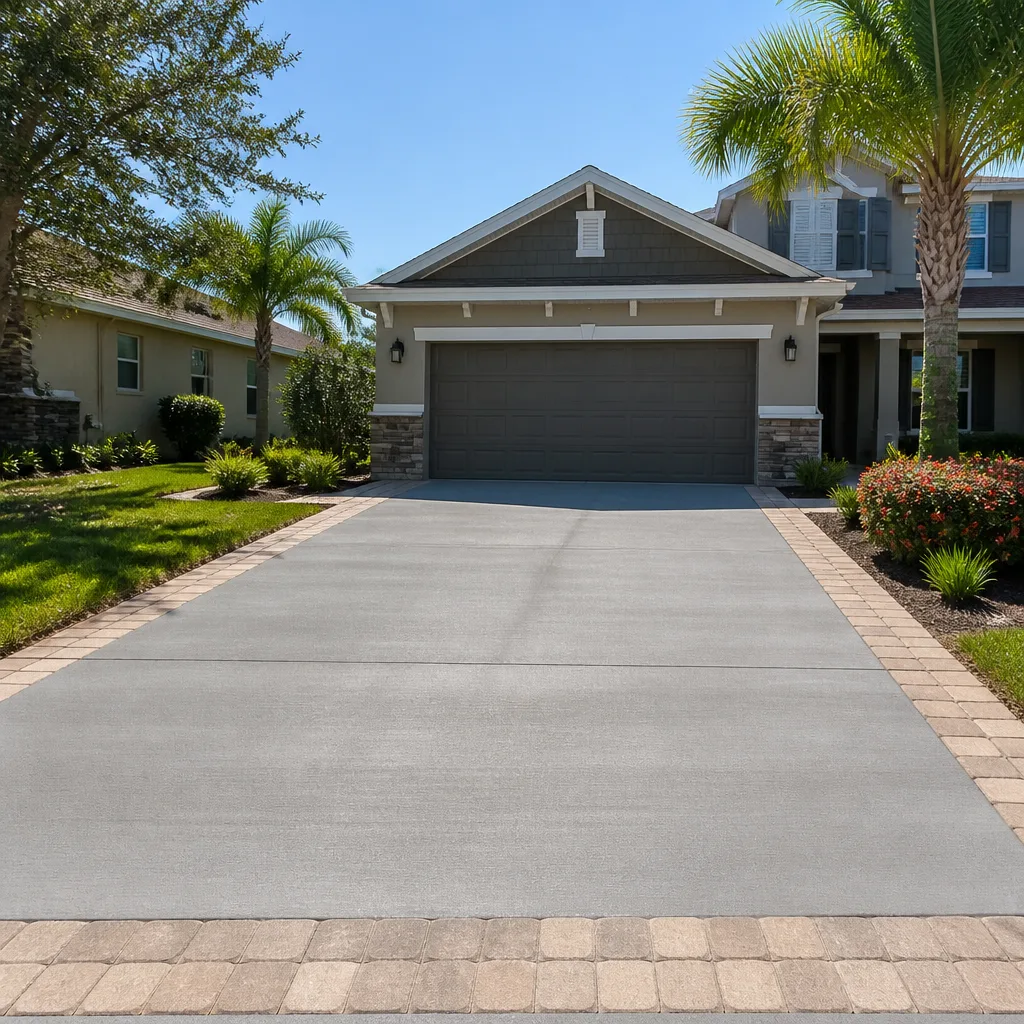
If your windows are the last item on a longer list, take a look at the other envelope items while you’re at it: the Driveway & Pavers in Homestead and yard hardscape are outside the envelope but often part of the same storm-water conversation, and a wind-rated Fence Installation in Homestead plays a real role in how debris and wind load reach your windows. If you’re already planning a larger project, Home Additions & ADU in Homestead work brings every window in the addition under a fresh scope, permit, and inspection – a good moment to bring the older units up to the same standard.
Common Mistakes to Avoid
- Caulking over an active crack. If you smear a new bead over old sealant, you’re trapping moisture behind it. The joint needs to be dug out, cleaned, and re-sealed over dry substrate – otherwise you’ve just made a wrong answer look right for a season.
- Confusing surface condensation with a failed glass unit. Many homeowners replace a perfectly good window because the room was humid on a cool morning. Surface condensation needs a humidity fix, not a new unit.
- Ignoring a door that scrapes. A door that drags in August is telling you the panel has moved out of square or the rollers are shot. Waiting until it won’t latch in a storm is the wrong order of operations.
- Assuming the impact label will always be there. Inspectors look for it. If a previous contractor removed it during a repair or the sticker has been painted over, you may not get the credit you deserve until it’s re-proven.
- Replacing the windows but not the flashings. The best window installed against failing flashing will leak. Flashing, sill pans, and perimeter sealant are part of the job, not an add-on.
- Skipping the written estimate. If a contractor won’t put the scope, the allowances, and the price changes in writing before work starts, you’re the one holding the risk. An allowance that isn’t on paper is a surprise waiting for a date.
- Waiting for the inspector to discover a problem. A free second opinion on a written estimate before a wind mitigation inspection or storm season costs you nothing. Discovery after a leak or a failed inspection costs plenty.
See the difference
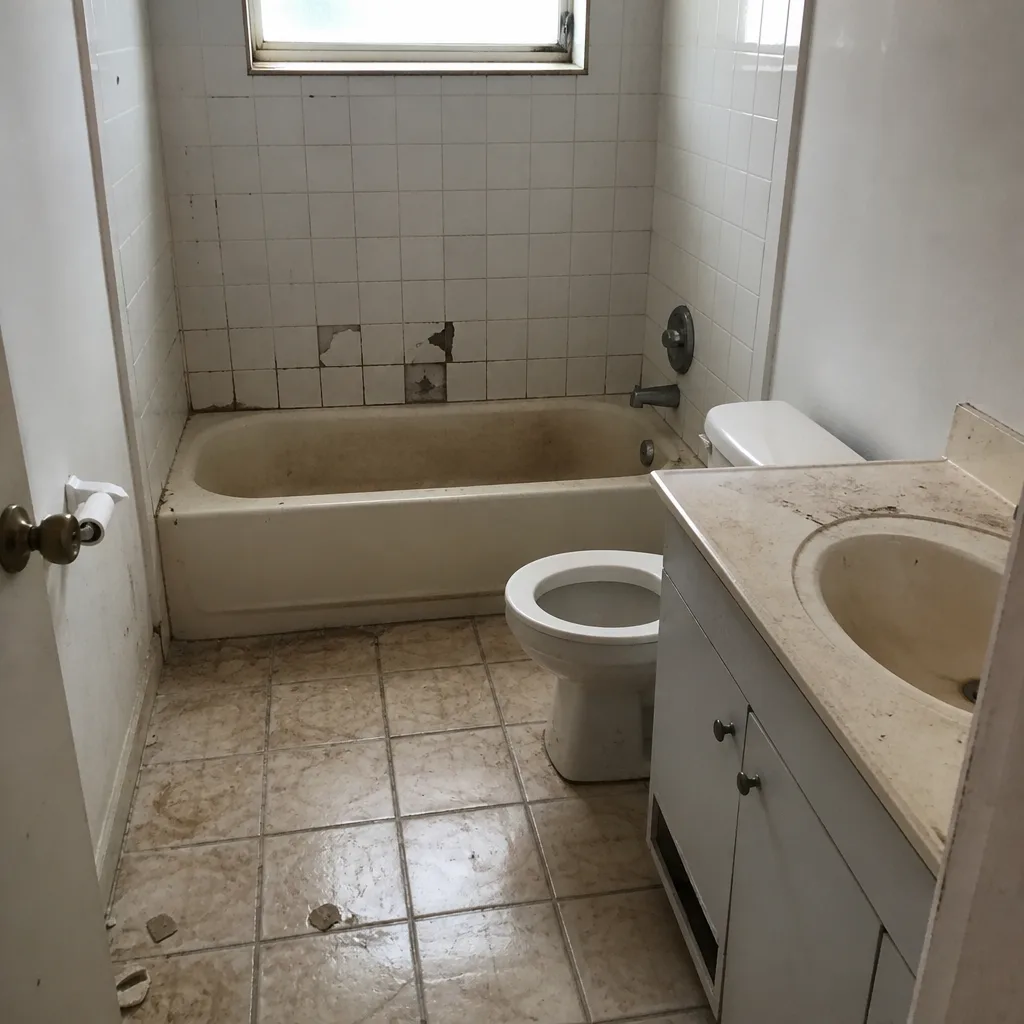 Before
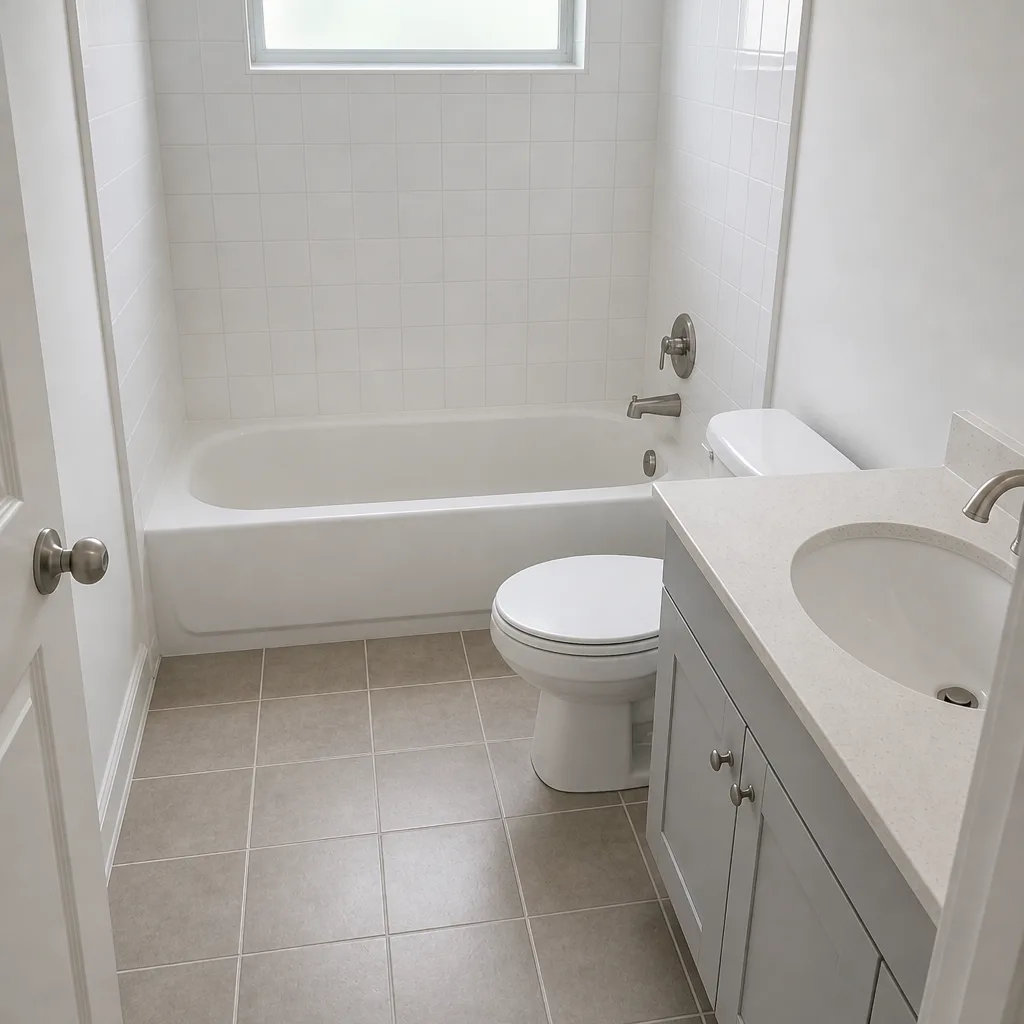 After
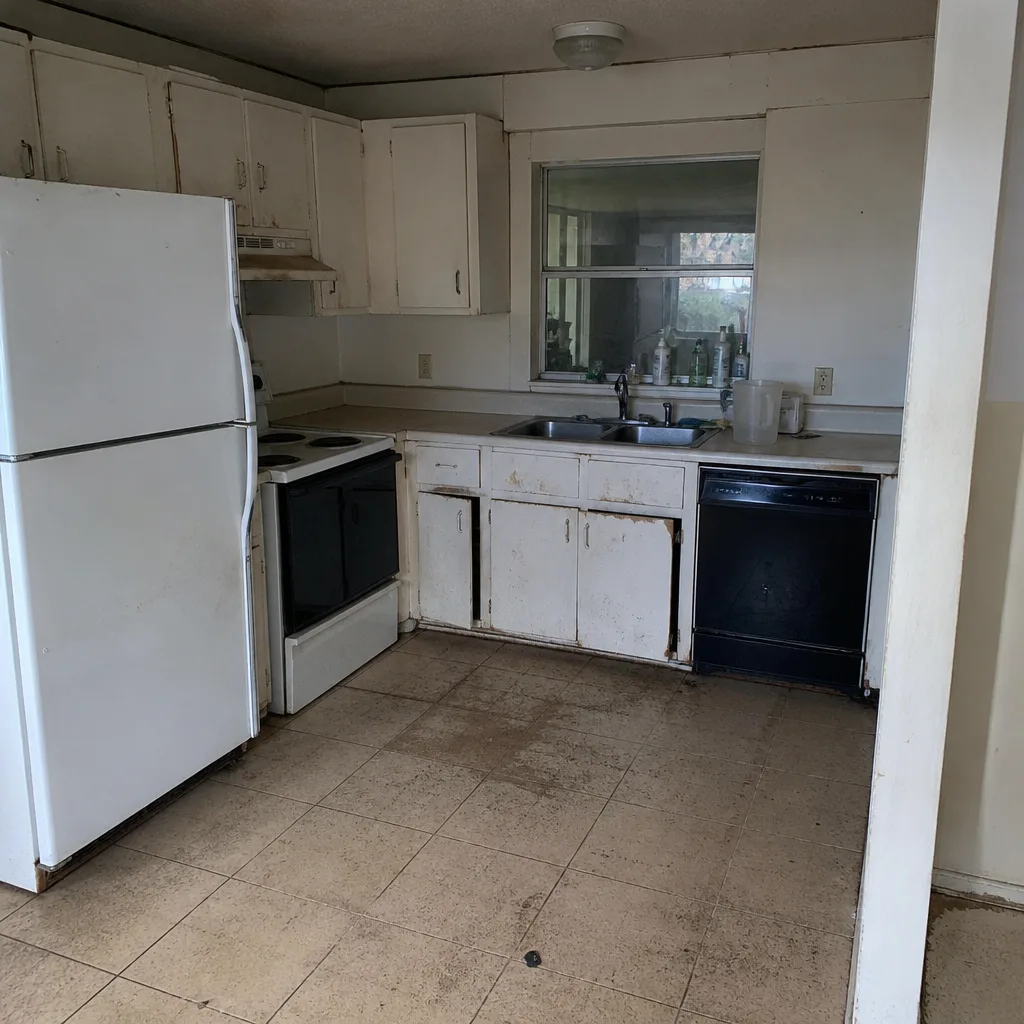 Before
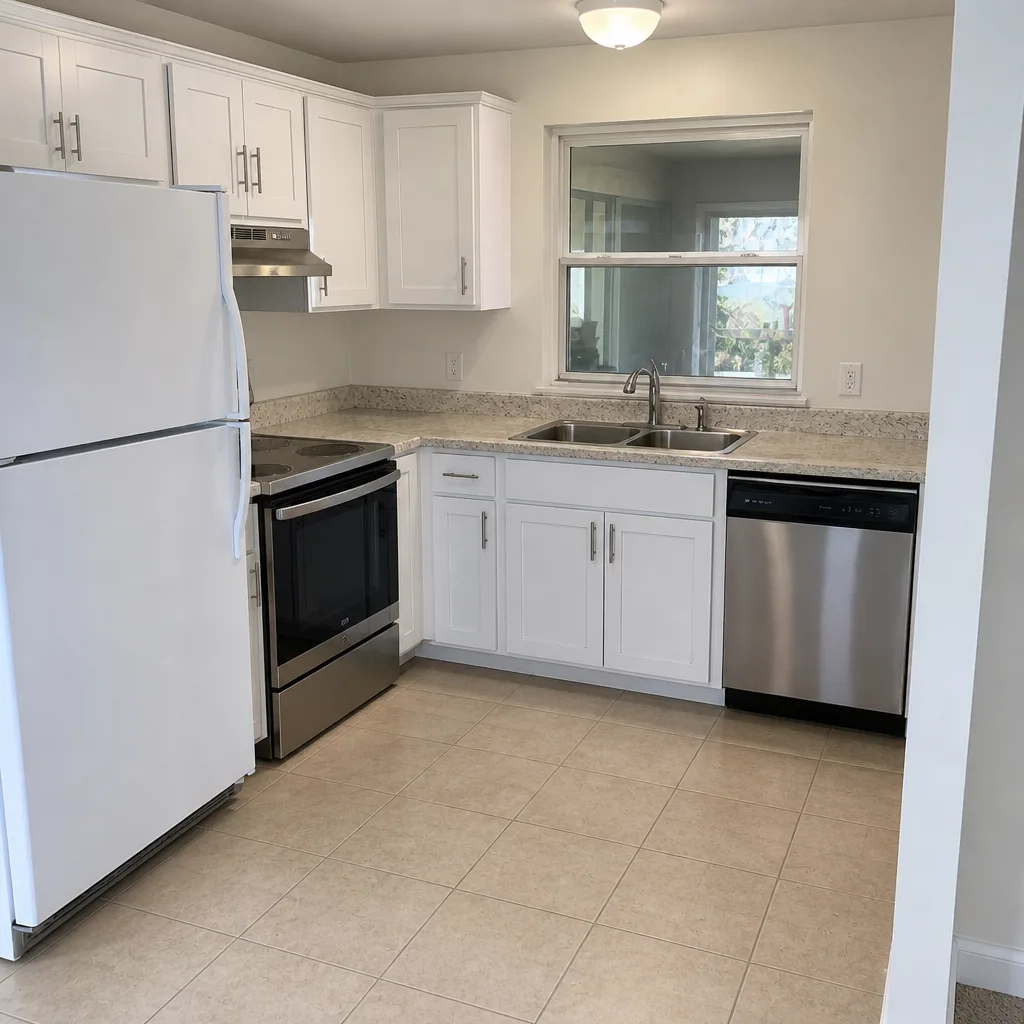 After
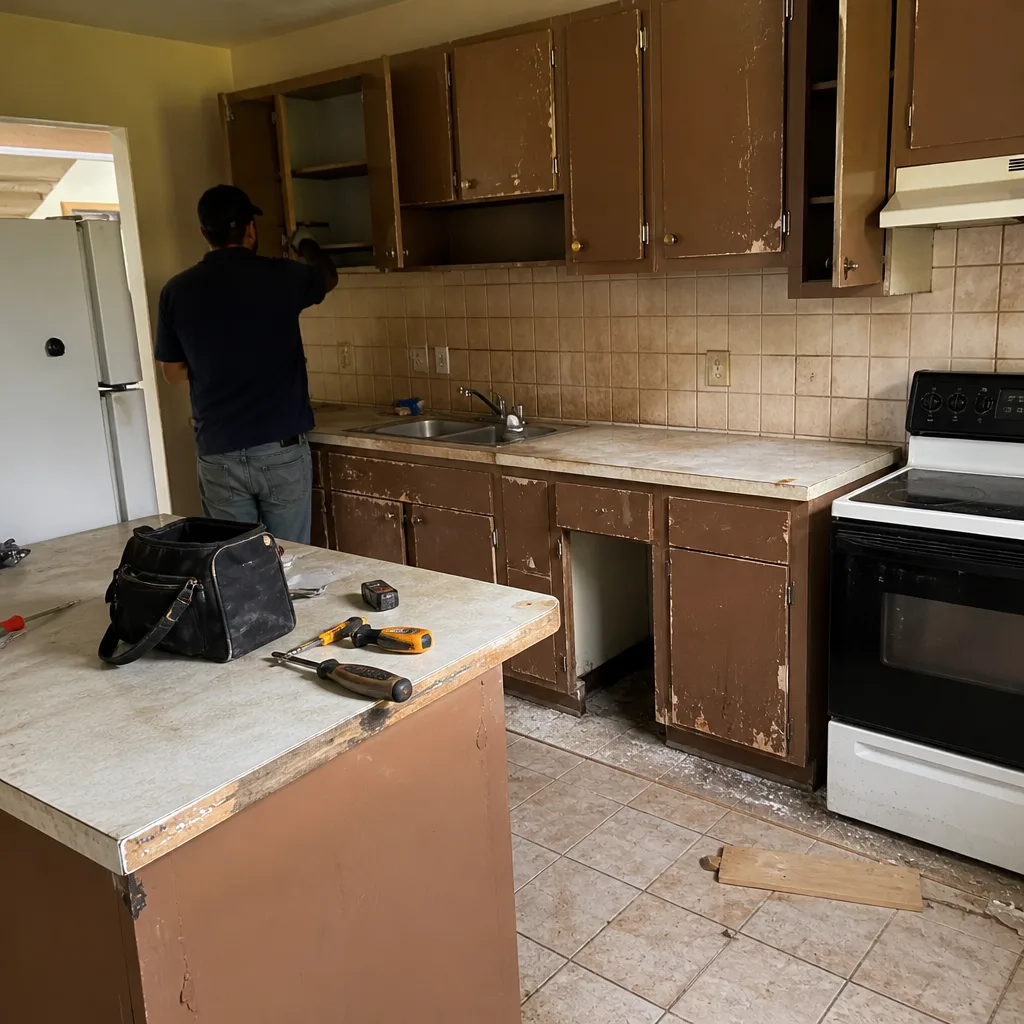 Before
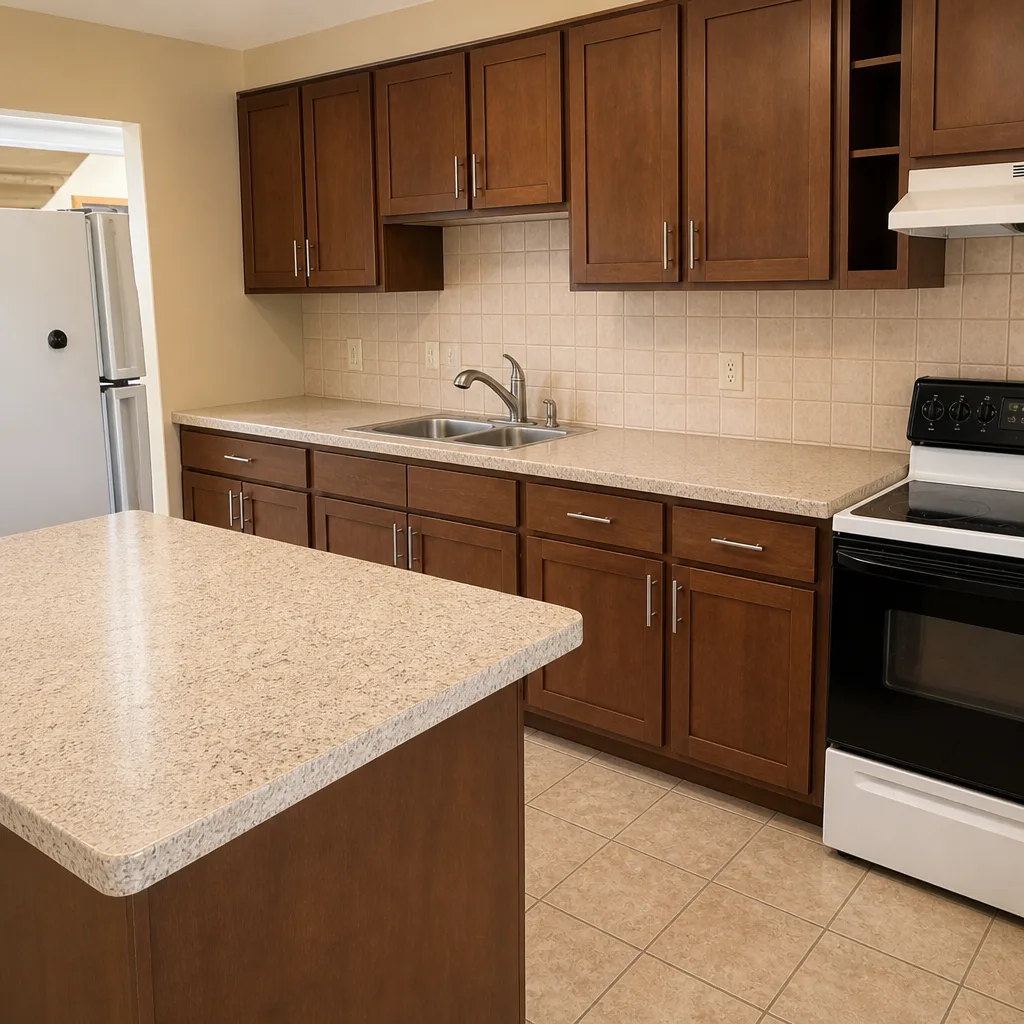 After
When to Call a Professional
Call a professional when you find an active sealant crack with a gap behind it, condensation inside the glass on more than one pane, a door that won’t fully latch or has developed a hinge-side gap, a straightedge that slips under the frame, soft wood at any sill, or an impact label you can’t find or prove. Don’t chase any of those yourself – the same sealant joint you’re sealing with a caulk gun is the one a trained eye needs to trace back to the wall. Our crew members have up to 28 years of experience reading exactly these signals on South Florida homes, and we look at sealant, hardware, glass, and frame as one conversation. Barrett & Sons Construction Homestead offers free estimates in Homestead – call (866) 344-6796. Every eligible job gets permits pulled and inspections signed, and any price change arrives in writing before work moves.
Frequently Asked Questions

Your windows need replacement when you see condensation inside the glass, a hazy IGU seal, active sealant cracks with a gap behind them, hardware that won’t fully engage, or a frame that’s deflected. A single failed IGU in an otherwise sound frame is usually an IGU replacement, not a full window replacement, so it pays to have a professional grade the whole elevation before you assume the worst. Call (866) 344-6796 for a free estimate – we’ll tell you what you’re actually looking at.
Yes – condensation between panes means the insulated glass unit’s seal has failed and the argon gap is compromised. The unit is no longer performing at its rated efficiency, and the glass will stay hazy no matter how much you clean it. It’s rarely a structural emergency, but it does need replacing before moisture finds its way behind the frame. Call (866) 344-6796 to schedule a free inspection.
A wind mitigation inspection won’t “fail” – it produces a report that determines your insurance credits. What your windows and doors can cost you is the opening protection credit if the impact label is missing, a unit is damaged, or the unit isn’t rated to the current code. Self-check the labels and the operating condition a few weeks before the appointment so you’re not surprised. If you’re not sure what your home will score, call (866) 344-6796 for a free estimate on any needed fixes.
Use the fingernail test: if a thumbnail catches in the line and the sealant lifts away from the frame or wall, that’s an active crack. If the line is shallow and your nail slides over it, it’s normal checking. A flashlight held flat against the frame at dusk will show any gap the eye misses. When you find a real crack, call (866) 344-6796 – estimates are free.
It can be. A sliding door that sticks in August usually means the panel has moved out of square, the rollers are worn, or the track has sagged – any of which knocks the door out of its seal. In a storm, a door that won’t fully latch is a structural liability, and that drag you feel in July is the warning. Get it looked at before storm season. Call (866) 344-6796 for a free estimate.
In Homestead’s heat and UV load, exterior sealant on south- and west-facing frames usually wants attention every few years, and sooner near agricultural surrounds or pool enclosures. The right signal is what you see, not a calendar – check the bead every spring before storm season and re-seal any joint that fails the fingernail or flashlight test. If you’d rather a professional look at the whole envelope, call (866) 344-6796.
The Bottom Line
The windows and doors that fail in South Florida storms are almost never the ones that looked fine last week. They’re the ones that looked slightly off for two seasons – hazy glass, a sticking slider, a thin crack in the bead. Our advice to Homestead homeowners is simple: read the early signals, know what each one means, and get a free inspection before storm season rather than after. We install Andersen and Marvin units because they hold up to the climate, we pull permits and pass inspections on every eligible job, and we back the work with a written 90-Day Done Right Promise. Tom Barrett publishes his name, address, and license number – look them up before you sign anything.
Barrett & Sons Construction Homestead would like to be the company you call for a free estimate on window and door replacement or repair. We’re owner-operated, and every scope, allowance, and change order arrives in writing before a single nail moves. Call (866) 344-6796 to schedule your free estimate. Standing offers across our work include $40 off any repair over $200, a free second opinion on any written estimate, no trip charge inside the county, and a permanent 10% senior and veteran discount.
Written by the team at Barrett & Sons Construction Homestead.