Last updated November 17, 2026



Free written scope consultation - allowances, timeline, and change-order rules on paper before a single trade is scheduled
Bathroom Remodeling Warning Signs Every Homeowner Should Know
By the time you see cracked grout and peeling caulk, the contractor who caused it is three jobs away. That’s the hard truth about bathroom remodels: the damage shows up in month eight, but the decisions that caused it happened on day one. Most Homestead homeowners we talk to walk in with a folder of tile photos and a list of fixtures, and almost nobody walks in with a way to judge whether the person installing them is trustworthy. That’s backward. This guide flips it. You’ll learn to read the job site, the paperwork, and the communication patterns that predict a bad remodel long before the first tile gets set.
Quick Answer
The warning signs of a bad bathroom remodeling contractor almost never show up in the finished tile. They show up early in three places: the permit file (or the lack of one), the change-order habits (verbal versus written), and the crew on your job (the person you hired versus the person who actually shows up). If any of those three fails in the first week, no amount of good-looking demo work makes the remodel safe.
Styles & brands we work with
- Kitchen remodeling
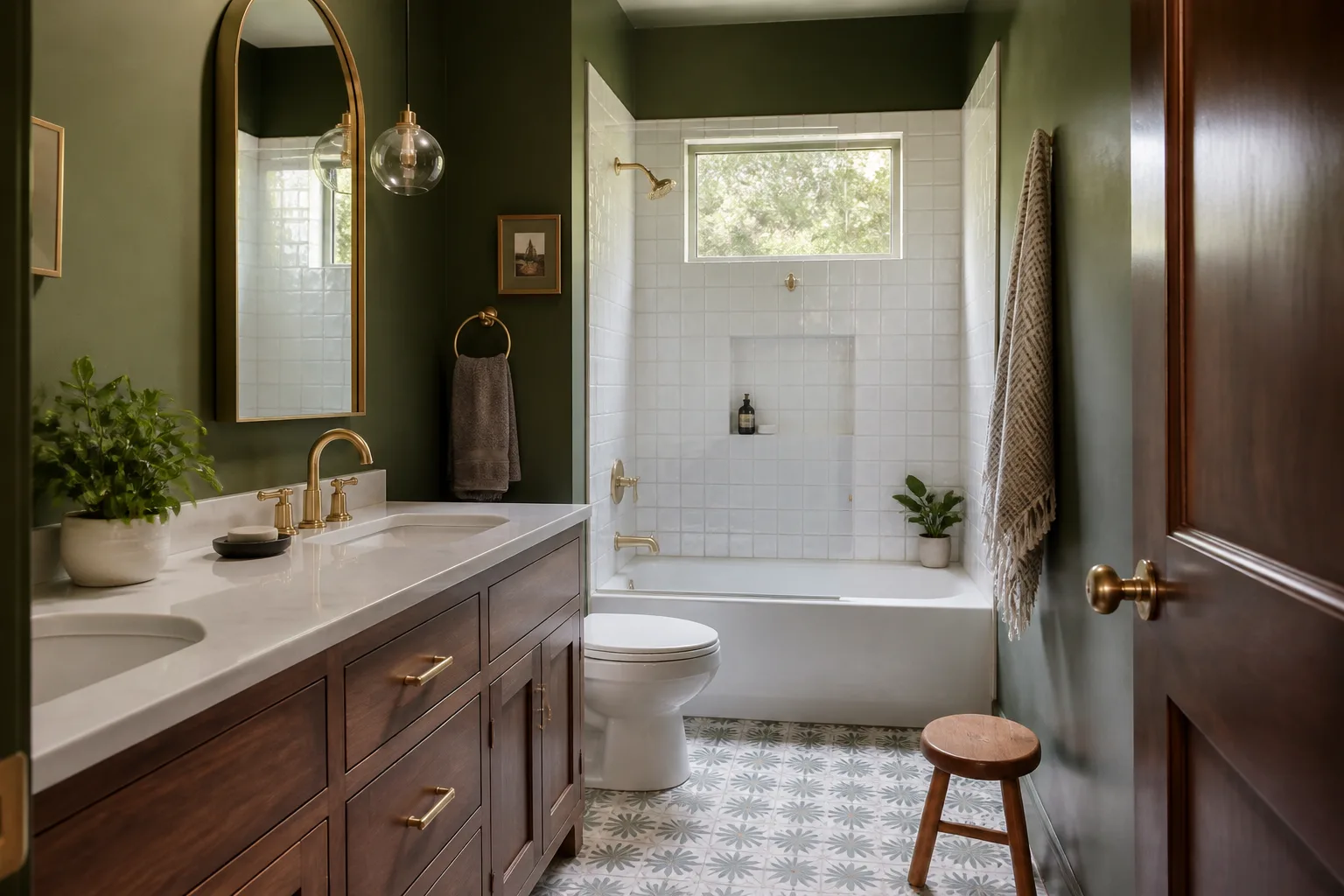
- Bathroom remodeling
- Home additions & ADU
- Roofing
- Windows & doors
- Driveway & pavers
- Fence
Table of Contents
- The Permit-Pull Test: How to Check Miami-Dade’s Records by Day Three
- Verbal Change Orders: The Single Best Predictor of a Bad Final Invoice
- Waterproofing Shortcuts You Can’t See Until They’re Catastrophic
- Subcontractor Surprises: Who’s Actually in Your Bathroom?
- The First 90 Days: Post-Completion Signs That Mean Installation Failure
- Why Homestead’s Climate Makes Every One of These Signs Worse
- Common Mistakes to Avoid
- When to Call a Professional
The Permit-Pull Test: How to Check Miami-Dade’s Records by Day Three
A bathroom remodel that moves plumbing, electrical, or framing requires a permit in Homestead, and pulling it is not paperwork theater. The permit is what forces an inspector to look behind the walls before tile closes up the one chance anyone has to see whether the work was done right.
Here’s what to do. Ask your contractor for the permit number the day they take a deposit. Then do this yourself:
- Go to Miami-Dade County’s online permit portal (or the City of Homestead’s building department page) and search by your address.
- Look for a permit record with a status of “applied,” “issued,” or “in review.” If nothing comes up, ask your contractor for the application number and pull that up instead.
- Check who’s listed as the contractor of record. It should match the name on your signed contract exactly, not a shell company or a friend’s license.
- Recheck the portal on day three and day seven. A real permit application moves. A promise stuck at “we’re getting to it” doesn’t.
If there’s no permit by day three and demolition has already started, that’s your sign. The contractor is either not licensed to pull it, or is trying to save a few hundred dollars of permit fees at your expense. Neither one is a partner you want holding a hammer. Every eligible job we take in Homestead pulls permits and passes inspections, because the inspector works for the homeowner, not for us. When we hand up a signed inspection card at the end of a job, that’s not a marketing line, that’s proof the wall cavity met code before it was covered.
Verbal Change Orders: The Single Best Predictor of a Bad Final Invoice
Remember this phrase: the allowance that isn’t on paper is a surprise waiting for a date. Every bathroom remodel has a budget for tile, fixtures, vanities, and finishes. Those line items are called allowances. Some contractors write them down. Some quote a low number on the front end knowing full well you’ll spend triple, and they tell you “we’ll figure it out at the end.”
The warning sign is simple. Ask one question mid-remodel: “You want to add a niche and move a light, what does that cost?”
- Written change order: you get a number, in writing, before anyone moves a tool. You sign it or you don’t. The signed copy goes into your job file. That’s how the final invoice matches what you expected.
- Verbal answer: “Don’t worry, we’ll be fair about it.” “It’s not much.” “Let’s talk at the end.” Those three sentences are how surprise invoices get born.
If your contractor won’t put a price change in writing before proceeding, that’s the entire remodel in miniature. They will do the same thing to your final bill. We’ve had homeowners hand us a competitor’s invoice after a job limped to a close, and the line items were: “miscellaneous,” “additional labor,” and “materials.” No description. No signed change orders. Nothing to negotiate against. Every scope change on a Barrett & Sons job arrives as a written change order before the nail goes in, and that’s not a perk, that’s the only thing standing between you and a $6,400 invoice for a $400 decision. Whether it’s kitchen tile, a new shower valve, or a full Home Additions & ADU in Homestead scope, we write it down first.
Waterproofing Shortcuts You Can’t See Until They’re Catastrophic
Waterproofing is the single most invisible and most consequential part of any bathroom remodel. Once the tile is up, nobody ever sees it again. Which is exactly why bad contractors skip steps. They know you’ll never check, and they know the failure shows up after their phone number has changed.
Here’s what a properly built shower pan looks like before tile:
- Presloped floor. The mortar bed under the liner slopes 1/4 inch per foot toward the drain. Flat or sloping the wrong way means water pools, and the pan fails within five to ten years.
- Pan liner or bonded membrane. Either a PVC liner with proper corners folded (not cut and patched) or a bonded sheet membrane like Schluter-KERDI laid over the whole wet area. Each has correct install methods, and both look tidy when done right.
- Waterproofing turned up the walls. The membrane runs at least 6 inches up the walls in a shower, higher on the wall behind the showerhead.
- Flood test before tile. A good installer fills the pan with water and lets it sit for 24 hours to check for leaks. If nobody mentions a flood test, ask why not.
What does a shortcut look like? Greenboard drywall (not cement board) behind tile in a wet area. A pan liner cut flat at the drain instead of clamped. Tile set directly to the stud wall in a shower, with no membrane of any kind, on the theory that “modern thinsets are waterproof” (they aren’t, the grout isn’t, and the wall behind will mold). In Homestead’s humidity, those shortcuts fail faster than they do up north. We’ve seen mold behind a shower wall in under two years on a job where the previous installer skipped the membrane entirely.
Subcontractor Surprises: Who’s Actually in Your Bathroom?
You hire a company. A different guy shows up. That’s not always wrong, but it always deserves a question. Plumbing, electrical, and tile work in a bathroom remodel often get handed to specialty trade crews. The problem is when the person running your job has no license coverage for the trade they’re holding a tool for, and no accountability to the name on the contract.
The question to ask before work starts:
- “Which trades are your own crew members and which are subcontractors?”
- “Is every subcontractor’s license active and current in Miami-Dade County?”
- “Who is my single point of contact if something goes wrong, and is that person on site during the work?”
- “Will your crew be the same faces each day, or will it change?”
If the contractor can’t answer those, or brushes them off, that’s a warning sign about how they run every other job too. Background-checked crew members who carry the name on the truck, same faces every day, is what a homeowner should be able to expect. If the name on the contract says Barrett & Sons, the sons who run the crews are on site most days, and the trade crews we bring in are covered, licensed, and introduced to you by name. We tell homeowners this up front because the surprise is worse if you find it out on day nine.
The First 90 Days: Post-Completion Signs That Mean Installation Failure
A bathroom remodel that looked fine on the punch-list walkthrough can still reveal its problems in the first three months. These signs mean installation failure, not material defects, and they should never be brushed off as “settling in.”
- Grout cracking along inside corners. A tiny hairline in the field is one thing. A crack running the vertical inside corner of the shower means the substrate is moving. The tile was set on a wall that flexes, or over greenboard that swelled.
- Caulk pulling away from the tub deck within weeks. Properly prepped and installed caulk at the tub-to-tile joint lasts years. If it peels or shrinks in a month, the installer caulked over a wet or dirty surface, or used the wrong caulk entirely.
- Condensation dripping from the exhaust fan or the ceiling near it. Usually means the fan is undersized, vented into the attic instead of outside, or ducted wrong. In Homestead, where the outside air is already 90% humidity, a fan that vents to the attic turns your ceiling into a mold nursery.
- Water pooling at the shower drain or in corners. Wrong slope in the pan. Not a material failure. A build failure.
- Loose tile over the shower bench or niche. Water got behind the tile. Everything from the membrane up may need to come off.
These signs should all be covered by a written workmanship guarantee. Ours is the 90-Day Done Right Promise, printed on every contract: if something isn’t right, one call brings us back. A contractor who doesn’t want to put a workmanship window in writing is telling you what they think of their own work.
Why Homestead’s Climate Makes Every One of These Signs Worse
Homestead is not Orlando, and it’s not Naples. It’s hotter, more humid, and gets more rain in a typical August than most of the country sees in a year. All of that changes what fails and how fast. A bathroom remodel built in Miami’s suburbs can skate by on work that would collapse in Homestead’s climate.
Three things matter here:
- Humidity and exhaust. Homestead’s summer humidity regularly holds in the high 80s. A bathroom without a properly vented exhaust fan (vented outside, not to the attic) grows mold on the ceiling and behind the paint within two seasons. Check the fan rating against the room’s cubic footage, and check where the duct actually goes.
- Rain and window sealing. If your remodel adds a window or touches the exterior wall, the wall flashing and window sealing matter more in Homestead than in a dry climate. A single rainstorm up against a badly flashed bathroom window can wick water into the wall framing.
- Storm-season scheduling. If your remodel overlaps hurricane season, ask how the contractor plans to protect the open wall from rain during the week between demo and dry-in. A real answer includes plastic sheeting, a schedule for the weather window, and no hesitation.
This is also why you should look at the outside of the job, not just the inside. If you’re touching exterior walls, driveways, or fences as part of the same project, look at how a contractor handles those trades too: Driveway & Pavers in Homestead and Fence Installation in Homestead are both jobs where a Homestead contractor either understands drainage and wind load or doesn’t. Our full Barrett & Sons Construction Homestead home page lays out how we handle the whole property as one job.
Common Mistakes to Avoid
- Taking the lowest bid without comparing scope. The low bid is almost always low because something is missing: a permit, a waterproof membrane, or a proper flood test. Compare line items, not dollar totals, and ask what’s excluded.
- Trusting a phone quote. A real number requires someone looking at the actual bathroom, the plumbing, and the wall conditions. A quote given sight-unseen is a placeholder. When the real number arrives on the final invoice, that’s not a mistake on their end, that’s the plan.
- Skipping the permit check on the county portal. A homeowner who never logs into Miami-Dade’s permit system is trusting a verbal promise. Log in. It takes three minutes and it’s the single fastest way to catch a bad contractor.
- Accepting “we’ll figure out the extras at the end.” That sentence is a blank check. Every change, before work starts, gets a price and a signature. No exceptions.
- Letting tile go up without seeing the waterproofing. Ask to see the shower pan and the wall membrane before tile. A real installer will happily show you. A short-cutter will get defensive.
- Choosing a contractor who lives three states away. If the owner is in another state, the warranty is worth exactly what the phone call is worth. A Homestead-area homeowner is best served by a contractor who’ll see them at the hardware store on Saturday.
- Ignoring the first 90 days. Small cracks and pulling caulk get logged and called back within a workmanship window. Once that window closes, you’re paying for the repair. Use it.
See the difference
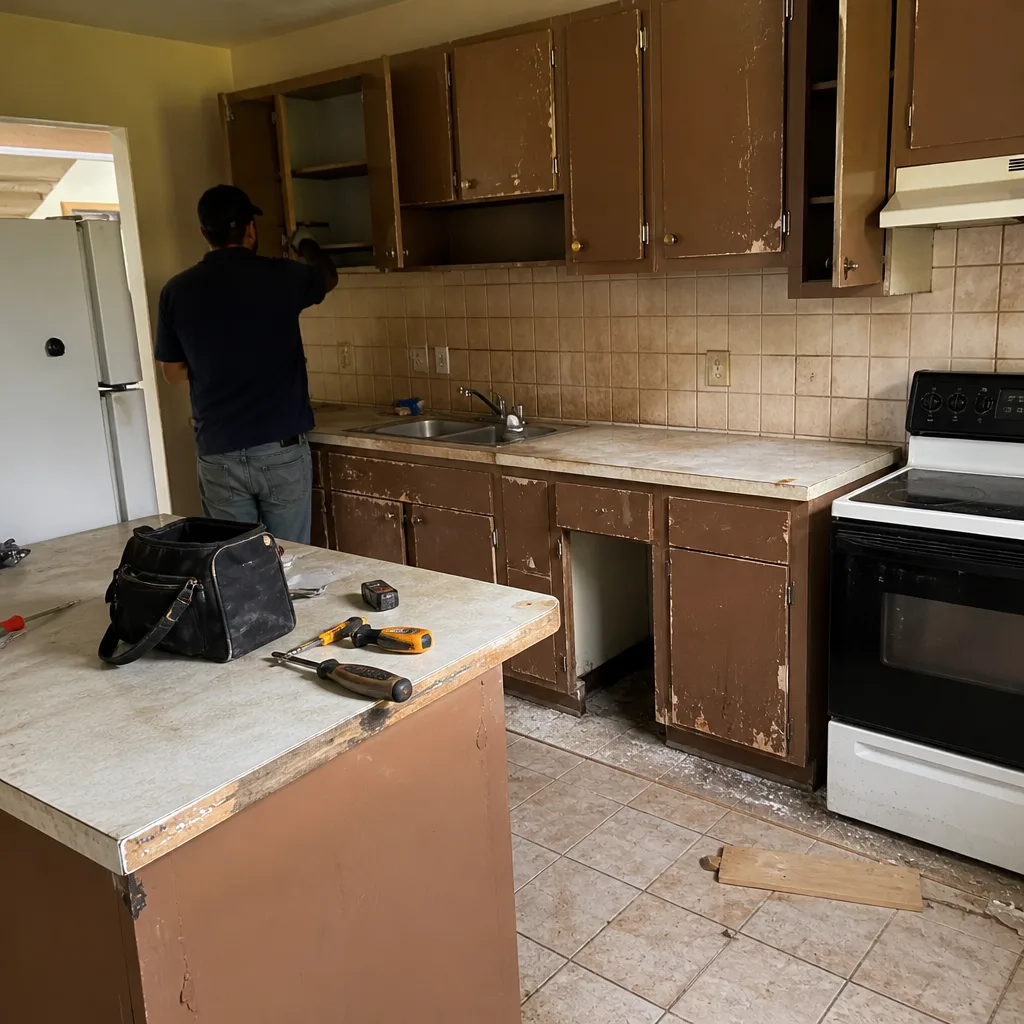
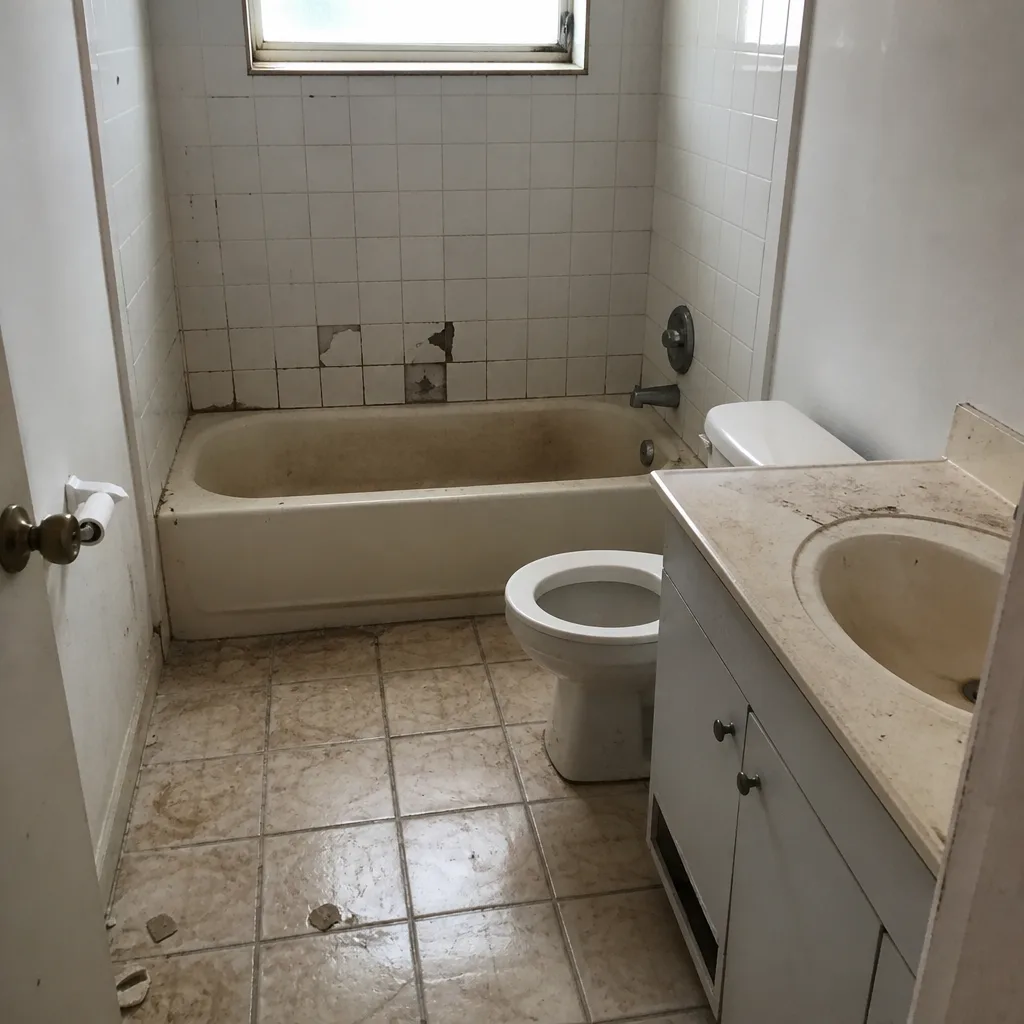 Before
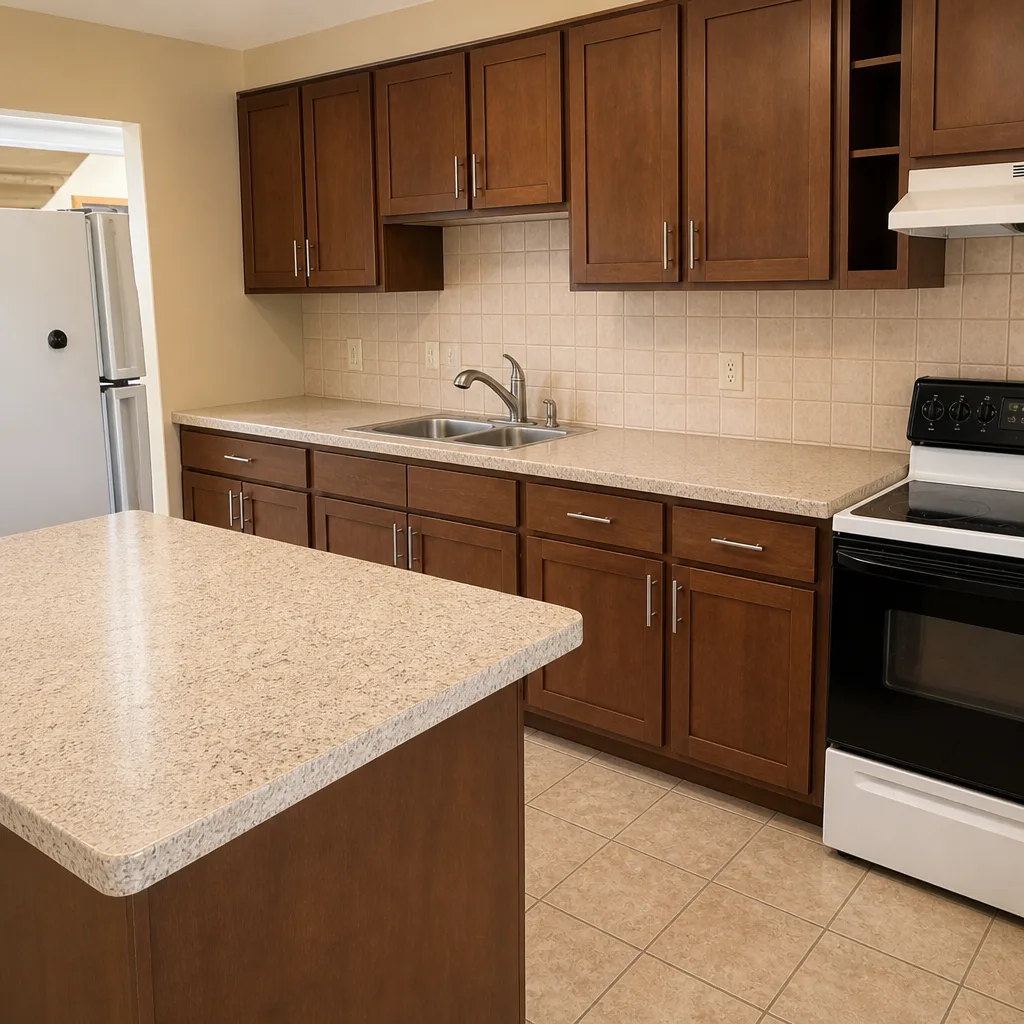
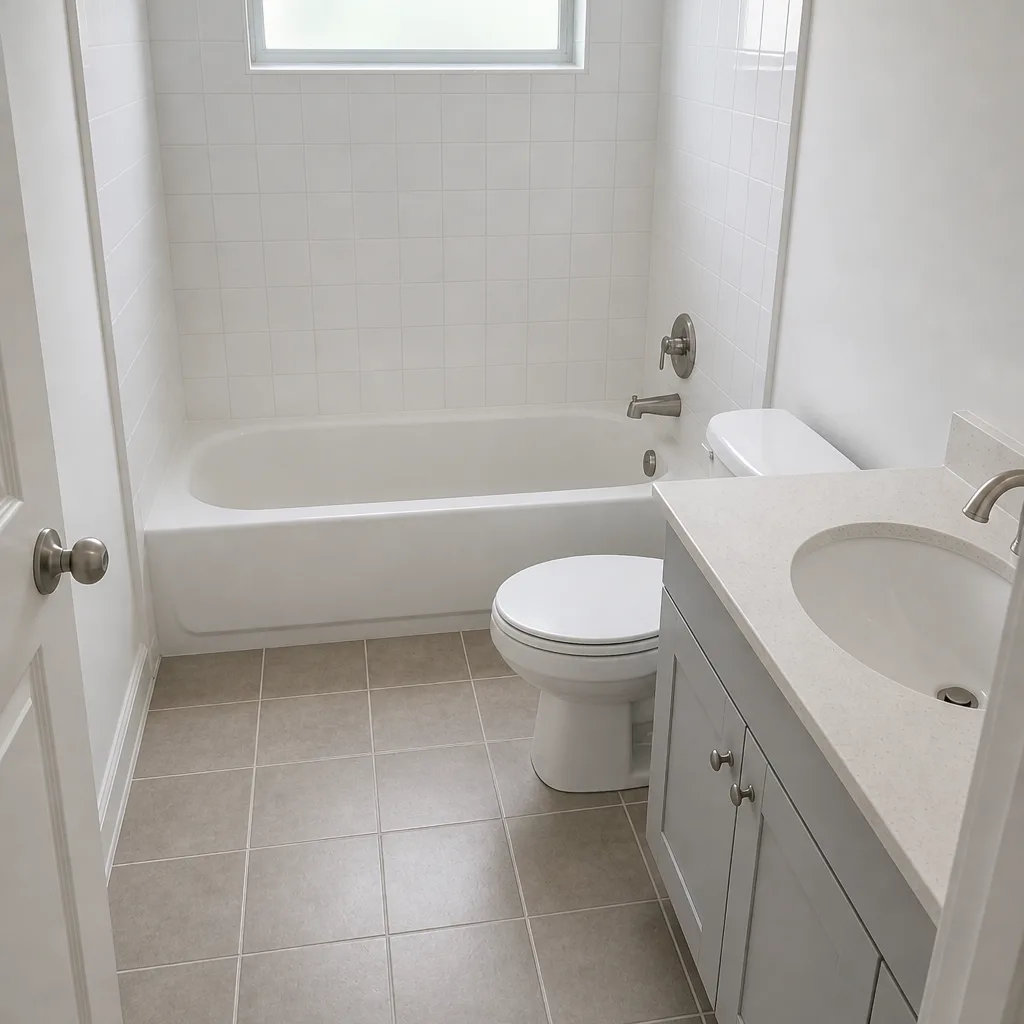 After
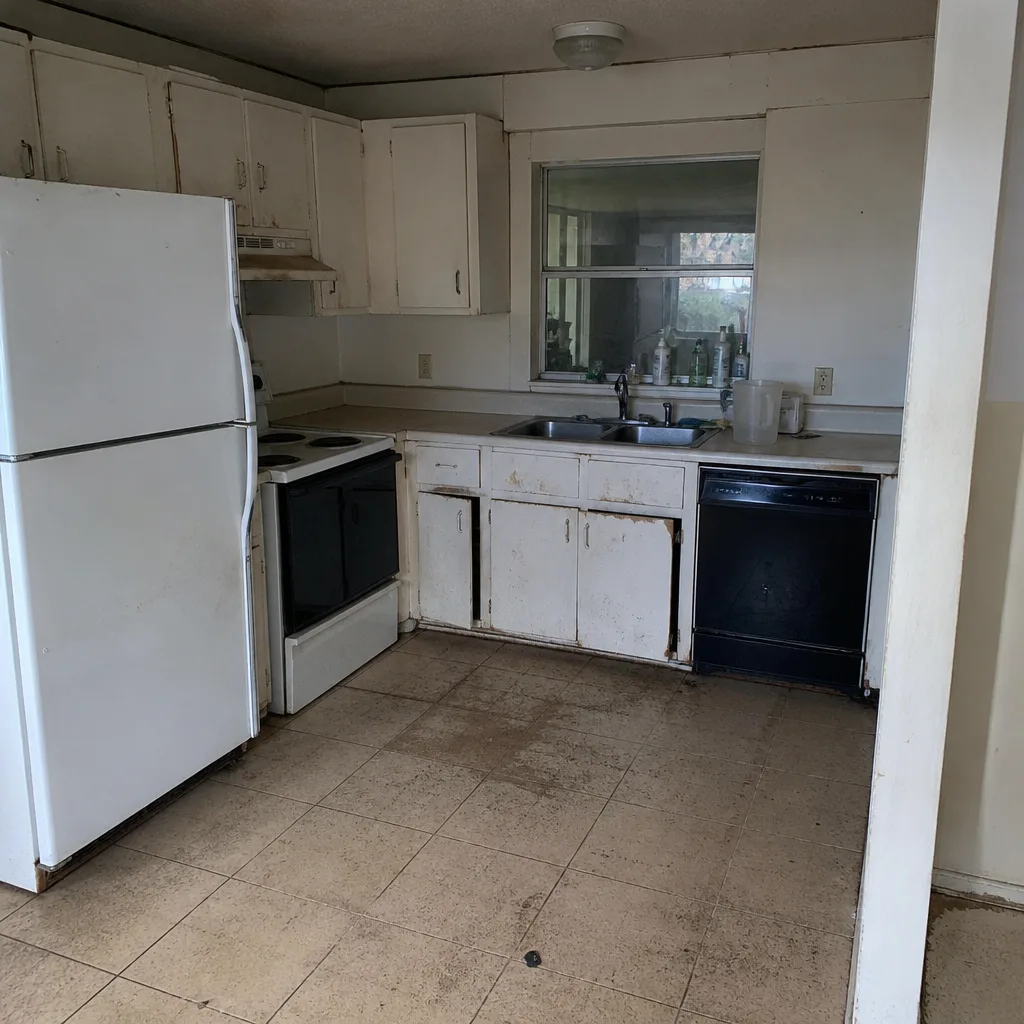 Before
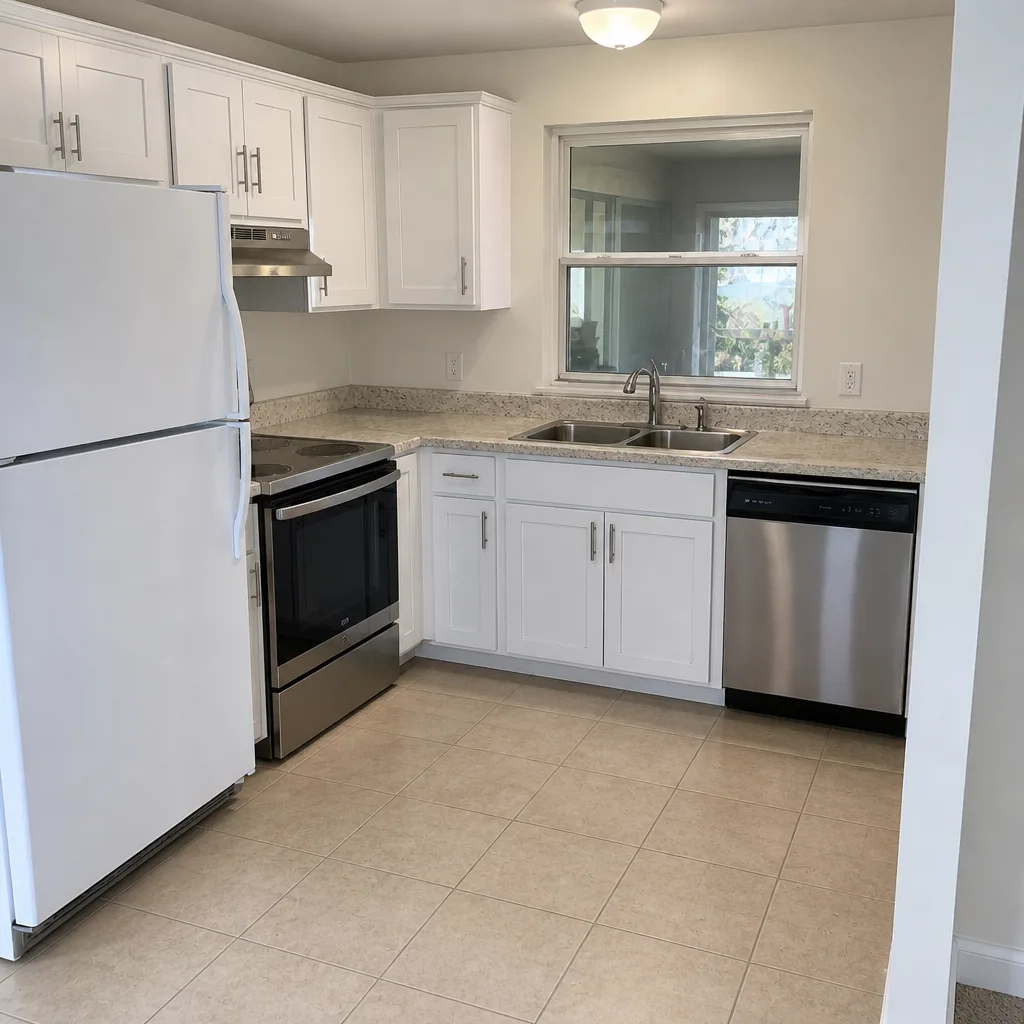 After
 Before
 After
When to Call a Professional
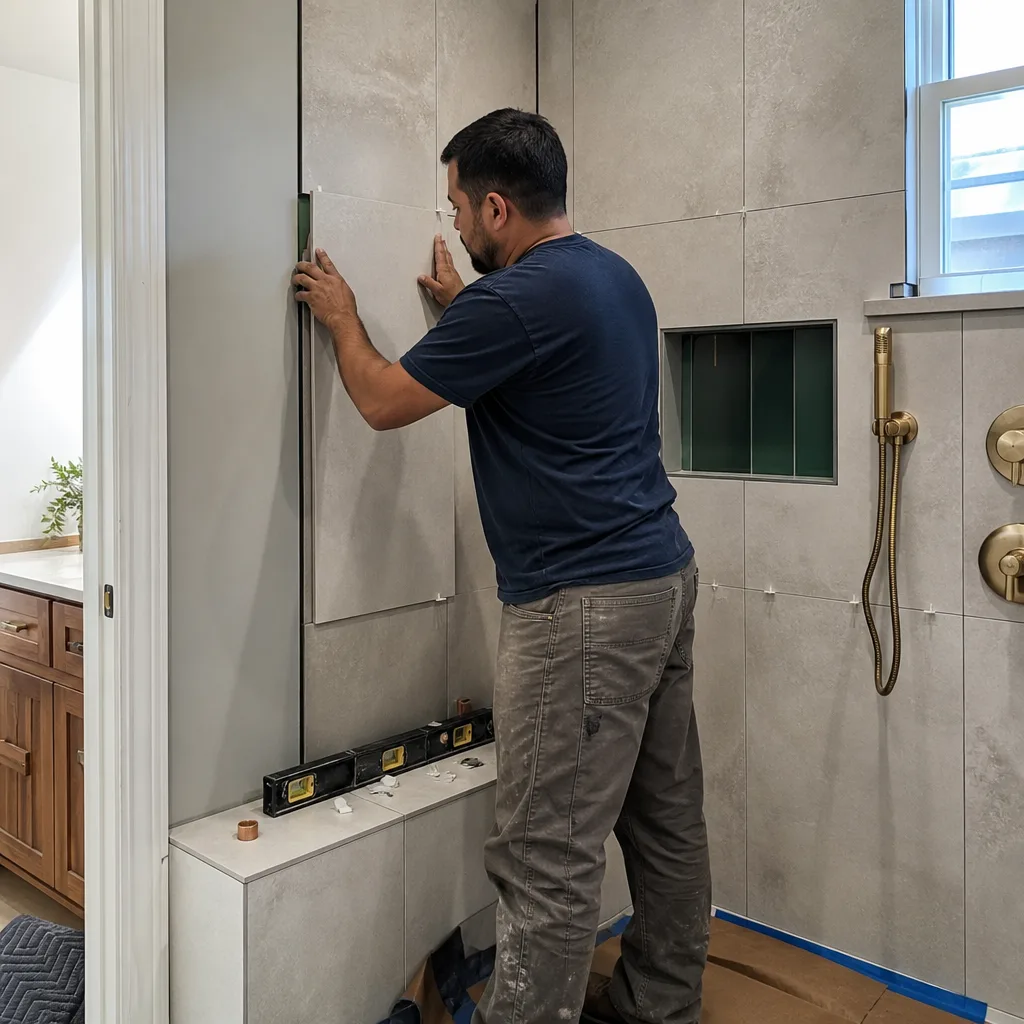
Some bathroom projects are doable with patience and YouTube. Anything that touches plumbing, electrical, structural framing, or waterproofing is not one of them. If you’re seeing mold behind a shower wall, water stains on the ceiling below a bathroom, a permit file that doesn’t exist on a remodel already underway, or a bid more than 40% different from the next one with no clear reason, call a professional before anyone picks up another tool. These are the exact moments where a $400 second look saves a $14,000 tear-out.
If you’re looking at a shower that needs rebuilding or a bathroom that’s mid-disaster from another contractor, that’s the sort of job we do routinely. A written second opinion on any contractor’s estimate is free, and you’ll get it line by line, no sales pitch. Barrett & Sons Construction Homestead offers free estimates in Homestead, and we’re happy to compare our number against what you’ve already got. Call (866) 344-6796 to schedule it.
Frequently Asked Questions
The biggest single warning sign is a contractor who won’t put scope, allowance, or price changes in writing before work proceeds. That one habit predicts the final invoice, the punch-list, and the warranty behavior months later. If it’s not on paper, it’s not a promise; it’s a hope.
Log into Miami-Dade County’s online permit portal (or the City of Homestead building department page) and search by your property address. You should see a permit record with your contractor’s name attached, and a status that’s actively moving. If nothing comes up by day three of a job that touches plumbing or electrical, that’s a hard stop. Call your contractor and ask for the application number in writing.
Not necessarily, but ask who’s who before work starts. Bathroom remodels often use specialty trade crews for plumbing, electrical, and tile. What matters is that every one of those crews is licensed for their trade, is covered under the contract, and is introduced to you by name. If the contractor can’t tell you who’s coming and which license covers them, walk.
Grout cracking along the inside corners of a shower and caulk pulling away from a tub deck in the first few months are installation failures, not material defects. They usually mean the substrate moves, or the installer prepped the surface wrong. Both should be covered by a written workmanship guarantee, and both should be fixed before the crack grows into water damage behind the tile.
A bathroom remodel in Homestead typically runs roughly $12,000 to $35,000 for a standard hall or guest bathroom, and $40,000 and up for a primary bathroom with layout changes and premium fixtures. The number swings with tile choice, whether plumbing moves, and whether the permit is pulled properly. Call (866) 344-6796 for an exact written quote on your bathroom; the estimate is free and the numbers are line-item.
It’s a written guarantee printed on every contract: if something isn’t right in the first 90 days after a job closes, one call brings the team back to fix it. It matters because the first 90 days are exactly when installation failures show up (grout cracks, caulk pull, condensation issues). A contractor willing to put that in writing is standing behind their work; the ones who won’t are telling you what they expect to happen.
The Bottom Line
The warning signs of a bad bathroom remodel are all findable before a single tile is set. Check the permit file on Miami-Dade’s online portal. Insist on written change orders, or walk. Ask to see the waterproofing before tile goes up. Know who’s actually in your bathroom and which license covers every trade. Watch the first 90 days and use the workmanship window. If any one of those fails, the job is at risk regardless of how good the demo looks. The good contractors make this easy, because the good ones want you checking. For a free estimate in Homestead, call (866) 344-6796. We’re happy to be one of the numbers you compare.
Written by the team at Barrett & Sons Construction Homestead.