Last updated November 17, 2026
Free written scope consultation - allowances, timeline, and change-order rules on paper before a single trade is scheduled
Choosing the Right Construction Brand: A Buyer’s Guide for Homestead
Most homeowners in Homestead think they’re shopping for a brand when they pick a contractor. In practice, they’re inheriting whatever the supplier happened to have on the shelf that week. Here’s the part almost nobody explains before you sign: Miami-Dade County keeps a public database of every roofing, window, and door product approved for use in the High-Velocity Hurricane Zone, and a product without an active Notice of Acceptance can fail inspection even if it looks perfect on the wall. This guide shows you how to check that yourself, which brands actually hold up in Homestead’s heat and storm cycles, and why installation matters more than the label on the box.
Quick Answer
The right construction brand in Homestead is the one with an active Miami-Dade County Notice of Acceptance for its specific use, installed by a crew that pulls permits and follows the manufacturer’s fastening and adhesive specifications to the letter. Brand names like GAF, CertainSafeguard, Andersen, and Belgard carry real weight, but only when the product is approved for the High-Velocity Hurricane Zone and installed correctly. A premium product installed wrong fails just as fast as a cheap one.
Styles & brands we work with
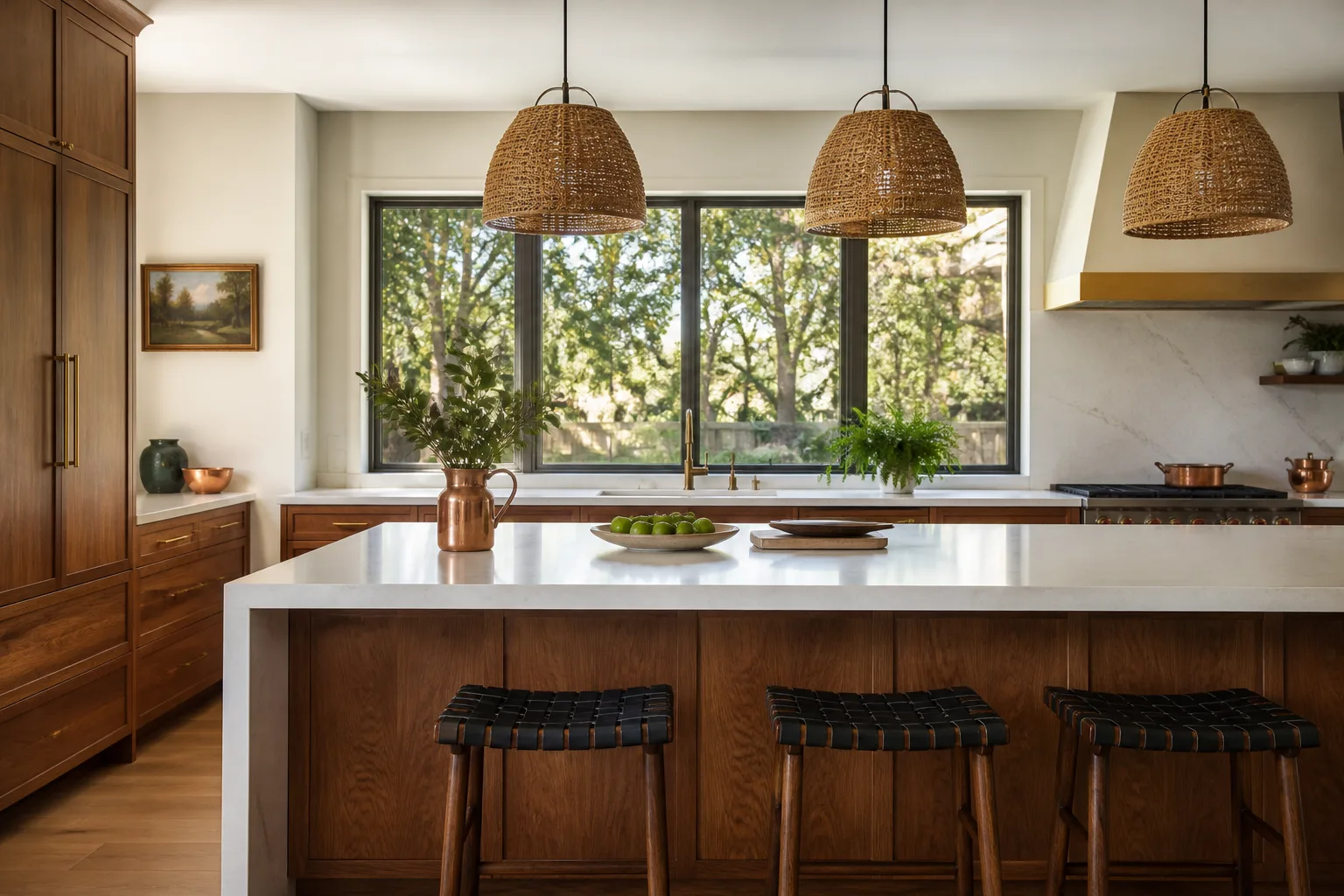
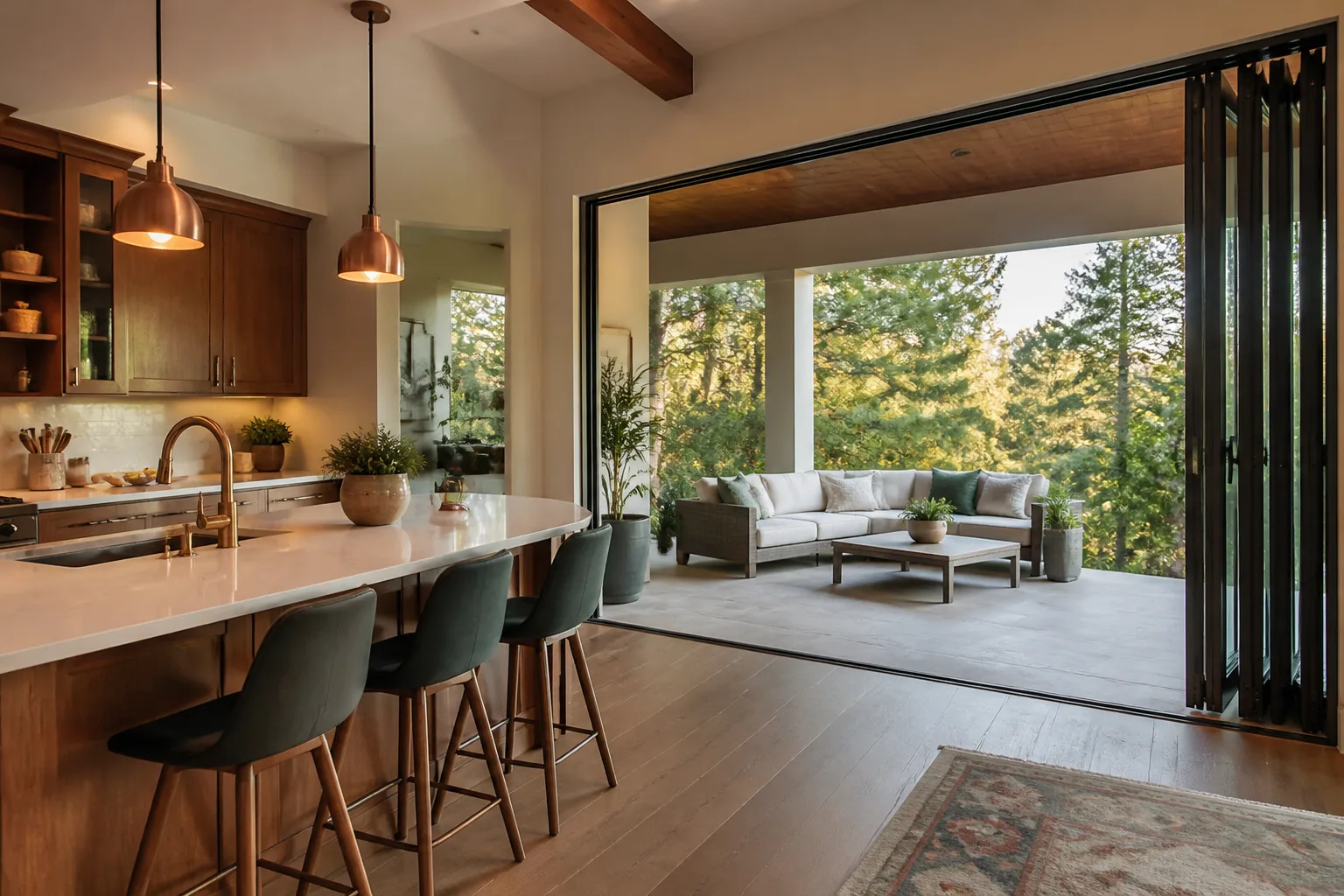
- Kitchen remodeling
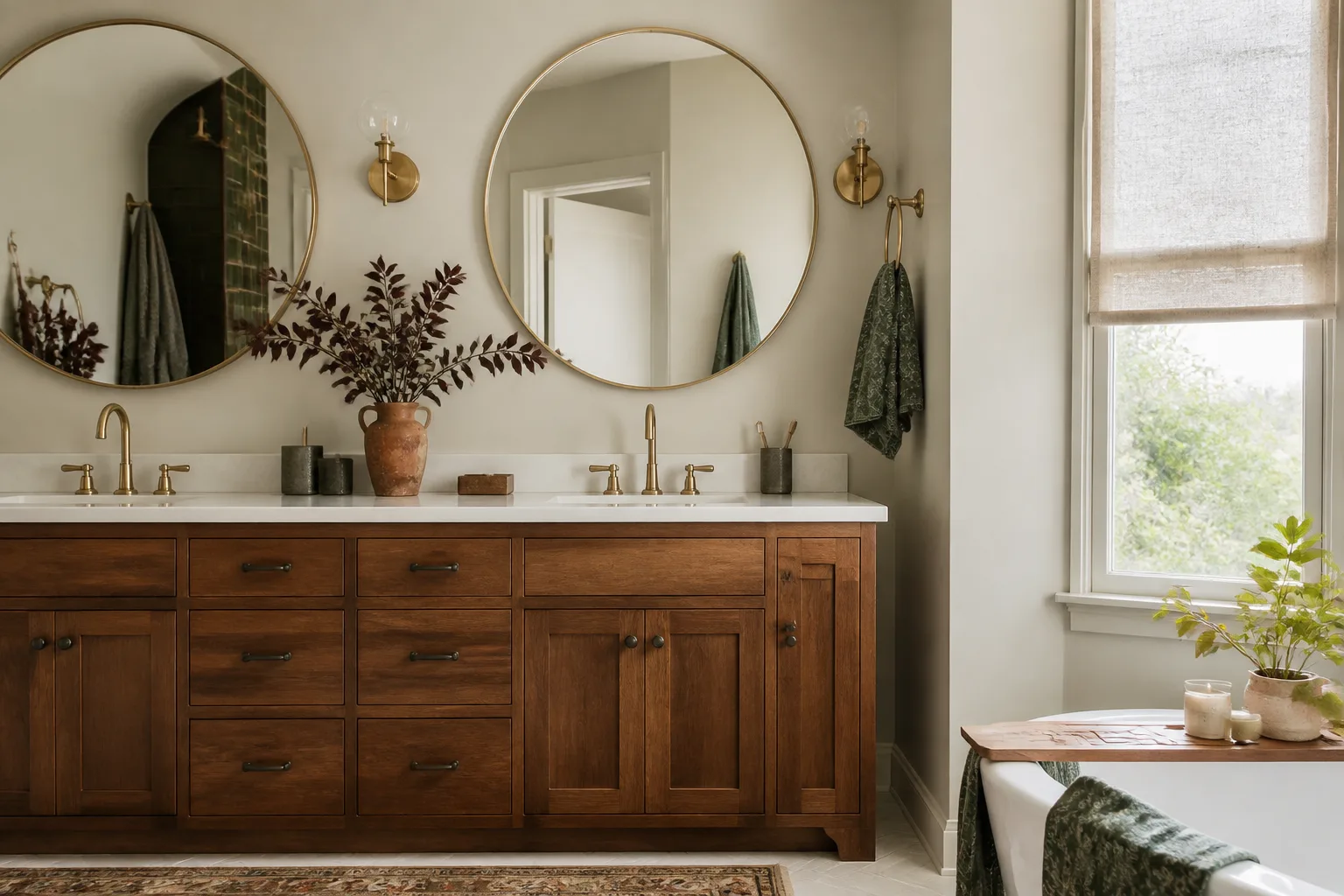
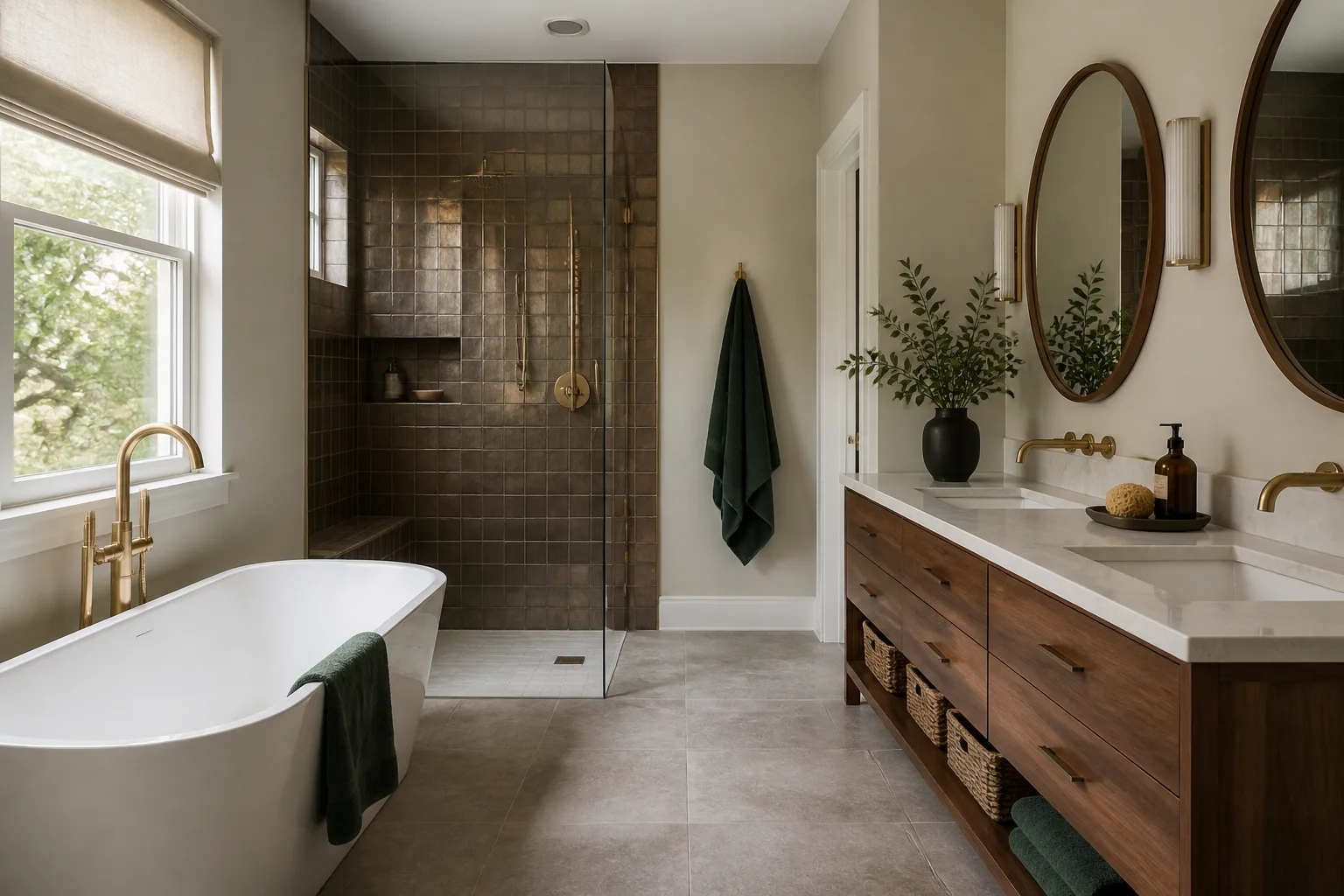
- Bathroom remodeling
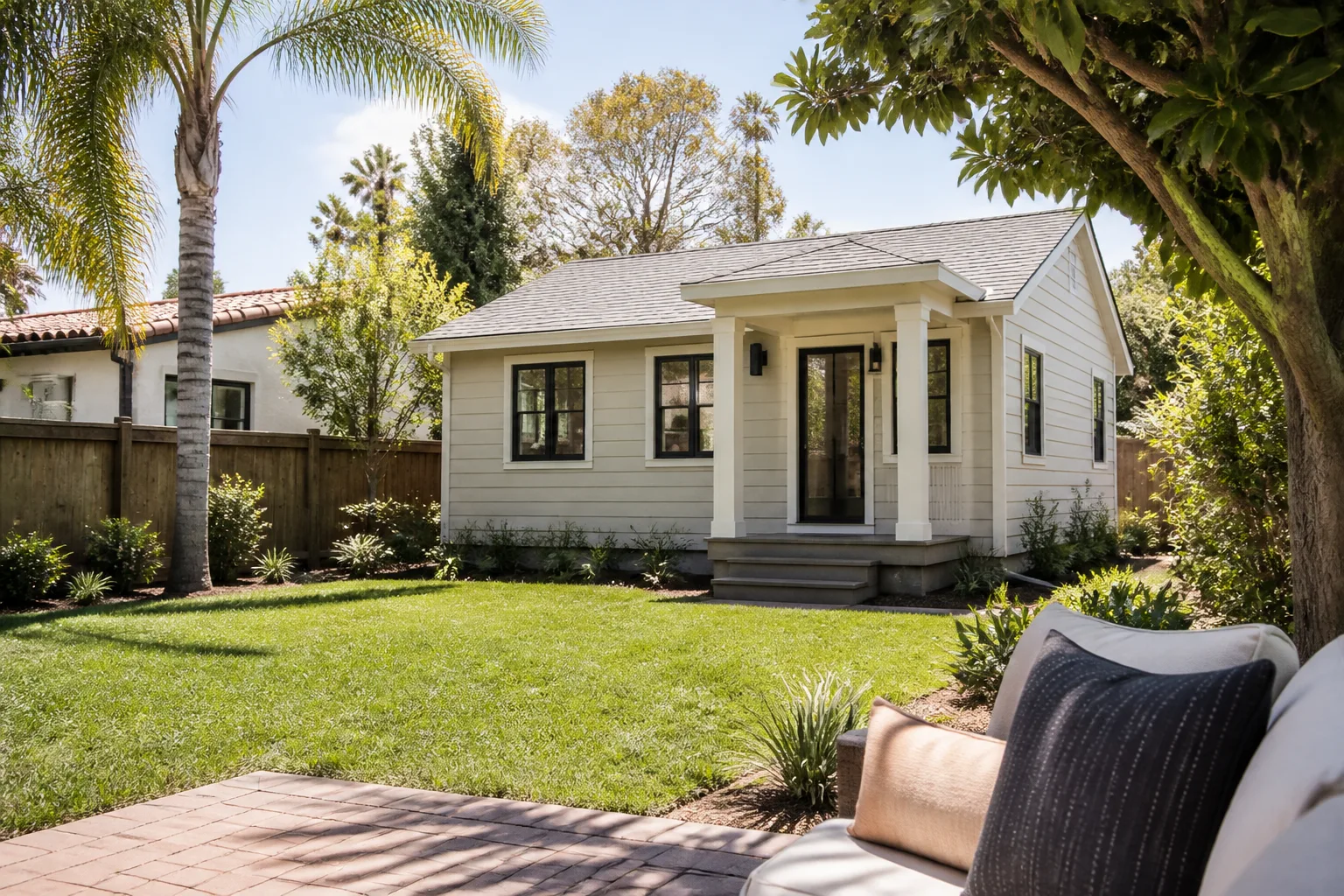
- Home additions & ADU
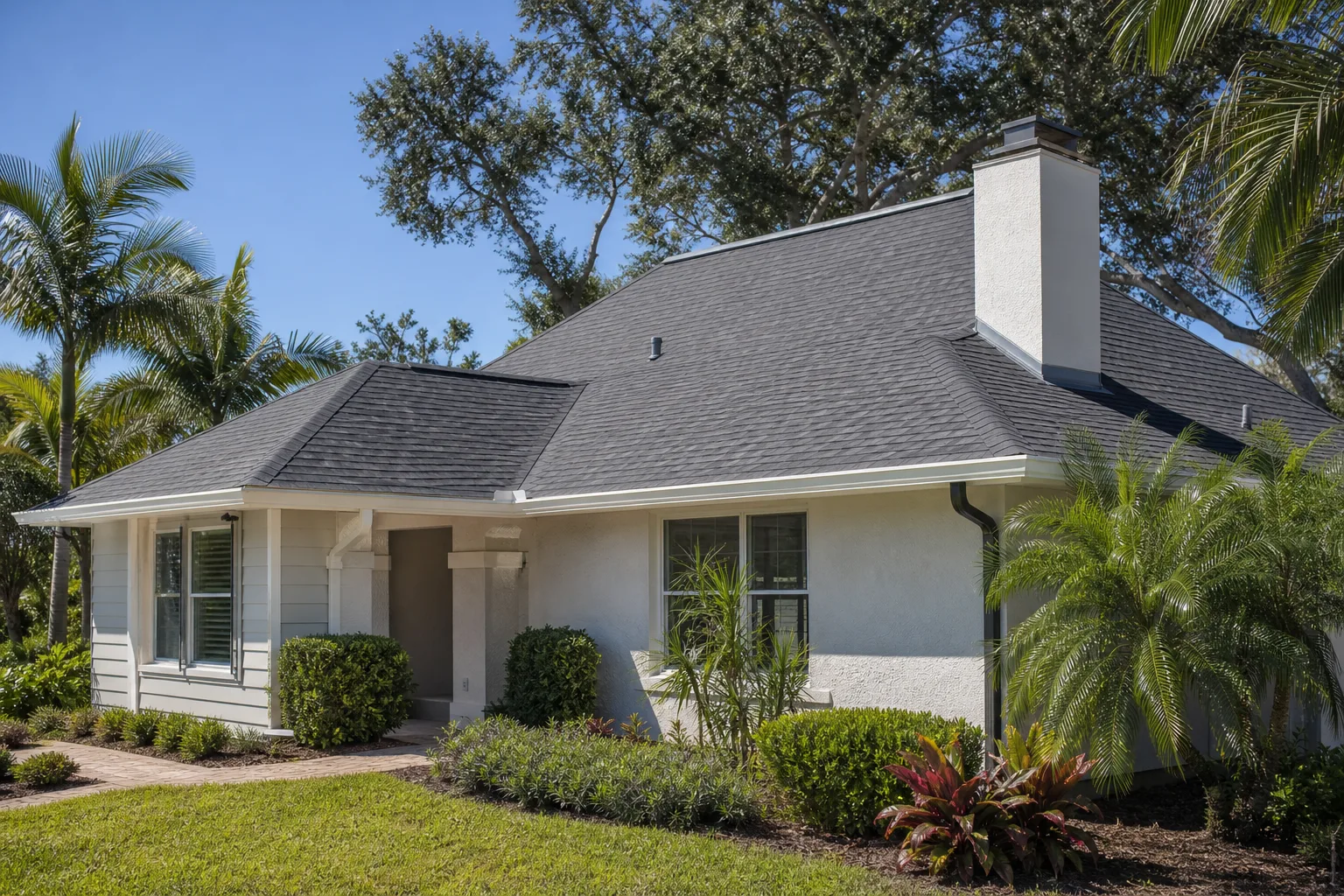
- Roofing
- Windows & doors
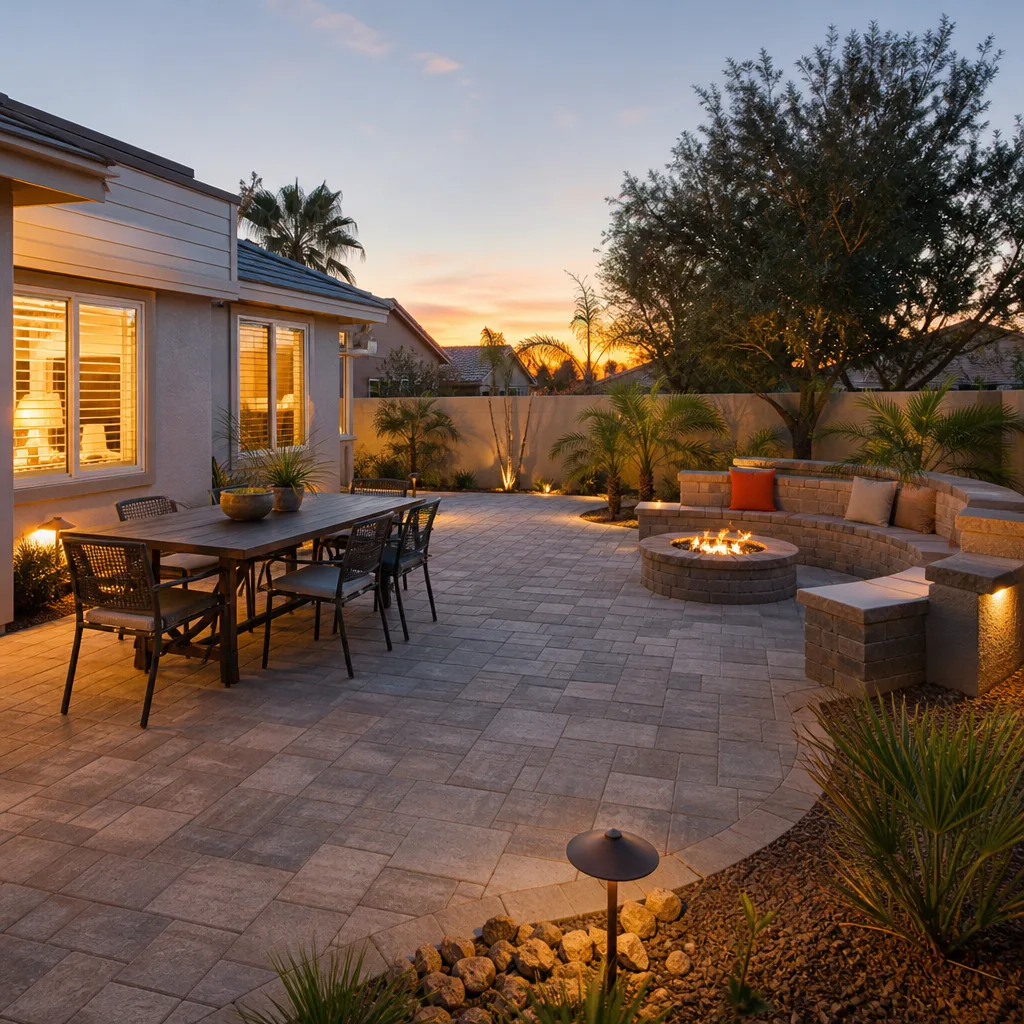
- Driveway & pavers
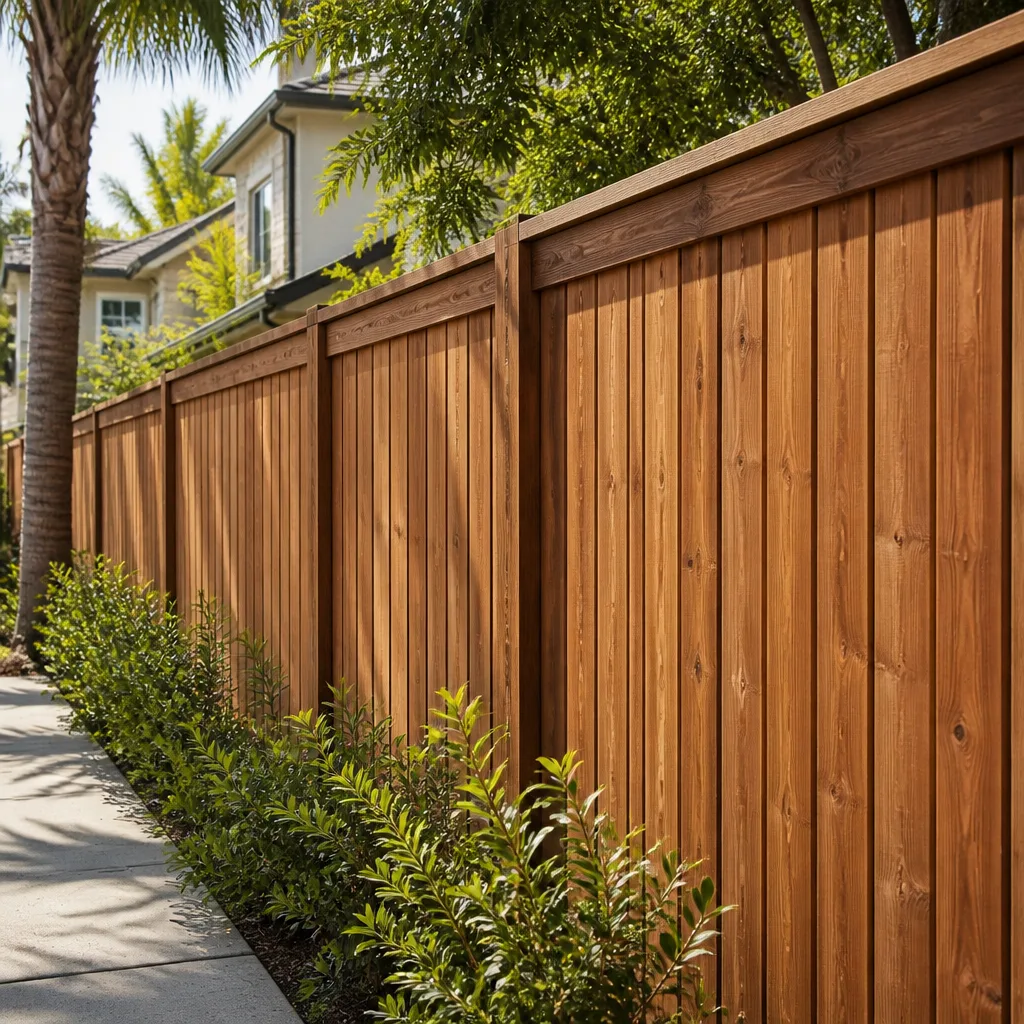
- Fence
Table of Contents
- How to Verify a Product’s Miami-Dade NOA Status Yourself
- Miami-Dade Approved vs. Florida Approved: What the Gap Means
- Roofing Brands with Proven HVHZ Track Records
- Impact Windows and Doors: Reading the Label Correctly
- Pavers and Flatwork That Survive Homestead’s Sun and Soil
- Why Installation Standards Beat Brand Names Every Time
- What to Ask Your Contractor Before Materials Get Ordered
How to Verify a Product’s Miami-Dade NOA Status Yourself
Miami-Dade County runs a public product control database that lists every roofing system, impact window, impact door, and shutter approved for installation inside the High-Velocity Hurricane Zone. Homestead sits inside that zone. That means the shingles, the underlayment, the window frame, and the door assembly each need a current Notice of Acceptance, or NOA, tied to a specific manufacturer and product line. The database is free and open to the public.
Here’s how to check a product in about five minutes:
- Ask your contractor for the exact manufacturer, product line, and NOA number before materials are ordered.
- Search the Miami-Dade product control database by manufacturer name or NOA number.
- Confirm the NOA is still active, not expired or superseded.
- Check that the approved use matches your job – a roofing NOA doesn’t cover a window, and a residential NOA may not cover a commercial install.
- Ask for the NOA number in writing on your estimate so it’s part of the record.
We’ve watched homeowners in Homestead discover after the fact that their “approved” window was actually a Florida-approved product with no Miami-Dade NOA at all. The installation was compliant on paper in another county and non-compliant here. Ask before the order, not after the inspection. You can see how we approach permitted work on our Barrett & Sons Construction Homestead home page.
Miami-Dade Approved vs. Florida Approved: What the Gap Means
A product can carry a Florida state approval and still fail a Miami-Dade inspection. The two approval systems are not interchangeable. Florida’s product approval covers the state, but Miami-Dade County maintains its own stricter testing protocol for the High-Velocity Hurricane Zone, and that protocol governs anything installed inside the zone boundary. Homestead is squarely inside it.
What that gap means in practice:
- Insurance disputes. If a claim is filed and the adjuster finds a non-NOA product, coverage can be reduced or denied for that component.
- Failed inspections. The county inspector checks the NOA against the installed product. A mismatch stops the job.
- Resale complications. A future buyer’s inspector will ask the same questions you should be asking now.
- Warranty voiding. Manufacturers often void coverage when a product is installed outside its approved application.
Ask your contractor one direct question: “Is this exact product, in this exact application, covered by an active Miami-Dade NOA?” If the answer is vague or the number never materializes in writing, treat that as a red flag. The permit inspector works for you, not for us – that’s exactly why we like him.
Roofing Brands with Proven HVHZ Track Records
Roofing in Homestead is a different job than roofing in most of the country. The High-Velocity Hurricane Zone testing standard pushes systems harder than the national codes, and a shingle line that performs beautifully in Georgia can show its limits after two storm seasons here. In our experience, the systems that hold up share three traits: a current Miami-Dade NOA, a manufacturer’s installation spec that’s detailed enough to actually follow, and a warranty that survives the inspection.
Brands with a strong local track record include:
- GAF – a broad HVHZ-approved system range with clear published installation specs and a factory-certified contractor network.
- CertainTeed – solid NOA coverage on the shingle and underlayment lines we install, backed by a manufacturer warranty program.
- Metal systems from manufacturers with dedicated HVHZ approvals – often the better long-term choice on low-slope sections where shingles struggle.
The brand matters, but the system matters more. A GAF shingle over the wrong underlayment, fastened with the wrong nail pattern, is not a GAF system anymore. It’s an unapproved assembly wearing a brand name. For a deeper look at how this plays out on a real roof replacement, see our Roofing in Homestead page.
Impact Windows and Doors: Reading the Label Correctly
Impact windows in Homestead are a code requirement, not an upgrade. Every impact-rated product sold here should carry a permanent label or stamp identifying the manufacturer, the product line, and the approval reference. That label is what the inspector looks for. If it’s missing, painted over, or doesn’t match the permit, the install is in trouble before anyone climbs a ladder.
Andersen and Marvin both make products approved for the High-Velocity Hurricane Zone, and both are widely available in South Florida. The differences between them and a lesser brand usually come down to three things: the frame material and its behavior under thermal cycling, the hardware’s corrosion resistance in salt air, and the clarity and strength of the glass unit itself.
What to ask about your windows and doors:
- The NOA number for the exact unit being installed, not the whole product family.
- Whether the frame is vinyl, aluminum, or wood-composite, and how that material behaves under Homestead’s UV load.
- Whether the units are installed per the manufacturer’s anchoring spec, because a great window fastened with the wrong screw pattern is a liability.
- Who handles the inspection if the label doesn’t match – have that conversation before installation day, not after.
Pavers and Flatwork That Survive Homestead’s Sun and Soil Cycling
Homestead’s pavers take a beating that isn’t obvious to the eye. The UV load fades low-quality pigments within a couple of seasons, and the wet-dry soil cycling – heavy summer rain followed by fast drainage and dry spells – moves subgrade in ways that show up as settling, lippage, and shifted joints. Two paver driveways can look identical on install day and look nothing alike five years later.
The brands that hold up in Homestead share a few traits: dense concrete with good pigment through the full depth of the paver, tight dimensional tolerances so joints stay uniform, and a manufacturer with published installation specs for base depth and joint sand. Belgard, Unilock, and Tremron all make products in this category, and each is worth comparing on the specific line, not just the name on the box.
We’ve seen budget pavers with a surface-applied color layer that looked great the first summer and were washed out by the second. That cost savings disappears the moment the driveway needs to be redone. For a look at how we approach base prep and installation, see Driveway & Pavers in Homestead.
Why Installation Standards Beat Brand Names Every Time
The best product on the market will fail if the fasteners, adhesive, or flashing are wrong. This is the single most common way a Homestead homeowner ends up with a failing installation that looks fine on day one. We can’t say it often enough: a premium product installed wrong is a bad product in your home. A mid-grade product installed correctly and inspected will last decades.
What good installation looks like:
- Materials are ordered against the NOA, not against what’s in stock.
- Fasteners and adhesives are the manufacturer’s specified ones, not a substitute.
- Every eligible job has a permit pulled and an inspection signed before final payment.
- Any scope or material change arrives as a written change order before work proceeds, so the price on the contract is the price on the invoice.
- The crew that does the work is accountable to someone who will answer for it after the job is done.
Ask your contractor whether they pull permits on every eligible job. The last contractor most Homestead homeowners used told them permits were optional. They’re not, and the cost of skipping one lands on the homeowner.
What to Ask Your Contractor Before Materials Get Ordered
The conversation before the order is where most of the risk gets managed. Once materials are on the property, options narrow and the price is committed. Ask these questions, and put the answers in writing:
- What’s the NOA number for each product being installed?
- Has the permit been pulled, and who’s responsible for the inspection?
- Are the fasteners and adhesives the manufacturer’s specified ones?
- What’s the window and door label going to say, and how do we verify it before install?
- If a product isn’t available at the spec price, how is the change communicated and approved?
- How long is the workmanship covered?
On the last point, we hold to the 90-Day Done Right Promise – written on every contract, not buried in fine print. If something’s not right, one call brings us back. If you’re comparing fence, addition, or hardscape bids alongside roofing or windows, the same question set applies. See how we approach Fence Installation in Homestead and Home Additions & ADU in Homestead for the same permit-and-spec standard across trades.
Common Mistakes to Avoid
- Accepting a brand name without the NOA number. A brand can be HVHZ-approved in one product line and not in another, and the line matters. Ask for the number in writing.
- Assuming a Florida approval is enough. Homestead is inside the High-Velocity Hurricane Zone, so Miami-Dade approval is the standard, not the state approval.
- Buying pavers on color alone. Homestead’s UV load fades surface-dyed product in two summers, and wet-dry soil cycling exposes a weak base within a year. Ask about base depth and pigment depth before you pick a color.
- Letting the contractor skip the permit “to save time.” It doesn’t save anything, and it turns an insurable install into a problem.
- Agreeing to an allowance with no written cap. An allowance that isn’t on paper is a surprise waiting for a date.
- Accepting verbal change orders on the jobsite. If a material or scope change isn’t in writing before the work happens, the price you agreed to isn’t the price you’ll pay.
- Assuming the cheapest bid is the same materials. It’s usually not. The product spec is often the first thing a low bid quietly downgrades.
See the difference
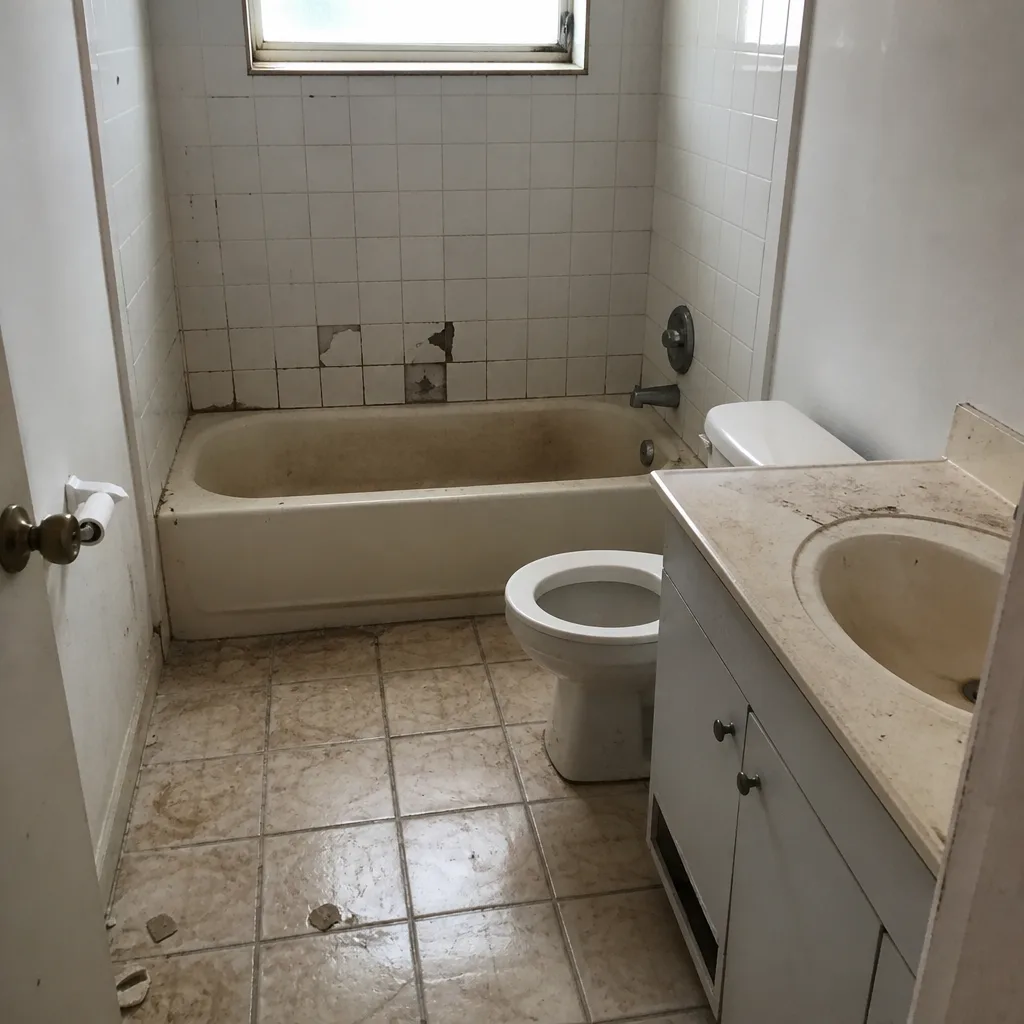 Before
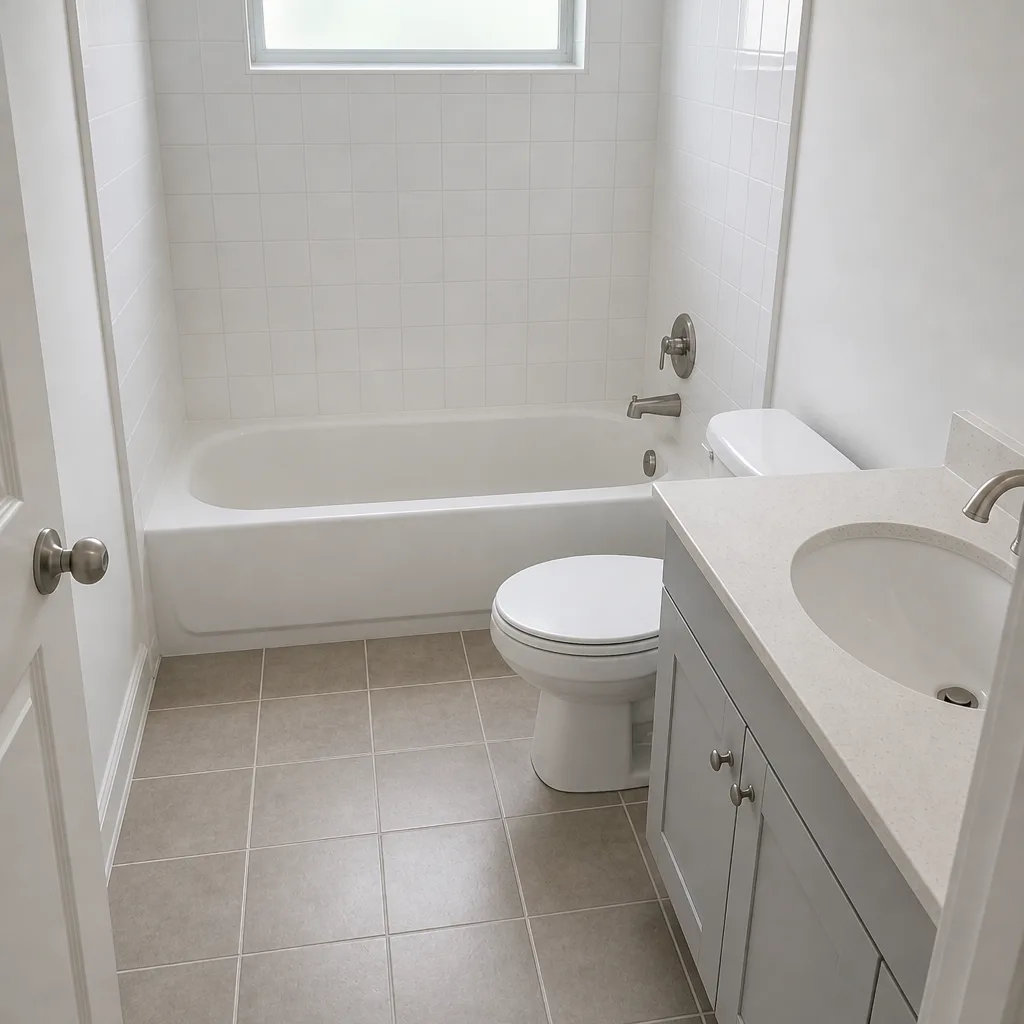 After
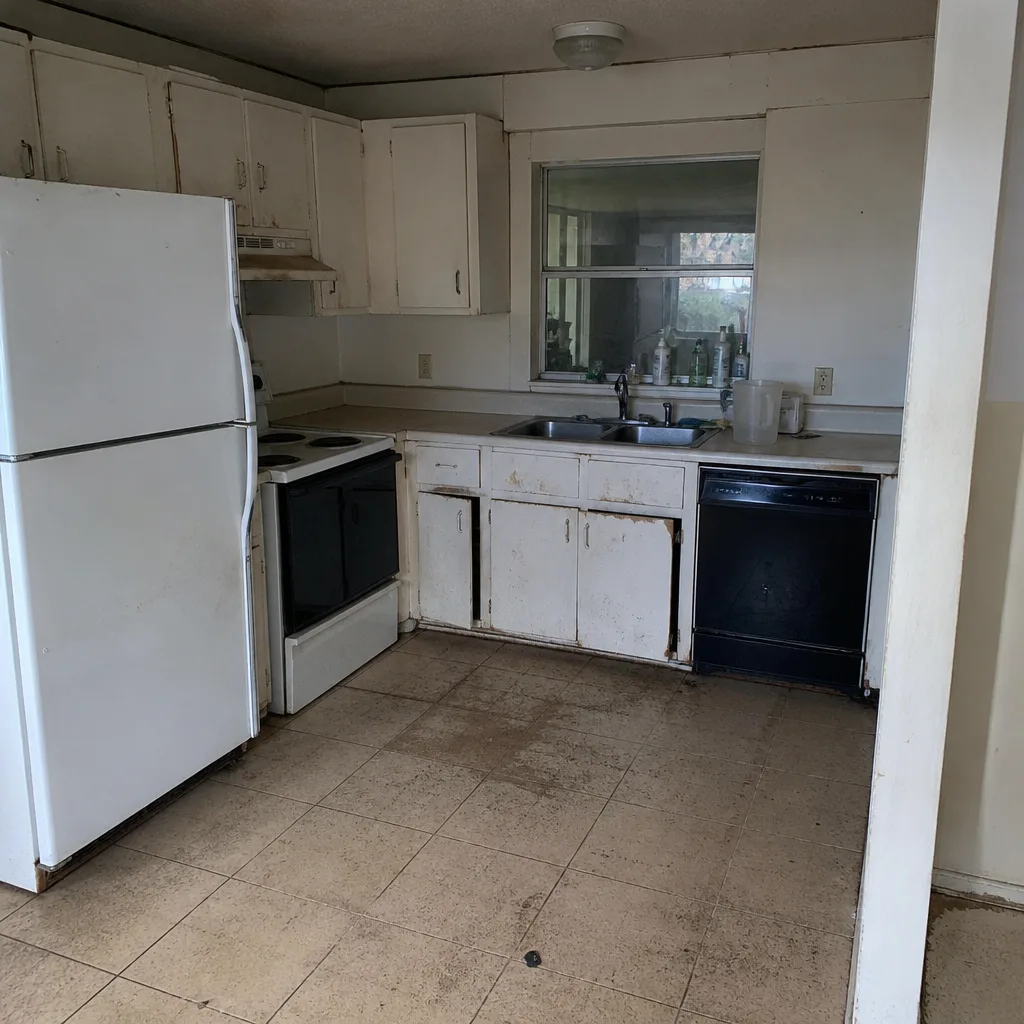 Before
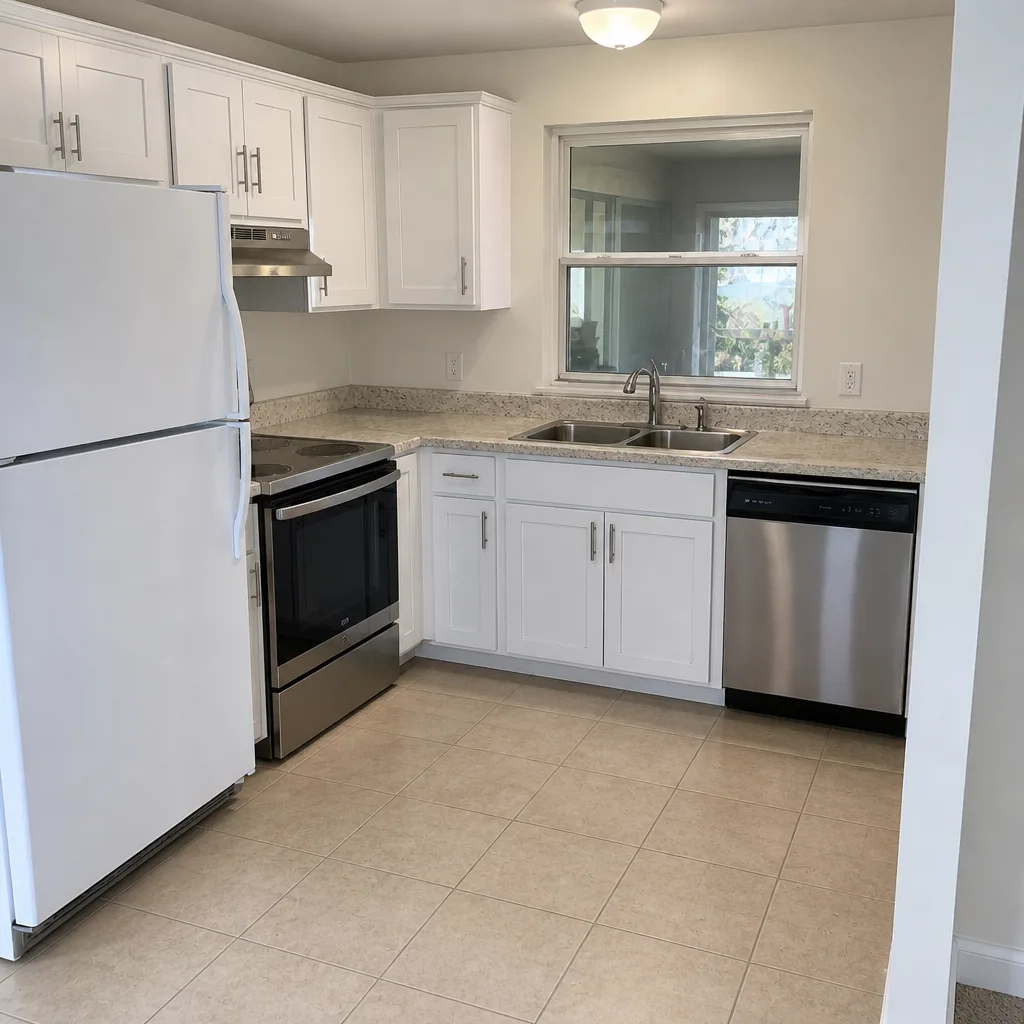 After
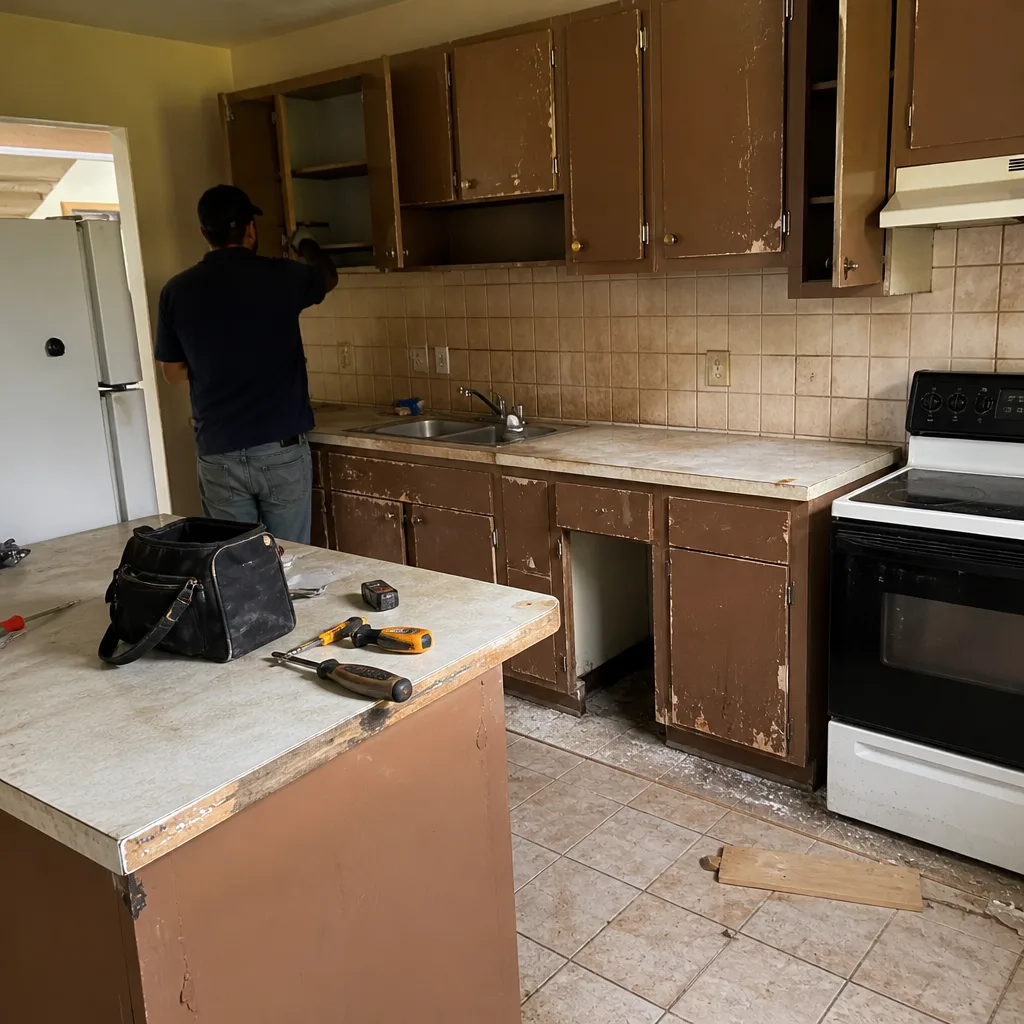 Before
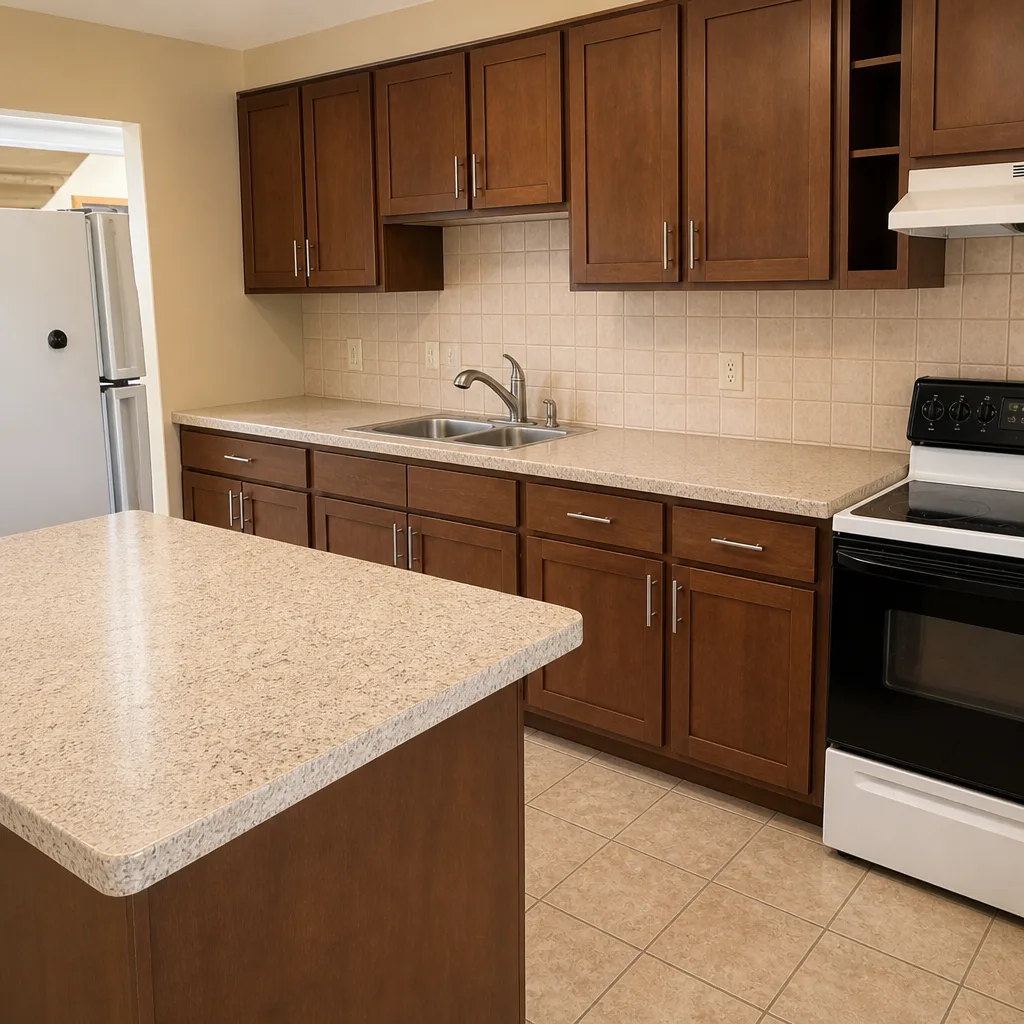 After
When to Call a Professional
Some jobs need a licensed contractor, and a few of them need one urgently. If your roof has active leaking, storm damage, or a failing inspection that’s flagged unsafe work, get an experienced crew out before further damage happens. If you’re replacing impact windows, having a roof system installed, needing a permit on a new addition, or installing a driveway with structural base needs, the installation standards and inspection process are not beginner territory. Electrical work, gas lines, and any structural fastening on a home require a trained professional – the risk isn’t worth the savings.
Barrett & Sons Construction Homestead offers free estimates in Homestead – call (866) 344-6796. We’ll put the NOA numbers, the material specs, and the change-order process in writing before anything gets ordered.
Frequently Asked Questions
Search the Miami-Dade County product control database for the manufacturer and product line, and confirm the NOA is active and covers your intended use. Homestead is inside the High-Velocity Hurricane Zone, so a Florida state approval alone is not sufficient. Ask your contractor for the NOA number in writing before materials are ordered.
Yes – GAF carries a strong range of HVHZ-approved roofing systems, and its published installation specs are detailed enough to be followed and inspected against. The brand only delivers on that promise when the underlayment, fasteners, and nail pattern all match the approved assembly. Call (866) 344-6796 for a free estimate that lists the specific system and NOA number.
Florida approval covers the state, while Miami-Dade approval means the product has met the county’s stricter testing protocol for the High-Velocity Hurricane Zone. Homestead is inside the zone, so Miami-Dade approval is the standard that governs inspection here. A Florida-approved product without a current NOA can fail inspection and complicate an insurance claim.
They typically do, but mostly because premium brands publish better installation specs and hold up under Homestead’s UV and wet-dry cycling. A premium product installed wrong still fails. The combination of correct product, correct spec, and inspected installation is what produces the lifespan homeowners are paying for.
Roof replacement in Homestead generally runs higher than national averages because HVHZ-approved systems, required underlayments, and permit and inspection costs all push the total up. Get a written line-item estimate that names the system, the NOA number, and the permit cost separately. Call (866) 344-6796 for an exact quote – estimates are free.
Not if the scope and allowances are in writing before work begins. Any change to materials or scope should arrive as a written change order, approved before the work proceeds. If your contractor can’t produce that process up front, ask why. Call (866) 344-6796 for a quote with change orders built in from day one.
The Bottom Line
Brand names are a starting point, not a guarantee. In Homestead, the real standard is whether a product carries an active Miami-Dade NOA for its exact application, whether the installation follows the manufacturer’s spec to the letter, and whether the work is permitted and inspected. Check the NOA yourself. Ask for the number in writing. Confirm the change-order process before a single nail moves. If a contractor can’t answer those questions in writing, the brand on the box won’t save you. Barrett & Sons Construction Homestead builds every job on those three things, plus the 90-Day Done Right Promise on every contract.
Ready to see what a spec-first estimate looks like? Call (866) 344-6796 for a free estimate in Homestead. We’ll walk through the materials, the NOA numbers, the permit process, and the change-order terms before anything gets ordered – so the price you agree to is the price you pay.
Written by the team at Barrett & Sons Construction Homestead.