Last updated November 17, 2026
Free written scope consultation - allowances, timeline, and change-order rules on paper before a single trade is scheduled
The Complete Fence Installation Guide for Homestead Homeowners
Miami-Dade County has some of the strictest fence wind-load requirements in the country, and a fence that doesn’t meet them can be ordered torn down – or worse, become a projectile in a storm. That single fact reshapes everything about fencing in Homestead. The concrete, the post spacing, the fasteners, the product ratings: all of it answers to a building code built for hurricane country, not to a national spec sheet written for Ohio. Add alkaline soil that quietly eats untreated steel and a permitting process with real teeth, and you get a job that rewards local knowledge from the first post hole. This guide walks through what actually matters here, so you can ask the right questions before anyone digs.
Quick Answer
A legal, storm-rated fence in Homestead requires a Miami-Dade County permit, posts set below the frost-free line into properly sized concrete footings, and materials rated for the High-Velocity Hurricane Zone. Aluminum and vinyl products must carry HVHZ approval, and steel posts need coatings that survive alkaline South Florida soil. Budget roughly $28 to $65 per linear foot depending on material, height, and site conditions.
Styles & brands we work with
- Kitchen remodeling
- Bathroom remodeling
- Home additions & ADU
- Roofing
- Windows & doors
- Driveway & pavers
- Fence
Table of Contents
- What Miami-Dade County Requires Before You Dig
- Why HVHZ Ratings Matter for Aluminum and Vinyl
- How Alkaline Soil Destroys Posts (and What Survives)
- Post Depth and Concrete Footings for Wind Load
- Finding Utilities, Irrigation, and Roots on Established Lots
- Choosing a Fence Material for Homestead
- What Fence Installation Costs in Homestead
- Common Mistakes to Avoid
What Miami-Dade County Requires Before You Dig
Every fence in unincorporated Miami-Dade County needs a building permit before the first shovel hits the ground. This isn’t a formality. The county reviews your fence height, its location relative to property lines and easements, and the wind-load engineering behind your chosen material. A fence installed without a permit can be ordered removed at the homeowner’s expense, and it can complicate a future sale when a buyer’s inspector flags unpermitted work.
Setback rules vary by zoning. In most Homestead residential zones, fences in the front yard are limited to 4 feet, while side and rear yard fences can run to 6 feet, sometimes higher with an approved design. Corner lots get extra scrutiny because of sight-triangle requirements at intersections – a fence that blocks visibility for drivers gets rejected. If your property sits inside a community with a homeowners association, the HOA overlay adds another layer: approved colors, approved materials, and sometimes a design review board that meets monthly and can stall your timeline by weeks.
The permit process itself typically runs a few weeks from application to inspection. A contractor who pulls permits as a matter of routine – not as a favor – will already know which forms your address needs. If you’ve heard from any company that permits are optional for fences, get a second opinion before you sign.
Why HVHZ Ratings Matter for Aluminum and Vinyl
Miami-Dade and Broward Counties sit inside the High-Velocity Hurricane Zone, the toughest wind-load jurisdiction in the United States. Products sold inside the HVHZ must carry a Miami-Dade Notice of Acceptance (NOA) or a Florida Product Approval number. That includes fence panels, posts, and the fasteners that hold them together. A beautiful vinyl fence from a big-box store may carry no HVHZ rating at all, which means it may not pass inspection – and more importantly, may not hold in a hurricane.
How to verify before you buy:
- Ask the supplier for the Miami-Dade NOA number or Florida Product Approval number for the exact product, not the product line.
- Look up that number in the county’s online product database. It takes two minutes and it’s free.
- Check that the approval covers your planned height. A 4-foot panel approval does not automatically extend to a 6-foot install.
- Confirm the approved fastening method. Many failures come from installers using their own screws instead of the tested hardware.
Aluminum ornamental fencing generally holds up better than vinyl in storm conditions because it flexes rather than cracks. Vinyl, when it’s rated and installed correctly, is fine too – but the rating is what separates a fence that survives a Category 2 from one that becomes debris. In Homestead, where storm exposure is part of life, this isn’t a technicality. It’s the whole ballgame.
How Alkaline Soil Destroys Posts (and What Survives)
South Florida soil runs alkaline, with a pH often above 7.5, and much of Homestead’s ground is limestone-based. Limestone and high-pH soil are hard on metals, especially the galvanized coatings on standard steel posts. Over years, that coating thins, the steel pits, and the post loses its grip on the concrete – just in time for a storm to test it. We’ve pulled posts in Homestead that looked fine above grade and were half-eaten below it.
What survives here:
- Concrete-embedded aluminum posts in HVHZ-approved systems – aluminum oxidizes to a stable surface layer rather than rusting through.
- Heavy-gauge galvanized steel with a hot-dip coating rated for coastal exposure – not electroplated, not painted over bare metal.
- Treated wood rated for ground contact with a modern copper-based treatment. Older CCA-treated posts are gone from the market, and the newer treatments behave differently in alkaline soil – worth asking about.
- Stainless or coated fasteners throughout. Mixing plain steel screws into an aluminum fence creates galvanic corrosion at every connection point.
Quikrete concrete mix handles the footing itself fine. The weak link is almost always the post coating, not the concrete. When you get a quote, ask specifically what coating the post carries and whether it’s rated for ground contact in coastal soil. A supplier who can’t answer that is a red flag.
Post Depth and Concrete Footings for Wind Load
National fence guides often tell you to set posts 24 inches deep. That spec is written for places with frost heave and moderate wind. In Homestead’s HVHZ jurisdiction, post depth and footing size are driven by wind-load engineering, not by convenience. For most residential fences here, posts run 36 to 48 inches below grade, set in concrete footings that are 8 to 12 inches in diameter, depending on fence height and product approval requirements.
The steps for a compliant install look like this:
- Confirm the approved footing spec from the product’s NOA documentation for your specific fence height.
- Dig the hole to the specified depth plus a few inches of gravel at the bottom for drainage.
- Set the post plumb and brace it – bracing is the step most rushed jobs skip.
- Pour the concrete footing in one continuous pour and crown the top so water sheds away from the post.
- Let the concrete cure fully (typically several days) before hanging panels or gates.
Skipping the cure time is the shortcut we see most. Hang weight on green concrete and the post shifts, the fence racks, and the whole run goes out of line. The permit inspector works for you, not for the installer – if footings are exposed at the time of inspection, a good crew will have them open and ready.
Finding Utilities, Irrigation, and Roots on Established Lots
Homestead has plenty of established neighborhoods where lots were developed decades ago, and the underground layout rarely matches what you’d expect. Buried irrigation runs, old invisible dog fence wire, and the occasional abandoned septic line all show up. Dialing 811 before digging is required, and it’s free – but the service only marks public utilities up to the meter. Private lines behind the meter are the homeowner’s responsibility, and a company that knows the area will ask you about them before the first post hole.
Tree roots are the other frequent surprise. Mature oaks and palms send surface roots well past the trunk, and a footing dug through a major root can kill a tree you meant to keep. The practical approach: plan the fence line with tree spacing in mind, trim roots surgically rather than ripping them, and adjust post spacing around major obstacles instead of forcing the standard 8-foot layout. It costs slightly more in labor and saves you a tree that took forty years to grow.
Choosing a Fence Material for Homestead
There’s no single best material for a Homestead fence. The right choice depends on your lot, your HOA, and how much maintenance you want to own for the next fifteen years. Here’s how the common options perform locally.
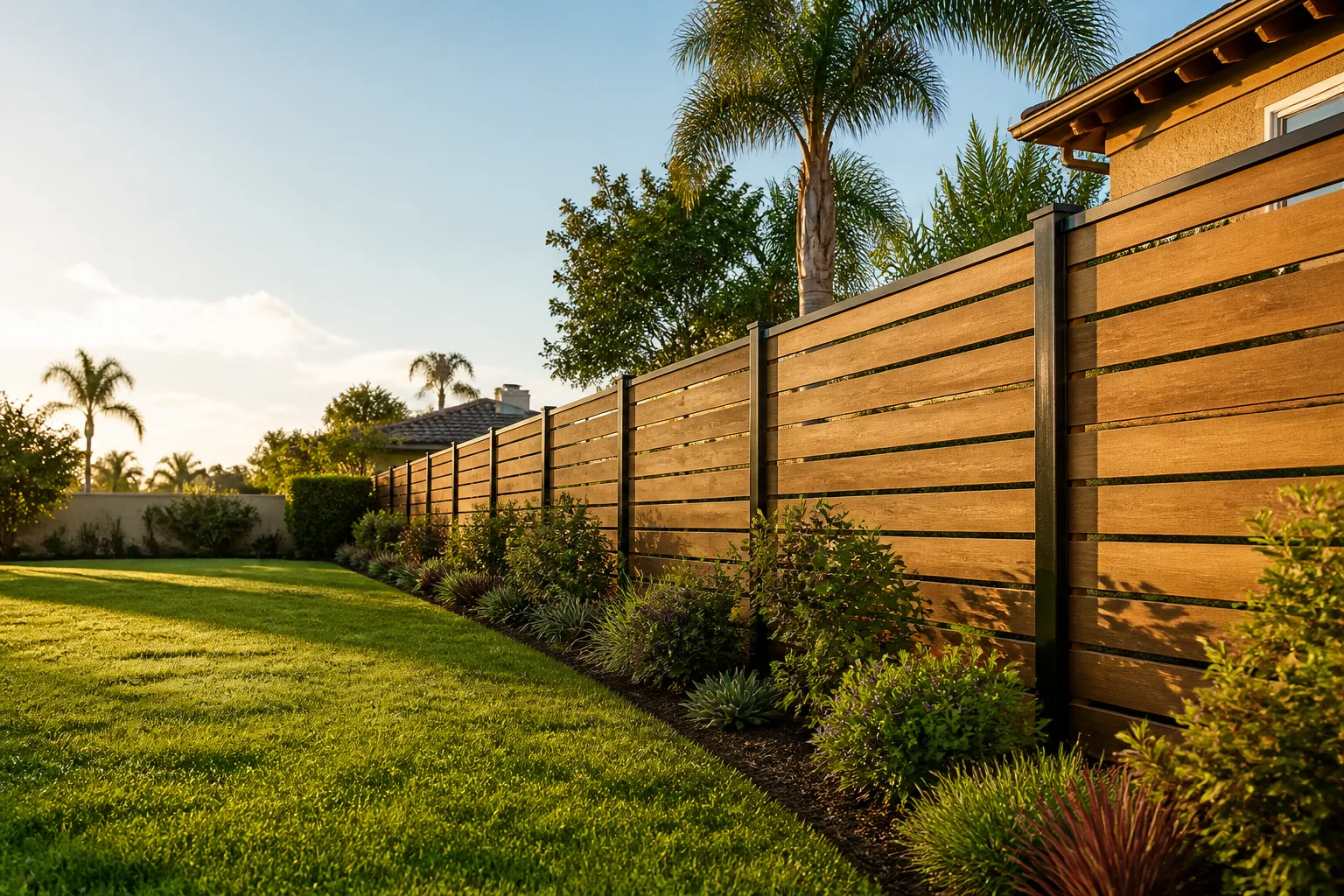
- Aluminum ornamental: The strongest storm performer and the lowest long-term maintenance. Pairs well with a masonry or accent pillar detail. Costs more upfront.
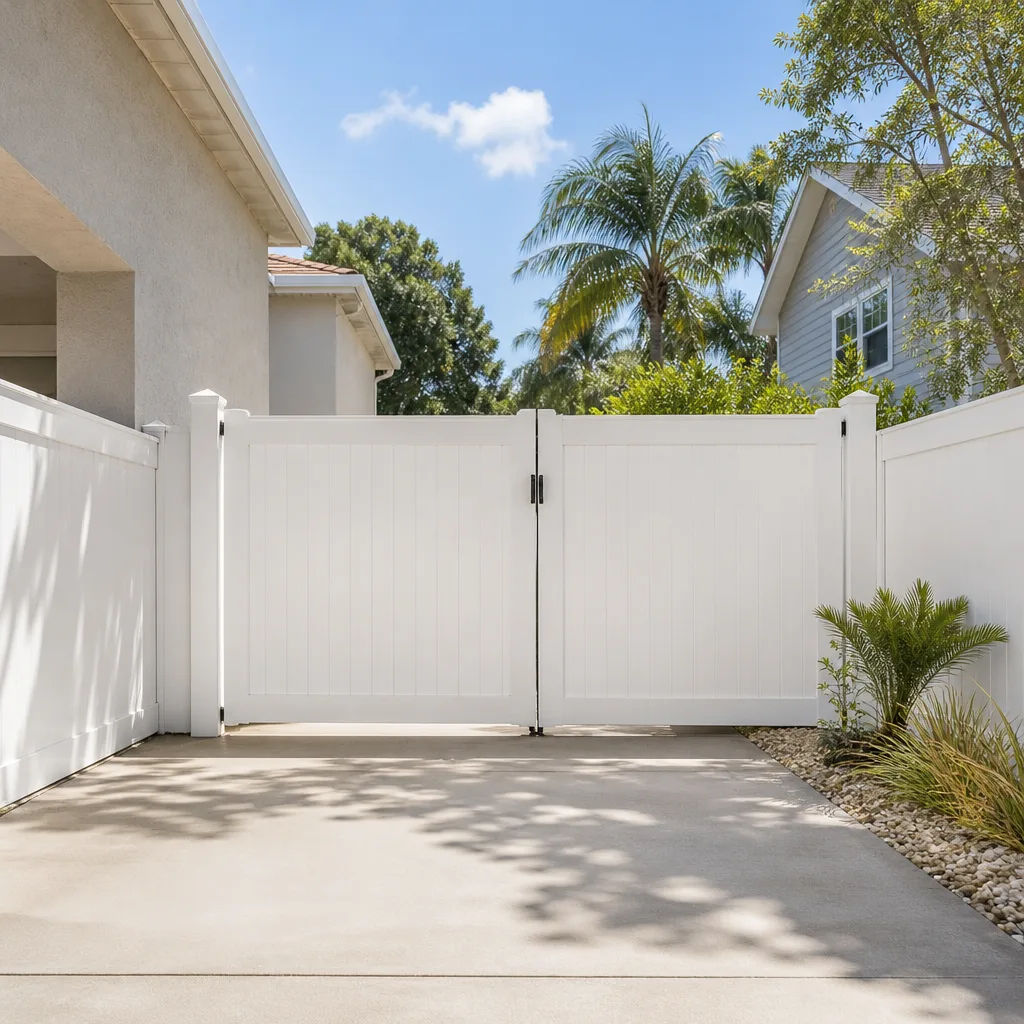
- HVHZ-rated vinyl: Attractive, private, and available in colors that satisfy most HOA palettes. Must be rated and installed per the product approval, or it cracks under wind load.
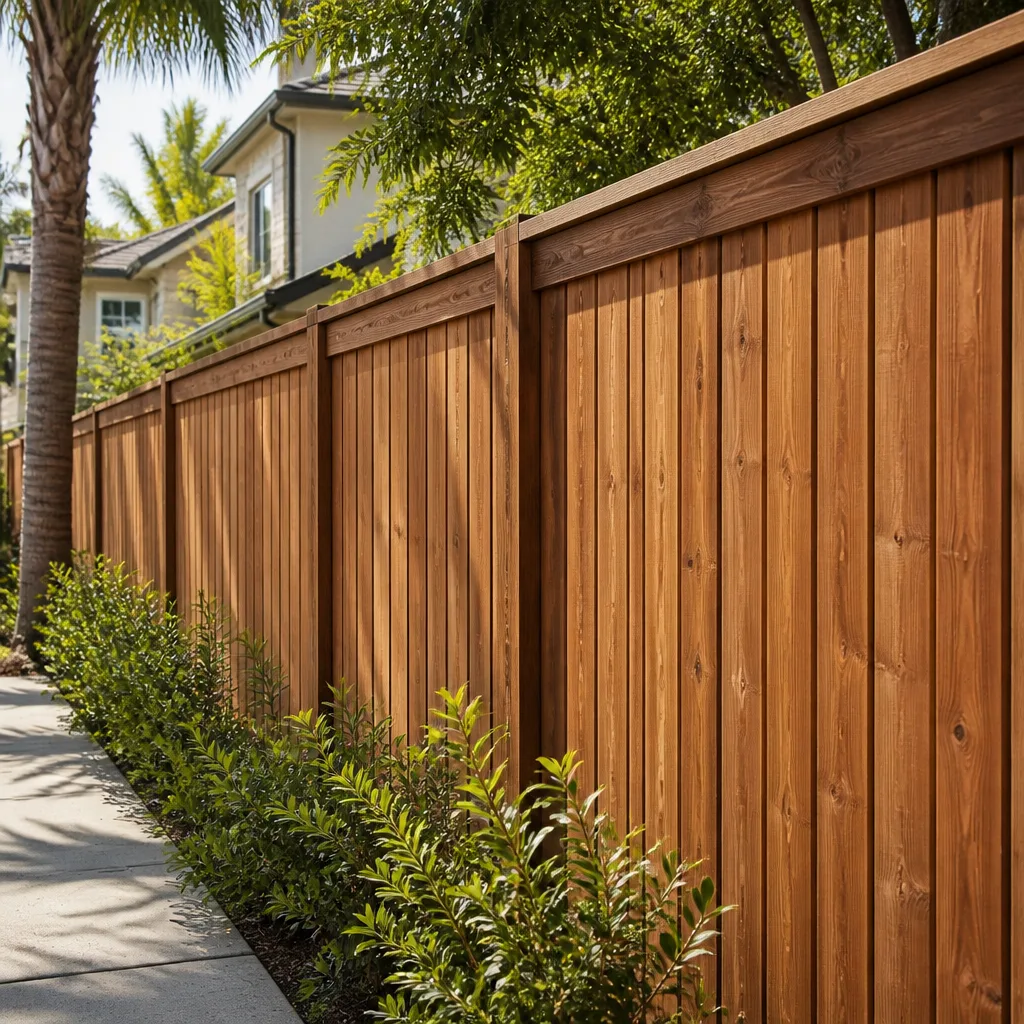
- Treated wood: Classic privacy look, costs less upfront, needs periodic sealing and eventual replacement. Go with ground-contact-rated posts and modern fasteners.
- Chain link: Practical for large rural lots and pet containment. Look for coated posts rated for coastal exposure.
- Composite: Growing in popularity for privacy fencing. Verify the specific product’s HVHZ approval before you commit.
Whichever you choose, the fence is only as good as its footings and hardware. The best product in the catalog fails when it’s hung on under-sized posts with unapproved screws. Ask what brand and spec is being installed and look it up. If the fence line connects to a paved area or patio, our Driveway & Pavers in Homestead team can help you coordinate transitions so the fence and hardscape meet cleanly.
What Fence Installation Costs in Homestead
Fence pricing in Homestead runs higher than the national average because of the wind-load engineering, the deeper footings, and the permit and inspection costs baked in. These are the ranges we see for typical residential jobs, including materials, labor, and the permit.
| Material | Typical Cost per Linear Foot | Notes |
|---|---|---|
| Aluminum ornamental (4 ft) | $36 – $55 | HVHZ-rated, lowest maintenance |
| HVHZ-rated vinyl (6 ft privacy) | $38 – $58 | Higher end for gates and pillars |
| Treated wood (6 ft) | $28 – $42 | Needs sealing every 2 to 3 years |
| Chain link (4 ft) | $18 – $28 | Coated posts for coastal exposure |
| Composite privacy (6 ft) | $45 – $65 | Verify product approval before ordering |
| Gate (walk-through) | $450 – $1,200 | Depends on width and hardware |
| Permit and inspection | $250 – $600 | Varies by jurisdiction and job scope |
Two line items drive most of the variance: how many posts need extra depth because of soil conditions, and how much site prep the lot needs. Corner lots and properties with HOA overlays add review time. A written line-item quote should spell all of this out before anyone commits. If the estimate arrives as a single lump-sum number with no breakdown, ask for the line items. An allowance that isn’t on paper is a surprise waiting for a date.
Common Mistakes to Avoid
- Skipping the permit. A fence built without one can be ordered removed, and it complicates any future sale of the property. Permits are the cheapest insurance you’ll buy on this job.
- Buying unrated product. A vinyl panel without an HVHZ number may fail inspection and won’t hold in a storm. Look up the NOA number before you buy.
- Shallow footings. The national 24-inch spec doesn’t meet Homestead’s wind-load requirements. Confirm depth from the product approval, not a generic guide.
- Untreated steel posts. Alkaline South Florida soil eats standard galvanized steel from the inside. Ask for the coating spec.
- Mixed-metal fasteners. Plain steel screws into aluminum posts create galvanic corrosion at every connection. Specify stainless or coated throughout.
- Forgetting private utility lines. The 811 service only marks public lines. Irrigation, invisible fence wire, and old septic lines behind the meter come back to bite you.
- Hanging panels on green concrete. Posts that shift before cure will rack the entire run. Give the concrete the full cure time before the panels go up.
See the difference
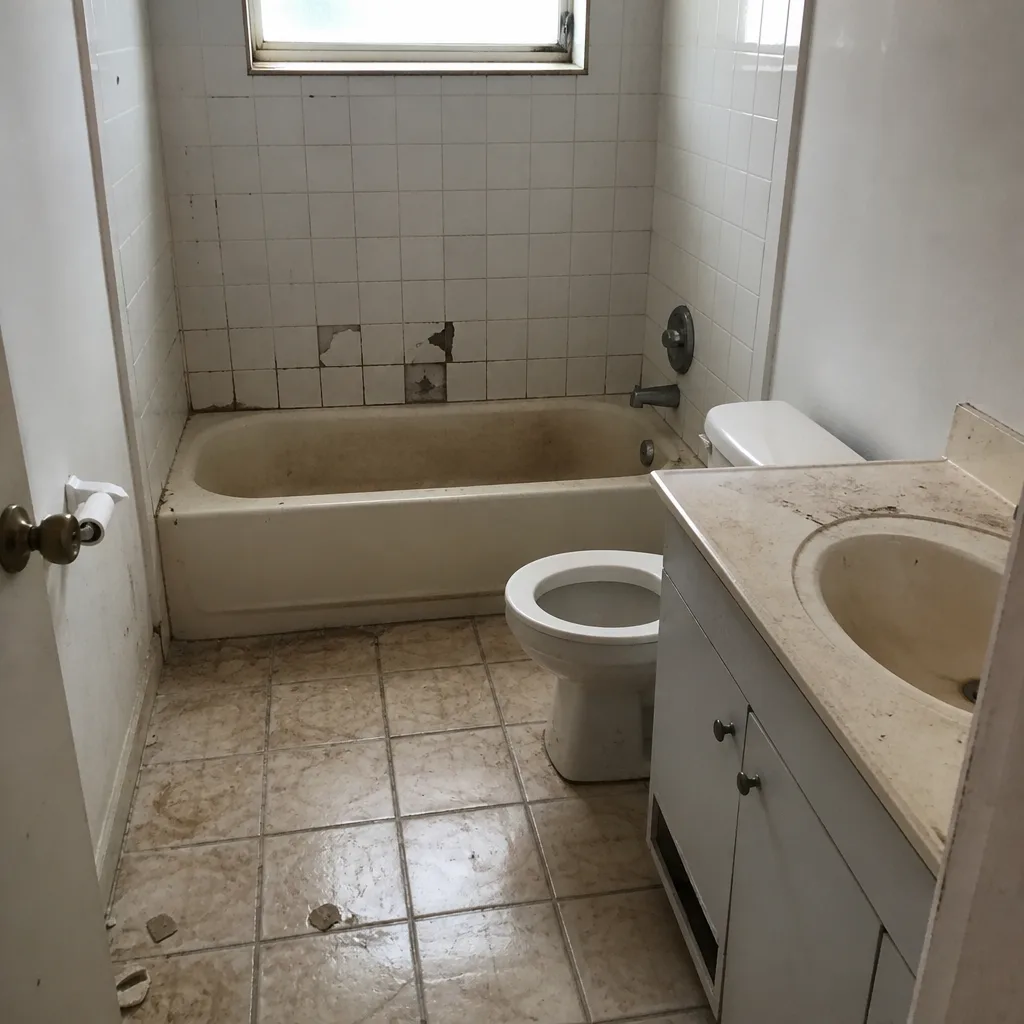 Before
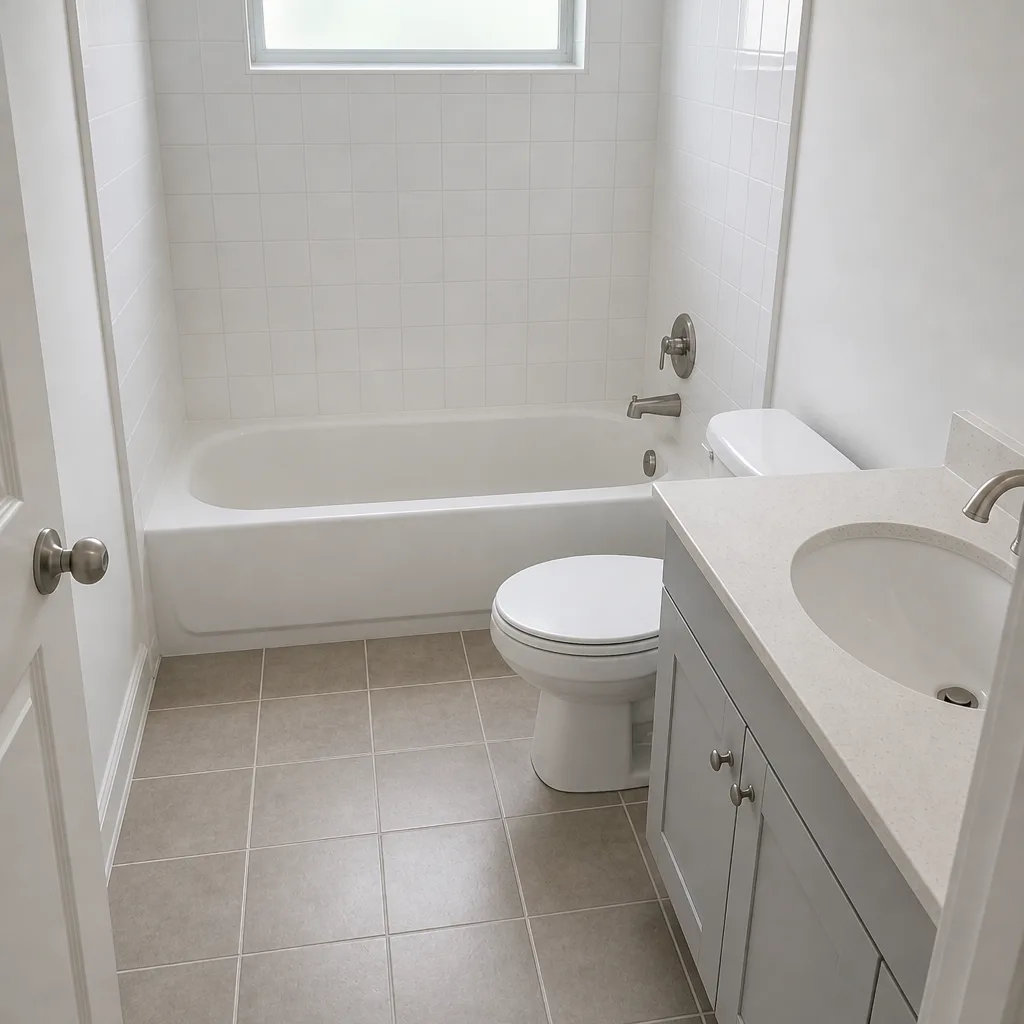 After
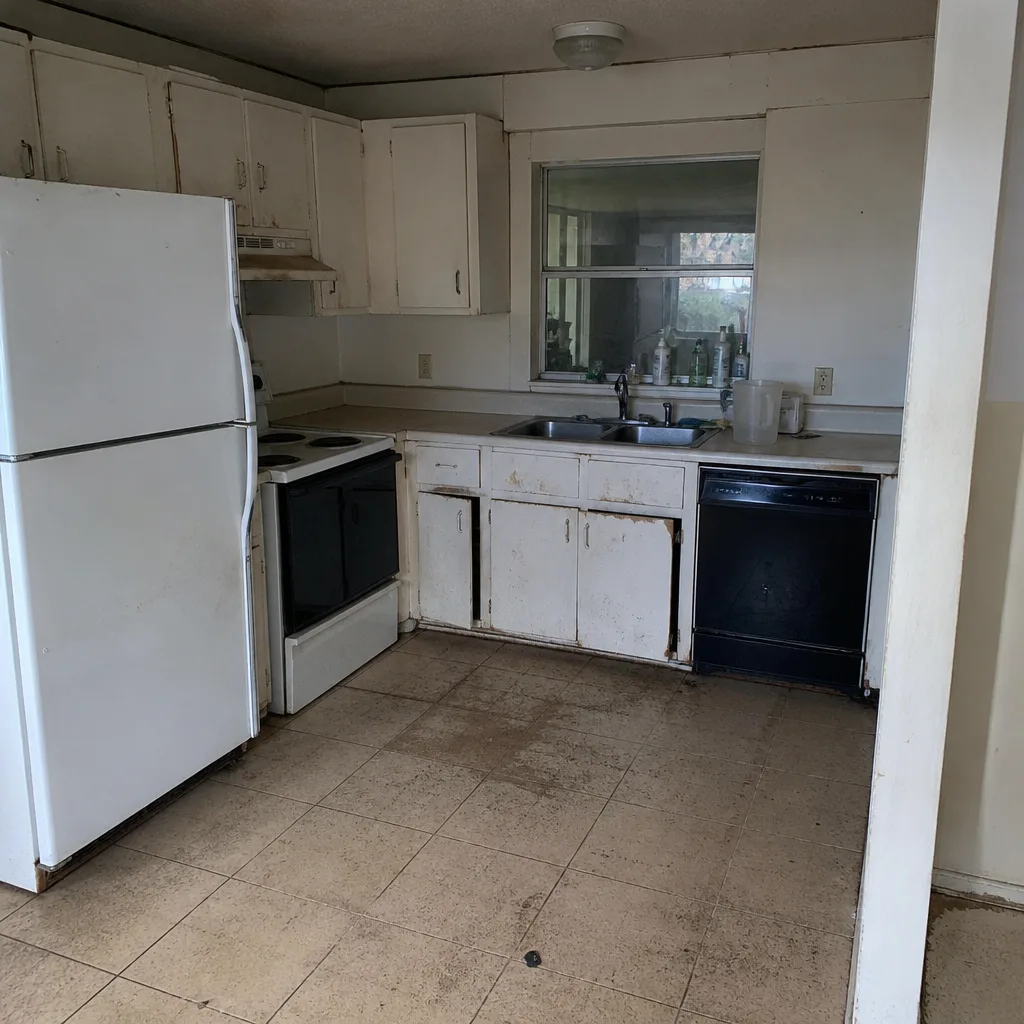 Before
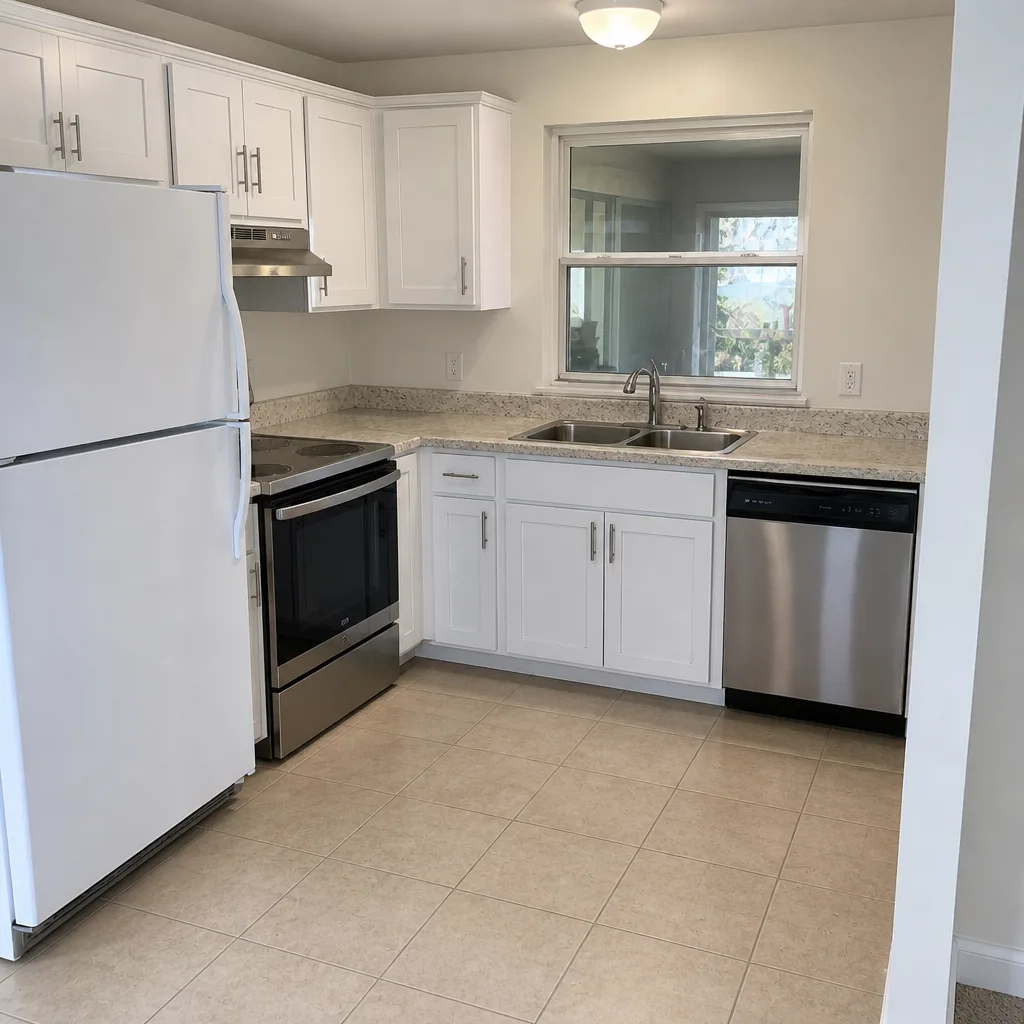 After
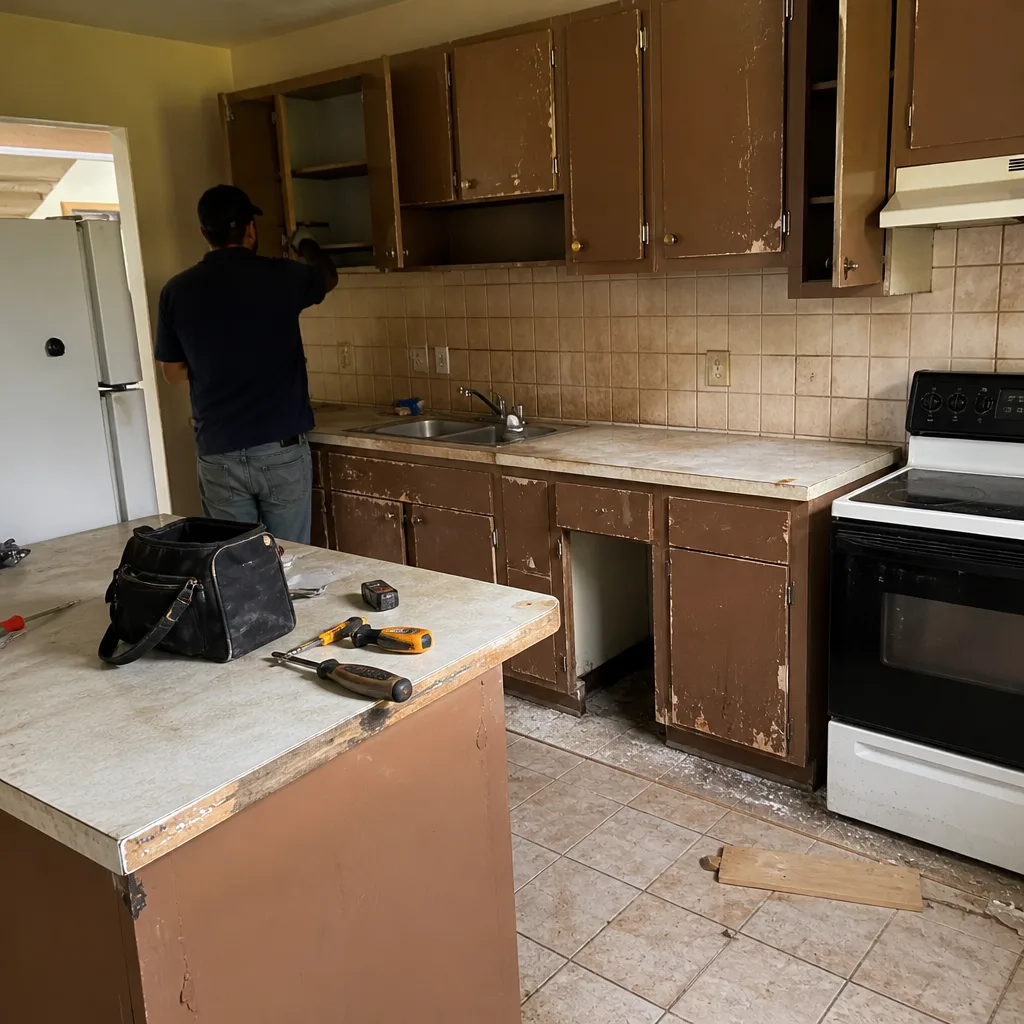 Before
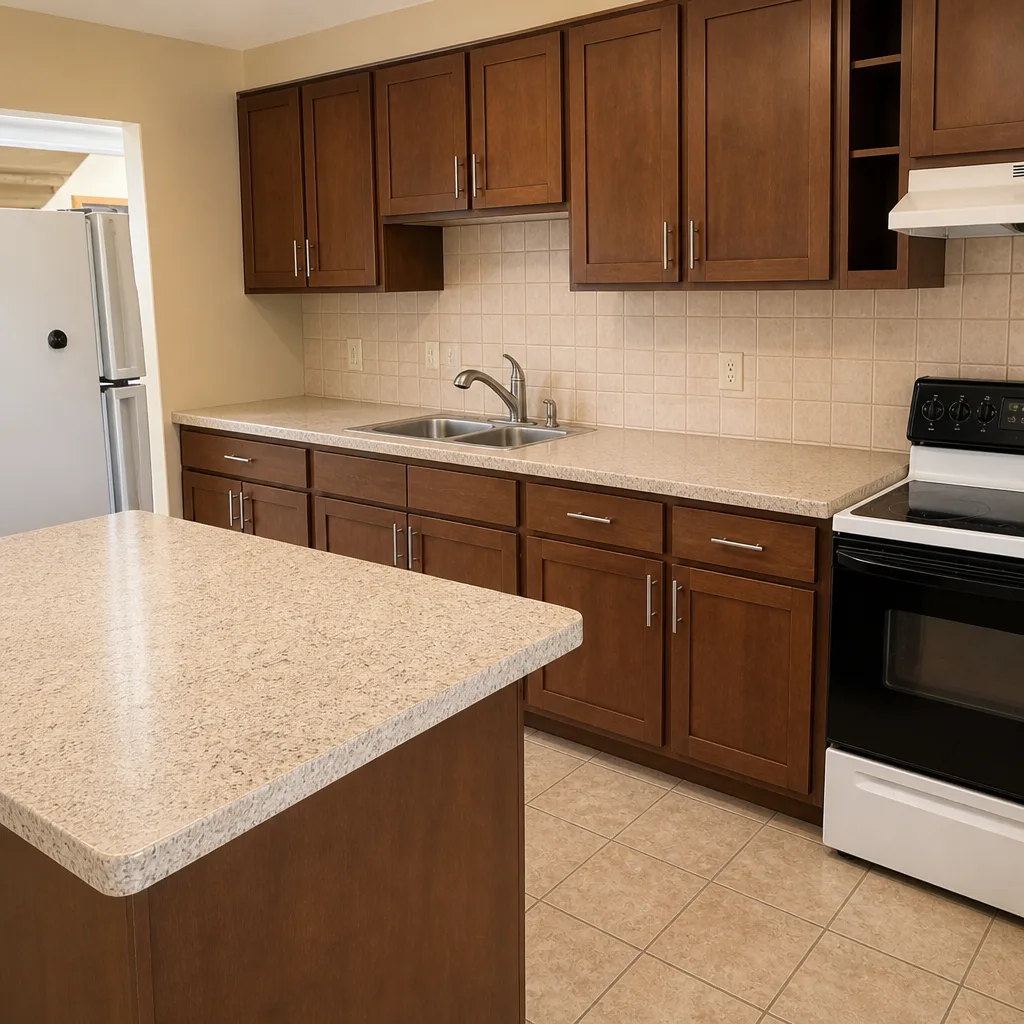 After
When to Call a Professional
Most fence installation in Homestead clears the “do it myself” bar in my favor – the wind-load engineering, the permit process, the HVHZ product verification, and the footing depth calculations all require resources and knowledge most homeowners don’t have, and getting any of them wrong can mean a failed inspection or a fence that doesn’t hold up in a storm. These are the scenarios where calling in a pro pays back the cost many times over: any fence longer than 50 linear feet, any fence that requires a permit and inspection, properties on corner lots or in HOAs, lots with mature trees or buried lines, and any installation where the product approval documentation is unclear. If you’re not sure what your property needs, our Fence Installation in Homestead page outlines how we handle it. Barrett & Sons Construction Homestead offers free estimates in Homestead – call (866) 344-6796.
Frequently Asked Questions
Yes. Fences in Miami-Dade County require a building permit, and the county reviews height, setback, and wind-load engineering before approving the job. Installing without one risks removal at your expense and can complicate a future sale. Call (866) 344-6796 to schedule a free estimate – we pull permits on every eligible job.
For most residential fences, posts run 36 to 48 inches below grade in an 8 to 12-inch concrete footing, but the exact spec comes from the product’s HVHZ approval documentation. This is significantly deeper than the 24-inch national standard. The alkaline soil and wind load both demand it.
HVHZ stands for High-Velocity Hurricane Zone, the Miami-Dade and Broward wind-load jurisdiction. Fence panels, posts, and fasteners sold here need a Miami-Dade Notice of Acceptance or Florida Product Approval number. Without one, the fence may fail inspection and won’t reliably hold in a storm.
Not without a written change order. Every scope, allowance, and price adjustment is documented before work continues, so the number you sign is the number you pay. If conditions on site reveal something nobody could see from the driveway, you’ll know before a single nail moves.
A typical residential fence in Homestead takes two to four days of on-site work, plus a few weeks for the permit to clear before that. If a gate or removable panel is part of the design and needs custom fabrication, add a week.
A properly installed HVHZ-rated aluminum fence routinely lasts 20 years or more, even in hurricane country, because aluminum oxidizes to a stable surface rather than rusting through. The variable is the coating and the fasteners. Specify those and the fence line will outlast the mortgage.
The Bottom Line
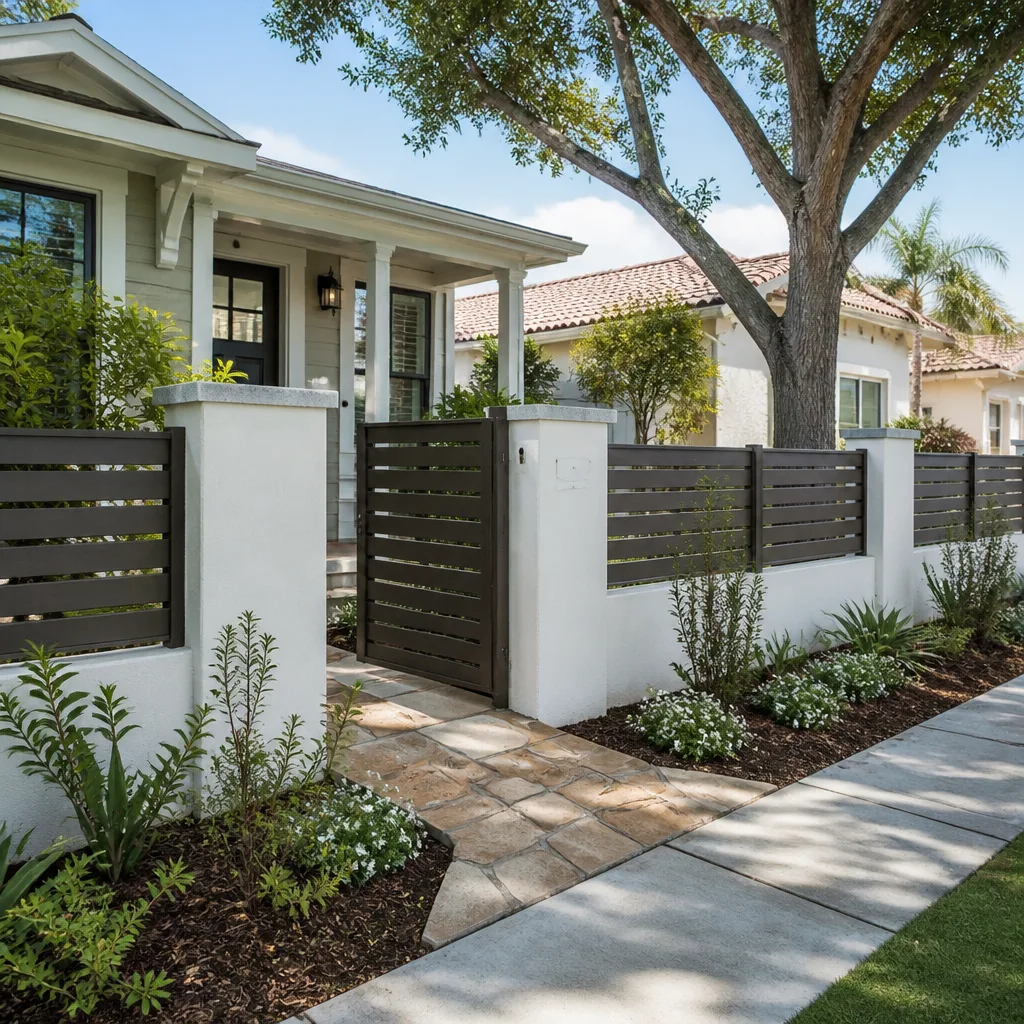
Fence installation in Homestead is really three jobs in one: a permitting exercise, a wind-load engineering exercise, and a soil-chemistry exercise. Get all three right and you have a fence that holds for decades. Get any one wrong – no permit, unrated product, shallow footings or untreated steel – and you’ve paid for a problem that shows up on the worst possible day. If you’re planning a fence on your property, start with the product documentation, confirm the footing spec, and insist on a written line-item quote. That’s how a fence stops being a gamble and starts being an asset.
Barrett & Sons Construction Homestead handles fence installation with permits pulled, HVHZ-rated materials, and written change orders before any scope shift. If you’d like a free estimate, call (866) 344-6796. Our technicians have up to 28 years of experience, and every job is backed by our 90-Day Done Right Promise in writing. If you’re exploring other projects, start at our Barrett & Sons Construction Homestead home page, or see how we handle Home Additions & ADU in Homestead when a fence is one part of a larger plan.
Written by the team at Barrett & Sons Construction Homestead.