Last updated November 17, 2026




Free written scope consultation - allowances, timeline, and change-order rules on paper before a single trade is scheduled
DIY vs Professional Bathroom Remodeling: What’s Safe to Do Yourself
Painting your bathroom yourself is smart. Moving a drain 18 inches to the left yourself is how you end up with an unpermitted house that won’t close when you sell. That’s the line most DIY guides never draw. They tell you to “know your limits” and hand you a paint roller. We’ve watched too many Homestead homeowners discover the harder truth at resale, when a buyer’s inspector flags a shower pan that was never permitted and the closing stalls for weeks. This guide draws the honest line. You’ll learn exactly what Florida and Miami-Dade County allow you to do yourself, what triggers a permit and a licensed trade, and how to prep a job so a contractor credits your work instead of tearing it out.
Quick Answer
You can safely DIY demo, painting, hardware and fixture swaps, and often tile on sound substrate. You cannot legally or safely DIY anything that touches supply lines, drain stacks, the electrical panel, or waterproofing that sits behind a permit. In Miami-Dade County, relocating a drain, adding a circuit, or changing a shower valve is permitted work that a licensed plumber or electrician must pull and sign off. The rest is fair game for a careful homeowner.
Styles & brands we work with
- Kitchen remodeling
- Bathroom remodeling
- Home additions & ADU
- Roofing
- Windows & doors
- Driveway & pavers
- Fence
Table of Contents
- Which Bathroom Tasks Need a Permit in Miami-Dade County?
- The Rough-In Versus Finish Rule
- How Unpermitted DIY Shows Up on a 4-Point Inspection
- Tile and Flooring DIY: The Honest Skill Floor
- When DIY Prep Work Actually Saves Money
- The Safe-to-DIY List and the Hands-Off List
- Common Mistakes to Avoid
- When to Call a Professional
Which Bathroom Tasks Need a Permit in Miami-Dade County?
This is where national remodeling guides fail Homestead readers, because they describe a generic code that doesn’t exist. Miami-Dade County runs on the Florida Building Code plus high-velocity hurricane zone provisions, and the county’s permitting rules are stricter than most of the country on anything wet or electrical. Whether you’re in a 1970s ranch off Krome Avenue or a newer build near the Homestead Air Reserve Base, the triggers are the same.
Tasks that require a permit and a licensed trade in Miami-Dade:
- Relocating or adding a drain, supply line, or vent stack (plumbing permit, licensed plumber).
- Replacing a shower or tub valve, or converting a tub to a shower (plumbing permit).
- Adding a circuit, moving an outlet, installing a heated floor, or adding GFCI protection beyond a like-for-like swap (electrical permit, licensed electrician).
- Any change to the waterproofing membrane in a wet area, including a new shower pan or a curbless conversion.
- Adding or moving a wall, or enlarging a window, in a load-bearing or impact-zone structure.
Tasks that are truly homeowner-allowable with no permit: painting, swapping a vanity top, replacing a toilet with a same-location unit in many cases, changing faucets and showerheads (a like-for-like fixture swap), installing a new mirror, shelving, or towel bars, and re-grouting existing tile that’s already sound.
The permit inspector works for you, not for us. That’s the part burned homeowners rarely hear. An inspection is the county confirming the work is correct before it’s buried behind tile. Skipping it doesn’t save money. It just moves the bill to resale.
The Rough-In Versus Finish Rule
Here’s the framework that makes every DIY decision easier. Every bathroom has two layers: the rough-in (what lives inside the walls) and the finish (what you see and touch). Finish work is yours if you’re careful. Rough-in work carries the liability.
Rough-in includes the drain stack, the water supply lines, the venting, the electrical rough-in, the waterproofing, and the framing. These are the parts nobody sees until they fail. A slow leak behind a shower wall in Homestead’s humidity can rot framing for a year before you smell it. That’s why rough-in is where the code lives and where permits exist.
Finish work includes paint, tile, trim, fixtures, the vanity, the mirror, the lighting trim, and the hardware. A confident homeowner can own most of this. It’s visible, reversible, and if it’s wrong, it’s wrong in a way you notice.
The rule: if a task changes how water or electricity gets somewhere, treat it as rough-in and hand it to a licensed trade. If it changes how the room looks, it’s finish and it’s likely yours.
A quick way to sort any task
- Does it move water, waste, or a wire to a new location? Yes means permit and licensed trade.
- Does it sit behind tile or drywall permanently? Yes means it’s rough-in, treat it with care.
- Can you undo it in an afternoon if you change your mind? Yes means it’s finish and fair game.
- Does it cross a wall, floor, or the building envelope? Yes means check with the county before you start.
How Unpermitted DIY Shows Up on a 4-Point Inspection
Florida insurers require a 4-point inspection on older homes before they’ll write or renew a policy. It covers roof, electrical, plumbing, and HVAC. Unpermitted bathroom work has a way of surfacing there, and the cost isn’t abstract.
An inspector looking at your plumbing sees evidence of a relocated drain with no permit record. They see a shower with a newer valve and no inspection tag. They see an added bathroom outlet with no GFCI and no permit. Any of those can trigger a request for a licensed evaluation, an insurance surcharge, or in the worst case a declined policy. In Homestead’s market, where a lot of homes are 30 to 50 years old, this comes up more than people expect.
At resale it gets sharper. A buyer’s inspector flags unpermitted work, the buyer’s lender wants it resolved, and you’re now paying a contractor to open the wall, correct the work, and pull the permit you skipped. The total is often two to three times what the licensed version would have cost the first time. That’s before the closing delay.
We’ve watched this play out on homes near the Homestead waterfront and in the older blocks off Campbell Drive. The buyer isn’t being difficult. They’re protecting their loan. The county keeps records, and those records are searchable by anyone.
Tile and Flooring DIY: The Honest Skill Floor
Tile is the task homeowners most want to own, and it’s the one that punishes optimism hardest. The tile itself isn’t the hard part. The substrate is.
What a first-timer can realistically execute:
- A simple rectangular tile on a flat, sound, already-waterproofed floor.
- Straight-lay patterns with wide grout lines that forgive small errors.
- Replacing a few cracked tiles where the substrate underneath is confirmed sound.
- Grouting and sealing on a job that’s already set.
What looks fine until it fails:
- A shower floor. The slope to the drain, the pan liner, and the waterproofing are the make-or-break parts, and a first-timer usually gets the slope wrong. Water pools, the pan leaks, and the framing rots from the inside.
- Large-format tile over an uneven subfloor. Every dip telegraphs. It looks acceptable for a month, then the corners lift.
- Tile over existing tile without a proper bonding layer. It feels solid until it doesn’t.
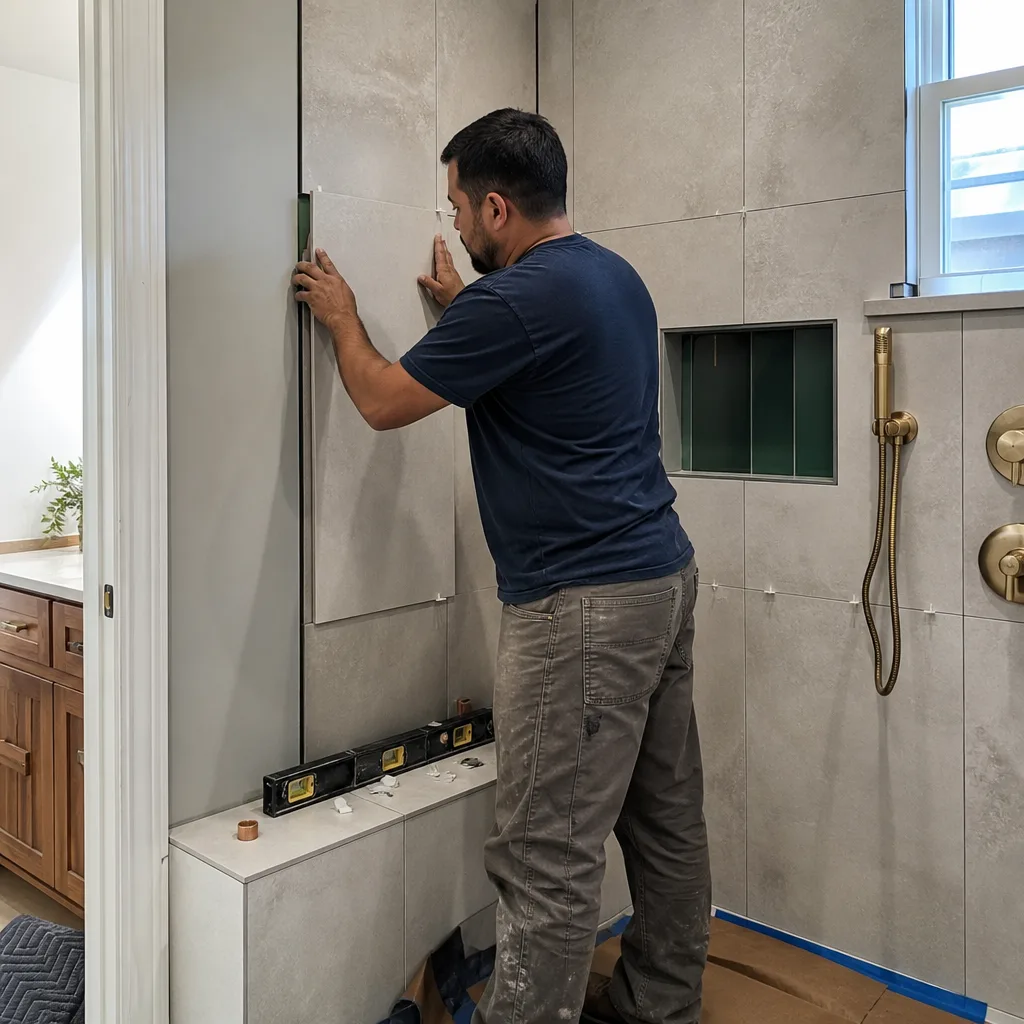
Porcelain and ceramic are standard in Homestead. So is the humidity that finds any weak grout joint. If you want to tile your own floor, our advice is to have a professional handle the waterproofing and the shower pan, then you take the wall tile. That split respects the skill floor and protects the part that ruins a house when it fails.
When DIY Prep Work Actually Saves Money
This is the conversation most homeowners never have with their contractor, and it’s worth real money. Prep work you do before the crew arrives can reduce labor hours, and labor is the biggest line on a bathroom remodel. But it only counts if it’s agreed in writing before anyone lifts a hammer.
Work that commonly earns credit:
- Demo, if you remove fixtures and tile cleanly and don’t damage the framing or plumbing behind them.
- Hauling debris to the curb in a rented dumpster you arranged.
- Painting the finished walls after the crew is done.
- Installing mirrors, towel bars, and other finish hardware.
- Being fully moved out and cleared so the crew isn’t working around boxes.
How to have the conversation so it helps instead of hurts:
- Ask, before the contract is signed, which tasks they’ll credit and how much is deducted.
- Get the deduction written into the scope as a line item, not a verbal promise.
- Confirm the standard your prep has to meet, and what happens if it doesn’t.
- Agree on timing. Demo that happens a week late stalls the whole job and costs the credit.
This is exactly why we put every scope, every allowance, and every price change in writing before work happens. An allowance that isn’t on paper is a surprise waiting for a date. The same goes for a credit. If your DIY prep isn’t in the contract, you’re working for free.
The Safe-to-DIY List and the Hands-Off List
Here’s the whole guide reduced to two lists you can pin to the wall.
Safe to do yourself
- Demo of tile, vanity, toilet, and old fixtures.
- Painting walls, ceiling, and trim.
- Swapping faucets and showerheads (like-for-like, no relocation).
- Installing a new vanity top on the existing cabinet.
- Hanging a mirror, shelving, and hardware.
- Re-grouting sound existing tile.
- Installing a new toilet in the same location, in most cases.
- Finish hardware and lighting trim.
Hands off (permit and licensed trade)
- Moving a drain, supply line, or vent.
- Replacing a shower or tub valve.
- Any new electrical circuit, outlet relocation, or heated floor.
- Shower pan and waterproofing membrane work.
- Removing or moving a wall.
- Enlarging a window in an impact zone.
- Converting a tub to a shower or a curbless shower.
For the bigger version of this kind of project, our guide to Barrett & Sons Construction Homestead home lays out how we structure remodels start to finish. The same discipline applies whether you’re rebuilding a bathroom, laying a new drive with Driveway & Pavers in Homestead, or adding square footage with Home Additions & ADU in Homestead.
Common Mistakes to Avoid
- Skipping the permit to save a few hundred dollars. That savings turns into a resale problem that costs thousands, and in Homestead’s older housing stock it’s the first thing a buyer’s inspector catches.
- Treating a shower pan as a tile job. Waterproofing is the actual job and tile is the finish. Get the pan wrong and the framing rots behind a wall you just paid to paint.
- Moving plumbing “just a little.” Eighteen inches is still a new location. It’s a permit, a licensed plumber, and an inspection, full stop.
- Buying tile before checking the substrate. A floor that isn’t flat or sound will fail no matter how good the tile is. Fix the substrate first.
- Doing prep without a written credit. If the deduction isn’t in the contract, you’ve donated labor. Confirm the scope and the credit before demo day.
- Mixing voltage or skipping GFCI in a wet room. Bathroom electrical isn’t a place to learn. A GFCI you installed wrong can fail the exact way it’s designed to protect you.
- Forgetting the exhaust fan. Homestead humidity needs a properly sized, vented fan. A fan that dumps into the attic just moves the moisture problem.
When to Call a Professional
Call a professional when the task touches a supply line, a drain stack, the electrical panel, or the waterproofing behind a wall. Call when you’re converting a tub to a shower, moving a fixture, or adding a circuit. Call when the substrate under your tile is soft, uneven, or unknown. Call when you’re selling within a couple of years and unpermitted work would show up on a 4-point inspection. And call when the job is big enough that a mistake means opening a finished wall. The brand names that go into a proper job matter too: cabinets, tile, and fixtures you can look up rather than mystery brands off a van. Barrett & Sons Construction Homestead offers free estimates in Homestead, pulls permits on every eligible job, and puts every price change in writing before work moves. Call (866) 344-6796 to schedule a free estimate.
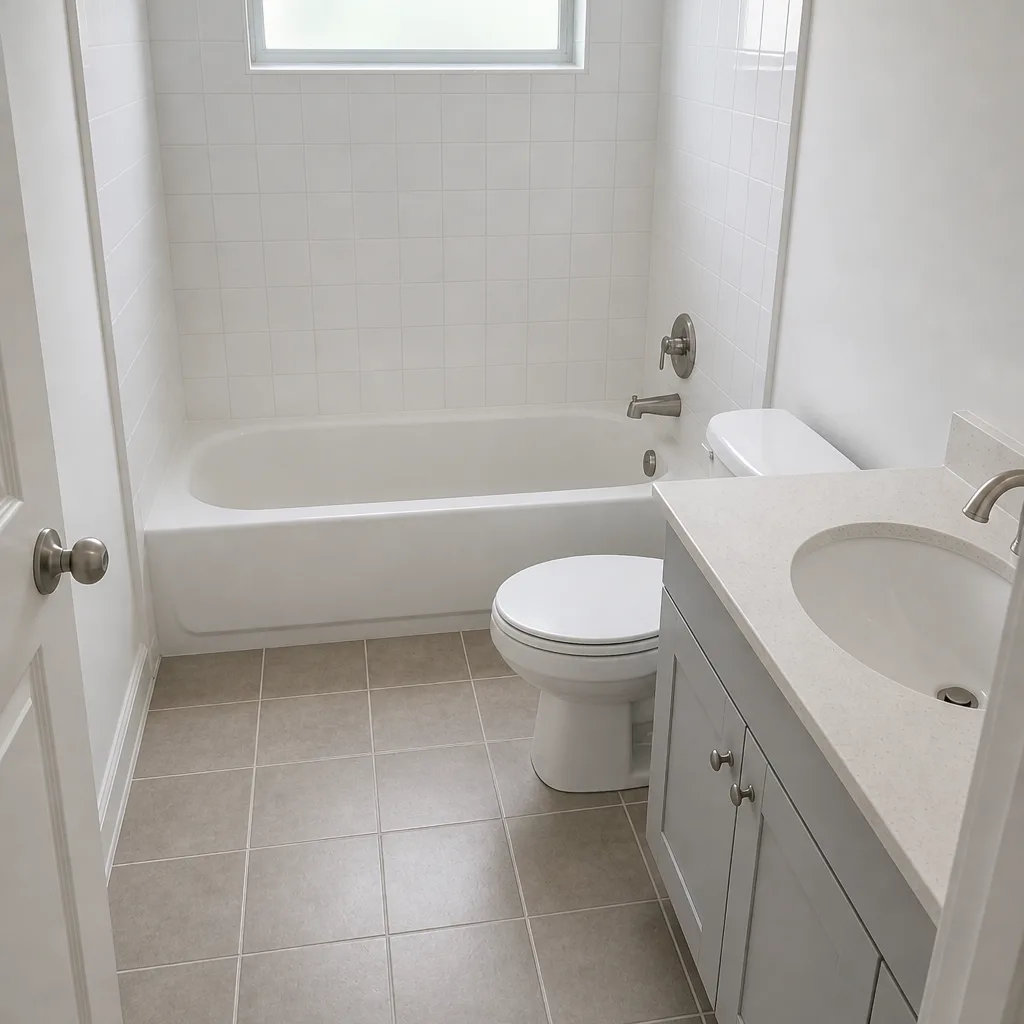
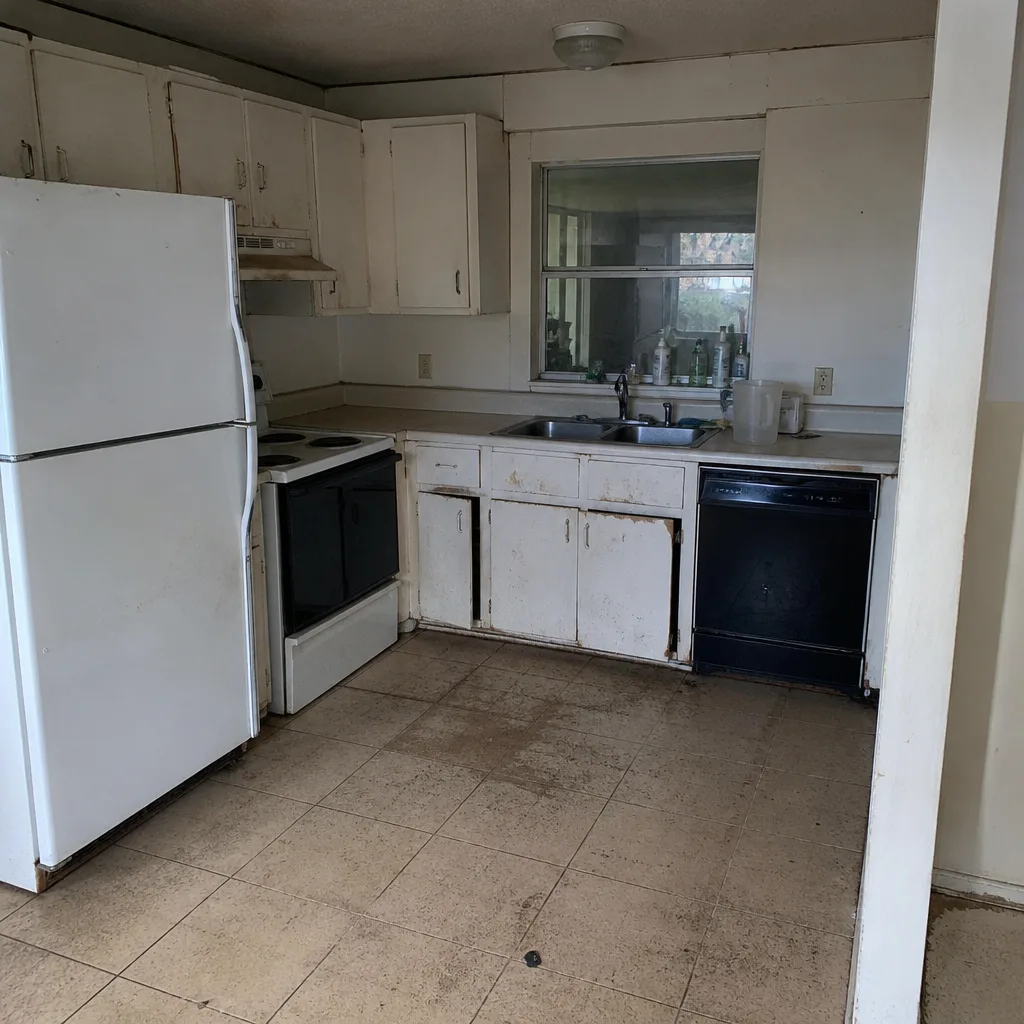
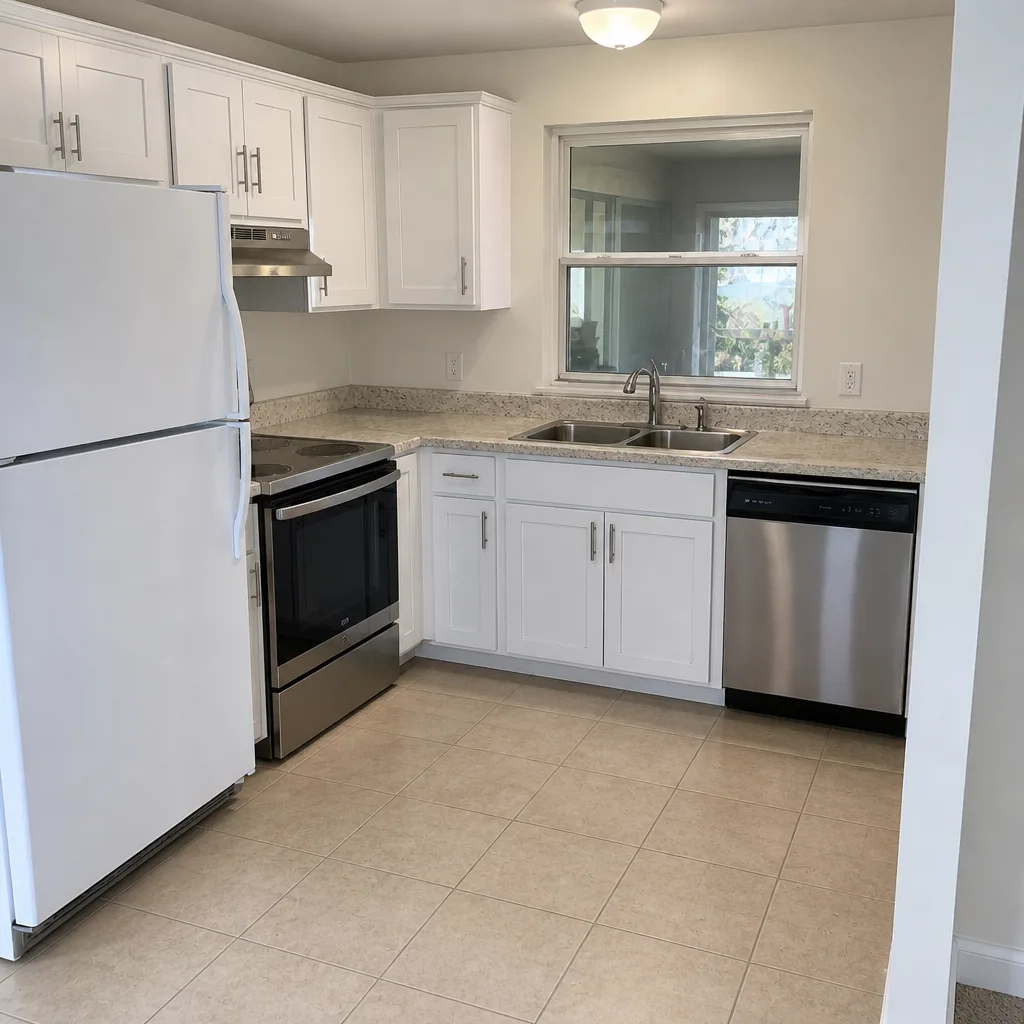
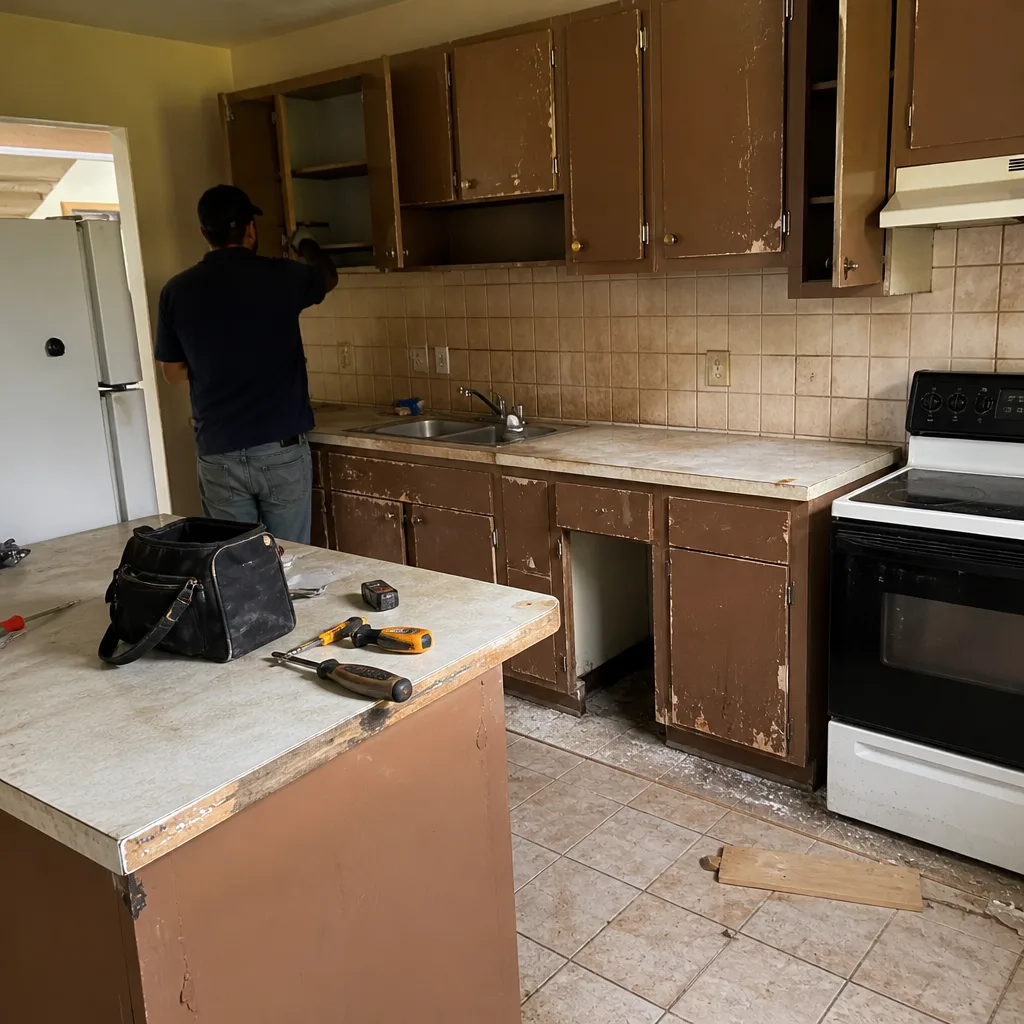
See the difference
 Before
 After
 Before
 After
 Before
 After
Frequently Asked Questions
Only for finish work that doesn’t touch plumbing, electrical, or structural. Painting, tile on sound substrate, fixture swaps, and hardware don’t need a permit. Relocating a drain, adding a circuit, changing a shower valve, or altering waterproofing does need a permit and a licensed trade in Miami-Dade County. When in doubt, ask the county before you start. Call (866) 344-6796 for a free second opinion on your plan.
Skipping a permit on plumbing or electrical work. The savings looks small up front and turns into a resale problem, an insurance issue, and a correction job that costs two to three times the original. In Homestead’s older homes, a buyer’s 4-point inspection catches it reliably. Call (866) 344-6796 for a free estimate before you commit.
You can tile the walls on a properly waterproofed shower, but the pan, slope, and waterproofing should be done by a professional. A pan that’s sloped wrong pools water and rots the framing. That’s not a skill issue, it’s a failure mode. Call (866) 344-6796 for a free estimate on the waterproofing portion.
It can, but only if the credit is written into the contract before work starts. Demo, debris hauling, and painting often earn a deduction. A verbal promise doesn’t. Get the amount and the scope standard in writing. Call (866) 344-6796 for a free estimate and a written scope.
Yes. A 4-point inspection on an older home can surface unpermitted plumbing or electrical and lead to a surcharge, a required licensed evaluation, or a declined policy. Homestead’s 30-to-50-year-old homes see this often. Call (866) 344-6796 for a free estimate if you’re unsure what’s behind your walls.
A like-for-like fan swap usually doesn’t need a permit, but a new circuit or new vent run often does. The bigger issue in Homestead is venting. A fan that dumps into the attic moves the moisture problem, it doesn’t solve it. Call (866) 344-6796 for a free estimate on a proper vent run.
The Bottom Line
The real DIY question isn’t whether you’re handy enough. It’s whether the work you do yourself can void a permit, fail an inspection, or cost more to undo than hiring someone. Paint, tile on sound substrate, prep, and hardware are yours. Drains, supply lines, electrical, and waterproofing belong to a licensed trade in Miami-Dade County. Do the finish work and let the rough-in go to a pro. Your resale will thank you. If you want a written scope and a straight answer on what you can safely own, call (866) 344-6796 for a free estimate. Our technicians have up to 28 years of experience, and every eligible job includes permits pulled and inspections signed.
Fencing, driveways, and additions follow the same rough-in logic. If you’re planning the whole exterior, our Fence Installation in Homestead and Driveway & Pavers in Homestead pages show how we handle those trades, with brands like ActiveYards, Belgard, and Tremron you can look up rather than take on faith.
Written by the team at Barrett & Sons Construction Homestead.