Last updated November 17, 2026
Free written scope consultation - allowances, timeline, and change-order rules on paper before a single trade is scheduled
The Complete Guide to Construction in Homestead
Miami-Dade County enforces the strictest building code in the continental United States, and Homestead sits at the southern edge where that code meets high-velocity hurricane zone rules that catch out-of-town contractors flat-footed. File the wrong forms on day one and you can lose three weeks before a shovel touches dirt. This guide walks the whole arc of a Homestead project, from reading a lot’s soil and drainage to the final certificate of occupancy, so you stop learning the hard way. You’ll learn how the HVHZ designation reshapes materials, which office actually issues your permit, and why the inspection sequence decides whether you finish in three months or seven.
Quick Answer
Construction in Homestead, FL is governed by Miami-Dade County’s High-Velocity Hurricane Zone (HVHZ) code, which requires stricter material specs, fastener schedules, and product approvals than the rest of Florida. Your permit can come from either the City of Homestead or Miami-Dade County depending on location and scope, and getting that jurisdiction right before filing is the single biggest schedule saver. Soil, drainage, and farm-adjacent zoning add local layers most outside contractors miss.
Styles & brands we work with
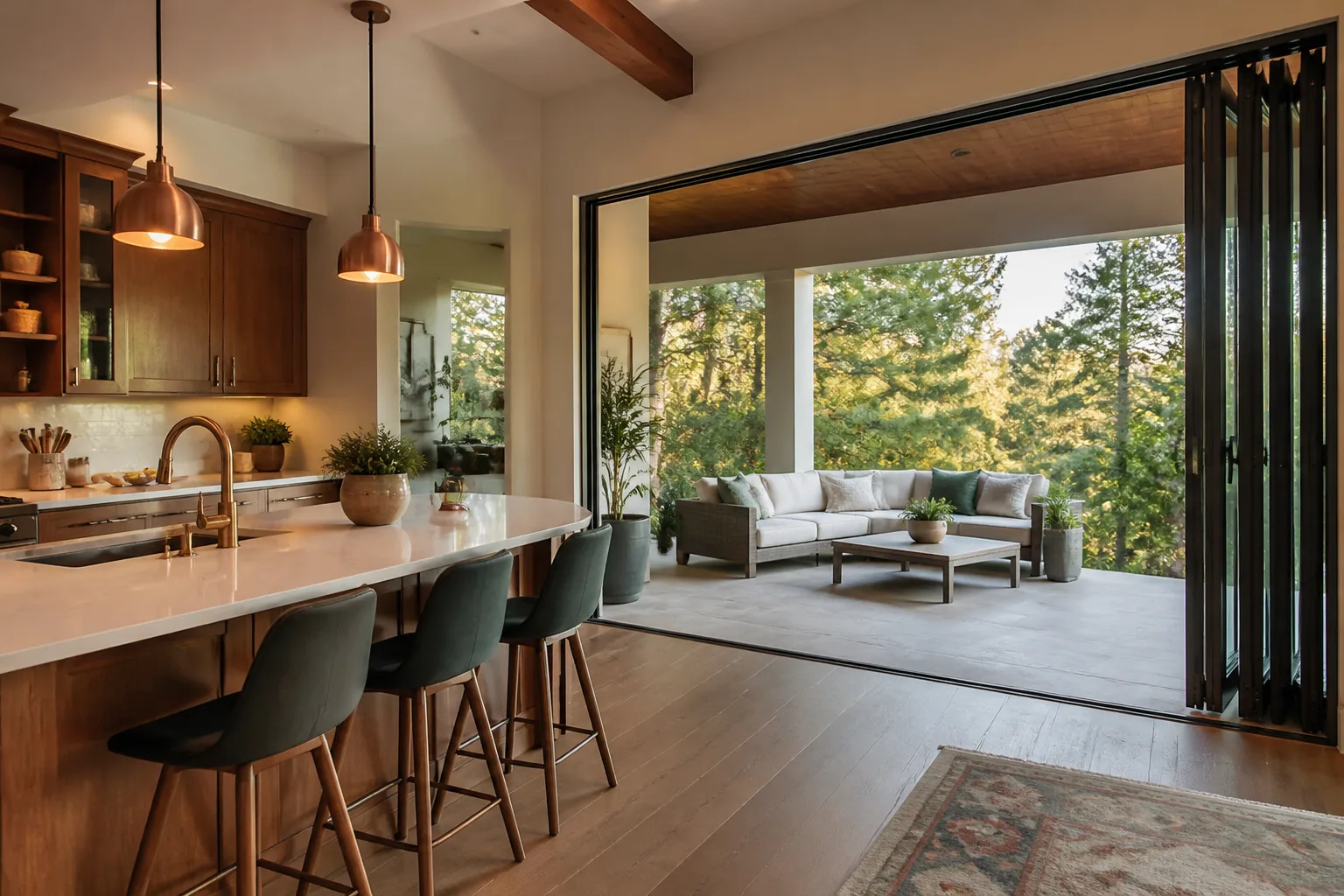
- Kitchen remodeling
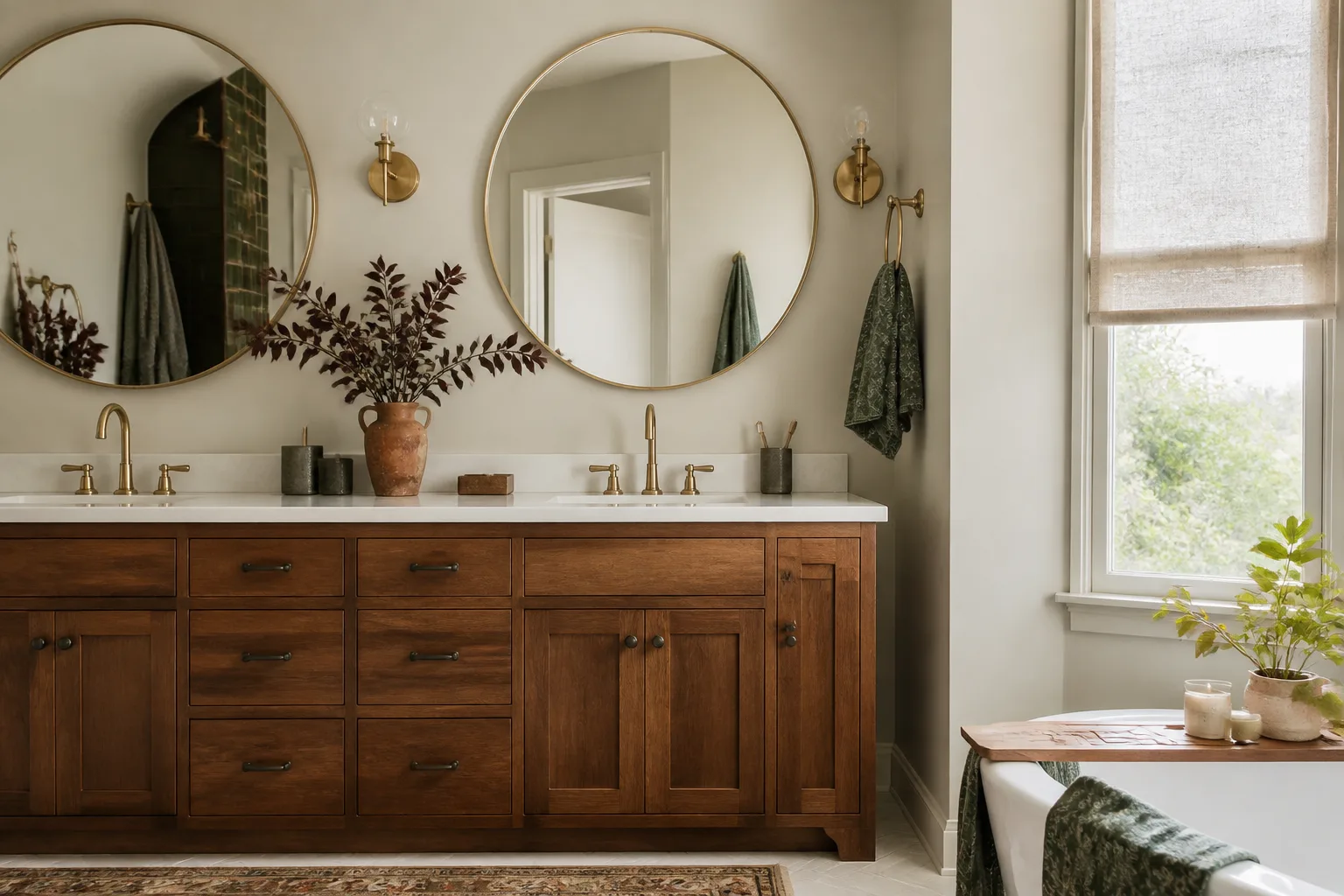
- Bathroom remodeling
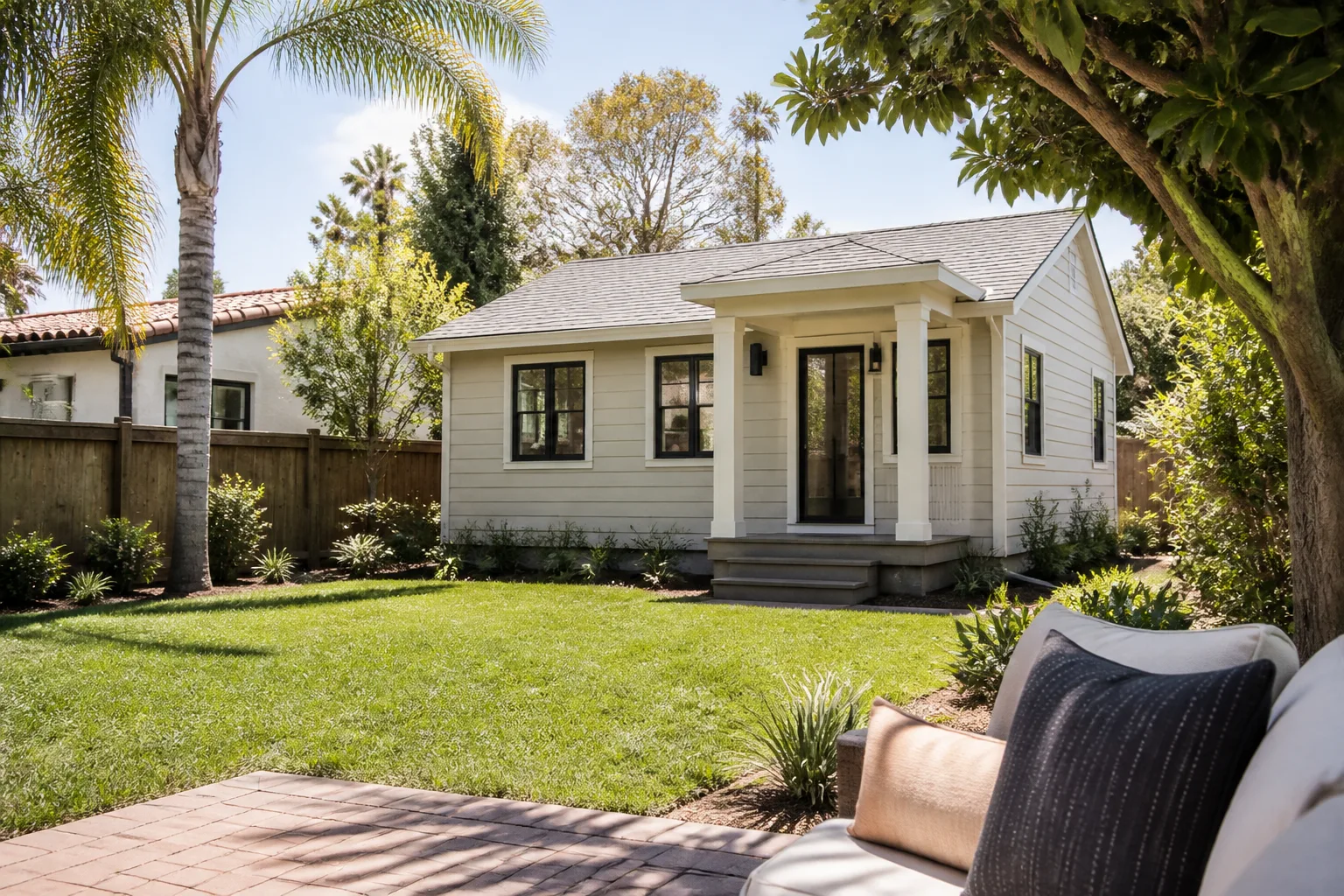
- Home additions & ADU
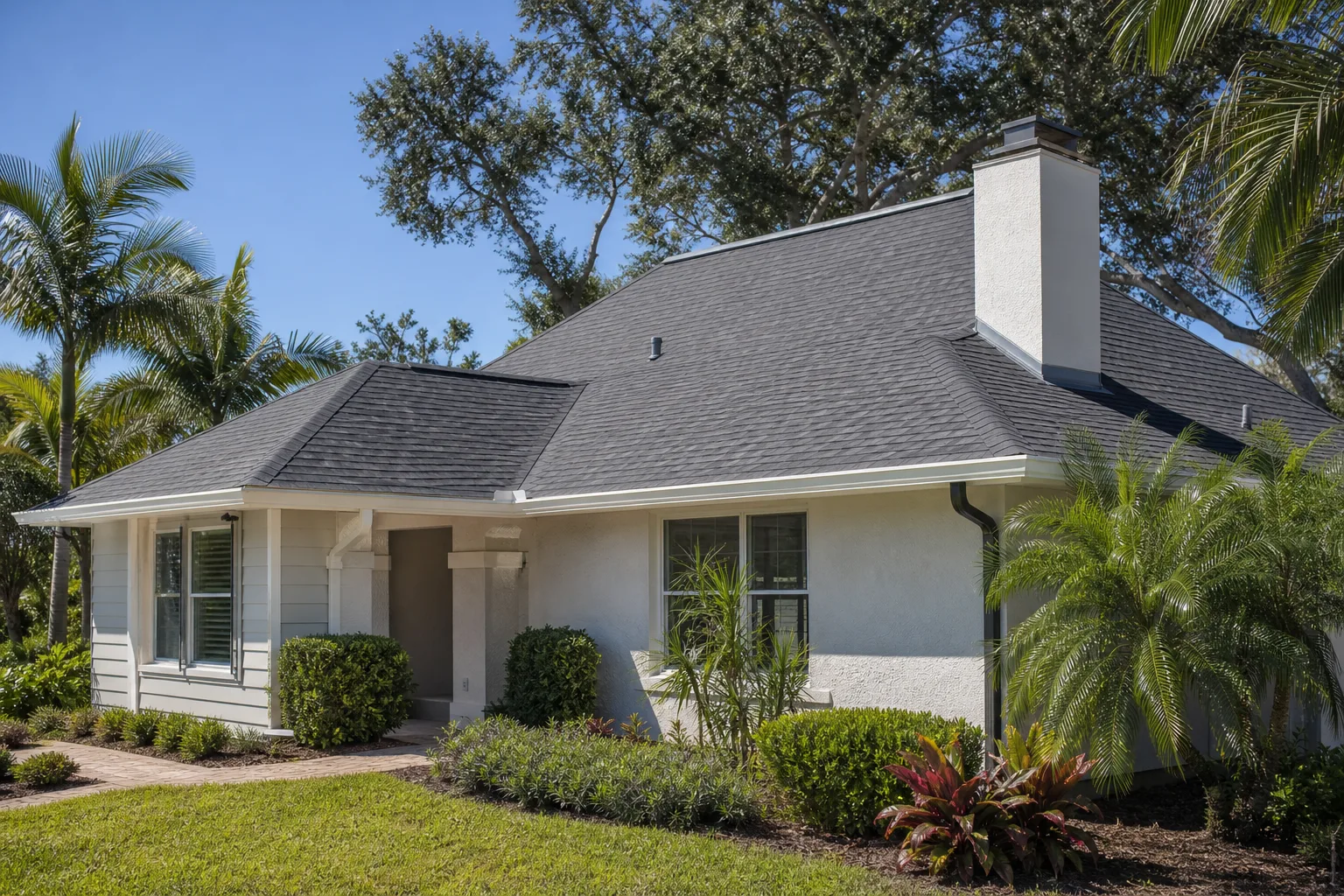
- Roofing
- Windows & doors
- Driveway & pavers
- Fence
Table of Contents
- Why Homestead’s HVHZ Designation Changes Everything
- City of Homestead vs. Miami-Dade County: Which Permit Office?
- Soil and Drainage Realities in South Miami-Dade
- Agricultural and Farm-Adjacent Zoning: What You Can Build
- The South Florida Trade and Inspection Sequence
- Materials That Hold Up in Homestead’s Climate
- What Drives Cost and Timeline in Homestead
- A Step-by-Step Planning Checklist
Why Homestead’s HVHZ Designation Changes Everything
Homestead falls inside Florida’s High-Velocity Hurricane Zone, which governs Miami-Dade and Broward counties. In practice that means every product on your job, from a roof shingle to a window to the concrete anchor holding down a fence post, must carry a Miami-Dade County Notice of Acceptance or an equivalent approved-product listing. Out-of-town contractors who build under the standard Florida Building Code routinely miss this.
The HVHZ rules tighten the specs in ways you can measure:
- Fasteners: Nails, screws, and anchors must meet specific corrosion-resistance and pull-out ratings, with documented spacing schedules. A generic box of deck screws won’t pass.
- Roofing: Underlayment, attachment patterns, and edge metal all have approved-product numbers. Products valid in Orlando often aren’t valid here.
- Windows and doors: They need a Miami-Dade or Florida approval for the design pressure of your opening, not just a “hurricane rated” sticker.
- Attachments: Fences, carports, and screens have their own HVHZ load paths and anchoring detail requirements.
Here’s the part that hits budgets: a contractor who bids HVHZ-compliant materials and one who bids standard materials can differ by thousands on the same roof or window package. If a bid looks unusually low for Homestead, ask which approved-product numbers they plan to install. In our experience, the gap almost always shows up there.
City of Homestead vs. Miami-Dade County: Which Permit Office?
This is where a lot of paperwork goes sideways. Homestead is a city inside Miami-Dade County, and both entities issue permits depending on where your property sits and what you’re building. Getting the jurisdiction wrong on day one means a rejected application and a restart, which can cost two to four weeks before any work begins.
Use this order of operations to sort it out before you file:
- Confirm the property’s jurisdiction. Property inside Homestead city limits typically permits through the City of Homestead’s building department; unincorporated Miami-Dade addresses typically go through the county. Annexation history means some parcels near the city edges aren’t where you’d assume.
- Match the scope to the review type. A simple roof replacement, an addition, and a new ADU each follow different review paths, and some scopes trigger additional HVHZ product review no matter which office takes the application.
- Verify product approvals before you submit. Approved-product listings are checked at plan review, not after. Missing listings are the most common reason a submittal is bounced.
- Confirm the inspection sequence with the office. Inspection milestones and required hold points vary by scope. Knowing them up front is how you schedule trades without idle gaps.
The permit inspector works for you, not for the contractor. Treat the jurisdiction question as the first line item on any bid, and get it in writing. The last contractor most homeowners used told them permits were optional; in Homestead they aren’t. For a full-service remodel, the same discipline applies from the first form to the final sign-off on our Barrett & Sons Construction Homestead home page.
Soil and Drainage Realities in South Miami-Dade
South Miami-Dade sits on limestone close to the surface, and in many Homestead lots that rock is shallow enough to change how you prep a slab, dig for a footer, or set a fence post. Add a high water table and summer downpours that can drop several inches in an afternoon, and drainage stops being an afterthought. It becomes a design decision.
What that means for your project:
- Slab prep: Proper compaction and a graded base matter more here than in drier markets. Sloppy prep shows up later as cracks and settling.
- Drainage: Swales, French drains, and yard grading need to move water away from the structure, not toward it. A lot that ponds in August will pond against your new foundation if the grade is wrong.
- Foundations: Where limestone is shallow, excavation and footing design get site-specific. One neighbor’s footer depth isn’t a safe template for yours.
- Pavers and driveways: Base thickness and joint sand matter in a wet climate. See how we approach Driveway & Pavers in Homestead for the base and drainage detail that survives the rainy season.
A soil and drainage read before you pour is cheap. Fixing a slab that settled because the base wasn’t compacted is not.
Agricultural and Farm-Adjacent Zoning: What You Can Build
Homestead’s agricultural roots aren’t just history. Large stretches of the area carry agricultural or farm-adjacent zoning, and that shapes what you can legally build and where. A parcel zoned for agriculture plays by different rules than a suburban residential lot, and the difference shows up in setbacks, allowed structures, and what counts as an accessory building.
Before you buy plans or hire a crew, confirm these on your specific parcel:
- Zoning designation: What the property is zoned for, and how that limits structure types and sizes.
- Setbacks and lot coverage: Agricultural parcels often have different setback and impervious-surface limits than residential lots.
- Accessory structures: Barns, workshops, detached garages, and ADUs have their own rules, and a farm-adjacent lot may allow some structures a standard lot won’t.
- ADU eligibility: Adding a rental unit or in-law suite depends on zoning and lot size. Our Home Additions & ADU in Homestead guide covers the eligibility and permitting path in detail.
Get a zoning verification from the issuing jurisdiction before design starts. Discovering a setback problem after plans are drawn is an expensive way to learn the rules.
The South Florida Trade and Inspection Sequence
The order trades run and inspections pass is what separates a project that finishes in three months from one that drags to seven. In South Florida the hold points are stricter, and a missed inspection can stall every trade behind it. Here’s the general sequence for a typical addition or major remodel:
- Permit issued and posted. No work until the permit is in hand and posted on site.
- Site prep and foundation inspection. Excavation, footing, and slab prep get inspected before the pour.
- Framing and structural inspection. With HVHZ, expect a close look at connectors, straps, and anchoring.
- Rough-in inspections. Electrical, plumbing, and mechanical rough-ins pass before walls close.
- Insulation and drywall. Insulation inspection often happens before drywall goes up.
- Roofing and envelope inspection. Attachment and flashing are checked against the approved-product schedule.
- Final inspections and certificate of occupancy. Every trade gets its final sign-off before the CO is issued.
Each of those hold points has to clear before the next trade can move. That’s the whole game. Schedule the inspections early, keep the approved-product paperwork on site, and the calendar stays tight. Miss one and everyone sits.
Materials That Hold Up in Homestead’s Climate
Heat, humidity, salt air from the coast, and hurricane wind loads work together on every surface of a Homestead building. Material choice isn’t a style question here. It’s a durability question, and the HVHZ product approvals narrow the field further.
Where premium brands earn their place in this climate:
- Roofing: GAF and CertainTeed systems with approved-product listings and correct attachment for HVHZ wind uplift.
- Windows and doors: Andersen and Marvin units rated for the design pressure of each opening, with the approval numbers on file.
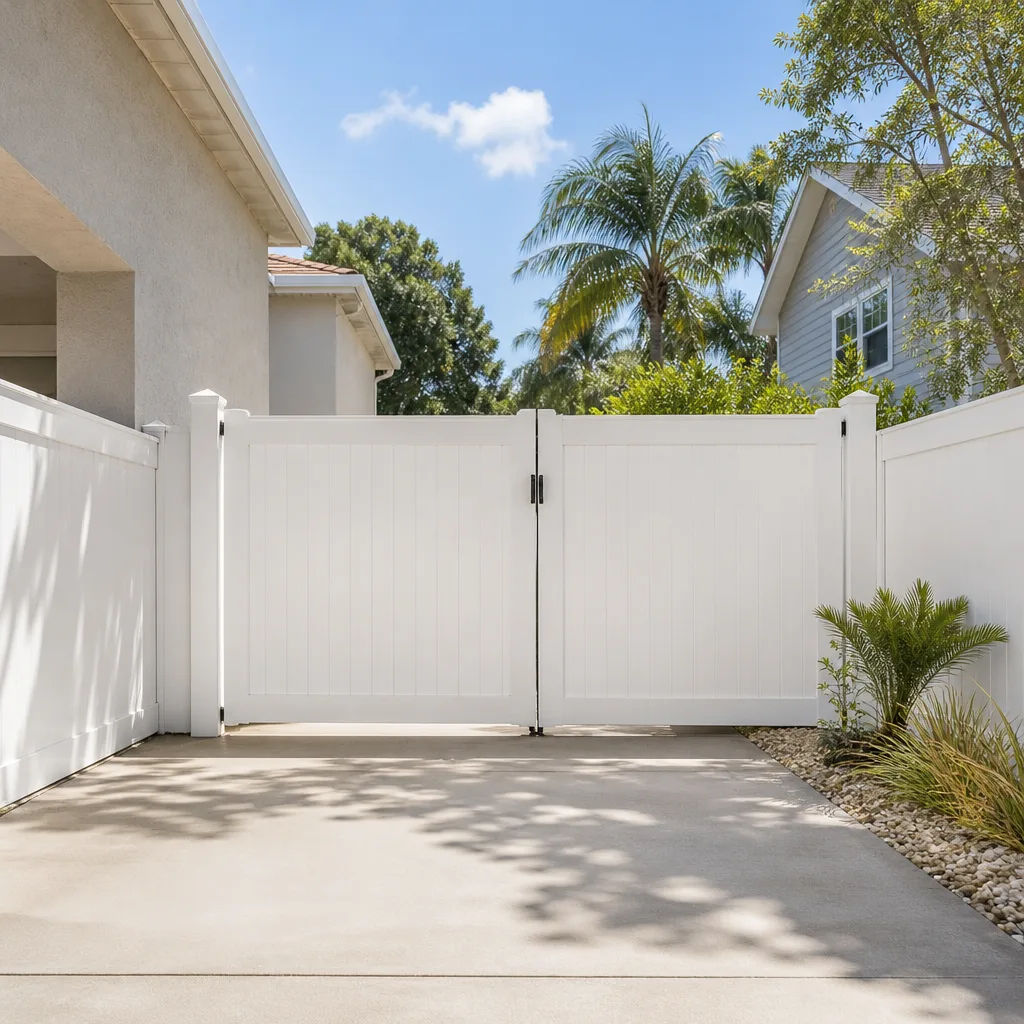
- Fencing: Vinyl systems like Bufftech and ActiveYards, or aluminum from Ameristar and Jerith, hold up to sun and wind better than untreated wood. Our Fence Installation in Homestead guide covers HVHZ anchoring and post setting.
- Hardscape: Belgard and Techo-Bloc pavers set on a properly compacted base handle the wet season without heaving.
Every one of those has a paper trail you can look up. Materials you can verify beat mystery brands off a van, especially when an inspector is checking the approved-product schedule against what’s actually on your roof.
What Drives Cost and Timeline in Homestead
We won’t quote prices here that change by the month and vary by lot. What we can do is tell you what moves the number, so you can read a bid and know where the money is going.
The big cost drivers on a Homestead job:
- HVHZ-compliant materials and fasteners: Approved products cost more than standard-code equivalents, and the difference is real.
- Site conditions: Shallow limestone, poor drainage, or a lot that needs grading can add foundation and prep work.
- Permit jurisdiction and scope: The review path and required inspections affect both fees and the schedule.
- Zoning allowances: What’s legal on your parcel drives design, which drives cost.
- Allowances: A tile or fixture allowance that isn’t written down is a surprise waiting for a date. Every allowance needs a number on paper before work starts.
Ask for a line-item quote that separates HVHZ materials, site work, permits, and allowances. If a bid lumps it all into one number with no product brands, that’s your signal to ask harder questions.
A Step-by-Step Planning Checklist
Before you sign anything in Homestead, run this list. It’s the same order we walk a project through.
- Confirm the property’s jurisdiction (City of Homestead or Miami-Dade County) and the review path for your scope.
- Pull zoning and setback info for your parcel, especially on agricultural or farm-adjacent lots.
- Get a soil and drainage read before foundation or slab design.
- Verify HVHZ product approvals for roofing, windows, and structural connectors.
- Demand a line-item, written quote with brands named and allowances numbered.
- Confirm in writing that permits get pulled and inspections scheduled, not left to chance.
- Get any change in writing as a change order before work proceeds.
Common Mistakes to Avoid
- Assuming standard Florida code applies. Homestead is HVHZ. Products and fasteners that pass elsewhere can fail plan review here, and the fix costs time and money.
- Filing with the wrong permit office. Submitting to the city when the parcel is unincorporated county property (or the reverse) resets your timeline by weeks.
- Skipping the drainage plan. A lot that ponds in the rainy season will fight any slab or driveway built without grading and drainage figured in first.
- Ignoring zoning on a farm-adjacent lot. Agricultural parcels have their own setback and accessory-structure rules. Design first, verify zoning later is the expensive order.
- Accepting an unwritten allowance. A tile or fixture allowance with no number on paper is a surprise waiting for a date. Get every allowance in writing.
- Believing permits are optional. Unpermitted work in Miami-Dade can halt a sale and force expensive corrections. Pull the permit.
- Choosing the lowest bid with mystery materials. If the quote doesn’t name the brand and the approved-product listing, you don’t know what you’re buying.
See the difference
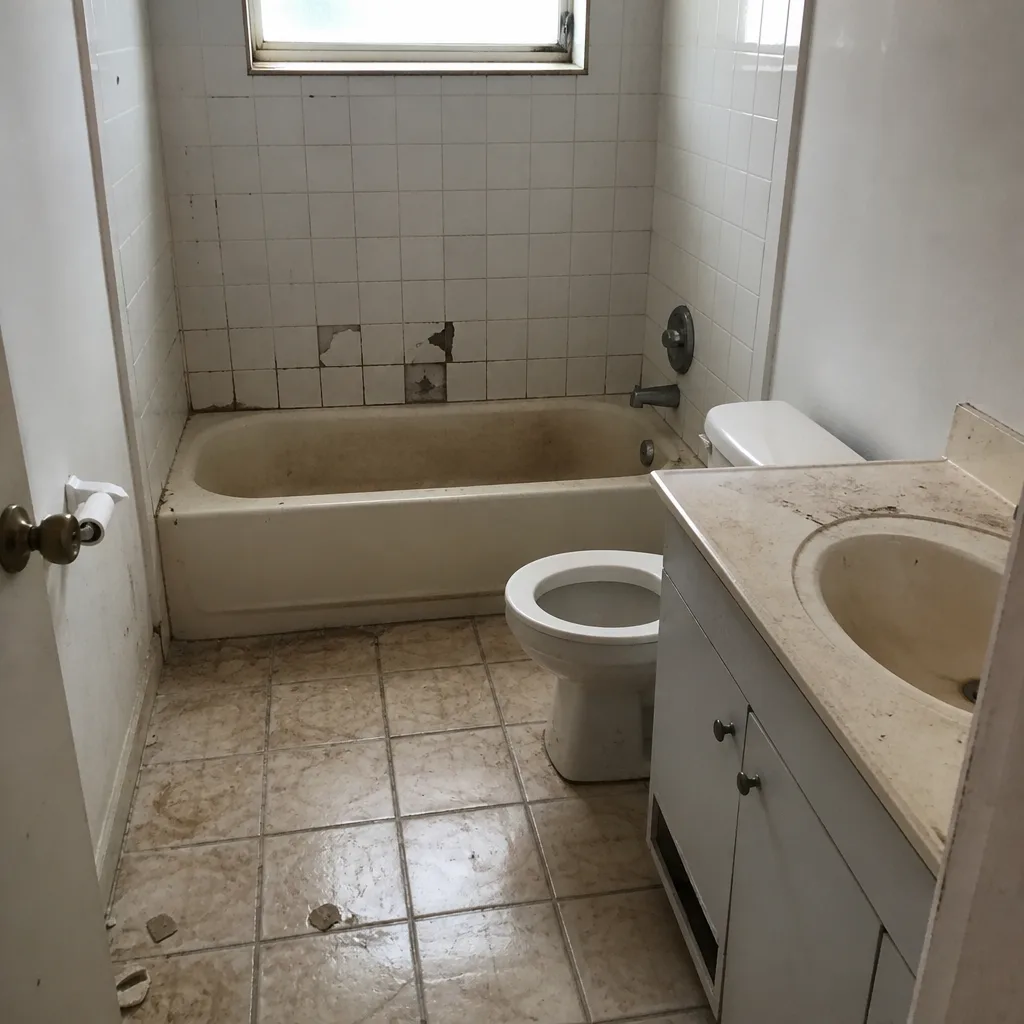 Before
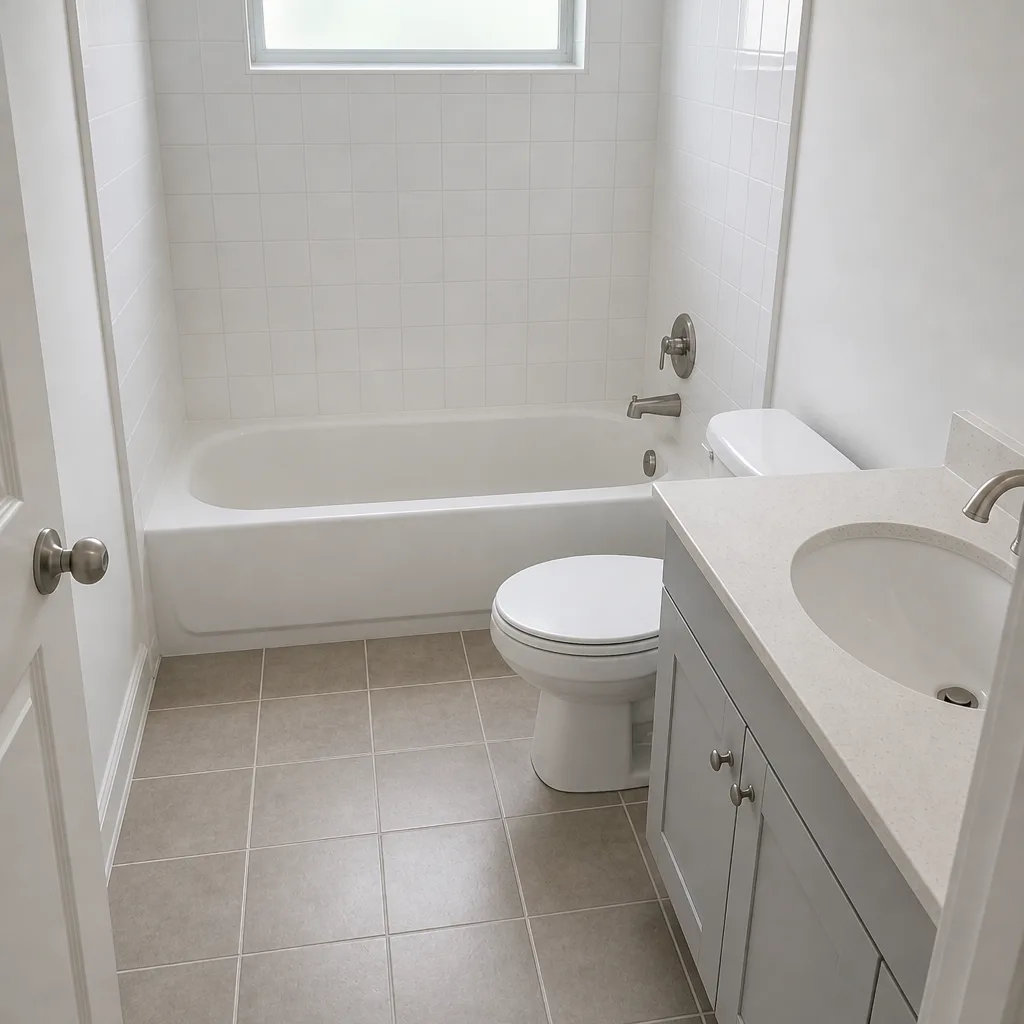 After
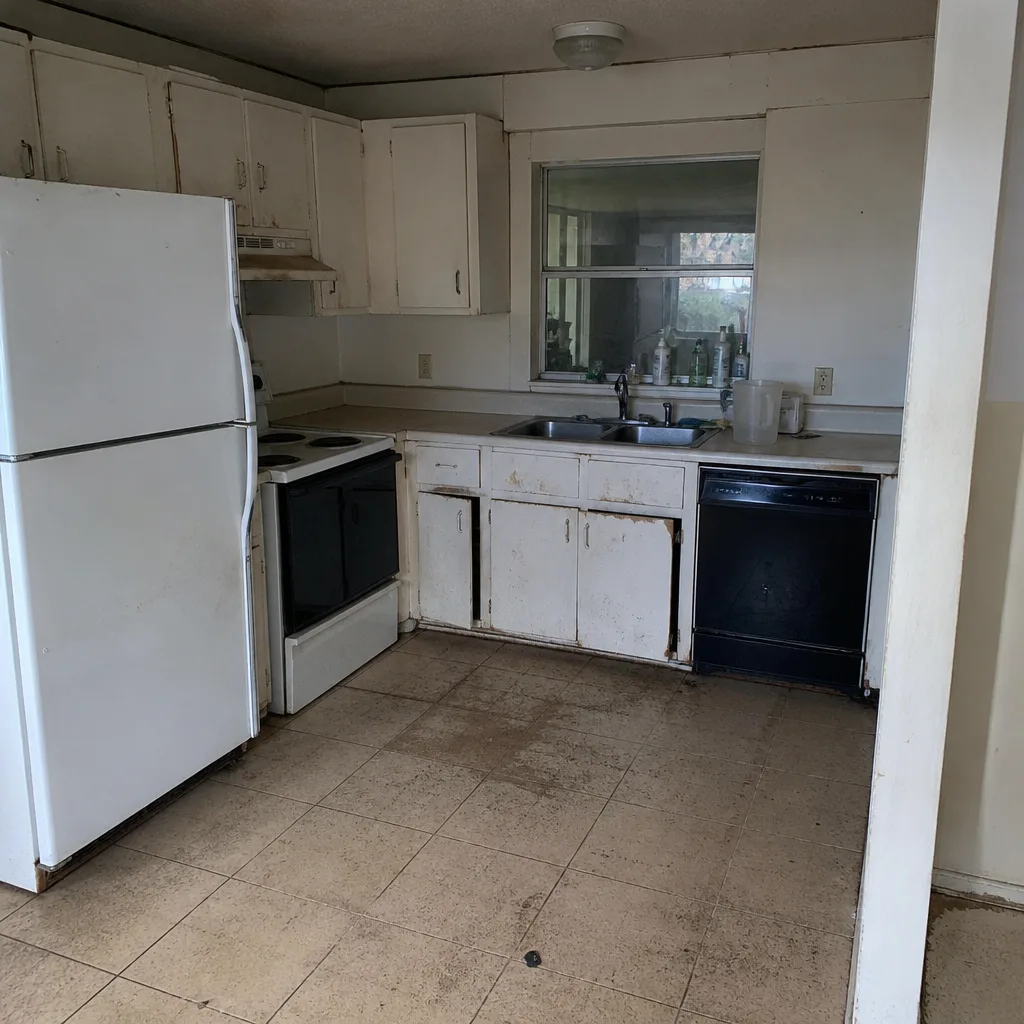 Before
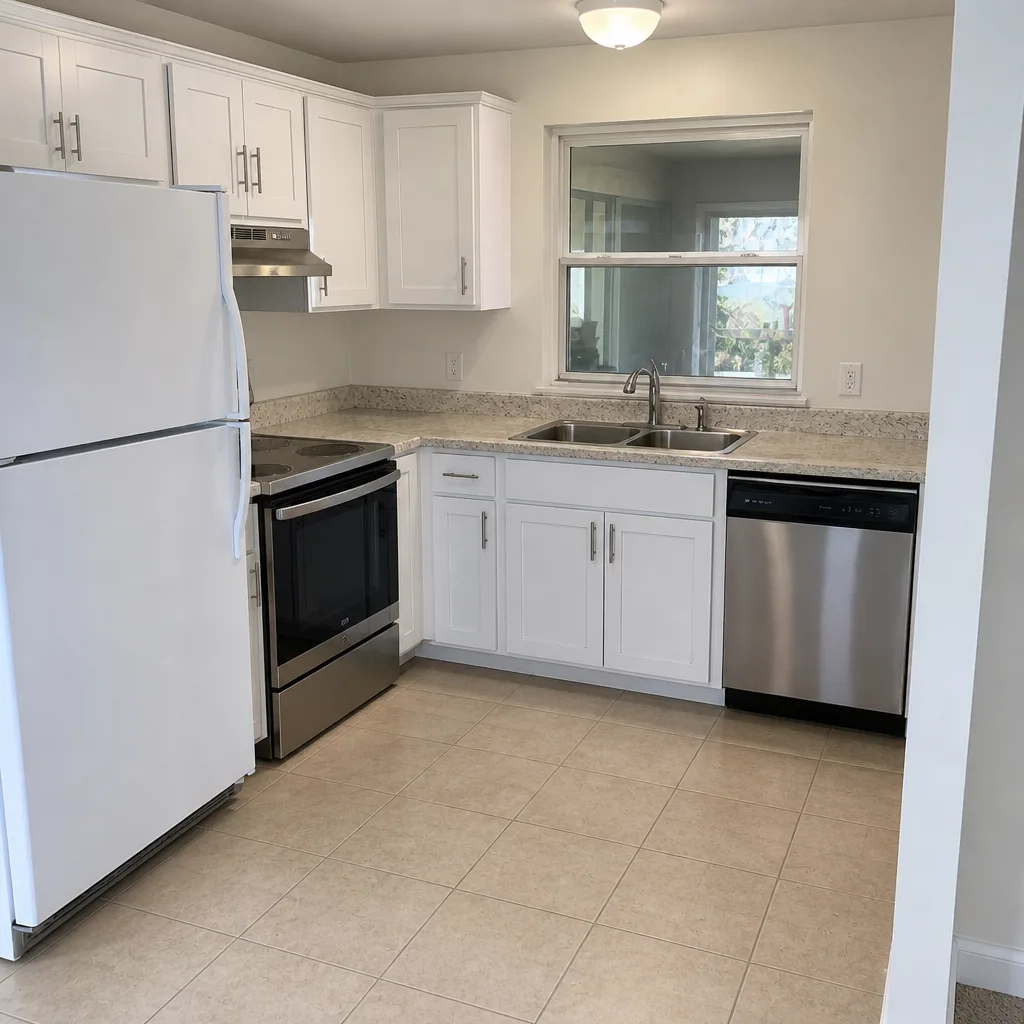 After
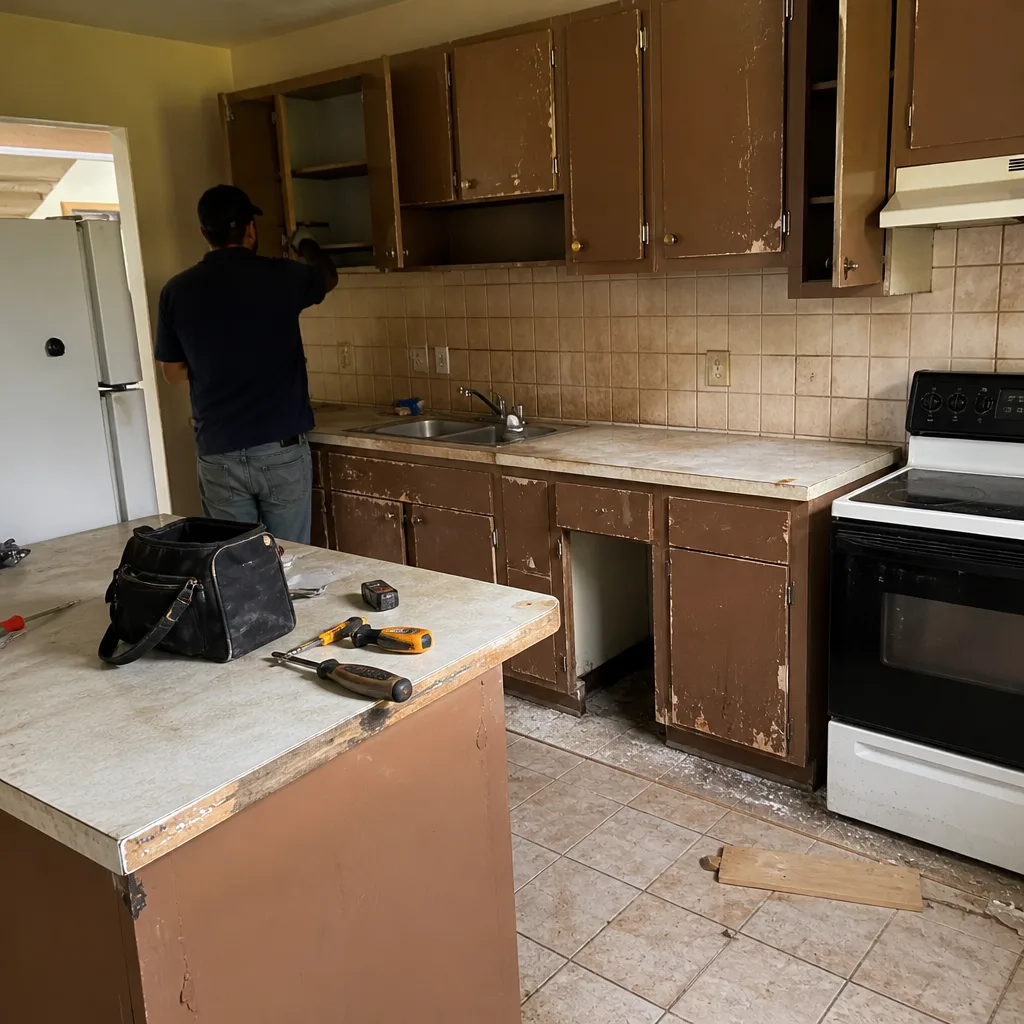 Before
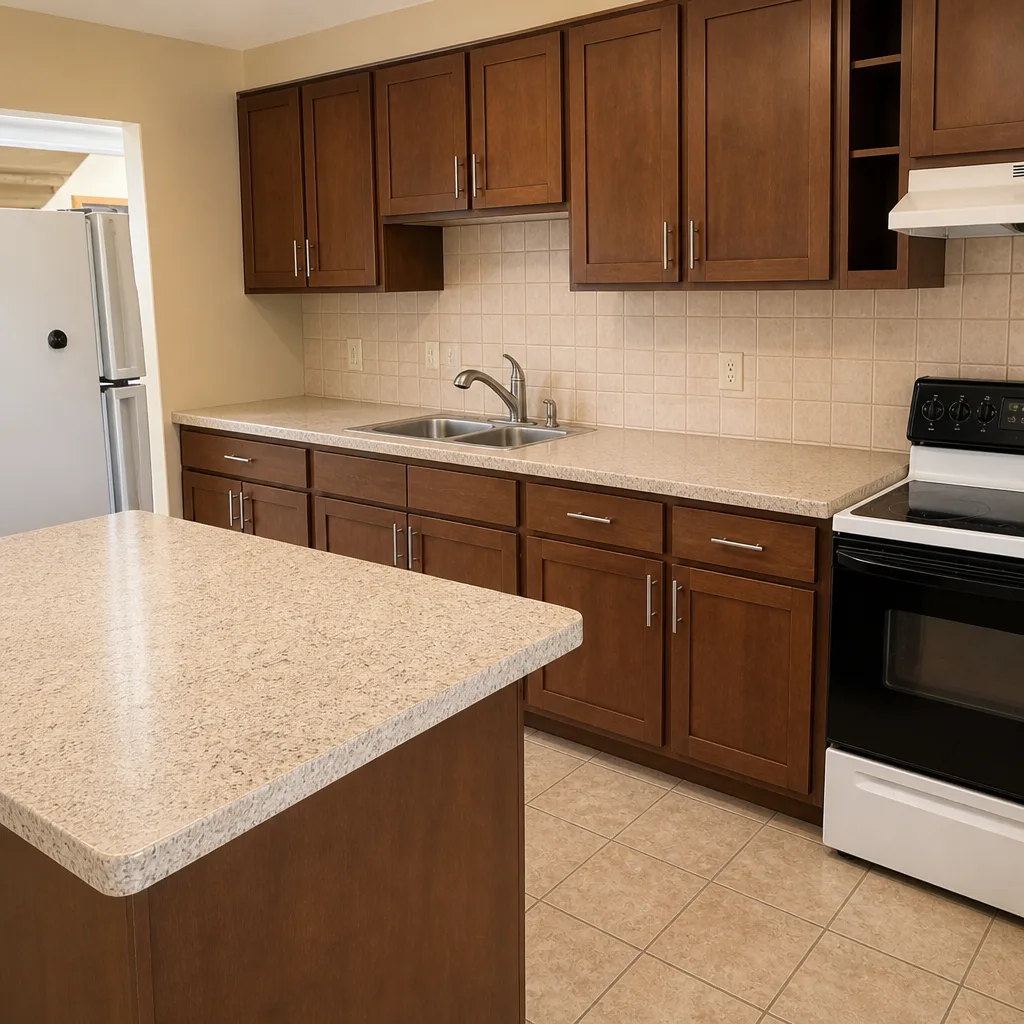 After
When to Call a Professional
Some jobs are weekend projects. Others need a permitted, inspected crew, and Homestead’s HVHZ code pushes more work into that second bucket than most homeowners expect. Call a professional when the work touches structure, the building envelope, electrical, plumbing, or anything that needs a permit and an inspection. That includes foundations and slabs, roofing and window replacement with HVHZ approvals, additions and ADUs, and any fence or hardscape where wind anchoring and drainage matter. If a contractor won’t put the scope, the allowance, and the permit path in writing, that’s a reason to keep calling. Any price change should arrive as a written change order before a nail moves, and a completed job should come with a written guarantee that brings the same crew back if something isn’t right. Barrett & Sons Construction Homestead offers free estimates in Homestead. Call (866) 344-6796.
Frequently Asked Questions
Yes, most construction in Homestead requires a permit, and the issuing office depends on whether your property is inside city limits or unincorporated Miami-Dade. Roofs, additions, structural changes, electrical, and plumbing all trigger permits and inspections. Unpermitted work can stall a home sale, so confirm the jurisdiction and pull the permit before work begins. Call (866) 344-6796 for a free estimate that includes the permit path.
HVHZ stands for High-Velocity Hurricane Zone, and it means your project must use Miami-Dade approved products and meet stricter fastener and attachment requirements than standard Florida code. Windows, roofing, and structural connectors all need approval numbers, and those are checked at plan review. Budget for compliant materials from the start. Call (866) 344-6796 to talk through what your scope requires.
It depends on the parcel: property inside Homestead city limits typically permits through the City of Homestead, while unincorporated addresses typically go through Miami-Dade County. Annexation history means some edge parcels aren’t where you’d assume. Verify the jurisdiction in writing before filing. Call (866) 344-6796 and we’ll help you sort it out.
A well-sequenced project can finish in about three months, but one with missed inspections, wrong-jurisdiction filings, or drainage problems can stretch to seven or more. The inspection hold points are what govern the calendar, not the trades’ speed. Getting the sequence right from day one is the biggest schedule lever. Call (866) 344-6796 for a free estimate and a realistic timeline.
Yes. Agricultural and farm-adjacent parcels carry their own setback, lot-coverage, and accessory-structure rules, and those rules decide what you can legally build and where. ADU eligibility also depends on zoning and lot size. Get a zoning verification for your specific parcel before design starts. Call (866) 344-6796 to plan the right scope.
It shouldn’t change without your written approval. Every price change on a well-run job arrives as a written change order before work proceeds, and every allowance has a number on paper before the first nail moves. If a bid comes without named brands and written allowances, ask why. Call (866) 344-6796 for a free written estimate.
The Bottom Line
Construction in Homestead isn’t like building anywhere else in Florida. HVHZ code reshapes your materials and fasteners, the permit jurisdiction decides your schedule, and soil, drainage, and farm-adjacent zoning each add a layer. Get those right and the inspection sequence stays tight, which is the difference between a three-month finish and a seven-month grind. Get them wrong and the calendar punishes you. The playbook: verify jurisdiction, read the lot, confirm approved products, and put every scope, allowance, and change in writing. Call Barrett & Sons Construction Homestead at (866) 344-6796 for a free estimate.
Written by the team at Barrett & Sons Construction Homestead.