Last updated November 17, 2026
Free written scope consultation - allowances, timeline, and change-order rules on paper before a single trade is scheduled
Construction Cost Breakdown: The Homestead Homeowner’s Reference for 2026
A bathroom remodel quoted at $12,000 by an online calculator can land at $18,500 in Homestead once Miami-Dade permit fees, HVHZ-approved fixture requirements, and licensed tile and plumbing crews who aren’t driving down from Broward are priced in. That gap isn’t greed. It’s geography and code. Homestead sits at the southern edge of Miami-Dade, close enough to Miami to inherit metropolitan labor rates but far enough south that fewer licensed trades make the drive, and every job here has to clear hurricane-zone rules that most national cost guides ignore entirely. This reference breaks down what construction actually costs in Homestead in 2026, line by line, and explains what pushes those numbers up or pulls them down.
Quick Answer
In Homestead in 2026, expect a bathroom remodel to run roughly $14,000 to $22,000, a kitchen remodel $28,000 to $65,000, a full roof replacement $14,000 to $28,000, a new impact-window package $9,000 to $24,000, and a paver driveway $9,000 to $19,000 depending on size and material. Permit fees alone add $400 to $3,800 per project through Miami-Dade, and High-Velocity Hurricane Zone (HVHZ) material requirements push costs 10% to 25% above standard-code equivalents elsewhere in Florida. Labor runs $55 to $110 per hour for licensed trades, with minimum visit charges that reflect the distance from Miami.
Styles & brands we work with
- Kitchen remodeling
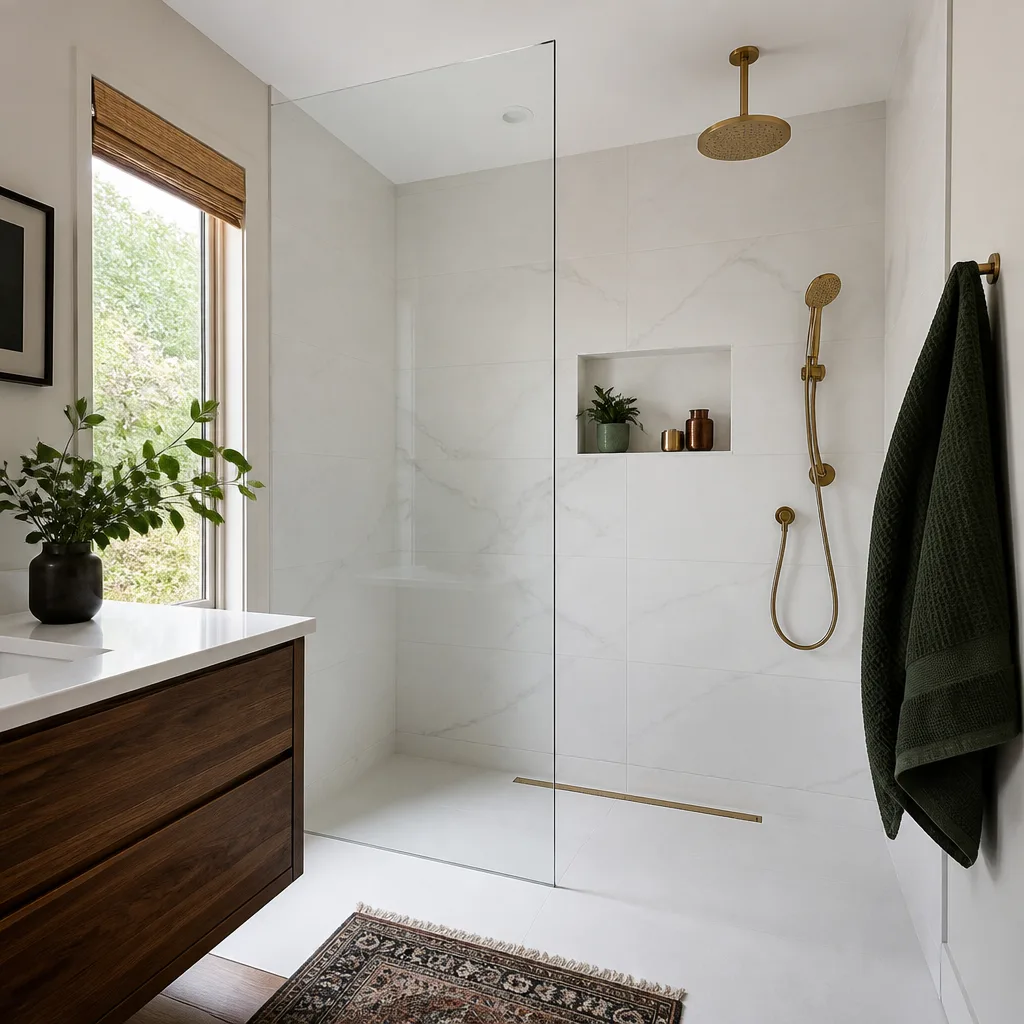
- Bathroom remodeling
- Home additions & ADU
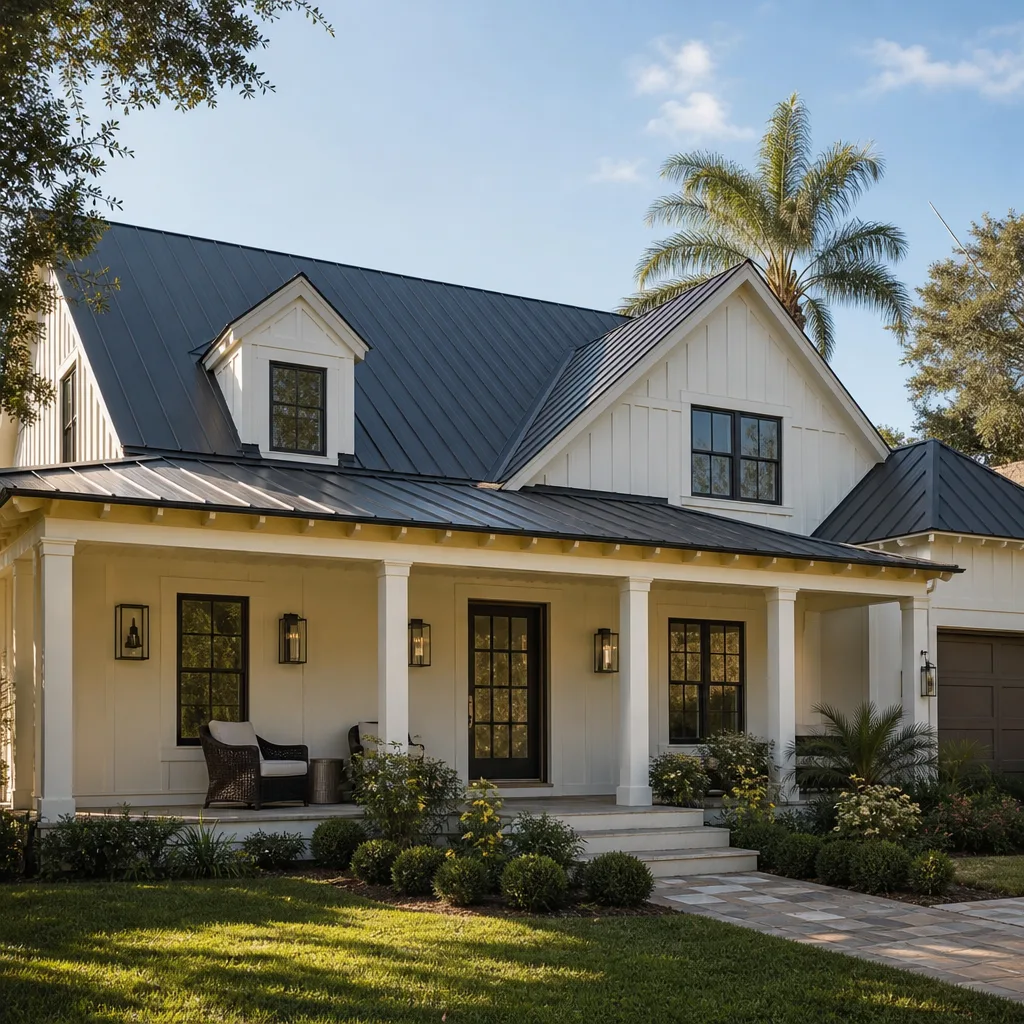
- Roofing
- Windows & doors
- Driveway & pavers
- Fence
Table of Contents
- What Miami-Dade Permit Fees Actually Cost in Homestead
- HVHZ Material Premiums: Why Impact Products Cost More Here
- Homestead Labor Rates in 2026 and the Miami Distance Problem
- Line-Item Cost Breakdown by Project Type
- The Real Cost of Change Orders
- How to Compare Quotes Honestly
- Common Mistakes to Avoid
- Frequently Asked Questions
What Miami-Dade Permit Fees Actually Cost in Homestead
Permits are the first line item most online calculators skip entirely, and in Homestead they’re not small. Miami-Dade County charges building permit fees calculated on project valuation, plus separate trade permits for electrical, plumbing, and mechanical work, plus inspection fees. A homeowner comparing a $12,000 internet estimate against an $18,500 local quote often finds $900 to $1,600 of that difference is permits and inspections alone.
Here’s what we’ve seen for common Homestead projects in 2026, understanding that final fees depend on valuation and scope:
- Home addition or ADU: $1,800 to $3,800 in combined building, trade, impact-fee, and inspection charges, plus separate water and sewer connection fees if the unit adds a bathroom or kitchen.
- Kitchen remodel: $500 to $1,100 when plumbing or electrical is relocated; $250 to $500 for cosmetic-only work that still needs trade permits.
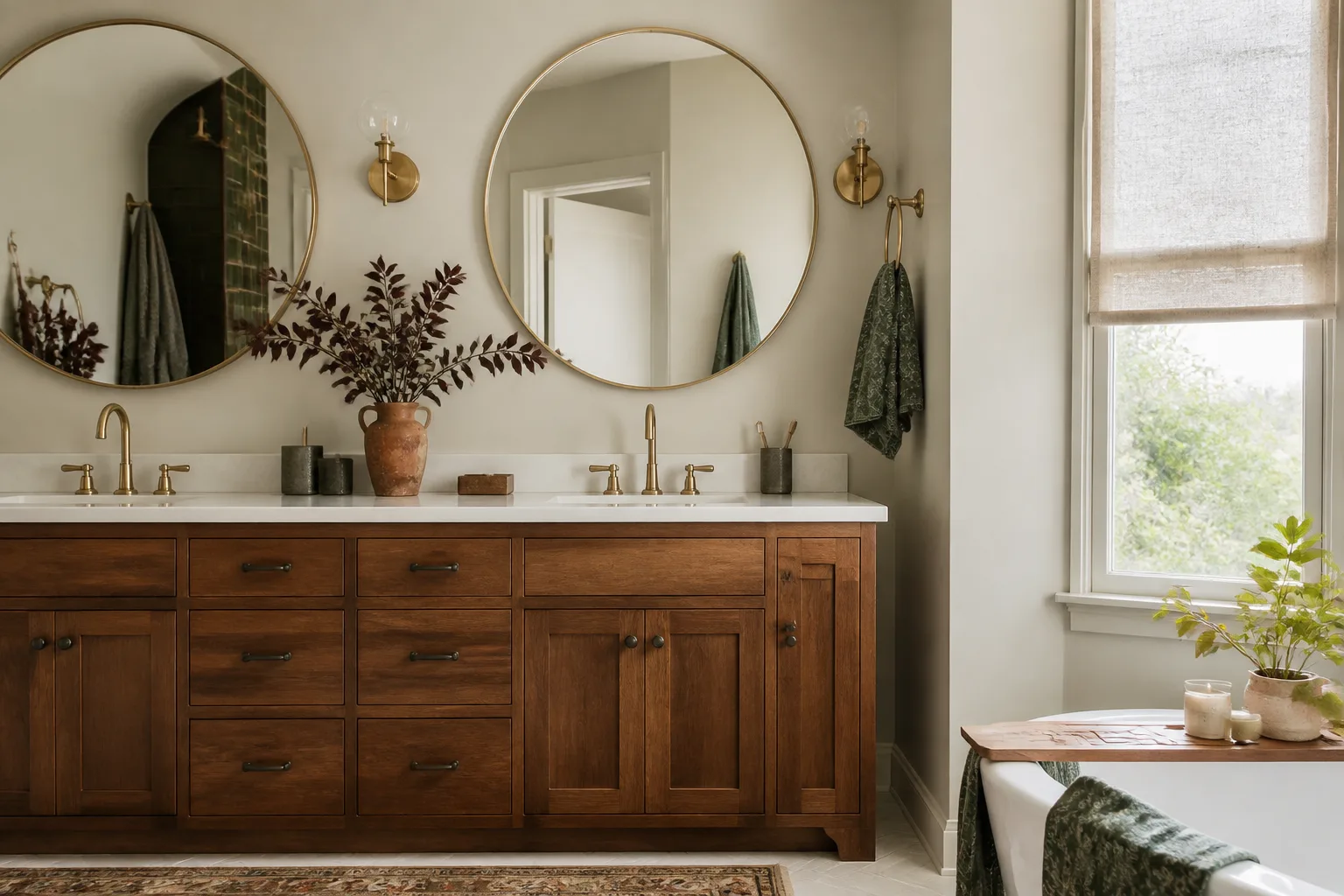
- Bathroom remodel: $400 to $900, higher when the layout moves fixtures or adds a shower valve upgrade.
- Roof replacement: $350 to $800, and the roof permit includes a required inspection sequence that the contractor must schedule at specific stages.
- Driveway or paver install: $250 to $700, with additional right-of-way permits if the apron touches the county swale.
The permit inspector works for you, not for the contractor. That’s the point. Anyone who tells a Homestead homeowner that a roof replacement or an addition doesn’t need a permit is telling you something about how they operate. If you’re planning a larger project, our Home Additions & ADU in Homestead page walks through the permit sequence step by step.
HVHZ Material Premiums: Why Impact Products Cost More Here
Homestead sits inside Florida’s High-Velocity Hurricane Zone, which means Broward and Miami-Dade have some of the strictest wind-load and product-approval rules in the country. Every window, door, roof system, and attachment method has to carry a Miami-Dade Notice of Acceptance (NOA) or a Florida Product Approval number. That approval process costs manufacturers money, and the premium lands in the price you pay at the counter.
What that means in practice:
- Impact windows: $650 to $1,400 per window installed, versus $400 to $800 for non-impact units. Whole-house packages on a typical Homestead three-bedroom run $9,000 to $24,000.
- Roofing systems: A shingle roof that meets HVHZ rules with the required secondary water barrier and enhanced fastening pattern runs $14,000 to $22,000 on a standard single-story home. Tile and metal systems climb from there. GAF, CertainTeed, and Owens Corning all publish HVHZ-approved assemblies, and the NOA number should appear on your written scope.
- Hurricane straps and connectors: $1.50 to $4.00 per strap, and a full re-strap of an older Homestead home during a roof replacement typically adds $1,200 to $3,500 in materials and labor.
- Impact-rated garage doors and entry doors: $1,800 to $6,500 depending on size and rating, versus $700 to $2,000 for standard-code equivalents.
Older homes in neighborhoods like Leisure City and Naranja often have roofs built before the current HVHZ standards tightened. That doesn’t mean the roof is failing; it means the next replacement has to meet today’s rules, not yesterday’s. Budget the premium before you sign, not after.
Homestead Labor Rates in 2026 and the Miami Distance Problem
Homestead’s labor market is unusual. We’re close enough to Miami that licensed trades price to metropolitan standards, but far enough south that fewer of them want the drive. The result is what we’d call the “distance premium”: a plumber based in Kendall or Hialeah who will make the Homestead run often charges a higher minimum visit than they would for a job in their own backyard, and that minimum gets built into every phase of your project.
Current ranges for licensed trades serving Homestead in 2026:
- Carpentry and framing: $60 to $95 per hour
- Electrical: $85 to $130 per hour, with a $150 to $275 minimum visit charge
- Plumbing: $90 to $140 per hour, with a $175 to $300 minimum visit charge
- Tile setting: $12 to $28 per square foot installed, more for large-format and complex layouts
- Roofing crews: $450 to $750 per square (100 square feet) for labor, plus materials
- Concrete flatwork: $9 to $16 per square foot installed
What pushes rates up: summer heat that shortens working hours, permit inspection scheduling that adds calendar days to the job, and the simple fact that a crew doing a Homestead job has to commit a full day to it rather than bouncing between nearby sites. What pulls rates down: scheduling in the shoulder months, bundling trades on a single project, and choosing materials with predictable lead times so crews aren’t idled waiting on delivery. Our technicians have up to 28 years of experience, and most of that experience is in knowing which of these levers to pull on a given job.
Line-Item Cost Breakdown by Project Type
Here’s a working budget range for the most common Homestead projects in 2026. Every number below assumes licensed trades, permits pulled, and materials that meet HVHZ requirements.
Bathroom Remodel
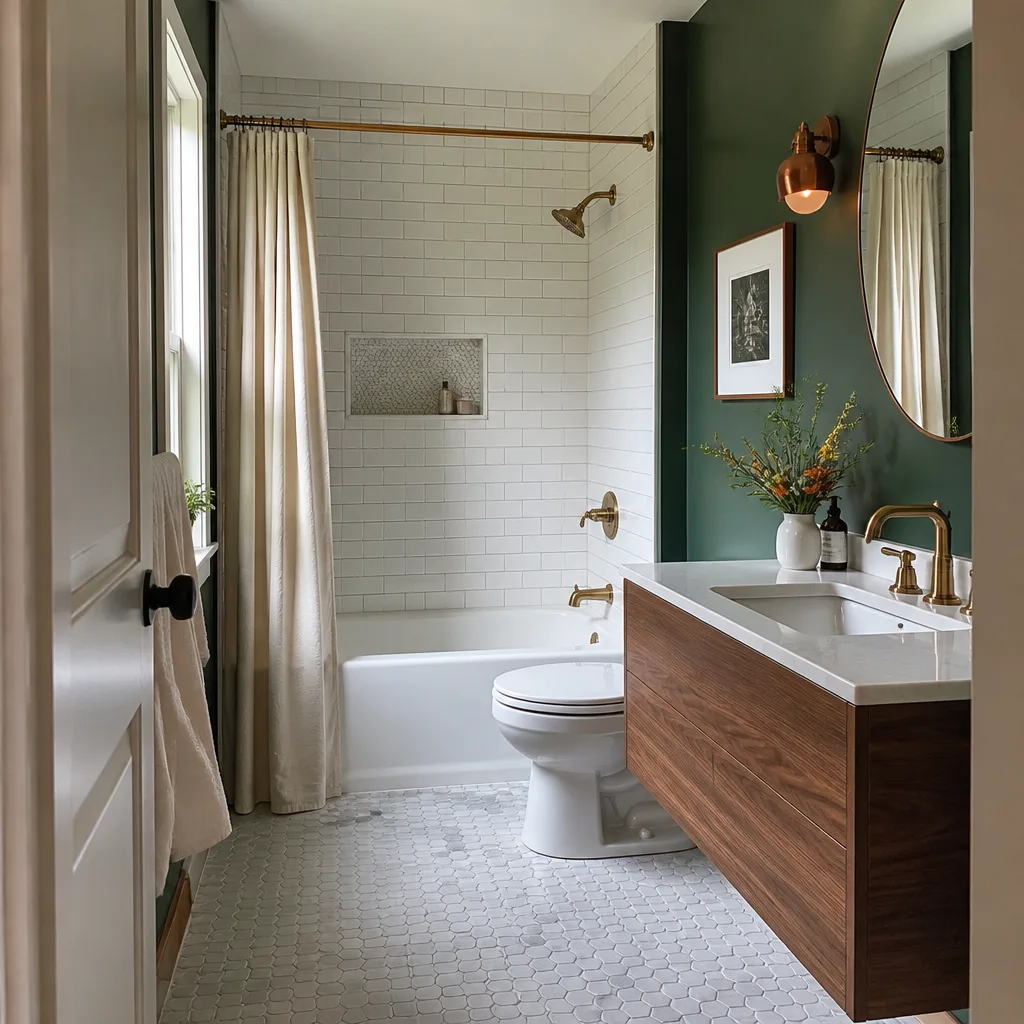
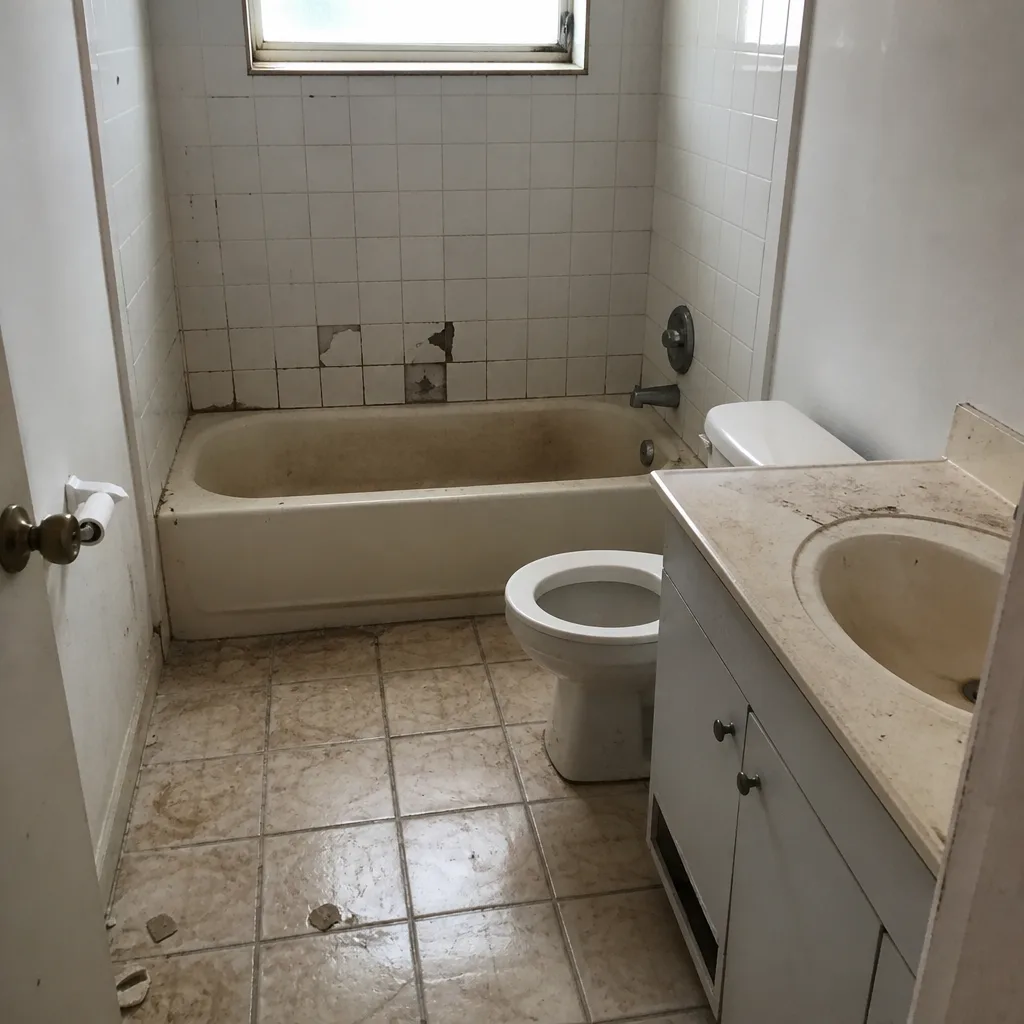
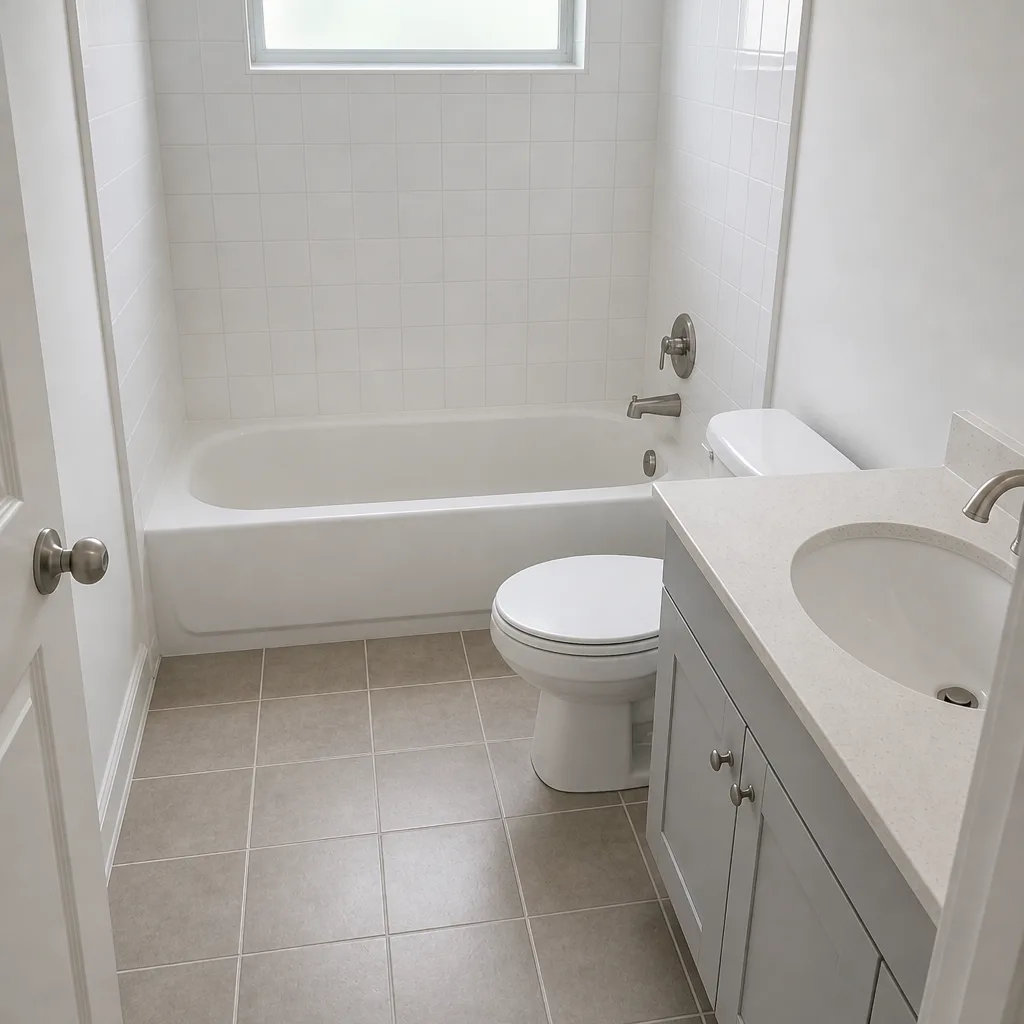
- Full gut and rebuild, hall bath: $14,000 to $22,000
- Primary bath with tile shower and double vanity: $22,000 to $38,000
- Cosmetic refresh, fixtures and paint only: $6,500 to $11,000
Kitchen Remodel
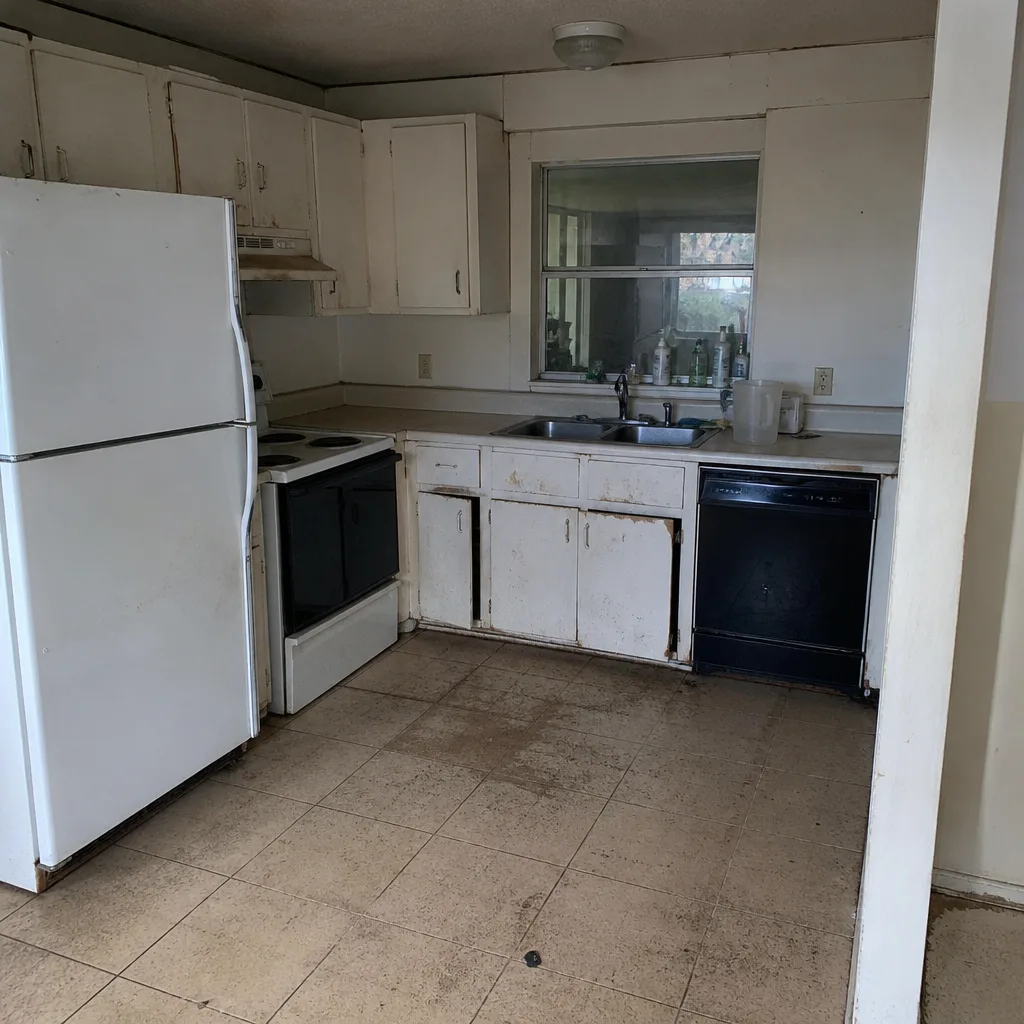
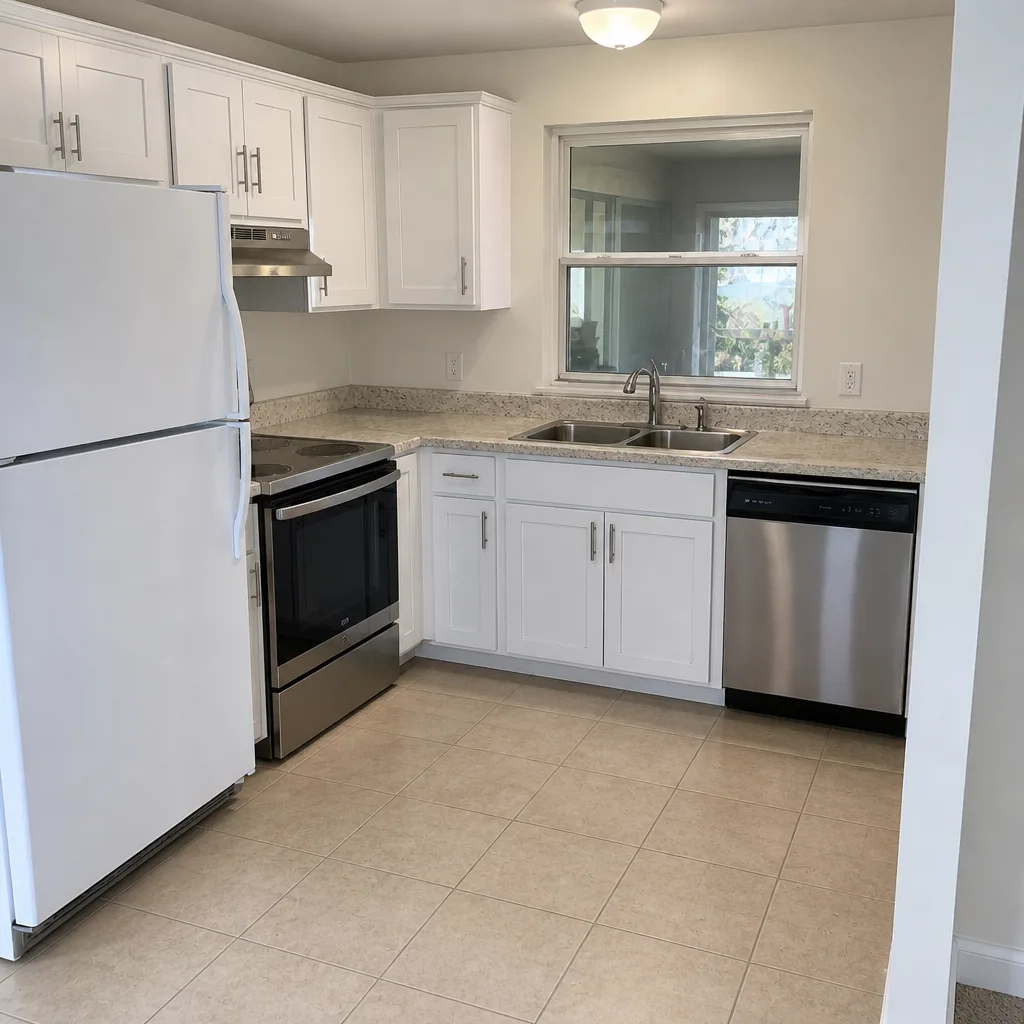
- Mid-range, semi-custom cabinets, quartz counters: $28,000 to $48,000
- Full layout change with island, premium cabinetry: $48,000 to $65,000+
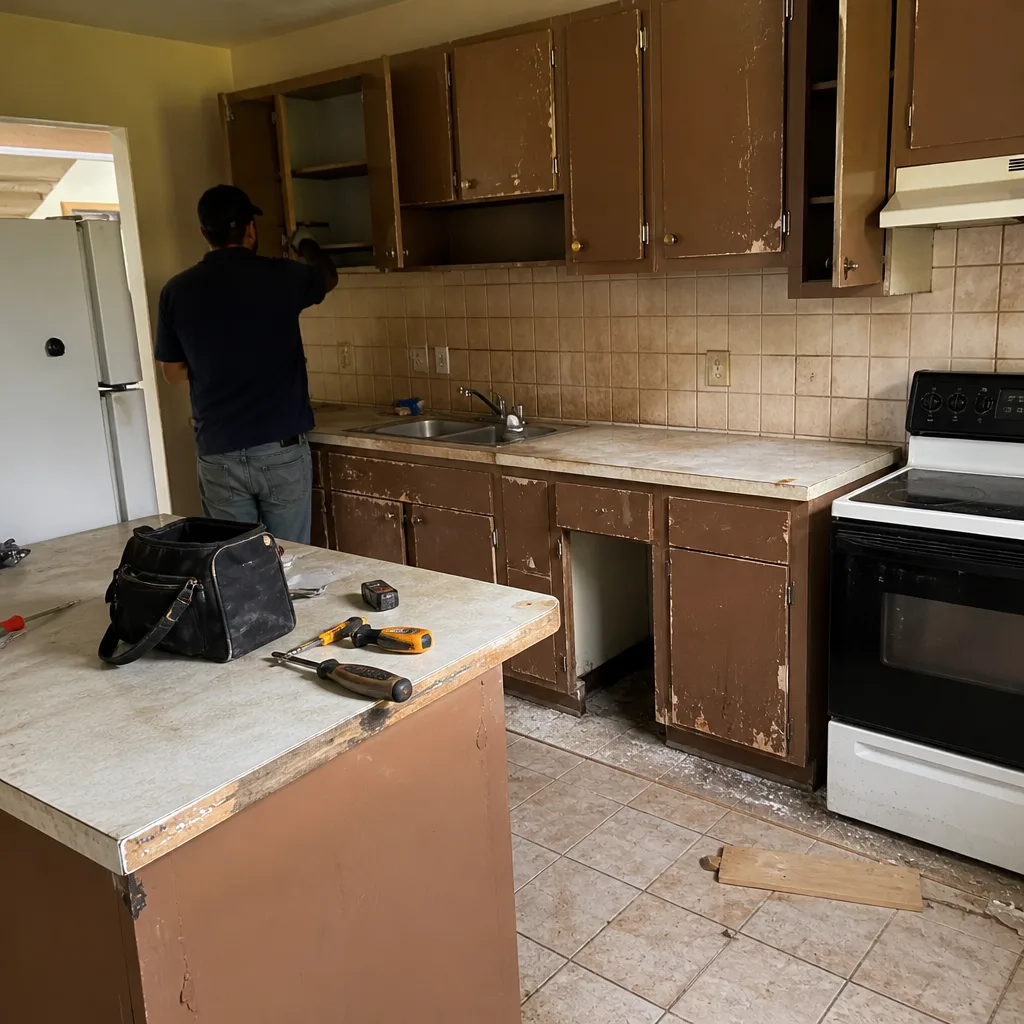
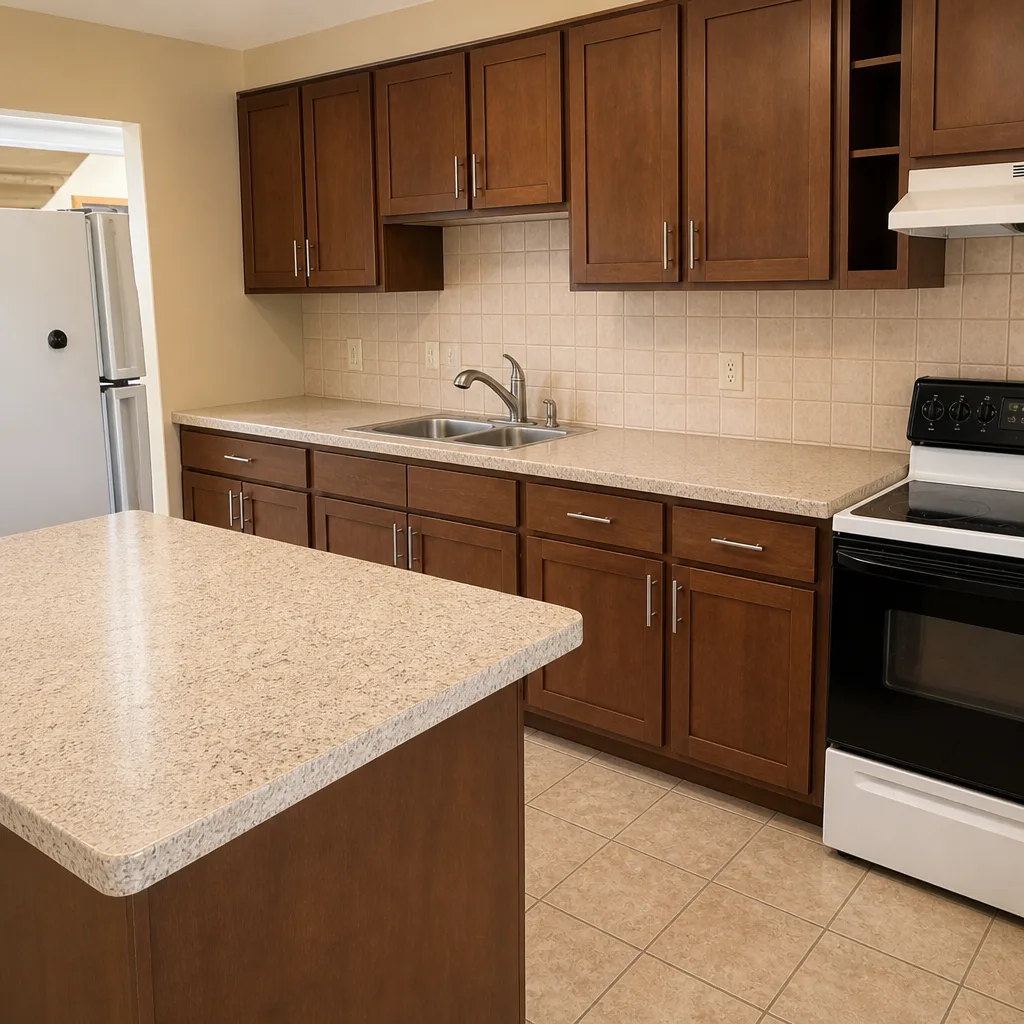
- Cabinet refacing and new countertops only: $9,000 to $18,000
Roof Replacement
- Architectural shingle, HVHZ-compliant: $14,000 to $22,000
- Concrete tile: $22,000 to $35,000
- Standing seam metal: $28,000 to $45,000
Windows and Doors
- Impact window package, whole house: $9,000 to $24,000
- Entry door, impact-rated: $2,400 to $5,500
- Sliding glass door, impact-rated: $3,200 to $6,800
Driveway and Pavers
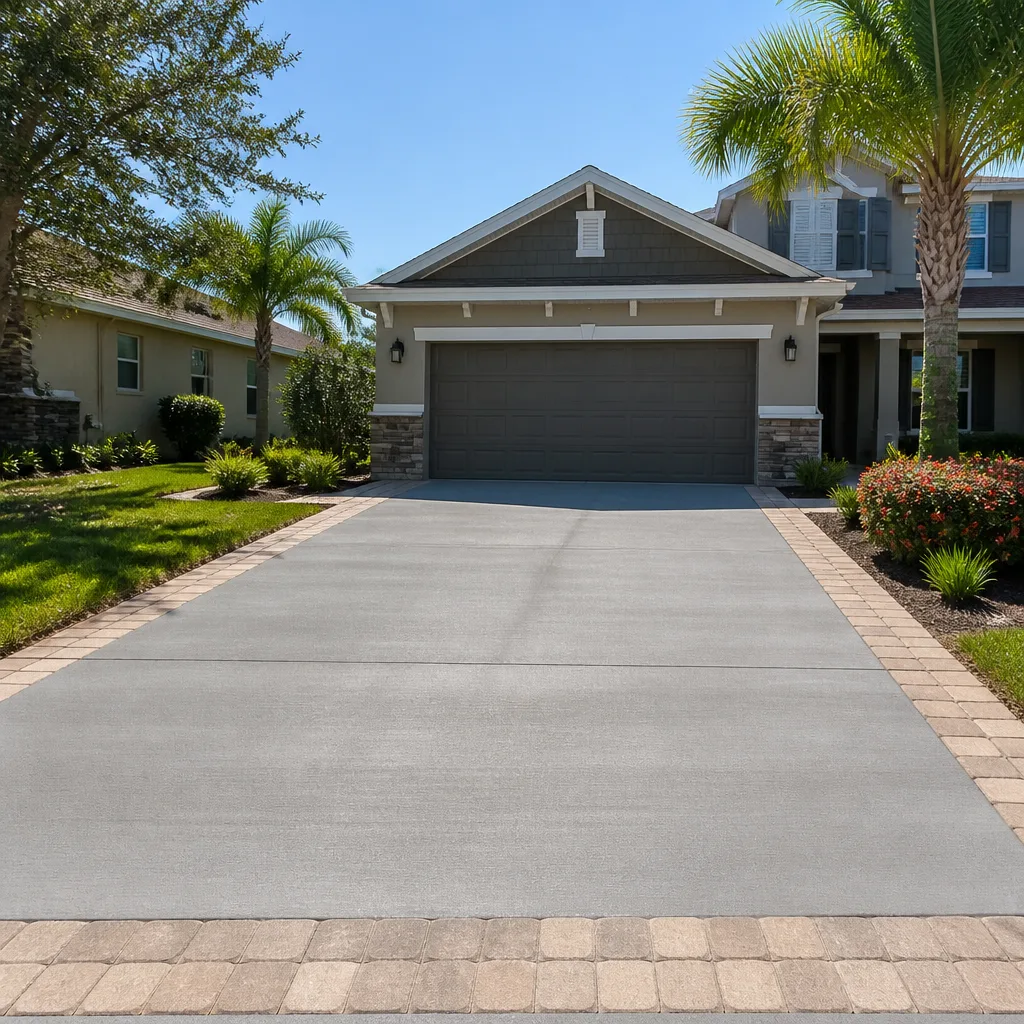
- Paver driveway, 600 square feet: $9,000 to $14,000
- Paver driveway, 900 square feet with accent border: $14,000 to $19,000
- Concrete driveway, stamped and sealed: $8,000 to $13,000
For a closer look at paver options and surface prep in this climate, see our Driveway & Pavers in Homestead page.
The Real Cost of Change Orders
An allowance that isn’t on paper is a surprise waiting for a date. That sentence is the whole game when it comes to scope creep, and it’s the single biggest reason a project finishes over budget.
Here’s how change orders should work, and what they should never look like:
- Every allowance gets a dollar figure and a specification in the original contract. “Tile allowance” is not a number. “$4.50 per square foot for floor tile, up to 180 square feet, from a specified selection list” is a number.
- Selections happen before demolition whenever possible. Choosing tile after the old floor is torn out is how a $5-per-square-foot allowance becomes a $12-per-square-foot tile and a $1,260 line item you didn’t plan for.
- When the scope changes, the price change arrives in writing before work proceeds. Not after. Written change orders signed before the crew picks up a tool.
- Unforeseen conditions get documented, not tallied silently. A rotted subfloor under a Homestead bathroom is common enough that responsible contractors price a contingency line. When it’s found, it’s a written change order with photos and a price, not a surprise on the final invoice.
On a typical Homestead kitchen remodel, unmanaged change orders add 12% to 20% to final cost. A fixed-price contract with a clear written change-order clause keeps that number where it belongs: at zero unless you actively choose to add something.
How to Compare Quotes Honestly
A lump-sum bid and a properly itemized estimate can both be honest. But a lump sum hides where the money goes, and that makes the end-of-project conversation much harder to have. Here’s what a genuinely comparable bid looks like.
What should be itemized on every quote:
- Labor and materials listed separately, broken down by trade phase
- Permit fee as its own line, with the issuing authority named
- Each allowance named, quantified, and specified (fixtures, tile, cabinetry, roofing material)
- Brand names and product lines for major materials; CertainTeed, GAF, Owens Corning, and IKO all make HVHZ-approved roofing assemblies, and the brand matters at inspection
- Dumpster, cleanup, and disposal as a distinct line
- Written change-order procedure and the percentage, if any, of contingency held
- Explicit warranty language covering labor and materials
What a lump-sum bid is often hiding:
- A permit line “included in the total” that turns out to be the contractor’s fee, not the county’s fee
- Allowances missing altogether, which become billable change orders later
- Materials with no brand named, which means the supplier is chosen on price the week the project starts
- No mention of HVHZ compliance, which is where the real cost difference in Homestead lives
If you’re comparing a Homestead fence or driveway quote along these lines, our Fence Installation in Homestead page lists what should be in a properly itemized estimate for that scope. And for a broader view of how we run projects from start to finish, the Barrett & Sons Construction Homestead home page lays out the whole picture.
Common Mistakes to Avoid
- Trusting a national cost calculator. Online estimators average across the whole country and don’t know about HVHZ premiums or Miami-Dade permit schedules. A generic quote can understate a Homestead project by 30% or more.
- Signing a contract with no written change-order clause. Without one, verbal scope changes become disputed line items at the end. Demand the clause in writing before you sign anything.
- Comparing bids on total price alone. A $22,000 bathroom quote and a $16,000 bathroom quote are not the same job if one includes permits and one doesn’t. Itemize before you decide.
- Skipping the permit to save a few hundred dollars. In Homestead, an unpermitted addition or roof can cost you a buyer’s inspection, a refused insurance claim, or forced removal of the work. The permit inspector is a benefit, not a hurdle.
- Choosing materials before the contractor reviews the certificate of approval. A window or roof product that doesn’t carry Miami-Dade NOA approval cannot pass inspection, no matter how much you liked it at the showroom.
- Not budgeting for contingency. A 10% to 15% contingency line is not pessimistic in Homestead. It’s realistic, especially on homes built before the current wind-load codes.
- Paying a large deposit before the contract is signed and the permit is applied for. A fair deposit reflects materials ordered and scheduling, not cash flow. If a deposit request is outsized, ask why before you write the check.
When to Call a Professional
Some things are worth doing yourself: painting, landscaping, pulling up carpet, swapping a bathroom faucet. But several construction categories in Homestead genuinely require a licensed professional, not because the law says so (though it usually does), but because the work carries real risk to your home and to the people doing it. Get a pro involved for anything involving your roof system and HVHZ attachment methods, any electrical panel or branch-circuit work, any gas line, and any structural change to an existing home. High-tension springs and cables, gas connections, and roof-level wind-load work are not weekend projects. We don’t advise homeowners to attempt those; we advise calling the licensed trade. Barrett & Sons Construction Homestead offers free estimates in Homestead – call (866) 344-6796 and we’ll walk your project, itemize the scope, and give you a written number before you commit to anything.
Frequently Asked Questions
A full bathroom remodel in Homestead in 2026 runs roughly $14,000 to $22,000 for a hall bath and $22,000 to $38,000 for a primary bath with a tiled shower and double vanity. The higher end reflects Miami-Dade permit fees, HVHZ-rated fixtures and windows, and licensed plumbing and tile labor priced at metropolitan rates. Call (866) 344-6796 for an exact quote – estimates are free.
Homestead construction costs are higher because of three stacking factors: High-Velocity Hurricane Zone product requirements that add 10% to 25% to material costs, Miami-Dade permit fees that many national estimators don’t account for, and licensed labor priced to Miami standards while serving a smaller southern market that fewer trades want to drive to. The result is a quote that often runs $3,000 to $6,500 above what a generic calculator predicts on a mid-size remodel.
The price should not change unless you approve a written change order first. A properly written fixed-price contract with an itemized scope and specified allowances holds the number through completion. Scope additions, upgrades beyond allowance, and unforeseen conditions discovered during demolition are the only valid sources of change – and each one should arrive as a signed written change order before work proceeds. Call (866) 344-6796 to review a sample contract before you commit.
Yes, permits are pulled on every eligible job, and the fee is itemized on the estimate as its own line so you can see exactly what Miami-Dade charges. Skipping permits in Homestead creates real problems: insurance claims can be denied on unpermitted work, and future buyers’ inspections will flag it. Every permit and every inspection signature is part of the job.
The biggest hidden cost is allowance overrun on finish materials, followed closely by HVHZ product upgrades that weren’t priced into the original scope. A $5-per-square-foot tile allowance becomes a $1,260 overage if the homeowner selects a $12 tile after demolition. A window package specified without NOA approvals can force a full reorder. Both are avoidable with a written allowance schedule and a contractor who checks approvals before you order.
A bathroom remodel typically runs 3 to 5 weeks, a kitchen remodel 6 to 10 weeks, a roof replacement 3 to 7 days of active work plus inspection scheduling, and a home addition 4 to 6 months from permit issuance. Miami-Dade inspection scheduling adds calendar days that other markets don’t, and summer heat often shortens crew hours. A realistic schedule assumes inspection windows, not just working days. Call (866) 344-6796 for a timeline specific to your project.
The Bottom Line
The gap between a national calculator’s estimate and a Homestead contractor’s quote is not padding. It’s Miami-Dade permit fees, HVHZ product requirements, and licensed labor priced to a market shaped by Miami’s proximity and the Keys’ distance. Budget with those three forces in mind, insist on a written scope with itemized allowances and a written change-order clause, and compare bids on line items rather than on the bottom line. Every number in this guide reflects real 2026 Homestead conditions, not national averages. The best way to verify what your project will actually cost is to get a written, itemized estimate from someone you can look in the eye.
Barrett & Sons Construction Homestead offers free estimates throughout Homestead and the surrounding communities. A live person answers the phone 24 hours a day, seven days a week. Call (866) 344-6796 to schedule your free estimate, get a second opinion on a written bid you’ve already received (free second opinion on any written estimate), or ask about our permanent 10% Senior & Veteran discount. Every eligible job includes permits pulled, inspections signed, and a written 90-Day Done Right Promise on the finished work.
Written by the team at Barrett & Sons Construction Homestead.
See the difference
 Before
 After
 Before
 After
 Before
 After