Last updated November 17, 2026
Free written scope consultation - allowances, timeline, and change-order rules on paper before a single trade is scheduled
DIY vs Professional Construction: The Homestead Homeowner’s Decision Guide
Florida lets homeowners pull their own permits as an “owner-builder.” That surprises most people. What surprises them more is the fine print: in Miami-Dade County, if you sell a home within one year of completing owner-builder permitted work, you must disclose it in writing, and a buyer can come after you for defects for up to ten years. A roof you install yourself doesn’t just go on your house – it goes on your record. This guide explains where the DIY line legally sits in Homestead, where it’s genuinely fine to cross, and where it isn’t.
Quick Answer
In Homestead, DIY is reasonable for cosmetic, non-structural work like interior paint, flooring, and cabinet swaps. Anything that touches the building envelope, structure, or major systems – roofing, windows, electrical, plumbing, structural changes – requires a licensed contractor and a permit under Miami-Dade and Florida High-Velocity Hurricane Zone (HVHZ) code. The owner-builder exemption lets you pull some permits yourself, but it shifts real legal and insurance liability onto you.
Styles & brands we work with
- Kitchen remodeling
- Bathroom remodeling
- Home additions & ADU
- Roofing
- Windows & doors
- Driveway & pavers
- Fence
Table of Contents
- The Florida Owner-Builder Exemption, Explained Honestly
- Where DIY in Homestead Actually Makes Sense
- Where Code Requires a Licensed Contractor
- The Hidden Costs of DIY in an HVHZ Market
- How Botched DIY Affects Your Florida Insurance
- Three Questions to Ask Before You Decide
- What Makes Homestead Different From the Rest of Miami-Dade
The Florida Owner-Builder Exemption, Explained Honestly
Florida Statute 489.103 lets a homeowner act as their own contractor on a property they own and occupy. You can pull permits, hire subcontractors, and manage the job without holding a contractor’s license. That’s real. It’s also narrower than most people assume.
The exemption does not let you skip permits. It does not let you avoid inspections. It does not cover rental property or a home you don’t live in, and it doesn’t cover work on a property held in a trust or LLC in most cases. And the sale disclosure applies specifically within Miami-Dade County: if you sell within one year of the certificate of occupancy on owner-builder permitted work, you must tell the buyer, and they can bring a claim against you for up to ten years from the date of completion for construction defects.
What does that mean in practice?
- You become the general contractor. You’re responsible for scheduling inspectors, holding subcontractors accountable, and any code violations on the job.
- You become the warranty holder. When a future buyer calls about a leak, they call you – not a company with a 90-Day Done Right Promise.
- You lose the shield of licensed work. A licensed contractor’s work carries a paper trail. Your own work doesn’t, beyond the permit file.
We’ve seen this play out in Homestead more than once. A homeowner does a permitted owner-builder window replacement, then life changes and the house goes on the market in year two. The buyer’s inspector flags a rough installation, the buyer asks for credits, and suddenly the money saved on labor is back on the table – plus the hassle. If you’re going to pull your own permit, know exactly what you’re signing up for.
Where DIY in Homestead Actually Makes Sense
Not everything requires a permit or a professional. In our experience, here’s where a capable homeowner is genuinely fine doing it themselves:
- Interior painting. No permit needed. Results are visible immediately. Mistakes are cheap to correct.
- Flooring swaps. Laminate, luxury vinyl, and floating floors over a sound subfloor. No permit in most cases.
- Cabinet hardware and fixtures. Swapping drawer pulls, replacing a faucet, installing a showerhead – all reasonable.
- Landscaping and sod. No permit, no inspections, quick visual feedback.
- Interior trim and molding. Baseboards and crown molding are carpentry 101 if you’ve got the patience.
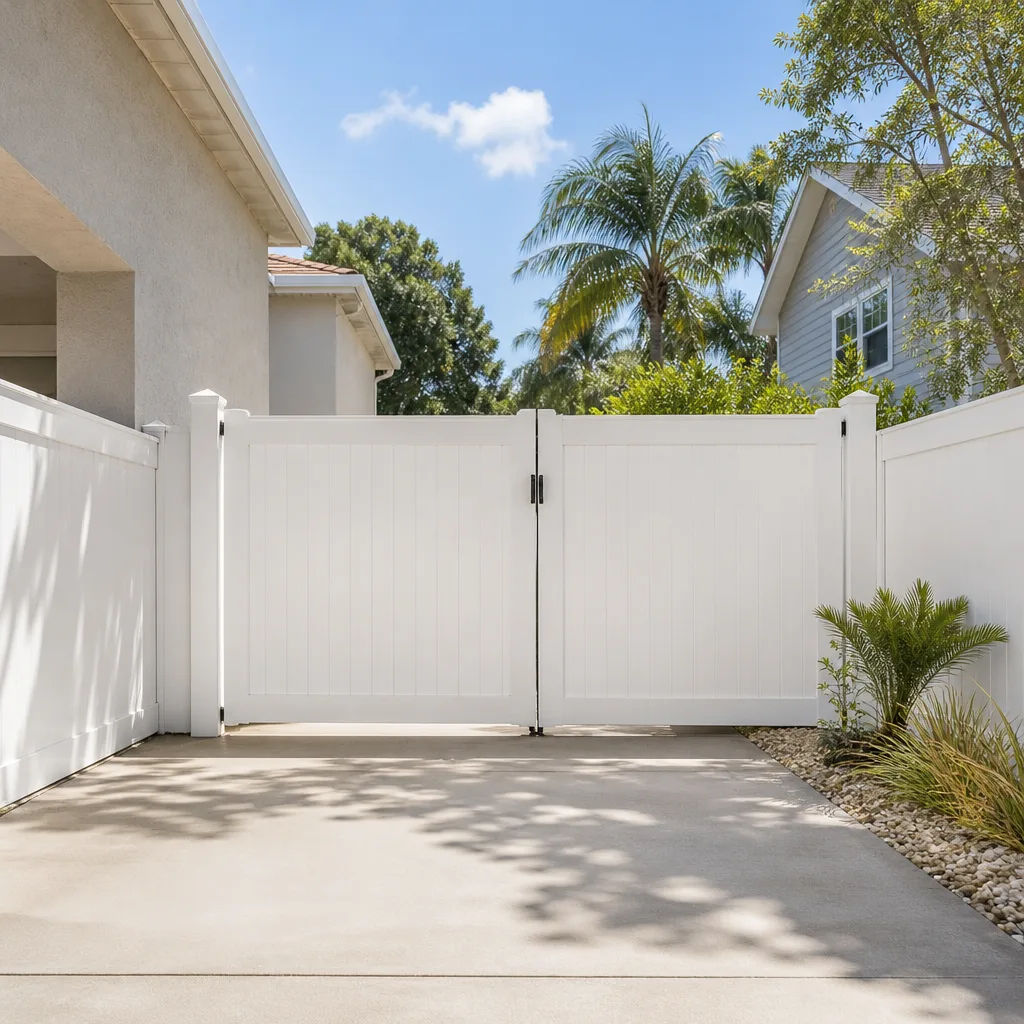
- Fence repair on an existing fence. Replacing pickets or a broken rail is fine. A full new fence is a different story – that goes in Fence Installation in Homestead territory, because Homestead and Miami-Dade both regulate setback, height, and after Hurricane Andrew, wind-load on solid fence panels.
Notice what’s on that list. All of it has three things in common: no permit, no structural impact, and a fast, visible result. Between the humidity and the sun, Homestead’s climate is forgiving to indoor work and unforgiving to anything that has to hold up outside.
Where Code Requires a Licensed Contractor
Here’s where the line is bright and clear. Under Florida law and Miami-Dade County code, these categories require a licensed contractor – not just a capable homeowner:
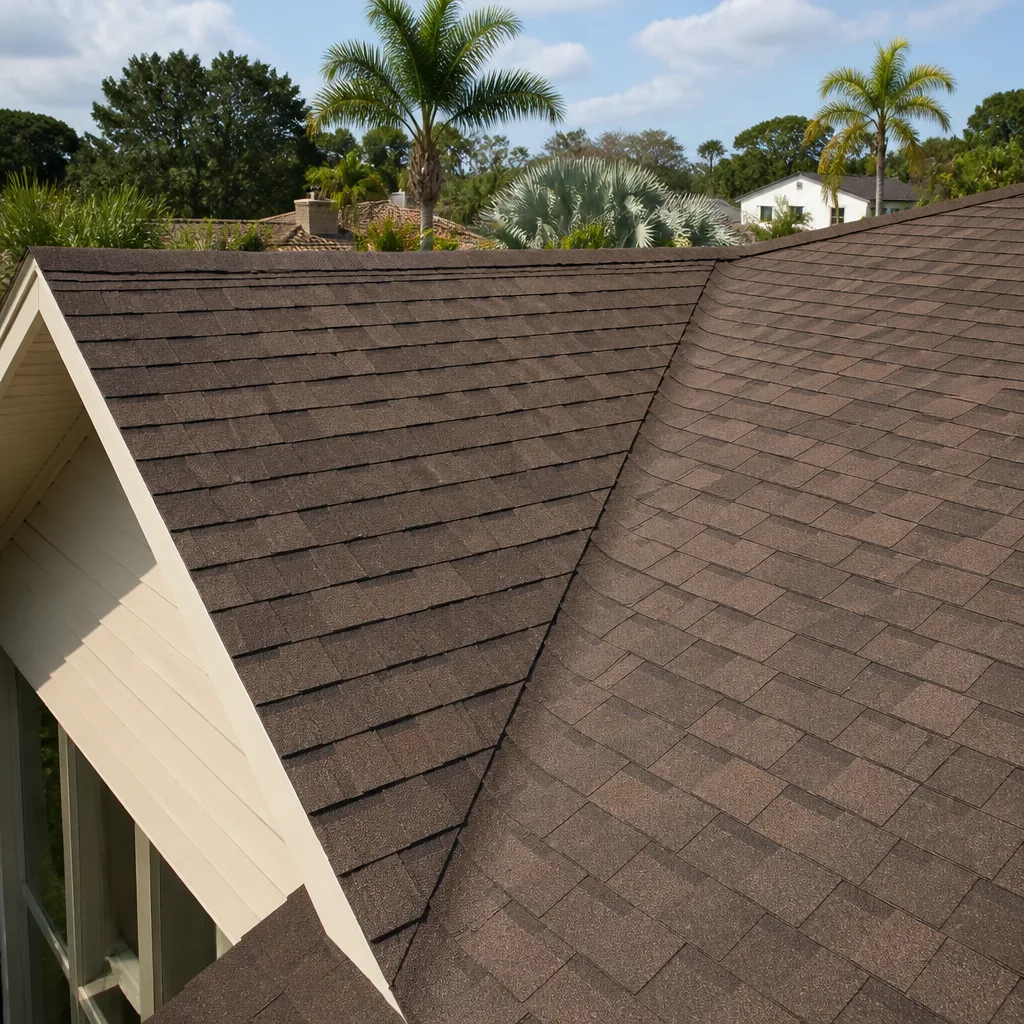
- Roofing. Full roof replacements and major structural repairs. HVHZ requirements are strict, and the product must be NOA-approved.
- Electrical. Anything beyond replacing a light bulb or swapping a standard outlet cover is licensed work. Panel work is dangerous and legally off-limits to homeowners.
- Plumbing. Main lines, water heaters, gas lines, drain re-pipes. A homeowner can swap a faucet; they can’t move a drain.
- Windows and doors in the HVHZ. Impact replacement requires licensed installers and product approval. This is a large part of what we handle through Barrett & Sons, and it’s a category where the paperwork matters as much as the install.
- Structural changes. Load-bearing walls, room additions, garage conversions – engineered plans and licensed contractors only.
- Any work involving gas. Hard stop. Gas is dangerous and licensed-only.
Even where the owner-builder exemption applies, three realities still bite: insurance carriers frown on owner-builder work (more below), Miami-Dade’s HVHZ rules exhaust a DIYer’s patience, and any future buyer’s inspector is going to look hard at unlicensed construction. If you want a broader view of where the licensed-vs-DIY line matters most in this county, our Home Additions & ADU in Homestead page walks through how permit-heavy additions work in practice.
The Hidden Costs of DIY in an HVHZ Market
Here’s what the average DIY article doesn’t tell you: Homestead sits inside the High-Velocity Hurricane Zone. That means Miami-Dade County has its own product approval system – NOA numbers – and a homeowner can spend three weeks sourcing an approved shingle or impact window only to learn the product line was updated and their NOA is expired.
Sourcing is only one piece. Consider the actual steps you take on as your own contractor:
- Locate approved materials. Confirm the NOA number is current and covers your specific product and application.
- Submit the permit application with the right product data and drawings attached. Miss a document and you start over.
- Schedule the inspections at the right stages. A roofing inspection after the wrong layer goes on means tear-off.
- Manage re-inspections when the first one fails. Re-inspection fees, delays, and material waste add up fast.
- Close the permit. An open permit can freeze a home sale or refinance.
In Homestead, wind-driven rain and summer heat punish shortcuts faster than in most of the country. A flashing detail that would’ve been fine in the Panhandle leads to water intrusion in the first rainy season here. And rescheduling an inspector for a third time isn’t free – the county charges re-inspection fees.
How Botched DIY Affects Your Florida Insurance
This is the part people don’t hear about until they need to file a claim. Florida homeowners’ carriers are increasingly asking about permits when a claim involves a roof, water intrusion, or structural damage. If the claim is on work you did yourself without a permit, or owner-builder work that doesn’t show up on the permit record, the adjuster may partially or fully deny the claim.
Three specific consequences to know:
- Denied claims. If a water leak traces back to unpermitted plumbing or a DIY shower pan, your carrier can treat it as negligence rather than covered damage.
- Policy non-renewal. Some Florida carriers will non-renew a policy on a home with major unpermitted work – especially roofs and electrical.
- Reduced insurability at sale. A future buyer’s carrier will pull the permit history on the property. Open or missing permits can kill a sale or force you to credit the buyer.
Insurance isn’t a line item most people think about when they’re considering doing it themselves. But in Florida, it’s the real cost of skipping the permit, and it dwarfs the money the DIY weekend was supposed to save.
Three Questions to Ask Before You Decide
No honest contractor will tell you to hire out every nail. Some work is yours to do. Some isn’t. Here’s a framework we use:
1. Does this require a permit in Homestead or Miami-Dade?
If yes, the next question is whether licensed work is separately required. Cosmetic permits (adding a fence, minor interior changes) are one thing. Roofing, electrical, plumbing, and structural permits are another. Look up the permit requirement on the Miami-Dade County website or call the building department before you commit.
2. Will my insurance care – now or at sale?
If the answer is “probably,” that’s a signal. Any work that touches the roof, envelope, water, or electricity carries insurance implications. A licensed contractor’s work is a paper trail your carrier trusts. Yours may not be.
3. Can I actually finish it and close the permit?
Unfinished owner-builder permits are the most common DIY regret we see. A bathroom that’s 90% done for a year creates real damage – moisture, mold, and a frozen permit file. If you’ve never taken a permit to inspection before, budget triple the time you think it’ll take. If that math doesn’t work, hire it out.
Ask those three questions honestly. If any answer is fuzzy, the safest call is a professional.
What Makes Homestead Different From the Rest of Miami-Dade
Homestead sits at the southern edge of Miami-Dade – close to the national park, exposed to the wind off the coast, and running under the same HVHZ roof and window rules as Miami Beach. That combination is unusual. Inland Broward has some flexibility on shingle selections; Homestead doesn’t. It’s full HVHZ all the way down the product list.
The housing stock matters, too. A large share of Homestead homes were built or rebuilt in the 1990s and 2000s, which means a lot of the windows, roofs, and fences hit replacement age in the last few years. Plenty of that work is the type where the line between “DIY” and “hire it out” matters most. And the rains here are heavy and sudden – a slow leak that would’ve been cosmetic in a drier state becomes a $3,000 drywall repair in one storm season.
If you want a broader sense of what licensed work looks like in this area – especially driveway, hardscape, and paver installs that need to hold up under Homestead sun and runoff – see our Driveway & Pavers in Homestead page. And if you’re newer to the area, our Barrett & Sons Construction Homestead home page covers the trades we handle day in and day out.
Common Mistakes to Avoid
- Pulling your own permit before checking HVHZ requirements. Miami-Dade’s product approval rules are stricter than most people expect. Confirm the NOA number before you buy materials.
- Assuming “it’s my house” means no future liability. The one-year sale disclosure on owner-builder work in Miami-Dade is real, and the defect tail lasts ten years.
- Skipping the permit on a small job. Even a small change to plumbing or electrical can void a future insurance claim. The permit costs less than the claim denial.
- Starting a job without calling 811. Homestead has plenty of buried utility lines. It’s a free call and a two-business-day wait – cheap insurance against hitting a line.
- Buying your own materials without a spec review. A wrong window or shingle gets discovered at inspection, not purchase.
- Leaving a permit open. An open permit blocks a sale or refinance. Don’t start what you can’t finish.
- Assuming the cheapest bid is the safest. The contractor who hides permit costs in the estimate is usually the same one who hides change orders in the invoice. Get the scope in writing.
See the difference
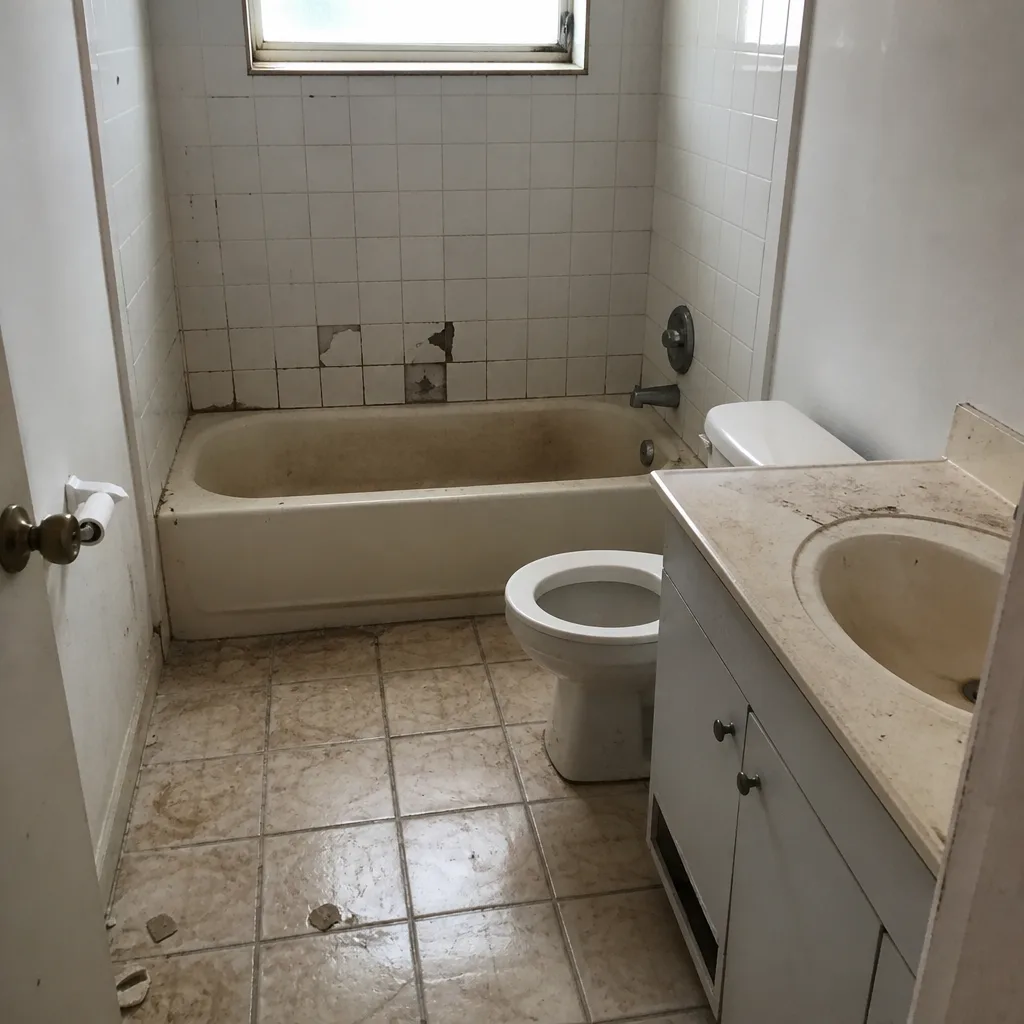 Before
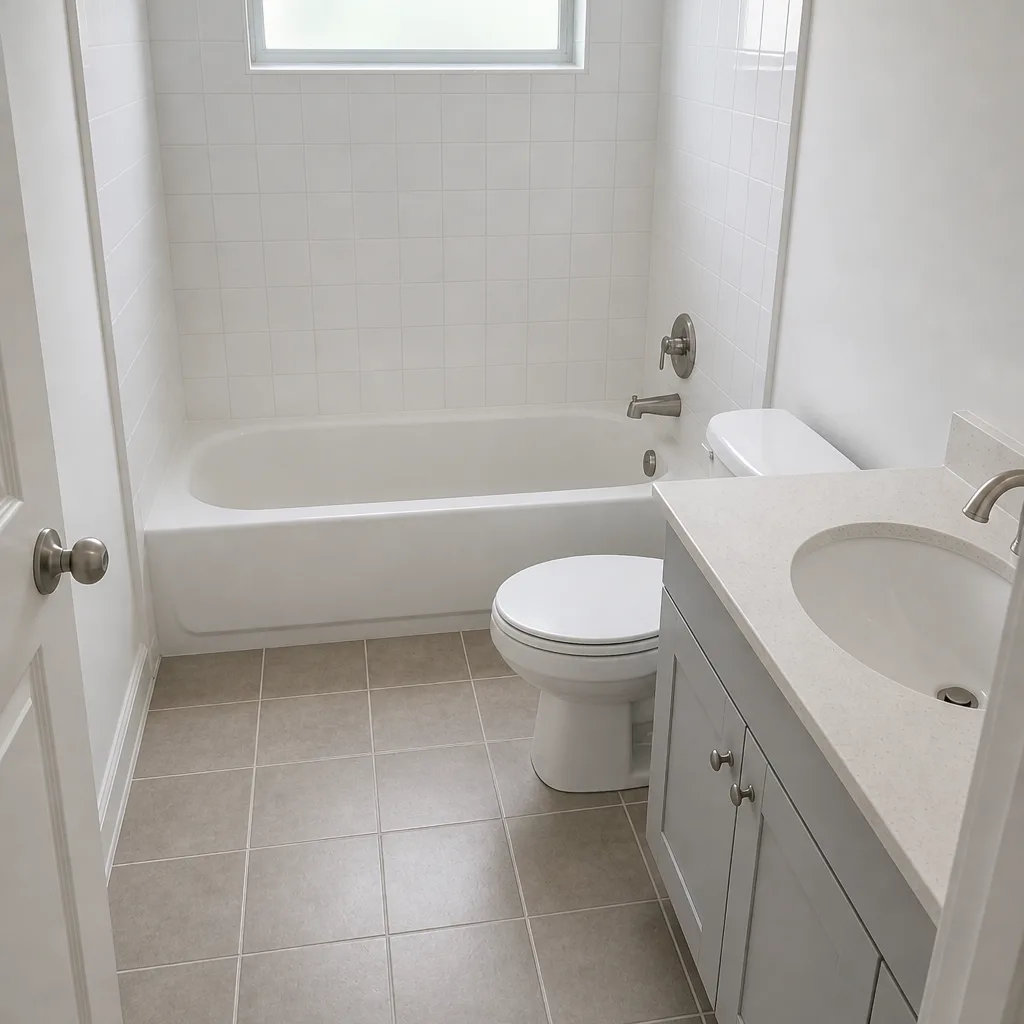 After
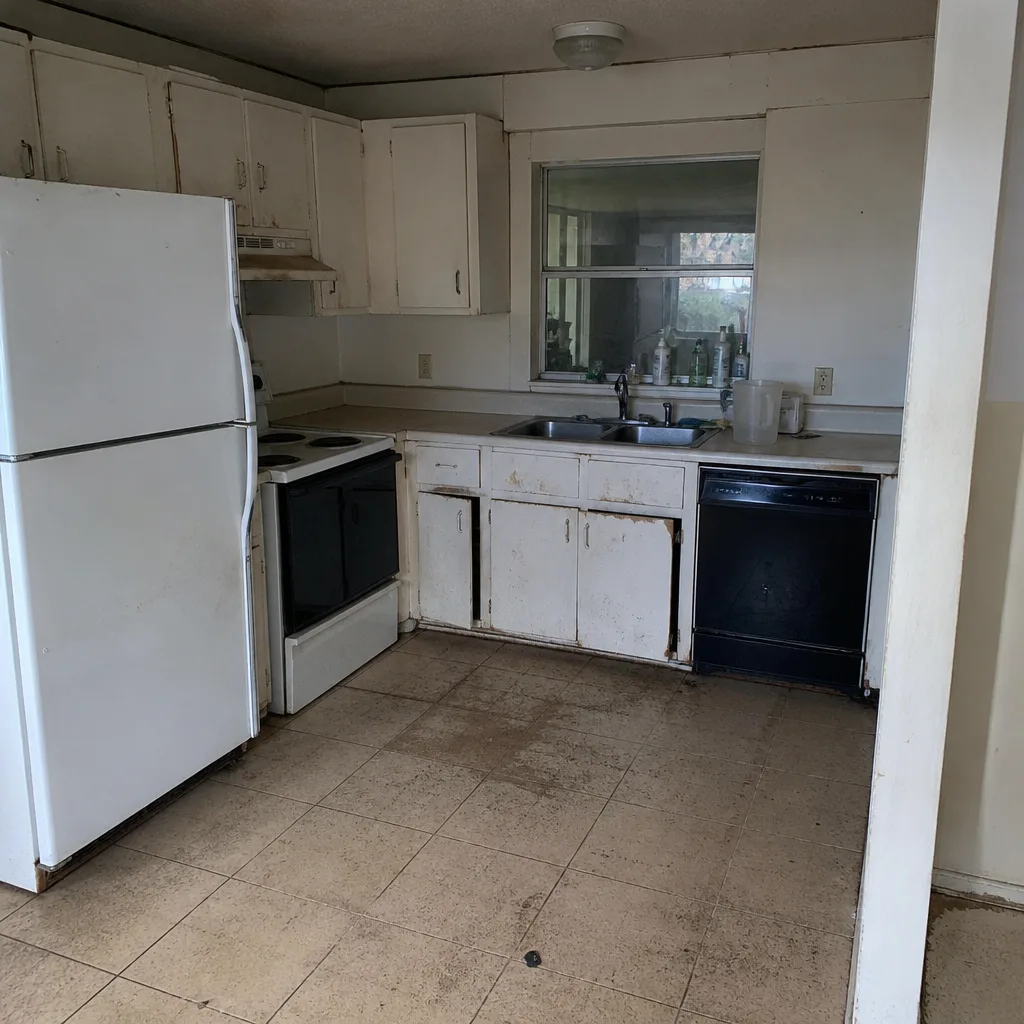 Before
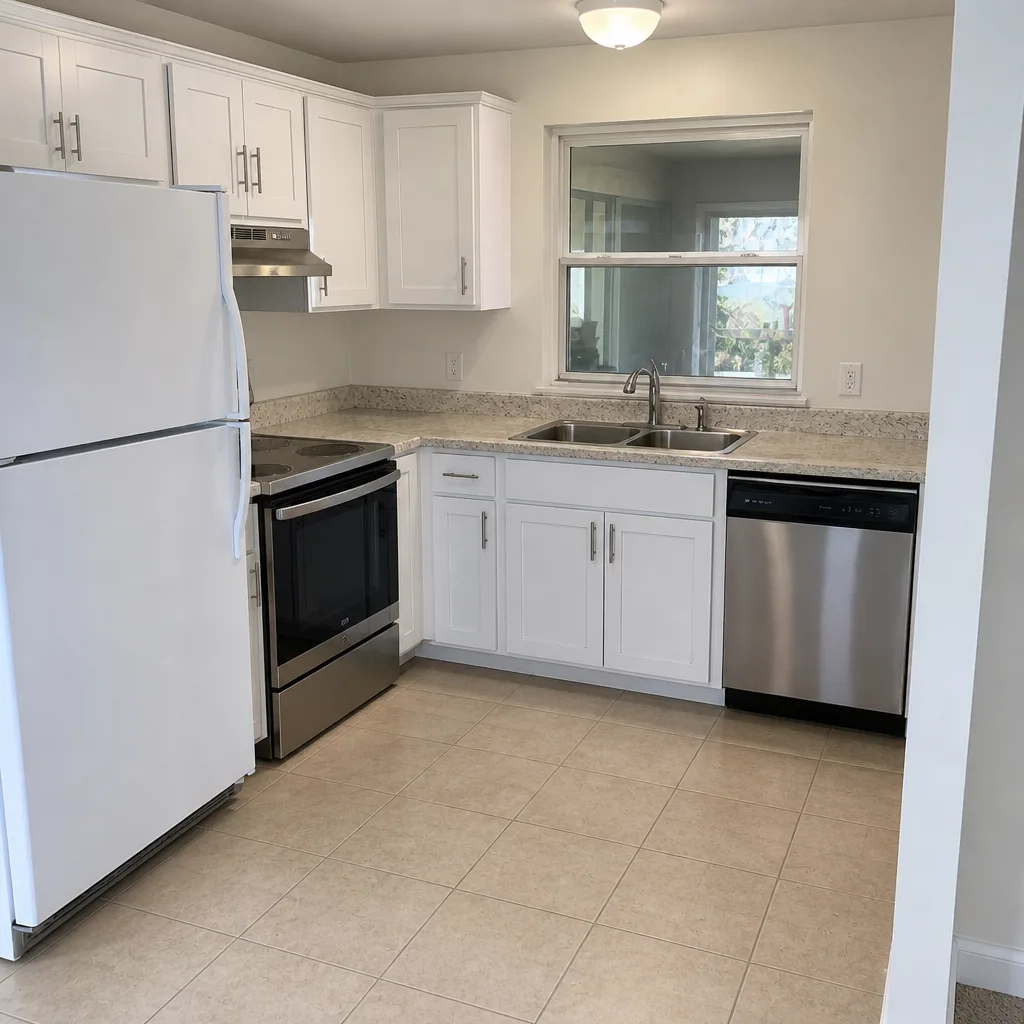 After
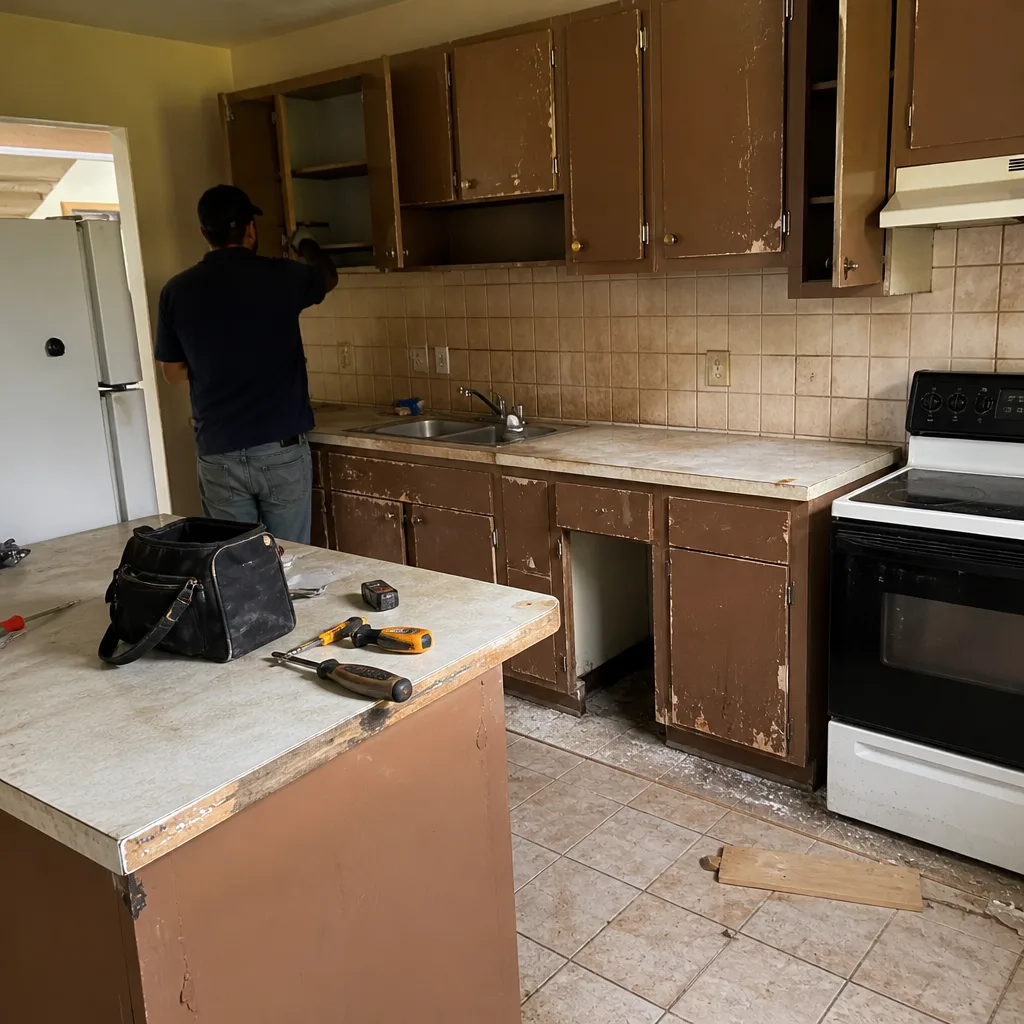 Before
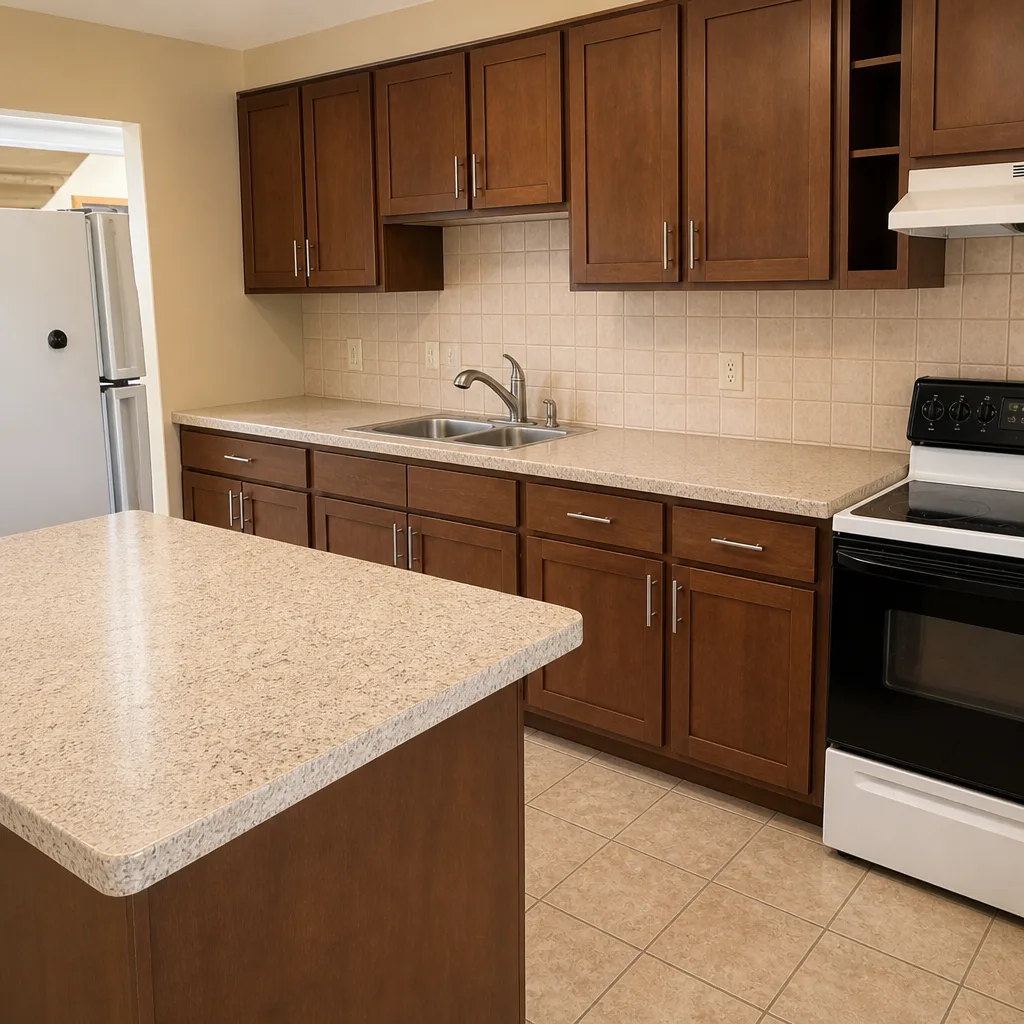 After
When to Call a Professional
The quick rule of thumb: if the project requires a permit in Homestead and specifically a licensed signature, hire it out. That covers roof replacement and major repairs, impact windows and doors, any electrical panel work, plumbing beyond a fixture swap, structural changes, gas, and additions of any kind. It also covers most permitted jobs where the inspection schedule is the hard part – a homeowner can source materials, but scheduling and closing the permit correctly is a different skill.
Barrett & Sons Construction Homestead offers free estimates in Homestead – call (866) 344-6796. We’ll walk through what’s legal to DIY, what isn’t, and what’s smarter to hand off. Written estimates, written change orders, and a 90-Day Done Right Promise on every job.
Frequently Asked Questions
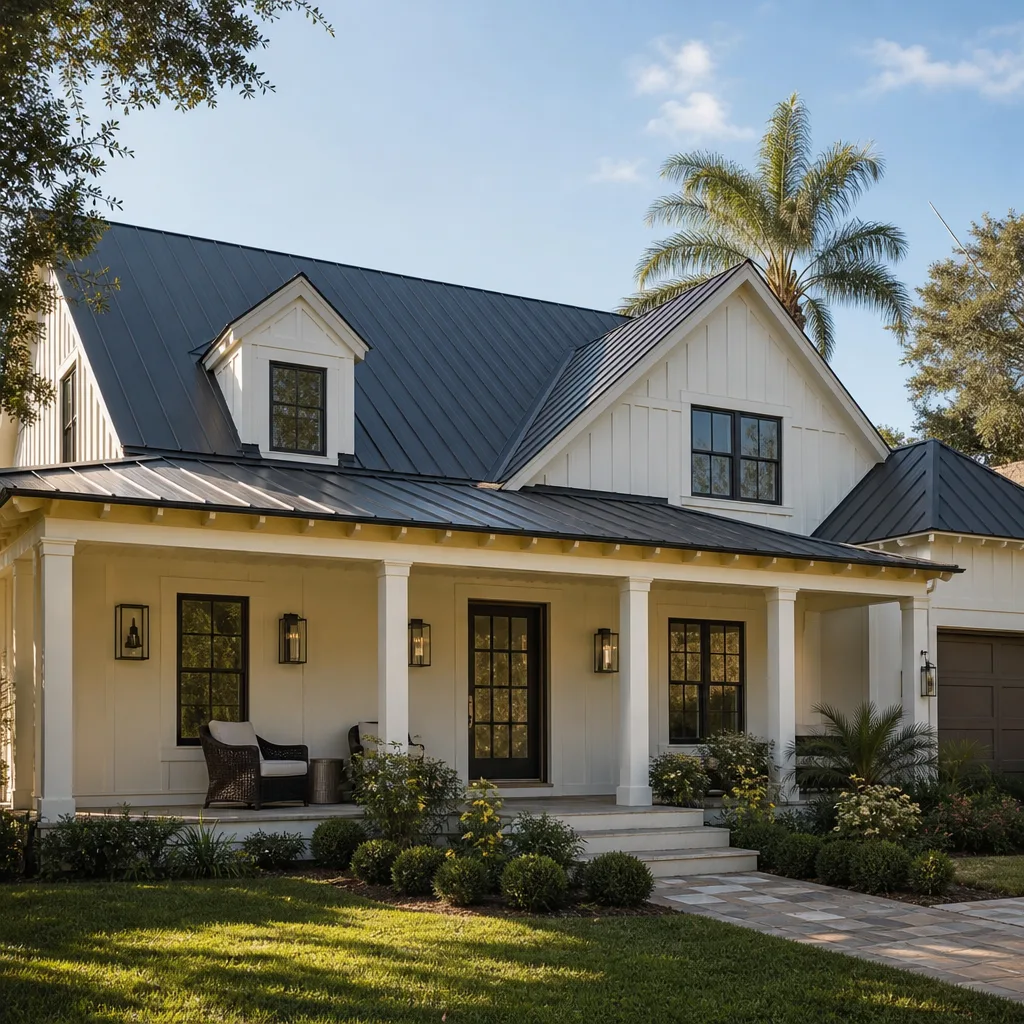
Yes, in most cases. New fences and any fence over 6 feet typically require a permit in Homestead and Miami-Dade. Height, setback from the property line, and HVHZ wind-load rules all apply. If you’re replacing pickets on an existing permitted fence, that usually doesn’t require a new permit – but check before you start.
In almost all cases, no. Roof replacement requires a licensed roofing contractor in Miami-Dade County, and the work must follow HVHZ rules including NOA-approved products. The owner-builder exemption doesn’t cover what most homeowners think it does on roofs – and even when someone technically qualifies, the insurance implications make it a bad trade.
If you complete permitted owner-builder work on your Miami-Dade home and sell within one year, you must disclose that fact to the buyer in writing. Buyers can hold you liable for construction defects for up to ten years from completion. This applies whether the work passed inspection or not.
It depends on the work. Claims where the damage traces back to unpermitted or unlicensed work – water intrusion behind a DIY shower pan, for example, or a leak from DIY roofing – are the most likely to be partially or fully denied. Florida carriers are actively asking about permit history on larger claims. When in doubt, call your carrier before you start.
Interior paint, carpet and floating floor installs, cabinet hardware and fixtures, interior trim, landscaping, and small repairs. These don’t touch the structure or major systems and don’t require permits. Anything that touches roofing, windows, electrical, plumbing, or structure is a different category.
Check three things: license number published and verifiable with the state, insurance and workers’ comp active, and a written estimate that separates scope from allowances. A contractor who won’t put their license number in writing isn’t one you want on your house. If you’re comparing bids, our free second-opinion offer is worth using on the highest one – call (866) 344-6796.
The Bottom Line
DIY in Homestead is reasonable for cosmetic work and unreasonable for anything that touches the envelope, structure, or major systems. The line isn’t about skill – it’s about permits, HVHZ code, and liability. The owner-builder exemption is real but narrow, and the one-year sale disclosure in Miami-Dade turns an easy weekend into a decade-long defect tail. If you’re going to do it yourself, confirm the permit rules, confirm your insurance carrier is on board, and be honest about whether you’ll finish. If the answer to any of those is shaky, call us. Free estimates, written change orders, and a 90-Day Done Right Promise in writing on every job.
Written by the team at Barrett & Sons Construction Homestead.