Last updated November 17, 2026


Free written scope consultation - allowances, timeline, and change-order rules on paper before a single trade is scheduled
DIY vs Professional Fence Installation: What’s Safe to Do Yourself
Here’s the part most fence guides skip: in Miami-Dade County, a fence you install yourself without a permit can be ordered to come down at your own expense, and if it fails in a storm, your homeowner’s insurance may not cover the damage. That’s not a scare tactic. It’s the HVHZ, the High Velocity Hurricane Zone, and it has real teeth. Some fence work is genuinely within reach of a handy homeowner. Panel swaps, gate hardware, a fresh coat of stain – those are weekend jobs. The rest is a code and engineering question, not a skill question. This guide breaks down exactly where that line sits for a Homestead homeowner so you can decide with your eyes open.
Quick Answer
Painting, staining, replacing individual pickets or panels, and swapping gate hardware are safe DIY jobs for a motivated homeowner. Installing a new fence line, setting posts, or building a gate from scratch in Miami-Dade County requires a permit, engineered wind-load compliance, and product approval documentation, which makes it a professional job in almost every case. The dividing line isn’t whether you’re handy. It’s whether the work needs inspection.
Styles & brands we work with
- Kitchen remodeling
- Bathroom remodeling
- Home additions & ADU
- Roofing
- Windows & doors
- Driveway & pavers
- Fence
Table of Contents
- Which Fence Tasks Are Actually Safe to DIY?
- Which Fence Work Requires a Permit and Inspection in Miami-Dade?
- How Do HVHZ Requirements Affect DIY Fence Installation?
- DIY vs Contractor: The Honest Cost Comparison
- What Happens During a Home Sale or Insurance Claim?
- How Do You Verify a Homestead Fence Contractor Is Pulling the Permit?
- Common Mistakes to Avoid
- When to Call a Professional
Which Fence Tasks Are Actually Safe to DIY?
A handful of fence jobs genuinely belong in the homeowner’s column. These don’t touch the structure of the fence, don’t change its wind-load profile, and don’t trigger a permit in Homestead or the surrounding county. If your fence is already permitted and standing, you can handle the maintenance tier yourself.
- Staining or painting an existing wood fence. A pressure wash, a weekend of dry time, and a quality stain. No permit, no inspection, no real risk beyond a sore forearm.
- Replacing individual pickets or panels. Storm-battered boards happen here every summer. Matching a single picket to the existing run is a reasonable DIY job provided the posts and rails underneath are sound.
- Swapping gate hardware. Hinges, latches, self-closing springs, and handles wear out. Replacing like-for-like hardware on an existing gate is straightforward.
- Tightening loose rail fasteners. If a rail has pulled back from a post, driving new structural screws is fine as long as the post itself isn’t compromised.
- Landscaping and clearance work. Trimming vegetation back from the fence line, clearing vines, and resetting gravel along the base – all good homeowner tasks.
What ties these together: none of them change the fence’s engineered structure. The moment you’re digging a hole, setting a new post, or adding a section, you’ve crossed into permit territory. If you’re considering a full fence in Homestead, our Fence Installation in Homestead guide walks through what a permitted build actually includes.
Which Fence Work Requires a Permit and Inspection in Miami-Dade?
New fence installation in Miami-Dade County requires a building permit in almost every residential case, and the inspection afterward is not a formality. The permit exists to verify that the fence is engineered to survive a named storm, not just stand up in fair weather. We’ve seen DIY fences go up in a weekend and come down in the first tropical system of the season.
- New fence line installation. Any fence you’re installing where none existed needs a permit before the first post hole is dug.
- Replacing an entire fence. Tearing out an old fence and setting a new one along the same line still requires a permit in Homestead. Same footprint doesn’t mean same approval.
- Changing fence height or material. Going from 4 feet to 6 feet, or from wood to ornamental aluminum, changes the wind-load profile and requires re-approval.
- Adding a section or extending the line. Any addition to the footprint triggers the process.
- New gate construction. A built-from-scratch gate, especially a wide vehicle gate, is its own engineered assembly and gets its own scrutiny.
The permit inspector works for you, not for the contractor. That inspection is the one independent set of eyes on whether the posts are actually set to the depth the approved plans specify. Skipping it means nobody’s checking. In this part of Florida, that’s a gamble a homeowner rarely wins.
How Do HVHZ Requirements Affect DIY Fence Installation?
Miami-Dade sits inside the High Velocity Hurricane Zone, which is the strictest wind design standard in the country. Every fence product installed here has to carry a product approval, either a Miami-Dade NOA (Notice of Acceptance) or a Florida Product Approval number. Inspectors don’t take your word for it. They check the documentation against the plans, and they check the installed product against the documentation.
Here’s what trips up DIY installers: the product approval is engineering-specific. A specific post material, a specific embedment depth, a specific concrete specification, a specific panel attachment pattern. The panel you bought off the shelf at a big-box store may not have a Miami-Dade approval at all, and if it doesn’t, it isn’t going to pass inspection. That’s not a reflection on your skill. It’s the code doing its job.
- Product approval documentation. You’ll need the NOA or FL product approval number for the exact assembly you’re installing, not just the brand name.
- Post embedment depth. Specified in the approved plans and verified at inspection. A shallow post in Homestead’s sandy soil under a wind load is a future hazard.
- Concrete specification. Approved assemblies typically call out a specific concrete mix and set time. Post-set anchors and driveway-style fast-set concrete aren’t always accepted.
- Panel and rail attachment. Nail and screw patterns matter in the HVHZ – they’re part of what the engineering assumes.
On top of the HVHZ standard, this is a corrosive coastal environment. A stainless or hot-dip galvanized fastener that meets code here is different from the standard hardware a fence kit ships with. The salt air and summer humidity work on hardware year-round. We see failures from mixed-metal fasteners on Homestead fences more often than we see failures from bad posts.
DIY vs Contractor: The Honest Cost Comparison
The DIY case looks strong on a spreadsheet until you account for everything a licensed contractor’s quote actually includes. Here’s a fair comparison for a typical 150-foot residential wood fence in Homestead. Numbers will shift with material choices, but the categories don’t.
- Permit fees. Miami-Dade permit fees for a residential fence typically run in the low hundreds – you pay them either way, and a contractor bundles them into the written quote.
- Material cost. Roughly similar to a contractor’s material line, though contractors buy at slightly better pricing on premium assemblies. Don’t expect a big savings here.
- Material waste factor. DIY installers over-order because they don’t know the exact cuts until they’re mid-build. A realistic waste factor for a first-time installer is 10-15% of material cost. Contractors figure this into their build plan.
- Tool rental. Post-hole auger, mixers, levels, cutting tools. A weekend rental package typically lands in the low to mid hundreds.
- Time cost. A permitted 150-foot fence is a multi-day job for two experienced people. A homeowner doing it alone on weekends is looking at several weekends, with weather risk on every one.
- Failed inspection cost. This is the wild card. A failed inspection means re-work, re-inspection fees, and potentially tearing out a section. That line item usually dwarfs the tool rental.
The DIY savings exist, but they’re smaller than people assume once permits, waste, and the real risk of a re-do are priced in. On a smaller repair – say a gate that needs new hardware – DIY clearly wins. On a full permitted fence in Homestead, the math usually favors a written quote that includes the permit and the inspection in a single price. A written quote with fixed pricing and no change orders approved in advance means the number you sign is the number you pay, and that’s the comparison worth making. Call (866) 344-6796 to schedule your free estimate.
What Happens During a Home Sale or Insurance Claim?
This is where an unpermitted fence really shows its teeth, often years after it went up. When you sell a home in Homestead, the buyer’s inspector flags anything that doesn’t have a permit on record. That includes fences. The buyer’s attorney asks for the permit, and either you have it or you don’t.
Here’s what the questions actually look like on the selling side:
- “Can you produce the permit and inspection sign-off for this fence?” If the answer is no, the buyer’s inspector notes it as unpermitted work. In a Florida real estate transaction, that typically becomes a negotiation point, usually one that costs the seller money.
- “Who installed the fence, and can you provide their license and insurance?” A licensed contractor’s paperwork is in the file. DIY means no third-party record exists.
- “Was the fence permitted in the HVHZ?” The buyer, and the buyer’s insurance carrier, both care about this one, because wind coverage on an unpermitted structure is a real problem.
On the insurance side, when a storm knocks down an unpermitted fence, the adjuster asks the same questions. An insurer can decline or reduce a claim on a structure that was never permitted or inspected. The premium you saved by skipping the permit doesn’t usually cover the loss. We’ve seen Homestead homeowners learn this the hard way after a tropical system, and it’s a conversation we’d rather have with you before the storm.
How Do You Verify a Homestead Fence Contractor Is Pulling the Permit?
Plenty of contractors say “we’ll pull the permit.” Fewer actually do, and the difference matters before a shovel touches the ground. Here’s how to check, the way we’d want a neighbor to check on us:
- Ask for the permit number in writing, before materials are delivered. A legitimate permit has a number you can look up. If a contractor can’t produce it, they haven’t pulled it.
- Verify the permit on the Miami-Dade County online portal. You can search permits by address and confirm the contractor’s name on file matches the one you’re talking to.
- Confirm the license and insurance match the name on the quote. Ask for the license number and call the county to check it. Ask for a certificate of insurance naming you as the property owner.
- Read the quote for the permit line item explicitly. A quote that says “permits by others” or omits the permit entirely is telling you who ends up pulling it – you.
- Ask what happens if the inspection fails. The right answer is that the contractor fixes it and re-inspects on their dime, not yours.
- Check that the crew working on your property is background-checked and identified. At Barrett & Sons, crew members carry the name and arrive background-checked and uniformed.
At Barrett & Sons Construction, Tom Barrett publishes his name, his address, and his license number – look it up before you sign anything. That’s not a marketing line. It’s the way the permit question gets settled before the first post goes in. If you’re also planning other exterior work, our overview of Barrett & Sons Construction Homestead covers how the same written-scope standard applies across the trades.
Common Mistakes to Avoid
- Assuming a small fence doesn’t need a permit. In Miami-Dade, almost every new fence line does, even a short one. The permit threshold is lower than most homeowners expect.
- Buying panels without a product approval number. The material has to be approved for the HVHZ assembly you’re building, or it fails inspection regardless of how neatly it’s installed.
- Setting posts too shallow for Homestead’s sandy soil. The approved plans specify embedment depth for a reason. Shallow posts are the single most common DIY failure we see after a storm.
- Mixing fastener metals on a coastal fence. Stainless versus galvanized versus standard zinc fasteners corrode together. This is a small detail that fails a Homestead fence in a few short years.
- Skipping the inspection sign-off because the fence “looks fine.” The inspection is the paper trail. Without it, the fence might as well never have been permitted at all when you sell.
- Going with the lowest bid that quotes “permit included” verbally. A permit promise is worth nothing on the phone. It’s worth everything on a written contract.
- Tearing out an old fence before verifying the new one’s approved. When a re-inspection fails, you’re left with no fence at all until it’s fixed.
See the difference
 Before
 After
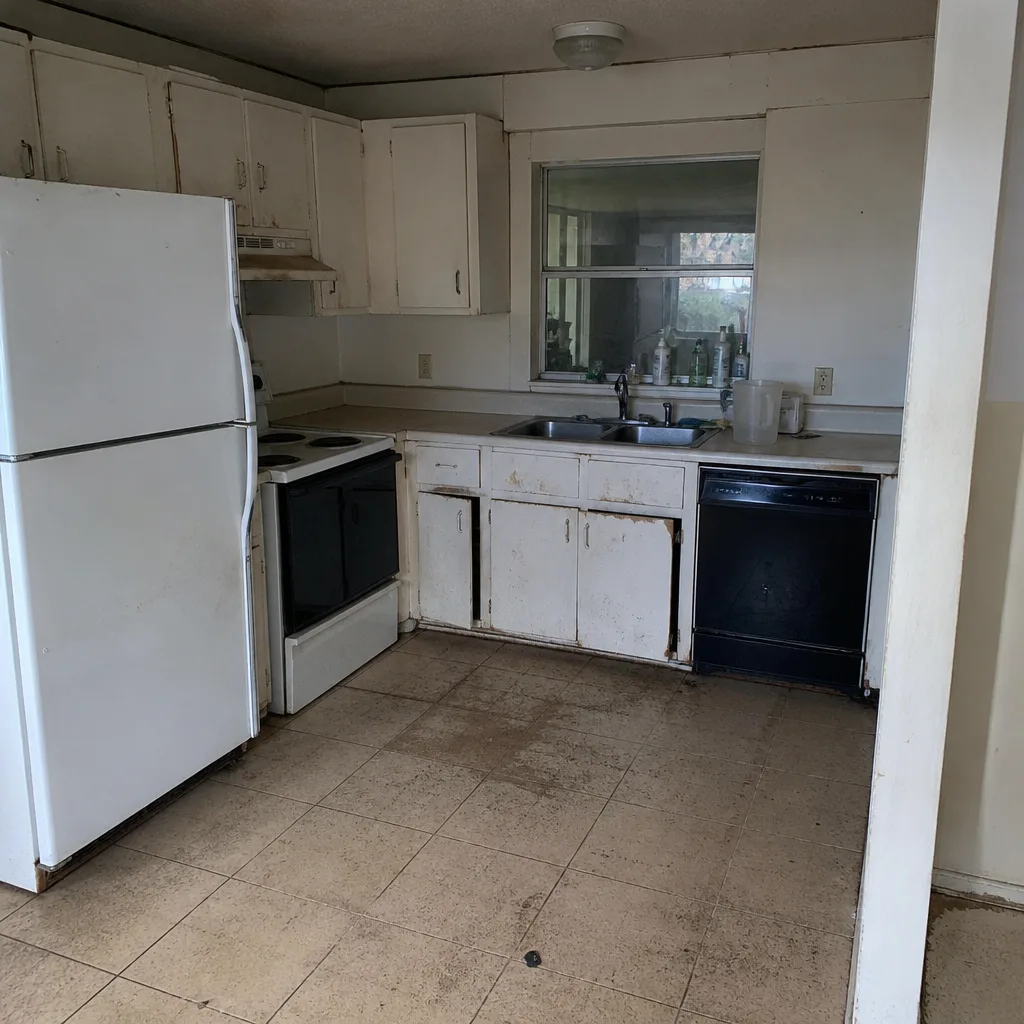 Before
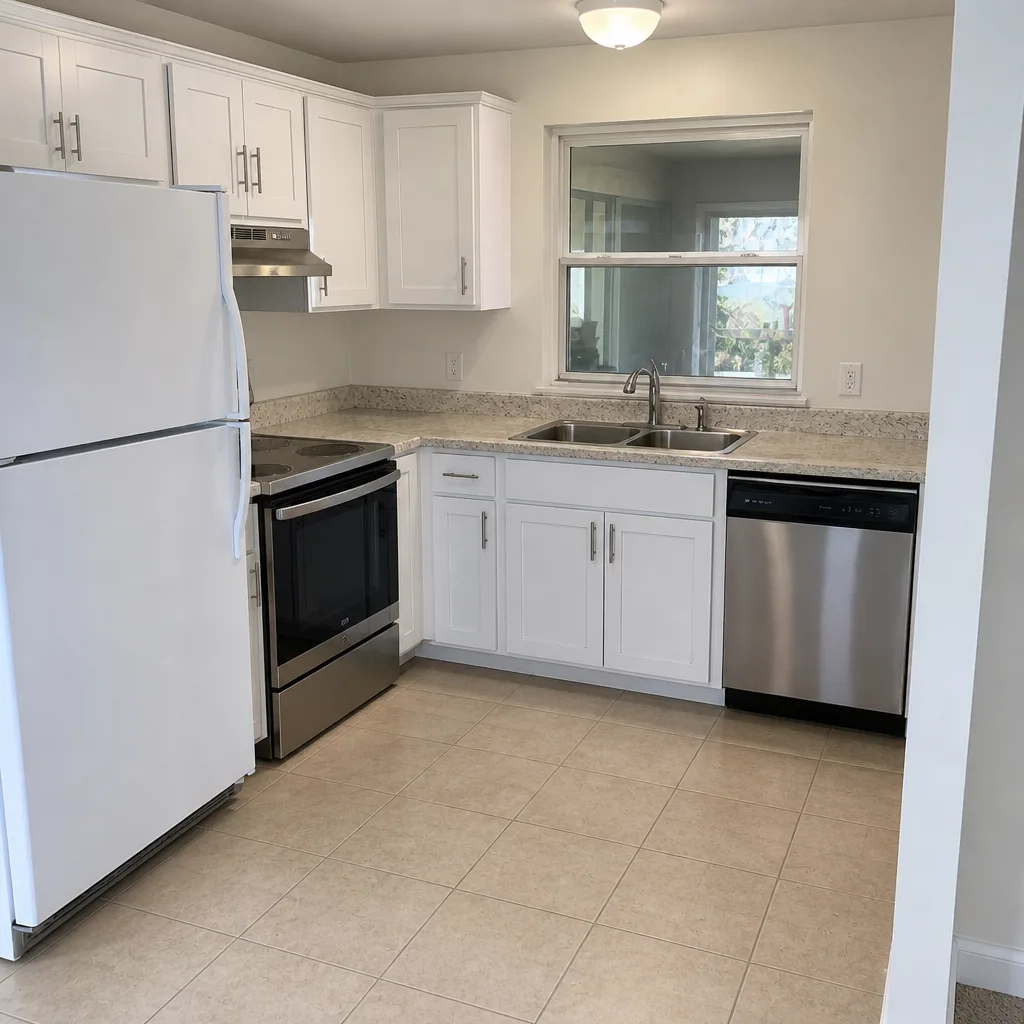 After
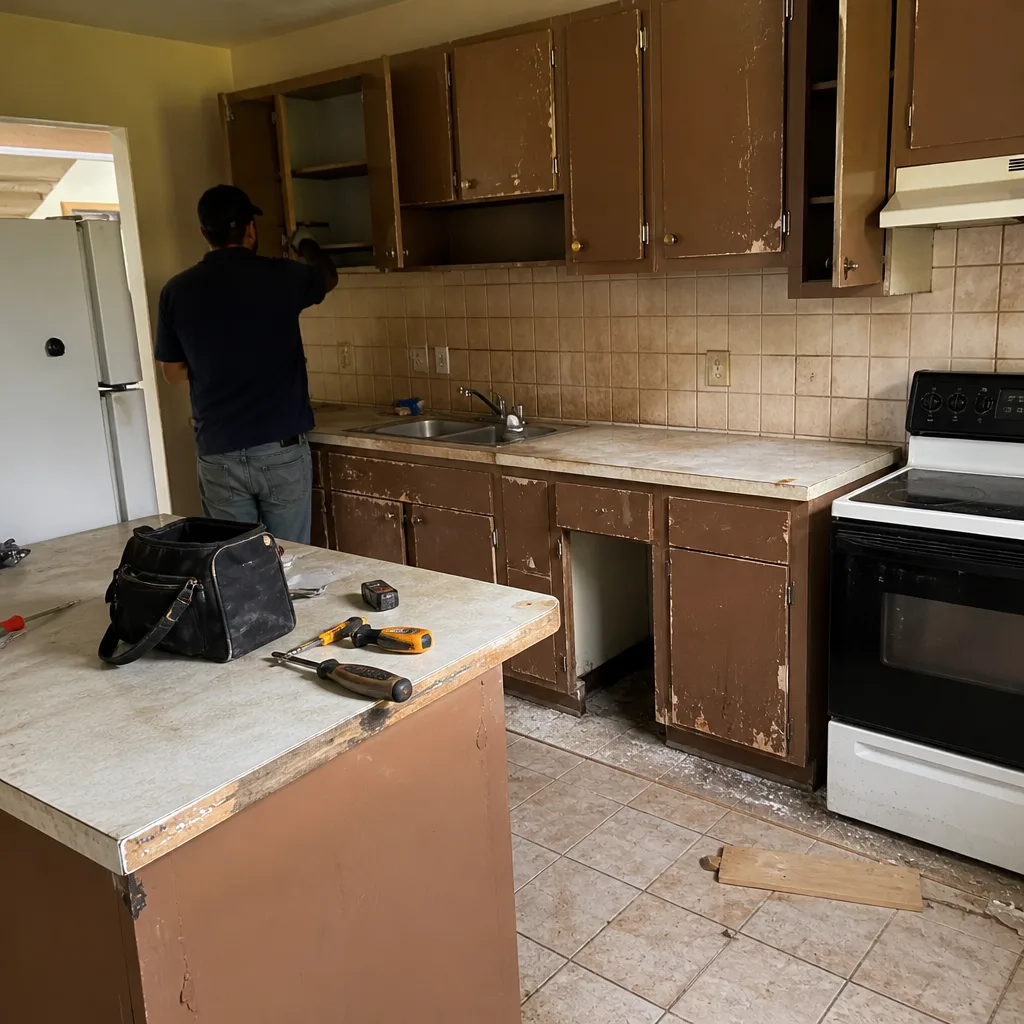 Before
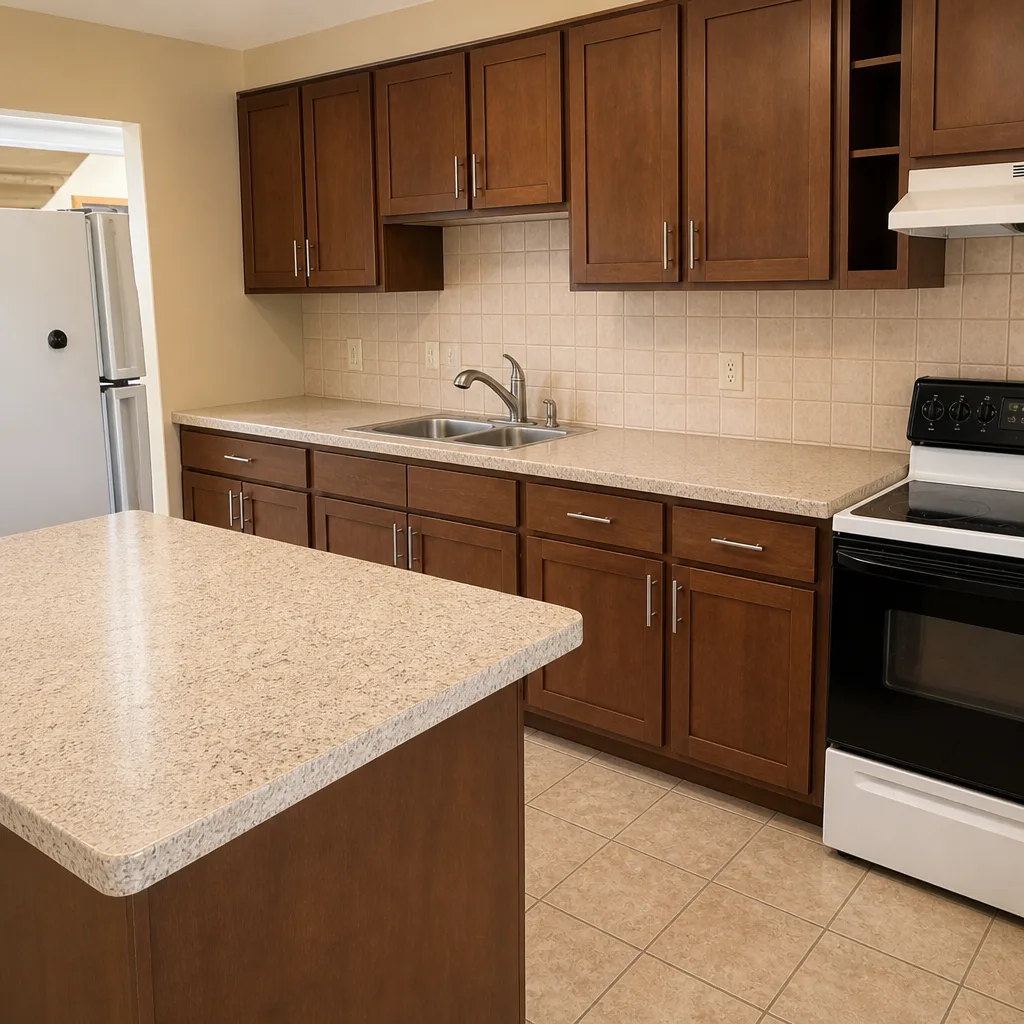 After
When to Call a Professional
If you’re installing a new fence, replacing a full run, adding a section, building a gate, or doing anything that triggers a permit in Homestead, bring in a licensed contractor. Same for any work where the post is compromised, the fence line needs re-engineering, or the build requires a product-approval assembly you can’t verify yourself. The maintenance tier – stain, single-panel repairs, gate hardware – stays in your column. If a storm has pushed a fence off its posts, don’t patch it. Get it engineered correctly. Barrett & Sons Construction Homestead offers free estimates, every eligible job gets permits pulled and inspections signed, and every completed job is backed by the written 90-Day Done Right Promise. Call (866) 344-6796 to schedule your free estimate.
Frequently Asked Questions
You can physically install a fence yourself, but you cannot skip the permit, engineering, and inspection requirements. In almost every case, the legal and safe path for a new fence line in Miami-Dade runs through a licensed contractor pulling the permit and passing the inspection. Small maintenance repairs – staining, single pickets, gate hardware – don’t require a permit and are safe to handle yourself.
Yes, in almost every case. Replacing a fence in Homestead, even along the same footprint, triggers a building permit because the new fence has to be approved to the current HVHZ wind-load standard. The old approval doesn’t transfer. Call (866) 344-6796 to walk through your specific project with us – estimates are free.
The buyer’s inspector will flag it as unpermitted work, and in a Florida real estate transaction that usually becomes a negotiation point that costs the seller money. You’ll likely be asked to either produce a retroactive permit or credit the buyer for the removal or legalization. Avoiding the permit almost always costs more on the back end than pulling it up front.
Probably not in full. Insurers can decline or reduce claims on structures that were never permitted or inspected, and wind damage to an unpermitted fence is a common reason for a reduced payout after a storm. The safest path if storm coverage matters to you is a permitted, inspected fence installed by a licensed contractor.
Residential fence permits in Miami-Dade typically run in the low hundreds, depending on the length and material of the run. That fee is the same whether you pull it yourself or a contractor includes it in a written quote. What matters is that someone qualified is pulling it and someone is signing off at inspection. Call (866) 344-6796 for a written quote that includes the permit as a line item.
Ask for the license number and insurance certificate in writing before you sign, then verify both against the state and county records. The name on the license and insurance should match the name on your quote and the contractor’s name on the permit. If a contractor won’t give you the numbers, that’s your answer.
The Bottom Line
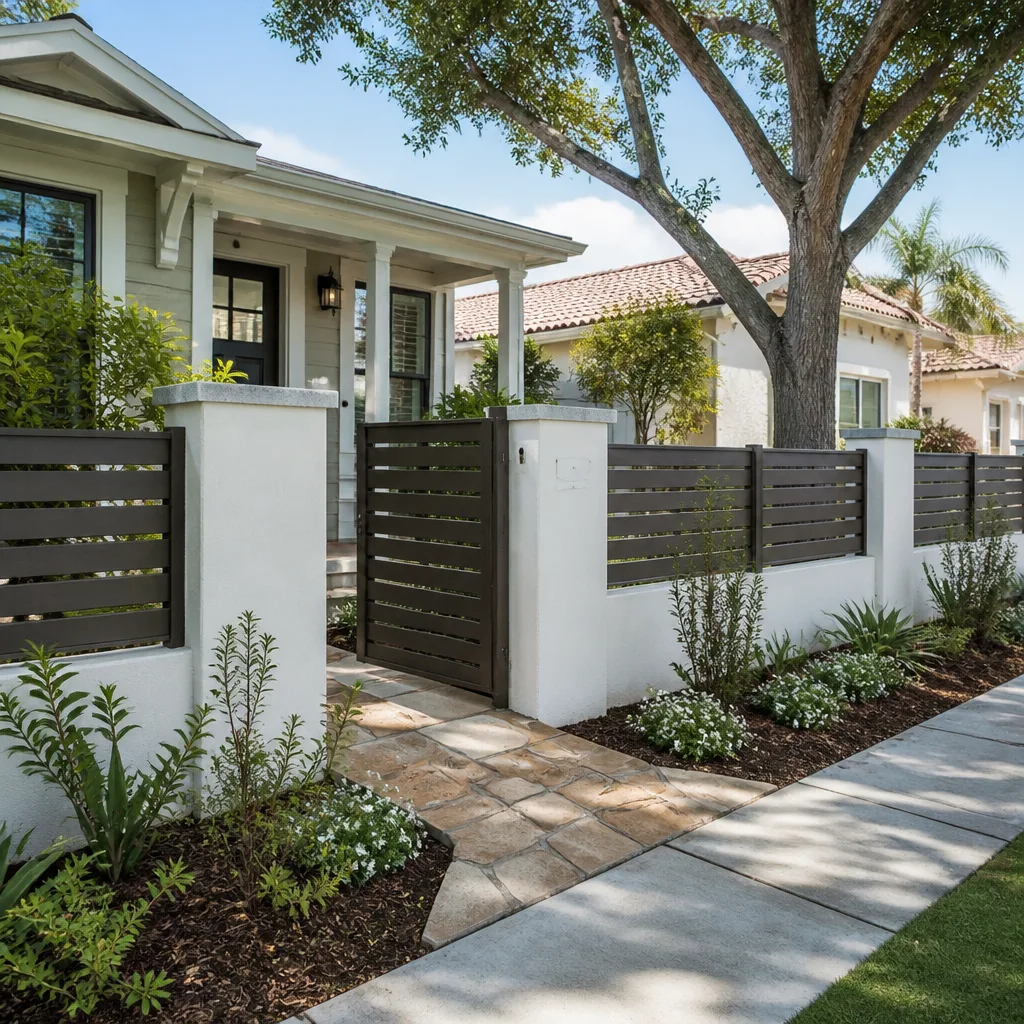
The DIY tier of fence work is real, and it’s worth doing yourself: stain, single pickets, gate hardware, tightening fasteners. That’s where the honest savings live. Everything above that line – new fences, full replacements, extensions, and new gates – runs straight into Miami-Dade’s HVHZ standards, product-approval documentation, and inspection requirements. Those aren’t a test of your skill. They’re a test of your paperwork. The correct dividing line for a Homestead homeowner is whether the work needs a permit and an inspector. If it does, hire a licensed contractor and get the permit number in writing before the digging starts. If you want a written quote for a permitted fence, our team at Driveway & Pavers in Homestead and our Home Additions & ADU in Homestead pages both explain the same fixed-price, written-change-order standard we apply to fence work. Call (866) 344-6796 to schedule your free estimate.
Written by the team at Barrett & Sons Construction Homestead.