Last updated November 17, 2026


Free written scope consultation - allowances, timeline, and change-order rules on paper before a single trade is scheduled
Home Additions & ADU Warning Signs Every Homeowner Should Know
Any contractor who gives you a firm price on a home addition before seeing a survey, soil conditions, and existing structural drawings is not quoting your project. They’re quoting a generic project and planning to reconcile the difference with change orders later. That’s the uncomfortable truth about additions and accessory dwelling units (ADUs): the warning signs show up in the sales process, not the construction process. By the time you can see the framing mistakes or the wrong footings, you’ve already signed and paid a deposit. This guide walks through the specific documents, questions, and habits that separate real builders from real risk in Homestead, where our crew sees these problems play out on the same streets every season.
Quick Answer
The biggest warning signs of a bad addition or ADU contractor appear before construction starts: they quote a firm price without a survey or existing drawings, they avoid or dismiss the permit conversation, they demand a large cash deposit up front, and they can’t provide lien waivers from their subs. In Florida, the single most useful check is verifying the contractor’s license in the state DBPR database and confirming that license covers structural work without open complaints. If those four things don’t check out, walk away – no matter how good the price sounds.
Styles & brands we work with
- Kitchen remodeling
- Bathroom remodeling
- Home additions & ADU
- Roofing
- Windows & doors
- Driveway & pavers
- Fence
Table of Contents
- How Do You Actually Verify a Florida Contractor’s License?
- The Permit Conversation Test
- Lien Waivers: The Document That Protects Your Property
- What Does a Legitimate Payment Schedule Look Like?
- Post-Hurricane Surge Tactics in South Florida
- Warning Signs Specific to ADU Projects
- Five Questions That Expose a Bad Builder
- Common Mistakes to Avoid
How Do You Actually Verify a Florida Contractor’s License?
“Licensed and insured” is a phrase anyone can print on a business card. In Florida, license verification is a real process, not a phrase. The state Department of Business and Professional Regulation (DBPR) maintains a public database at myfloridalicense.com, and it takes about five minutes to use. Here’s how.
- Look up the license by name or number. Search under both the business name and the individual contractor’s name. Sometimes the company license is clean and the individual’s record has complaints.
- Confirm the license type covers structural work. A general contractor license (CGC) covers structural additions. A specialty license (for roofing, plumbing, or painting) does not, no matter what the contractor claims. For an addition or ADU in Miami-Dade County, you need a licensed general contractor or a certified building contractor.
- Check the status. Active means what it says. Suspended, delinquent, null and void, or revoked mean the license cannot currently be used to pull permits – and if they can’t pull permits, they can’t legally build your addition.
- Read the complaint history. Florida lists open and closed complaints in the DBPR record. One closed complaint from five years ago over a fence may not matter. A pattern of complaints over structural work or abandoned jobs does.
- Confirm insurance separately. Florida doesn’t show insurance status in the license database. Ask for a current certificate of general liability and workers’ comp, then call the insurer listed on the certificate to verify the policy is active.
We’ve watched too many Homestead homeowners learn this lesson the hard way. The license number is public. Look it up before you sign. Ask anyone on your street if you want references – and then verify those too.
The Permit Conversation Test
Before a contractor ever mentions price, they should mention permits, drawings, and inspections. If the first thing out of their mouth is a range or a per-square-foot number, that tells you exactly how they operate. Additions and ADUs in Homestead require design drawings (often signed and sealed by an engineer or architect), a survey, a permit application through Miami-Dade County, and a specific inspection sequence that runs from foundation to framing to final. A builder who knows the process can walk you through it in ten minutes without notes.
The test works like this. Ask three questions on the first visit:
- “Who pulls the permit, and can I see the application before it’s filed?” The answer should be the contractor, on your behalf, with copies to you. “It’s optional” or “we can skip it for a small addition” are disqualifying answers.
- “What inspections are required, and at what stages?” A builder who can name the sequence (footing, slab, framing, electrical rough-in, final) is someone who’s walked it many times.
- “Who signs the drawings?” Structural additions require engineering. A contractor who “draws it himself” and skips the engineer is putting your certificate of occupancy at risk.
The permit inspector works for you, not for the contractor. That’s how it’s supposed to work. A builder who treats inspections as a nuisance rather than a checkpoint is telling you something about how they’d handle a fix, too.
If an unpermitted addition exists on your property, or you’re weighing a remodel instead of a build, our Home Additions & ADU in Homestead page walks through the steps we follow – including how we handle legalization of prior work.
Lien Waivers: The Document That Protects Your Property
A lien waiver is a written statement from a contractor or subcontractor saying they’ve been paid and they release their right to file a mechanics lien on your property. Under Florida law (Chapter 713), any contractor, subcontractor, or material supplier who isn’t paid can file a lien against your property – even if you paid the general contractor in full. That’s not a technicality. It’s the mechanism that lets a supplier who delivered lumber for your ADU collect from you if the GC never paid the bill.
Ask for graduated lien waivers throughout the project, not just at the end:
- From the general contractor: A conditional waiver at each payment milestone (releases lien rights for the amount paid so far) and a final unconditional waiver when the job closes.
- From every subcontractor: Each sub on the job – framing, electrical, plumbing, drywall – should provide the same waivers. This is the one most homeowners miss.
- From material suppliers: Anyone who delivered material to the site on credit (lumber yards, concrete suppliers, window suppliers) can file too. Some suppliers provide notice-to-owner forms that pop up in your mailbox – keep those.
What happens if you skip them? A sub or supplier who wasn’t paid by the GC files a lien, and the lien attaches to your property. You may end up paying twice for the same work, or fighting in court while your certificate of occupancy is held up. Get the waivers in writing, every milestone, from every party. Then file them with your closing documents.
What Does a Legitimate Payment Schedule Look Like?
The payment schedule is where cash-flow problems show up before the framing does. A builder with healthy working capital structures payments around completed milestones. A builder strapped for cash front-loads the deposit, then uses your money to fund someone else’s project.
A legitimate milestone-based schedule for a home addition typically looks like this:
- Mobilization / permits phase: 10-15% at contract signing to cover permit fees, drawings, and scheduling. Enough to be serious, not enough to be alarming.
- Foundation / slab complete: 15-20% after the foundation inspection passes.
- Framing complete / dry-in: 20-25% after the framing inspection and roof dry-in.
- Rough-in complete: 15-20% after electrical, plumbing, and HVAC rough-ins pass inspection.
- Finishes: 20-25% spread across drywall, paint, flooring, trim, and fixtures.
- Final / punch list: 5-10% withheld until the final inspection passes and the punch list is signed.
Red flags in the payment schedule:
- Asking for 50% or more at signing. That’s a cash-flow signal, not a commitment signal.
- Payments on dates rather than milestones. “Pay by Friday” doesn’t mean the work was done by Friday.
- Cash-only, or checks made out to someone other than the licensed company.
- No written change-order process. Every change in scope, allowance, or price should arrive in writing before work proceeds – the allowance that isn’t on paper is a surprise waiting for a date.
A legitimate builder will tell you exactly when each draw is due and exactly what work will be complete at that point. Scope in writing, allowances in writing, change orders in writing. Anything less is a gamble.
Post-Hurricane Surge Tactics in South Florida
After a named storm comes through Miami-Dade – which happens in Homestead more than most of Florida – out-of-state contractors and storm-chasing outfits show up within days. Some are legitimate; too many are not. The pattern is predictable: they knock, they show enthusiasm and urgency, they quote fast, they take deposits, they disappear when the work gets hard or the next storm moves the market.
Here are the three questions that expose a storm-chaser in under five minutes:
- “What’s your license number, and can I write it down?” A real Florida contractor knows the number from memory and hands it to you. If they can’t – or they hand you a business card with no number on it – you’re done. Verify it in the DBPR before anything else.
- “Where’s your local office, and can I stop by?” A legitimate Homestead-area builder will give you a street address. Storm-chasers work out of hotel rooms and rental trucks. Tom Barrett publishes his name, his address, and his license number – check any contractor’s the same way.
- “Will you pull the permit, and who signs the drawings?” Storm work that gets a fast “permit not needed” or “we’ll figure that out later” answer is a job that becomes your problem after they’re gone.
Storm surge creates real urgency – if a roof is open, the work has to happen. But the license and permit check takes five minutes either way. Slowing down that much will save you the cost of a rebuild. For roofing damage tied to storm events, our Barrett & Sons Construction Homestead home page covers the full scope of what we handle.
Warning Signs Specific to ADU Projects
Accessory dwelling units bring in their own set of warning signs because the code is more restrictive than for a straight addition. In Miami-Dade County, an ADU (sometimes called a “mother-in-law suite” or “granny flat”) has setback, height, utility, and lot-coverage limits that vary by zoning district. A contractor who tells you “we’ll get around the setbacks” or “we know a guy at the county” is telling you they intend to build something that could later be ordered demolished.
Red flags specific to ADUs:
- No discussion of zoning or lot coverage up front. Every ADU project starts with a zoning pre-check. If they haven’t mentioned it, they haven’t done it.
- No thought about utility connections. An ADU needs its own electrical service or a metered tap, plumbing tie-ins, and often a separate meter. A builder who waves off utility detail is a builder who plans to figure it out mid-job.
- Rushing the design phase. The drawings and engineering package on an ADU typically takes three to six weeks. A builder who wants to “start Monday” without approved drawings is skipping a step that gets expensive later.
- No discussion of the hurricane code. Homestead sits in Miami-Dade’s high-velocity hurricane zone. Products like PGT windows and CGI or CWS impact systems are part of the plan, not an afterthought. A builder who quotes “standard windows” hasn’t checked the code.
- Vague answers on the “owner-occupied” requirement. Florida law ties ADU eligibility in many jurisdictions to owner-occupancy. A builder who doesn’t know this is a builder who hasn’t built one recently.
For hardscape and yard work tied to an ADU project, our Driveway & Pavers in Homestead page covers materials like Belgard and Techo-Bloc that hold up to South Florida weather.
Five Questions That Expose a Bad Builder
Before any contract is signed, ask these five questions. The answers – not the price – are what tell you whether you’re working with a real builder.
- “Can I see three projects you’ve completed in the last two years, and can I talk to two of those homeowners?” A real builder has recent, verifiable references. Vague answers, “we’re just getting started in this area,” or references who can’t be reached are disqualifiers.
- “Show me the written scope – all of it – before we talk price.” Line-item written scope is the difference between a bid and a promise. No scope, no bid.
- “Where in the contract is the change-order process?” It should be on paper. Every scope change in writing, every allowance in writing, every price change in writing – before the work happens.
- “What happens if something goes wrong after you’re done?” The answer should be a specific warranty. Barrett & Sons backs every completed job with a written 90-Day Done Right Promise – one call brings Tom back to make it right. Ask any builder what their version of that looks like.
- “Who’s on-site every day, and am I going to meet them before work starts?” On an owner-operated job, you meet the people running it. On a subcontracted chain, you don’t. There’s no wrong way to build a business, but you deserve to know which one you’re hiring.
Common Mistakes to Avoid
- Accepting a firm price without a survey or drawings. A contractor who quotes your addition before seeing the lay of your lot is quoting a fantasy. The reconciliation happens through change orders, and the checks are on you.
- Trusting the phrase “licensed and insured” without looking it up. The Florida DBPR database takes five minutes. The phrase takes five seconds to type on a business card. Verify.
- Paying 50% or more at signing. Front-loaded deposits signal cash-flow problems. A milestone schedule protects both of you.
- Skipping lien waivers from subs and suppliers. Paying the GC in full is not the same as paying the subs. Get the waivers.
- Hiring a storm-chaser because they were there first. Urgency after a storm is real, but the license verification still takes five minutes. Do it anyway.
- Choosing the lowest bid for a structural addition. A low bid on an addition usually means missing scope – the hurricane-rated windows, the impact-rated doors, the engineer’s stamp. The gap has to get filled somewhere.
- Not asking who pulls the permit. Unpermitted additions become disclosure issues at sale. Ask the question before work begins, not after.
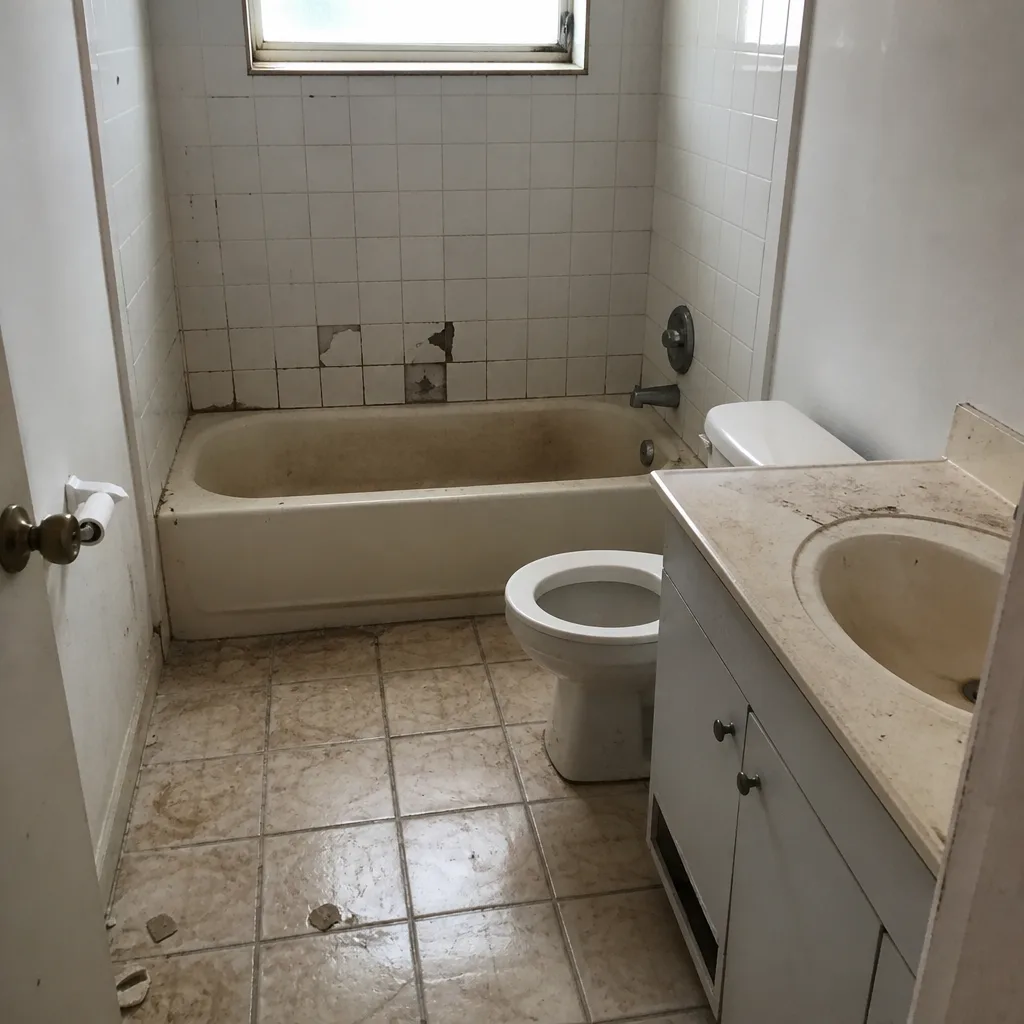
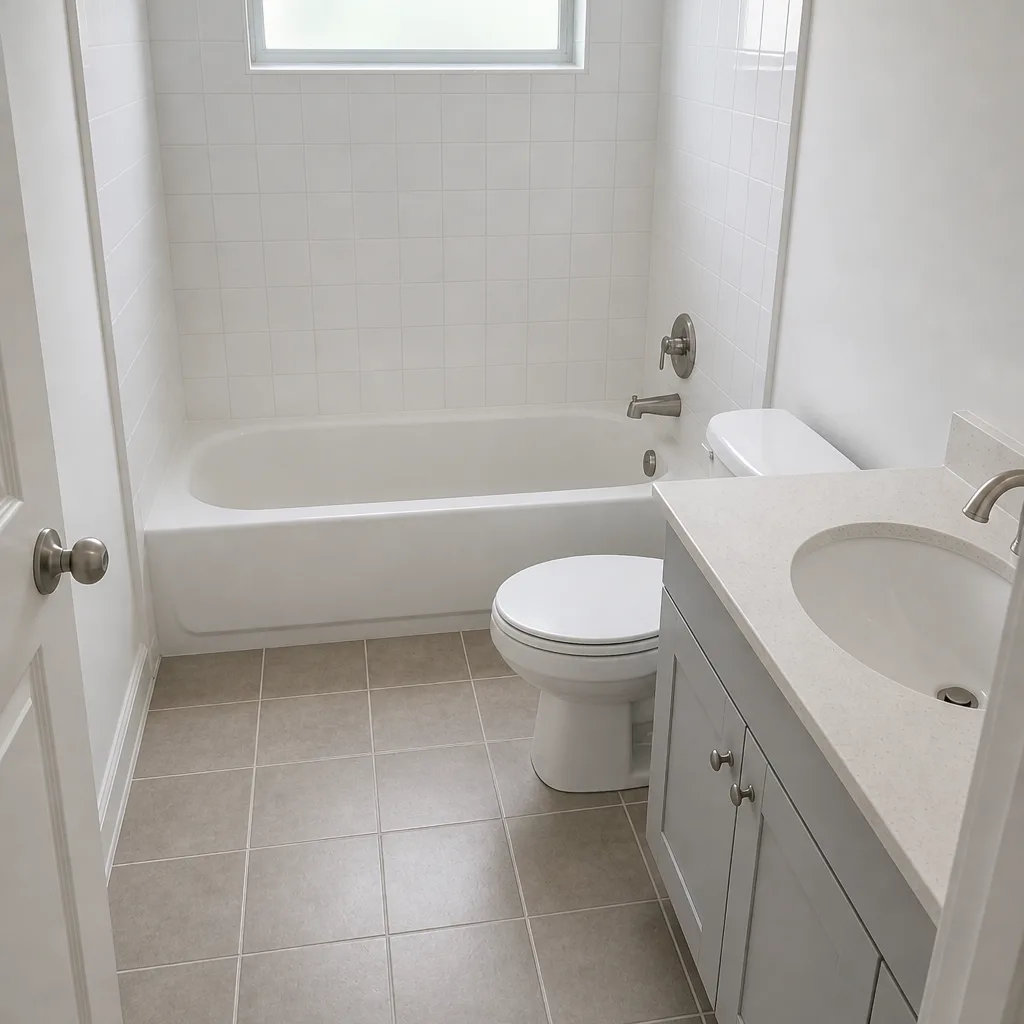
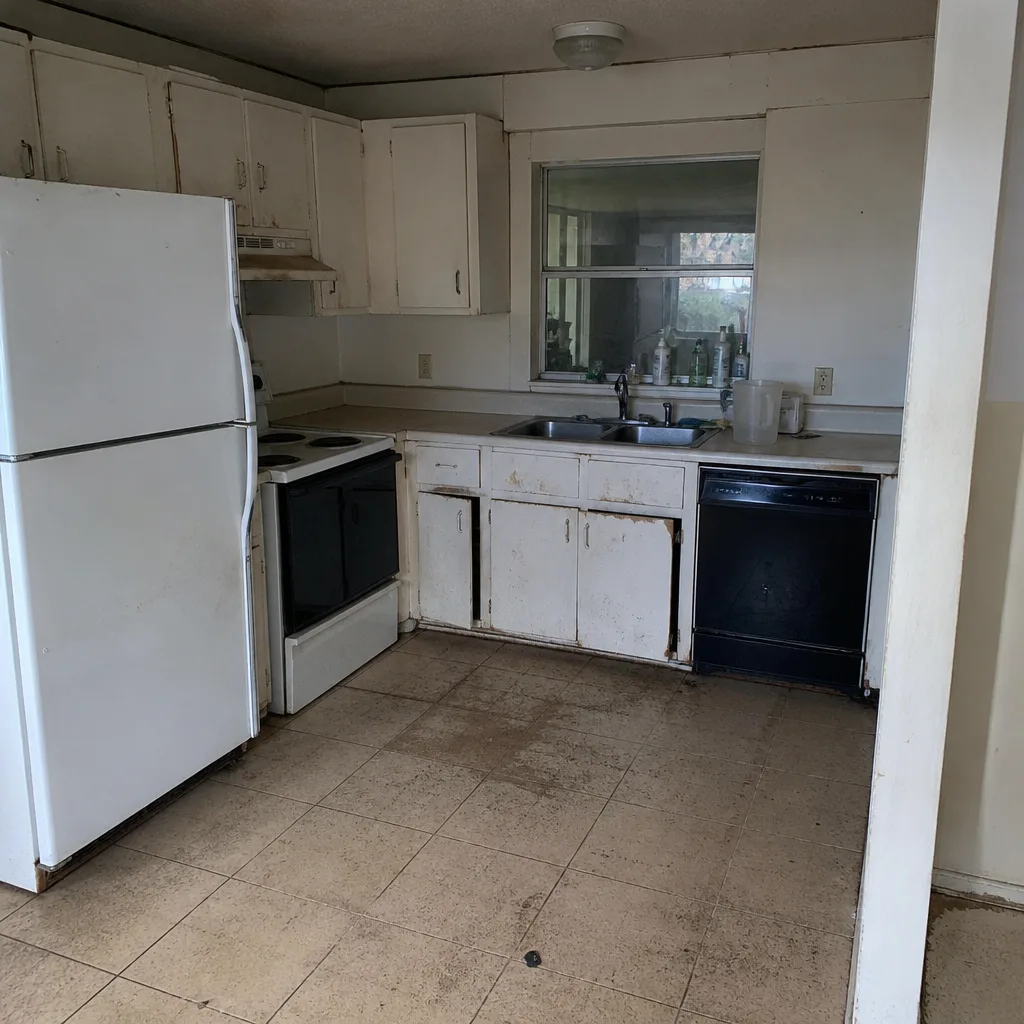
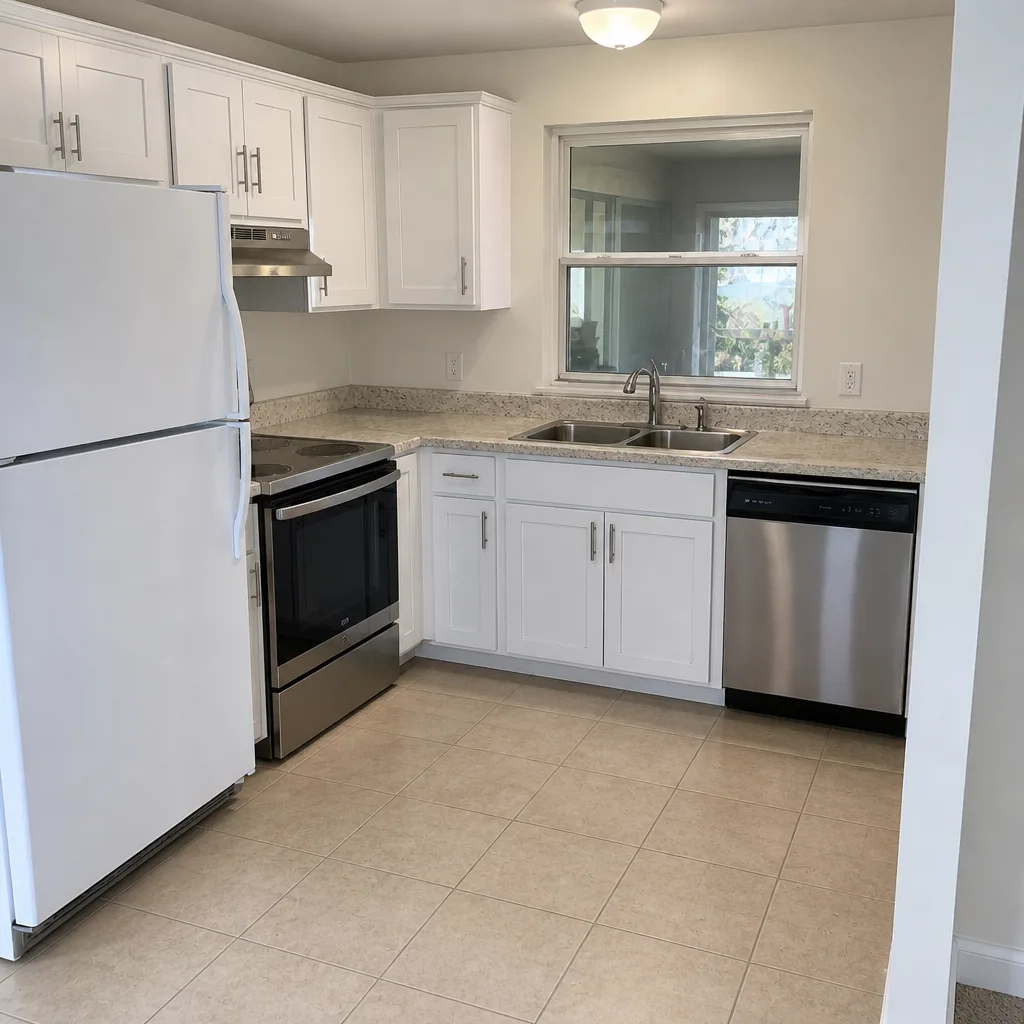
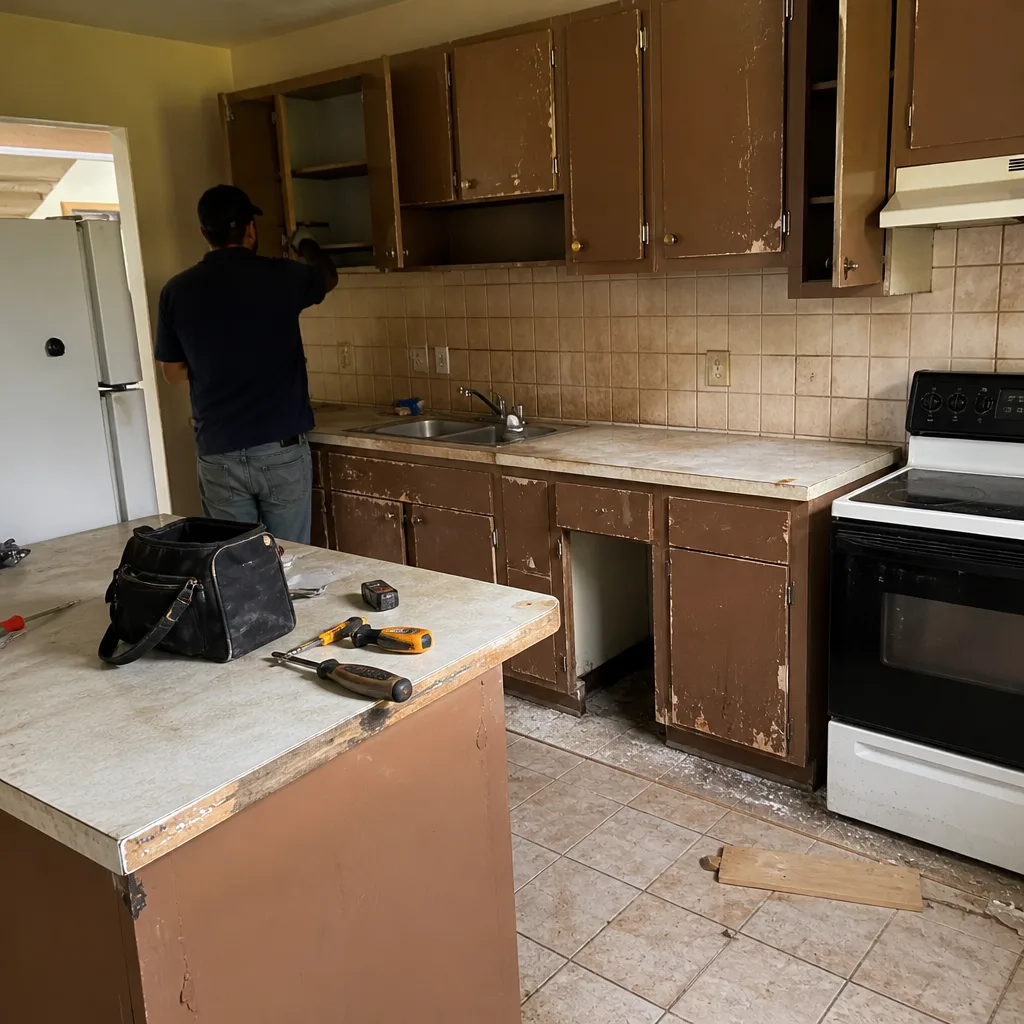
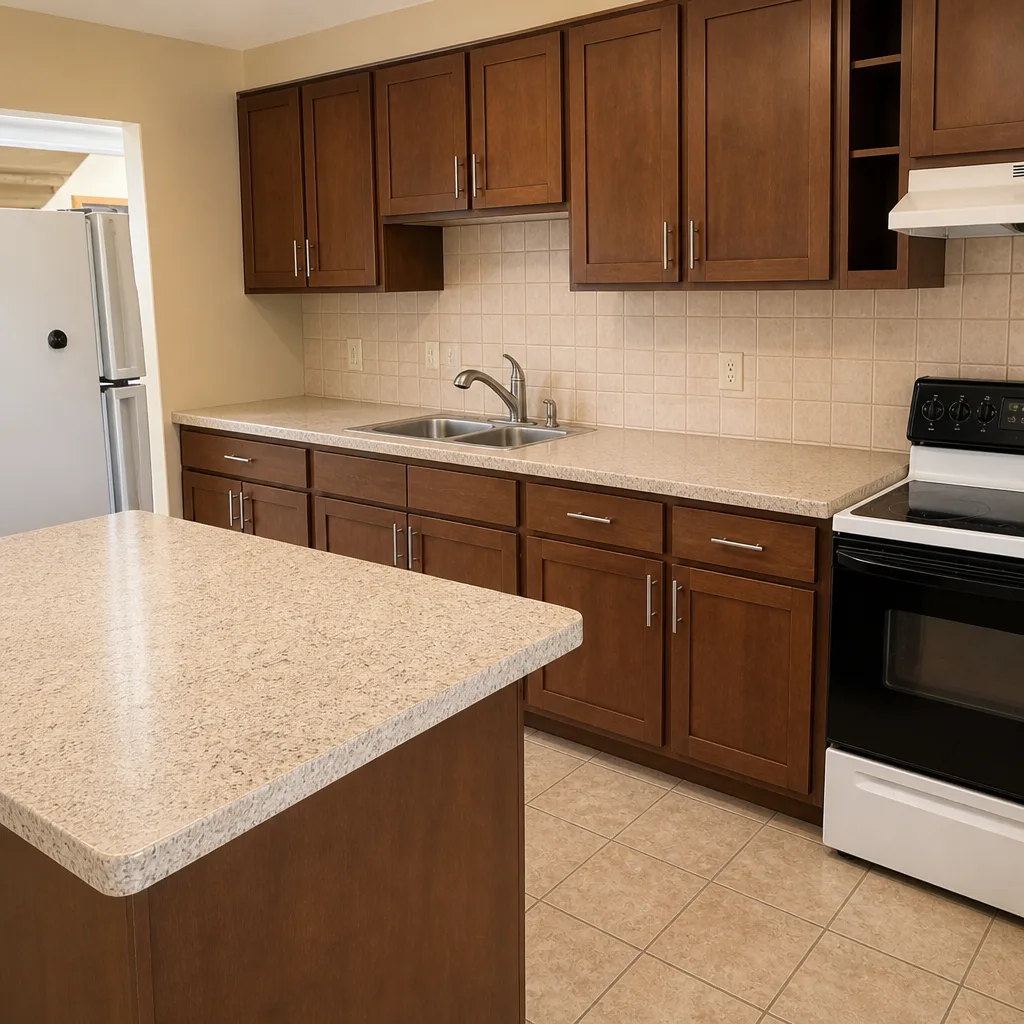
See the difference
 Before
 After
 Before
 After
 Before
 After
When to Call a Professional
Some warning signs are worth a conversation with a real builder before you go further. If you’ve already signed with someone whose license doesn’t check out in the DBPR, call a licensed general contractor immediately and get a second opinion on the contract before you release any deposit. If you’re getting a firm price from anyone who hasn’t walked your lot, looked at the survey, or mentioned the permit process, get a second quote before you commit. And if you’re unsure whether an ADU is even possible on your Homestead lot, a pre-design site review will answer that in an afternoon. Barrett & Sons Construction Homestead offers free estimates in Homestead – call (866) 344-6796. Our technicians have up to 28 years of experience, permits are pulled and inspections signed on every eligible job, and every completed job is backed by the written 90-Day Done Right Promise.
Frequently Asked Questions
Look them up in the Florida DBPR database at myfloridalicense.com under both the company name and the individual’s name. Confirm the license type covers structural work (a certified general contractor or building contractor, not a specialty license), check that the status is active, and read the complaint history. Then separately verify general liability and workers’ comp insurance by calling the insurer on the certificate. Call (866) 344-6796 if you want help walking through what the DBPR record shows – our free second opinion on any written estimate covers this.
A Florida lien waiver is a written statement from a contractor, subcontractor, or material supplier releasing their right to file a mechanics lien against your property after they’ve been paid. You need them because Florida law (Chapter 713) lets any unpaid sub or supplier file a lien against your home even if you paid the general contractor in full. Get graduated conditional waivers at each payment milestone and a final unconditional waiver at the end, from both the GC and every sub and supplier. If you don’t, you could end up paying twice for the same work. Call (866) 344-6796 to review any payment or lien waiver documents before you sign.
A legitimate schedule ties each draw to a completed and inspected milestone, not a calendar date. Expect roughly 10-15% at contract signing for permits and drawings, then draws after foundation, framing/dry-in, and rough-in inspections, with 5-10% withheld until the final inspection and punch list are signed. Requests for 50% or more at signing, or payments owed on dates rather than milestones, are cash-flow signals rather than commitment signals. Call (866) 344-6796 for a free review of any proposed payment schedule.
Ask three questions: their license number (which they should know and can write down), their local street address (which you can stop by), and whether they’ll pull the permit and who signs the drawings. A legitimate local builder answers all three without hesitation. Storm-chasers working out of hotel rooms and rental trucks won’t. The five-minute license check in the DBPR database is the same whether the storm was last week or last year. Call (866) 344-6796 if you want a second opinion on any post-storm estimate.
Often, yes, but the answer depends on your zoning district, lot size, lot coverage limits, setbacks, and utility capacity – none of which can be verified without a property-specific review. A proper ADU project starts with a zoning pre-check and a signed-and-sealed drawing package, not a verbal quote. Anyone who tells you “we’ll get around the setbacks” is telling you they’ve done it before, and that it didn’t go well. Call (866) 344-6796 to schedule a free site review for your Homestead property.
It shouldn’t change without a written change order signed by you before any work proceeds. Real builders know what’s in the scope and what allowance sits behind each line. When an allowance is exceeded or scope shifts, the change arrives in writing first, with a price and a signed document – no surprise invoices at the end. If a contractor can’t point to the change-order process in their contract, that’s the answer. Call (866) 344-6796 for a free second opinion on any written estimate before you sign it.
The Bottom Line
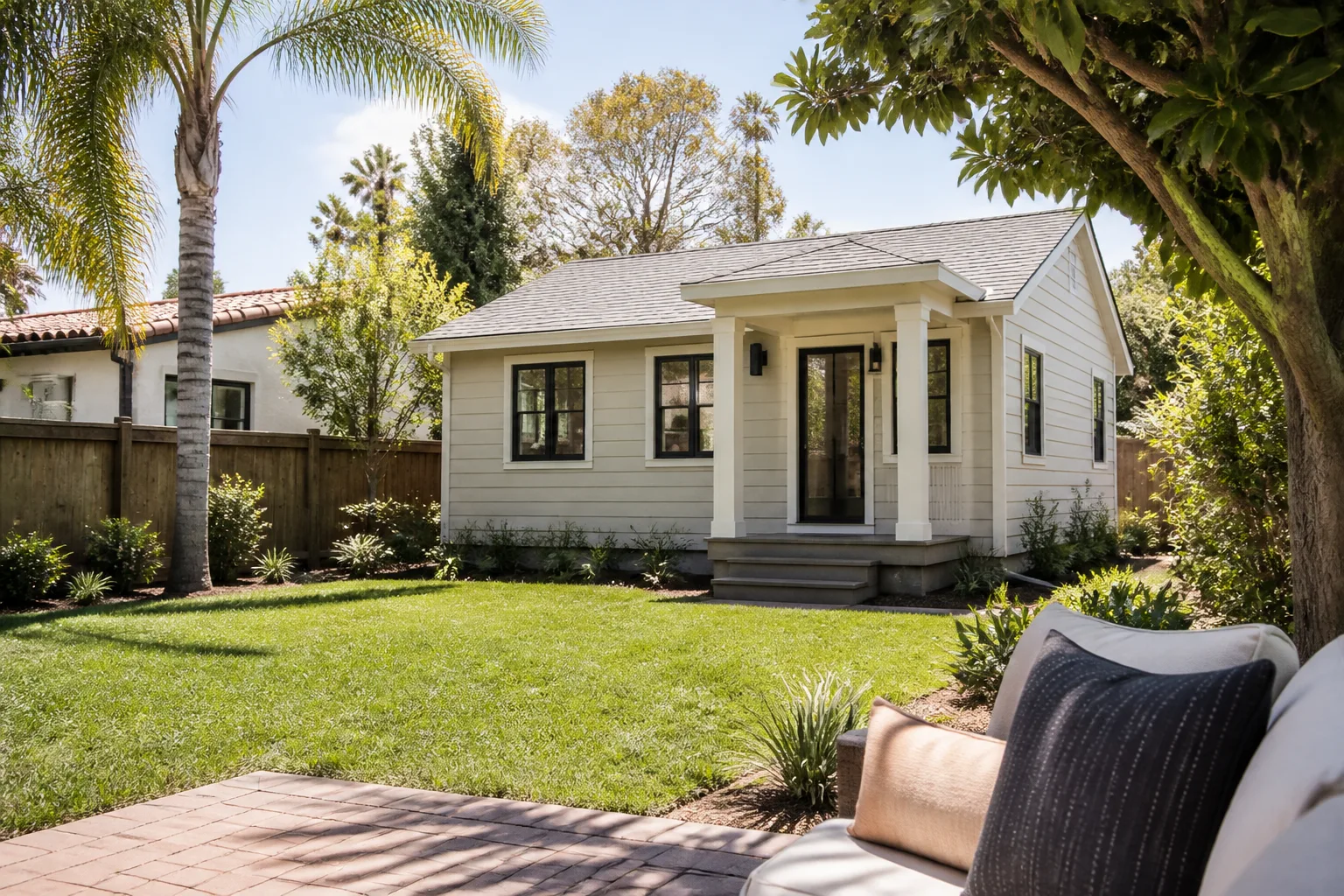
The warning signs of a bad addition or ADU contractor show up before the first shovel hits the dirt. Verify the license in the Florida DBPR system and confirm the type covers structural work. Ask the permit questions before you talk price, and walk away from anyone who treats permits as optional. Get lien waivers at every milestone from the GC, every sub, and every supplier. Insist on a milestone-based payment schedule and a written change-order process. And after a storm in South Florida, slow down for five minutes and ask the three questions that expose a storm-chaser. The building mistakes happen later – the contract mistakes happen now.
If you’re weighing a home addition, an ADU, or a major remodel in Homestead and want a real, verifiable second opinion before you sign anything, call Barrett & Sons Construction Homestead at (866) 344-6796. Free estimates, written line-item scope, permits pulled and inspections signed, and the written 90-Day Done Right Promise on every completed job. We also handle Fence Installation in Homestead and related exterior work if you want to see how we operate on a smaller project first. A live person answers the phone, day or night.
Written by the team at Barrett & Sons Construction Homestead.