Last updated November 17, 2026
Free written scope consultation - allowances, timeline, and change-order rules on paper before a single trade is scheduled
The Complete Windows & Doors Guide for Homestead Homeowners
Most Homestead homeowners who get burned on a window replacement don’t get burned by a bad product. They get burned by a good product installed against the wrong opening. A Miami-Dade inspector doesn’t just check that your new window is impact-rated. He checks that the exact product, in the exact size, installed the exact way, matches an approved Notice of Acceptance for that application. We’ve seen homeowners pay a premium for hurricane glass and still fail the final inspection because the buck detail was skipped. This guide covers everything a Homestead homeowner needs to get it right the first time: NOA numbers, the difference between Florida Product Approval and HVHZ approval, the energy specs that actually lower your FPL bill, and the permit sequence. By the end, you’ll know exactly what to ask before you sign anything.
Quick Answer
In Homestead, choosing windows and doors is a hurricane code decision before it’s an aesthetic one. Every opening in a Miami-Dade High Velocity Hurricane Zone home needs an impact-rated product with a valid Miami-Dade Notice of Acceptance (NOA) number that matches your specific size and installation method, or a properly permitted shutter system meeting the same standard. Get that right and you pass inspection, keep your insurance credits, and gain real storm protection. Get it wrong and you can fail the final inspection even with quality glass in the frame.
Styles & brands we work with
- Kitchen remodeling
- Bathroom remodeling
- Home additions & ADU
- Roofing
- Windows & doors
- Driveway & pavers
- Fence
Table of Contents
- What the Miami-Dade NOA Number Actually Means
- Florida Product Approval vs. HVHZ: Which One Homestead Requires
- Impact Windows vs. Storm Shutters: A Honest Cost and Convenience Comparison
- Energy Performance That Actually Moves Your FPL Bill
- The Permit and Inspection Sequence for Windows and Doors in Miami-Dade
- Why We Pull Permits on Every Eligible Job
- Materials and Brands Worth Looking Up
- Common Mistakes to Avoid
What the Miami-Dade NOA Number Actually Means
A Miami-Dade Notice of Acceptance is the county’s written determination that a specific building product meets the High Velocity Hurricane Zone standard. It names the product, the manufacturer, the sizes covered, the design pressure rating, and the approved installation method. Your inspector will pull it up on site. So will we, before we order anything.
Here’s the part most homeowners don’t know. A NOA is not a blanket approval for a brand. It’s approval for a product and configuration. That means a window model can be approved for a 4-by-5-foot opening under one installation detail and unapproved for a 5-by-6-foot opening under another. It also means the correct window installed with the wrong fastening pattern can fail. The buck detail, the foam, the embedment depth: those are on the NOA too, and they matter.
Verify an NOA before you buy. Look it up on the Miami-Dade County product control site by product number. Then check three things:
- The product name and number matches exactly what your contractor is quoting, including the glazing package.
- The size range on the approval covers every opening in your scope, not just the smaller windows.
- The installation method on the NOA matches what the contractor describes for your wall type.
Why it matters for your wallet: many Florida insurers offer wind mitigation credits that are keyed to documented impact protection. If your product doesn’t have a verifiable NOA for your application, or the installation wasn’t permitted and inspected, an underwriter can decline the credit, and a claim can be contested. That’s a slow, expensive surprise, and it’s the kind of thing we’d rather help you avoid before the work starts. When we install ViewLux impact windows in Homestead, the NOA paperwork gets pulled for your address before a single frame comes out.
Florida Product Approval vs. HVHZ: Which One Homestead Requires
These are not the same thing, and treating them as interchangeable is one of the most common and costly errors in South Florida construction. Florida Product Approval is the statewide system run through the Florida Building Commission. It covers products that meet the wind-load requirements for the general state, including most of interior Florida. The High Velocity Hurricane Zone is a stricter standard applied in Miami-Dade and Broward counties. Homestead falls squarely inside it.
An HVHZ product must be approved for the Wind-Borne Debris Region and for the higher design pressures used in Miami-Dade. A window with valid Florida Product Approval but no HVHZ/small-missile approval does not belong on a Homestead home, period. If a contractor hands you a spec sheet with a Florida Product Approval number and no Miami-Dade NOA, ask the follow-up question: is this product approved for HVHZ, and where’s the document?
Why does Homestead sit in the strictest zone? Geography. The city is at the southern tip of the peninsula, closer to open water and the warm Gulf Stream than upstate Florida, and it regularly absorbs the first hit from tropical systems that cross the Keys or the Gulf. The code followed the damage. That’s not paperwork for its own sake: it’s the county’s attempt to keep windows in frames and roofs on houses when a storm passes through.
Practical check: every product in your scope needs to read “Miami-Dade NOA” or “HVHZ approved” in the documentation. If it only says “Florida Product Approval” or “FBC approved” or “meets Florida code,” slow down and verify before you sign a contract.
Impact Windows vs. Storm Shutters: An Honest Cost and Convenience Comparison
Both strategies satisfy HVHZ code and both can earn insurance credits. The real difference is in what you’re paying for, and how you want your summer to go. Here’s the honest trade-off we walk through with Homestead homeowners, in general terms. Every house is different, so this is a comparison of strategy, not a quote.
- Impact windows and doors: one investment, one installation, nothing to deploy. Openings stay usable during a storm. Cleaning is like regular glass. The window is slower to install and costlier upfront. Insurance carriers often recognize documented impact protection for wind mitigation credits, but you have to verify with your specific carrier.
- Storm shutters: lower material cost, still permitted and still code-compliant when properly specified. Deployable each time a storm threatens, which means storage, hardware, and ladder time on every event. Fixed shutters stay up but change the daily appearance of the house and limit daylight more than glass.
- Mixed approach: common on Homestead homes with a set of window types that are easy to shutter and a set that isn’t. We see this most often on older block homes where adding impact windows to all openings at once isn’t the first priority.
Long-term convenience is where most homeowners land. Shutters seem like the cheaper choice on paper, and on a 1,400-square-foot home they often are. The question is whether you want to deploy them at 9 p.m. before a storm every year, or whether the quiet benefit of impact glass is worth the extra upfront cost. There’s no wrong answer, but the choice should be informed by your insurance carrier’s actual credit schedule, not by what a salesperson tells you on the phone. Ask your carrier two questions before you commit: does impact glazing reduce my premium, and does shutter coverage also earn the credit? The answer shifts the math.
Energy Performance That Actually Moves Your FPL Bill
Florida’s climate zone for Homestead is Zone 1, the hot, humid southern band where cooling dominates the year and heating barely registers. That means the energy specification that matters most is what blocks solar heat. Two numbers govern that: SHGC (Solar Heat Gain Coefficient), the fraction of solar heat that gets through the glass, and U-factor, the rate at which heat conducts through the whole assembly.
In Zone 1, SHGC is the number that moves your FPL bill. A lower SHGC means less solar heat enters the room, which means less work for the air conditioner. The U-factor, while important, has less impact on the total energy equation in a hot climate than it does up north. What this means in practice:
- Target a lower SHGC, not the lowest number on the market. Extremely low SHGC can make rooms visibly darker. Somewhere in the middle is usually the sensible balance between daylight and cooling load.
- Ignore the U-factor marketing fight. A window advertised with an extremely low U-factor for colder climates isn’t necessarily the right window for Homestead, and paying a premium for it probably isn’t worth it.
- Low-E coatings matter, and so does frame material. Aluminum frames conduct heat; thermally broken aluminum and vinyl frames interrupt that path. Ask what’s inside the frame, not just what’s on the glass.
- The installation gaps matter more than the window spec. A perfectly rated window air-sealed poorly is a hole with a price tag. Sealing and flashing quality are the difference between a good number on paper and a real number on your bill.
None of this is exotic. Any reputable installer can show the SHGC and U-factor on the spec sheet for the product in your scope, and we walk through it before we order, not after. The point is to stop paying for numbers you can’t use and to spec the ones you can.
The Permit and Inspection Sequence for Windows and Doors in Miami-Dade
Here’s the sequence in plain terms. This timeline is typical for a standard replacement. Your actual sequence is set by your municipality and the county, so the job can always vary.
- Product selection with NOA verification. Confirm every product in the scope is Miami-Dade HVHZ approved for the sizes and installation methods in the plan. No paper, no order.
- Permit application. The contractor submits the application with product approvals, the NOA numbers, and the scope. The county reviews for code compliance and, in some cases, structural adequacy.
- Structural review triggers. Standard replacement of an existing window with a product approved for the same opening size and method usually proceeds on a standard replacement permit. A structural review (or a signed-and-sealed plan from an engineer) is typically triggered by opening-size changes, wall alterations, new openings, structural reinforcement, or a product whose approved installation method differs from the existing wall assembly. Ask your contractor which path your scope takes before signing.
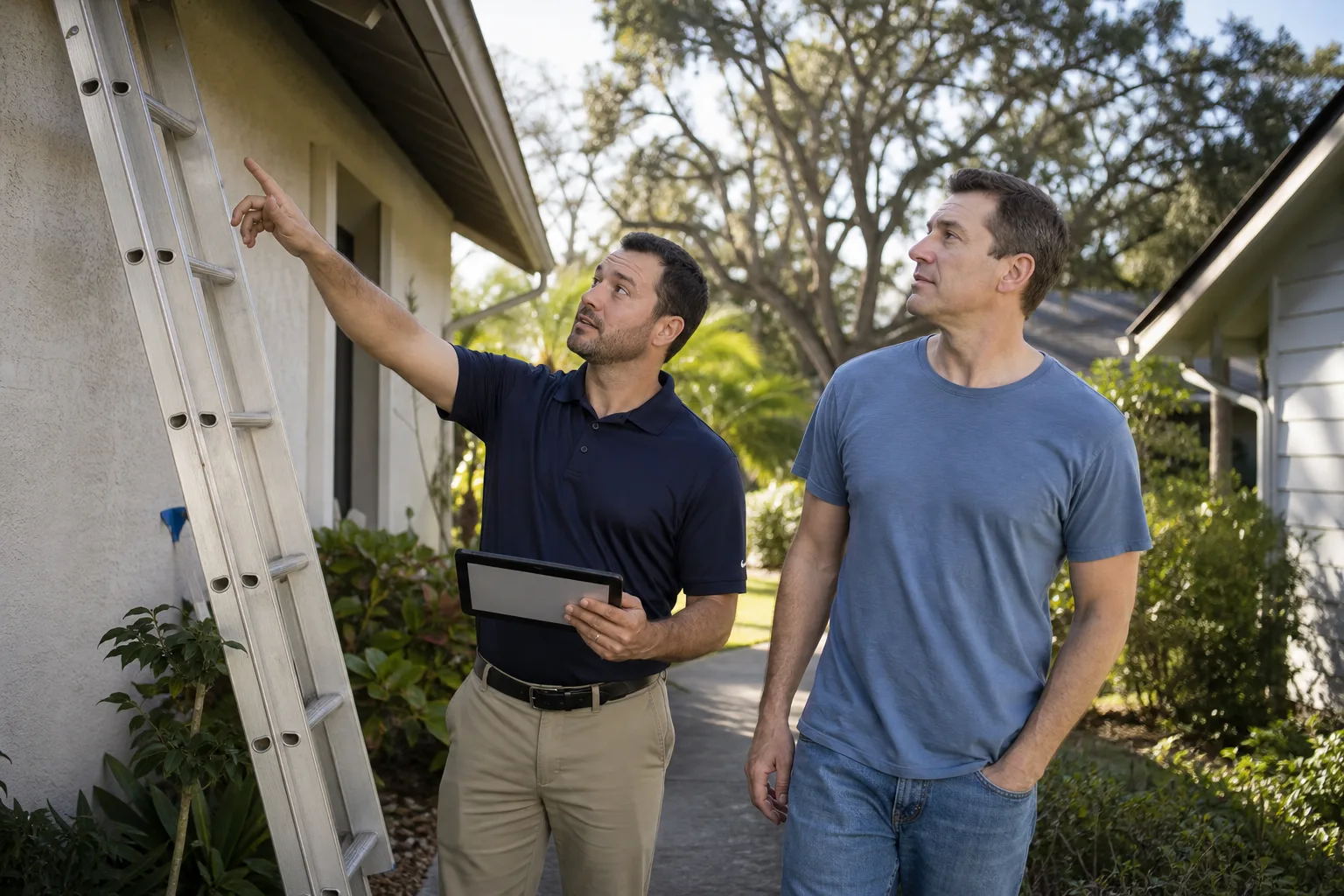
- Inspection. The county inspects the installation, including the buck and fastening details against the NOA. This is the inspection that catches the “wrong product for the opening” problem before it becomes a reinspection fee.
- Final sign-off. Once the inspection passes, the permit is closed. Keep the signed permit and product documentation for your insurance carrier and for resale.
The single biggest source of surprises in this sequence is #3. A homeowner thinks they’re getting a standard replacement, the contractor discovers a buck or header issue mid-job, and suddenly there’s a change order the customer wasn’t expecting. That’s exactly the scenario we try to prevent, and it’s why every scope, allowance, and price change arrives in writing before work happens. The inspector works for you, not for us, and we like it that way.
Why We Pull Permits on Every Eligible Job
The last contractor most of our Homestead customers used told them permits were optional on window replacement. That is a conversation that costs a homeowner money. Unpermitted window work is discovered at resale, or during an insurance claim, or when a future contractor walks into a house where the installation method can’t be verified. Every eligible job we take gets permits pulled and inspections signed. It’s part of the job, not an add-on.
There’s a practical benefit to that, beyond the code. The county inspector is a second set of eyes who works on your behalf. If the buck detail isn’t right, the inspector says so before the drywall goes back. If the fastening pattern doesn’t match the NOA, same. That’s a good thing, and it’s a free service you’ve already paid for through your property taxes. We treat it that way.
You can see how this approach connects across our other work: the same permitting and inspection discipline is on Barrett & Sons Construction jobs up and down the county, from whole-home remodels to a fence installation where a permit is required. If you’re looking at a larger structural change while you’re upgrading windows, like converting a carport or adding a room, the same code considerations are built into a Home Additions & ADU project.
Materials and Brands Worth Looking Up
Windows and doors in Homestead live in a hard climate: salt air, heavy summer rain, intense UV, and wind events. Two things wear out first, the hardware and the seals. The frame material is the third. Here’s how we think about the choices.
Windows. Aluminum is still the most common frame in South Florida homes because it holds up well to humidity when it’s thermally broken. Vinyl offers a strong thermal break at a lower cost, and it’s a good match for a lot of Homestead homes. Wood is beautiful and needs more upkeep here than it does up north. We install brands you can research for yourself, including ViewLux impact windows for customers who want a mid-market HVHZ product with verifiable NOA coverage. Look the brand up. Look the NOA number up. Ask for the spec sheet. Any contractor worth your time will be happy to provide it.
Doors. Exterior doors in HVHZ need the same impact rating and NOA discipline as windows. Entry doors, patio sliders, and French doors all have approved product lines. Hardware quality matters more in Homestead than in most places because the salt in the air corrodes cheap hinges and handles faster than the door itself fails. When you’re replacing an exterior door, ask what the hardware finish is rated for and what the warranty covers.
Fencing and exterior coordination. If you’re refreshing the exterior at the same time, brands like Barrette and Master Halco make aluminum and steel ornamental fence systems with finish warranties that matter in this climate. If you’re replacing a fence and a set of windows together, it’s worth lining the scopes up so the property is finished once, and the fence installation in Homestead page walks through material choices. For driveway and entrance upgrades, Driveway & Pavers in Homestead covers the hardscape side.
Common Mistakes to Avoid
- Accepting Florida Product Approval as HVHZ approval. They are different standards, and only one applies to your Homestead home. Ask for the Miami-Dade NOA by number.
- Skipping the buck detail on paper. A window that matches the NOA on product but not on installation method fails inspection. The buck, fastener pattern, and flashing method all need to be named on the plan.
- Letting the contractor manage the permit for you without a copy. Get the permit number in writing and keep the final inspection documentation. Your insurance carrier will ask for it.
- Buying from a phone quote. A phone quote on a window job never includes the buck repair, the stucco patching, or the structural review trigger. Insist on a written, line-item scope before you sign anything.
- Assuming impact windows automatically lower your premium. They often do, but the credit depends on your carrier and documentation. Call your insurer before the job starts, not after.
- Over-speccing energy performance for the wrong climate. Very low U-factor numbers advertised for cold climates rarely pay off in Zone 1. SHGC and air sealing are where the bill moves.
- Ignoring the salt exposure on hardware. Cheap hinges and finish on an exterior door in Homestead will show corrosion within a few summers. Choose hardware rated for coastal exposure.
See the difference
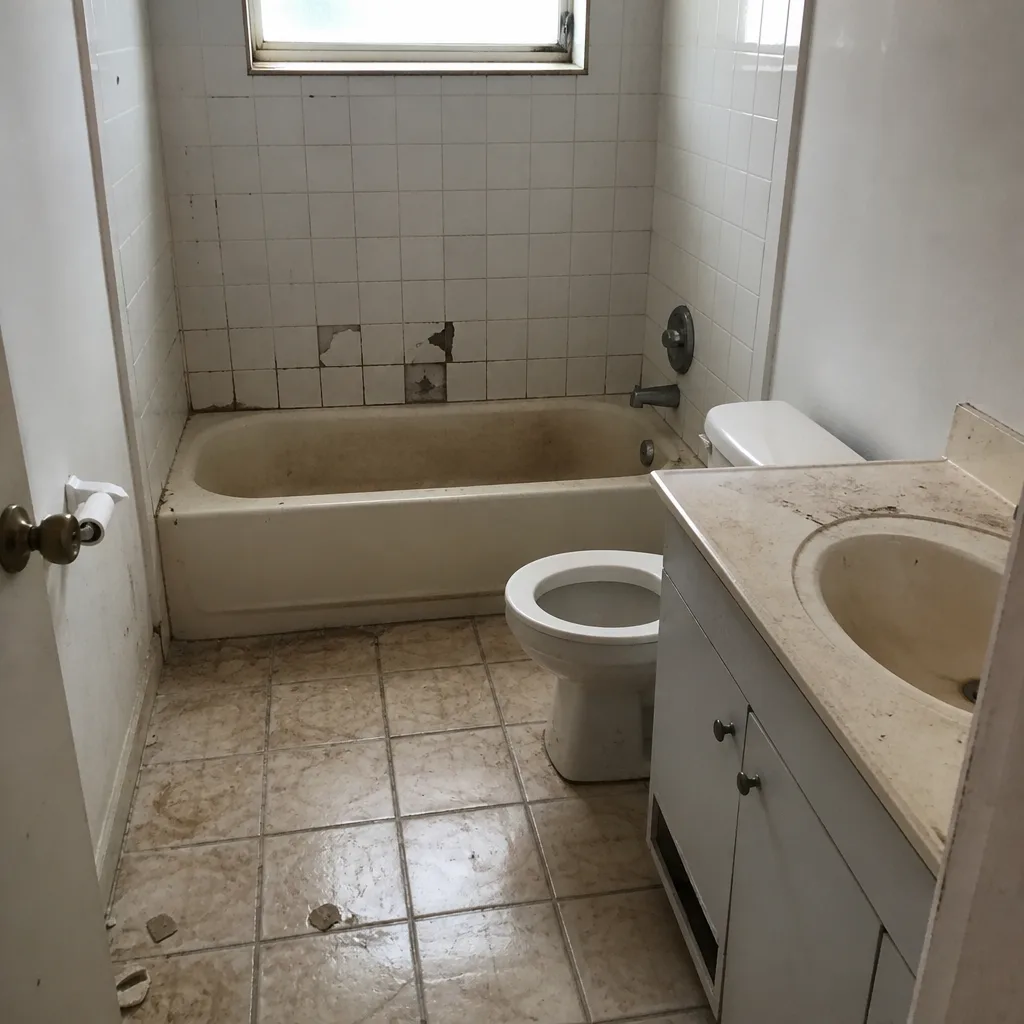 Before
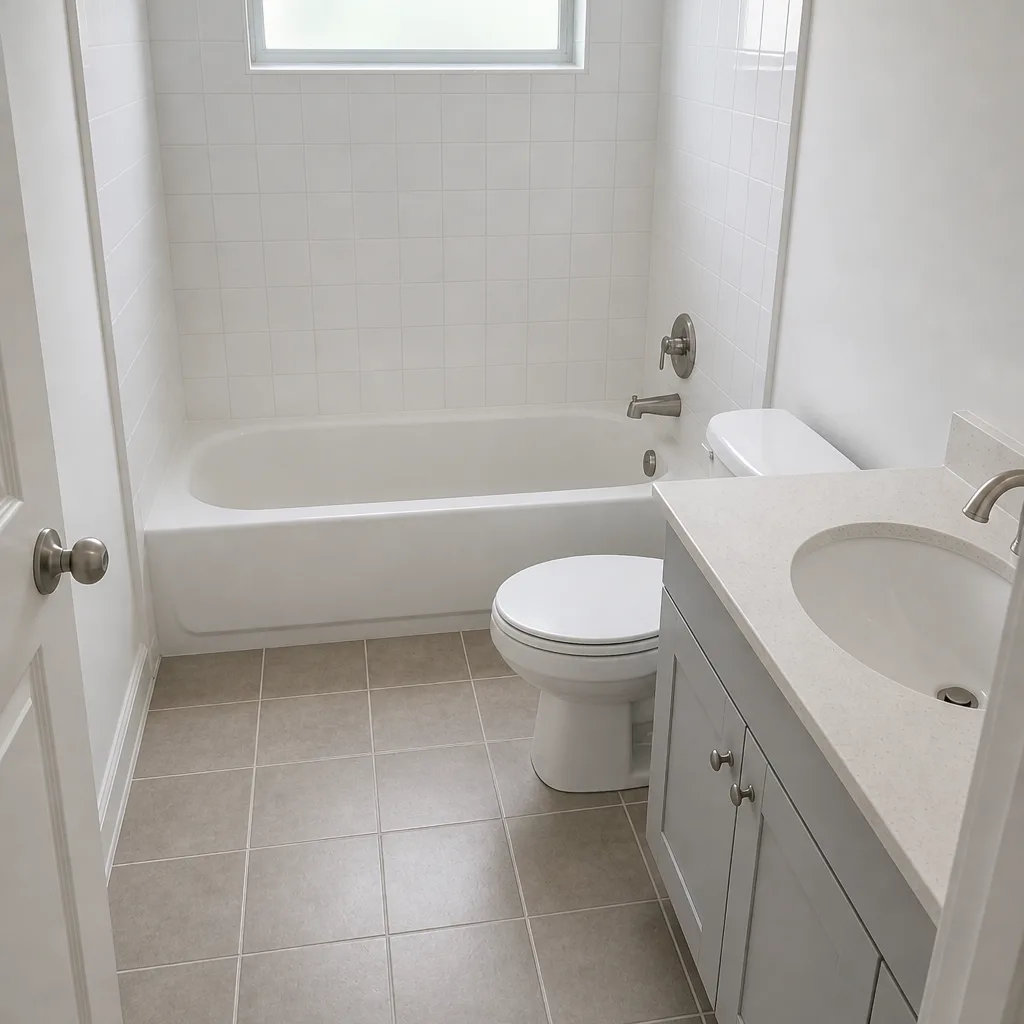 After
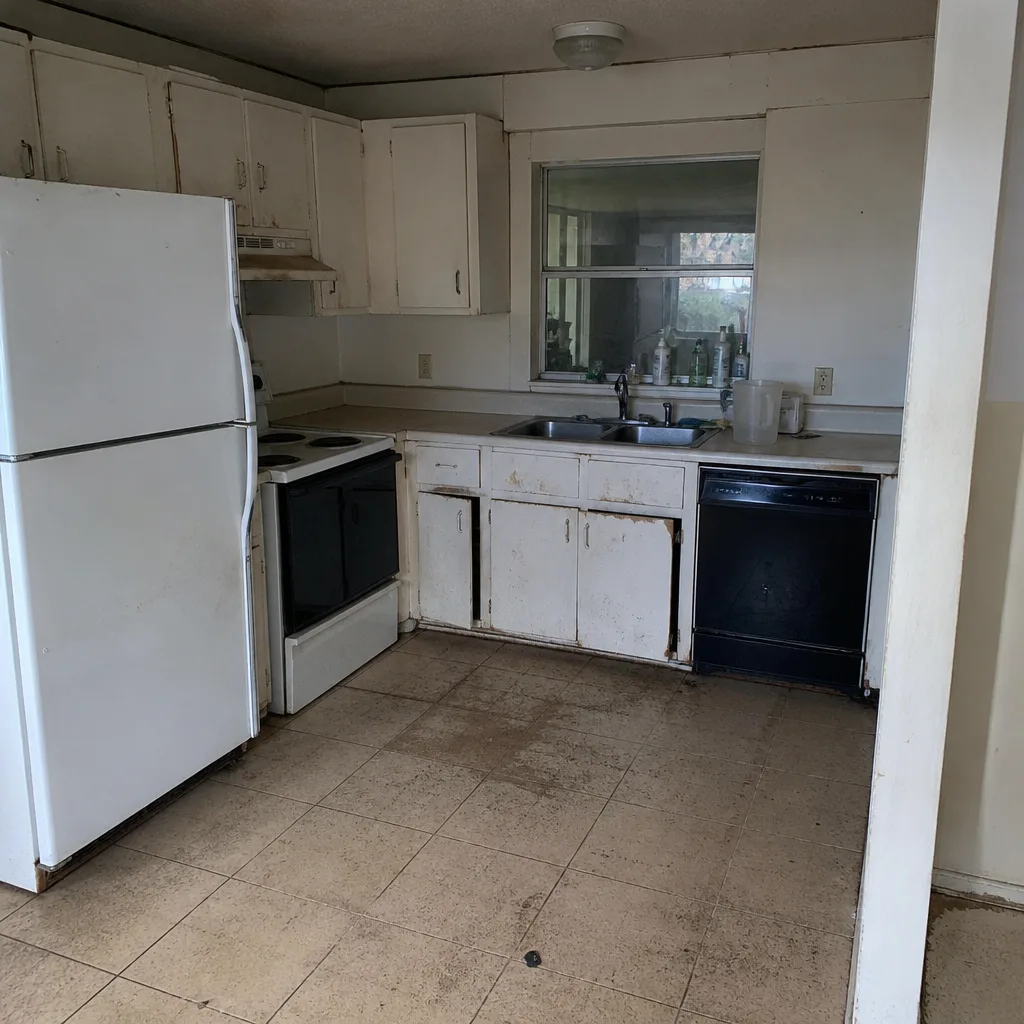 Before
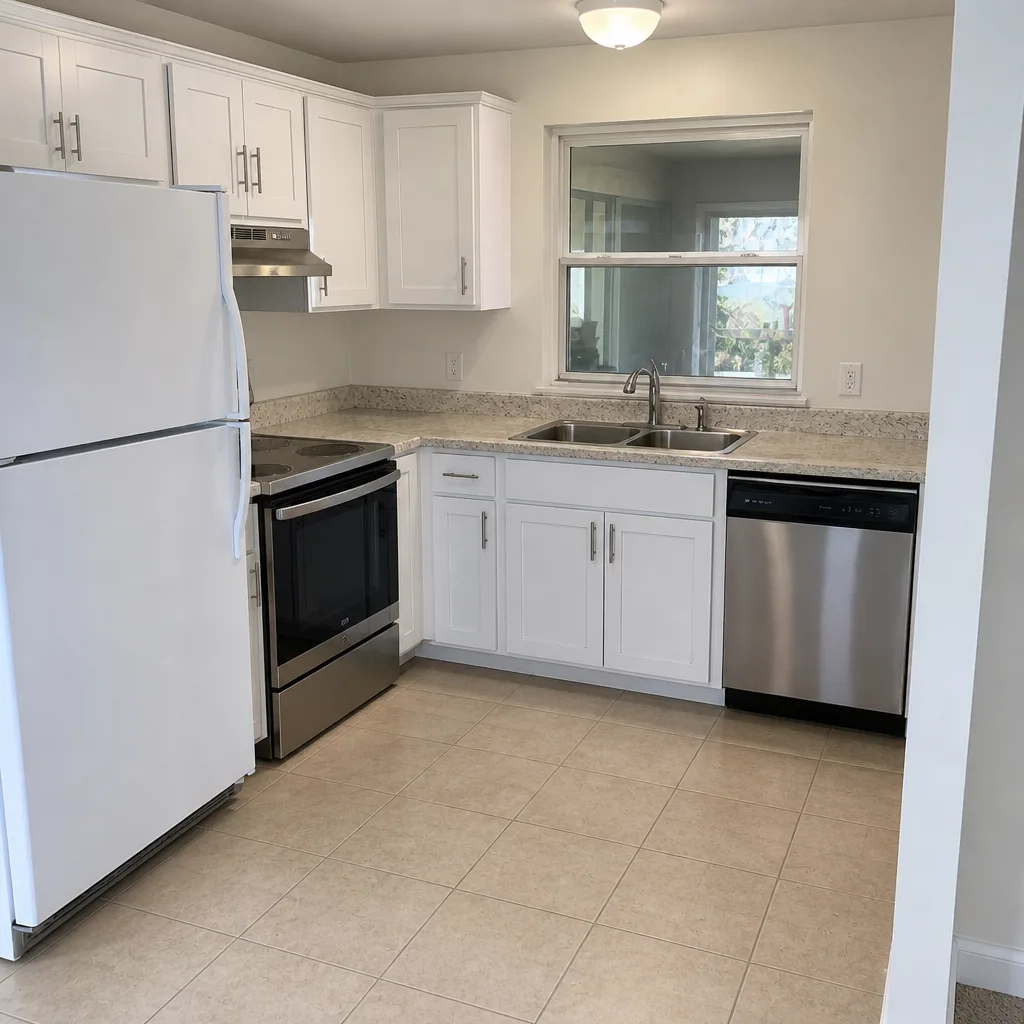 After
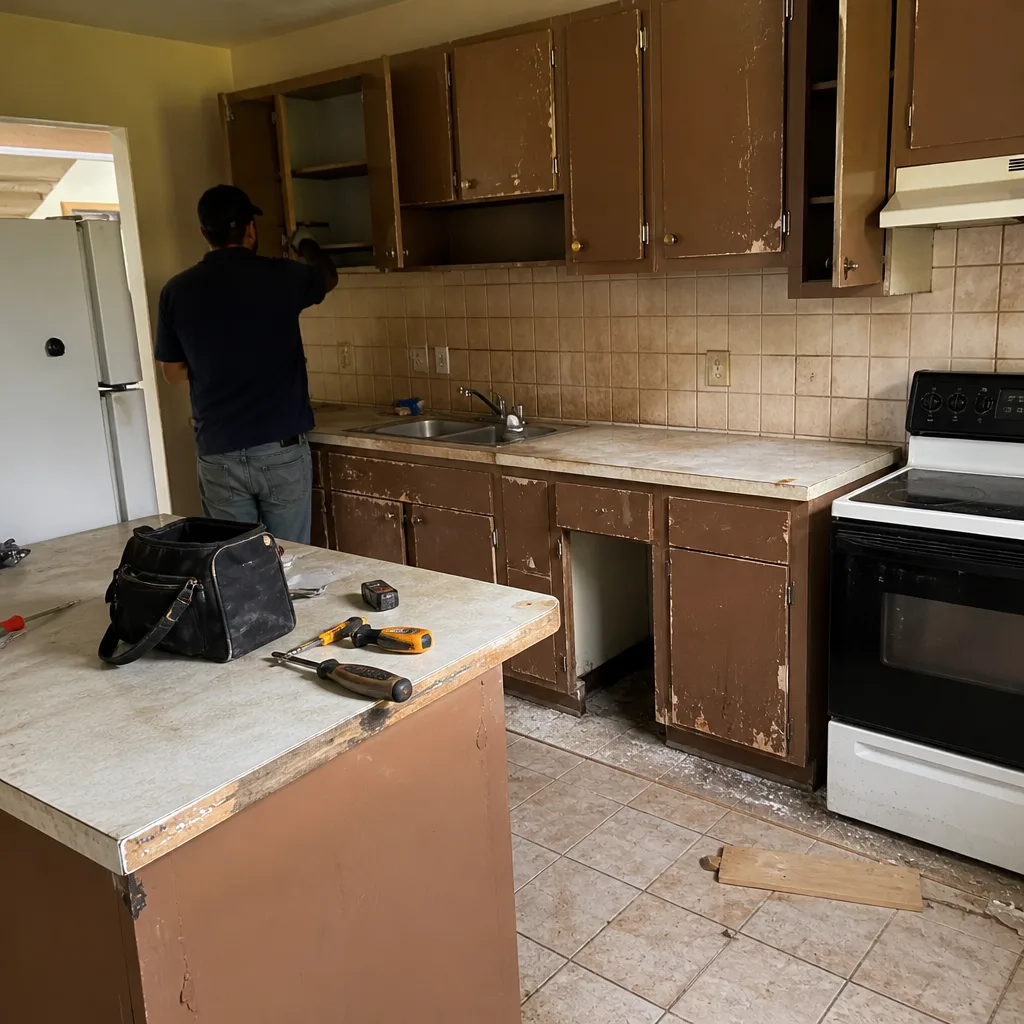 Before
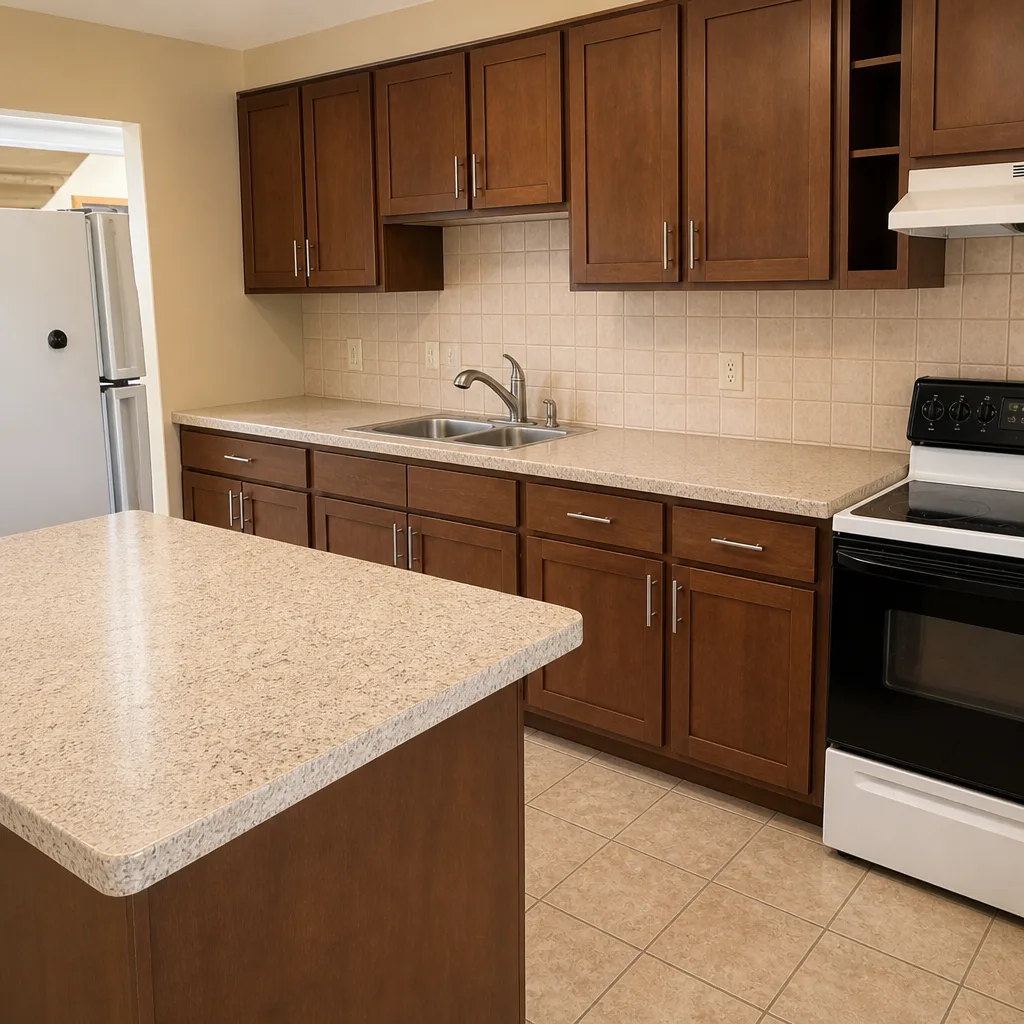 After
When to Call a Professional
If you’re replacing a window or door on an HVHZ home, this is not a job for weekend DIY. The window, the buck, the flashing, and the fastening pattern all need to match the NOA or the inspection fails. Call a professional when the product approval isn’t clear, when your opening sizes are changing, when the wall assembly looks different from the existing installation, or when you simply want the paperwork handled correctly from the start. That list covers most Homestead window and door projects, and there’s no shame in it. The stakes are code compliance, insurance credits, and a home that holds up when a storm comes. Barrett & Sons Construction Homestead offers free estimates in Homestead – call (866) 344-6796 to schedule yours. Our technicians have up to 28 years of experience, and every eligible job gets permits pulled and inspections signed.
Frequently Asked Questions
Yes. Homestead sits inside the Miami-Dade High Velocity Hurricane Zone, so windows and doors on your home must carry a valid Miami-Dade Notice of Acceptance for the specific size and installation method. Florida Product Approval alone is not enough. Ask your contractor for the NOA number and verify it before you sign – estimates are free if you want us to walk through it with you.
Impact window costs in Homestead vary too widely by size, opening count, and wall assembly for a single number to be honest. The bigger cost risk is picking the wrong product for your opening and paying a reinspection or a re-install. Call (866) 344-6796 for a written, line-item estimate on your specific scope – estimates are free, and the price you get is the price you keep unless a written change order says otherwise.
Not without a written change order. Every scope, every allowance, and every price change on our jobs arrives in writing before work happens, because the allowance that isn’t on paper is a surprise waiting for a date. If we discover a buck issue or a structural trigger mid-job, you’ll see it in writing before any additional work moves forward.
Yes, on every eligible job. We pull the permit, submit the product approvals and NOA documentation, and manage the inspection sequence through final sign-off. Unpermitted window work is a problem at resale and at claim time, and we treat permits as a standard part of the job, not an optional add-on.
No. Florida Product Approval is the statewide system, and HVHZ approval is the stricter Miami-Dade and Broward standard that also covers Wind-Borne Debris Region requirements. A product can have valid Florida Product Approval and still not be approved for your Homestead home. Look for “HVHZ” or “Miami-Dade NOA” in the documentation, not just “Florida code” – call (866) 344-6796 if you want us to check a spec sheet for you.
Standard replacement on a typical Homestead home runs several days of installation once the permit is issued, and permit review time varies by scope and by whether a structural review is triggered. The county sets the clock on review. Call (866) 344-6796 for a realistic timeline on your specific project – the estimate is free.
The Bottom Line
Windows and doors in Homestead are a code decision first and an aesthetic one second. The product needs a Miami-Dade NOA for the exact size and installation method you’re getting, not just a Florida Product Approval number. The installer needs to pull permits and manage the inspection sequence through final sign-off. The energy specs worth paying for in Zone 1 are SHGC and air sealing, not the flashy U-factor from colder markets. And the change order needs to arrive in writing before the work does. Get those four things right and the rest – the brand, the frame color, the trim – is the fun part. Get them wrong and the stress lives on your file for years. We’d rather you call us before the job than after the inspection.
If you’re in Homestead and weighing impact windows against shutters, or you’re at the point of collecting bids, call Barrett & Sons Construction Homestead at (866) 344-6796 for a free estimate. We’ll review the NOA documentation with you, walk the openings, and put the plan in writing so you know exactly what you’re buying. Every completed job is backed by the written 90-Day Done Right Promise, and every entitled discount – including the permanent 10% Senior & Veteran discount – is honored without a fight.
Written by the team at Barrett & Sons Construction Homestead.