Last updated November 17, 2026
Free written scope consultation - allowances, timeline, and change-order rules on paper before a single trade is scheduled
Construction Permits, Codes & Inspections in FL: What You Need to Know
In Miami-Dade County, an unpermitted addition or alteration doesn’t just risk a fine. It can legally block the sale of your home until the work is either demolished or retroactively permitted and inspected, a process that often costs more than doing it right the first time. Most homeowners we talk to in Homestead assume Florida has one building code. It doesn’t. Miami-Dade runs its own High-Velocity Hurricane Zone rules on top of the state code, local amendments pile on more, and the product approvals your inspector wants to see are a separate list entirely. This guide walks through what actually requires a permit in Homestead, what doesn’t, and what happens when someone skips the paperwork.
Quick Answer
Florida’s building code is uniform statewide only in name. Miami-Dade County enforces its own High-Velocity Hurricane Zone (HVHZ) provisions, local amendments, and product-approval requirements that are stricter than most of the state, and Homestead projects fall under all of them. Anything structural, electrical, plumbing, mechanical, roofing, or tied to an addition, fence over a certain height, or paved surface generally needs a permit, inspection, and documented product approvals before it can legally close out.
Styles & brands we work with
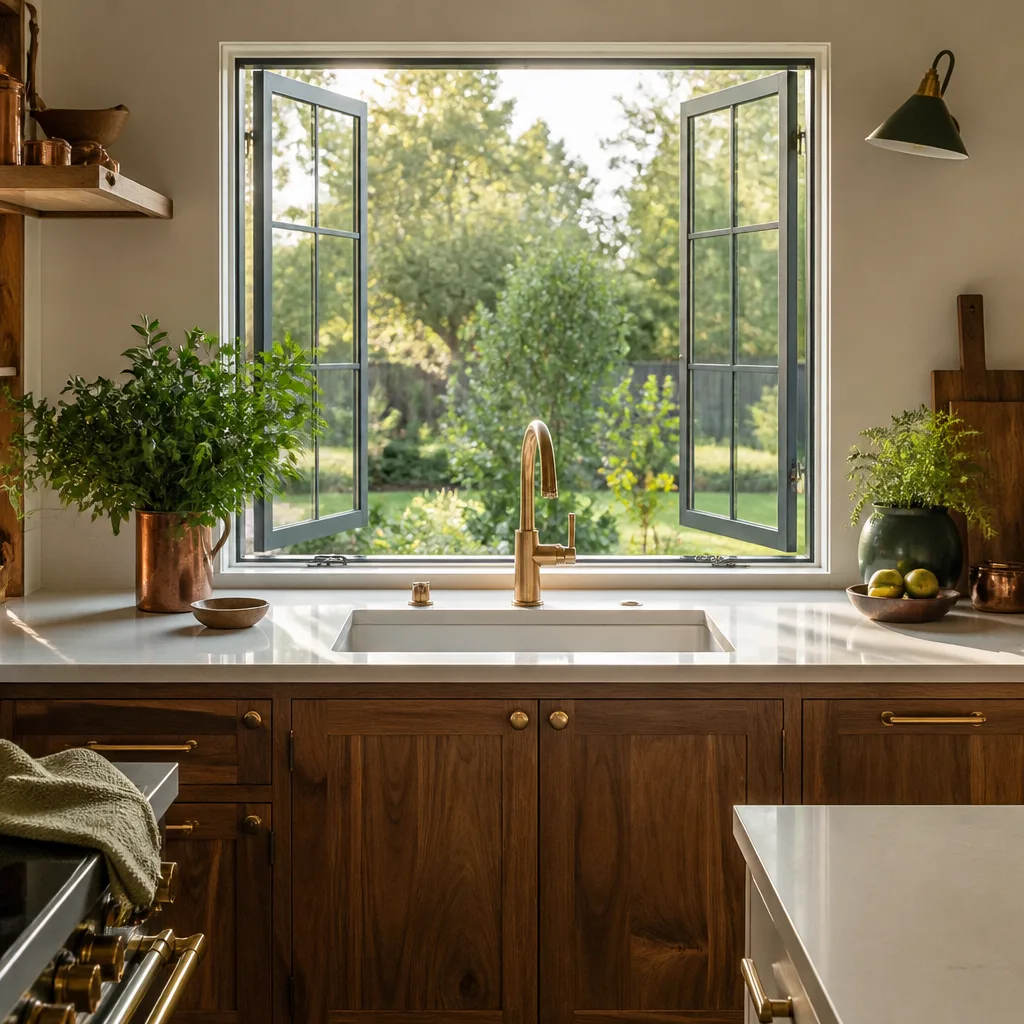
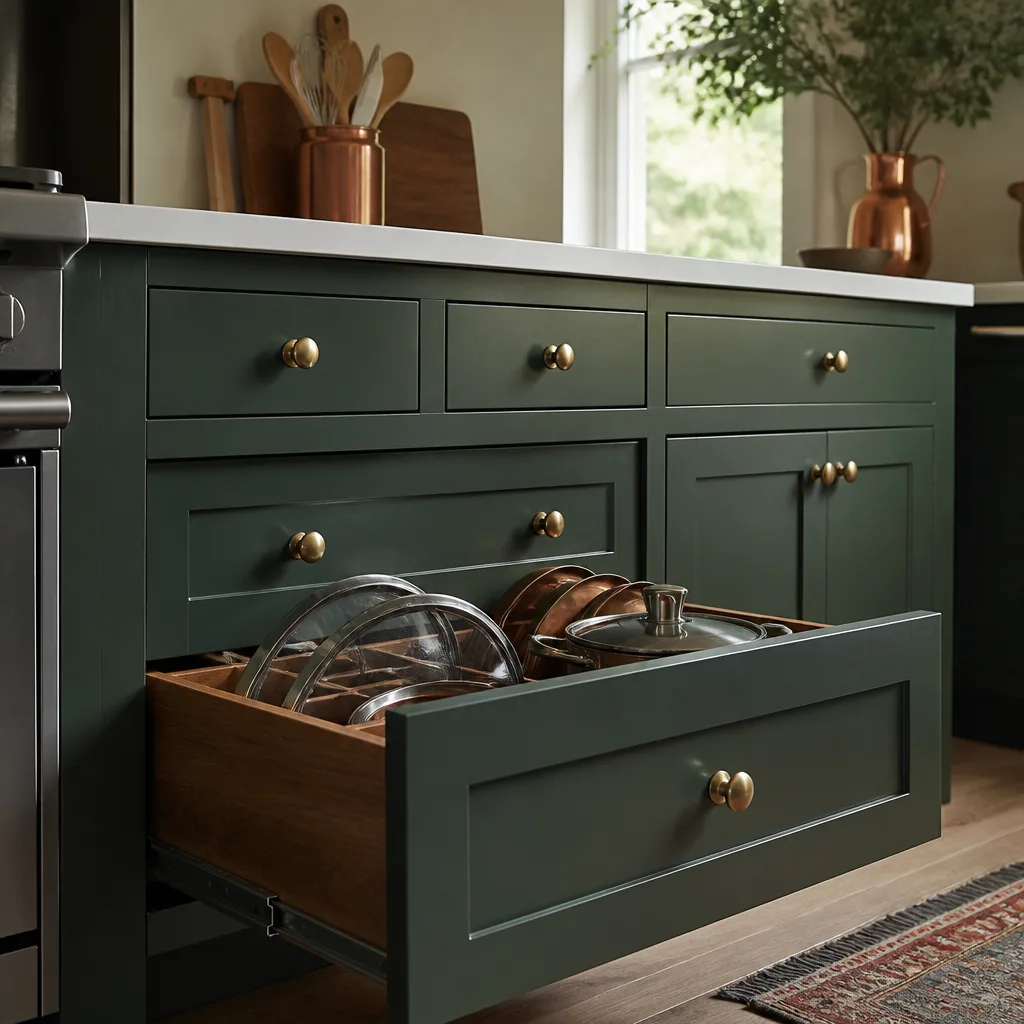
- Kitchen remodeling
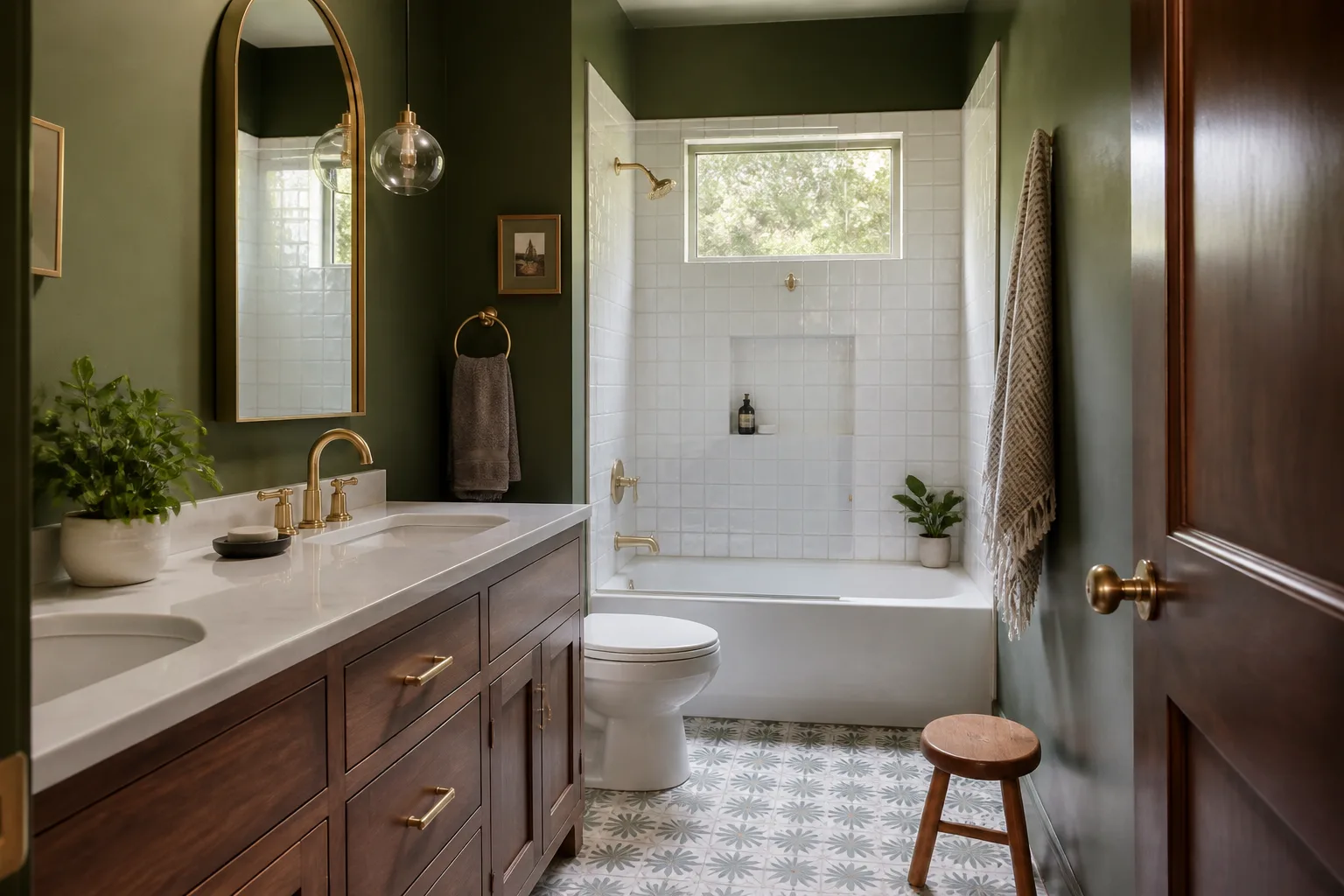
- Bathroom remodeling
- Home additions & ADU
- Roofing
- Windows & doors
- Driveway & pavers
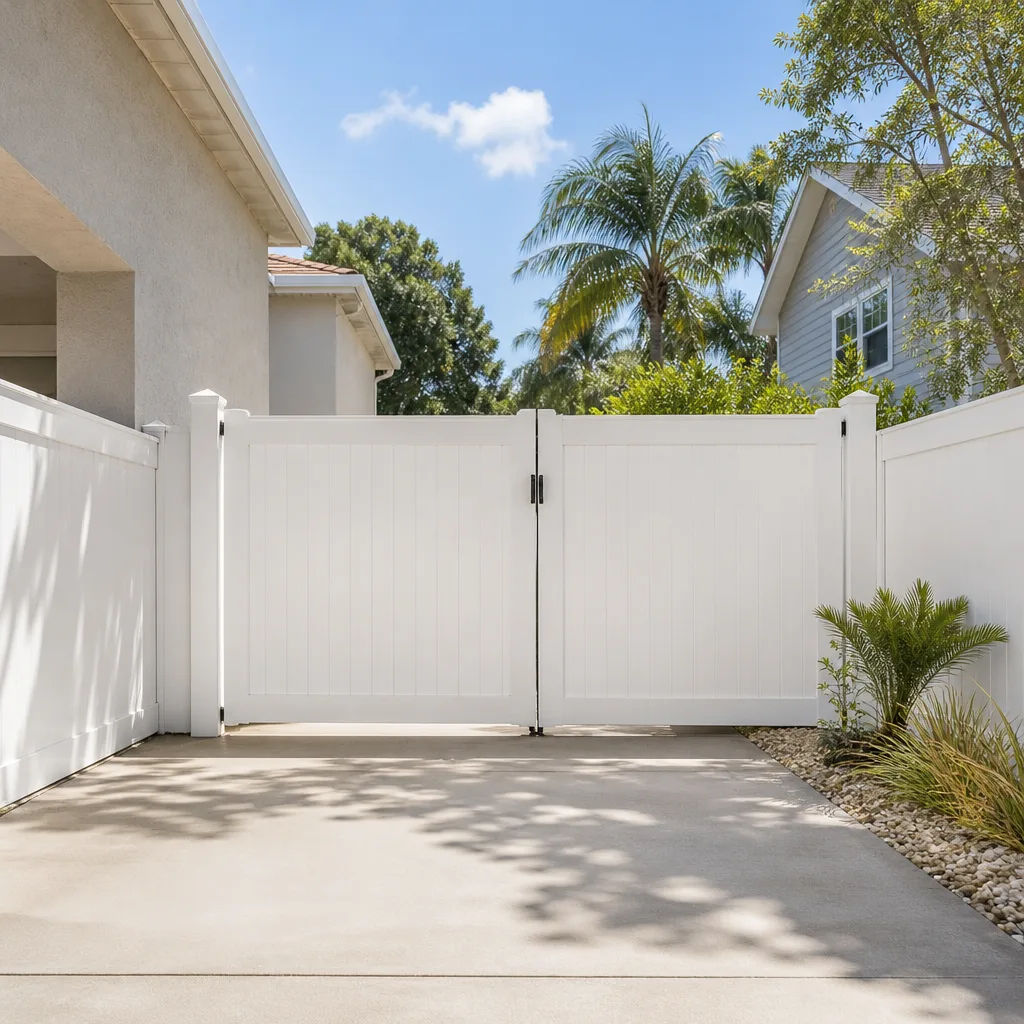
- Fence
Table of Contents
- Which code actually governs your Homestead project?
- What requires a permit in Homestead (and what really doesn’t)
- The NOA list: why HVHZ product approvals matter at inspection
- The real inspection sequence for a Homestead addition or remodel
- What fails each inspection stage, and why
- How to check your own property for open permits
- Common mistakes to avoid
Which code actually governs your Homestead project?
Three layers stack on top of each other in Homestead, and knowing which one applies to your project saves you weeks.
Layer 1: The Florida Building Code. This is the base code, updated every three years. It covers everything from structural loads to egress windows to minimum insulation values.
Layer 2: Miami-Dade County amendments. Miami-Dade amends the state code in dozens of places. Wind-load requirements are higher. Roof-to-wall connections are stricter. Concretes, fasteners, and window anchors carry their own specs. A contractor who works mostly in Broward or Palm Beach may not know the differences, and it shows at the first inspection.
Layer 3: The High-Velocity Hurricane Zone (HVHZ). Miami-Dade and Broward are the only two Florida counties that enforce HVHZ, a separate sub-code created after Hurricane Andrew. HVHZ covers wind-borne debris regions, impact product requirements, and the Notice of Acceptance (NOA) system. It’s the strictest residential construction rulebook in the state, and every new window, door, garage door, shutter, roof system, and structural connector installed in Homestead must have a valid NOA on file.
Most of what we see go wrong in Homestead is a contractor applying Broward or Palm Beach habits to a Miami-Dade job. What passes in one county often fails in the next, and the correction means tearing out finished work. When we quote a project here, our crew members walk through which code sections apply before we order a single material. Our technicians have up to 28 years of experience in these protocols, and it matters most on the first day.
What requires a permit in Homestead (and what really doesn’t)
Here’s the part where contractors sometimes fudge the truth. “You don’t need a permit for that” is the most over-used sentence in Florida construction. Sometimes it’s true. Often it isn’t.
Almost always requires a permit in Homestead:
- Any addition, including enclosed patios, screen enclosures that convert to livable space, or ADU builds on a Homestead property
- Structural changes: removing walls, adding beams, re-framing, cutting new openings
- Any electrical work beyond swapping a fixture
- Any plumbing work beyond replacing a faucet or toilet flapper
- Any HVAC replacement unless it’s a like-for-like swap of an existing permitted unit
- Roof replacement or any repair to more than a small percentage of roof area
- Window and door replacements (HVHZ product approvals apply)
- Fences over 6 feet, or any permitted fence installation in Homestead located in a flood zone or involving masonry
- Sheds and detached structures above a square-foot threshold, typically 100 to 200 square feet
- Driveways, patio slabs, and new paver and driveway installations in Homestead where the surface ties to stormwater or right-of-way
- Any pool, spa, or hardscape with a private well or electrical connection
Often genuinely exempt (but verify with the building department):
- Interior paint, wallpaper, tile over existing substrate
- Replacing an appliance that plugs in
- Repairing drywall inside the same wall assembly
- Landscape planting and grading under a certain volume
- Replacing cabinet doors and countertops without moving plumbing or gas
Notice how many of those “exempt” items become permit-required the moment a pipe, gas line, or structural element moves. If a contractor tells you a kitchen remodel doesn’t need a permit because “we’re not touching anything load-bearing,” ask them to put that in writing on the contract. If they won’t, you have your answer.
The NOA list: why HVHZ product approvals matter at inspection
Every impact window, impact door, shutter, roof system, and even some fasteners used in Homestead must carry a valid Miami-Dade Notice of Acceptance. The NOA is a number assigned to a product after it has passed HVHZ testing. Your inspector will ask for it, and if your contractor installed a product without one, you’re tearing it out or fighting the county.
This is where brand choice stops being aesthetic and becomes a permit compliance issue. GAF and CertainTeed both have Miami-Dade-approved roof systems, but only specific assemblies within each brand. A CertainTeed Landmark shingle with one underlayment schedule is approved. The same shingle with a different underlayment is not. We check the NOA before a single bundle gets ordered, and we keep the paperwork with the permit package for the inspector to review.
The same principle guides window choice. Andersen and Marvin both carry products through Miami-Dade approving labs, but not every line in their catalogs. Prefab and panelized systems, including options from Mighty Buildings and Plant Prefab, can be permitted in Homestead, but the approvals are specific to the assembled panel system, not the underlying materials. If you’ve read about modular construction and pictured a same-week build, remember the NOA review adds real weeks to the front end of the schedule.
Ask any contractor for the NOA number on the exact product they plan to install. If they can’t produce it in an hour, they don’t have one.
The real inspection sequence for a Homestead addition or remodel
Permits get you started. Inspections get you finished. Here’s the actual order of inspections on a typical Homestead addition, and what happens at each one:
- Pre-construction / site verification. The inspector confirms the survey markers, setbacks, and elevation certificate line up with the approved plans. Missing or outdated survey work is the number-one reason a first inspection gets scratched before anything is built.
- Foundation and slab. Footings, rebar spacing, anchor bolts, and concrete pre-pour inspection. Fill and compaction reports may be requested in flood zones.
- Rough framing. Stud spacing, headers, tie-downs, sheathing nailing pattern. HVHZ requires more fasteners per foot than standard Florida code, and inspectors count.
- Rough MEP. Mechanical, electrical, and plumbing rough-in, usually three separate inspections, all before insulation. Electrical and plumbing inspectors may arrive on different days.
- Insulation and weather barrier. Insulation R-value per plan, plus the drainage plane, flashing, and window integration. This is where HVHZ inspections get strict about flashing tape and sill pans.
- Drywall or sheathing close-up. Confirms nothing was altered after rough inspections.
- Final building, MEP, and life-safety. Smoke alarms, egress, GFCI, water heater strapping, and the certificate of occupancy or completion. HVHZ product approvals get re-checked at final against the installed product.
On a kitchen or bath remodel, the sequence is shorter but the principle is the same: demolition, rough trades, inspections, then finishes. Roofing has its own sequence, usually a pre-roof inspection of the decking, then a mid-roof and final. Ask your contractor for the inspection schedule in writing before the permit is issued. The inspector works for you, not for them. Every eligible job we run through Barrett & Sons Construction Homestead gets that schedule printed with the contract.
What fails each inspection stage, and why
We’ve watched hundreds of inspection results come back in Homestead. The failures repeat.
- Foundation: rebar chairs missing, anchor bolts off spacing, unverified compaction in fill areas.
- Rough framing: HVHZ nailing pattern wrong, missing hurricane straps, header size off the span table, sheathing installed upside down.
- Electrical rough: missing AFCI or GFCI protection, wire size mismatched to breaker, junction boxes not accessible.
- Plumbing rough: slope out of spec, missing cleanout, improper venting, gas pressure test failed.
- Mechanical rough: duct sizing, refrigerant line protection, equipment anchoring under wind load.
- Insulation and weather barrier: improper flashing at window openings, no sill pan, wrong tape for the substrate, R-value short of plan.
- Final: HVHZ product approval doesn’t match installed product, missing smoke alarms, missing water heater strap, or a different product than what was on the permit.
Each failure adds a re-inspection fee and at least a few days to the schedule. When a contractor is trying to finish a project fast, these get rushed with the wrong answer. That’s why every scope change on our jobs arrives as a written change order before work happens. An allowance that isn’t on paper is a surprise waiting for a date.
How to check your own property for open permits
Before you start a new project in Homestead, and absolutely before you list a home for sale, spend an afternoon on this:
- Search the Miami-Dade County Building Department portal. Search by address or folio number. Every permit pulled since the 1990s should surface with a status: final, expired, void, or open.
- Search the City of Homestead permit portal. The city maintains its own records for permits it issues separately from the county.
- Pull the property’s certificate of occupancy. Any square footage not on the certificate may be unpermitted.
- Compare to the survey. Additions, pool cages, and detached structures often appear on a newer survey but not on the permit record.
- Review your title commitment for open-permit exceptions. Title companies routinely note them, and lenders require them cleared before closing.
- Call the building department directly. Ask what’s on file, and ask whether any permits were closed with corrections outstanding.
If you find an open permit, don’t panic. There’s a process: finalize the work, schedule the missing inspection, and close it out. It costs money and time. The reason to do this now is that unpermitted work sales are brutal – the buyer’s lender will require the permit closed before closing, and you’ll be on a deadline. A free second opinion on any written estimate can also help you understand what a contractor is really proposing to close out. If a seller you know is about to list in Homestead, tell them to check the portal this week, not the week before closing.
Common Mistakes to Avoid
- Trusting a verbal “it doesn’t need a permit.” Get it in writing or get another contractor. Miami-Dade requires permits for work most homeowners assume is exempt.
- Assuming Broward approvals transfer to Miami-Dade. HVHZ compliance is separate, and a Broward-permitted window or roof may not pass inspection in Homestead without the right NOA.
- Buying product without checking the NOA first. That beautiful shingle you ordered because it matches the neighbor’s roof may not have an approval that covers your specific assembly. Check the number, then buy.
- Skipping the survey or elevation certificate. In flood zones around Homestead, this paperwork can change set-backs, foundation design, and even the required finish floor height.
- Letting an old open permit ride. Expired permits with partial work can force demolition or a costly retroactive approval at sale.
- Signing a contract without a written change order process. Verbal scope creep is where budgets die. Every change should be on paper before the nail goes in.
- Not asking about inspection sequencing. A contractor who can’t produce the inspection schedule by stage hasn’t done enough Homestead work to know the local inspectors’ routines.
See the difference
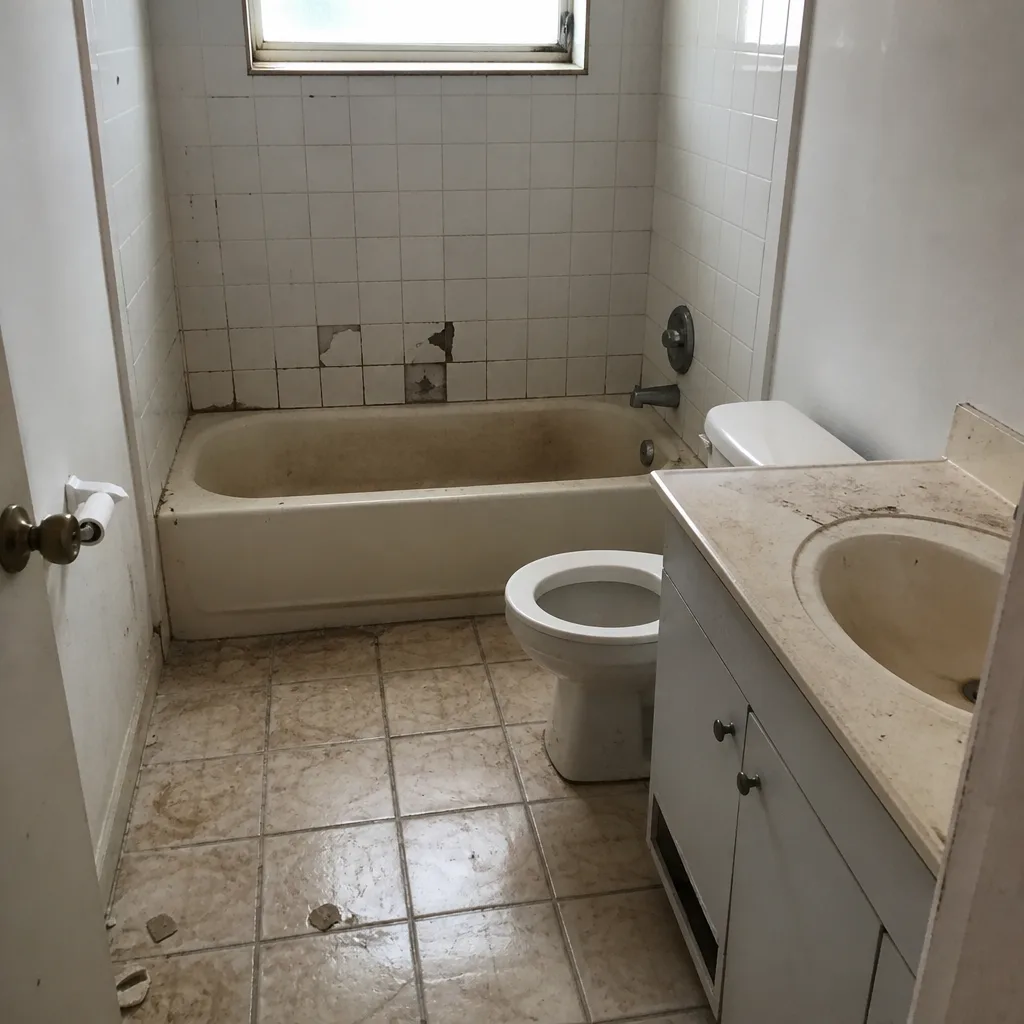 Before
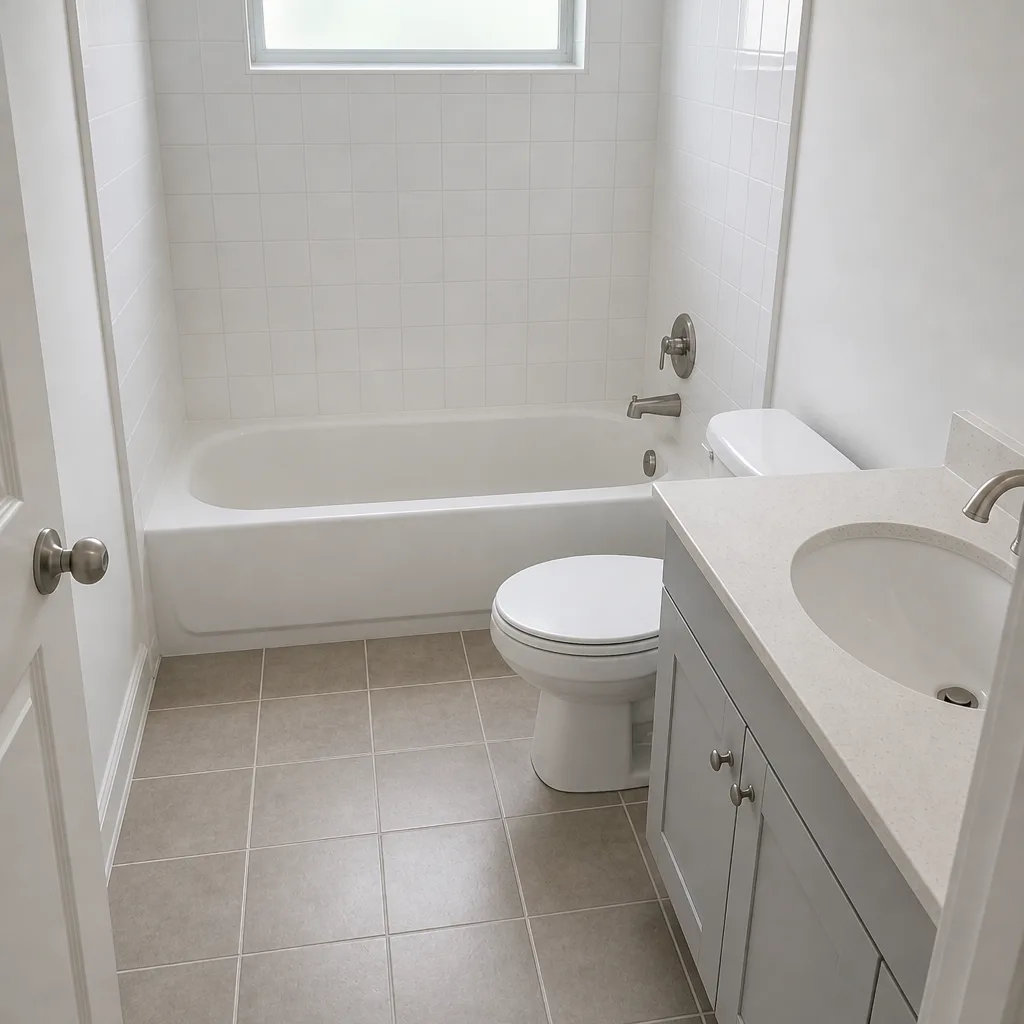 After
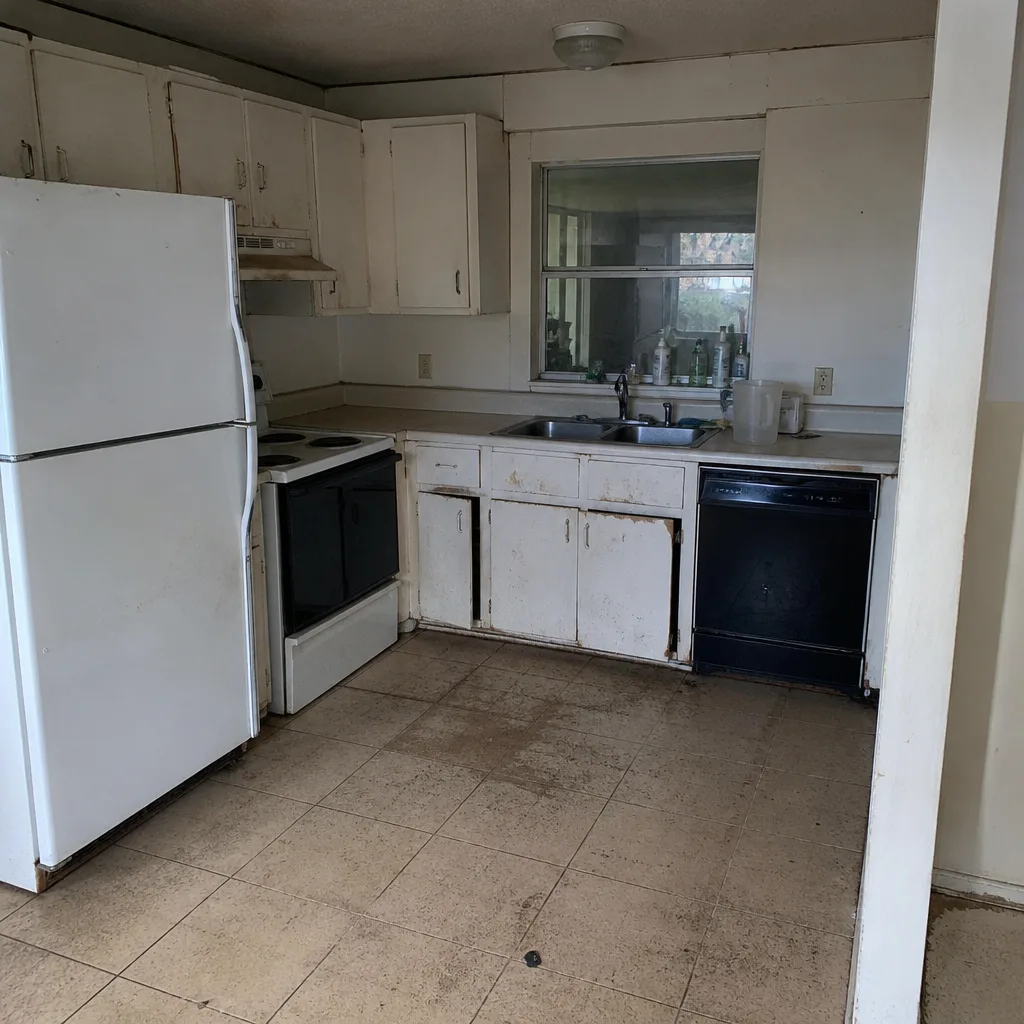 Before
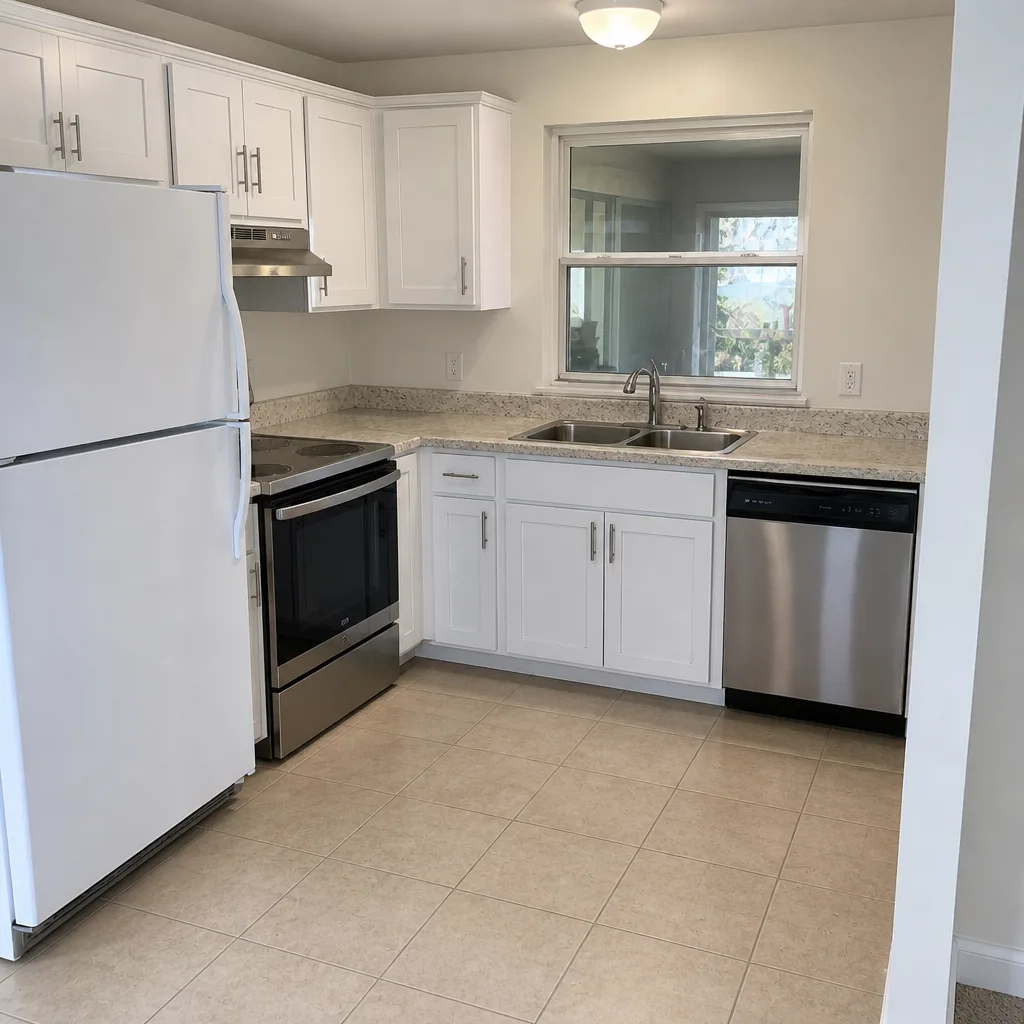 After
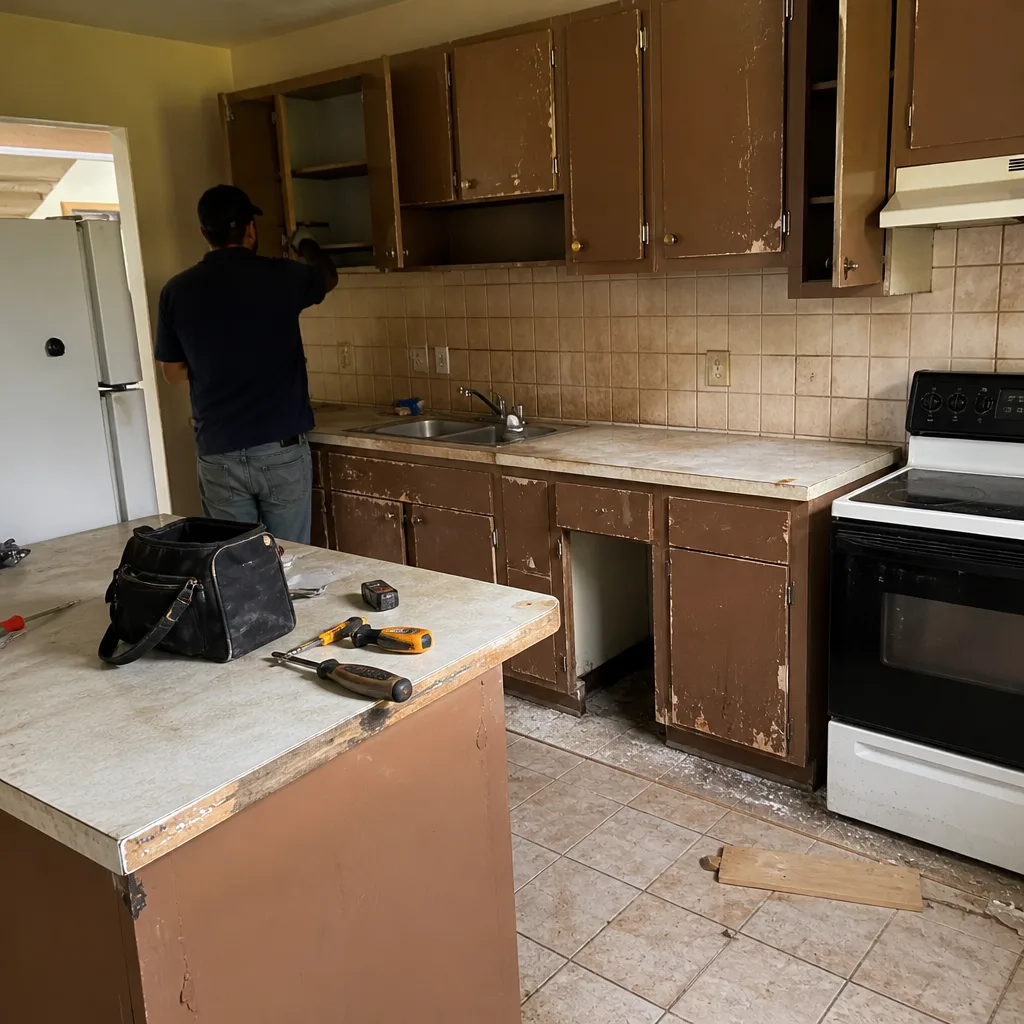 Before
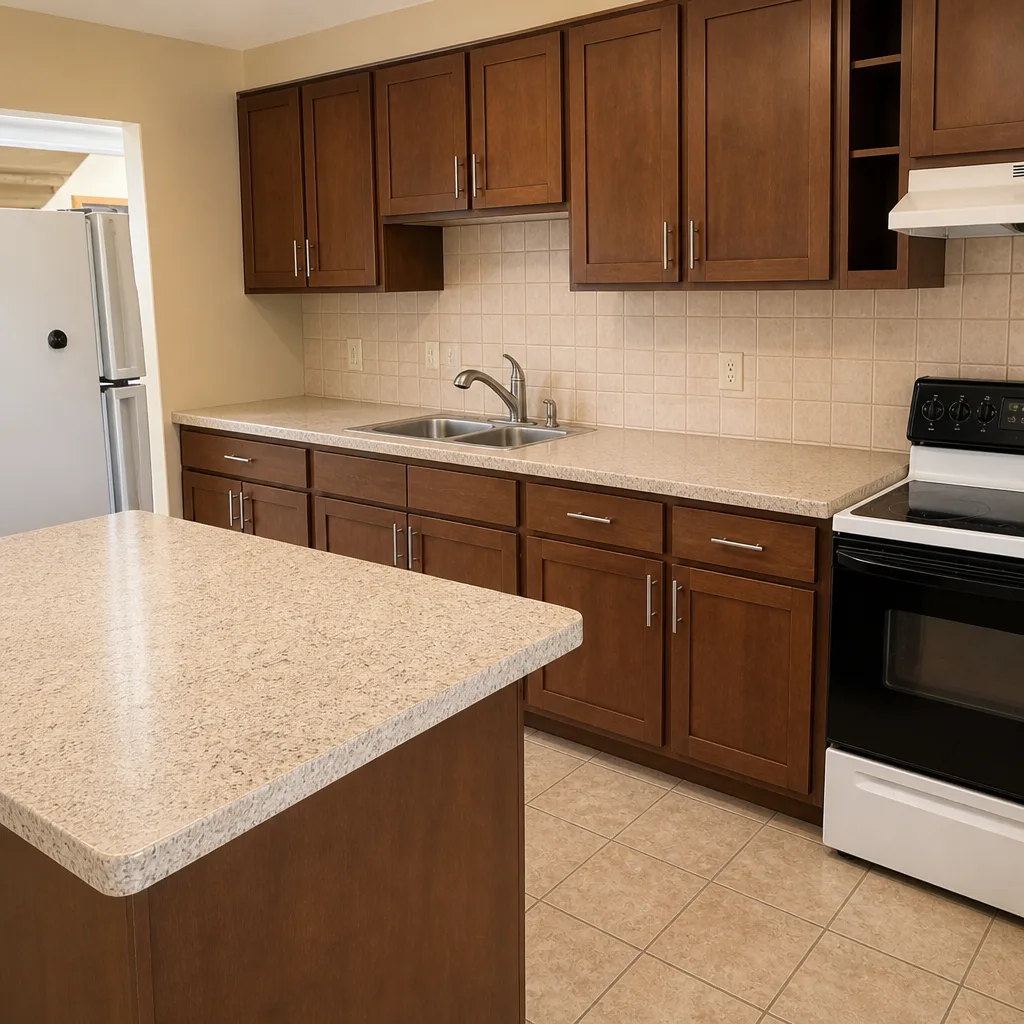 After
When to Call a Professional
If you’re standing in a kitchen planning a remodel that moves a wall, plumbing line, or gas range connection, this is the wrong project to attempt as a weekend build. Same goes for any roof repair over a small patch, any window or door replacement, any fence involving masonry or over 6 feet, and any addition or ADU. These all require Miami-Dade permits, HVHZ product approvals, and multiple inspections. The bottom line is a simple one: if the work touches the structure, the envelope, or a utility service, get a licensed contractor who pulls the permit and stands behind the inspection. Barrett & Sons Construction Homestead offers free estimates in Homestead. Call (866) 344-6796 to schedule yours.
Frequently Asked Questions
In Homestead, permits are required for additions, structural changes, electrical and plumbing work beyond simple fixture swaps, HVAC replacement, roof replacement, window and door replacements, fences over 6 feet or of masonry construction, sheds above the local square-foot threshold, driveways and paver installations tied to right-of-way, and any pool or spa. Anything that changes the building envelope, structure, or life safety systems almost always requires a Miami-Dade permit. Call (866) 344-6796 for a free estimate – we’ll tell you exactly what permits your project needs.
Homestead and Miami-Dade permit fees are based on a percentage of the construction value, so they scale with the project. Small remodels typically run several hundred dollars in permit fees. Additions, ADUs, and roof replacements run higher because of the valuation basis. On top of that, you may see HVHZ product-review fees and impact-fee assessments for new livable square footage. We quote permit fees as a line item, not an allowance, so there’s no mystery. Call (866) 344-6796 for a project-specific number.
Yes. Every impact product installed in Homestead must have a valid Miami-Dade Notice of Acceptance (NOA) on file, because Homestead falls inside the High-Velocity Hurricane Zone. The NOA number identifies the exact tested product and installation method. A window that’s approved in another Florida county without an HVHZ NOA cannot be installed here. We confirm the NOA before ordering any product. Call (866) 344-6796 if a contractor is telling you any window is fine.
Skipping a permit in Miami-Dade can mean fines, forced removal of the work, and – most painfully – an inability to sell the property until the work is retroactively permitted or demolished. Lenders and title companies flag open or missing permits on their own. The cost to retroactively permit only gets larger the longer it sits. If you suspect prior unpermitted work on a property you’re buying or selling, deal with it early. Call (866) 344-6796 for a free second opinion on any written estimate for the fix.
Permit turnaround in Homestead depends on the project. Small remodels can clear the county in a few weeks. Additions, ADUs, and roof replacements take longer because of plan review, HVHZ product approval checks, and any zoning or flood-zone review. Green-lighting the permit while the contract is signed – not while materials are ordered – is the right sequence. Every eligible job we run gets the permit pulled before work begins. Call (866) 344-6796 to plan your project timeline.
The standard sequence is foundation and slab, rough framing, rough mechanical/electrical/plumbing, insulation and weather barrier, drywall close-up, then final building and MEP. HVHZ product approvals get re-checked at final against the installed product. Skipping the rough inspections because your crew is fast is the single biggest cause of failed finals. We publish the inspection schedule with the contract so you can watch it happen. Call (866) 344-6796 for a free estimate that includes a permit and inspection plan.
The Bottom Line
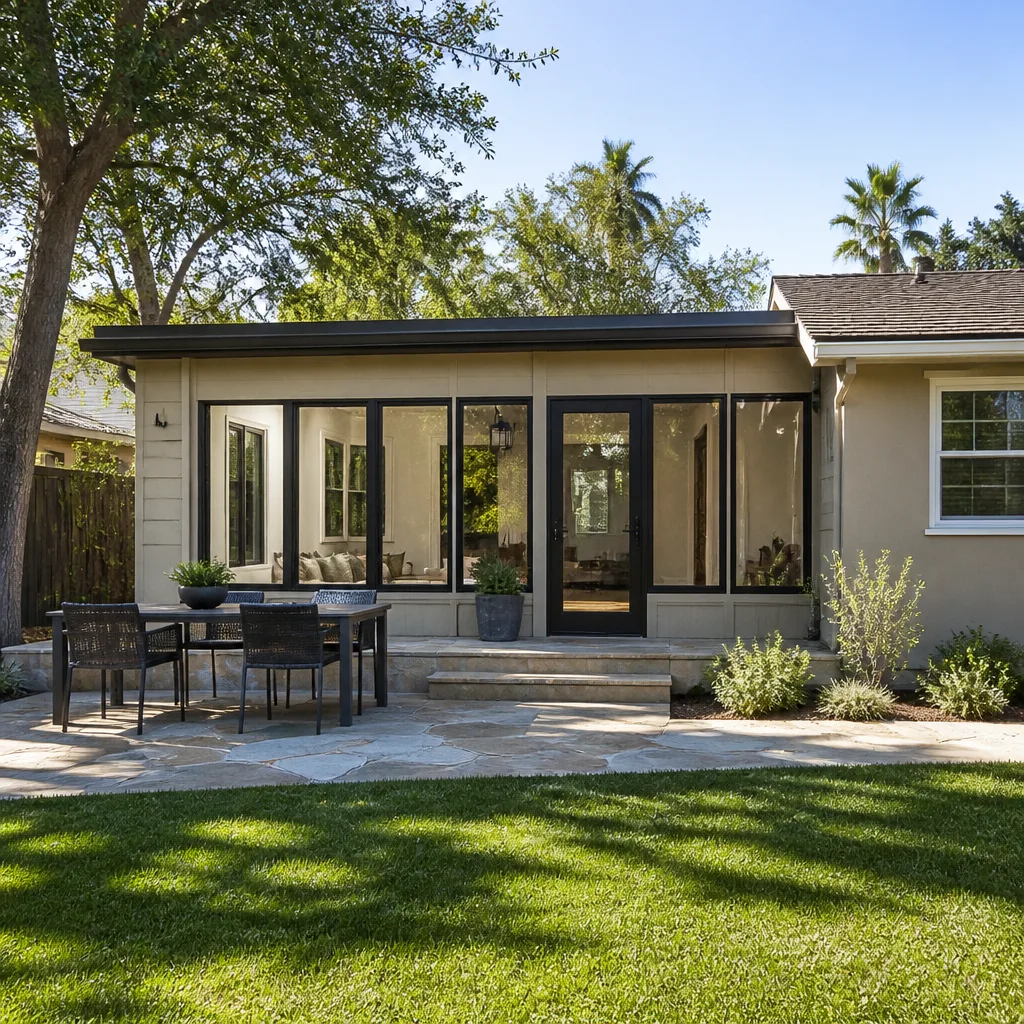
Florida has one building code, but Homestead doesn’t play by the same rules as the rest of the state. Miami-Dade and HVHZ layers add real requirements, and the paperwork follows the property long after the contractor leaves. If you’re building, remodeling, adding, re-roofing, fencing, or paving, get the permit pulled, get the NOA number confirmed, and get the inspection schedule in writing. A closing you don’t expect is worse than a delay you do. Every scope change belongs on paper before the nail moves, and every eligible job should end with a signed inspection card. That’s what we do at Barrett & Sons Construction Homestead – and it’s why the inspector stops being a headache and starts being the guy looking out for you.
Ready for a straight answer on what your Homestead project needs? Call (866) 344-6796 for a free estimate. We’ll walk you through the permits, the HVHZ requirements, and the inspection sequence before you sign anything. Ask anyone on your street, or look up the license number yourself.
Written by the team at Barrett & Sons Construction Homestead.