Last updated November 17, 2026

Free written scope consultation - allowances, timeline, and change-order rules on paper before a single trade is scheduled
How Long Does Windows & Doors Take? Timelines and What to Expect
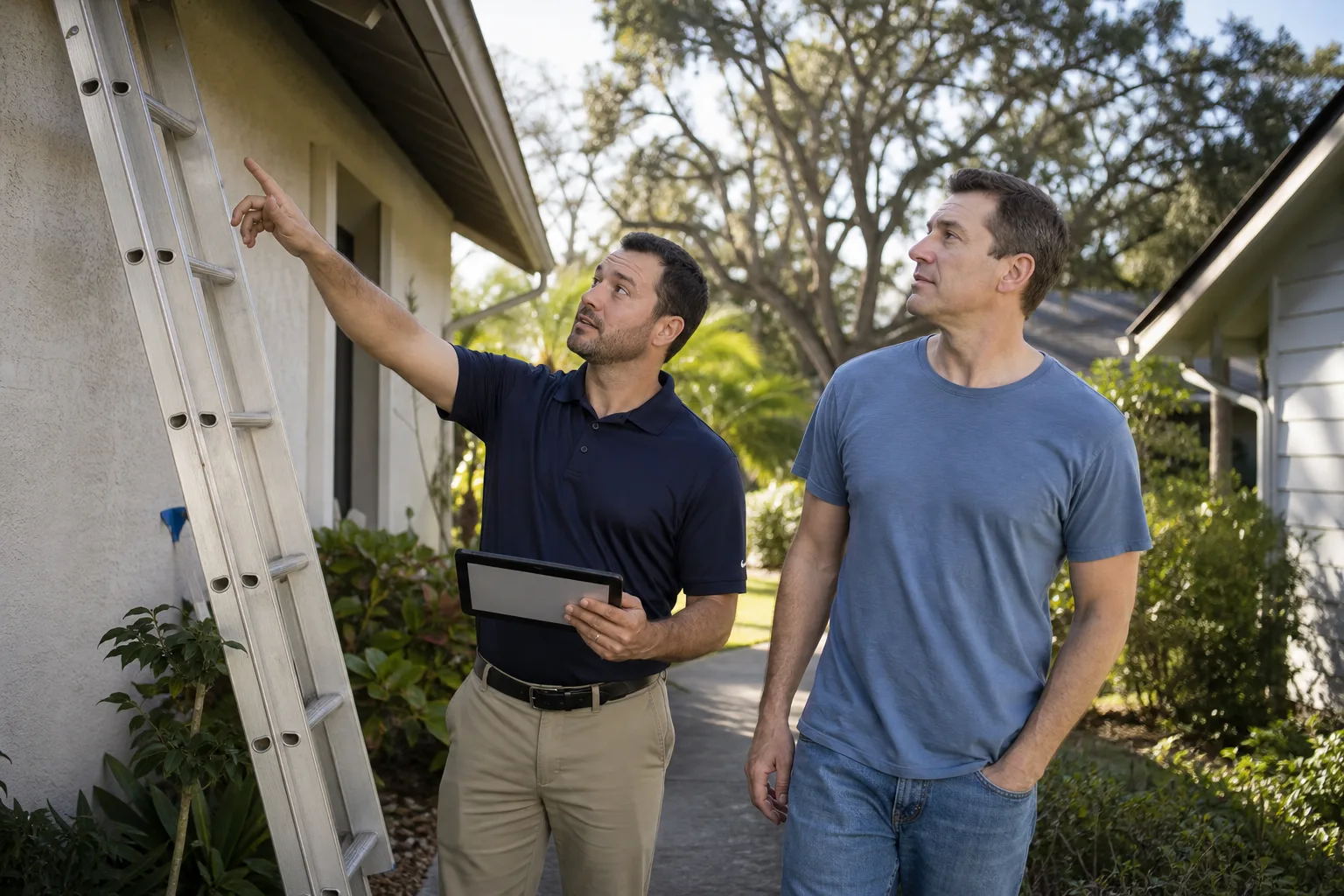
The crew that installs your windows will be on your property for one day. The process that makes those windows legal, insured, and warranty-valid takes several weeks before and after that day. That gap is where most of the frustration lives. We’ve watched homeowners in Homestead schedule a Saturday install with a salesman who never mentioned the permit, the product lead time, or the final inspection, and then spend the next month making phone calls. This guide lays out the realistic timeline for window and door replacement in Homestead, Florida from the first measurement to the signed inspection card, including the Miami-Dade permit sequence, impact product lead times, and the condo and HOA rules that can quietly add weeks.
Quick Answer
Window and door replacement in Homestead and the rest of Miami-Dade typically takes three to six weeks from contract to final inspection, though the actual installation is usually one day. Most of that time goes to permit application and review, impact product lead times, and inspection scheduling. Projects with built-to-order Marvin or Andersen units, or in condo communities with board approval and elevator reservations, can run eight to twelve weeks.
Styles & brands we work with
- Kitchen remodeling
- Bathroom remodeling
- Home additions & ADU
- Roofing
- Windows & doors
- Driveway & pavers
- Fence
Table of Contents
- The Miami-Dade Permit Timeline for Windows and Doors
- Impact Product Lead Times by Manufacturer
- Same-Day vs. Phased Installation
- The Final Inspection Step Most Homeowners Don’t Know About
- Condo and HOA Timeline Additions in Homestead
- The Full Timeline, Step by Step
- Homestead-Specific Considerations: Climate, Wind Zones, and Product Choices
- Common Mistakes to Avoid
The Miami-Dade Permit Timeline for Windows and Doors
In Miami-Dade, window and door replacement almost always requires a permit, even if you’re swapping like-for-like sizes. The reason is wind load. Miami-Dade sits in the High Velocity Hurricane Zone, and the county wants to see the product approval number on every opening before anything gets installed. Skipping the permit doesn’t simplify the job; it just moves the problem to your resale inspection or your insurance claim.
The timeline itself breaks into four stages:
- Application submission (1 to 3 days). Once we have measurements and the product approval numbers, we submit the application through Miami-Dade’s online portal. Most of the prep is gathering the NOA (Notice of Acceptance) documents and the product data sheets.
- Over-the-counter review (5 to 10 business days). If the application qualifies for over-the-counter review, which typically means a straight replacement with the same-size units and existing product approvals that match your wall type, you’ll have an approval in roughly a week to ten days.
- Plans review (3 to 6 weeks). Applications trigger plans review when the scope changes: new openings, size changes, structural alterations, or mullion configurations that aren’t already covered by the approved product line. Plans review adds three to six weeks in most cases, and the clock stops if the reviewer asks for more information.
- Pre-inspection. Some jobs require a pre-inspection before the product arrives, mostly for structural changes. Straight replacements don’t usually require it.
Here’s the part most contractors don’t explain on the sales call: the permit has to be issued before materials arrive so we can show the building department the approved scope when the inspector comes. Windows sitting in your garage with no permit on file are an inspector’s red flag. Because we pull permits and get inspections signed on every eligible job, this sequence happens on the front end of your project, not after installation.
Impact Product Lead Times by Manufacturer
Product lead time is the single biggest variable in window and door projects, and it varies widely by brand and whether the unit is stocked in South Florida or built to order. In our experience working Homestead and the southern Miami-Dade market, here’s how the timelines usually shake out.
- Warehoused impact lines: Stocked sizes of well-known impact window lines are typically available in two to four weeks because distributors keep inventory in Hialeah, Medley, and other South Florida warehouses. Standard white vinyl impact replacement units usually fall here.
- Semi-custom impact units: Andersen and Marvin impact products in custom sizes, unusual colors, or specialty shapes generally run four to eight weeks from order to delivery. Some configurations push longer if glass has to be laminated or the factory is running high demand ahead of hurricane season.
- Custom and architectural lines: Anything with structural mullions, large sliders, or non-standard finishes runs eight to twelve weeks or more. Wood-clad and aluminum-clad units are the most common culprits.
The reason selection timing matters so much: if you don’t lock the brand and product line before permit submission, the permit review and the product lead time run one after the other instead of overlapping. In our experience, homeowners who select their product the same week they sign the contract save three to five weeks on the total project timeline versus homeowners who wait to see samples.
We work with Andersen and Marvin lines because product approval documentation is thorough and inspectors in Homestead usually recognize the NOA numbers on sight. That doesn’t speed up the factory, but it does prevent back-and-forth during permit review that can add another two weeks.
Same-Day vs. Phased Installation
The question of whether to install the whole house at once or phase room by room usually comes up when a homeowner has a limited budget or wants to minimize disruption. Both approaches have real trade-offs, and neither is universally better.
Same-day, whole-house installation
A typical three-bedroom Homestead home with ten to fourteen openings is usually done in one long day, sometimes two if the crew is working around a large slider. The advantage is that you go to sleep the same night with every opening secure and no partially open walls. The disadvantage is that you’re without windows for most of a day in rooms you still have to use, and you may need to move furniture or cover beds and floors.
Phased installation
A phased approach takes one to four weeks longer overall, depending on the schedule. The reasons to phase are typically:
- Budget spread across a year or two.
- Specific rooms being remodeled separately (a kitchen remodel often times well with a window phase).
- Medical or mobility issues that make all-day disruption hard.
- Condos that restrict work hours.
The trade-off: you carry the permit, inspection scheduling, and administrative overhead multiple times, and the product lead time clock restarts with each phase. Phase too many times and you’ll pay more in overhead than you save in cash flow.
Our rule of thumb: if you can fund the whole project in one go, do it in one go. If you can’t, phase by wing of the house rather than by individual rooms. Phasing an entire side at once keeps the permit simpler and gets you back to a secure house faster.
The Final Inspection Step Most Homeowners Don’t Know About
Many homeowners don’t realize there’s a required final inspection after installation. If the inspector doesn’t sign off, you can’t close the permit, and an unclosed permit can complicate a home sale years later.
Here’s what the inspector physically checks:
- The product approval number on the installed unit matches the NOA on the permit.
- Anchor spacing and fastener patterns match the approved installation method for your wall type (CBS block, wood frame, or stucco over frame).
- Flashing and sealant are in place at the head, sill, and jambs.
- Impact labels or glass stamps are visible and match the approved product.
- The number of openings installed matches the permitted scope.
Scheduling typically runs three to seven business days in Miami-Dade from the time the installer requests inspection, though the timeline can stretch during hurricane season when the county is busy with post-storm inspections. A failed inspection means a correction is required and a re-inspection scheduled, adding another one to two weeks. The most common failure we see is a mismatch between the installed product line and the approved NOA number, usually because a distributor substituted something.
That’s why a written change order matters even on material substitutions. If the product on the truck isn’t the product on the permit, we stop and get the paperwork right before install day, not after.
Condo and HOA Timeline Additions in Homestead
If you own a condo or townhome in Homestead, add two to four weeks to any realistic schedule. Single-family homes with an HOA board also face review, though usually shorter.
The pieces that add time:
- Architectural review board approval: Board review typically runs two to four weeks from submission, and monthly board meetings mean missing the deadline can mean waiting another month. The review often wants to see the product sample, the installation method, and the color match to the existing building.
- Impact product color requirements: Many HOA boards restrict exterior frame colors to match the building. If you ordered white frames and the board requires bronze, you’re back to the product lead time clock.
- Elevator reservations and staging: In mid-rise condos, the installation crew may need a reserved elevator to transport materials, and loading dock windows are limited. Some buildings only allow material staging on specific days.
- Work-hour restrictions: Many Homestead-area condo HOAs restrict exterior noise and drilling to weekday business hours, which rules out Saturday installations. That means a two-day job becomes a three- to four-day job.
- Insurance certification paperwork: Some boards request a copy of the contractor’s Certificate of Insurance and background check records before work can begin. Gather this before you sign.
We’ve seen Homestead condo projects stretch to twelve weeks because the board only meets monthly and the product arrived before approval. If you know you’re in a condo, ask the property manager for the approval calendar the day you start shopping.
The Full Timeline, Step by Step
Here’s the realistic sequence for a straightforward whole-house impact window and door replacement in Homestead, assuming no plans review and in-stock product.
- Week 0: Measurement and contract. We measure every opening, review wall construction, confirm product approvals, and write a detailed scope with line-item pricing and any allowances in writing. No surprise invoices at the end.
- Week 1: Permit application and product order. The application goes into Miami-Dade’s portal and the product goes on order. These two run in parallel.
- Weeks 1 to 2: Permit review. Over-the-counter review typically comes back in five to ten business days. Plans review, if triggered, is here.
- Weeks 2 to 4: Product production and delivery. Stocked impact units run two to four weeks. Semi-custom runs four to eight weeks.
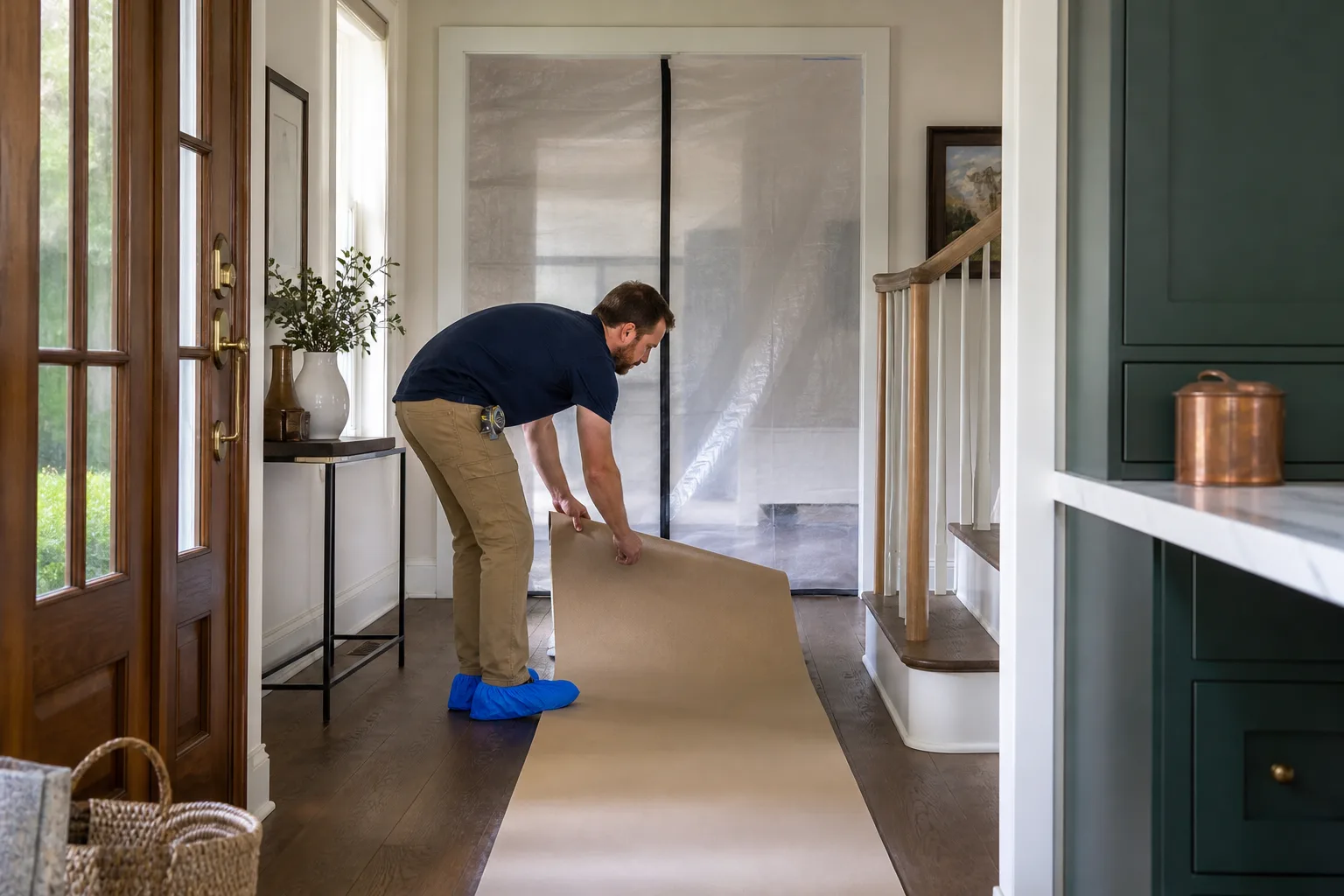
- Week 4 or 5: Installation day. One day for most homes, sometimes two. We protect floors and move furniture with you.
- Week 5 or 6: Final inspection. We schedule the inspection the day after install, and most inspections happen within three to seven business days. Once signed, the permit closes and the warranty is fully in place.
From our experience in Homestead, a typical job lands in the three- to six-week window. Custom product or plans review easily adds two to six weeks. Condo board approval can add another two to four. If you’re comparing bids and one contractor quotes “two weeks,” ask them when the permit gets pulled.
Homestead-Specific Considerations: Climate, Wind Zones, and Product Choices
Homestead’s climate shapes window choices in ways that affect both timeline and cost. Wind-driven rain during the summer thunderstorm season and hurricane exposure push nearly every homeowner toward impact glass, which is both a code requirement for new and replacement openings and a practical necessity. The trade-off is that impact product has longer lead times than standard insulated glass, because the NOA certification process limits which units qualify.
Product selection also matters more in Homestead than it might in a milder market. Delta and Toto fixtures often show up in the same home remodeling projects we handle, and homeowners frequently coordinate bathroom or kitchen work with their window replacement so the schedule runs once. For sliding doors through a living room or covered patio, impact-rated sliders need larger lead times and careful matching to your wall and floor levels. If your project involves a new opening rather than a replacement, that’s usually a home addition scope and the timeline grows considerably.
If your window replacement is part of a bigger remodel, the timeline gets longer, not shorter, because tile and flooring trades need their own windows between rough-in and finals. We coordinate those schedules with cabinets and countertops from brands like KraftMaid and Cambria when the project overlaps a kitchen or bath.
Homestead’s building inspection office can get busy ahead of the June-to-November storm season. If you want the final inspection done before hurricane shutters go up, schedule the install in winter or early spring. A window project signed in February is usually closed out by early April; a project signed in August often stretches to October.
Common Mistakes to Avoid
- Signing before product selection. The permit depends on the NOA number, and the lead time depends on the brand. Pick the product before you sign, or you’ll be waiting on a decision that could have been made in week zero.
- Assuming the salesman’s timeline. “Two weeks” usually means “two weeks after we get product and permit.” Ask for a written schedule with permit submission, install date, and inspection date listed.
- Not asking who pulls the permit. In Miami-Dade, the permit holder is on the hook for the inspection. If the contractor says “you can pull it as the homeowner,” that’s your signal to call someone else.
- Ordering without checking the HOA board calendar. Missing a board meeting can cost a month. Homestead condo boards usually meet monthly, and a missed approval cycle means the product sits in the building’s loading area longer than planned.
- Ignoring the change-order clause. Product substitutions, extra flashing, or unforeseen rot hidden behind the old frames all need to be in writing before they touch the job. The allowance that isn’t on paper is a surprise waiting for a date.
- Timing to hurricane season. Starting in July is fine, but closing the permit gets harder after a named storm when the county’s inspection queue fills up.
- Paying full price upfront. Standard practice is a deposit and a draw schedule. If a contractor wants the entire payment before install, walk away.
See the difference
 Before
 After
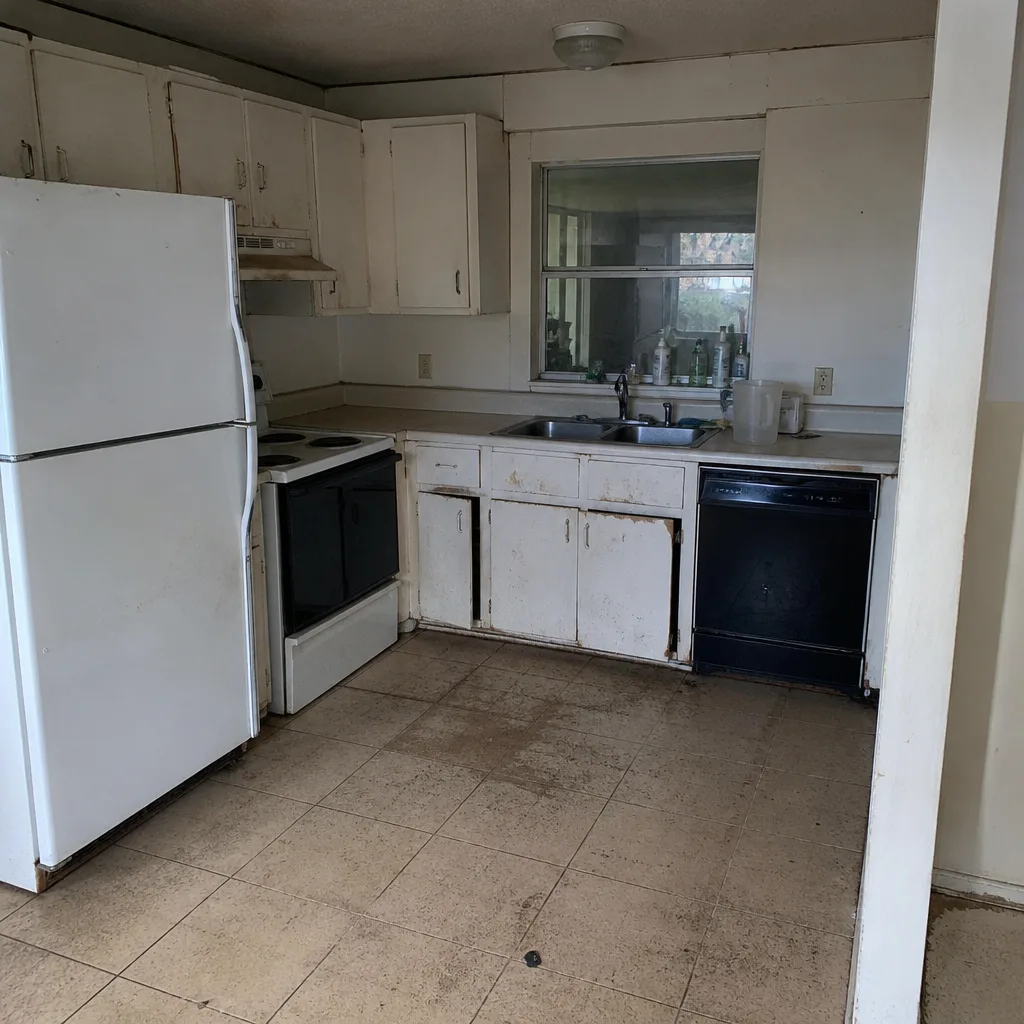 Before
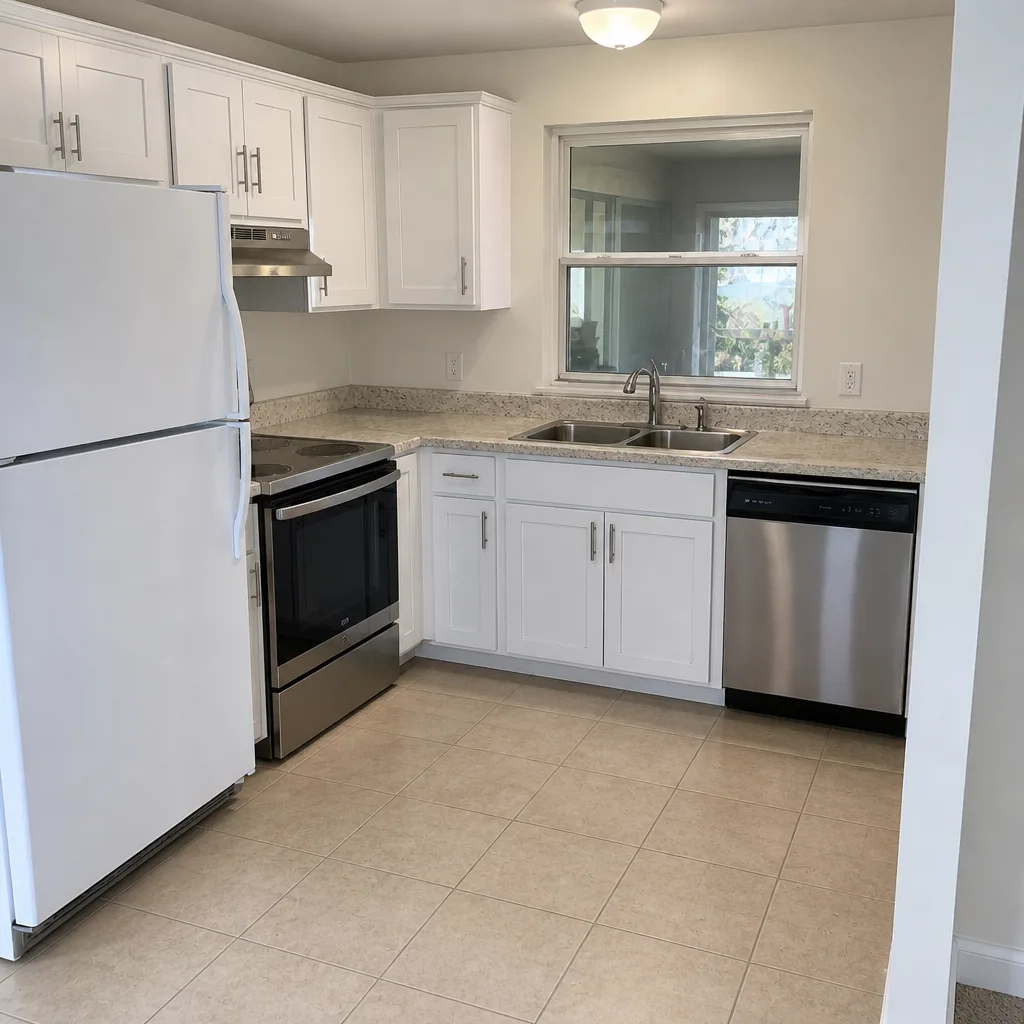 After
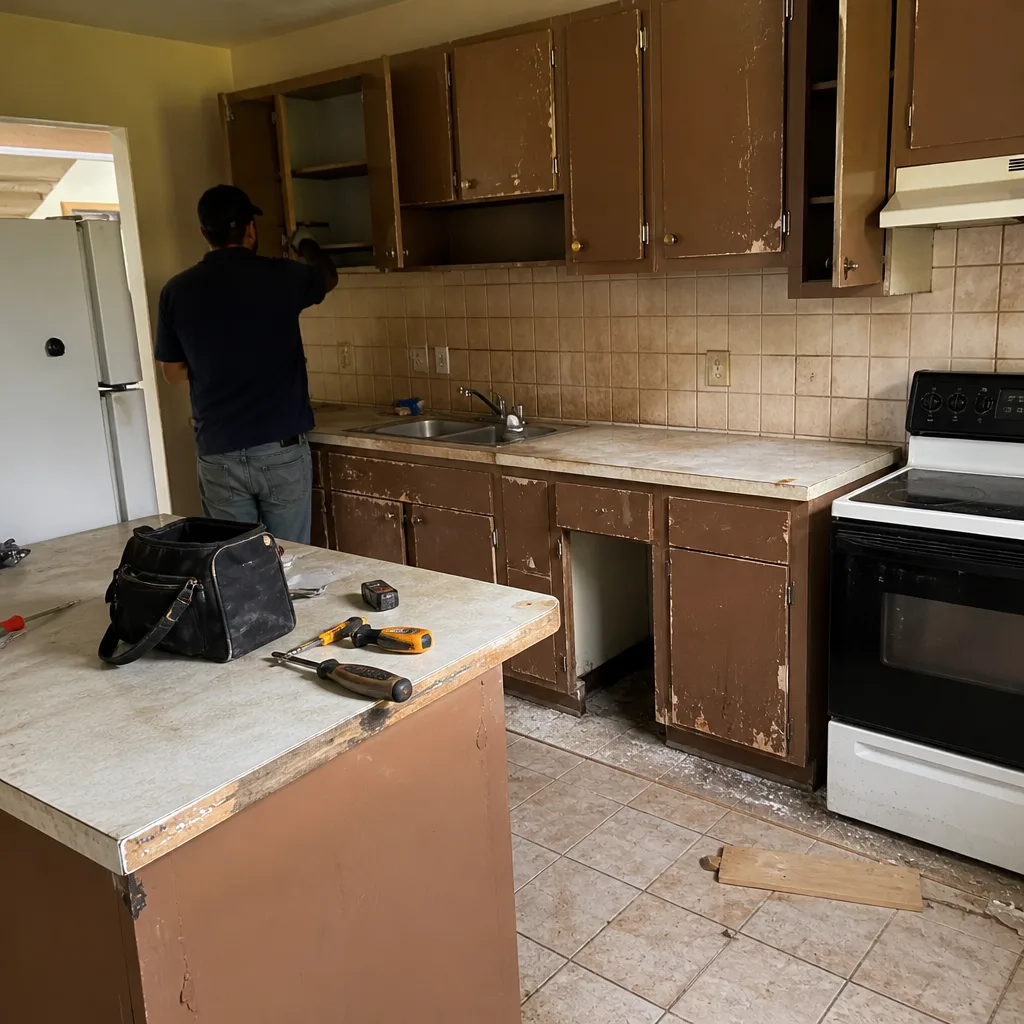 Before
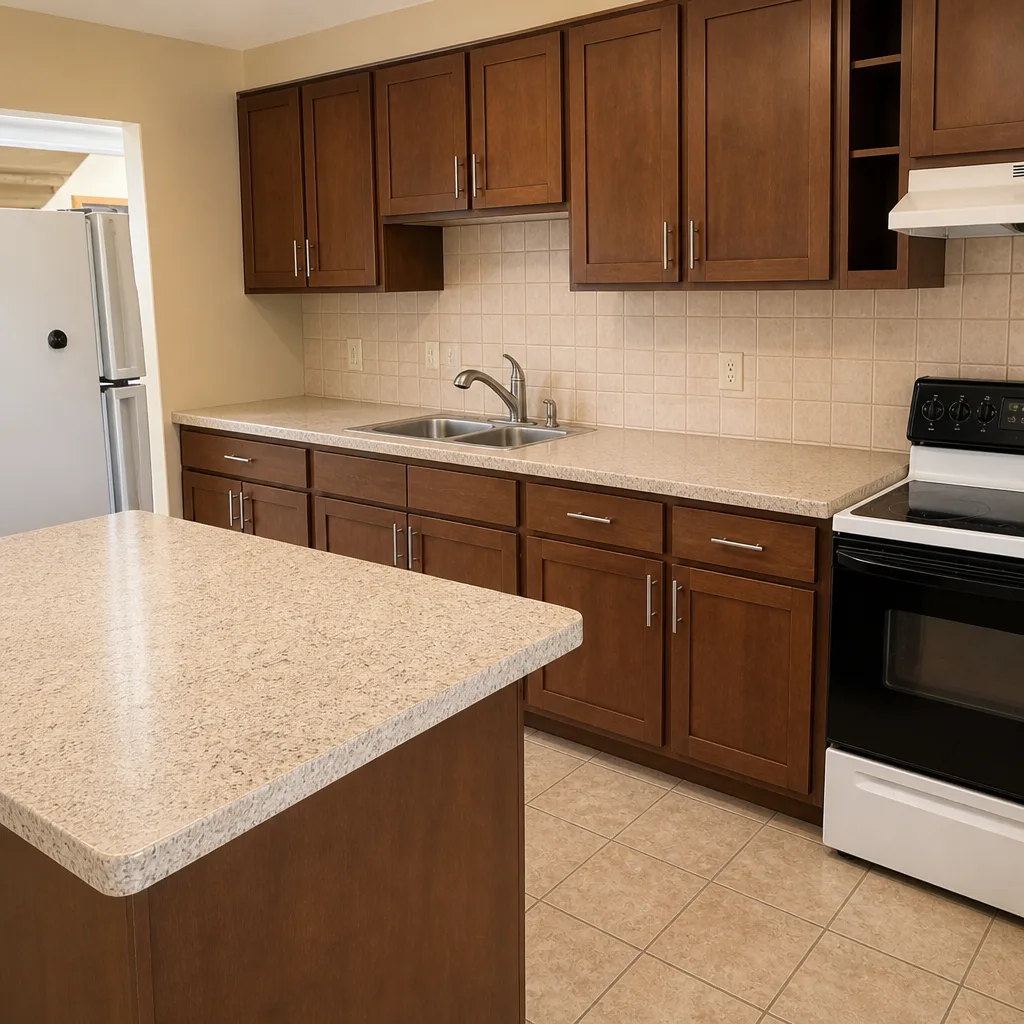 After
When to Call a Professional
Some of this work isn’t a weekend project. If you’re replacing any opening in a condo or high-rise, dealing with mullioned sliders, or swapping windows on a home with stucco or CBS block, the flash and anchor work needs a crew that’s done it before and pulled the permit in Miami-Dade. If your windows fog, whistle, or leak during summer storms, replacing them is worth pricing out, and a free second opinion on an existing written estimate is fair game in any bidding process. If your project is bigger than window swaps (a screened patio enclosure, an ADU, or a home addition), that should go to the same team that handles the framing and permits. Barrett & Sons Construction Homestead offers free estimates in Homestead – call (866) 344-6796. A live person answers the phone, and we’ll walk you through the timeline before you commit to anything.
Frequently Asked Questions
Plan on three to six weeks from signed contract to final inspection for a typical replacement with stocked impact product. Installation itself is usually one day. Custom product, plans review, or condo board approval pushes the total timeline to eight to twelve weeks.
Yes. Miami-Dade requires a permit for window and door replacement, including like-for-like swaps, because of wind-load and product approval requirements. A replacement without a permit is a red flag on resale and can complicate an insurance claim after a storm.
Replacement impact window pricing in Homestead typically runs $700 to $1,400 per opening for standard white vinyl units, and $1,500 to $3,000 or more per opening for semi-custom Andersen or Marvin lines with larger sizes or specialty shapes. Doors and sliders usually run higher than single-hung windows. These ranges vary with wall construction, product line, and glass type. Call (866) 344-6796 for an exact quote – estimates are free.
Yes, but condo projects usually add two to four weeks to the timeline. Board approval, elevator reservation, and work-hour restrictions all factor in. Get the board’s meeting calendar early so the approval doesn’t land behind a month-long wait.
Not unless the scope changes. We issue every price change as a written change order before work happens, so you’ll see the cost, sign off, and the final invoice matches what’s signed. Hidden damage behind the old frame is the most common reason for a change order, and we photograph it before we bring it to you.
Yes. Every eligible job includes the permit pulled and the inspection signed off. The permit inspector works for you, not for us – that’s why we like him, and it’s why the paperwork matters. Pulling permits is part of the price, not an add-on.
The Bottom Line
Window and door replacement in Homestead runs on a schedule that starts long before install day. Permit review in Miami-Dade, product lead time for impact glass, inspection scheduling, and condo or HOA approvals all sit in that timeline, and pretending otherwise is how homeowners end up frustrated. Expect three to six weeks for a straightforward project and eight to twelve for anything custom or in a condo. Pick the product before you sign, ask for the schedule in writing, and make sure your contractor pulls the permit and gets the final inspection signed. When you’re ready to compare timelines on your own home, call (866) 344-6796 for a free estimate. Barrett & Sons Construction Homestead will walk you through the full sequence, in writing, before you commit.
For the trades and services we handle alongside windows and doors in Homestead, take a look at our Barrett & Sons Construction Homestead home, our Driveway & Pavers in Homestead, Fence Installation in Homestead, and Home Additions & ADU in Homestead pages. If your window project overlaps a kitchen or bath, we coordinate the schedule so trades don’t collide.
Written by the team at Barrett & Sons Construction Homestead.