Last updated November 17, 2026

Free written scope consultation - allowances, timeline, and change-order rules on paper before a single trade is scheduled
Fence Installation Warning Signs Every Homeowner Should Know
Most fence disasters don’t start on install day. They start in the first phone call, when a contractor quotes you a number without ever asking where your property line runs, what your soil does after a hard rain, or whether Miami-Dade County wants a permit for the job. That silence is information. If someone can hand you a price before they’ve seen your yard, they’re guessing, and you’ll eat the cost of their guess. This guide walks you through the warnings that show up before anyone digs a hole – the ones a Homestead homeowner can catch and act on, so you can walk away from a bad fit before you’re locked in.
Quick Answer
The biggest warning signs of a bad fence job are: no conversation about permits, a verbal-only or vague price with no written scope of work, no mention of your property survey or easements, a demand for large upfront cash beyond a reasonable deposit, and the high-pressure sales tactics that flood South Florida after a storm. Any one of these is a reason to slow down. Two or more, and you should walk.
Styles & brands we work with
- Kitchen remodeling
- Bathroom remodeling
- Home additions & ADU
- Roofing
- Windows & doors
- Driveway & pavers
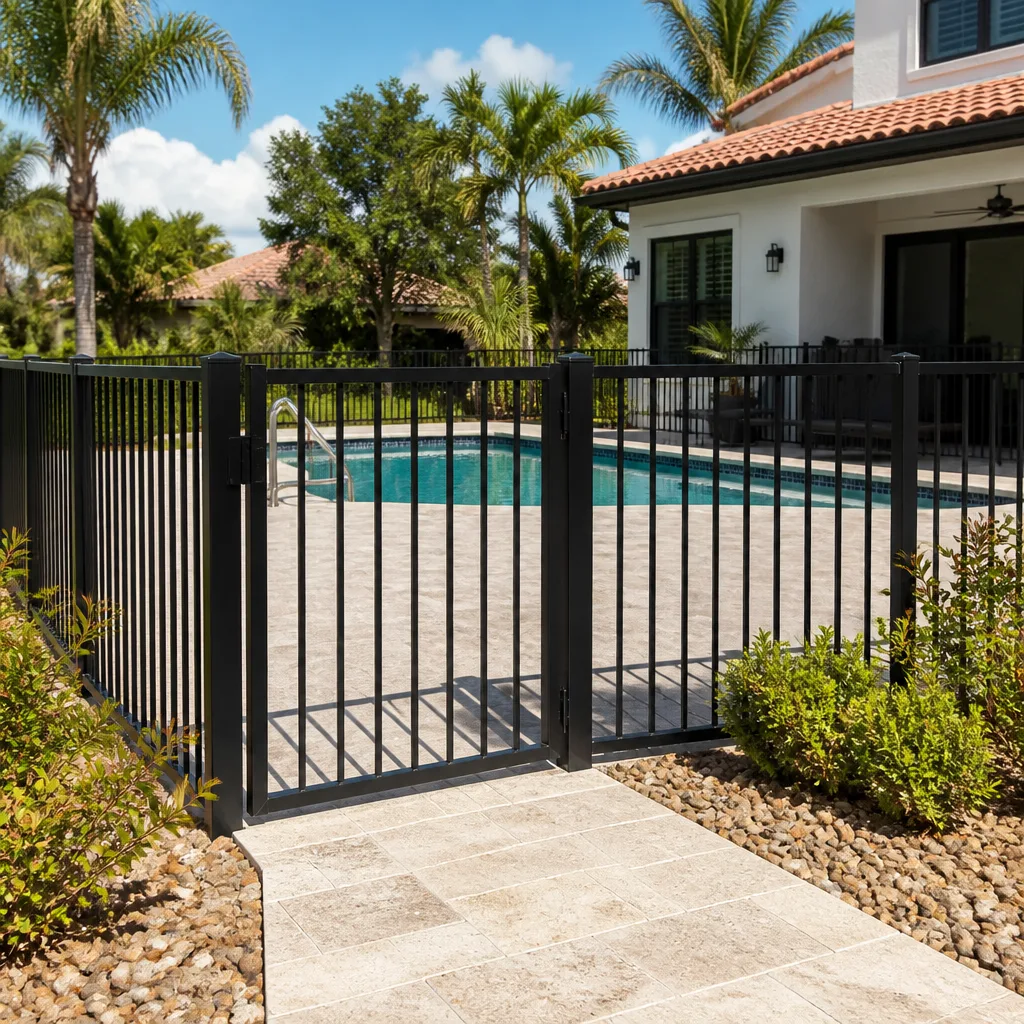
- Fence
Table of Contents
- The Permit Silence That Should Stop You Cold
- A Verbal Quote Is Not a Price – What a Real Scope of Work Contains
- Why Skipping the Survey Conversation Is a Legal Landmine
- Upfront Cash Demands and What a Fair Payment Schedule Looks Like
- Storm-Surge Contractors: The Tactics to Recognize
- How to Vet a Fence Company in About 30 Minutes
- Materials Red Flags: Mystery Brands and Thin Specs
- What a Finished Fence Should Look Like Before You Pay
The Permit Silence That Should Stop You Cold
The single loudest red flag in Homestead and across Miami-Dade County is a contractor who never mentions permits. Fences over a certain height, fences in certain setback or easement zones, and fences on corner lots frequently need a permit and an inspection. When a contractor waves this off with “you don’t need one for a fence,” ask them to put that in writing. They won’t.
Here’s why it matters so much in Homestead specifically. We sit in the high-velocity hurricane zone, and Miami-Dade has some of the strictest wind-load and product-approval rules in the country. A fence installed without the right approval can fail a county inspection – and it doesn’t just fail that day. It sits there as an unpermitted structure on your property record. When you go to sell, the buyer’s inspector or the title search flags it. The county can require you to remove the entire fence at your own expense and start over. The contractor who skipped the permit is long gone.
A company that pulls permits and schedules the inspection is telling you something too: they expect their own work to be looked at, and they’re not afraid of it. The permit inspector works for you, not for them. That’s the sign you want.
- Red flag: “Fences never need a permit.” Ask for it in writing, then walk.
- Red flag: They can’t tell you the wind-load requirement for your zone.
- Good sign: They bring up the permit before you do and explain who pulls it and who pays.
- Good sign: They mention the inspection and that they’ll be there for it.
A Verbal Quote Is Not a Price – What a Real Scope of Work Contains
When a contractor quotes a fence price over the phone without seeing your property, they have already told you the number is a placeholder. It’s the number that gets them in the door. The real number arrives once they’re standing in your yard and you’ve already spent two weeks imagining the job done. That gap between the phone price and the final invoice is where homeowners get hurt.
A written scope of work is the antidote. The problem is most homeowners don’t know what should be in one. Here’s what a fence quote should specify, line by line:
- Post depth and spacing. Posts typically go a minimum of 24 inches below grade, deeper for gates or in loose South Florida soil. If the depth isn’t written, ask.
- Concrete mix and quantity per post. “Concrete” alone is not a spec. Fast-setting vs. standard mix, and how much per hole, affects how the fence stands up to wind.
- Panel spacing and rail count. Two rails or three? What’s the gap between pickets? These change both price and how a gate swings.
- Hardware grade. Galvanized or stainless fasteners. In our salt-heavy air near the coast, cheap hardware rusts first and shows it.
- Material brand and style number. A named product you can look up, not “vinyl fence.”
- Gate hardware and post reinforcement. Gates are the first thing to sag. The quote should say how they prevent it.
- Removal and haul-away of the old fence. Written in or written out?
- Permit and inspection line items. Who pulls, who pays, who’s on site for inspection.
If a quote is one line – “Fence, 150 ft, $X” – that’s not a price. It’s an opening offer with the details withheld. Fence Installation in Homestead from a company that puts scope and allowances in writing means the number you agree to is the number you pay.
Why Skipping the Survey Conversation Is a Legal Landmine
Fences get built in the wrong place all the time, and the person who pays for a wrong-location fence is you, not the contractor. If your new fence crosses onto a neighbor’s yard or sits on a recorded easement, the fix is on your dime. The contractor got paid and moved to the next job.
This is why a fence company that never asks about your property survey, plat, or boundary stakes is waving a flag. Some properties in and around Homestead have utility easements at the rear or side line, drainage easements, or old fence lines that were never correct to begin with. A professional wants to know before digging. They want to know if there’s a survey on file, whether stakes are present, and whether the line has been recently confirmed.
You don’t need a brand-new survey on every job, but the conversation should happen. Ask any company this question directly: “How will you confirm my fence is on my property?” A vague answer is your warning sign. A company that says “we build to the stakes, and if there are no stakes, you should get the line marked before we start” is telling you the truth, even when it delays the job.
- Red flag: No mention of boundary, stakes, survey, or easements.
- Red flag: “We’ll just match the old fence.” The old fence may have been wrong.
- Good sign: They ask you to locate the survey or confirm stakes before install day.
- Good sign: They mention utility easements and drainage lines.
Upfront Cash Demands and What a Fair Payment Schedule Looks Like
A request for a large deposit – say, half or more of the total bill before a single post goes in the ground – protects the contractor and no one else. Fence materials are a real cost, so a reasonable deposit is fair. Fifty percent cash before the truck pulls up is not. It’s leverage that leaves you with no remedy if the crew disappears or the work goes bad.
A sensible payment structure looks like this:
- A modest deposit at contract signing, enough to cover initial material orders and scheduling.
- A progress payment when posts are set and inspected, or at a defined midpoint.
- Final payment on completion, after you’ve walked the fence and the punch list is cleared.
Notice what every step has in common: money moving against work already done, not work promised. If the only way a contractor will show up is to have all your cash first, you have no leverage once they do. Add to that the cash-only-with-no-receipt request, and you can’t even prove what you paid if it goes sideways.
Watch for the discount-for-cash pitch too. “I’ll knock 10 percent off if you pay cash today.” That’s a pressure tactic dressed as a favor. A real price stands on its own and arrives in writing with the scope.
Storm-Surge Contractors: The Tactics to Recognize
After a major storm or hurricane moves through South Florida, contractors pour in from out of state, and some of them are trouble. The fence panel on your back fence may be leaning, and suddenly you have a dozen people offering to fix it today, for cash, right now.
The pressure tactics are predictable. Here’s what we’ve seen in Homestead and nearby communities after storm events:
- The “we’re working your street today” pitch. They claim a neighbor hired them, so you get a special rate. Verify the neighbor. Most of the time there isn’t one.
- Urgency on the price. “This quote is only good while I’m on site.” A legitimate price doesn’t evaporate when the truck leaves.
- No local address, no local license. Ask where they’re based, and ask to see the license. If it’s out of state or won’t show, move on.
- Big deposit for “materials before prices go up.” Storm materials may get more expensive, but that’s no reason to hand over half your cash before work starts.
- No written contract. Just a handshake and a promise. After a storm, this is the most common way homeowners lose money.
The fast vetting move: ask three questions – “What’s your license number, what’s your local address, and can I have that quote in writing with a scope of work?” A legitimate company answers all three without hesitation. A storm-surge operator stalls on at least one.
How to Vet a Fence Company in About 30 Minutes
You don’t need a background investigation. You need a short, specific conversation, and a few things to look up. Here’s the sequence we’d run if we were hiring someone for our own fence:
- Look up the license and the address. A real company publishes both. If you can’t find them, that’s the answer.
- Ask for three local references whose fences are at least two years old, not just last month’s happy customers.
- Ask directly: do you pull the permit and handle the inspection? If the answer is “not needed,” walk.
- Ask for the written scope of work with post depth, concrete spec, hardware grade, and material brand.
- Confirm the payment schedule in writing. No large cash upfront.
- Confirm the warranty in writing. What’s covered, for how long, and who answers the phone when something’s wrong.
A few minutes of vetting beats a season of regret. In Homestead, where hurricane season is real and fences take the brunt of wind and rain, the difference between a company that does this correctly and one that doesn’t shows up in year three, not year one. Barrett & Sons Construction Homestead home is a good place to see how a local company presents its credentials before you call anyone.
Materials Red Flags: Mystery Brands and Thin Specs
“Premium vinyl fence” is not a specification. It’s a marketing phrase. The brand and style number matter, because two fences that look alike at 10 feet can be wildly different in wind resistance, color retention, and how they hold up to a decade of South Florida sun and salt air.
Ask for the brand, the style, and the warranty document. Reputable manufacturers like Bufftech and ActiveYards publish product specs and warranties you can read yourself. If a contractor can’t or won’t name the brand, you’re being sold a commodity, and you won’t know which one until it’s on your property. If a quote lists hardscape materials alongside fencing, named brands like Belgard appear in quotes, because the products are real and verifiable.
- Red flag: “Commercial grade” with no brand and no spec.
- Red flag: No written manufacturer warranty provided.
- Good sign: Named brand, style number, and warranty in the quote.
- Good sign: They talk about wind rating and hardware grade before you ask.
What a Finished Fence Should Look Like Before You Pay
Final payment is your last piece of leverage, so use it. Before you hand over the last check, walk the whole fence and check for the things that will bug you for years if you miss them now.
- Posts are plumb. Check both directions with a level. A leaning post only gets worse.
- Panels are level and evenly spaced. Look down the line from one end.
- Gates swing clean and latch without lifting. Open and close each one several times.
- No gaps at the bottom unless they were in the scope. A gap you didn’t order is a shorter fence.
- Hardware is what was specified. Galvanized or stainless, not whatever was in the truck.
- Site is cleaned. No concrete splatter, no leftover posts, no torn-up lawn.
- Permit signoff is in hand if a permit was pulled. Don’t accept “it’s coming.”
When you’re thinking about the whole property scope, not just the fence, Driveway & Pavers in Homestead and Home Additions & ADU in Homestead are the related jobs where the same written-scope discipline pays off.
Common Mistakes to Avoid
- Accepting a phone quote as a price. It’s not. Without a visit and a written scope, the number is a guess that gets corrected at your expense. A contractor in Homestead who quotes without asking about permits or surveys has already told you they’re guessing.
- Assuming fences don’t need permits. In Miami-Dade, plenty do. An unpermitted fence can fail at resale and force removal at your cost. Always ask, and get the answer in writing.
- Building to the old fence line without verification. The old fence may have been wrong for years. Match the survey, not the neighbor’s fence.
- Paying a large deposit in cash. A modest deposit is fair. Half the total before work starts is leverage against you. Get a receipt for every dollar.
- Hiring after a storm without vetting. Storm-surge operators count on urgency. Give yourself 30 minutes to check the license and address before you sign anything.
- Skipping the material brand on the quote. “Premium vinyl” is a phrase, not a product. Ask for brand, style number, and warranty in writing.
- Paying the final invoice without a walkthrough. Inspect plumb posts, even panels, clean gates, and permit signoff before the last payment leaves your hand.
See the difference
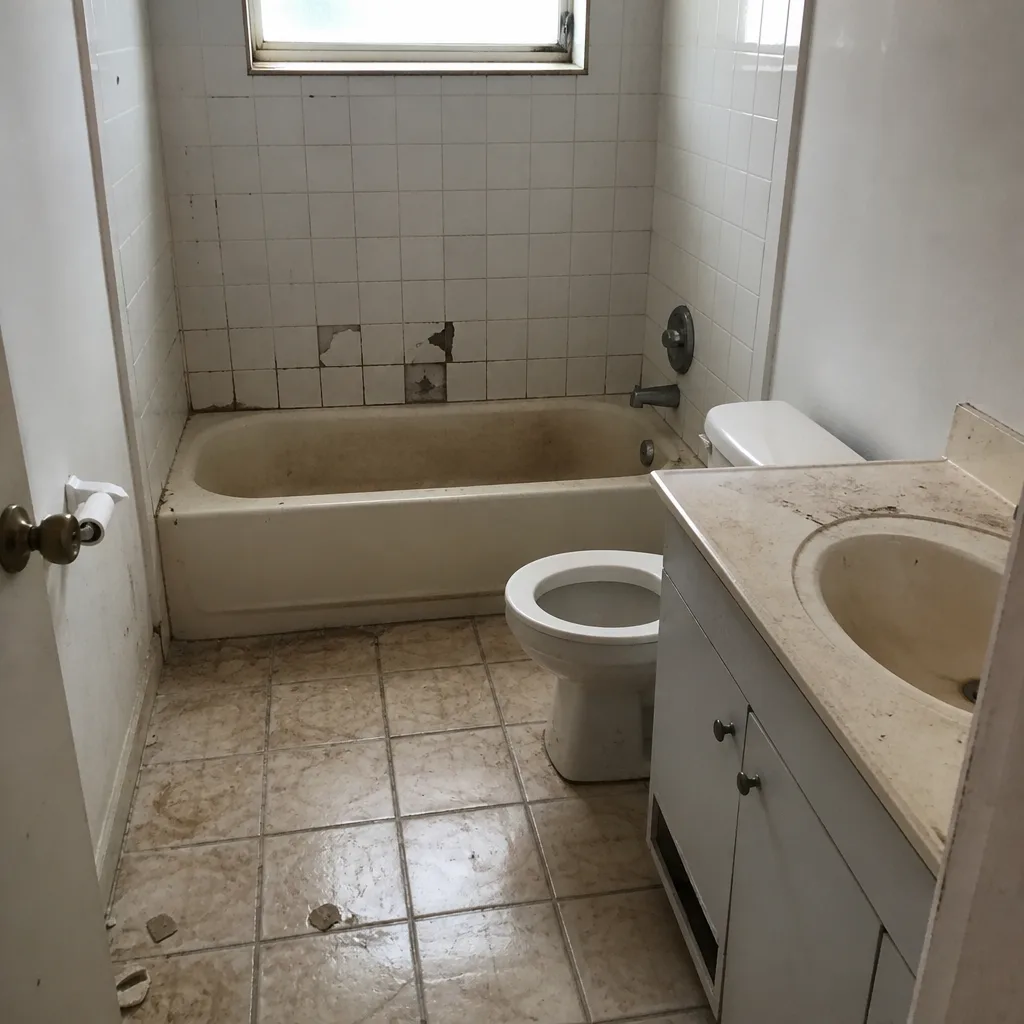 Before
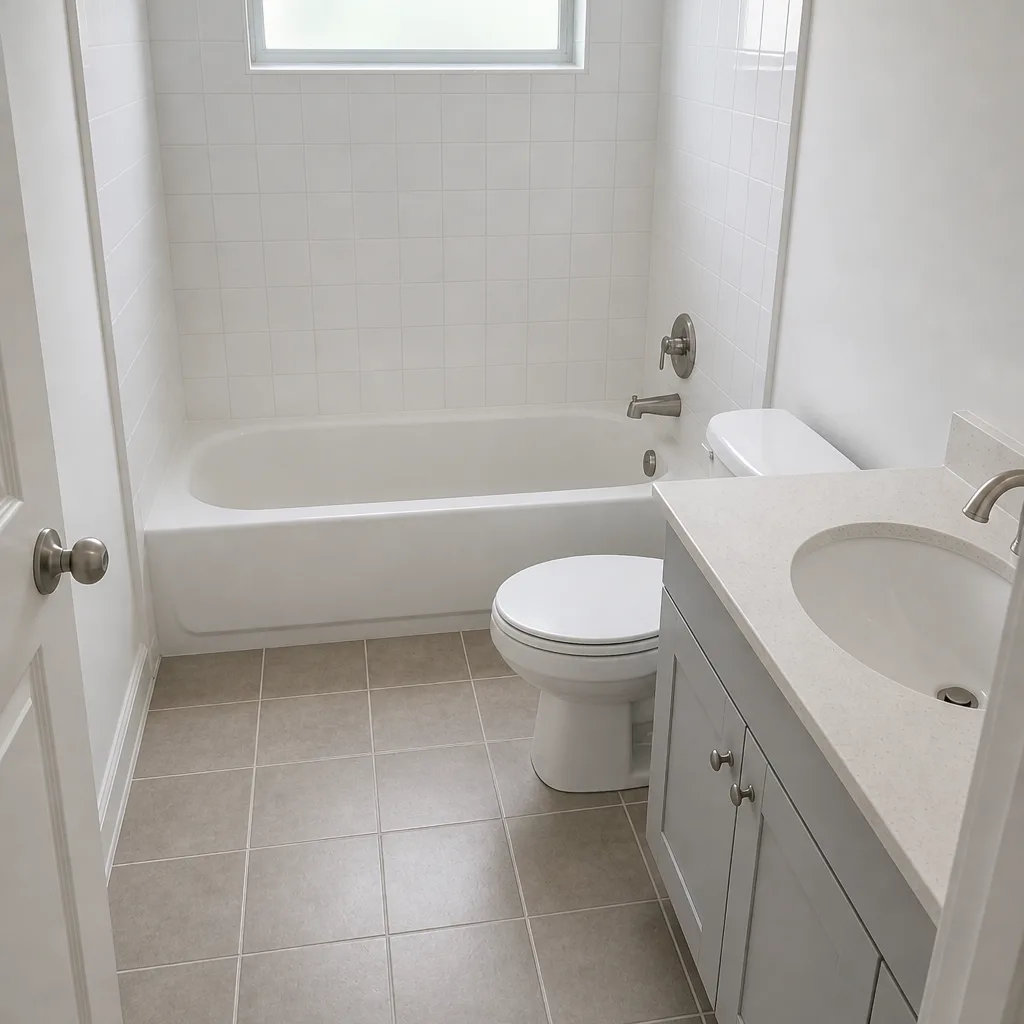 After
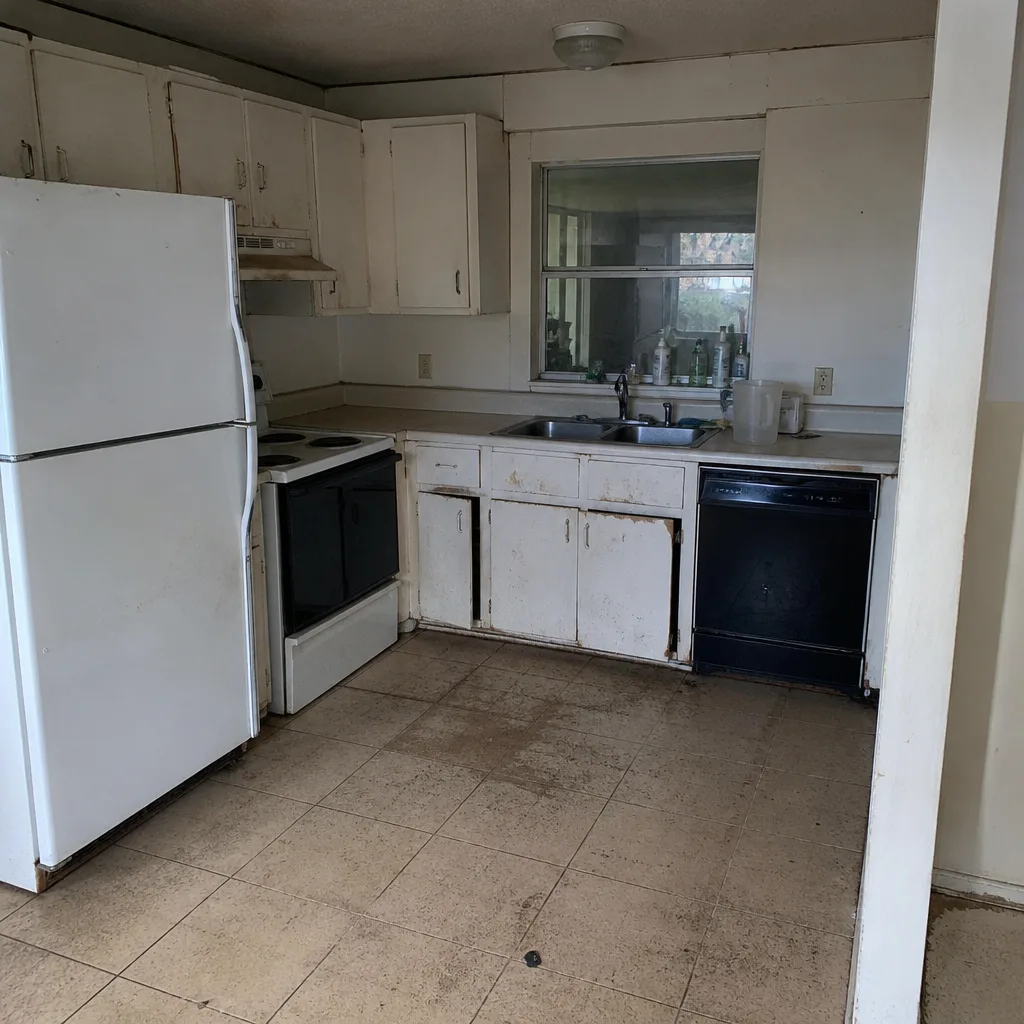 Before
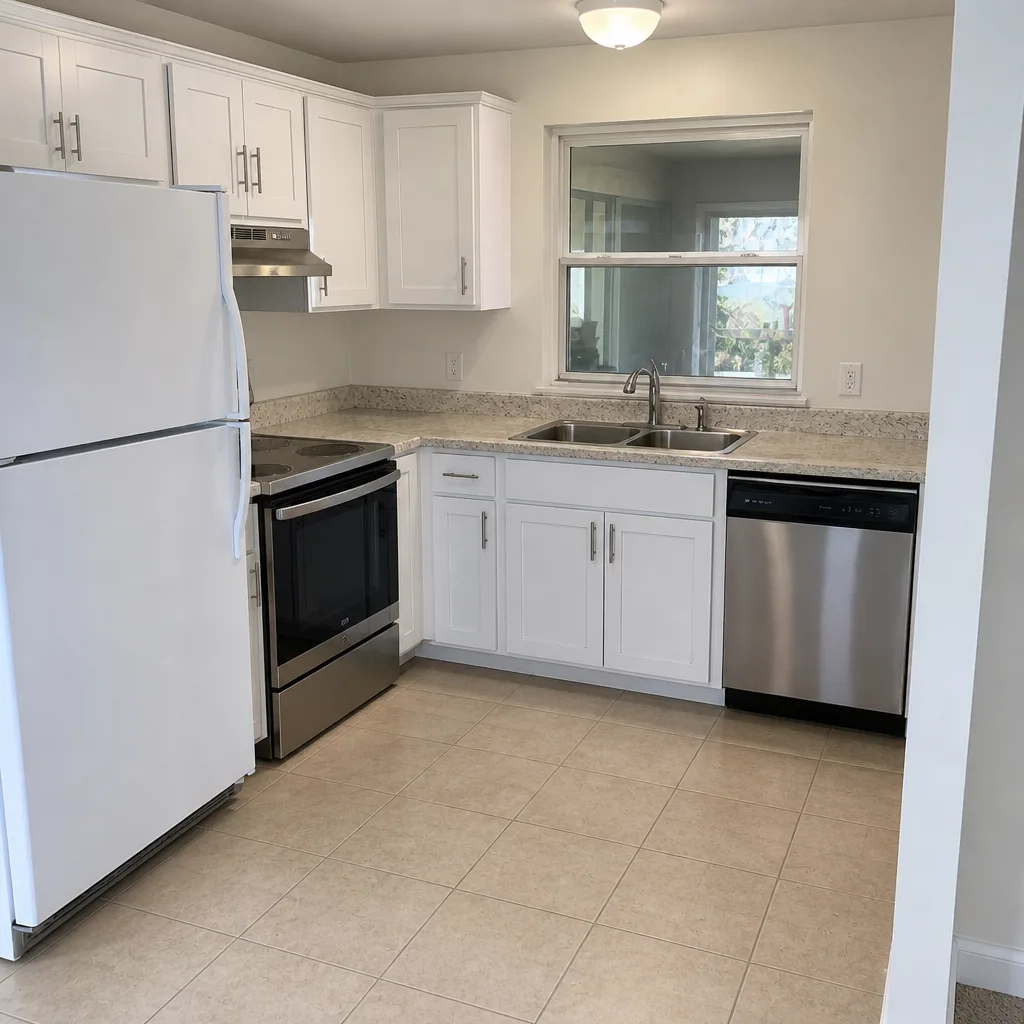 After
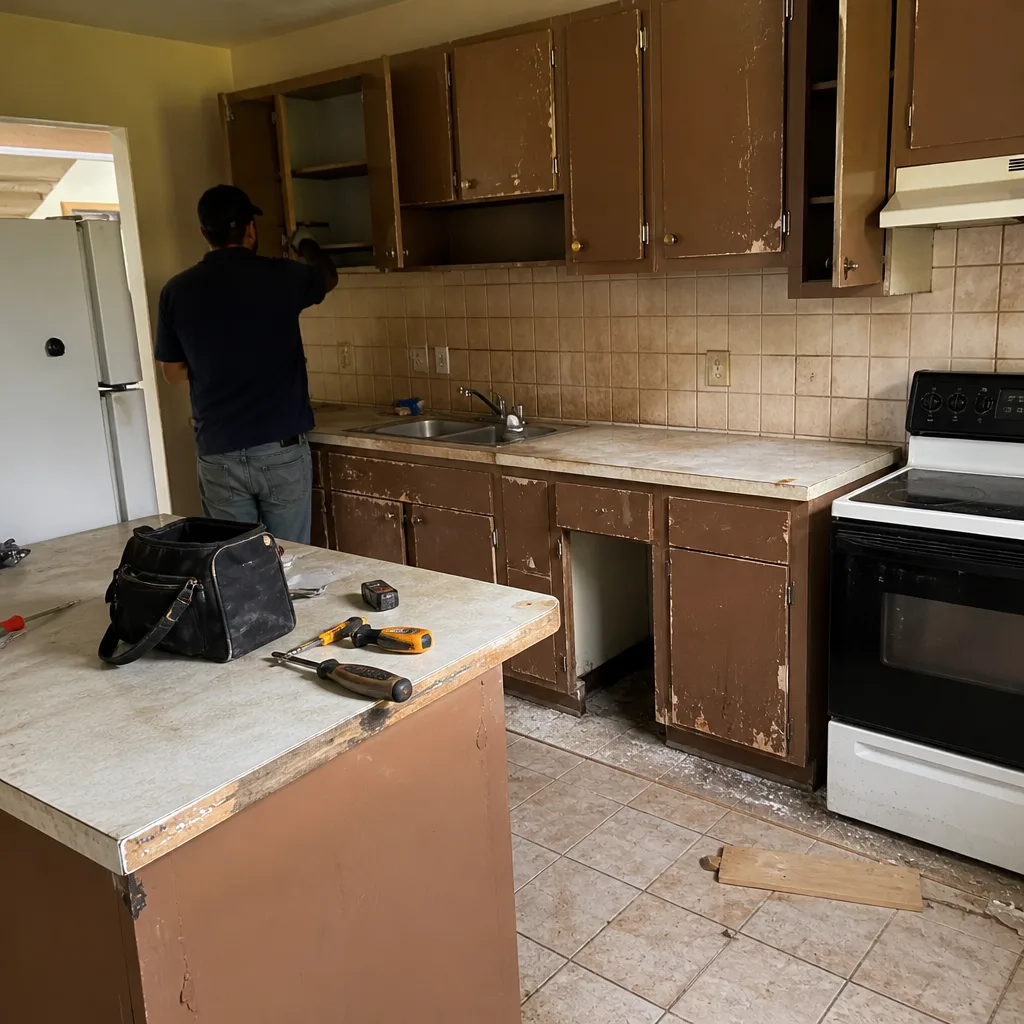 Before
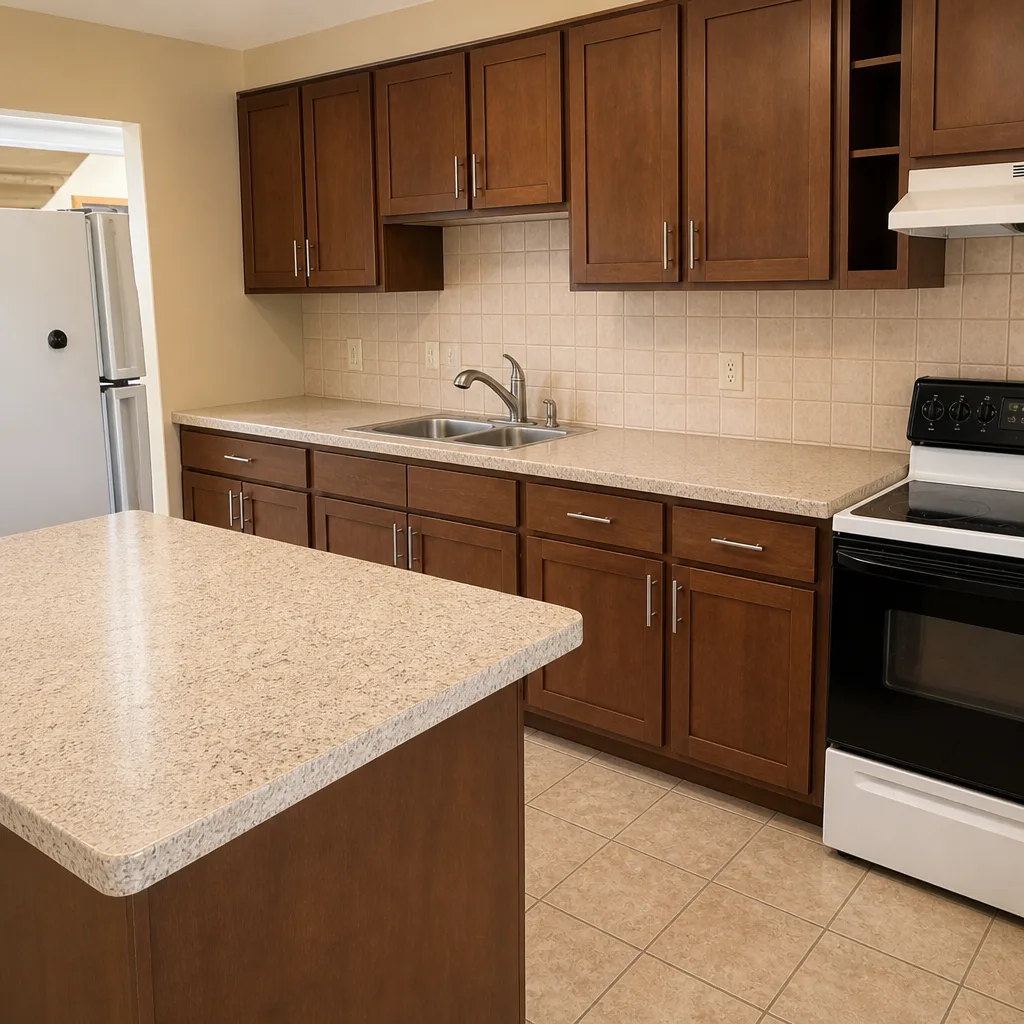 After
When to Call a Professional
Some fence work is genuinely worth a professional call, not a weekend project. Corner lots, fences near easements or drainage lines, anything that needs a permit and inspection, tall privacy fences in the high-wind zone, and any install where you’re unsure of your property line – those are jobs where a mistake costs more than the fence. If your existing fence is leaning after a storm, if a gate won’t latch, or if you’re looking at a new install and haven’t found the survey, that’s when it’s worth a conversation. Barrett & Sons Construction Homestead offers free estimates in Homestead – call (866) 344-6796. Our technicians have up to 28 years of experience, and every price change on your job arrives as a written change order before work proceeds.
Frequently Asked Questions
Sometimes, yes. Fence permits depend on height, location on the lot, and whether the fence sits in a setback or easement zone – and Miami-Dade has strict rules in the high-velocity hurricane zone. The right answer is “have the conversation and get it in writing,” not “fences never need permits.” Call (866) 344-6796 – estimates are free and we’ll tell you what applies to your property.
Cost depends on linear footage, material (vinyl, aluminum, wood, chain link), gate count, old fence removal, and whether a permit is required. That’s exactly why a phone quote is worthless. A written scope of work with post depth, concrete spec, hardware grade, and brand gives you a real number. Call (866) 344-6796 for a free estimate with a written line-item quote.
It shouldn’t change without your sign-off. On a well-run job, every scope change or allowance change is a written change order issued before the work happens – which is exactly how Barrett & Sons operates. When you hear “we’ll work out the difference later,” that’s a warning sign. Get it in writing. Call (866) 344-6796 for a free estimate.
On any job where a permit is required, the permit gets pulled and the inspection gets signed – and that’s true across eligible work, not just fences. If a contractor tells you permits are optional or not needed when they are, the risk lands on you at resale. Call (866) 344-6796 to schedule a free estimate.
Most residential fence jobs in Homestead run 1 to 3 days on site, depending on linear footage, terrain, and gate hardware, plus whatever lead time exists for materials and permit approval. The honest time cost is in getting the survey and permit right before digging, not in the install itself. Call (866) 344-6796 for a free estimate and a realistic timeline.
Slow down before you sign. Storm-surge operators count on urgency to skip the license check and the written contract. Ask three questions: what’s your license number, where are you based, and can I have a written scope of work? If they stumble on any of those, move on. Call (866) 344-6796 for a free estimate from a local company with published credentials – the estimate costs you nothing.
The Bottom Line
The warning signs that a fence job will end badly almost never show up during install day. They show up in the first conversation – or the silence around permits, surveys, and written scope. A contractor who asks about your property line, talks permits before you do, names the brand and style, puts the scope and allowances in writing, and asks for a reasonable deposit is telling you something. So is one who quotes a phone number and moves on. Read the conversation, not the brochure. And if you want a free estimate in Homestead from a company that does the conversation right, call (866) 344-6796.
Written by the team at Barrett & Sons Construction Homestead.