Last updated November 17, 2026




Free written scope consultation - allowances, timeline, and change-order rules on paper before a single trade is scheduled
Fence Installation Troubleshooting: Common Problems and How to Fix Them
Tightening a sagging gate hinge is a ten-minute job. Rebuilding a gate post that rotted at the soil line because nobody addressed the drainage is a half-day job. And the two look identical until you dig. That’s the trouble with fence problems in South Florida: the symptom you can see – a lean, a sag, a rattle – is rarely the failure you’re actually dealing with. Most homeowners spend money fixing the wrong thing, then wonder why the fence is leaning again by the next rainy season. This guide breaks down the four root causes behind almost every bad fence in Homestead, shows you how to tell them apart before you spend a dollar, and explains when a fix holds and when the footing has to come out.
Quick Answer
A leaning, sagging, or rattling fence almost always traces to one of four root causes: post failure from rot or corrosion, panel failure from warping or failed fasteners, soil settling around an undersized footing, or drainage that keeps standing water at the post base. Identify which one you actually have before repairing anything, because re-plumbing a post that’s rotting at the soil line buys you a season at most. In Homestead’s humidity and heavy summer rain, post and drainage failures account for most of what we see.
Styles & brands we work with
- Kitchen remodeling
- Bathroom remodeling
- Home additions & ADU
- Roofing
- Windows & doors
- Driveway & pavers
- Fence
Table of Contents
- How do you diagnose a fence problem before you fix it?
- Post failure versus panel failure versus settling: telling them apart
- Why do gates fail faster than fence panels in Homestead?
- Can a leaning post be re-plumbed, or does the footing need to come out?
- Standing water and the drainage problem hiding under every lean
- Storm damage, borderline fences, and what insurance will actually cover
- Common mistakes to avoid
- Frequently asked questions
How do you diagnose a fence problem before you fix it?
You diagnose a fence problem by separating the symptom from the structure. The lean is the symptom. The structure is the post, the footing, the panel, and the ground around it. Start at the base of the worst-leaning post and work up. There are four quick checks that tell you most of what you need to know, and you can do all of them with a screwdriver and your hands.
- The push test. Lean your weight against the leaning post at shoulder height. If the post moves but the panel stays put, the post is failing. If the post holds firm but the panel racks and wobbles, you have a panel or fastener problem.
- The probe test. Push a small screwdriver into the post about an inch above the soil line. If it sinks in with light pressure, the wood is rotting from the inside out. A post can look sound on the surface and be hollow at the base.
- The water test. Pour a bucket of water at the post base after the next dry spell and watch where it goes. If it pools and sits for more than a few minutes, you have a drainage problem feeding the failure.
- The alignment check. Sight down the fence line from one end. If the top of the fence dips in a smooth curve, the soil is settling. If one post leans while its neighbors stay straight, that post’s footing or base is the problem.
Write down what each check tells you before you call anyone or buy anything. In our experience, a homeowner who walks a fence line in Homestead with these four checks stops half the unnecessary repairs we used to see – because the fix they were about to buy for the panel was never going to hold with a rotting post two bays over.
Post failure versus panel failure versus settling: telling them apart
These three failures look similar on the surface and get confused constantly. Here’s how each one actually behaves, and what it costs you to get it wrong.
Post failure
Post failure is the most common cause of a leaning fence, and it splits into two types. Wood rot starts at the soil line where moisture never dries out, hollowing the post from the bottom up. Metal corrosion happens on steel and aluminum posts at the base weld or where the post meets concrete, especially in coastal pockets of South Florida where salt air speeds the process. Both types show the same tell: the post moves but the panel holds its shape. Fasteners and brackets are fine, the post simply can’t carry the load anymore.
Panel failure
Panel failure is about the boards, the rails, or the fasteners, not the posts. You’ll see warped pickets that pull out of their rails, rails that sag between posts, or fasteners that have backed out and rusted through. Wood panels in Homestead’s humidity warp faster than in drier climates because the boards take on moisture unevenly – the sun-facing side dries while the shaded side stays damp, and the board cups. If the posts are solid and the panel is what moves, you can usually replace the panel section without touching the footings.
Soil settling
Settling is a ground problem, not a fence problem. It happens when a post footing was dug too shallow or set in loose fill, and the soil around it compresses over time – often after heavy rain. The giveaway is a smooth dip in the fence line rather than one crooked post. Settling in newer Homestead subdivisions built on graded fill is common; if your whole fence line sags in a gentle wave, no amount of re-plumbing the posts will fix it. The footings need to be re-set deeper.
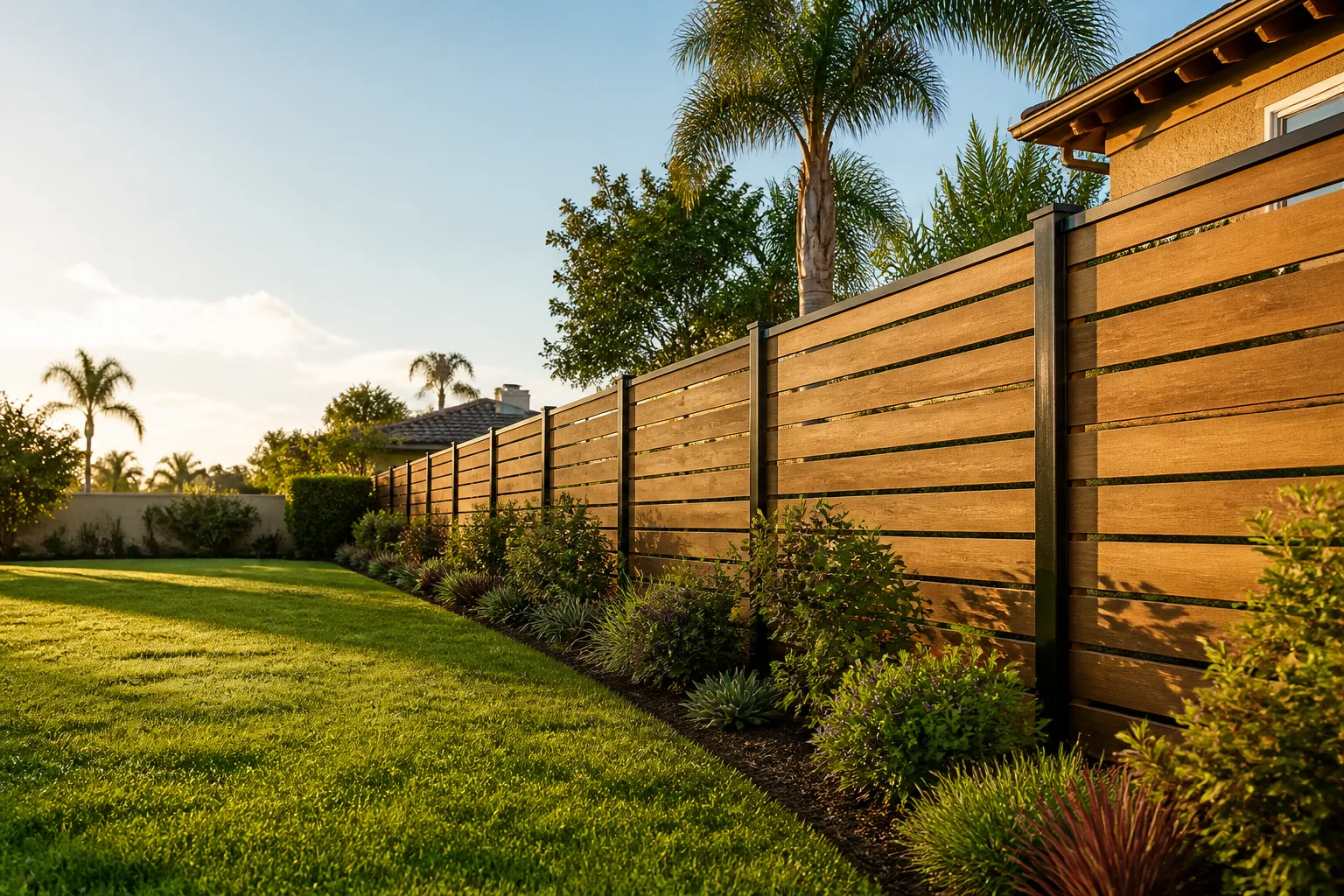
If you’re still deciding what fence system you want in the first place, our Fence Installation in Homestead page covers materials by trade and what holds up in this climate.
Why do gates fail faster than fence panels in Homestead?
Gates fail faster than straight panels because they carry their own weight on a hinge instead of being held by a line of posts. Every time you open and close the gate, you load the hinge post sideways. Add Homestead’s humidity, and that hinge post is under constant stress while its base is sitting in damp soil. The failure sequence is predictable, and it runs in this order:
- Fasteners loosen first. The hinge screws back out a fraction of an inch at a time. You don’t notice until the gate starts to rub.
- Water gets into the screw holes. Once the fasteners loosen, rain and irrigation water seep into the holes in the hinge post and start rotting the wood from the inside.
- The hinge post leans. The post loses strength at the base while the gate keeps loading it. The post tips away from the gate’s swing.
- The gate sags and drags. By the time the gate scrapes the ground, the post rot is usually advanced and the fix is no longer a hinge adjustment.
The early signs are subtle. A gate that sticks a little in wet weather, a hinge you can wiggle by hand, a gap that opened at the top corner. Catch it at step one and it’s a screwdriver job. Catch it at step four and you’re re-setting a hinge post. This is why we tell Homestead homeowners to check their gate hardware every time they check their smoke detectors – twice a year, in spring and fall. If you’re adding a gate as part of a larger project, our Home Additions & ADU in Homestead page explains how fence lines and access points get planned around new construction.
Can a leaning post be re-plumbed, or does the footing need to come out?
Sometimes yes, sometimes no, and the answer comes down to why the post is leaning. A post that has tilted because the soil around it loosened can often be re-plumbed and re-set. A post that has rotted at the soil line cannot – you’re re-plumbing a post that has no strength left to hold the correction. Here’s how to decide before you spend money on either approach.
Re-plumb in place if:
- The probe test comes back solid (the screwdriver doesn’t sink in)
- The lean is recent and you can trace it to a specific event like a storm or a new irrigation line
- The post is set in concrete that’s still intact
- The panel itself is in good shape
Pull the footing and start over if:
- The post is soft at the soil line or hollow when you probe it
- The concrete collar around the base is cracked or the post has pulled loose from it
- The footing was dug too shallow in the first place and there’s no real anchor left
- More than one post in the same section is leaning
The re-plumb approach usually involves bracing the post, digging out one side of the footing, and re-packing it plumb against fresh concrete or gravel. It works, but it only works on a healthy post. Pulling the footing and starting over is the more durable fix – and in Homestead, where the rain table is high and the water table rises fast in summer, the deeper footing is what keeps a fence standing through a wet season. A contractor who tells you they can re-plumb a rotting post is selling you a season of patience you shouldn’t have to buy.
Standing water and the drainage problem hiding under every lean
If you only remember one thing from this guide, remember this: standing water around a post base is the accelerator on every other fence failure. A post that could have lasted fifteen years in dry soil rots in five when its base sits in a puddle twice a week. In Homestead, where summer thunderstorms drop an inch of rain in an hour and the ground can stay saturated for days, drainage is the single biggest factor in how long a fence lasts.
Here’s how to spot the drainage problem before it’s a fence problem:
- Pooling after rain. Check the post bases within an hour of a storm. Water that’s still standing an hour after the rain stops is water that’s soaking into your posts.
- Sunken soil at the base. A donut-shaped depression around a post means the soil has washed out or compacted, and water is pooling there.
- Green growth at the base. Algae, moss, or a dark water stain line on the lower six inches of a post is a drainage tell. In Homestead’s humidity it happens fast.
- The lot slope. Walk your property line after a rain and watch which way the water runs. If your fence line sits in a low spot or catches runoff from a neighbor’s yard, drainage is the root cause, not the fence.
The fix isn’t complicated – regrading the soil, adding a shallow French drain, or simply re-setting the footing so the post sits slightly above grade – but the diagnosis has to come first. If you rebuild a fence on soggy ground, the new fence fails on the same schedule as the old one. That’s why, on any fence repair in Homestead, we look at drainage before we look at the fence. If your drainage issues are really a paving or grading problem, our Driveway & Pavers in Homestead page is where that conversation continues.
Storm damage, borderline fences, and what insurance will actually cover
Storm damage claims are where the difference between a properly installed fence and a borderline one shows up in your wallet. After a named storm, an insurer asks one question: was the fence in reasonable condition before the storm, or was it already failing? A fence that had a slight lean and a rotten post before the storm gets adjusted down or denied, because the adjuster can usually tell. A fence that was plumb, sound, and properly footed gets treated as storm damage.
What the difference looks like after a storm:
- A properly installed fence tends to fail at the panels first – a section blows down, pickets break, a gate swings open and racks. The posts stay in the ground and stay plumb.
- A borderline fence fails at the posts. The whole line lifts, tilts, or lays over, because the footing never had enough depth or the post was already soft at the base.
- A fence with drainage problems shows the damage unevenly – one section down, others leaning, and water stains at the base of the ones still standing.
Before you file, take dated photos of every post base and the overall fence line, and keep any receipts from prior repairs. If your fence was already borderline, the honest answer is that a repair may cost less than fighting a partial claim. This is also where the permit question matters more than most homeowners expect. If your fence was installed without a permit and the county has no record of it, an insurer can use that as grounds to push back on a storm claim. Our Barrett & Sons Construction Homestead home page covers what we pull permits on and how inspections work, because the permit inspector works for you on this, not against you.
Common Mistakes to Avoid
- Re-plumbing a post that’s rotting at the base. It looks like a fix and buys you a season, but the lean comes back because the post has no strength left to hold the correction. Probe first, fix second.
- Replacing a panel over a failing post. A new panel on a rotting post is money thrown at the wrong end of the fence. Pull the post, then decide on the panel.
- Ignoring drainage because it’s “not a fence problem.” Standing water at a post base is the single biggest accelerator of fence rot in Homestead. Fix the water or the new fence fails on the same schedule as the old one.
- Choosing a fence material without checking the soil. A hollow vinyl post set in Homestead’s sandy fill needs a deeper, wider footing than the same post set in dense clay upstate. Material choice without a soil check is a guess.
- Skipping the permit to save time. An unpermitted fence can complicate a storm claim and a future home sale. If the job is eligible, pull the permit.
- Adjusting the hinges when the hinge post is the problem. Tighten the screws on a sagging gate and you’ll be tightening them again in a month. Check the post before the hardware.
- Accepting a verbal price on a fence repair. Fence repairs love to grow once the posts are dug. Get the scope and any price change in writing before work starts, not at the end.
See the difference
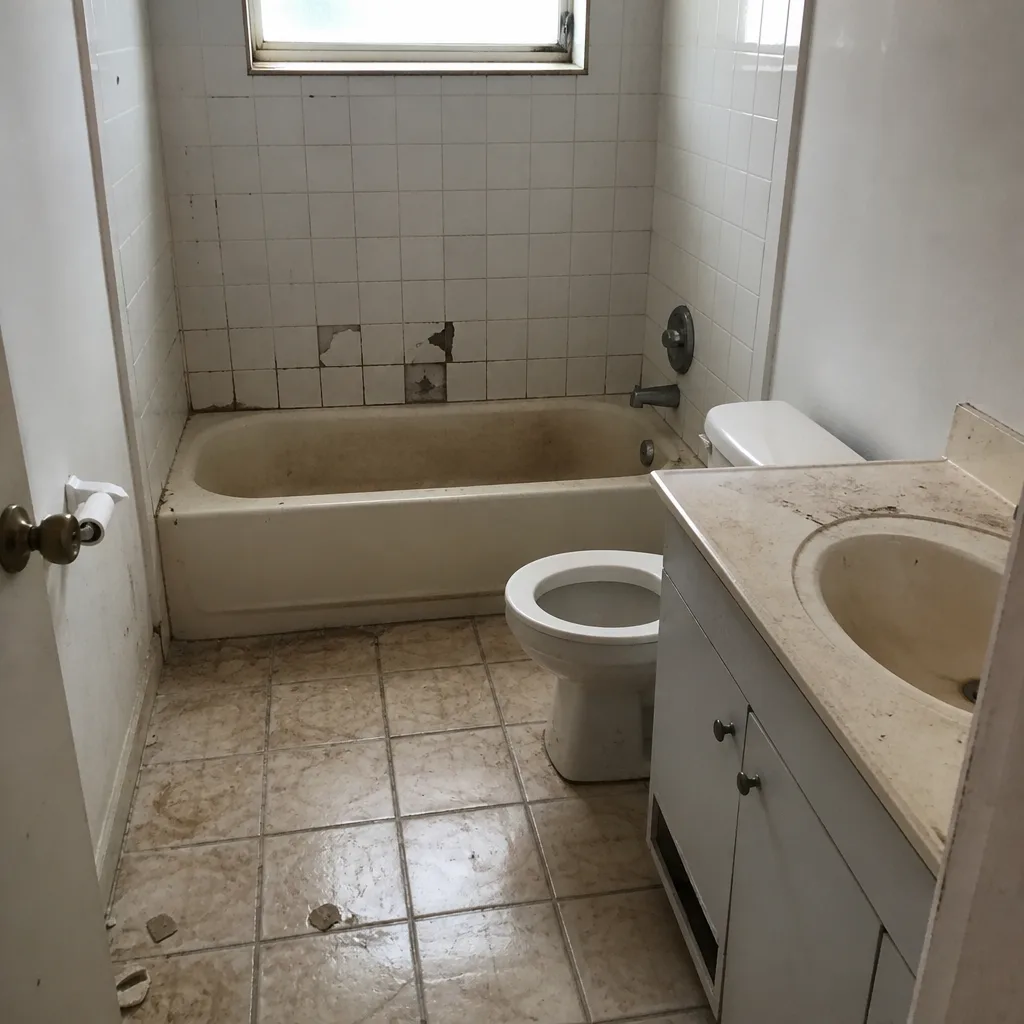 Before
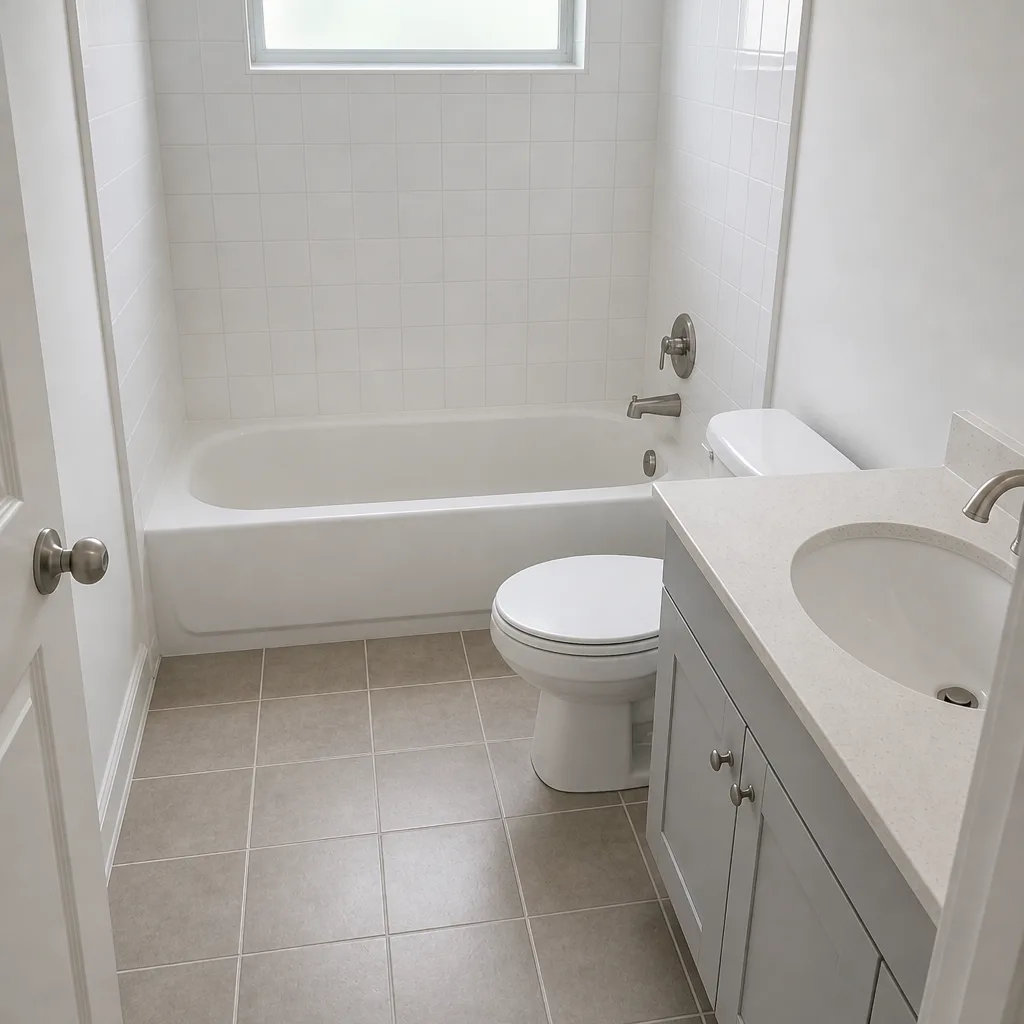 After
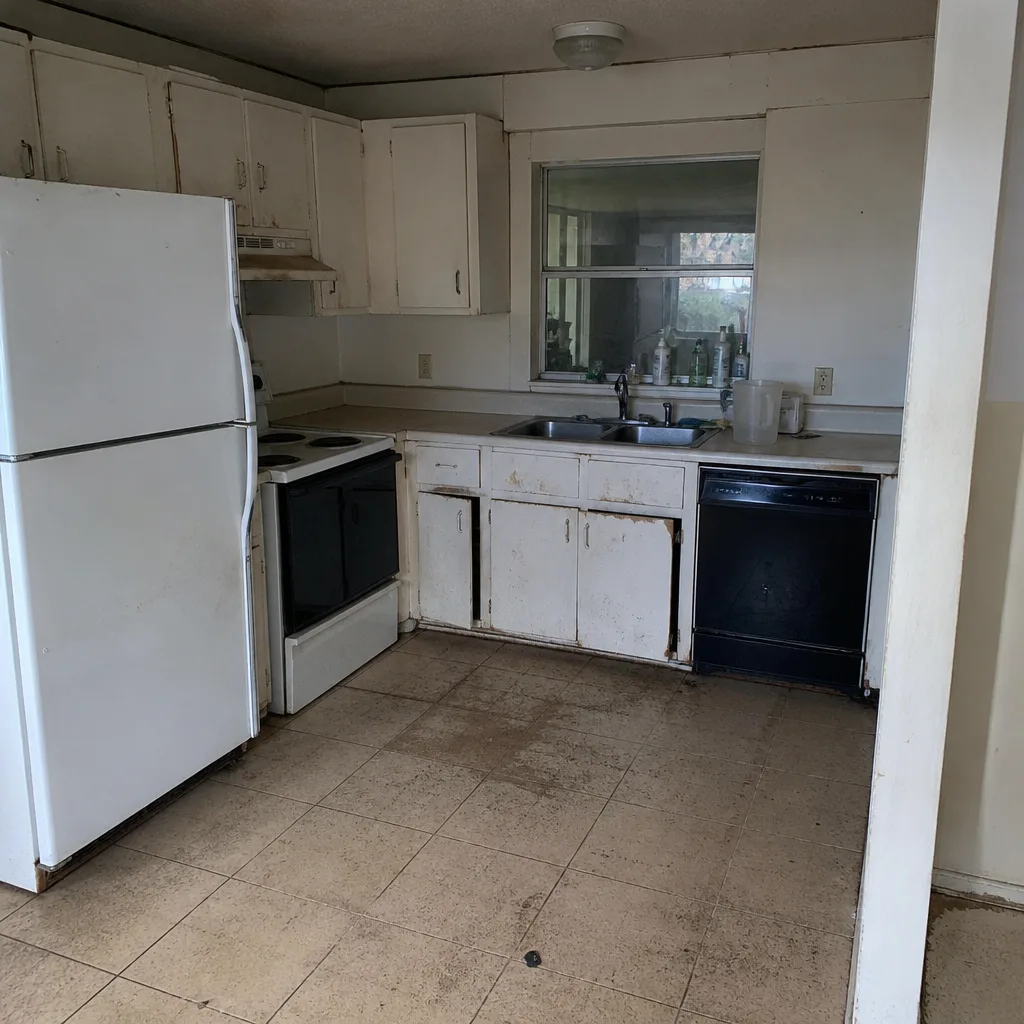 Before
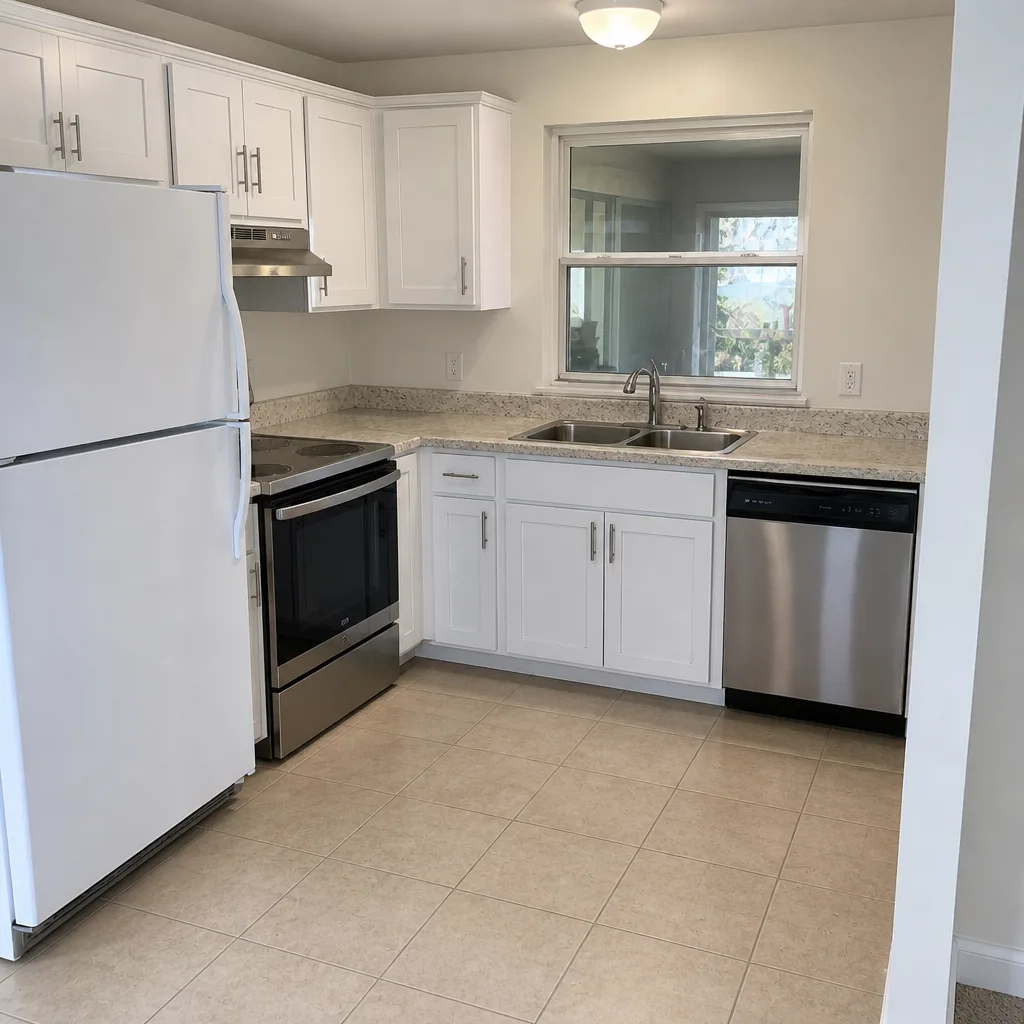 After
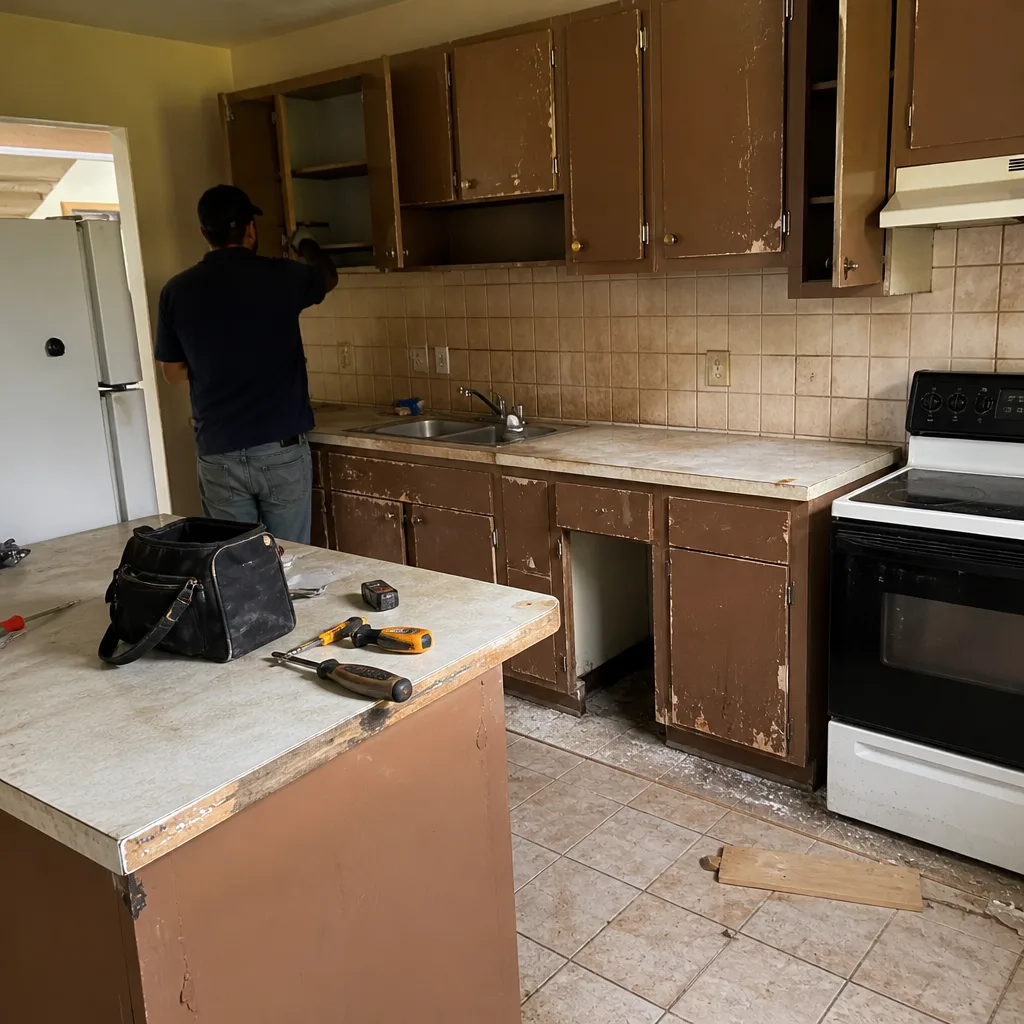 Before
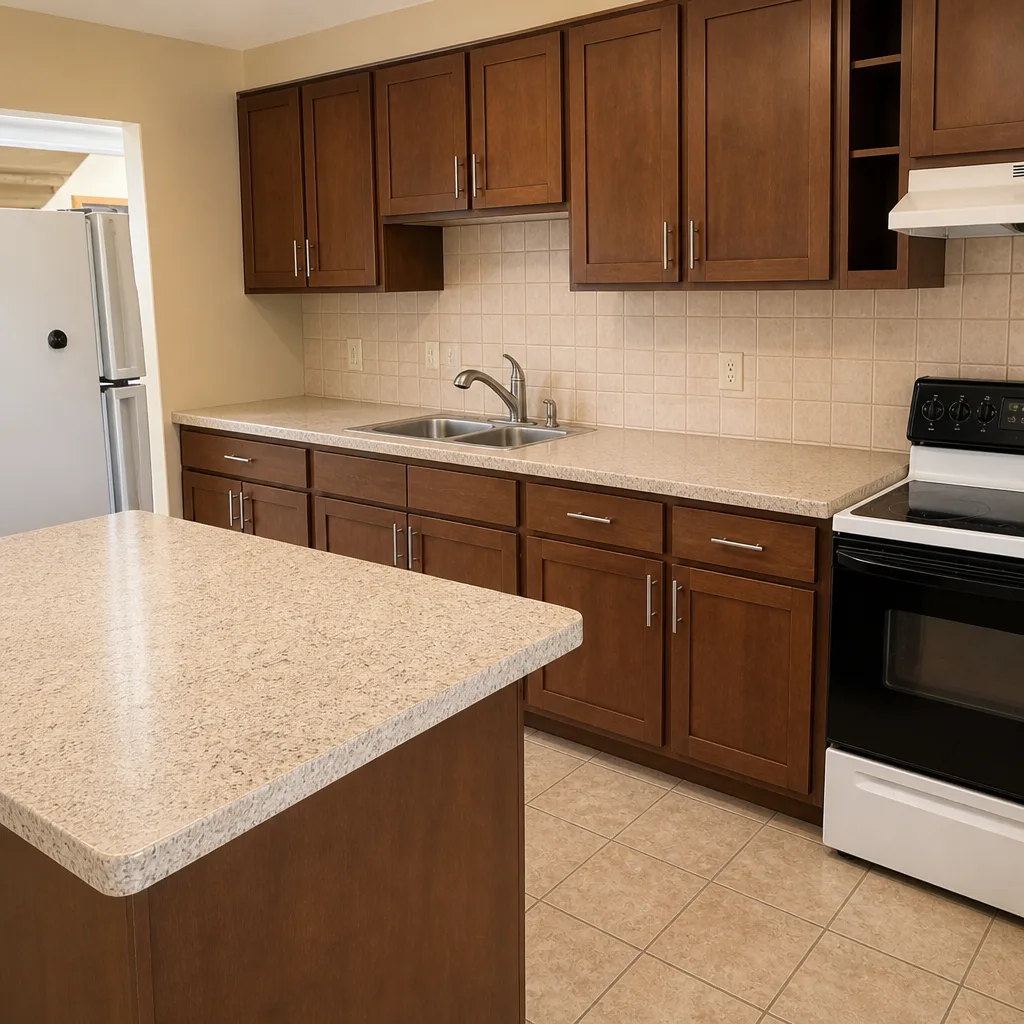 After
When to Call a Professional
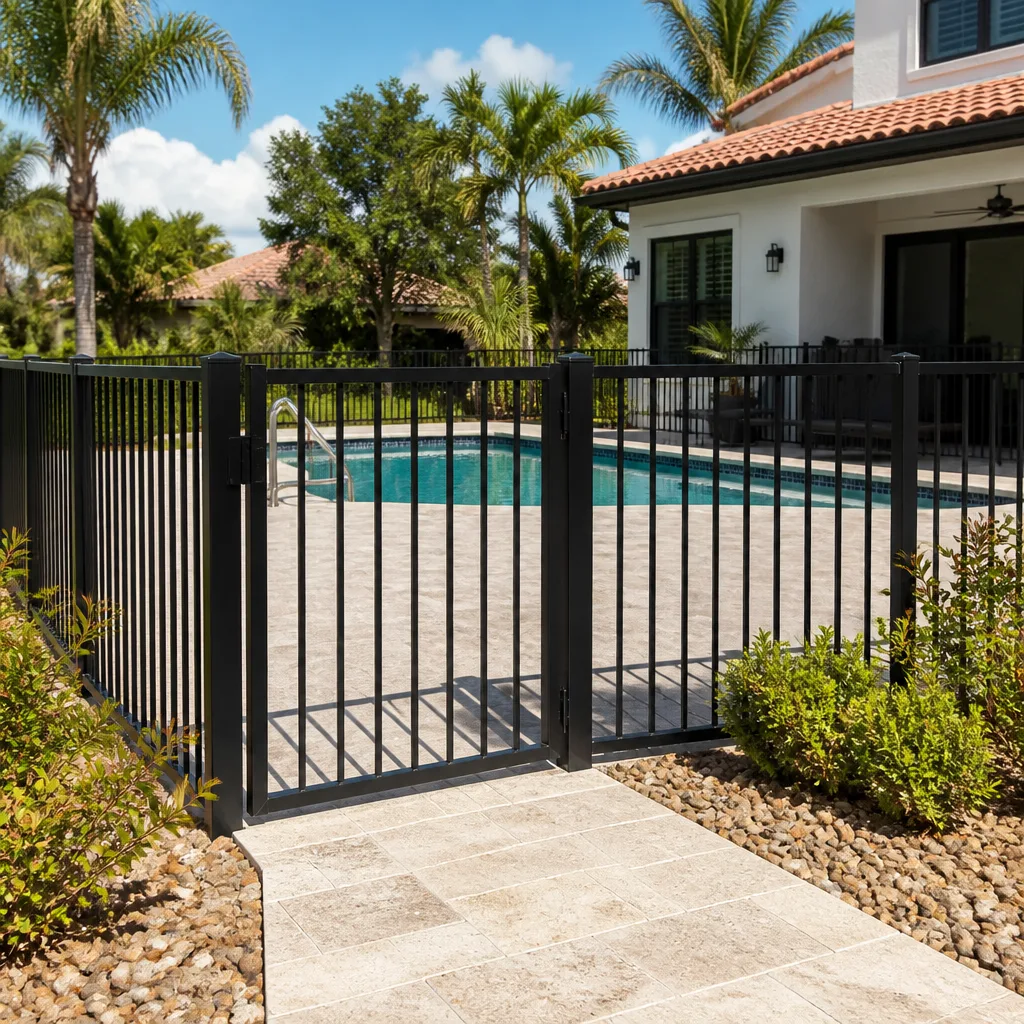
Call a professional when a post is soft at the soil line, when more than one post is leaning in the same section, when a storm has lifted or laid over a fence line, or when you can’t tell which failure you’re looking at. Re-plumbing a post, re-setting a footing, and re-building a gate are all honest jobs – but they go wrong fast when the diagnosis is wrong, and that’s the expensive part. There’s also the permit question. A fence repair that starts to look like fence replacement needs a permit and an inspection, and a crew that pulls permits on every eligible job is the one you want doing the work. Barrett & Sons Construction Homestead offers free estimates in Homestead – call (866) 344-6796. A live person answers, every time.
Frequently Asked Questions
Fence repair in Homestead typically runs a few hundred dollars for a single post and gate adjustment, and climbs into the low thousands when a post footing has to be pulled and re-set or a whole fence section is replaced. The range is wide because the diagnosis drives the cost – a hinge adjustment and a footing rebuild are very different jobs that look the same on day one. Call (866) 344-6796 for an exact quote – estimates are free, and we’ll tell you which failure you’re actually dealing with before you spend a dollar.
Sometimes. A post that’s still solid when you push a screwdriver into it at the soil line can usually be dug out on one side and re-set plumb. A post that’s soft or hollow at the base cannot – it has to come out and the footing has to be rebuilt. The probe test is the whole answer: if the screwdriver sinks in with light pressure, the post is done.
Heavy rain exposes an undersized footing or a drainage problem. When the soil around a post saturates, a footing that was dug too shallow loses its grip, and the post tilts. If your whole fence line dips rather than one post leaning, the cause is settling soil and the footings need to go deeper. Call (866) 344-6796 and we’ll walk it with you – the free estimate will tell you which one it is.
Repairs usually don’t need a permit; full replacement and some taller fences do, and it varies by property and by the county’s current rules. The safe move is to ask before the crew digs, not after. A fence installed without a permit can complicate a storm insurance claim down the road, and we pull permits on every eligible job so the inspection record exists.
Often, but usually only if the fence was in good condition before the storm. Insurers look at post bases, footing depth, and whether a prior repair record exists. A fence that was already leaning or rotting before the storm gets adjusted down or denied, because the adjuster can tell the difference between storm damage and deferred maintenance. Take dated photos of every post base after any storm, whether you file or not.
Loosening hinges are usually the first sign that the hinge post is taking on water through the screw holes and starting to soften. The hinge isn’t the problem – the post is. If you tighten the screws and they loosen again within a few weeks, stop tightening and check the post with a screwdriver. If the base is soft, the post needs to be replaced before the gate fails entirely.
The Bottom Line
Most fence problems in Homestead trace back to four root causes: post failure, panel failure, soil settling, and drainage. The symptoms look alike, and that’s where the money gets wasted – a new panel over a rotting post, a re-plumbed post over a drainage problem, hinge screws tightened on a failing hinge post. Probe the base, push the post, watch where the water goes, and sight down the fence line before you buy anything. If the diagnosis points to a footing that has to come out or a storm claim that depends on how the fence was installed, that’s the job to hand off. Let’s get it done right. Call Barrett & Sons Construction Homestead at (866) 344-6796 for a free estimate, a written scope, and a crew that pulls the permit and backs the work with our written 90-Day Done Right Promise.
Written by the team at Barrett & Sons Construction Homestead.